The Turkish cuisine is considered one of the most diverse global kitchens, as it combines many characteristics of Arab cuisine, Persian cuisine, Kurdish cuisine, Indian cuisine, and Armenian cuisine, due to the long and extended history of the Ottoman Empire, in which many peoples mixed, and cultures transmitted skills and attributes among them. Turkish cuisine is also known for its diversity, the deliciousness of its recipes, and its interest in ancient foods inherited from their ancestors.
There are many dishes that the Turks are unique in preparing and are distinguished by, such as: Turkish kofta, bulgur with chicken, Turkish pizza, paiyarma, Daoud Pasha, the original Iskender Kebab, Turkish accuracy in addition to the various authorities, and we will learn how to prepare the kefeth, Byorma, and kebabs.
Turkish cuisine has a variety of dishes, and it has a great historical heritage, as it witnesses an unparalleled turnout among tourists from all over the world, as it is a kitchen that combines food cultures in the world, and visitors will be able to taste special dishes with various flavours in the remarkable Turkish cuisine.
Whatever the origins of Turkish cuisine, no matter what, the culture of Turkish cuisine differs from one state to another, where we find the Ottoman traditions depicted in the features of Turkish cuisine in the cities of Istanbul, Bursa and Izmir and we find that the Black Sea regions greatly influenced by European cuisine cultures, such as the cities of Kastamonu, Düzce and Zonguldak, while the culture of Arab cuisine appears clearly in the regions of southern Turkey, such as Gaziantep, Urfa and Mardin.
The Turkish breakfast consists of bread, semolina, cheese, eggs, olives, Turkish sausage, pastrami with tomatoes, cucumbers, jam, honey, and not to forget Turkish tea, which is the most important ingredient in breakfast.
The most important characteristic of Turkish cuisine is the burek, which is pieces of dough that contain cheese, meat or vegetables, and are cooked in the oven or in boiling oil. They are sold in the markets as fast food and are presented in different forms, the most important of which is the twisted shape.
In general, for lunch, the Turks depend on beef, lamb, chicken and fish. Turkish cuisine contains basic ingredients, including eggplant, green peppers, onions, garlic, lentils, rice and tomatoes. Soup is served initially at lunch, in order to prepare the stomach to receive the basic food, which consists mainly of rice, bulgur or pasta, and Turkish meat dishes (lamb, beef and chicken), meat is cooked in Turkey with tomato sauce or boiled with vegetables.
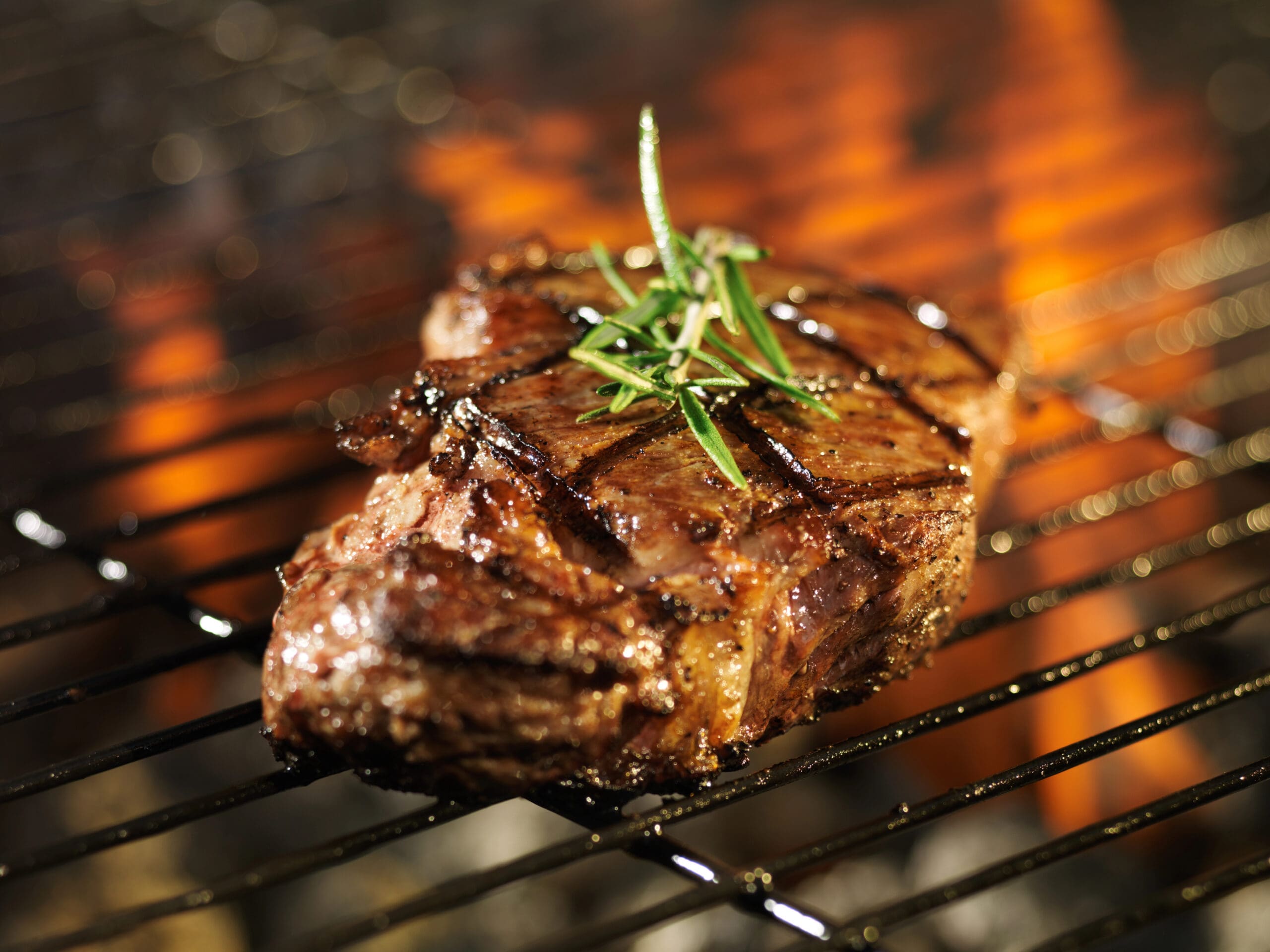
Sometimes meat is prepared on charcoal and barbecue parties are held on trips. The types of home kebabs that are prepared and served on different dishes of vegetables are spread. The types of kofta in Turkey are known in the cities that specialize in it.
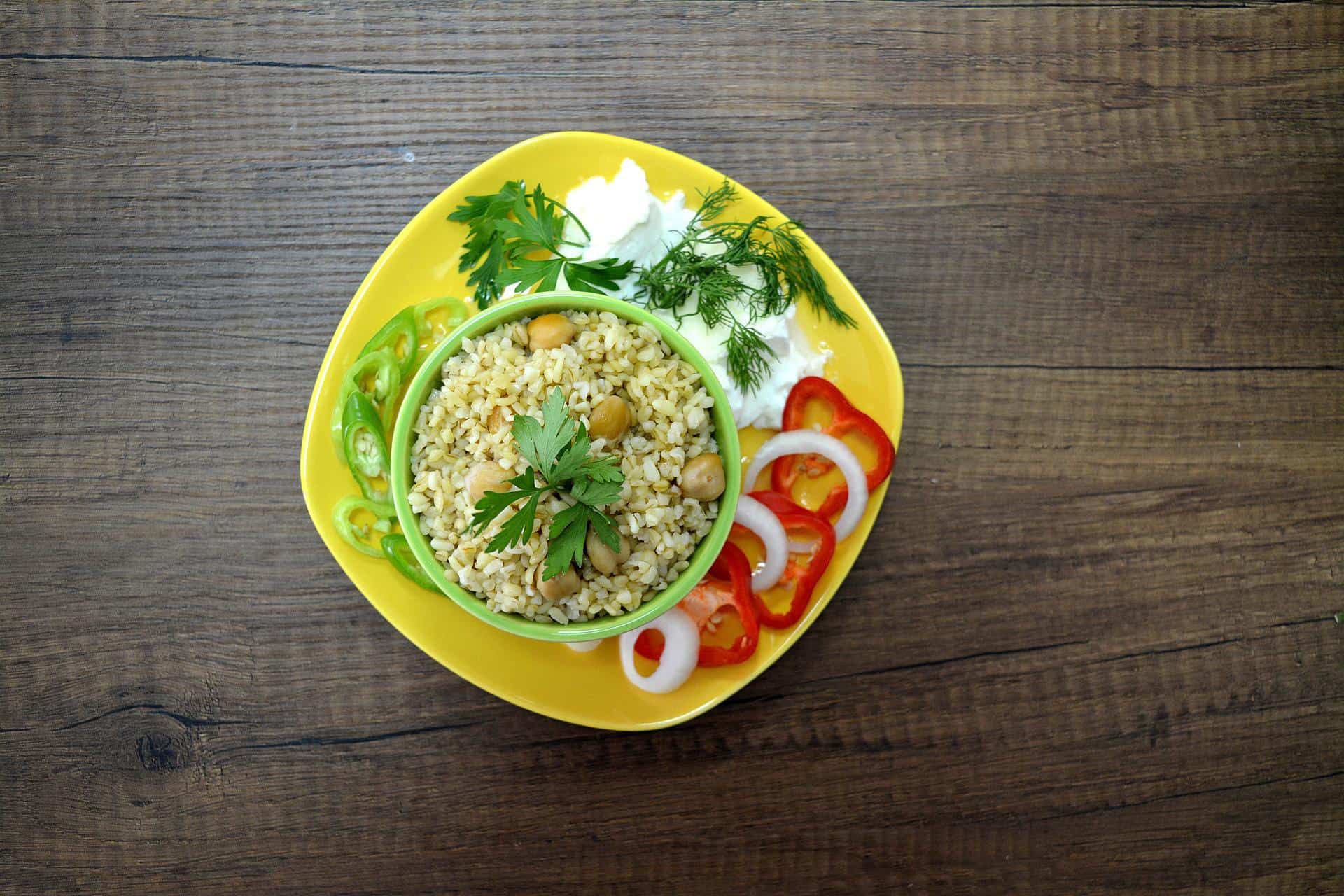
Rice is one of the basic cooking items in Turkish cuisine, as its preparation methods vary in Turkey. Tomatoes are sometimes added to some types of rice, meat is added at other times, and other types of rice mixed with nuts, chickpeas, eggplant or chicken pieces are cooked.
Dinner varies between breakfast and lunch, some of them eat eggs, cheese and the like at breakfast, and you see some of them eat meat and its derivatives according to the desire of each person to eat. But one of the most important Turkish foods, the most famous of which is Chikofta, or as it is known in Turkish Çiğköfte, which is dedicated to dinner as it is light on the stomach, its unmatched pleasure, and its good taste, especially at this time of the day.
However, it is possible to eat this kofta at any time of the day in general, as it is usually served with a few fresh green parsley leaves with drops of lemon juice in a piece of lettuce leaves, and do not forget to drink with it Ayran milk, which gives it a wonderful taste.
The Most Famous Dishes in Turkish Cuisine
Turkish Kebab
httpss://www.youtube.com/watch?v=Wj7sXu9B_ME
kebab usually consists of very fine minced meat, grilled, and with many appetizers, and one of the most famous types of Turkish kebab:
Doner: consists of chicken meat, or veal, and is stacked and placed on skewers for grilling, and served after it is cooked, and usually Served with rice, salads, and yogurt with garlic.
Iskander Kebab: It consists of sheep meat, where the meat is cut into thin pieces, and served with tomato sauce and yogurt.
Shish kebab: consists of grilled lamb with tomatoes, and seasoned with paprika spices.
Adana kebab: consists of minced meat grilled on skewers, and seasoned with hot chili.
Kofta: balls of ground meat, or made in the form of discs and seasoned according to taste.
Red Lentil Kofta
Ingredients
4 or 5 cups of water.
1 cup of fine bulgur.
2 cups of red lentils.
5 or 6 sticks of green onions.
1 medium sized onion.
½ bunch of parsley.
½ cup of olive oil.
1 tablespoon of red pepper paste and tomato paste.
1 teaspoon of cumin and red pepper flakes.
1 teaspoon of black pepper and salt.
Preparation
Put the red lentils in a saucepan on the fire to boil it completely, then add the fine bulgur to it while leaving a small amount of liquid in the pot.
Stir the ingredients in the pot, then cover and let it rest for ten to fifteen minutes.
Put the olive oil in a frying pan on the stove to heat it, then add the chopped onion to fry until it wilts.
Add the red pepper paste and tomato paste to the pan to fry them a little, then put it aside and add the spices to it and mix them well.
Put the mixture in a mixing bowl, then add the fried onions and knead them together to mix the ingredients together.
Add chopped parsley and green onions to the mixture, then knead them well to form a kofta and serve in a serving dish with lettuce.
Spinach Purani
Ingredients
1 medium grated onion.
4 tablespoons of yogurt.
1 kg of spinach.
black pepper and salt.
½ cup of olive oil.
2 cloves of garlic, finely chopped.
For garnish
2 tablespoons of butter.
1 teaspoon of paprika and Chili pepper.
A bunch of pine nuts.
2 tablespoons of butter.
Preparation
Put the olive oil in a saucepan on the fire until it heats up, then add the onion and garlic to it to fry it lightly, then add the spinach and leave it until it cooks well.
Remove the saucepan from the heat and place it in a mixing bowl, add the yoghurt to it and mix them until the ingredients are homogeneous together, then pour it into a serving dish.
Fry the pine nuts in a small frying pan until golden, then remove from the heat and leave until golden.
Put the butter and spices in the same pan on the fire and leave it until it boils, then pour it over the spinach mixture in a serving dish and decorate its face with fried pine nuts.
Imam Bayildi
httpss://www.youtube.com/watch?v=JicVDvolG_I
Ingredients
4 eggplants.
½ cup of water.
½ cup of olive oil.
1 tablespoon of sugar.
2 tablespoons of chopped parsley.
3 tomatoes, peeled and cut into cubes.
3 sprinkles each: ground black pepper and salt.
5 sliced onions.
12 cloves of halved garlic.
3 sliced green bell peppers.
Preparation
Wash the eggplants well and cut it into two or three pieces, then remove it from the pulp with a knife or spoon.
Fry the eggplant in a frying pan with plenty of oil, then dry it on kitchen paper.
Fry the onions and garlic in a pan of olive oil, stirring them for a few minutes.
Add the chopped tomatoes to the pan and cook it until it becomes soft, then add: black pepper, salt, parsley and sugar to the pan and remove it from the heat.
Stuff the fried eggplant with the previous filling and put it as a layer in a bowl.
Add a small amount of olive oil and half a cup of water.
Leave it on a low heat for 15 minutes. Leave the dish aside until it rests a little, then serve it warm or cold as desired.
Pasta Salad with Turkish Sauce
Ingredients
500 grams of the colored spiral-shaped pasta.
2 medium sized chopped tomatoes.
2 chopped cucumbers.
2 medium sized sweet peppers, one red and one green.
10 black olives without seeds.
1 cup of white cheese
Turkish sauce
3/4 cup of olive oil.
¼ cup of apple cider vinegar.
½cup of white vinegar.
½ teaspoon of salt.
¼ tea spoon of black pepper.
1 clove of garlic.
1 teaspoon of fine dry thyme.
¼ teaspoon dried basil.
¼ tablespoon of oregano.
Preparation
Heat five cups of water until it boils on a strong fire.
Add to the water a tablespoon of salt and the same amount of oil.
When the water boils, boil the pasta for less than ten minutes until it is cooked.
Filter it with a colander and then pour it into a serving dish.
For the sauce
In a glass jar, put olive oil, vinegar, salt, pepper, thyme, basil and oregano.
Then, close the two jars and shake well to mix the sauce.
Put it in the refrigerator until serving time.
Cut the olives into pieces and add the tomatoes, cucumbers, peppers, and olives.
Stir the ingredients, add the sauce and stir the ingredients.
Distribute the white cheese and serve.
Turkish Fattah
Ingredients
3 loaves of Arabic bread.
3 eggplants.
2 large sweet green peppers.
2 tablespoons of olive oil.
3 cups of yoghurt.
4 cloves of garlic, crushed.
1 teaspoon salt.
3 tablespoons of butter.
400 grams of coarse minced meat.
1 peeled and chopped tomato.
½ teaspoon of black pepper.
½ teaspoon of crushed chili.
¼ teaspoon of mixed spice. Some chopped parsley, to serve.
Preparation
Prepare the oven at a temperature of 200 Celsius, and an oven dish or a tray with short edges.
Cut the bread with kitchen scissors into small cubes, then put it in the tray to be a layer and put it in the oven to become golden in color, then set it aside.
Make holes in the eggplant and put it in a metal mesh in a tray with a high edge, and cut the pepper in half and put it so that its heart is down.
Roast the eggplant and pepper in the oven for half an hour, then remove them and peel the eggplant while it is warm, then cut it into cubes, and into small pieces.
Put a stainless-steel pot on a medium heat and inside the pot put vegetable oil, fry the capsicum until it smells good.
Add the eggplant, stir for two minutes, add salt and pepper, then remove them.
Put the milk, garlic, and salt in a deep dish, and stir them well to form a homogeneous sauce.
Stir the meat and oil over a medium heat until cooked, then add the tomatoes, peppers, hot sauce, and spices.
Stir the meat and tomatoes for a minute without the tomatoes melting.
Arrange the ingredients in a serving dish, placing the bread, then distribute a third of the amount of the yogurt sauce.
Distribute the eggplant and pepper, then distribute the second third of the yogurt.
Then, distribute the tomato and meat mixture, then put the rest of the milk.
Decorate the surface with parsley, and serve immediately.
Ingredients
1 cup of fine bulgur.
1 finely chopped seedless tomato.
1 finely chopped green onion.
½ sweet red pepper finely chopped.
½ yellow bell pepper finely chopped.
¼ cup finely chopped parsley.
2 tablespoons of finely chopped mint.
1 finely chopped red hot pepper.
1 tablespoon of tomato paste.
6 tablespoons of olive oil.
1 tablespoon of hot red pepper paste.
6 tablespoons of pomegranate molasses.
1 tablespoon of lemon juice.
1 teaspoon of cumin.
½ teaspoon of salt.
Preparation
Soak the bulgur in water for a third of an hour.
Drain the bulgur well from the water.
Then, add the oil, pomegranate molasses, tomato paste, red pepper paste, lemon juice, cumin, salt, and stir the ingredients well.
Add all vegetables and stir well.
Serve the ash immediately after you finish preparing it.
Kebabs in the Oven
httpss://www.youtube.com/watch?v=gYu97LYniv0
Ingredients
1 kg of finely minced meat.
1 piece of fat cut into tiny cubes.
3 tomatoes, cut into slices.
1 finely chopped onion.
½ hot green pepper, finely chopped.
1 tablespoon of salt.
½ teaspoon of black pepper.
1 teaspoon of spices.
Preparation
Put the meat in a bowl, add onions, green peppers, salt, black pepper, and spices.
Stir well until all ingredients are mixed.
Form the meat into fingers and put them on the baking tray.
Put the tomato slices on top of the meat and then put the fat.
Put the tray in the oven at 180 degrees Celsius until the meat is completely cooked.
Serve the kebab after taking it out of the oven with Arabic bread or rice.
Bayaroma
Ingredients
1 eggplant cut into rings and fried in vegetable oil.
1 onion cut into wings.
1 tomato cut into cubes.
1 teaspoon of cinnamon.
1 teaspoon of salt.
1 teaspoon of cumin.
Preparation
Put a little vegetable oil in a saucepan, then add the tomato cubes and onion rings.
Repeat placing the vegetables in layers until the quantity is finished, then put them on a low heat.
Put the cinnamon, cumin, and salt in a quantity of water and mix them well, then add them to the vegetables in the pot.
Leave it on the fire until the vegetables are cooked.
Pour it into a serving dish, and serve it with Arabic bread, and it can also be served with a plate of white rice.
Okra in Oil
httpss://www.youtube.com/watch?v=8ch-92BYkTw
Ingredients
400 g of frozen okra
2 medium size onions chopped
2 minced garlic cloves
½ g ripe red tomatoes, peeled and chopped
3 tablespoons of tomato sauce
of black pepper
½ teaspoon sweet spice, salt to taste
2 tablespoons lemon juice
¼ cup of olive oil
Vegetable oil for frying
Preparation
First, we open the okra bags and make sure that they are well suppressed and that there are no funnels between the okra kernels.
Fry the okra in a deep vegetable oil until it gets a beautiful color
Then put it on kitchen paper to get rid of excess oil.
In a saucepan on the fire, put the olive oil and onions with a pinch of salt, and stir the onions until they wilt and turn brown.
Add the peeled and chopped tomatoes, black pepper, sweet pepper and salt, and stir together well.
Then cover the pot and leave on medium heat until the tomatoes boil, then reduce the heat and leave for 10 minutes.
Add tomato puree and stir well.
Then add the fried okra, a cup of hot water and lemon juice.
Stir them well, then cover the pot and leave it on a low heat until the okra is cooked without overcooking so that it does not mash.
Sultan’s Delight
httpss://www.youtube.com/watch?v=MkmlB0laY1w
Ingredients
500 g Boneless meat, cut into small pieces,
2 tablespoons of oil
1 large onion chopped
1 green sweet pepper, cut into small pieces
1 tablespoon canned tomatoes
1 tsp black pepper
A pinch of salt
¼ cup minced mint
1 cup and a half hot water
3 grilled and cleaned eggplant
White sauce
2 tablespoons of butter
1 cup of farina
½ liter of milk
A pinch of salt
A pinch of black pepper
½ cup shredded cheese
Preparation
In a saucepan, put the oil and meat and stir well.
Add the onions, sweet peppers and canned tomatoes.
Pour hot water and add salt, spices, and minerals.
Cover the pot and let it cook over medium heat until it becomes soft.
Taking into account the water level. Water can be added to the pot when needed.
Mash the grilled eggplant, then add the white sauce.
White sauce
Put the butter and the farina and mix well for two minutes.
Then, gradually add the milk.
Continue to stir until the mixture thickens and stats to bubble.
Then, add the mashed eggplant.
Lower the heat until it takes hold and looks like a purée.
Put the eggplant puree in a serving plate.
Sprinkle it with the meat mixture and decorate it to taste.
Pastries
Pastries are considered a par excellence Turkish dish, as many types of pastries and bread stuffed with different and delicious fillings are prepared. It is baked with minced meat, or cheese.
Turkish bread
httpss://www.youtube.com/watch?v=o9o81fJn3FQ
Ingredients
½ kg of white flour.
1 tablespoon of sugar.
2 tablespoons of powdered milk.
2 tablespoons of yeast. Six tablespoons of olive oil.
1 teaspoon of baking soda.
Amount of warm water for kneading.
1 egg yolk
Preparation
Put all the ingredients in a deep bowl, then start adding warm water gradually, and knead until we get a cohesive dough.
Let the dough rest for ten minutes and then knead it again. We prepare a baking tray greased with oil, then we put the dough in it.
form lines on the dough using a knife, then brush with eggs and put the nigella.
put the tray in the oven at a medium temperature until the bread becomes golden.
Peynirli Bazlama
httpss://www.youtube.com/watch?v=bvvqD45_OSg
It is the famous stuffed Turkish bread.
Ingredients
1 cup of warm milk tea
1 tablespoon of yeast
½ a spoon of sugar
1 teaspoon of salt,
3 to 4 cups of flour
1 cup of grated cheddar cheese.
½ a cup of chopped parsley.
1 cup of grated Kashkaval white cheese
Preparation
In a deep bowl, put a cup of warm milk, a tablespoon of yeast, half a spoon of sugar. Mix them and leave it on one side to puff up.
add to them a cup of warm milk and a teaspoon of salt, then add 3 to 4 cups of flour while continuing to knead until it gets cohesive and soft as a dough, cover it and leave it to ferment for an hour
make small balls, spread each ball a little bit and stuff it with the grated cheddar cheese, chopped parsley, and the grated Kashkaval white cheese.
Carefully close the ball and spread it again to a medium thickness.
bake it in a sheet pan from both sides on a low heat, then remove it from the fire.
Put it on a plate and grease it with oil on both sides and serve it with a cup of tea.
Semeet
httpss://www.youtube.com/watch?v=PThLzQv2Byo
Ingredients
350 g of precise
5 tablespoons of warm liquid milk
1 tablespoon of yeast
2 tablespoons of olive oil
1 egg
¼ teaspoon of Vinegar
1 tablespoon of sugar
1 teaspoon of salt
50 g of butter
100 ml of warm water
2 tablespoons of roasted sesame
For decoration
½ cup of molasses
½ cup of water
½ cup of raw sesame
Preparation
Put the butter, oil, sugar and yeast in the bowl of an electric mixer and mix.
Add the flour and toasted sesame and mix again.
In another bowl, beat the milk with the egg, then add them to the previous mixture with the salt.
Gradually add the water with continuous mixing until you get a cohesive, non-sticky dough.
Place the dough on a hard surface and knead it with your hands for 3-5 minutes.
Cover the dough and set it aside until it rises.
In a bowl, mix the molasses and water well, then put the sesame seeds in another bowl.
Shape the dough to your liking, dip it in molasses, then sesame seeds, and place on a tray lined with parchment paper.
Bake the ingredients in a preheated oven at 180°C for 20-25 minutes.
Borek
httpss://www.youtube.com/watch?v=FA_BMw0s7ds
Ingredients
½ kg of kullaj.
1 cup of milk.
2 tablespoons of butter.
½ cup of oil.
½ cup of yogurt.
½ teaspoon of baking powder.
2 eggs
300 g of feta cheese.
½ cup of mozzarella cheese.
½ cup of cheddar cheese.
2 tablespoons of roasted sesame.
Preparation
Bring a deep bowl and add the milk, yoghurt, butter, oil, eggs, and baking powder.
Mix all the ingredients well until they are homogeneous to use as an impregnation of the kullaj.
In another bowl, put feta cheese, mozzarella cheese, cheddar cheese, mint leaves as desired.
Grease the tray with oil, and then divide kullaj in half.
When placing each sheet of kullaj, put a tablespoon of the first impregnation sauce, until you have finished the first section.
Spread the cheese assortment in the middle, then place the other section of the paper in the same way as before.
The secret to the success of this recipe is to leave it for a long time, up to 2 hours or more.
Cover the tray and leave it for a while, then cut the borek and sprinkle the surface with sesame.
Put the tray in the preheated oven until it turns golden.
Desserts
Baklava
httpss://www.youtube.com/shorts/qkvC_yqva-Y
The most famous Turkish sweet. It is prepared from very thin layers of dough, stuffed with pistachios and hazelnuts and dipped in sugar syrup.
Ingredients
1 ready-made baklava dough.
200 g of soft butter.
2 tablespoons of ground pistachios.
For the syrup
1½ cups of water.
1 cup of sugar.
½ cup of honey.
5 cinnamon sticks.
1 teaspoon of grated orange peel.
1 tablespoon of rose water.
For the filling
3 cups of peeled and coarsely crushed almonds.
1 teaspoon of cinnamon powder.
½ teaspoon of mixed spices.
¼ cup of sugar.
Preparation
For the syrup
Mix grated orange peel, cinnamon, honey, water and sugar in a pot over low heat.
Stir the mixture, then leave it on a high heat until it boils well.
Remove the pot from the heat, then put the rose water, then leave it aside until it cools.
Turn on the oven at 180 degrees Celsius, then grease the oven tray with a little butter.
For the filling
Mix the sugar, spices, cinnamon and almonds well in a bowl until the ingredients are homogeneous.
Spread a layer of baklava dough, then brush it with a little butter.
Repeat this step until you have used up half of the dough, brushing each layer with butter.
Distribute the filling mixture over the dough layers until they are completely covered.
Roll out the rest of the baklava dough and brush each layer with butter.
Divide the baklava into equal-sized squares, then sprinkle the ground pistachios on top.
Put the baklava tray into the oven for at least forty minutes, until it turns red and turns golden.
Remove the tray from the oven, then pour the syrup directly over it.
Turkish Revani orBasbousa
httpss://www.youtube.com/watch?v=0kEBemISAcE
Basbousa is a type of well-known dessert in Middle Eastern countries, and the method of preparing Basbousa differs from one country to another.
Ingredients
1 cup and a quarter of fine semolina.
1 cup of coconut.
½ cup of vegetable oil.
1 carton of cream.
1 tablespoon of baking powder.
1 handful of saffron threads.
1 cup of fine sugar.
2 eggs.
For the toffee sauce
1 cube of butter.
1 cup of cream.
1 cup of fine sugar.
Preparation
In a deep bowl, mix sugar and almonds, until we have a smooth mixture.
Add the baking powder, semolina, salt, baking soda, coconut, butter, yoghurt, and blossom water, while continuing to mix.
Pour the mixture into a tray, cut it into squares, decorate with pistachios and almonds, and leave the Basbousa for half an hour to rest.
Preheat the oven to 180 Celsius, put the tray inside, and leave it for half an hour, until the color of its face turns golden, and pour the cold syrup over the Basbousa.
For toffee sauce
Put the sugar in a deep bowl on the fire, and leave it until it turns golden. Add the butter and cream to the sugar after roasting, and mix all the ingredients well.
mix fine semolina, coconut, vegetable oil, cream, in addition to baking powder, saffron and sugar well, using an electric mixer, until we have a cohesive shape, and pour the mixture into a greased tray.
add the toffee sauce on top of the Basbousa in the form of long and wide lines. Preheat the oven to a medium temperature,
put the Turkish Basbousa in the oven, and leave it until it is cooked.
Decorate the Basbousa with saffron threads, and serve while hot.
Basbousa with Coconut
httpss://www.youtube.com/watch?v=ITcJsOXVzKU
Ingredients
2 tablespoons of sliced almonds.
½cup of fine sugar.
1 cup of coarse semolina.
½ spoonful of baking powder.
½ teaspoon of bicarbonate of soda.
A pinch of fine salt.
¼cup of shredded coconut.
1/3 cup of curd.
1 cup and a half of melted butter.
1 teaspoon of rose water, and it can be replaced with rose water.
For the syrup
1 cup and a half of sugar.
1 cup of water.
1 teaspoon of lemon juice.
1 teaspoon of rose water.
Preparation
In a deep bowl, mix sugar and almonds, until we have a smooth mixture.
Add the baking powder, semolina, salt, baking soda, coconut, butter, yoghurt, and blossom water, while continuing to mix.
Pour the mixture into a tray, cut it into squares, decorate with pistachios and almonds, and leave the Basbousa for half an hour to rest.
Preheat the oven to 180 Celsius, put the tray inside, and leave it for half an hour, until the color of its face turns golden, and pour the cold syrup over the Basbousa.
For the syrup
put the water, sugar and juice in a pot on the fire, for eight minutes,
add the blossom water to it, and remove it from the fire.
Turkish Pudding
Ingredients
1 liter milk
5 tablespoons starch
½ cup sugar
2 tablespoons rose water
1 tablespoon butter
2 tablespoons of cream
½ cup pistachio
¼ cup raisins
Preparation
Put the milk in a large saucepan and put it on a medium heat
Add the sugar and keep stirring until the sugar dissolves
In a cup, dissolve the starch with a little water and add them to the boiling milk until the milk becomes thick
Add the butter and cream to the pudding and keep stirring over a low heat
After the pudding has reached the desired thickness, add the rose water
Pour the pudding into clay cups and put it in the oven at a low temperature just to make its face a golden color
Remove the pudding from the oven and sprinkle the almonds and pine nuts on top. It is ready to be served and served hot
Qatayef
httpss://www.youtube.com/watch?v=RBW8CG2LtWI
Ingredients
For Qatayef dough
3 cups of sifted flour.
2 cups of warm water.
1 tablespoon of instant yeast.
1 tablespoon of baking powder.
2 and a half teaspoons of sugar.
½ teaspoon of salt.
2 teaspoons of rose water.
For stuffing Qatayef
2 cans of cream.
Ground pistachio.
Cold dense diameter.
2 tablespoons of butter.
Preparation
Bring yeast and put it in a cup, add sugar and mix them together, then put a quarter cup of warm water and leave it until it reacts and bubbles.
bring the flour and put it in a deep bowl, then add salt and baking powder to it, and sift it several times.
add the yeast to the flour, warm water, and blossom water, and knead the mixture with a dough hook or by hand, until we have a soft and somewhat liquid dough.
Leave the dough in a covered bowl in a warm place for two hours, until it ferments.
bring a large tray or a non-stick tray, then put it on the fire for five minutes until it gets hot. Put the Qatayef dough in a bowl or jug to facilitate pouring.
pour the mixture in the form of discs as desired, and here we need small discs,
notice that when adding the Qatayef on the tray, the emergence of some bubbles on its surface, and that its bottom has become golden in color, this is evidence of the success and maturity of the dough.
Bring the entire quantity and leave it in a dry place to cool slightly, then cover it with a piece of cloth to avoid drying out.
prepare the Qatayef, then close it half, and in the other half put the cream, and dip it in the crushed pistachio nuts.
put the Qatayef beads in the tray with a little melted butter, and the face is browned to become golden – an optional step.
Qatayef is served cold with cold thick syrup.
Lukma
httpss://www.youtube.com/watch?v=xaw4GLe5hN0
Ingredients
1 cup water
2 cups flour
1 spoon of yeast
1 egg
1 spoon of sugar
A pinch of salt
1 cup of oil for frying
For the syrup
2 cups of sugar
2 cups of water
2 tablespoons lemon juice
Preparation
To make the syrup: bring a bowl, put sugar and water, and bring it to a boil, then add lemon juice and leave it for 10 minutes.
Then, raise it from the fire.
Take a bowl and mix the yeast with water and sugar and let it ferment.
In a bowl, put the flour, yeast mixture, eggs and a pinch of salt and mix them with an electric mixer, then let the mixture ferment for a while.
It takes about an hour until it doubles in size.
Boil the oil on the fire, then bring a spoon and take a little of the mixture and fry it in the boiling oil until it becomes golden balls.
Repeat the previous step until all the quantity is used up.
Put the loqaimat in the cold syrup after frying them, then put them in a serving dish and serve.
Turkish drinks
If you have finished eating and want to have a delicious drink, you can try the delicious Turkish tea or Turkish coffee, famous for its refreshing aroma.
Booze
You can try the delicious Turkish Booze, which will give you warmth, especially in winter.
Ingredients
¼ cup of corn powder
¼ cup of millet
¼ cup of rice
¼ cup of wheat
¼ cup of barley
1 cup of bulgur
½ cup of sugar
¼ teaspoon of yeast
Preparation
Wash the rice, wheat, and bulgur well and put them in a saucepan.
Pour 7 cups of water and bring the mixture to a boil over medium heat until it thickens.
Add corn powder and millet to the mixture and stir.
Strain the mixture and get rid of lumps.
Leave the mixture at room temperature for about two hours.
Dissolve the sugar and yeast in the rest of the water and add them to the bulgur mixture.
Stir until the ingredients overlap, then cover the pot and leave the mixture to rest overnight, stirring from time to time.
Add the rest of the sugar, stirring well, until the latter is completely dissolved.
Put the drink in the refrigerator until it cools.
When serving, pour the mixture into a bowl and garnish with cinnamon and chickpeas.
Turkish Sahlab Drink
httpss://www.youtube.com/watch?v=r-TOAf1ofMQ
Ingredients
2 cups of water.
6 tablespoons of powdered milk.
3 tablespoons of starch.
2 tablespoons sugar.
2 tablespoons of rose water.
For decoration
½ tablespoon of crushed pistachios.
½ tablespoon of crushed almonds.
½ tablespoon of raisins.
Preparation
In a bowl, mix all the ingredients until well mixed, then leave the bowl on a low heat for five minutes until the mixture thickens and curdles a little.
Remove the pot from the heat, put the orchid in serving glasses, and decorate it with nuts.
Turkish Ayran Drink
httpss://www.youtube.com/watch?v=fJM16N19UFI
Also known as Shanina is one of the milks that contain a good amount of nutrients beneficial to the human body, the same nutrients found in fresh milk, in addition to many vitamins and proteins,
Ingredients
1 kg of yogurt.
3 cups of water.
1 teaspoon of salt.
Preparation
Whisk the yogurt using the electric or hand mixer well,
Gradually add the water, as well as the salt until it becomes of a homogeneous texture.
keep it in the fridge.
Ayran with Mint
Ingredients
1 cup of yogurt.
1 glass of water.
½ tablespoon of fresh mint, finely chopped.
¼ tablespoon of salt.
Preparation
Put the milk, water, mint and salt in the bowl of the electric mixer, and mix well.
Serve Ayran milk in serving cups.
Strawberry Yogurt
Ingredients
1½ cups of yoghurt.
15 sliced strawberries.
2 tablespoons of sugar.
Preparation
Crush a quarter of the strawberry with a fork.
Add the yoghurt, sugar, and mix well. Add strawberry pieces to the previous mixture.
Serve yogurt with strawberries, and decorate with strawberries.
Note: This quantity is only enough for two people, and if there is a desire to make a larger quantity, the specified quantities can be doubled.
yogurt with Fruits and Oat
httpss://www.youtube.com/watch?v=rTlES8qoRtw
Ingredients
500 grams of yogurt.
500 grams of fruits cut into small pieces.
½ cup of oats.
1 tablespoon of cocoa.
3 or 4 tablespoons of honey.
½ cup of sliced almonds.
Preparation
Put the yogurt, honey, oats, cocoa and almond flakes in a deep bowl.
Gently mix the ingredients until combined.
Add the fruits and mix again lightly.
Pour the mixture into serving glasses, and decorate the glasses with some pieces of fruit as desired.
Put the cups in the refrigerator for at least an hour.
Turkish Street Food
We love fast food, which is one of the main components of our daily routine that can never be dispensed with, we are often outside and craving to eat something delicious that helps us to stay alert throughout the day. Temporarily, it is no secret that Turkey, this beautiful country, is famous for its delicious and healthy cuisine.
Streets of Istanbul offer a variety of Turkish food to visitors, and a wide variety of cheap and delicious street food that keeps you from going to restaurants and fills your hunger quickly. Learn through this article on 10 famous Turkish dishes that you will find scattered in the streets of Istanbul.
Turkish Semeet and Round Cake
Semeet is one of the most popular and famous meals in Turkey, where you can find the kiosks of Semeet sellers spread in the streets of Istanbul. This delicious cake, which is characterized by its freshness with a small sprinkle of sesame on it, makes it a light and delicious meal that melts in the mouth. Water, sesame seeds and baked at the perfect temperature to come out warm, crunchy on the outside, chewy on the inside and served with Turkish cheese or butter and garlic.
Stuffed Kebbe
One of the most traditional and very popular dishes in Istanbul. Delicious mussels are served with a filling of rice mixed with oranges, raisins, pine nuts and balls, topped with a few drops of lemon juice.
Fish Sandwiches
One of the most favorite dishes in Istanbul, especially in the coastal areas, and it is considered one of the best fresh foods. The fishermen were the ones who started inventing this type of sandwich, so they decided to cook and sell their catch instead of selling fish to vendors, where they put fresh grilled fish with a few seasonal vegetables and stuffed salad In fresh bread.
Stuffed Kibbeh
A popular choice of delicious street food popular in Istanbul. It consists of oval-shaped balls of bulgur, chopped onions, minced meat or minced lamb. Mix these ingredients with spices such as nutmeg, cinnamon, fried nuts and fried pine nuts. When you eat, the spiced packet juices explode in your throat, creating an explosion of flavor in your throat. Delicious irresistible dip in milk, mint and hot sauce.
Meat Rolls
These rolls are widely found in restaurants all over the city as they are one of the most popular foods in Istanbul. You can say that they are a type of kebab. Bread is made from flour, water and salt and formed in a thick enough layer to prevent the filling from coming out. Delicious and spicy with tomatoes and peppers served with salad and if you are a vegetarian, you can replace the filling with a mixture of vegetables and cheese and these delicious rolls can be found all over Taksim Square.
Sheep Intestine Skewers
The name sounds awful, doesn’t it, but you might be surprised to learn that one of the most delicious foods that can be found in Istanbul is the intestines seasoned with salt and mixed with meat, offal, spices and herbs to become a complete paste that is grilled on the grill.
Baked Potatoes
Head to Istanbul’s Ortakoy district for the best baked potato of your life where potatoes are baked with an endless variety of Turkish cheese, corn, salad, vegetables, meat, and anything else you want. With a fork.
Turkish Pancakes
These Turkish pancakes can come with a savory or sweet taste with a wide variety of fillings that you can choose from to suit your taste. You can choose between cheese, onions, meat, fish, vegetables, salads, potatoes or fruits, Nutella, sugar, lemon and nuts. These delicious fillings come between two thin layers of dough.


 Salma Ihab