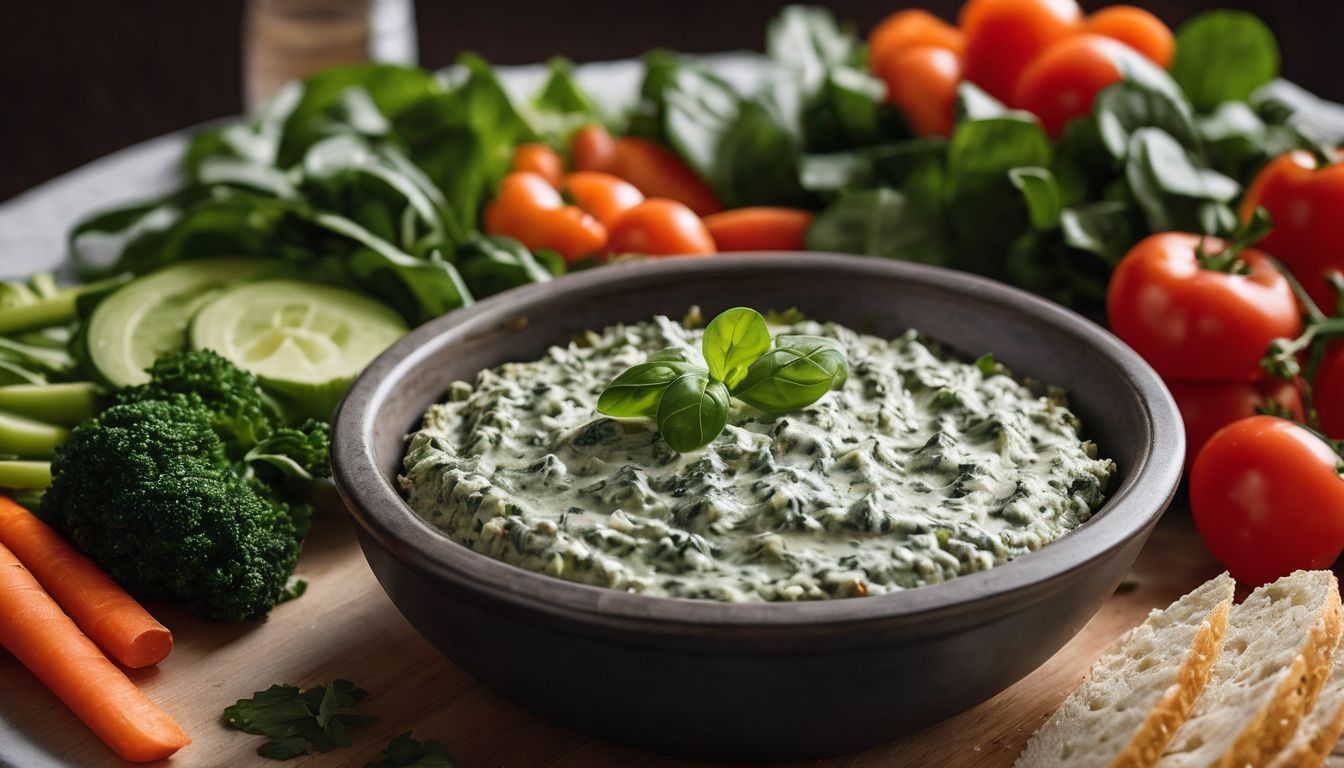
People prepare many dishes at the dining table, including salads. Nowadays, pasta is used in making salads in several forms, as it has many varieties and shapes in the markets. Some of which are light, coloured, and in many sizes. There are long and short pasta; some are stuffed, some are cooked with tomato sauce, and some are wide and called lasagna.
Looking for some fresh and delicious ways to enjoy spaghetti? Look no further than these delightful spaghetti salad recipes that are sure to add a burst of flavour to your table. Whether you’re hosting a summer BBQ, a picnic in the park, or just craving a light and satisfying meal, these recipes will surely satisfy your cravings.
Delightful Spaghetti Salad Recipes
The renowned spaghetti salads are delicious dishes that are quick to prepare and are considered a complete meal in themselves. They are among the recipes that do not take a long time to prepare, as they only require no more than 15 to 20 minutes to be on your table. If you are running out of time, here are 14 easy spaghetti salad recipes to try.
1. Tuna Spaghetti Salad
Tuna Spaghetti Salad is a delicious recipe that takes 15 minutes for preparation and 10 minutes for cooking. This recipe is enough for two people. Here are the ingredients and the preparation method.
Ingredients
500 grams spaghetti
1 large can of whole tuna
Medium-sized onion
3 tomatoes
1 coloured bell pepper
1 clove garlic
2 cups sweet corn
½ cup black olives
4 tablespoons mayonnaise
1 tablespoon ketchup
1 teaspoon mustard sauce
1 cup yoghurt
Pinch of salt
Pinch of black pepper
How to Prepare
Boil the pasta by putting a water-filled pot on medium heat. Add a little salt and oil to it.
When the water boils well, add the pasta and wait until it is cooked well.
Grill the coloured bell pepper for ten minutes. Flip it on all sides, and when it is cooked well, cut it into thin slices.
Cut the onion into slices and the tomatoes into cubes.
Drain the boiled pasta well, then mix the tomatoes, onions, and peppers with it.
Add the corn and olives to the pasta and continue mixing.
Bring a can of tuna and drain off the oils. Then, add it to the previous mixture and stir gently.
Cut the garlic and stir it in oil in a frying pan over the heat.
Bring a bowl and stir in the ketchup, yoghurt, mayonnaise, and garlic as well.
Add all the ingredients together, and add whatever salt and black pepper you deem appropriate.
Place the mixture in the refrigerator for some time. Then, place it in a serving dish and serve it to your family.
You can add parsley or basil on top to decorate the dish and give it a delicious flavour.
2. Tuna Salad with Spaghetti and Vegetables
Our next recipe is the healthy Tuna Salad with Spaghetti and Vegetables. It takes 40 minutes to prepare, and it is enough for four to five people.
Ingredients
1 packet of boiled spaghetti pasta
220 grams of tuna in oil (equivalent to a large tuna can with oil drained off)
1 large carrot, shredded
6 pieces of mushrooms
½ head of green lettuce
Green bell pepper
½ cup corn
1 tablespoon mayonnaise
2 tablespoons of olive oil
1½ tablespoon lemon juice
Pinch of salt
How to Prepare
Cut the lettuce and pepper into medium-sized pieces.
Place the boiled pasta in a bowl and add the chopped lettuce, corn, sliced mushrooms, chopped peppers, shredded carrots, and tuna and mix well.
Mix mayonnaise, salt, oil, and lemon in a small bowl and pour them over the pasta to the side.
Mix the salad well and put it in a serving bowl.
3. Vegetable and Spaghetti Salad with Mayonnaise
Here is another easy and healthy recipe called Vegetable and Spaghetti Salad with Mayonnaise. It takes 15 minutes for preparation and 10 minutes for cooking. It is enough for two persons.
Ingredients
1 packet spaghetti
Carrots, cut into circles
5 zucchinis, cut into circles
1 cup broccoli, florets
3 tablespoons mayonnaise
1 Tablespoon olive oil
Black pepper and salt
How to Prepare
Boil the pasta for 7 minutes in boiling, salted water with drops of oil. Then, drain, rinse with cold water, and set aside.
Boil carrots and zucchini together in one pot in boiling, salted water for 5 minutes.
In another pot, boil the broccoli in boiling water for two minutes, then rinse it with cold water.
After the pasta and vegetables have cooled, put them in a bowl, add a pinch of black pepper, oil, and mayonnaise, and stir.
Serve the pasta and vegetable salad with mayonnaise cold.
Spaghetti Salad with Tuna and Olives is another delightful recipe that takes 15 minutes to prepare and 10 minutes to cook. It is enough for two people.
Ingredients
3 cups spaghetti pasta
1 can tuna with oil drained off
Onion, finely chopped
½ cup black olives, chopped
Pinch of salt and pepper
Preparation Method
Boil the pasta with olive oil and a pinch of salt.
Place the tuna in a large dish after draining off the oil.
Add the chopped onion and the pinch of salt and black pepper to the tuna and mix a little.
Add the chopped black olives, then the boiled pasta after draining it.
Stir the ingredients well and serve immediately so that the tuna does not become rancid.
5. Yoghurt and Spaghetti Salad
Yoghurt and Spaghetti Salad is the next simple recipe. It needs 40 minutes for preparation, and it is enough for four to five people.
Ingredients
200 grams of spaghetti
20 grams of pine nuts
40 grams of butter
200 grams of yoghurt
½ clove garlic, crushed with a pinch of salt
1 bunch of coriander, roughly chopped
2 tablespoons of parsley, coarsely chopped
A pinch of nutmeg
How to Prepare
Cook the spaghetti in boiling, salted water.
Drain it in a strainer, place it in a bowl, and leave it to cool.
Mix it with yoghurt, parsley, garlic, nutmeg, and coriander.
Fry the pine nuts in butter over medium heat until they become light brown.
Then, spread the butter and pine nuts on top of the salad.
This spaghetti salad should be eaten immediately. If left for a while, the dish will become heavy.
6. Spaghetti Salad with Black Olives and Eggplant
If you want to prepare spaghetti salad in a unique way, Spaghetti Salad with Black Olives and Eggplant is our next recipe.
Ingredients
1 packet spaghetti
200 grams black olives
2 medium-sized eggplants, cut into cubes
½ teaspoon salt
½ teaspoon pepper
Marjoram
3 red onions
Feta cheese
How to Prepare
Boil pasta with water, salt, and oil and then drain it.
Cut the red onion into slices, fry it over the heat for two minutes, and leave aside.
Cut the feta cheese into cubes and add the marjoram with the onions.
Add the pasta to the Feta cheese mixture and stir well over the heat.
Put the oil after the pasta is heated.
Add the fried eggplant and mix well.
Put it in a bowl, and add chopped black olives and cubed Feta cheese on top of the pasta.
7. Spaghetti Salad with Mushrooms
Our next recipe is Spaghetti Salad with Mushrooms. You can use this light recipe when you are on a diet. It does not affect your weight loss because of its simple ingredients.
Ingredients
375 grams mushrooms
1 onion, finely chopped
1 clove garlic
⅓ cup olive oil
1 teaspoon nutmeg, grated
1 tablespoon oregano
2 tablespoons parsley
100 grams parmesan cheese, grated
Salt and black pepper
500 grams spaghetti
How to Prepare
Boil the pasta with water, salt, and oil, drain it, then put it in the main dish.
Finely chop the onions, garlic, and parsley and cut the mushrooms into slices.
Fry the onions in a little oil.
Add the garlic and stir it a little, then add the mushrooms and stir again.
Add salt, white pepper, oregano, and nutmeg, and stir all the ingredients.
Then, add the parsley and the Parmesan cheese on top.
Serve it and bon appétit.
8. Spaghetti Salad with Yoghurt and Garlic
Another simple recipe is Spaghetti Salad with Yoghurt and Garlic. You can use this recipe when you are on a light diet.
Ingredients
2 cups yoghurt
1 packet spaghetti
½ teaspoon salt
½ teaspoon pepper
3 cloves garlic
1 tablespoon parsley
How to Prepare
Boil the pasta in water, salt, and oil. After it is cooked, drain it and put it on a plate.
Put the yoghurt on another plate and add water, salt, white pepper, and crushed garlic.
Mix all the ingredients together
Put the pasta on top and mix well.
Garnish with parsley and minced meat.
9. Diet Spaghetti Salad
Diet Spaghetti Salad is considered one of the favourite foods for people who follow a diet or a healthy eating habit because of its satiety. It also does not cause weight gain during dieting.
Ingredients
1 package of your favourite pasta
2 green onions, cut into small circles
Vegetables, preferably fresh or cooked (carrots, peas, sweet corn)
Black or green olives, cut into rounds
20 grams coriander, chopped
Green, red, or yellow pepper, cut into small pieces as needed
½ teaspoon salt
½ teaspoon black pepper or white pepper
3 cloves garlic
2 tablespoons oil
1 lemon
2 tablespoons mayonnaise
How to prepare
In a suitable bowl, put salt, black pepper, olive oil, garlic, lemon, and mayonnaise. Then, mix them well and put them in the refrigerator.
Place the cooked pasta and vegetables in a deep bowl and stir well.
Add the parsley, pepper, green onions, and olive oil, then stir until the ingredients are mixed.
Add the dressing and stir gently to ensure the seasoning is infused throughout the salad.
Place it on a plate and let it cool before you serve.
10. Pasta Salad with Shrimp
Delightful Spaghetti Salad Recipes – Pasta Salad with Shrimp
Pasta Salad with Shrimp is our next recipe. Shrimp is a type of seafood that contains Omega-3, which supports memory activation essential for human vitality. It is also rich in phosphorus. You can use this recipe when you are on a diet.
Add all the mentioned ingredients in a bowl, except shrimp, and stir well until well combined.
Pour the shrimp into a pan with a spoonful of oil, a clove of garlic, and cumin.
Mix the pasta with the previously prepared sauce and add it to the serving dish.
Place the shrimp on the pasta, then add lemon slices to garnish.
11. Pasta Salad with Mayonnaise and Mustard Sauce
Pasta Salad with Mayonnaise and Mustard Sauce is a unique method due to the special flavour of mustard and mayonnaise and their high nutritional value.
Ingredients
½ kilo of pasta, mildly flavoured
Salt or spices
1 teaspoon of olive oil
4 tablespoons of mayonnaise
2 tablespoons of mustard seeds
2 green onions, thinly sliced
½ bunch of dill, chopped
Mozzarella cheese
How to Prepare
Cook the pasta, then add a spoonful of salt and a spoonful of oil to the boiling water.
To prepare the sauce, add a little mayonnaise, mustard, thinly sliced green onions, and chopped dill, and mix well.
After the pasta cools, add the sauce to it.
Serve the pasta cold.
Before you eat, mix all the ingredients and add a sprinkle of mozzarella cheese.
12. Chicken Pasta Salad
Our next delicious recipe is Chicken Pasta Salad. This recipe combines pasta and animal protein to create a complete, nutritious meal.
Ingredients
8 pieces of roast beef (can be replaced with thin slices of turkey)
2 grilled chicken breasts seasoned with black pepper and salt
500 grams of spaghetti
1 teaspoon of salt
1 or 2 tablespoons of olive oil
Some capuchin leaves
1 cup of cherry tomatoes
2 green onions, thinly sliced
1 small cup of mayonnaise
1 teaspoon of lemon juice
How to Prepare
Boil the spaghetti, then add a little salt to the boiling water.
Dissolve half of the chicken broth in the boiling water.
Chop some capuchin leaves, rosehip, and green onions, then cut the cherry tomatoes into equal halves.
Add to the spaghetti and mix all the ingredients together.
In another suitable bowl, pour the mayonnaise and the other half of the chicken broth, as well as a spoonful of sugar, lemon juice, and salt, and stir well.
Add the chicken and pasta to the mixture and stir well until they are mixed together.
Put them on a serving plate and serve them cold.
13. Pasta Salad with Minced Meat
Our next delicious recipe is Pasta Salad with Minced Meat. Like Chicken Pasta Salad, you combine animal protein and pasta, thus having a complete, nutritious meal.
Ingredients
500 grams of boiled spaghetti
Minced meat ready for use
1 slice of tomato, chopped
1 tablespoon of hot pepper
20 grams of green olives, chopped
½ teaspoon of salt
½ teaspoon of black pepper
2 tablespoons of soy sauce
2 tablespoons of butter
How to Prepare
Put the butter in a pot over medium heat, then add the minced meat, soy sauce, salt, and black pepper.
Add the cooked pasta, tomatoes, peppers, and olives and stir well until completely mixed.
Add them to the serving plate.
14. Spaghetti Salad with Sausage
Spaghetti Salad with Sausage is our next recipe. It is easy to prepare and delicious. Here is the easiest way to make it.
Add the olives, cheese, tomatoes, peppers, green vegetables, and cucumbers to the cooked pasta and add the spices.
Dip the sausage in some oil, cut it into small pieces, and add it to the pasta.
Serve it and bon appétit.
Conquering Soggy Spaghetti Saladand Spicing it Up
With the following tips and tricks, your spaghetti salad will be the star of the show, bursting with flavour and texture and holding its own against any sogginess!
Noodles that hold their own
Cook your pasta to al dente: Slightly firm al dente pasta absorbs less dressing and stays pleasantly chewy, even after chilling.
Salting the water is key: Don’t skip this step! It seasons the pasta and strengthens its gluten structure, making it less susceptible to sogginess.
Drain and rinse strategically: Don’t rinse your pasta with cold water! Instead, drain it immediately and drizzle with a bit of olive oil while still warm. This prevents sticking and creates a barrier against dressing absorption.
Chill strategically: Let the pasta cool completely before adding other ingredients and dressing. This prevents the pasta from releasing heat and moisture, which could make other ingredients soggy.
Fun and Flavorful Add-Ins
Go beyond veggies: Protein is your friend! Add grilled chicken, shrimp, tuna, or even chopped hard-boiled eggs for a more substantial meal.
Think crunchy and creamy: Roasted chickpeas, toasted nuts, seeds, or crumbled feta cheese add exciting textures.
Embrace pickled delights: Giardiniera, sun-dried tomatoes, or marinated artichokes offer tangy bursts of flavour.
Spice it up!: Fresh herbs like basil, oregano, or dill complement Italian flavours. Go bolder with chilli flakes, smoked paprika, or a drizzle of sriracha.
Fruity surprises: Chopped apples, grapes, or mandarin oranges add unexpected sweetness and juicy pops.
Dressing Delights
Move beyond mayo: Experiment with creamy pesto, tangy vinaigrettes, or nutty tahini-based dressings.
Acid is your friend: A splash of vinegar, lemon juice, or even balsamic vinegar will balance out richness and brighten flavours.
Don’t overdress: Start with a light hand and add more dressing to taste just before serving. Remember, you can always add more, but you can’t take it away!
Variations Aplenty
Mediterranean Fiesta: Olives, feta cheese, sun-dried tomatoes, and fresh herbs for a taste of the Greek Isles.
Asian Fusion: Stir-fried veggies, crunchy peanuts, and a sesame ginger dressing for a delicious East-meets-West twist.
BBQ Blast: Grilled chicken, smoky bacon, baked beans, and a tangy BBQ sauce for a hearty summery salad.
No matter the occasion or your personal taste preferences, there’s a delightful spaghetti salad recipe for everyone. These recipes are easy to make and versatile, allowing personalisation to suit your palate. So, grab your favourite ingredients and prepare your delicious spaghetti salad creations!


 Salma Ihab