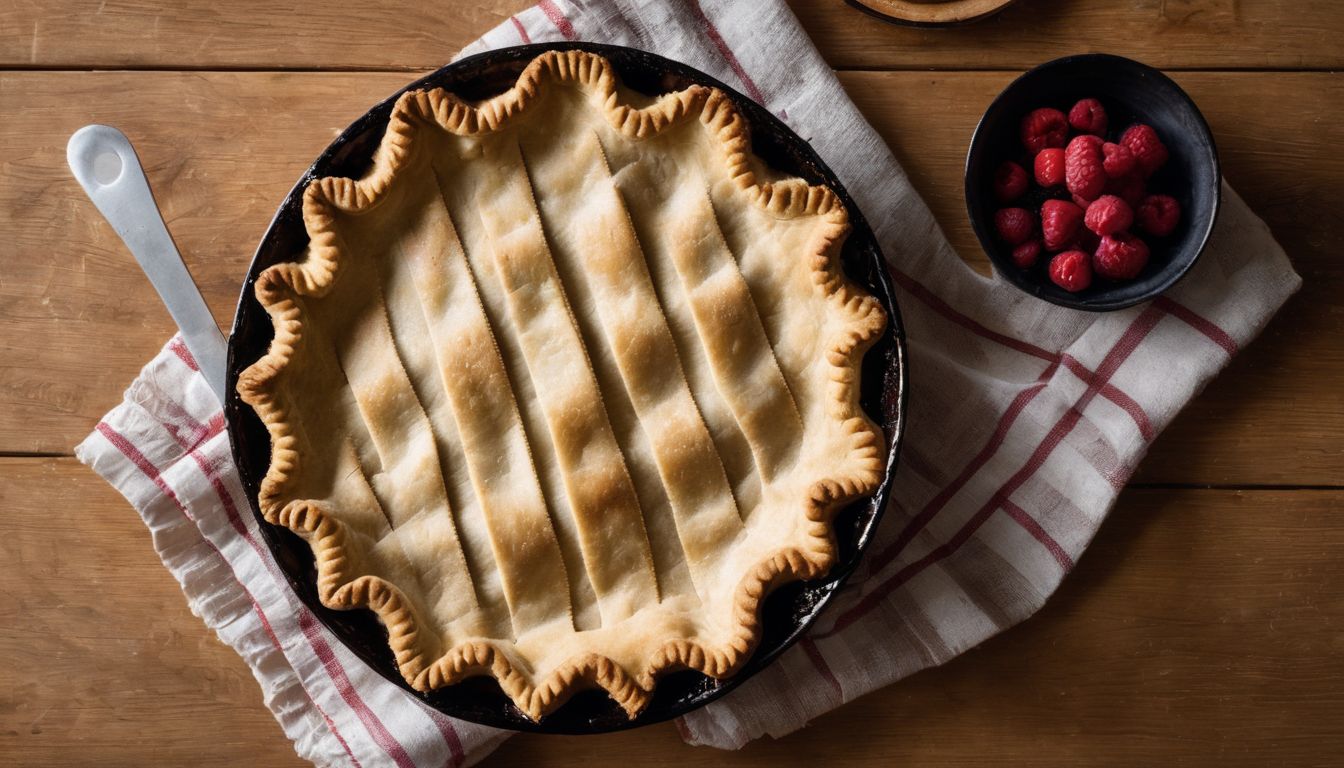
A pie is the ideal symbol of comfort, indulgence, and grandma’s warm kitchen. Even those with dairy sensitivities or following a plant-based lifestyle need not miss out on the joy of a perfectly flaky crust.
Here’s your guide to crafting a dairy-free pie crust that rivals its traditional counterpart in both texture and taste. Join us as we explore the best fat alternatives, uncover the secrets of flaky perfection, and provide a simple recipe for making a flaky pie crust bursting with flavour and begging to be filled with your various sweet or savoury delights.
Let’s embark on this delicious adventure, and let the smell of freshly baked pies fill your home.
How To Make Dairy-Free Pie Crust
httpss://www.youtube.com/watch?v=rSVoCF0reCI
Here is a simple guide on how to make a dairy-free pie crust that can be used for both sweet and savoury pies.
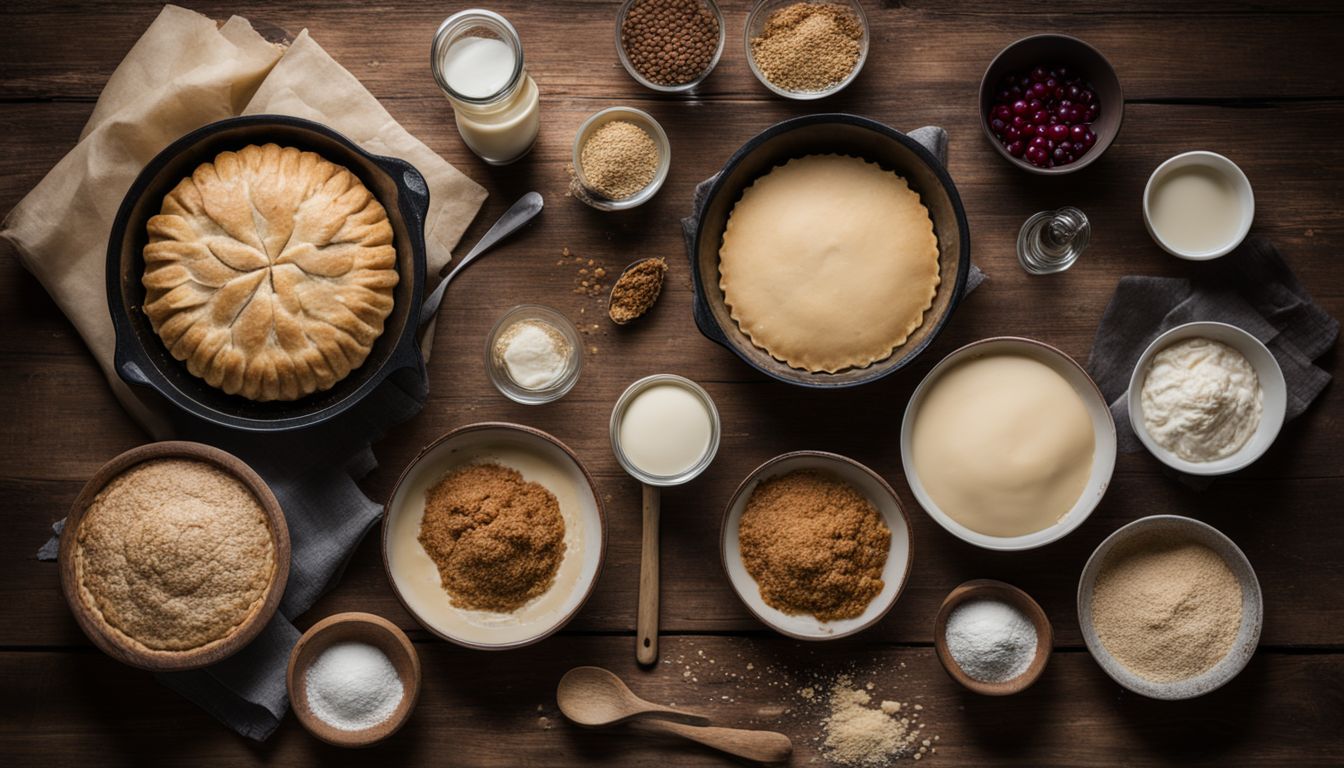
Ingredients
1 1/2 cups all-purpose flour
1/2 teaspoon salt
1/2 cup cold vegan butter, cubed (or coconut oil)
1/4 cup ice water, plus extra as needed
Instructions
Combine dry ingredients (flour and salt) in a large bowl.
Using a pastry cutter or two forks, cut the cold vegan butter into the flour until it resembles coarse crumbs.
Add water gradually. Start with 1/4 cup of ice water and stir it into the dough with a fork. Add more water, 1 tablespoon at a time, until the dough just comes together. Be careful not to overmix, as this can make the crust tough.
Form the dough into a disc, wrap it in plastic wrap, and refrigerate for at least 30 minutes. This allows the gluten to relax and prevents the crust from shrinking during baking.
While the dough chills, preheat the oven to 190°C.
On a lightly floured surface, roll out the dough to a circle about 1/8 inch thick. If the dough is too sticky, dust it with a little more flour.
Gently roll the dough onto your rolling pin and unroll it over a pie plate. Press the dough into the bottom and sides of the plate, trimming off any excess dough.
If you’re using a filling that requires a pre-baked crust, prick the bottom of the dough with a fork and bake for 10-12 minutes or until lightly golden brown.
Fill your pre-baked crust with your favourite pie filling and bake according to the recipe’s instructions.
Sweet and Savoury Dairy-Free Pie Fillings
You can fill your dairy-free pie crusts with tons of sweet or savoury options. Experiment with different flavours and textures, and don’t be afraid to customise these fillings to your taste preferences.
Sweet Dairy-Free Pie Fillings
Here are some ideas for dairy-free sweet fillings:
1. Classic Apple Pie
Sliced apples can be delicately spiced with cinnamon and nutmeg, complemented by a touch of sugar and a splash of lemon juice. This timeless combination brings warmth and nostalgia to every bite.
2. Mixed Berry
A medley of strawberries, blueberries, raspberries, and blackberries harmoniously blends together with sugar and a hint of cornstarch, creating a burst of vibrant and sweet flavours in every slice.
3. Pumpkin Pie
Rich and velvety pumpkin puree can be sweetened with sugar and infused with the perfect blend of cinnamon, ginger, and nutmeg. Coconut milk or almond milk adds a dairy-free creaminess to this autumnal classic.
4. Coconut Cream
A luscious coconut milk-based custard, sweetened with sugar and infused with shredded coconut and vanilla extract, can create a tropical and indulgent filling for a dairy-free coconut cream pie.
5. Chocolate Silk
Silken tofu can be combined with dairy-free chocolate chips, sugar, vanilla extract, and a pinch of salt to create a smooth and decadent chocolate silk pie filling that satisfies any chocolate lover’s cravings.
6. Lemon Meringue
Zesty lemon juice, sugar, and cornstarch can form a tangy and vibrant filling, while aquafaba or other egg substitutes can be whipped into a fluffy meringue topping, creating a dairy-free twist on the classic lemon meringue pie.
7. Blueberry Lemon
Juicy blueberries can be delicately sweetened with sugar and a touch of lemon juice, producing a refreshing and fruity filling that perfectly balances sweetness with a hint of tartness.
Savoury Dairy-Free Pie Fillings
Dairy-Free Pie Crust Recipe Ingredients and Instructions
Here are some ideas for dairy-free savoury fillings.
1. Vegetable Pot
A medley of carrots, peas, corn, and potatoes can be cooked in a savoury vegetable broth-based sauce, creating a comforting and hearty filling for a dairy-free vegetable pot pie.
2. Mushroom and Spinach Quiche
Sautéed mushrooms and fresh spinach can be combined with dairy-free cheese in a velvety tofu or chickpea flour-based custard, resulting in a savoury and satisfying filling for a dairy-free quiche.
3. Tomato and Basil
Sliced tomatoes and fragrant basil can be layered with garlic-infused olive oil and dairy-free mozzarella, creating a light and flavourful filling for a savoury tomato and basil tart.
4. Curried Lentil Pie
Cooked lentils, diced potatoes, carrots, onions, and a blend of curry spices can be simmered in creamy coconut milk, forming a robust and aromatic filling for a dairy-free curried lentil pie.
5. Ratatouille Galette
Sliced zucchini, eggplant, tomatoes, bell peppers, and onions can be seasoned with olive oil, garlic, and herbs, producing a colourful and savoury filling for a dairy-free ratatouille galette.
6. Chickpea and Vegetable
Chickpeas, mixed vegetables, tomato sauce, and savoury herbs and spices come together in a handheld delight, creating a flavourful and convenient dairy-free filling for savoury hand pies.
7. Spinach and Feta
Sautéed spinach, dairy-free feta cheese, garlic, and nutritional yeast combine to form a savoury and cheesy filling for a dairy-free spinach and feta pie.
Tips for Making Perfect Dairy-Free Pie Crust
httpss://www.youtube.com/watch?v=ab7b3xs7kRs
Creating a dairy-free pie crust can be just as flaky and delicious as traditional ones. Here are some tips to help you master the art of making a dairy-free pie crust.
1. Choose the Right Fat
Opt for a high-quality, dairy-free fat. Here are some options:
Vegan Butter: This classic choice offers a familiar buttery flavour and texture. Choose brands free of hydrogenated oils for optimal results.
Vegetable Shortening: This option delivers a flakier crust but can lack the richness of butter. Consider mixing it with vegan butter for a balanced texture and flavour.
Coconut Oil: Solid at room temperature, coconut oil adds a subtle coconut flavour and creates a wonderfully flaky crust. Use refined coconut oil if you prefer a neutral taste.
Aquafaba (chickpea brine): This surprising vegan hack whips up surprisingly light and airy crusts. Just be sure to drain and reduce the aquafaba before using.
2. Keep Ingredients Cold
Keep your dairy-free fat and any liquid ingredients, like water, as cold as possible. This helps maintain the texture of the fat in the crust, resulting in a flakier end product.
3. Use a Pastry Cutter or Fork
When incorporating the fat into the flour, use a pastry cutter or fork to cut it into small, pea-sized pieces. This technique helps distribute the fat evenly for a tender and flaky crust.
4. Don’t Overmix
Be cautious not to overmix the dough. Overmixing can lead to a tougher crust. Mix the dough just until it comes together to ensure a tender result.
5. Add Water Gradually
Add ice water to the dough gradually, one tablespoon at a time. This prevents the dough from becoming too wet and sticky. Stop adding water when the dough holds together without being overly moist.
6. Chill the Dough
After forming the dough into disks, refrigerate them for at least 30 minutes. Chilled dough is easier to roll out and handles better, resulting in a better-textured crust.
7. Rolling Techniques
Roll out the dough on a floured surface, rotating it occasionally to maintain an even thickness. Use gentle and even pressure to avoid tearing the dough.
8. Prevent Shrinkage
Allow the rolled-out dough to rest in the pie dish for a few minutes before trimming the edges to allow the gluten to relax so that the crust doesn’t shrink during baking.
9. Blind Baking
For certain pie recipes, consider blind baking the crust before adding the filling. To do this, line the crust with parchment paper and fill it with pie weights or dried beans before baking. This helps set the shape and prevent a soggy bottom.
10. Experiment with Flavours
Customise your dairy-free pie crust by experimenting with flavours. Add a touch of sugar for sweet pies or herbs for savoury options, depending on your recipe.
11. Brush with Non-Dairy Milk
For a golden finish, brush the crust with a non-dairy milk alternative before baking. This adds colour and a subtle sheen to the crust.
How to Properly Store Dairy-Free Pie Crust
It’s important to store your dairy-free pie crust properly to keep it fresh and delicious. Here are some tips on how to maintain its freshness.
Freeze the pie crust: If you’re not using the second half of the pie crust recipe right away, it’s best to freeze it for later use. Freezing will help preserve its quality and taste.
Wrap it tightly: Before placing the pie crust in the freezer, wrap it tightly in plastic wrap or aluminium foil. This will help prevent freezer burn and keep out any moisture.
Label and date: Don’t forget to label the wrapped pie crust with its contents and the date it was frozen. This will make it easier to identify later on.
Store in an airtight container: If you prefer using containers over wrapping, place the wrapped pie crust in an airtight container before putting it into the freezer. This extra layer of protection will help maintain its freshness.
Use within recommended timeframes: Although frozen food can remain safe indefinitely if frozen properly, try to use your frozen pie crust within 6 months for best quality.
Serving Suggestions and Accompaniments
When it comes to serving dairy-free pie crusts, there are plenty of delicious options to consider. Here are some serving ideas and accompaniments that can elevate your pie crust experience.
Nut Butter Spreads: Spread a layer of creamy almond or cashew butter on your crust for added richness and flavour. You can also drizzle some honey or sprinkle cinnamon for extra sweetness.
Whipped Coconut Cream: Whip up some canned coconut cream until light and fluffy, then dollop it onto your pie crust along with fresh berries or shaved chocolate.
Savoury Pies and Quiches: Serve your savoury-filled pie with a side salad or roasted vegetables for a complete meal.
Dips and Spreads: Cut the dairy-free pie crust into small squares or triangles to create crispy dippers. Pair them with homemade guacamole, hummus, or salsa for a tasty appetiser or snack.
Breakfast Treats: Transform your dairy-free pie crust into delightful breakfast treats like cinnamon rolls or pinwheels. Sprinkle them with cinnamon sugar before rolling them up, then bake until golden brown.
Ice Cream Sandwiches: Make mini dairy-free ice cream sandwiches using your pie crust as the cookie layers. Simply sandwich your favourite dairy-free ice cream between two pieces of baked pie crust and freeze until firm.
Cheese Alternatives: If you’re craving the cheesy experience without actual cheese, try using dairy-free cheese alternatives on top of your baked pie crust for savoury pies or tartlets.
The Dairy-Free Dough Blessings!
So, the quest for a perfect pie crust need not be compromised by dietary restrictions. Armed with the right ingredients, techniques, and a dash of creativity, you can achieve a dairy-free pie crust that stands proudly alongside its traditional counterparts.
If dairy-free baking has captured your culinary spirit, our website offers a treasure trove of resources to expand your plant-based repertoire further. Elevate your breakfasts and gatherings with our tried-and-true dairy-free bread recipe, or indulge your sweet tooth with our dairy-free cookie recipes. These recipes are proof that delicious treats can thrive without dairy.



 Shaimaa Olwan
 Salma Ihab