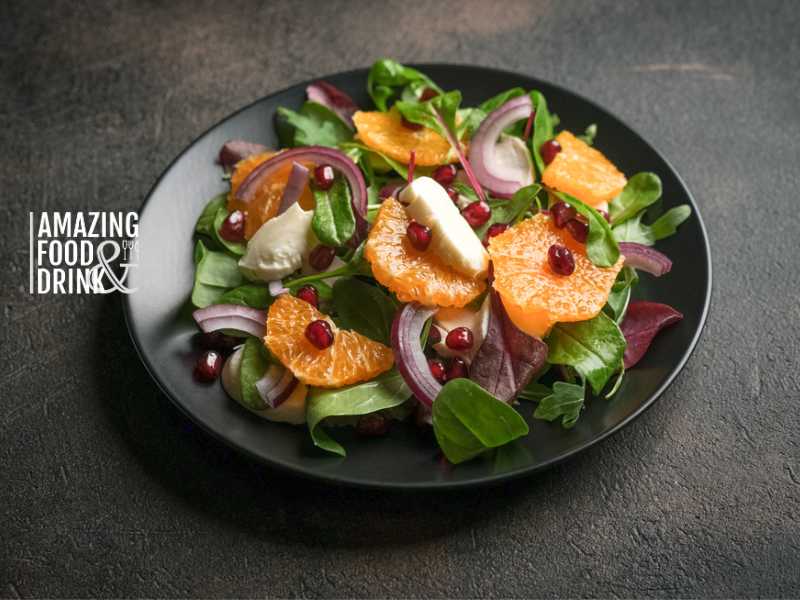
Mandarin Oranges Salad

Mandarin Orange Salad: Fresh Recipe & Authentic Variations

Author Avatar

Updated on December 9, 2025

Reviewed by Maha Yassin

Bright citrus segments, crisp greens, toasted nuts, and a vibrant dressing—the mandarin orange salad delivers on every level. This isn’t just another bowl of leaves; it’s a study in texture and flavour balance that works equally well as a light lunch or an accompaniment to grilled fish or roasted chicken.

What makes this salad particularly appealing is its adaptability. The basic template—sweet mandarins, crunchy elements, fresh greens, and a complementary dressing—can shift seamlessly from American picnic tables to Thai street food stalls to Mediterranean dining rooms. After testing multiple versions in our kitchen, we’ve identified the key principles that make each variation successful.

This guide provides our thoroughly tested recipe alongside authentic variations drawn from global cuisines. You’ll learn how to select the best mandarins, master the techniques that bring out the salad’s full potential, and adapt it for different dietary needs.

Why This Salad Works

The ingredients of Mandarin Orange Salad

The success of a mandarin orange salad comes down to understanding how its components interact. Each element serves a specific purpose in creating a complete dish.

The Four Essential Components

Sweetness and acidity come primarily from the mandarins themselves. Their juice provides natural brightness that cuts through richer ingredients whilst the segments add bursts of flavour throughout the salad.

Textural contrast separates an ordinary salad from a memorable one. Soft citrus needs something crisp—whether that’s fresh greens, thinly sliced vegetables, or toasted nuts. When testing recipes, we discovered that toasting nuts until fragrant (not just warm) releases aromatic oils that deepen the overall flavour profile.

Savoury elements prevent the salad from becoming one-dimensional. Cheese, whether it’s tangy feta or creamy goat cheese, adds umami depth. In Asian variations, this role might be filled by fish sauce or soy-based dressings.

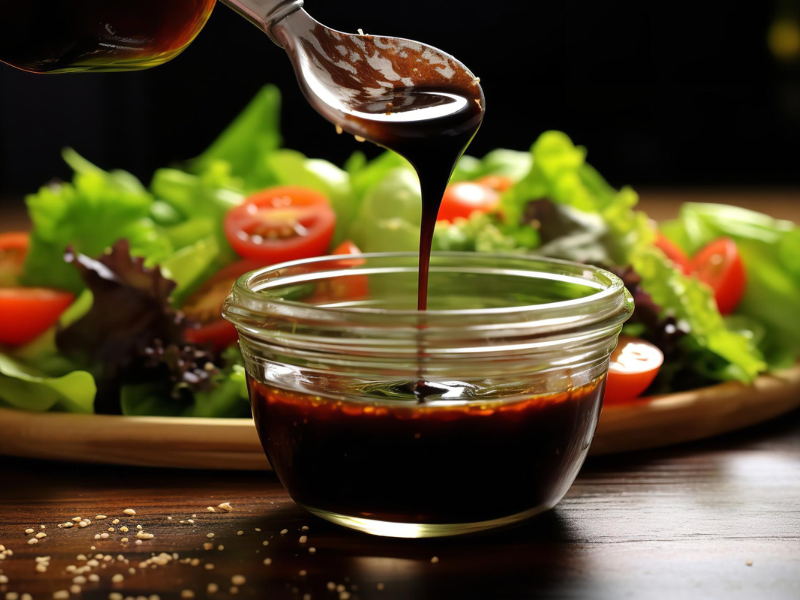
The dressing ties everything together. A simple vinaigrette with quality olive oil and fresh citrus juice works far better than heavy, creamy dressings that mask the mandarin’s delicate flavour. The key is emulsification—whisking the oil and acid together until they form a stable, creamy mixture rather than separating into layers.

Chef’s Perspective on Citrus Salads

“A great citrus salad is about timing and temperature,” explains Chef Maria Santos, who specialises in Mediterranean and Asian fusion cuisine. “The mandarins should be cold, the nuts freshly toasted, and the dressing added just before serving. This preserves the textural contrast that makes each bite interesting.”

Understanding Mandarin Oranges

Selecting the right mandarins and preparing them properly makes a substantial difference in the final dish.

Varieties and Their Characteristics

varieties of Mandarin Oranges

Several mandarin varieties appear in UK and international markets, each with distinct qualities:

Clementines are seedless and particularly sweet with thin, easy-to-peel skin. Their balanced sweetness works well in salads that include savoury cheeses or nuts. Peak season runs from November through February.

Satsumas are slightly larger with a looser skin and mild, sweet flavour. They’re exceptionally juicy, making them suitable for salads where you want the citrus juice to contribute to the dressing. Available from October through December.

Tangerines have a more complex, tart-sweet flavour and may contain seeds. Their stronger citrus character stands up well in Asian-inspired salads with bold dressings. Peak availability is December through April.

Health Benefits Worth Noting

Mandarin oranges provide substantial nutritional value beyond their flavour. A single mandarin contains over 25% of the daily recommended vitamin C intake, supporting immune function and skin health. They’re rich in antioxidants including beta-carotene, lutein, and zeaxanthin, which protect cells from damage.

The fibre content—both soluble and insoluble—aids digestion and helps manage blood sugar levels. With only about 50 calories per fruit and zero fat, mandarins add nutrients and natural sweetness without excess calories.

Selecting and Preparing Mandarins

Choose fruits that feel heavy for their size, indicating juiciness. The skin should be firm but give slightly when pressed. Avoid any with soft spots or mould.

For salads, segment the mandarins by peeling away the skin and carefully separating each segment. Remove as much of the white pith as possible—it can add bitterness. If using the segments whole, check for and remove any seeds. Some recipes benefit from supreming the citrus (cutting away all membrane to leave pure segments), but for most salad applications, simply peeled segments work perfectly well.

Classic Recipe Guide

This recipe represents months of testing to find the ideal balance of flavours and textures. Each ingredient has been selected for a specific reason, and the method ensures consistent results.

Mandarin Orange Salad Recipe

Mandarin Oranges Salad

Preparation time: 15 minutes
Servings: 4 side portions or 2 main course servings

Ingredients

For the salad:

  • 5 mandarin oranges, peeled and segmented
  • 1/2 cup red grapes, halved
  • 1/4 cup walnuts or pecans, roughly chopped
  • 1/4 cup feta cheese, crumbled
  • 2 tablespoons red onion, thinly sliced (optional)
  • 2 cups mixed salad greens or baby spinach

For the dressing:

  • 2 tablespoons extra virgin olive oil
  • 1 tablespoon fresh lemon juice
  • 1/2 teaspoon dried oregano
  • Salt and freshly ground black pepper to taste

Method

  1. Toast the nuts: Place walnuts or pecans in a dry frying pan over medium heat. Stir frequently for 3-4 minutes until fragrant and lightly golden. Remove immediately and set aside to cool. This step releases the nuts’ aromatic oils and adds depth to the salad.
  2. Prepare the mandarins: Peel each mandarin, removing as much white pith as possible. Carefully separate the segments. If any segments are particularly large, break them in half to ensure even distribution throughout the salad.
  3. Make the dressing: In a small jar or bowl, combine olive oil, lemon juice, oregano, salt, and pepper. Seal the jar and shake vigorously for 30 seconds, or whisk continuously until the mixture emulsifies into a creamy consistency. The oil and acid should be fully combined rather than separating into layers.
  4. Assemble the salad: In a large bowl, combine the salad greens, mandarin segments, halved grapes, toasted nuts, and crumbled feta. If using red onion, add it now. The raw onion adds a sharp bite that some prefer—leave it out for a milder salad.
  5. Dress and serve: Pour the dressing over the salad just before serving. Toss gently with salad servers or clean hands to coat all ingredients evenly without crushing the mandarin segments. Serve immediately for the best textural contrast.

Critical Techniques for Success

Mandarin Oranges Salad

Timing matters: Dress the salad immediately before serving. Once dressed, the greens will begin to wilt within 10-15 minutes. If preparing components ahead, store the dressing separately and combine everything just before eating.

Temperature contrast: Cold mandarins against room-temperature nuts and cheese create a more interesting eating experience. Store the segmented mandarins in the refrigerator until you’re ready to assemble the salad.

Gentle handling: Mandarin segments are delicate. When tossing the salad, use a light touch to avoid breaking them apart and releasing all their juice at once.

Storage and Make-Ahead Tips

Store salad components separately in airtight containers. Mandarin segments will keep for 2 days refrigerated. Toasted nuts stay fresh for up to 5 days at room temperature. The dressing lasts up to one week in the refrigerator—shake well before using as the oil will separate during storage.

Never store a dressed salad. The acidity in the dressing will break down the greens, resulting in a soggy, unappealing texture.

Global Salad Variations

The fundamental mandarin orange salad template adapts beautifully to different culinary traditions. These variations are authentic interpretations, not superficial adjustments.

Thai-Inspired Mandarin Salad

Mandarin Oranges Salad

Thai salads (yam) balance four fundamental flavours: sweet, sour, salty, and spicy. This version follows that principle whilst centring on mandarin oranges.

Key ingredients

  • Mandarin segments
  • Fresh mint, coriander
  • Roasted peanuts
  • Thinly sliced red chilli
  • Crisp vegetables like cucumber or cabbage.

Dressing: Combine 2 tablespoons lime juice, 1 tablespoon fish sauce, 1 teaspoon palm sugar (or brown sugar), and 1 minced garlic clove. The fish sauce provides the essential savoury depth (umami) that makes Thai salads distinctive.

Method

  1. Toss all ingredients together just before serving.
  2. The herbs should be torn rather than chopped to release their aromatic oils.
  3. Add the chilli according to your heat preference—start with less as you can always add more.

This variation works particularly well with prawns or shredded chicken for a complete meal.

Mediterranean Mandarin and Fennel Salad

Mediterranean Mandarin and Fennel Salad

Mediterranean salads emphasise fresh vegetables, quality olive oil, and aromatic herbs. This version pairs mandarin sweetness with fennel’s anise-like character.

Key ingredients

  • Mandarin segments
  • Thinly shaved fennel bulb
  • Kalamata olives (pitted and halved)
  • Red onion, and rocket or mixed greens.

Dressing: Extra virgin olive oil, lemon juice, fresh thyme, and a small amount of honey. The ratio should be 3 parts oil to 1 part lemon juice.

Method

  1. Shave the fennel paper-thin using a mandoline or sharp knife.
  2. The thinner it is, the less pronounced the anise flavour becomes.
  3. Combine all ingredients and dress lightly—this salad benefits from restraint with the dressing to let the fennel’s delicate flavour come through.

Consider adding crumbled halloumi cheese or goat cheese for additional richness.

Winter Roasted Root Vegetable Salad

Winter Roasted Root Vegetable Salad

This seasonal variation transforms the concept into a warm salad suitable for colder months.

Key ingredients

  • Mandarin segments
  • Roasted carrots and parsnips
  • Toasted hazelnuts
  • Watercress
  • Aged cheddar.

Preparation

  1. Roast the root vegetables with olive oil, salt, and pepper at 200°C (400°F) for 25-30 minutes until caramelised.
  2. Let them cool slightly but serve whilst still warm.

Dressing

  • Wholegrain mustard
  • Honey
  • Apple cider vinegar
  • Rapeseed oil create a robust dressing that stands up to the roasted vegetables.

Assembly

  • Arrange the warm vegetables over watercress
  • Add mandarin segments and toasted hazelnuts
  • Drizzle with dressing.
  • The heat from the vegetables slightly wilts the watercress and warms the mandarins, creating an interesting temperature contrast.

Dietary Modifications

Adapting this salad for various dietary needs requires understanding which ingredients provide essential functions and finding appropriate substitutes.

Plant-Based and Vegan Version

Mandarin Oranges Salad

The traditional salad can be made completely plant-based with minimal changes.

Cheese substitute: Crumbled firm tofu provides protein and a mild flavour that doesn’t compete with the mandarins. For a more complex alternative, use cashew-based vegan cheese or nutritional yeast for umami depth.

Protein additions: Chickpeas (roasted until crispy), edamame, or marinated tempeh make excellent protein sources. Roasted chickpeas also add the crunchy element if you’re avoiding nuts.

Dressing modifications: Replace honey (if using a sweetened dressing) with maple syrup or agave nectar. The flavour difference is minimal in a well-balanced vinaigrette.

Gluten-Free Considerations

The basic salad is naturally gluten-free, but vigilance is required with certain ingredients.

Check your ingredients: Some feta cheese contains anti-caking agents that may include wheat. Purchase cheese labelled gluten-free or use fresh cheese without additives.

Nut contamination: If you’re highly sensitive, purchase nuts labelled as processed in a dedicated gluten-free facility, as some nuts are processed on equipment that also handles wheat.

Dressing verification: Making your own vinaigrette ensures it’s gluten-free. Shop-bought dressings occasionally contain wheat-based thickeners.

Nut-Free Adaptations

Nut-Free Mandarin Orange Salad

Nuts provide crucial textural contrast, but several alternatives work equally well.

Seed options: Toasted pumpkin seeds (pepitas) or sunflower seeds offer similar crunch. Toast them the same way you would nuts—in a dry pan until fragrant.

Grain alternatives: Crispy quinoa or toasted buckwheat groats add crunch whilst providing additional protein. Cook the quinoa or buckwheat, spread it thin on a baking sheet, and roast at 180°C (350°F) until crispy (approximately 15-20 minutes).

Vegetable crunch: Thinly sliced radishes, celery, or jicama provide water-rich crunch that contrasts nicely with soft mandarin segments.

Low-Carb and Keto Adjustments

The salad’s carbohydrate content comes primarily from the mandarins and grapes. Whilst citrus fruits contain natural sugars, their fibre content moderates blood sugar impact.

Fruit modifications: Reduce mandarin segments to 2-3 oranges for the full recipe and eliminate grapes. Focus on the greens, cheese, nuts, and dressing for the bulk of the salad.

Dressing sweetness: Avoid adding honey or sugar to the dressing. The natural sweetness from reduced mandarin content should be sufficient.

Protein additions: Add grilled chicken, salmon, or hard-boiled eggs to make this a complete, satisfying keto meal.

Seasonal Considerations and Ingredient Sourcing

Mandarin Orange Salad

Mandarin oranges follow a clear seasonal pattern that affects both availability and flavour quality. In the UK and US markets, peak season runs from November through March, with clementines appearing first (November-February) followed by satsumas (October-December) and tangerines (December-April).

During off-season months, fresh mandarins become scarce and expensive. Alternative citrus like blood oranges (January-April) or cara cara oranges (December-April) make suitable substitutes whilst maintaining the salad’s fresh character. Some cooks successfully use grapefruit segments in summer months, adjusting the dressing sweetness to compensate for the fruit’s tartness.

For the freshest mandarins, source from farmers’ markets or speciality greengrocers during peak season. Spanish clementines dominate UK markets, whilst US consumers have access to California-grown varieties. Both offer excellent quality when purchased in season.

The nuts in this recipe benefit from seasonal consideration as well. Walnuts are harvested in autumn (September-November), whilst pecans reach peak freshness from October through December. Purchasing nuts during their harvest season ensures better flavour and freshness, though properly stored nuts remain suitable year-round.

Regional variations reflect local ingredient availability and culinary traditions. Filipino versions might incorporate calamansi juice instead of lemon, whilst Spanish interpretations could include marcona almonds and sherry vinegar. These authentic regional touches create salads that honour local food cultures whilst maintaining the core principles that make the dish successful.

This mandarin orange salad represents more than a simple recipe—it’s a template for understanding how sweet, sour, savoury, and textural elements combine to create a satisfying dish. Whether you prepare the classic version or explore global variations, the principles remain consistent: fresh ingredients, proper technique, and thoughtful balance.

Start with the basic recipe to understand how the components interact, then experiment with variations that appeal to your taste preferences or dietary needs. The versatility of this salad makes it suitable for casual weeknight dinners, elegant dinner parties, or packed lunches that need to travel well.

Recipe Summary: Classic Mandarin Orange Salad

Mandarin Orange Salad

Prep Time: 15 minutes
Total Time: 15 minutes
Servings: 4 side portions or 2 main course servings
Cuisine: American, Mediterranean

Ingredients

For the Salad:

  • 5 mandarin oranges, peeled and segmented
  • 1/2 cup red grapes, halved
  • 1/4 cup walnuts or pecans, roughly chopped
  • 1/4 cup feta cheese, crumbled
  • 2 tablespoons red onion, thinly sliced (optional)
  • 2 cups mixed salad greens or baby spinach

For the Dressing:

  • 2 tablespoons extra virgin olive oil
  • 1 tablespoon fresh lemon juice
  • 1/2 teaspoon dried oregano
  • Salt and freshly ground black pepper to taste

Instructions

  1. Toast the nuts: Place walnuts or pecans in a dry frying pan over medium heat. Stir frequently for 3-4 minutes until fragrant and lightly golden. Remove immediately and set aside to cool.
  2. Prepare the mandarins: Peel each mandarin, removing as much white pith as possible. Carefully separate the segments.
  3. Make the dressing: In a small jar or bowl, combine olive oil, lemon juice, oregano, salt, and pepper. Shake vigorously for 30 seconds or whisk until emulsified.
  4. Assemble the salad: In a large bowl, combine salad greens, mandarin segments, halved grapes, toasted nuts, and crumbled feta. Add red onion if using.
  5. Dress and serve: Pour dressing over salad just before serving. Toss gently to coat all ingredients evenly. Serve immediately.

Notes

  • Store components separately if preparing ahead. Dressing keeps for up to 1 week refrigerated.
  • For vegan version, substitute tofu or nutritional yeast for feta cheese.
  • For nut-free option, use toasted pumpkin seeds or sunflower seeds.
  • Fresh mandarins are strongly recommended over canned for best flavour and texture.

FAQs

Can I use canned mandarin oranges instead of fresh?

Yes, you can use canned mandarin oranges, but the texture will be softer and the flavour less bright.
Rinse and drain them well to remove excess syrup.
They’ll work, but fresh mandarins give the best results.

What type of lettuce works best for this salad?

Mixed salad greens or baby spinach work best for versatility and flavour.
Romaine is great if you want extra crunch, while rocket suits Mediterranean versions.
For Asian-style salads, thinly sliced cabbage or iceberg holds up well to acidic dressings.

How can I make this salad more filling as a main course?

Add a protein such as grilled chicken, prawns, or flaked salmon to make it a full meal. Plant-based options like marinated tempeh, roasted chickpeas, or seasoned tofu also work well. Choose flavours that match your salad style (e.g., five-spice, oregano, or za’atar).

How long will the vinaigrette keep in the refrigerator?

A basic oil-and-vinegar vinaigrette keeps for about one week in the fridge.
If it contains fresh herbs or garlic, use it within 3–4 days.
Let it warm slightly and shake well before using, as separation is normal.

Can I substitute other citrus fruits for mandarins?

Yes—navel or Valencia oranges, blood oranges, and even pink/ruby grapefruit can substitute for mandarins with small adjustments. Oranges and blood oranges work well if you remove the tough membranes; grapefruit may need extra sweetness to balance bitterness. Avoid lemon or lime segments, as they’re far too tart for this use.

Share with our social media

Leave a Reply

Your email address will not be published. Required fields are marked *