Losing weight is no longer about creating a calorie deficit to achieve successful results. There are plentiful types that made it to the industry. Some have been around since the beginning of time while others have just recently surfaced. There is no way you haven’t come across the well-known keto diet, with it being the most popular and trending in the past couple of years.
Keto is an abbreviation for ketogenic; its core idea is to keep your carb intake to a minimum. And, before you start to worry, it is anything but a fad or crash diet. In fact, the keto diet has proven to have above and beyond health benefits. It is also essential to treat lots of diseases or, at least, control them.
Lots of those who managed to follow keto for a while reported a significant improvement in their overall health. The minimal intake of carbs made it perfect to control diabetes, Alzheimer’s disease, epilepsy, and cancer. While this may sound like a bit of a stretch, there are actual studies conducted to prove this.
What is Keto Diet?
The ketogenic diet has been one of the most popular in the diet industry in the past couple of years. It bears a great resemblance to the Atkins diet or any traditional low-carb diet. So what makes it any different from them? Well, keto requires dieters to reduce their carb intake to around 20 grams per day and increase their fat intake.
Yes, this diet teaches you to not be afraid of consuming fat as long as you are opting for the healthy kinds. The drastic decrease of carbohydrates helps the body deplete the stored glucose in the first few days. It also keeps the insulin levels quite low, which is essential for fat loss. When this happens, the body starts depending on fat for fuel instead of glucose, entering a metabolic state known as ketosis.
Ketosis is the process where ketones are excessively produced. This state forces your body to tap into the excess stored fat and burn it off due to the lack of enough carbs to depend on for fuel. However, people with the specific conditions may not be advised to get their bodies into a state of ketosis. Thus, it’s important to consult your physician before starting this dietary lifestyle.
The Downsides of the Ketogenic Diet
The amount of weight that drops once the body starts entering into the ketosis state is what drew people to this type of diet. It is one of those diets that promise you fast results without having to follow crash diets. If anything, this diet can actually help you get your daily caloric needs. However, there is also a not-so-attractive side to this diet.
The drastic changes that happen inside your body while it works on shifting its source of fuel to fat can leave you feeling quite awful. Keto flu is the term used to describe the side effects that occur when your body starts producing ketones. Your energy levels will drop dramatically at first, leaving you with a severe headache, stomach pain, and dizziness. It gets better after a few days though.
Another downside to this diet is the many cutting outs you will have to do in order to achieve a low amount of carbs. Most fruits and vegetables are not included in the dietary plan of keto, which can lead to some serious deficiencies in many essential nutrients.
Types of Keto
One thing that not many people know about keto is that it comes in different types. Each type is tailored according to the needs and nutrient requirements for each person. The diversity of plans is one of the many reasons that made keto go viral in a matter of a few years. Here are some of the most common types:
Standard Ketogenic Diet (SKD)
httpss://www.youtube.com/watch?v=xgtLKeCkCiw
The standard type of keto is the one where the carb intake is at its lowest, with high-fat content and moderate protein. This type usually involves 5% to 10% of carbs, 70-75% of fat, and 20% of protein. The percentage is calculated out of your daily caloric intake, thus, it can vary greatly from one person to another.
High Protein Ketogenic Diet (HPKD)
The high protein ketogenic diet doesn’t differ that much from the standard type, which means the fat intake remains the highest and the carbs remain the lowest. However, the only difference here is that the protein intake is a little higher than moderate.
The percentage in this type is 35%, with the fat percentage being 55-60% and the carbs remaining the same at 5-10%. This one works perfectly for those who are trying to bulk up and build more muscles. However, many people claim to take much longer to enter the ketosis state when on this keto-type.
Cyclical Ketogenic Diet (CKD)
The cyclical ketogenic diet involves alternating your carbs intake. It pretty much resembles having a couple of cheat meals by the end of the week but within the recommended range. The CKD requires a person to follow the standard version of keto for most of the week, like 5 to 6 days, and then increase their carbs intake for a day or two.
MCT Ketogenic Diet
MCT stands for medium-chain triglycerides, a substance that helps people stay or achieve ketosis in a shorter period of time by stimulating the production of ketones. It is found in the MCT oil, a supplement used in this keto-type. The MCT keto diet allows the consumption of higher carbs intake and lower fat, paired with the MCT oil to help in achieving ketosis.
Calorie-restricted Ketogenic Diet
Calories restriction is not necessary when following a keto diet, for the low intake of carbs will already aid in fat burning for limiting glucose. However, some prefer combining low calories with keto for maximum results. This type of keto is quite strict and is unsustainable in the long term. Besides, significantly low calories can lead to deficiency in many essential nutrients, so it is not recommended.
Targeted Ketogenic Diet (TKD)
Targeted ketogenic diets don’t have different characteristics from the standard type of keto diet. The only difference between them is that you get to consume carbs around your workout times in the targeted ketogenic diet. This helps in depleting any glucose pretty quickly, leaving room for the body to process foods in a more efficient way.
Dirty Keto/Lazy Keto
Dirty keto is the term used to describe a version of the ketogenic diet that includes high consumption of fast food that is high in fat without paying much attention to the quality. It is also referred to as lazy keto, for it means taking the easier road by restricting carbs but not counting your overall calories. This version just ensures that your daily carb intake doesn’t exceed 20 grams, so your body is forced to get into the ketosis state.
Best Foods to Eat on Ketogenic Diet
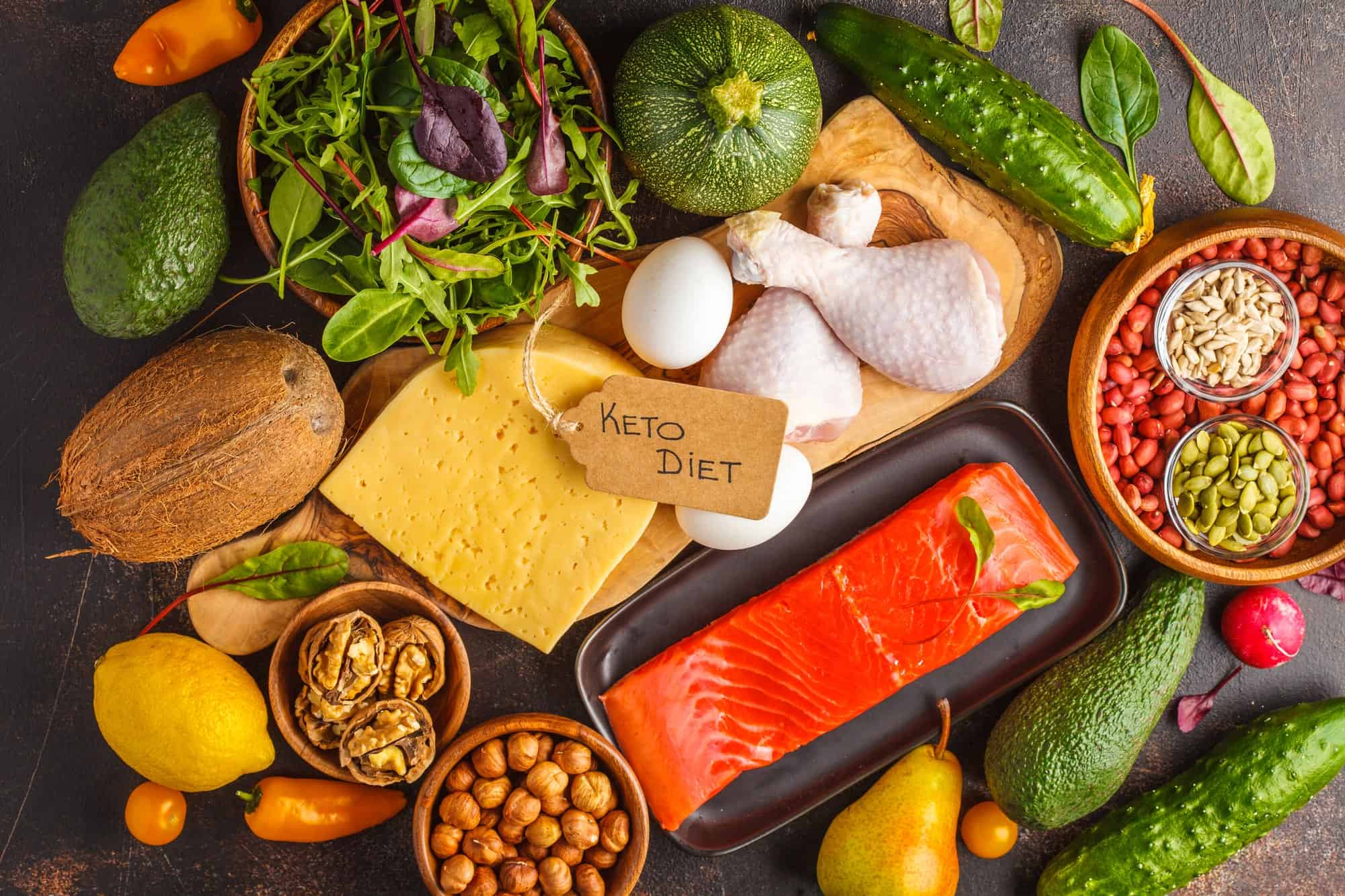
Like any other diet in the world, consuming an exceeded amount of calories for a long time will not work in your favour. However, the keto diet is based on the type of food you consume rather than the quantity. Foods with high-fat content and low carbs are your best bet if you are looking for effective results.
Check out the options you have got, which are quite diverse, to see quick and successful results:
Specific Fruits
Fruits are naturally high in carbs and sugar, which can easily kick you out of ketosis even if you eat them in small amounts. Thus, specific types of fruits are allowed on keto, especially those that are high in fat content.
Avocados are a great source of multi-nutrients that are essential to keep your health in check. It is rich in calcium, B vitamins, magnesium, and potassium. An average-sized avocado contains around 19 to 20 grams of fat while the carbs are only 1.9 grams. This makes it a healthy choice to go for, but don’t consume more than one per day so you don’t mess up your macros.
Berries are among the permitted fruits to consume while following a keto diet. Raspberries and strawberries are the most berries recommended, given their being low in carbs. They are also high in soluble fibre, improving your digestion process and keeping you full for longer. Blueberries and blackberries are also allowed, yet being high in calories can make them unsuitable for some of the strict types of keto.
Dairy Products
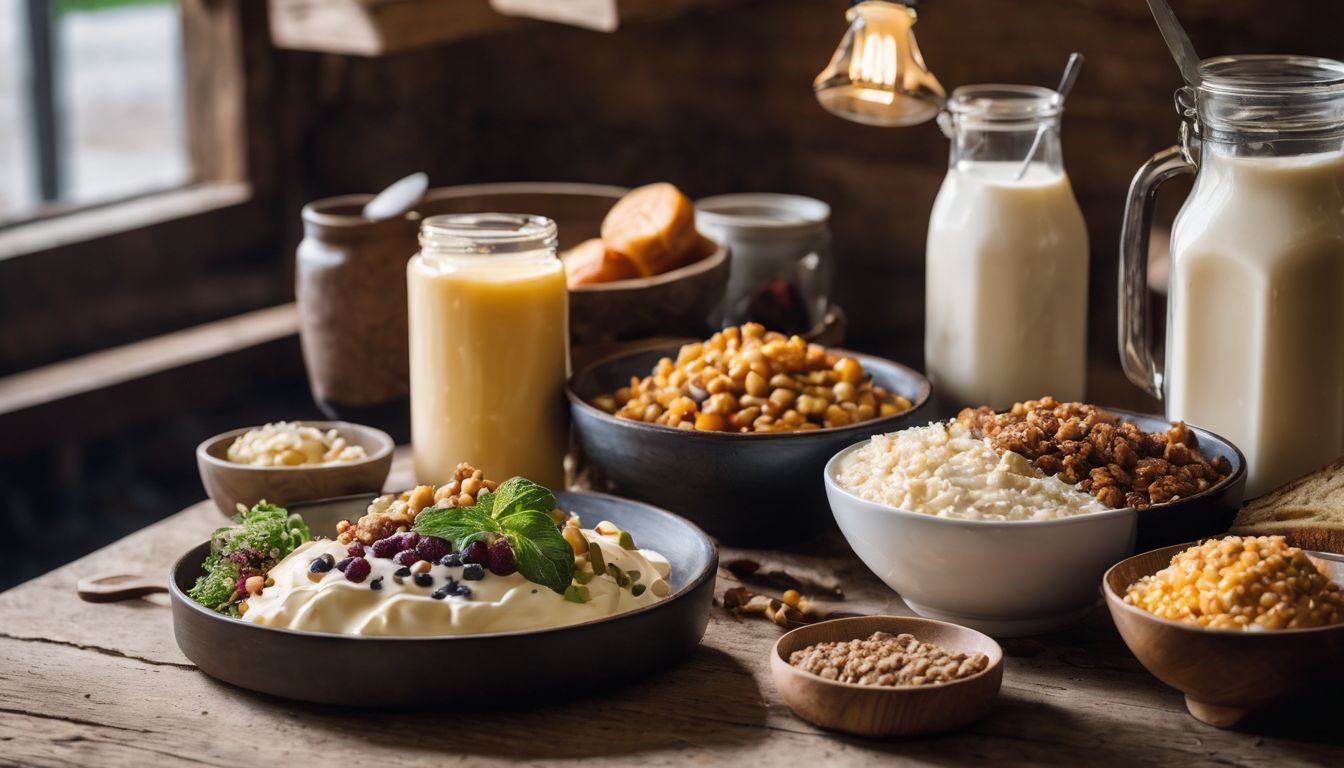
While dairy products are not always allowed in keto, some are, in fact, recommended. Milk is permitted and can fit into specific types of keto. However, lactose is known to cause inflammation and slow down metabolism. Thus, almond and coconut milk are better choices to opt for on a ketogenic regimen.
Butter is the most keto-friendly ingredient, thanks to its high-fat content. It is always recommended to cook your meals with butter instead of oil. Butter contains a high amount of healthy fats and you don’t have to worry about cardiovascular conditions if you use it within the recommended portions.
Eggs are another ideal choice. Not only are eggs rich in protein, but they are also low in carbs and relatively high in fat. The good news is that there is no such thing as too many eggs when it comes to keto. You can have as many eggs as you want as long as you are careful with your cholesterol levels.
Many types of cheese are not off-limits, especially the ones that are high in fat. Opt for any type of full-fat cheese and you will be just fine. Make sure you don’t overdo it since most cheeses are high in calories and you don’t want to throw off your whole weight loss plan.
Interestingly, heavy cream and whipping cream can be keto-friendly. Make sure you go for ones with no added sugar. You can use these creams as sweeteners in your coffee or make some keto-friendly desserts and still satisfy your cravings without being kicked out of ketosis.
Meat Varieties
Whether you are following a high-protein keto or the standard one, consuming meat goes a long way in ensuring satiety. Make sure you add different types of protein in each meal, whether fish, poultry, beef, or pork. As long as they are not deep-fried, they are suitable for a keto meal plan. Also, cooking them with butter is a surefire way to get your body into ketosis.
Low-carb Veggies
Despite the great popularity that keto has gained in the past few years, it is deemed among the very few diets that don’t allow for vegetables. Well, vegetables are definitely important to create a balanced meal and get the needed nutrients for your body to function properly. However, not all vegetables are restricted to keto, the ones that are not laden with carbs can be consumed.
Cauliflower is your best buddy if you want to add vegetables to your daily meals. The best part is that you can cook it in different ways to avoid boredom. Moreover, cauliflower is used to create keto-friendly pizzas, so you won’t feel deprived of your favourite foods. Spinach and eggplant are also low in carbs, so you can look at different recipes that include them for a change.

 Asmaa Alhashimy
 Noha Basiony