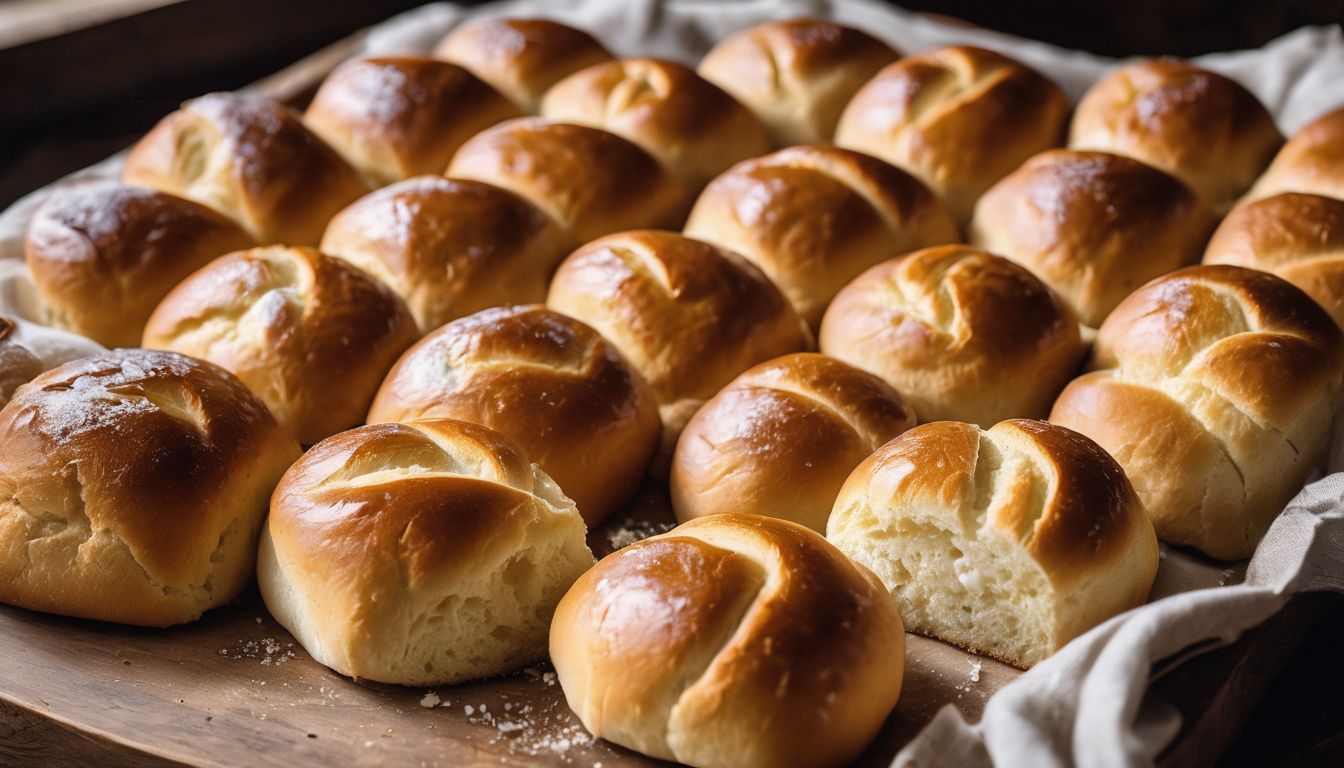
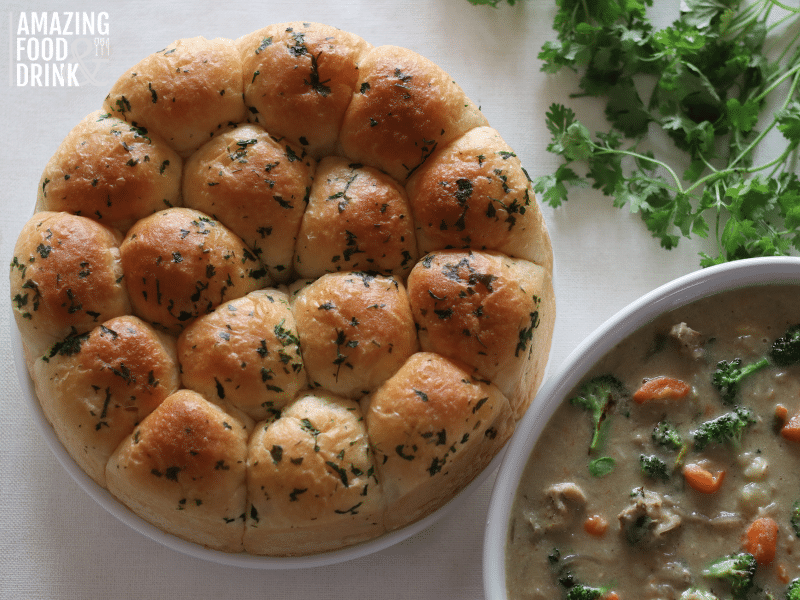
Dairy-Free Dinner Rolls

Dairy-Free Dinner Rolls: Soft, Fluffy Perfection

Author Avatar

Updated on February 8, 2026

Reviewed by Salma Ihab

Can you resist warm, golden-brown rolls, soft as clouds and bursting with flavour? They tear apart with a satisfying sigh, releasing a comforting aroma that fills your home with pure happiness. This guide brings you foolproof techniques that deliver the same fluffy texture and rich taste as traditional versions without compromise.

There’s no need to sacrifice fluffy perfection for dietary restrictions or personal choices. This guide shows you how to create delicious dairy-free dinner rolls using plant-based ingredients that work beautifully in traditional bread-making.

Whether you’re avoiding dairy for health reasons, following a plant-based diet, or simply exploring new culinary techniques, these rolls will become your go-to recipe for any meal.

Understanding Dairy-Free Dinner Rolls

Dairy-Free Dinner Rolls

Dinner rolls are a popular bread variety traditionally served alongside meals. These small, round, soft rolls are typically made with yeast dough, flour, milk, egg, sugar, salt, and butter. The yeast ferments the sugars and releases carbon dioxide, creating air pockets that give dinner rolls their signature fluffy texture.

Traditional dinner rolls come in various shapes from classic round rolls to cloverleaves and Parker House rolls, each offering a delightful bite. Plant-based versions can achieve the same appealing texture and flavour when you understand how dairy functions in bread-making and choose the right substitutes.

The key to successful dairy-free dinner rolls lies in replicating what milk and butter provide: moisture, richness, tenderness, and that golden-brown crust. When you remove dairy, you’re removing fat that coats flour proteins and prevents excessive gluten development. You’re also removing milk proteins that contribute to browning through the Maillard reaction. This means your dairy-free versions need strategic ingredient choices to achieve comparable results.

Why Choose Dairy-Free Dinner Rolls?

There are various reasons to opt for dairy-free dinner rolls, and each motivation leads to the same delicious outcome when you follow proper techniques.

Health and Dietary Considerations

One of the most common reasons is lactose intolerance or dairy allergy. For people with these conditions, consuming dairy products causes digestive discomfort or allergic reactions. Dairy-free dinner rolls allow everyone at the table to enjoy fresh bread without worry.

Many people follow vegan or plant-based diets that exclude all animal products, including dairy. These dietary choices often stem from ethical, environmental, or health concerns. Dairy-free dinner rolls fit perfectly into these eating patterns whilst maintaining the comforting qualities of traditional bread.

Flavour and Texture Benefits

Some people simply prefer the taste of dairy-free dinner rolls. Plant-based milks and fats can introduce subtle flavour notes. Coconut milk adds gentle sweetness, olive oil brings a fruity character, and oat milk provides creamy richness. These flavours can actually enhance bread rather than detract from it.

Others want to avoid the saturated fat and cholesterol present in dairy products. Plant-based alternatives often contain healthier fat profiles, particularly when using options like avocado oil or extra virgin olive oil.

Dairy-free dinner rolls can be just as satisfying as their traditional counterparts when you understand the science behind ingredient substitutions and apply proper bread-making techniques.

Essential Dairy-Free Substitutes

Dairy-Free Dinner Rolls

Starting a dairy-free diet doesn’t mean giving up fluffy dinner rolls. Making these rolls without milk or butter is straightforward when you understand which alternatives work best for bread-making.

Plant-Based Milk Options

Today’s plant-based milk options offer diverse textures, flavours, and protein content that suit different recipe needs. Here are the most reliable choices for dinner rolls.

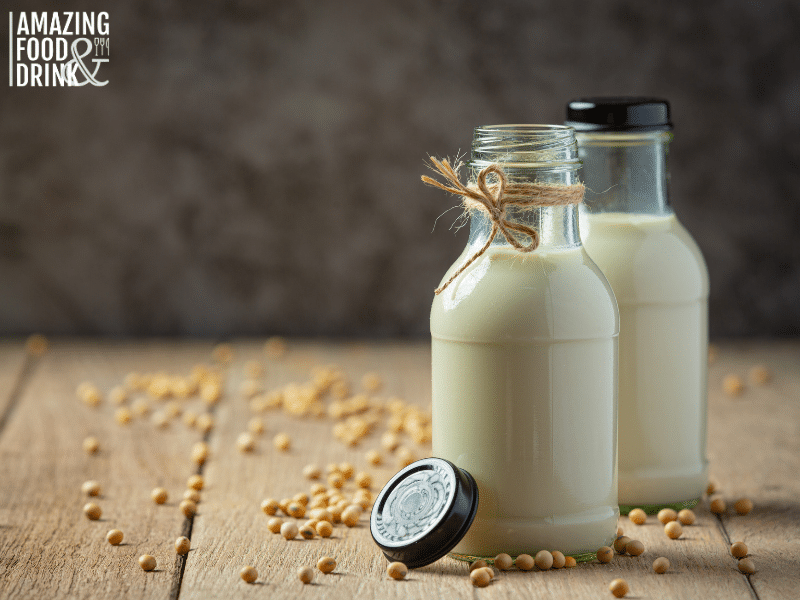
Soy Milk

This classic choice boasts impressive protein content and a neutral flavour that blends seamlessly into dough. The protein in soy milk helps create structure and contributes to browning, making it one of the closest replacements for dairy milk in bread-making. Use unsweetened soy milk for optimal results.

Oat Milk

Its creamy texture and subtle sweetness make it excellent for enriched dough. Oat milk contains natural starches that help retain moisture, keeping your rolls soft for longer. Choose unflavoured oat milk for baking to avoid competing flavours.

Almond Milk

This light, slightly nutty milk works well in leaner doughs. It provides moisture without overwhelming other flavours. Opt for unsweetened or lightly sweetened varieties to control the final flavour profile of your rolls.

Coconut Milk

Its richness and subtle sweetness make it perfect for denser, richer rolls. Use light coconut milk for baking to avoid an overpowering coconut flavour that might clash with savoury dishes. The fat content in coconut milk helps create tender crumbs similar to those in dairy-based rolls.

Butter Alternatives for Bread-Making

Butter adds moisture, richness, and flakiness to dinner rolls. Here are fantastic dairy-free substitutes that deliver comparable results.

Vegan Butter

This readily available option mimics the texture and function of regular butter almost perfectly. It typically contains a blend of plant oils formulated to behave like dairy butter in baking. Choose one made with natural ingredients for optimal results. Vegan butter works particularly well in enriched doughs where you want a buttery flavour.

Coconut Oil

This solid oil melts like butter and adds a subtle coconut flavour. At room temperature, coconut oil has a similar consistency to softened butter, making it easy to incorporate into dough. Use refined coconut oil for a neutral taste or unrefined for a hint of coconut. The medium-chain fatty acids in coconut oil create tender bread with excellent keeping qualities.

Avocado Oil

This liquid oil adds moisture and healthy monounsaturated fats. When substituting for melted butter, use about three-quarters of the amount specified (for example, substitute 3/4 cup avocado oil for 1 cup melted butter) and adjust other liquids accordingly. Avocado oil’s mild flavour won’t compete with other ingredients.

Olive Oil

Another liquid option, olive oil, lends moisture and a subtle fruity or grassy flavour depending on the variety. Use light olive oil for baking to avoid overpowering the other ingredients. Extra virgin olive oil works beautifully in Mediterranean-inspired rolls but might be too assertive for sweeter variations.

Choosing the Right Substitute

Your choice depends on the desired final product and personal preference. For rolls that closely mimic traditional versions, vegan butter or coconut oil provides the most similar results to dairy butter. For lighter textures with distinct flavours, avocado or olive oil offers interesting variations.

Combining different fats can produce excellent results. For instance, using a tablespoon of coconut oil for richness plus olive oil for moisture creates beautifully textured rolls with complex flavour.

Classic Dairy-Free Dinner Roll Recipe

Dairy-Free Dinner Rolls

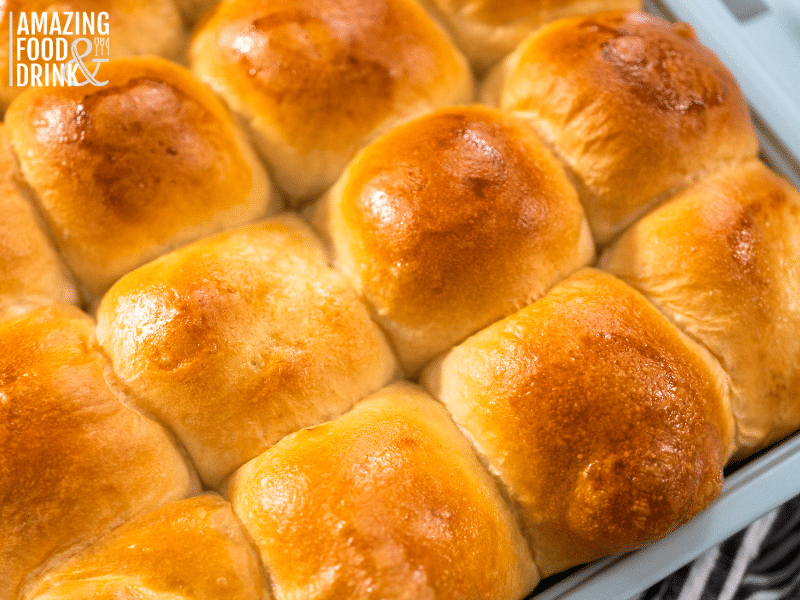
Time to bake soft and fluffy dairy-free dinner rolls! This recipe uses readily available ingredients and straightforward techniques to ensure consistent, delicious results every time.

Ingredients

  • 300ml warm, unsweetened plant-based milk (about 38-43°C)
  • 2¼ teaspoons instant yeast (one standard sachet)
  • 3 tablespoons olive oil
  • 2 tablespoons maple syrup or light brown sugar
  • 1¼ teaspoons fine sea salt
  • 1 large egg, lightly beaten (or flaxseed egg for vegan version)
  • 450-500g bread flour, plus extra for dusting
  • Melted vegan butter for brushing (optional)

Instructions

Prepare the Yeast Mixture

Combine the warm milk, yeast, olive oil, maple syrup (or brown sugar), and salt in a large bowl. The milk should feel comfortably warm but not hot. Test it on your wrist like you would baby formula. Let the mixture sit for 5-10 minutes until foamy and active. This step confirms your yeast is alive and ready to work.

Form the Dough

Add the beaten egg and 450g of flour to the yeast mixture. Mix with a wooden spoon or the dough hook attachment on a stand mixer until a shaggy dough forms. The mixture will look rough and uneven at this stage; that’s perfectly normal.

Gradually add more flour, about 2 tablespoons at a time, until the dough becomes smooth and slightly tacky but no longer sticky. The exact amount of flour needed varies depending on humidity, flour type, and how you measure. Trust your hands, the dough should feel soft and pliable, like a baby’s skin.

Knead the Dough

Knead the dough for 8-10 minutes on a lightly floured surface until smooth and elastic. You’ll know it’s ready when the dough springs back when poked, and you can stretch a small piece thin enough to see light through it (the windowpane test). This kneading develops gluten structure that gives your rolls their satisfying chew.

First Rise

Form the dough into a ball and place it in a greased bowl, seam side down. Cover with cling film or a damp tea towel and let rise in a warm place for 1-2 hours, or until doubled in size. A warm kitchen works perfectly around 24-27°C is ideal. If your kitchen is cool, place the bowl near (not on) a warm oven.

Shape the Rolls

Gently punch down the dough to release air pockets. Divide it into 12-14 equal pieces—weighing them ensures uniform sizes that bake evenly.

Shape each piece into a ball by rolling it between your palms with gentle pressure, creating surface tension that helps the rolls hold their shape during baking. Place the rolls on a greased baking sheet or in a greased baking tin, leaving about 2.5cm space between them to allow for rising.

Second Rise

Cover loosely with cling film and let rise again for 30-45 minutes until almost doubled in size and puffy to the touch. Don’t let them over-proof; they should still have some spring when gently pressed.

Bake

Preheat your oven to 190°C (375°F, Gas Mark 5) whilst the rolls complete their second rise.

Bake for 20-25 minutes until golden brown. The rolls should sound hollow when tapped on the bottom. An instant-read thermometer inserted into the centre should read about 88-90°C.

For extra richness and shine, brush the tops with melted vegan butter immediately after removing from the oven. Let the rolls cool slightly on the baking sheet for 5 minutes before transferring to a wire rack.

Serve warm and enjoy the fluffy, tender texture you’ve created!

Global Variations on Dairy-Free Dinner Rolls

The beauty of this dairy-free dinner roll recipe lies in its versatility. Different cultures have developed unique bread rolls that naturally lend themselves to dairy-free preparation, or that work wonderfully when adapted. Here are variations inspired by global baking traditions, each with complete recipe instructions.

British-Style Dairy-Free Baps

Dairy-Free Dinner Rolls

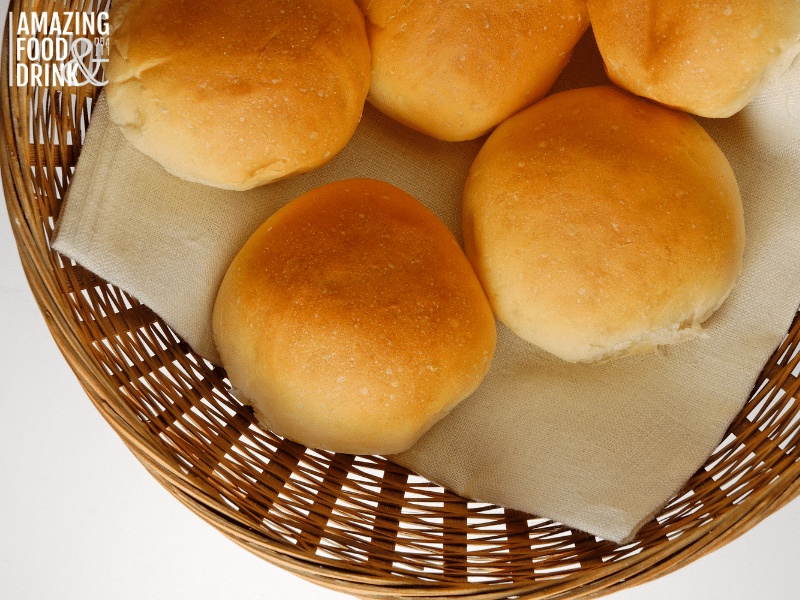
British baps are soft, floury rolls traditionally served for breakfast or lunch, perfect for bacon sandwiches or as a side to traditional fry-ups.

Ingredients

  • 350ml warm, unsweetened plant-based milk (about 38-43°C)
  • 2¼ teaspoons instant yeast
  • 3 tablespoons olive oil
  • 2 tablespoons maple syrup or light brown sugar
  • 1¼ teaspoons fine sea salt
  • 1 large egg, lightly beaten (or flaxseed egg)
  • 450-500g bread flour, plus extra for dusting
  • Extra flour for dusting tops

Instructions

  1. Combine the warm milk, yeast, olive oil, maple syrup, and salt in a large bowl. Let it sit for 5-10 minutes until foamy.
  2. Add the beaten egg and 450g of flour. Mix until a shaggy dough forms, then gradually add more flour until the dough is smooth and slightly tacky.
  3. Knead for 8-10 minutes until smooth and elastic.
  4. Place in a greased bowl, cover, and let rise for 1-2 hours until doubled.
  5. Punch down and divide into 10-12 equal pieces. Shape each into a flatter, wider disc (about 10cm diameter and 2cm thick) rather than tall balls.
  6. Place on a greased baking sheet with 5cm space between each. Dust the tops generously with flour.
  7. Cover loosely and let rise for 30-45 minutes until puffy.
  8. Preheat oven to 180°C (350°F, Gas Mark 4).
  9. Bake for 15-18 minutes until lightly golden but still quite pale. The softer crust is characteristic of baps.
  10. Cool on a wire rack. Serve split and filled with your favourite breakfast ingredients.

Prep Time: 20 minutes | Rise Time: 2-2.5 hours | Cook Time: 15-18 minutes | Makes: 10-12 baps

Filipino Pandesal-Inspired Rolls

Dairy-Free Dinner Rolls

Filipino pandesal is the beloved breakfast roll of the Philippines, traditionally enjoyed with butter or as a sandwich.

Ingredients

  • 300ml warm, unsweetened plant-based milk (about 38-43°C)
  • 2¼ teaspoons instant yeast
  • 3 tablespoons melted coconut oil
  • 4 tablespoons caster sugar
  • 1¼ teaspoons fine sea salt
  • 1 large egg, lightly beaten (or flaxseed egg)
  • 450-500g bread flour
  • 100g fine breadcrumbs for coating

Instructions

  1. Combine the warm milk, yeast, melted coconut oil, sugar, and salt in a large bowl. Let it sit for 5-10 minutes until foamy.
  2. Add the beaten egg and 450g of flour. Mix until a shaggy dough forms, then gradually add more flour until smooth and slightly tacky.
  3. Knead for 8-10 minutes until smooth and elastic.
  4. Place in a greased bowl, cover, and let rise for 1-2 hours until doubled.
  5. Punch down and divide into 16-18 equal pieces (pandesal are typically smaller than dinner rolls).
  6. Shape each piece into an oval by rolling between your palms.
  7. Place the breadcrumbs in a shallow dish. Roll each shaped roll thoroughly in breadcrumbs to coat all sides.
  8. Place on a greased baking sheet with 2.5cm space between each.
  9. Cover loosely and let rise for 30-45 minutes until almost doubled.
  10. Preheat oven to 190°C (375°F, Gas Mark 5).
  11. Bake for 18-22 minutes until golden brown. The breadcrumb coating should be lightly toasted.
  12. Cool slightly on a wire rack. Serve warm.

Prep Time: 20 minutes | Rise Time: 2-2.5 hours | Cook Time: 18-22 minutes | Makes: 16-18 rolls

Mediterranean Herb Rolls

Dairy-Free Dinner Rolls

These aromatic rolls bring the flavours of the Mediterranean to your table, perfect with olive oil for dipping or alongside grilled vegetables.

Ingredients

  • 300ml warm, unsweetened plant-based milk (about 38-43°C)
  • 2¼ teaspoons instant yeast
  • 3 tablespoons extra virgin olive oil, plus extra for brushing
  • 2 tablespoons maple syrup or light brown sugar
  • 1¼ teaspoons fine sea salt
  • 2 teaspoons dried mixed herbs (rosemary, thyme, and oregano)
  • 1 large egg, lightly beaten (or flaxseed egg)
  • 450-500g bread flour
  • Flaky sea salt for topping
  • Additional dried herbs for sprinkling

Instructions

  1. Combine the warm milk, yeast, olive oil, maple syrup, and salt in a large bowl. Let it sit for 5-10 minutes until foamy.
  2. Mix the dried herbs into 450g of the flour.
  3. Add the beaten egg and herb-flour mixture to the yeast mixture. Mix until a shaggy dough forms, then gradually add more flour if needed until smooth and slightly tacky.
  4. Knead for 8-10 minutes until smooth and elastic. The herbs will be distributed throughout the dough.
  5. Place in a greased bowl, cover, and let rise for 1-2 hours until doubled.
  6. Punch down and divide into 12-14 equal pieces.
  7. Shape each piece into a ball and place on a greased baking sheet with 2.5cm space between each.
  8. Brush the tops generously with extra virgin olive oil.
  9. Sprinkle with flaky sea salt and a pinch of additional dried herbs.
  10. Cover loosely and let rise for 30-45 minutes until almost doubled.
  11. Preheat oven to 190°C (375°F, Gas Mark 5).
  12. Bake for 20-25 minutes until deep golden brown.
  13. Brush with more olive oil immediately after baking for extra shine and flavour.
  14. Cool on a wire rack. Serve warm.

Prep Time: 20 minutes | Rise Time: 2-2.5 hours | Cook Time: 20-25 minutes | Makes: 12-14 rolls

Middle Eastern Za’atar Rolls

Dairy-Free Dinner Rolls

These spiral rolls feature za’atar, the distinctive Middle Eastern spice blend of thyme, sesame seeds, and sumac.

Ingredients

For the dough:

  • 300ml warm, unsweetened plant-based milk (about 38-43°C)
  • 2¼ teaspoons instant yeast
  • 3 tablespoons olive oil
  • 1 tablespoon maple syrup or light brown sugar
  • 1¼ teaspoons fine sea salt
  • 1 large egg, lightly beaten (or flaxseed egg)
  • 450-500g bread flour

For the filling:

  • 4 tablespoons za’atar spice blend
  • 3 tablespoons extra virgin olive oil

Instructions

  1. Combine the warm milk, yeast, olive oil, maple syrup, and salt in a large bowl. Let it sit for 5-10 minutes until foamy.
  2. Add the beaten egg and 450g of flour. Mix until a shaggy dough forms, then gradually add more flour until smooth and slightly tacky.
  3. Knead for 8-10 minutes until smooth and elastic.
  4. Place in a greased bowl, cover, and let rise for 1-2 hours until doubled.
  5. Punch down the dough and roll it out on a lightly floured surface into a large rectangle (approximately 30cm x 40cm).
  6. Mix the za’atar with olive oil until a spreadable paste forms.
  7. Brush the za’atar mixture evenly over the entire surface of the dough, leaving a 1cm border along one long edge.
  8. Starting from the opposite long edge, roll the dough tightly into a log.
  9. Using a sharp knife or dental floss, cut the log into 12-14 equal slices (about 2.5-3cm thick).
  10. Place the slices, cut-side up, on a greased baking sheet, spacing them 2.5cm apart.
  11. Cover loosely and let rise for 30-45 minutes until puffy.
  12. Preheat oven to 190°C (375°F, Gas Mark 5).
  13. Bake for 20-25 minutes until golden brown. The spiral pattern should be visible.
  14. Cool on a wire rack. Serve warm or at room temperature.

Prep Time: 25 minutes | Rise Time: 2-2.5 hours | Cook Time: 20-25 minutes | Makes: 12-14 rolls

Asian-Inspired Sweet Rolls

Dairy-Free Dinner Rolls

These slightly sweet rolls take inspiration from Asian bakeries, where soft, pillowy rolls are glazed for a delicate sweetness.

Ingredients

For the rolls:

  • 300ml warm, unsweetened coconut milk (about 38-43°C)
  • 2¼ teaspoons instant yeast
  • 3 tablespoons melted coconut oil
  • 4 tablespoons caster sugar
  • 1 teaspoon vanilla extract
  • 1¼ teaspoons fine sea salt
  • 1 large egg, lightly beaten (or flaxseed egg)
  • 450-500g bread flour

For the glaze:

  • 150g icing sugar
  • 2-3 tablespoons plant-based milk
  • ½ teaspoon vanilla extract

Instructions

  1. Combine the warm coconut milk, yeast, melted coconut oil, sugar, vanilla extract, and salt in a large bowl. Let it sit for 5-10 minutes until foamy.
  2. Add the beaten egg and 450g of flour. Mix until a shaggy dough forms, then gradually add more flour until smooth and slightly tacky.
  3. Knead for 8-10 minutes until smooth and elastic. The dough will be slightly softer and more enriched than the basic recipe.
  4. Place in a greased bowl, cover, and let rise for 1-2 hours until doubled.
  5. Punch down and divide into 12-14 equal pieces.
  6. Shape each piece into a smooth ball and place on a greased baking sheet with 2.5cm space between each.
  7. Cover loosely and let rise for 30-45 minutes until almost doubled and very puffy.
  8. Preheat oven to 190°C (375°F, Gas Mark 5).
  9. Bake for 18-22 minutes until lightly golden. These rolls should remain quite pale for the softest texture.
  10. Whilst the rolls cool slightly, make the glaze: whisk together the icing sugar, plant-based milk (start with 2 tablespoons and add more if needed), and vanilla extract until smooth and pourable.
  11. Brush the warm rolls generously with the glaze, or dip the tops into it.
  12. Let the glaze set for 10 minutes before serving.

Prep Time: 20 minutes | Rise Time: 2-2.5 hours | Cook Time: 18-22 minutes | Makes: 12-14 rolls

Wholemeal Seeded Rolls

Dairy-Free Dinner Rolls

These heartier rolls combine wholemeal flour with a variety of seeds for added nutrition, texture, and a satisfying nutty flavour. They pair well with soups and stews throughout our recipe collection.

Ingredients

  • 300ml warm, unsweetened plant-based milk (about 38-43°C)
  • 2¼ teaspoons instant yeast
  • 3 tablespoons olive oil
  • 2 tablespoons maple syrup or light brown sugar
  • 1¼ teaspoons fine sea salt
  • 1 large egg, lightly beaten (or flaxseed egg)
  • 250g bread flour
  • 250g wholemeal flour
  • 50g mixed seeds (sunflower, pumpkin, sesame), plus extra for coating
  • Extra seeds for topping (about 50g)

Instructions

  1. Combine the warm milk, yeast, olive oil, maple syrup, and salt in a large bowl. Let it sit for 5-10 minutes until foamy.
  2. Mix the bread flour, wholemeal flour, and 50g of mixed seeds together.
  3. Add the beaten egg and flour-seed mixture to the yeast mixture. Mix until a shaggy dough forms. Wholemeal flour absorbs more liquid, so you may not need to add any additional flour.
  4. Knead for 10-12 minutes until smooth and elastic. The dough will be slightly denser than the white flour version.
  5. Place in a greased bowl, cover, and let rise for 1.5-2 hours until doubled. Wholemeal dough may take slightly longer to rise.
  6. Punch down and divide into 12-14 equal pieces.
  7. Shape each piece into a ball.
  8. Place the extra seeds in a shallow dish. Brush each roll lightly with water or plant-based milk, then roll in the seeds to coat the top and sides.
  9. Place on a greased baking sheet with 2.5cm space between each, seed-side up.
  10. Cover loosely and let rise for 35-50 minutes until almost doubled.
  11. Preheat oven to 190°C (375°F, Gas Mark 5).
  12. Bake for 22-27 minutes until deep golden brown, and the seeds are lightly toasted.
  13. Cool on a wire rack. These rolls are particularly delicious served warm with vegan butter or olive oil.

Prep Time: 20 minutes | Rise Time: 2-2.5 hours | Cook Time: 22-27 minutes | Makes: 12-14 rolls

Expert Tips for Perfect Dairy-Free Dinner Rolls

Dairy-Free Dinner Rolls

Homemade dairy-free dinner rolls require specific techniques to ensure they rise properly and develop the right texture. Through extensive testing, these key factors separate good rolls from exceptional ones.

Ingredient Quality Matters

Use high-quality ingredients for optimal flavour and texture. Fresh yeast works more reliably than old yeast. Check the expiration date. Choose bread flour rather than plain flour for its higher protein content, which creates better structure. Organic, stone-ground flours often produce more flavourful bread.

Temperature Control

Lukewarm milk (38-43°C) activates yeast effectively. Too hot kills the yeast; too cold slows fermentation dramatically. Test the temperature on your wrist; it should feel comfortably warm but not hot.

Take your vegan butter and eggs out of the fridge about 30 minutes before starting. Cold ingredients can slow down yeast activity and make ingredients harder to incorporate smoothly.

Proper Kneading Technique

Aim for 8-10 minutes of kneading, either by hand or with a stand mixer on medium speed. The dough should become smooth and elastic, pulling away from the sides of the bowl. This develops gluten structure for proper rise and texture.

Avoid over-kneading, which can make rolls tough. Once the dough passes the windowpane test, where a small piece can stretch thin enough to see light through without tearing, stop kneading.

Rising Environment

Create an ideal rising environment around 24-27°C. If your kitchen is cold, place the covered bowl in an oven with just the light on, or near a warm (not hot) radiator. Avoid drafts, which can create an uneven rise.

Don’t rush the first rise. Allowing the dough to fully double develops flavour and creates a better texture. However, don’t let it over-proof; if it rises more than double, the gluten structure can collapse.

Shaping Considerations

When shaping dough balls, create slight surface tension by pulling the dough taut on the underside as you round it. This helps maintain shape during baking and creates a smooth top surface.

Leave enough space between rolls on the baking sheet, about 2.5cm. They will expand significantly during the second rise and baking. Rolls that touch during baking create softer sides, whilst separated rolls develop a golden crust all around.

Baking Adjustments

Ensure your oven is fully preheated before baking. A hot oven helps rolls rise quickly in the first few minutes (oven spring), creating light, fluffy interiors.

Brush the tops with melted vegan butter or olive oil before baking for a beautiful golden-brown crust. The fat promotes even browning and creates an appealing sheen.

For extra soft, fluffy interiors, place a shallow pan of hot water on the bottom rack whilst baking. The steam creates a humid environment that helps rolls rise higher and develop softer crusts.

Doneness Testing

Don’t rely solely on colour to judge doneness. Use a digital thermometer to check the internal temperature, aiming for 88-90°C for fully baked rolls with tender crumbs.

Rolls should sound hollow when tapped on the bottom. If they sound dense or dull, they need more time.

Serving and Pairing Suggestions

Dairy-Free Dinner Rolls

Freshly baked dairy-free dinner rolls complement countless dishes. Their soft texture and subtle sweetness make them suitable for both savoury and slightly sweet pairings.

With Soups and Stews

Dip these soft rolls into creamy tomato soup, hearty lentil stew, or warming chilli. The contrasting textures of soft, pillowy bread against smooth soup create a satisfying dining experience. Try them alongside our Egyptian soups for an authentic cultural pairing.

Alongside Salads

Add warmth and substance to lighter meals by offering warm rolls with salads. They work particularly well with our Filipino salad recipes, where the soft bread balances crisp vegetables and tangy dressings.

With Main Courses

Serve these rolls alongside roasted vegetables, plant-based proteins, or grain dishes. They’re perfect for soaking up flavourful sauces and gravies.

As Burger Buns

Slice the rolls horizontally to create perfect dairy-free burger buns. Their soft texture and sturdy structure hold up well to fillings without falling apart. They complement both vegetable and plant-based protein burgers beautifully.

Transformed into Garlic Bread

Brush warm rolls with melted vegan butter infused with crushed garlic and fresh herbs, then bake for 5-7 minutes until golden. This simple transformation creates restaurant-quality garlic bread at home.

For Breakfast Service

Use day-old rolls to make decadent bread pudding or dairy-free French toast. The slightly drier texture absorbs custard mixtures perfectly, creating rich breakfast dishes. This works wonderfully with our dairy-free cream alternatives.

Storage and Reheating Methods

Dairy-Free Dinner Rolls

With proper storage techniques, you can enjoy fresh, fluffy dairy-free dinner rolls for several days. Here’s how to store and reheat them whilst maintaining their appealing texture.

Room Temperature Storage

Let rolls cool completely on a wire rack before storing for about 1-2 hours. Storing warm rolls traps moisture, leading to soggy bottoms.

Once cool, place the rolls in a clean breadbasket or a paper bag, loosely covered with a tea towel. This allows some air circulation whilst preventing them from drying out too quickly. Stored this way, enjoy them within 1-2 days for optimal freshness.

Avoid storing in plastic bags at room temperature, as this traps too much moisture and can lead to mould growth.

Refrigeration for Short-Term Storage

Ensure rolls are completely cool before refrigerating. Transfer them to an airtight container to prevent them from drying out or absorbing other refrigerator odours.

Store on a shelf rather than the door, which experiences frequent temperature fluctuations. Refrigerated dairy-free dinner rolls keep well for 3-5 days.

Freezing for Long-Term Storage

Let the rolls cool completely. Flash-freeze them individually on a baking sheet for about 30 minutes. This prevents them from sticking together when frozen solid.

Once frozen solid, transfer rolls to freezer-safe zip-top bags or airtight containers. Label with the date for easy identification. Frozen dairy-free dinner rolls maintain quality for up to 3 months.

Reheating from the Refrigerator

Preheat your oven to 175°C (350°F, Gas Mark 4). Place refrigerated rolls on a baking sheet and heat for 5-7 minutes until warmed through. This method restores the soft texture without drying them out.

For a softer crust, wrap rolls in foil before reheating. For a crispier exterior, leave them unwrapped.

Reheating from Frozen

Thaw frozen rolls in the refrigerator overnight before reheating using the method above. This gradual thawing maintains texture better than room temperature thawing.

If you need rolls quickly, heat frozen rolls directly in a preheated 175°C oven for 10-12 minutes.

Microwave Method

For a single roll, wrap it in a damp paper towel and microwave on high for 15-20 seconds. The moisture from the paper towel creates steam that softens the bread. Be careful not to overheat, as microwave energy can make bread rubbery.

This method works best for immediate consumption rather than advanced preparation.

Dairy-free dinner rolls prove that dietary restrictions needn’t limit culinary enjoyment. Through proper technique and thoughtful ingredient selection, you can create bread that rivals traditional versions in texture, flavour, and appearance. The key lies in understanding how dairy functions in bread-making and choosing plant-based alternatives that replicate those properties.

These rolls work beautifully with any meal, from casual weeknight dinners to special celebrations. Their versatility allows for countless variations, whether you prefer herb-studded Mediterranean rolls, slightly sweet Filipino-inspired versions, or classic plain rolls that complement any dish.

Cooking should be both accessible and delicious, regardless of dietary needs. We hope this guide gives you the confidence to bake dairy-free dinner rolls that delight everyone at your table.

FAQs

1. Can I make these rolls vegan?

Yes, these dinner rolls can be made fully vegan. Replace the egg with a flaxseed egg: mix 1 tablespoon ground flaxseed with 3 tablespoons water and let sit for 5 minutes until gelatinous. Use any plant-based milk: soy, oat, almond, or coconut and ensure your vegan butter contains no animal-derived ingredients. The texture and rise remain excellent with these substitutions. Multiple testing variations have shown that flaxseed eggs work particularly well in enriched doughs, such as for dinner rolls.

2. Why didn’t my rolls rise properly?

Several factors affect the rise. Most commonly, the yeast was either dead (check expiration dates), killed by water that was too hot (above 50°C), or inhibited by water that was too cold (below 35°C). The dough might also have been in a too-cool environment; yeast works best at 24-27°C. Check that you didn’t add salt directly to yeast, as direct contact can inhibit yeast activity. Lastly, ensure you’re using bread flour rather than plain flour, as the higher protein content creates better structure for rising.

3. Can I use gluten-free flour?

Yes, but you’ll need specific adjustments. Replace bread flour with a 1:1 gluten-free flour blend designed for baking, ensuring it contains xanthan gum to mimic gluten’s binding properties. If using oat milk, ensure it’s certified gluten-free. Gluten-free rolls typically have a denser texture than wheat-based versions, but can still be delicious when properly prepared. You may need to add an extra tablespoon of liquid and reduce kneading time, as overworking gluten-free dough can make it gummy.

4. How do I achieve a golden-brown colour without dairy?

The golden-brown crust on traditional rolls comes partly from milk proteins and lactose. To replicate this with dairy-free versions, brush rolls with plant-based milk (soy works particularly well due to its protein content) or a mixture of maple syrup and water before baking. Alternatively, brush with melted vegan butter or olive oil. For deeper colour, increase oven temperature slightly to 200°C for the final 5 minutes of baking, watching carefully to prevent burning. Adding a tablespoon of nutritional yeast to the dough also promotes browning whilst adding subtle savoury notes.

5. Can I prepare the dough in advance?

Absolutely. After the first rise, punch down the dough, shape it into rolls, and place them on your baking sheet. Cover tightly with cling film and refrigerate for up to 24 hours. This slow, cold fermentation actually develops more complex flavours. When ready to bake, remove from the refrigerator, let them come to room temperature, and complete their second rise. This takes about 45-60 minutes. Alternatively, freeze shaped but unbaked rolls for up to 1 month. Thaw overnight in the refrigerator, then proceed with the second rise and baking as directed.

Share with our social media

Leave a Reply

Your email address will not be published. Required fields are marked *