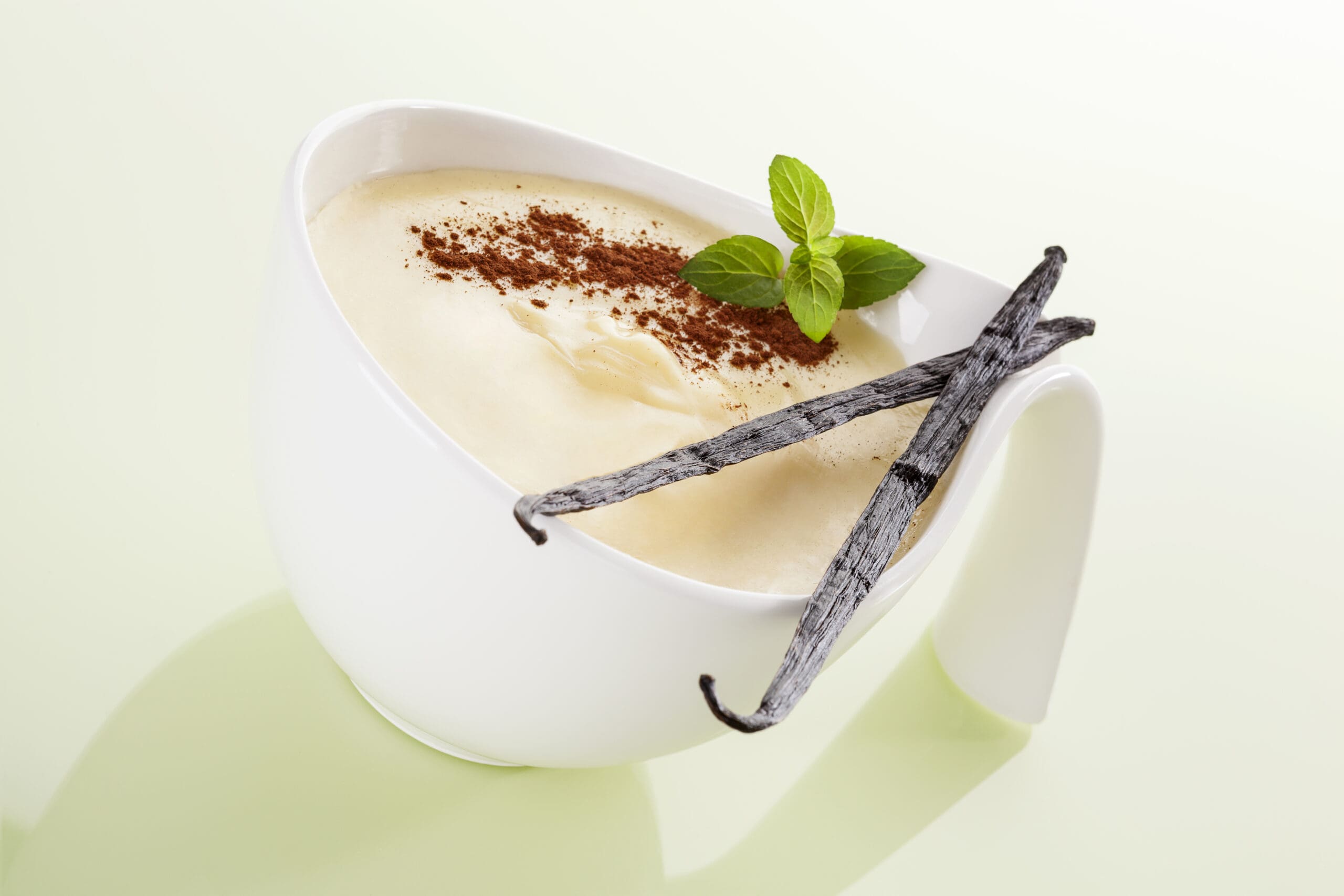
Dairy-free vanilla pudding offers a healthy alternative for those with dairy allergies or intolerances while being lower in calories and fat than traditional dairy-based pudding. It is also suitable for vegan and plant-based diets, making it a versatile and inclusive dessert option.
Do you think you have to sacrifice creamy, dreamy vanilla pudding to live a dairy-free life? Think again! Step into a world of smooth, satisfying sweetness with the magic of dairy-free vanilla pudding. It’s a taste bud adventure waiting to happen, free from the limitations of lactose but overflowing with all the comfort and deliciousness you crave.
Healthy Alternative for Those with Dairy Allergies or Intolerances
httpss://www.youtube.com/watch?v=QrdWIDk2UJQ
If you can’t eat dairy, this pudding is for you. It’s free from milk but full of flavour. People who have trouble with dairy often miss out on yummy treats. This vanilla pudding changes that! Almond milk goes into the mix instead of cow’s milk. Lactose is in cow’s milk, and it causes problems for some people. Almond milk has no lactose, so it won’t upset your tummy.
The best bit? Non-dairy desserts like this one are often healthier too! They tend to have less fat and fewer calories than cream or whole milk recipes. Plus, many plant milks like almond or soy come loaded with added vitamins and goodies like calcium.
Lower in Calories and Fat Compared to Traditional Dairy-based Pudding
Dairy-free vanilla pudding comes with a big perk. It has less fat and calories than the usual dairy-based pudding. This low-fat, plant-based dessert is not just for vegans or people with allergies to dairy food.
It’s great for anyone hoping to keep their waistline in check! So, next time you need a sweet treat, give this lower-calorie option a go. With non-dairy frozen treats like this one, having dessert no longer needs to feel like cheating on your diet.
Suitable for Vegan and Plant-based Diets
You don’t have to say no to pudding if you’re on a vegan or plant-based diet! This dairy-free vanilla pudding is the perfect dessert for you. It’s made without eggs and milk. Plus, it’s gluten-free and soy-free, too! Even kosher pareve rules are followed with this yummy treat.
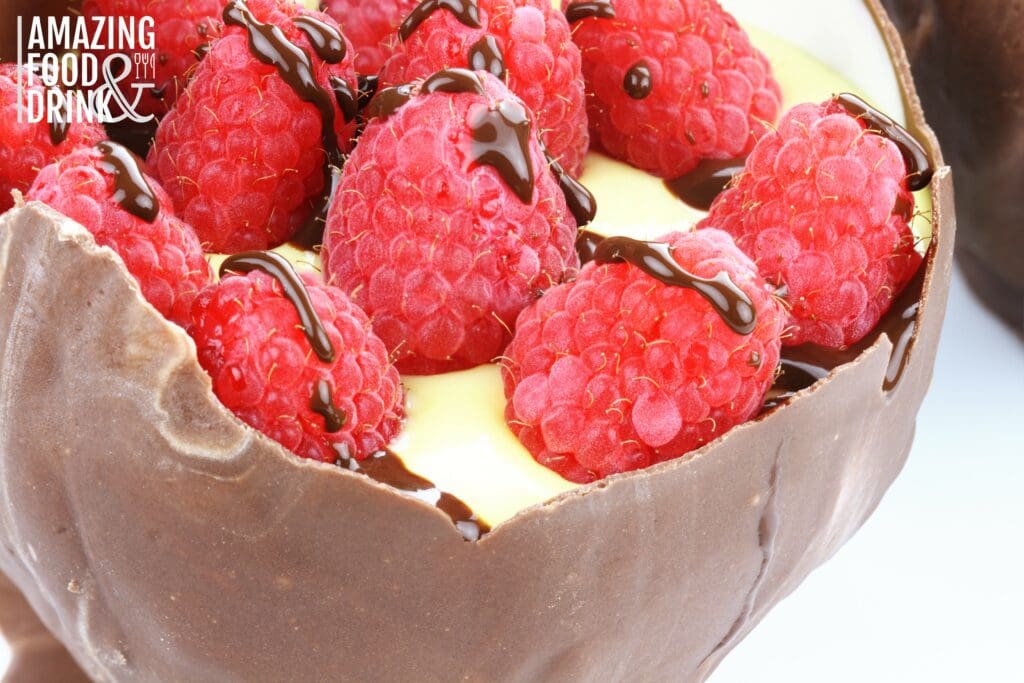
Gone are the days of grainy, gritty substitutes. Today’s dairy-free vanilla puddings are a testament to culinary ingenuity. Coconut, almond, soy, even oats – the possibilities are endless, each offering a unique twist on the vanilla theme. Add a touch of fruit, a sprinkle of nuts, or a drizzle of dark chocolate, and you have a masterpiece in a bowl.
But it’s not just about indulgence (though, who are we kidding? It’s definitely indulgently delicious!). Dairy-free vanilla pudding can be a guilt-free treat that is friendly to allergies, sensitivities, and those simply seeking a lighter option. It’s a dessert you can feel good about, a sweet escape without the downsides.
So, throw open the doors to a world of creamy possibilities! Embrace the dairy-free revolution and discover the magic of this modern marvel. Every spoonful is a chance to rewrite the rules and enjoy a taste of bliss, free from limitations. It’s time to experience the true potential of vanilla pudding – because sometimes, the best things in life come in dairy-free packages.
Not only that, but it doesn’t pile up the carbs either. You get a sweet finish to your meal while keeping things healthy. Your body will love this whole-food choice because no oils or salt are added to make it! With so many good points, why not try making this low-carb dessert today?
How to Make Dairy-Free Vanilla Pudding
Gather ingredients such as almond milk, sugar, cornstarch, and salt to make dairy-free vanilla pudding. Combine them in a saucepan and heat until thickened. It’s easier than you think – click here to learn how!
httpss://www.youtube.com/watch?v=8x0TSeNWwi8
Ingredients Needed
You will need a few things for this recipe:
Grab 1/3 cup of cane sugar.
Along with 3 tablespoons of cornstarch.
If you like, you can change the cornstarch to arrowroot starch.
Don’t forget to get ¼ teaspoon of salt.
Almond milk is next on the list.
Use unsweetened almond milk if you want to keep it healthy!
You will also need some eggs and vanilla for that yummy taste we all like so much.
If you’re vegan, don’t worry about missing out! Just use egg yolks instead of eggs in your pudding mix.
Step-by-step Instructions
Let’s make a quick and easy dairy-free vanilla pudding. Here are the steps:
Get all your ingredients ready. You will need sugar, cornstarch, salt, almond milk, eggs, and vanilla.
Pour the sugar into a medium pot. Add in the cornstarch and salt.
Mix them well until they blend together.
Next, pour in the almond milk slowly.
Keep stirring it all together as you add the milk.
Now, break the eggs into a bowl.
Take out only the egg yolks and add them to your mix in the pot.
Turn on low heat under your pot and keep stirring till it thickens up.
After that, turn off your stove, but leave your pot on there.
Finally, pour in your vanilla for flavour.
Tips and Variations for Dairy-Free Vanilla Pudding
Enhance the flavour by adding a sprinkle of cinnamon or a dash of almond extract. Discover creative toppings and mix-ins that will take your dairy-free vanilla pudding to the next level! Read on for all the delicious details.
Using different sweeteners or flavourings
You can change the taste of your pudding with different sweeteners or flavourings. Try natural sweeteners like honey or maple syrup instead of sugar for a new taste. For a fun twist, you might also use vanilla extract alternatives, such as almond or peppermint extract. These dairy-free baking options open a world of flavours for you to explore in your pudding!
Adding toppings or mix-ins for added texture and flavour
When it comes to dairy-free vanilla pudding, adding toppings or mix-ins can take it to the next level. You can enhance the texture and flavour by getting creative with different options. Try experimenting with various toppings like sliced fruit, crushed nuts, or a sprinkle of cinnamon. Mix in some chocolate chips, coconut flakes, or even a drizzle of caramel sauce for an extra burst of flavour.
These additions add variety and elevate the overall taste experience of the dairy-free vanilla pudding. So, have fun creating unique combinations that will delight your taste buds!
Common Questions about Dairy-Free Vanilla Pudding
We often get asked questions about making dairy-free vanilla pudding, so we wanted to address some of the most common ones here. One question arises is whether you can use other milk substitutes instead of almond milk. The answer is yes! You can try using coconut milk or soy milk as alternatives for a slightly different taste and texture.
Another frequently asked question is how to make the pudding thicker if it turns out too runny. Mix some cornstarch with water until it forms a paste, then gradually add it to the pudding while stirring constantly. This should help thicken it up nicely.
Some people also ask if they can substitute the eggs in the recipe. While eggs do help create a creamy texture, you can try using other egg replacements like applesauce or mashed bananas for a vegan-friendly version. Just keep in mind that the texture may be slightly different.
Lastly, many people wonder how long dairy-free vanilla pudding will last in the fridge. Generally, the homemade pudding should be consumed within 3-4 days for optimal freshness and flavour. However, always check for any signs of spoilage before consuming leftovers.
Classic Dairy-Free Vanilla Pudding Recipe
Creating a dairy-free vanilla pudding can be quite simple and allows for various ingredient substitutions based on dietary needs and preferences. Here’s a synthesis of information gathered from multiple sources to help you create your own dairy-free vanilla pudding.
You will generally need the following ingredients:
A sweetener, which can be white sugar, maple syrup, or another sugar alternative of your choice.
Cornstarch as a thickening agent.
A pinch of salt.
Unsweetened almond milk or another dairy-free milk like coconut milk beverage.
Egg yolks, which are essential for the pudding’s texture.
To prepare the pudding
Begin by whisking together your sweetener, salt, and cornstarch in a medium bowl.
In a small saucepan, heat your choice of dairy-free milk with vanilla extract over medium heat until it simmers.
Gradually pour the hot milk into the egg yolk mixture while whisking continuously to temper the eggs. This process prevents the eggs from scrambling when they come into contact with the hot liquid.
Return the mixture to the pot and continue to cook, whisking constantly, until the mixture starts to bubble and thickens, which usually takes about 7 minutes.
Remember, the exact steps and ingredient measurements can vary slightly, and many variations are available that cater to different dietary restrictions, such as gluten-free or egg-free. You can refer to the sources from The Spruce Eats, MamaShire, Go Dairy Free, ALDI US, and FlavCityfor detailed recipes and specific measurements. Each of these will guide you through the process with their unique takes on this classic dessert.
Dairy-Free Chocolate Mousse
This dairy-free chocolate mousse is rich, decadent, and perfect for a special occasion. It’s made with just a few simple ingredients and is easy to make.
Ingredients
1 cup heavy cream, whipped
½ cup dairy-free chocolate chips
1 teaspoon vanilla extract
Instructions
Melt the chocolate chips in the microwave or over a double boiler in a bowl.
Stir in the vanilla extract.
Fold in the whipped cream until just combined.
Divide the mousse among 4-6 dessert glasses.
Refrigerate for at least 2 hours or until chilled.
Serve and enjoy!
Other Creative Recipes
Numerous variations in the world of dairy-free vanilla pudding cater to different dietary preferences and needs. Here are some creative twists on the traditional recipe:
Egg-Free and Vegan Pudding: For those avoiding eggs, a vegan vanilla pudding that is creamy and smooth can be made in less than 10 minutes using ingredients like plant-based milk, sugar or sugar alternatives, and thickening agents like cornstarch or arrowroot powder.
Coconut Milk Variation: You can combine coconut milk and water to achieve a thicker, creamier texture with a hint of coconut flavour. Adjusting the vanilla extract to 1 1/2 teaspoons can enhance the vanilla flavour when using coconut milk.
Arrowroot as a Thickener: For those looking for a cornstarch substitute, arrowroot starch can be used to achieve the desired consistency. Combine it with dairy-free milk, such as soy or oat milk, for a creamier result.
Oat Milk Base: Utilising oat milk as the base, along with cornstarch, can give you a creamy texture. Store-bought plant milk with gums or thickeners can be beneficial for the pudding’s consistency.
Paleo-Friendly Pudding: For a paleo version, you can use coconut milk and cream, a natural sweetener like honey or maple syrup, and tapioca or arrowroot as the thickener. This combination should be whisked and heated until it thickens.
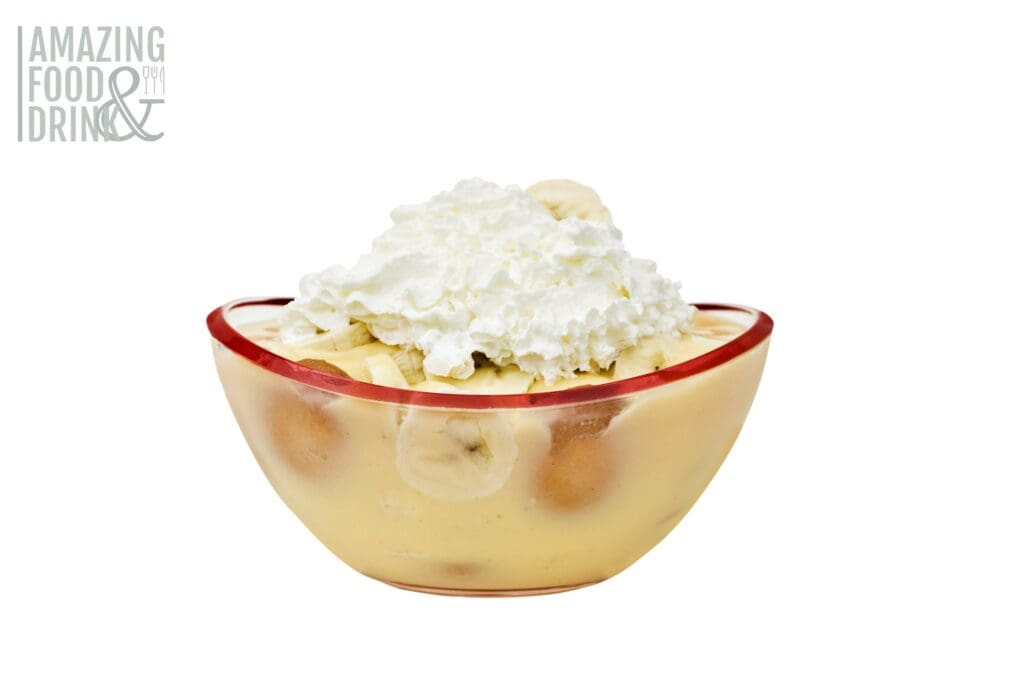
Fruit Pairing: The simple elegance of dairy-free vanilla pudding can be elevated by serving it with fruit. Bananas, for example, pair exceptionally well with vanilla pudding, creating a delightful combination.
Pie Filling: For a more indulgent treat, you can use the pudding as a pie filling. Imagine a pumpkin custard tart with a layer of this creamy pudding – it’s a fusion that promises to be delicious.
Pastry Filling: If you’re into baking, the pudding can be used as a filling for pastries, adding a creamy texture and vanilla flavour to your baked goods.
Pudding with Seeds: For an interesting texture and nutritional boost, you can incorporate seeds that thicken in liquid, like chia seeds, into your pudding. When combined with coconut milk, maple syrup, and fresh blueberries, you create a pudding that’s not only tasty but also healthy.
Patriotic Dessert: With a theme in mind, like a patriotic red, white, and blue dessert, you can layer the vanilla pudding with strawberries and blueberries to create a festive and colourful treat perfect for summer celebrations.
Each variation allows for personalisation and adjustments based on individual dietary restrictions and taste preferences. You can explore these different recipes and choose the one that best fits your needs. For specific instructions and ingredient measurements, refer to the cited sources.
We hope these answers help clear up any doubts you may have had about making dairy-free vanilla pudding! It’s such a delicious and versatile dessert option that everyone can enjoy, regardless of dietary restrictions or preferences.
This recipe isn’t just a list of ingredients and instructions; it’s an invitation to a world of endless possibilities. Experiment with different plant-based kinds of milk, spices, and toppings to customise your experience. Add a swirl of raspberry puree for a fruity twist, sprinkle on chopped nuts for a satisfying crunch, or dollop on whipped coconut cream for pure decadence. It’s your culinary canvas, ready to be painted with a symphony of flavours.
Conclusion
In conclusion, dairy-free vanilla pudding is a healthier alternative to traditional pudding. It’s perfect for those with dietary restrictions or who want to choose a plant-based lifestyle consciously. With simple ingredients and easy-to-follow instructions, you can enjoy creamy and flavourful vanilla pudding without any dairy.
dairy-free vanilla pudding isn’t just a healthier alternative; and it’s a creamy revolution! It’s a delicious rebellion against limitations, a joyous celebration of inclusivity, and a testament to the ingenuity of plant-based cuisine. It’s smooth textures and vibrant flavours speak to anyone seeking a guilt-free indulgence, whether for ethical, dietary, or simply adventurous reasons.
hare your dairy-free creations with friends and family. Watch eyes widen and smiles bloom as everyone discovers this plant-based wonder’s sweet, creamy joy. Together, we can make the world a more delicious and inclusive place, one spoonful of dairy-free vanilla pudding at a time!
So go forth, fellow pudding pioneers! Whip up a batch of this creamy wonder and share it with loved ones. Spread the joy of a delicious, inclusive, and kind dessert to your body and the planet. You might just inspire others to join the dairy-free revolution and discover the magic of plant-based vanilla pudding, one delightful spoonful at a time. Remember, a sweet treat that everyone can enjoy is the sweetest victory of all!
FAQs
1. Is dairy-free vanilla pudding suitable for people with lactose intolerance?
Yes, dairy-free vanilla pudding is suitable for people with lactose intolerance as it does not contain any milk or milk-derived products.
2. What are the main ingredients needed for a dairy-free vanilla pudding?
The main ingredients needed for a dairy-free vanilla pudding are non-dairy milk (such as almond or coconut milk), cornstarch, sugar, and vanilla extract.
3. Can I use other sweeteners instead of sugar in a dairy-free vanilla pudding?
Yes, you can use alternative sweeteners like maple syrup or stevia to make a healthier version of dairy-free vanilla pudding.
4. How long does it take to make dairy-free vanilla pudding?
It typically takes about 20-30 minutes to make dairy-free vanilla pudding from start to finish, excluding cooling time.
5. Can I store dairy-free vanilla pudding in the refrigerator?
Yes, you can store leftover dairy-free vanilla pudding in an airtight container in the refrigerator for up to 2-3 days.

 Shaimaa Olwan
 Nouran Ashraf