Everyone deserves to enjoy a buttery, flaky croissant regardless of dietary restrictions! Mastering the art of baking homemade vegan croissants from scratch is easier than you think.
This comprehensive guide unlocks the secrets to warm, golden pastries, light as air and bursting with buttery flavour, melting on your tongue. Explore plant-based alternatives, delicious variations (including the classic pain au chocolat), proper storage methods, and expert tips for achieving authentic texture and flavour.
So, let’s get started and explore the best dairy-free croissant recipe without sacrificing the taste you crave.
How to Make Dairy-Free Croissants
Classic croissants rely on butter for their signature layers and richness. In dairy-free versions, clever substitutes like vegan butter or coconut oil step in, delivering similar texture and flavour without the dairy. This easy vegan croissant recipe guides you step-by-step through the process.
Ingredients
1 ¼ cup unsweetened plant-based milk (soy, almond, or oat milk works well)
1 ¼ cup all-purpose flour, plus extra for dusting
¼ cup granulated sugar
1 tablespoon active dry yeast
½ teaspoon salt
¼ cup vegan butter, softened
1 tablespoon neutral oil (vegetable or canola)
1 cup vegan butter, chilled and cubed
1 tablespoon tapioca starch
Instructions
httpss://youtu.be/F7CiMp2vr14?si=xIU0AmSadsnoOT9Q
Gently heat the milk in a saucepan or microwave until lukewarm (around 40°C/105°F). Do not overheat!
Whisk together the warm milk, sugar, and yeast in a large bowl. Let sit for 5-10 minutes until foamy.
In another bowl, whisk together the flour and salt.
Add the dry ingredients to the wet ingredients and mix until a shaggy dough forms.
Turn the dough onto a lightly floured surface and knead for 8-10 minutes until smooth and elastic. Add more flour as needed to prevent sticking, but keep the dough soft.
Add the softened vegan butter and oil to the dough and knead for another 5 minutes until fully incorporated.
Shape the dough into a ball, place it in a greased bowl, cover it with plastic wrap, and let rise in a warm place for 1-2 hours or until doubled in size.
While the dough rises, mix the cubed vegan butter with the tapioca starch in a bowl. Flatten the mixture into a rectangle between two sheets of parchment paper. Refrigerate for at least 30 minutes or until firm.
Roll the dough into a large rectangle. Place the chilled vegan butter block in the centre of the dough, leaving a 1-inch border around the edges. Fold the sides of the dough over the butter, enclosing it completely. Seal the edges tightly.
Roll the dough rectangle again to about twice its original size. Fold the dough into thirds like a letter, then give it a quarter turn.
Repeat this rolling and folding process 2-3 more times, resting the dough for 15 minutes between each turn.
Shape the dough into a crescent shape, tucking the ends underneath. Place the croissants on a baking sheet lined with parchment paper, seam side down. Cover loosely with plastic wrap and let rise for another 1-2 hours or until doubled in size.
Preheat oven to 200°C (400°F).
Brush the croissants with a plant-based milk wash (optional) and bake for 20-25 minutes or until golden brown and flaky.
Let your dairy-free croissants cool slightly before serving.
Vegan Croissant Recipe Variations
Beyond the classic plain croissant recipe, you can explore several fun and delicious variations with your dairy-free croissant recipe! Here are some ideas to get you inspired.
Sweet Vegan Croissant Variations
Pain au Chocolat: Spread a thin layer of vegan chocolate chips or bars over the dough before shaping it into croissants.
Almond Croissants: Sprinkle the dough with a mixture of chopped almonds, almond flour, and cinnamon before rolling and folding.
Fruit-Filled Croissants: Fill your vegan croissants with your favourite jam, fruit compote, or fresh sliced fruit before baking.
Cinnamon Sugar Croissants: Sprinkle the dough with a mixture of cinnamon and sugar before shaping it into croissants.
Glazed Croissants: Brush the warm baked croissants with a simple vegan glaze made with powdered sugar and plant-based milk.
Savoury Vegan Croissant Variations
Cheese Croissants: Use vegan cheese alternatives like Daiya or Follow Your Heart shreds to fill the croissants before shaping.
Herb and Garlic Croissants: Add chopped fresh herbs like rosemary, thyme, or chives to the dough for a savoury twist.
Pizza Croissants: Spread a thin layer of tomato sauce and your favourite vegan cheese and toppings on the dough before shaping.
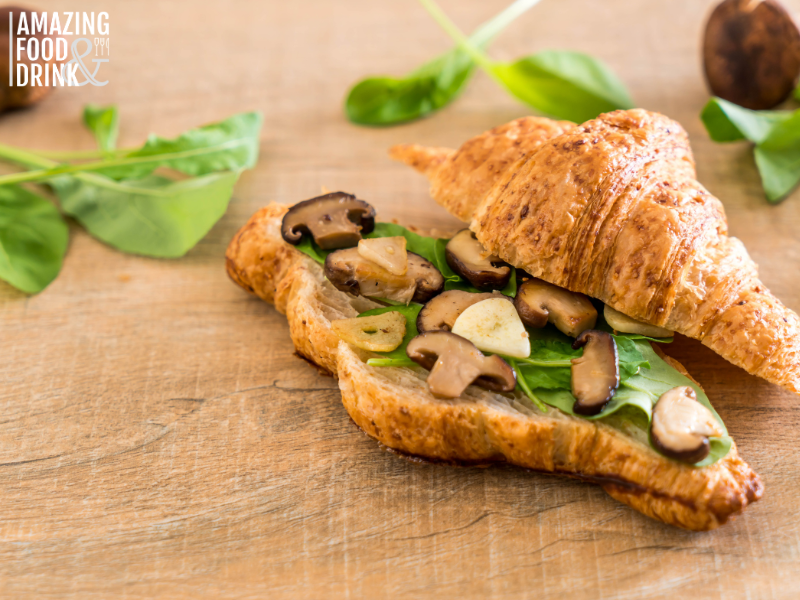
Mushroom and Spinach Croissants: Fill the croissants with a sauteed mixture of mushrooms, spinach, and vegan cheese.
How to Make Gluten-Free Croissants
Replace all-purpose flour with a gluten-free blend. You might need to adjust the amount of liquid slightly depending on the blend’s absorbency.
Add a xanthan or guar gum to the recipe, as these help bind gluten-free flours and mimic the gluten structure. Start with ½ teaspoon and adjust as needed.
Gluten-free croissants will likely have a denser crumb than traditional ones, but they can still be delicious and satisfying.
How to Make Keto-Friendly Croissants
httpss://youtu.be/bFa_DjXZjBQ?si=f3MQ2-MEcGfGW_UM
Substitute all-purpose flour for almond flour, coconut flour, or a keto-friendly blend. Adjust the amount based on the chosen flour’s absorbency. Almond flour can be denser, while coconut flour is very absorbent and may require additional tweaking.
Use erythritol, stevia, or monk fruit sweetener in place of granulated sugar. Adjust the amount to your taste preference.
Replace vegan butter with a keto-friendly option like macadamia nut butter or coconut butter. However, these might alter the flavour slightly.
Keto croissants won’t have the same airy texture as traditional ones due to the lack of gluten and different flours. However, they can be a delicious low-carb treat.
Tips for Achieving Perfect Dairy-Free Croissants
Crafting perfect dairy-free croissants requires patience and attention to detail. These tips and techniques will guide you towards achieving golden, flaky layers.
Keep ingredients at room temperature for even distribution and optimal rise. Cold dough will be tough, while warm dough can be difficult to handle.
Use a high-quality vegan butter that holds its shape well. Avoid spreadable options, as they can melt too quickly.
Maintain chilled vegan butter during the lamination process. If it softens, pop the dough back in the fridge to prevent butter leakage and uneven layers.
Adjust the milk or water amount based on your specific flour and weather conditions. A slightly sticky croissant dough is ideal for flaky layers.
Avoid over-kneading, which can develop gluten and make the croissants tough. Aim for a smooth, elastic dough without excessive effort.
Allow enough time for the croissant dough to rise (both initially and after shaping). Patience rewards you with airy, expansive layers.
Let the dough rest in the fridge after each fold to allow the butter to solidify and prevent the layers from merging.
Press firmly at each fold to ensure no gaps for butter escape. This traps steam during baking, creating puffiness.
Aim for even thickness when rolling out the dough after each fold. This promotes uniform puffing and prevents lopsided croissants.
When trying variations, adjust the recipe slightly based on the additional ingredients. For example, you might need to adjust the amount of milk or flour depending on the filling’s moisture content.
For keto and gluten-free croissants, ensure all other ingredients are also compliant with your chosen dietary restrictions, as they might affect the overall carb count.
A hot oven creates steam, which is crucial for lift and flakiness. Wait until preheating is complete before baking.
For a golden brown finish, brush croissants with a plant-based milk wash (soy, oat, or almond). Vegan yoghurt or maple syrup can work, too.
Rotate the baking sheet halfway through the baking process for even browning and development.
Let croissants cool slightly on a wire rack before devouring to prevent sogginess and allow the layers to set further.
Adapting recipes takes practice, so don’t get discouraged if your first attempt isn’t perfect.
Pairings and Serving Suggestions to Complement Dairy-Free Croissants
Dairy-free croissants are a delightful treat on their own, but pairing them with the right accompaniments can elevate the experience to another level. Here are some serving suggestions and pairings to complement your vegan croissants.
Dust warm croissants with powdered sugar and pair them with a steaming cup of freshly brewed coffee or tea.
Slice open croissants and fill them with fresh berries, sliced mango, or poached pears drizzled with maple syrup.
Pair your croissant with a rich hot chocolate, a scoop of dairy-free ice cream, or a dollop of vegan chocolate spread for a decadent indulgence.
Spread almond butter, peanut butter, or cashew butter on your croissant for a protein-packed and satisfying start to your day.
Slice croissants and pair them with vegan cheeses, olives, roasted peppers, and fresh herbs for an elegant appetiser or picnic spread.
Serve warm croissants alongside a bowl of creamy tomato soup, lentil soup, or minestrone for a cosy and comforting meal.
Top toasted croissants with scrambled tofu, vegan bacon, and avocado for a protein-packed start to your day.
Fill croissants with hummus and roasted vegetables, vegan deli slices and pesto, or a chickpea salad for a light and portable lunch.
Ideas for Repurposing Leftover Vegan Croissants
Whip up a dairy-free egg batter and soak the croissants for a classic French toast treat. Dust with powdered sugar, drizzle with maple syrup, and top with fresh berries for a delightful breakfast.
Layer crumbled croissants with vegan yoghurt, granola, and fresh fruit for a healthy and satisfying breakfast.
Crumble leftover croissants and use them as a base for vegan cheesecakes.
Make bite-sized croissant canapés by filling them with mini quiches, dips, or spreads.
Toast leftover croissants and use them as crunchy croutons in salads or soups.
Use leftover croissants to create a delicious and comforting bread pudding with vegan custard and dried fruit.
How to Store and Reheat Dairy-Free Croissants
Homemade dairy-free croissants deserve proper care to ensure they stay fresh and delicious. Here’s a comprehensive guide to storing, refrigerating, freezing, and reheating them for optimal enjoyment.
Storage at Room Temperature
Allow your croissants to cool completely before storing them to prevent moisture build-up and the dreaded soggy bottom.
Store them loosely in a clean kitchen towel or paper bag on the counter for up to 2 days. Avoid airtight containers, as they trap moisture and make the croissants soft.
Refrigeration for Short-Term Storage
Refrigeration is the way to go if you plan to enjoy your croissants within 3-5 days.
Wrap each croissant individually in plastic wrap or aluminium foil to prevent them from drying out.
Place the wrapped croissants in an airtight container or bread box to shield them from odours and prevent them from getting crushed.
Freezing for Long-Term Storage
Slice the croissants in half or quarters for quicker thawing. Arrange them on a baking sheet in a single layer and freeze for 30 minutes to flash freeze.
Once frozen solid, transfer the croissant pieces to a freezer-safe ziplock bag or airtight container. Label with the date for easy organisation.
Frozen croissants can last for up to 3 months in the freezer.
Reheating Options and Methods
Oven: For the best results, reheat frozen croissants in a preheated oven at 175°C (350°F) for 10-15 minutes. This ensures even warming and restores the flaky texture.
Toaster: If you’re short on time, a toaster can revive individual croissants in a few minutes. Keep an eye on them to avoid burning.
Microwave: While not ideal for optimal texture, a microwave can quickly warm croissants in a pinch. Use low power and heat in short bursts to prevent them from becoming rubbery.
Bonus Tip: To refresh slightly stale croissants, spritz them lightly with water before reheating.
Storing and reheating techniques can vary slightly depending on the specific recipe and ingredients used. With a little practice, you’ll find the methods that work best to keep your dairy-free croissants tasting their best long after they’re out of the oven.
Final Thoughts
Ultimately, don’t be intimidated by the process. With this comprehensive guide by your side, you can master creating flaky, golden vegan croissants like a pro in no time. So, ditch the limitations of traditional pastries and embrace dairy-free substitutions.
For further inspiration, explore our website for other delicious dairy-free and vegan treats! Discover how to make fluffy dairy-free muffins or indulge in a classic vegan apple pie. With endless possibilities, your plant-based baking journey is just beginning!






 Asmaa Alhashimy