Nut-free granola offers several benefits, particularly for those with nut allergies or dietary restrictions. The primary benefit is being safe for people with nut allergies. Nut allergies are serious and potentially life-threatening, so having a readily available and delicious breakfast option like nut-free granola can be crucial for managing this condition.
The ingredients for nut-free granola include rolled oats, sunflower seeds, shredded coconut, cinnamon, sea salt, brown rice crisps or puffed brown rice, coconut flakes, Garden of Life Organic Ground Flaxseed and Chia Seeds.
Nut-Free Granola Nutrients
Nut-free granola can cater to various dietary needs beyond allergies. It can be suitable for vegans, those following plant-based diets, or individuals with other restrictions that exclude nuts. Some might think, nut-free granola doesn’t have to be bland or lackluster. Many brands and recipes offer exciting flavor combinations and textures using alternative ingredients like seeds, dried fruits, spices, and even puffed grains.
Nut-free granola can still be a healthy and nutritious breakfast choice. Look for options rich in whole grains, fiber, and other essential nutrients like vitamins and minerals. Some brands even offer fortified versions with added protein or calcium. Just like regular granola, nut-free versions can be enjoyed in various ways. Pair it with plant-based milk or yogurt for breakfast, sprinkle it on smoothies or acai bowls, or enjoy it as a crunchy snack on its own.
While some specialty brands might be pricier, many readily available nut-free granola options are competitively priced compared to their nut-containing counterparts. Here are some additional points to consider:
Check labels carefully: Even if a product is labeled “nut-free,” it might be processed in a facility that also handles nuts, so always double-check the label for allergy warnings.
Homemade options: Making your own nut-free granola allows complete control over ingredients and ensures it aligns with your specific dietary needs.
Not inherently healthier: Not all nut-free granolas are automatically healthier. Be mindful of added sugars and choose options with whole grains and natural ingredients.
Nut-free granola offers a safe, delicious, and versatile option for those with nut allergies, dietary restrictions, or simply seeking variety in their breakfast routine.
Rolled Oats
Rolled oats play a big part in this nut-free granola recipe. These are the main ingredients we’ll use here. They are flat and large and cook faster than steel-cut oats. More so, you can pick gluten-free certified rolled oats for those dealing with celiac disease.
httpss://www.youtube.com/watch?v=3j4skyaXja8
These ones will keep your meal safe and tasty, too! Without nuts, these fabulous little grains make our breakfast dish crunchy and hearty all at once!
Sunflower Seeds
Sunflower seeds bring a lot of good things to your food. They are small, but they pack a big punch of nutrition! These tiny seeds are full of vitamin E and selenium. This makes them rich in antioxidants that keep you healthy.
We love adding sunflower seeds to this nut-free granola recipe because they offer healthy fats, too. A handful gives you 165 calories and 14 grams of fat, making it a nutrient-dense snack choice.
And the best part? You can enjoy them every day as part of your diet for better health! Undoubtedly, these gems make our granola not just tasty but also wholesome and filling.
Shredded Coconut
Shredded coconut plays a key part in our nut-free granola. This tasty treat brings a hint of the tropics to your breakfast bowl. It pairs well with other bits like rolled oats and dried fruit.
You can find shredded coconut in most stores. It’s good for you too! Coconut offers healthy fats that keep you full longer. So, not only does it make your granola taste great, but it also gives your body a boost. Yes, shredded coconut is sure to turn standard granola into an exotic feast for your tastebuds!
Cinnamon
Cinnamon is a key part of our nut-free granola. This spice adds a warm and sweet taste that makes the granola even better. It mixes well with oats, flaxseed meals, chia seeds, and coconut sugar. The smell of cinnamon in your kitchen will also bring joy to everyone around! We can use it with maple syrup or apple as a natural sweetener too.
Sea Salt
Sea salt is more than just a simple granola ingredient. It brings out the hearty, savoury flavours in my cosy maple sea salt nut-free granola recipe. Each bite of this homemade mix is full of rich taste, thanks to the sea salt blended with dark chocolate.
Making your own batch? Don’t skip the sea salt! It’s what makes each piece so flavourful and yummy. Plus, it’s part of lots of other tasty recipes, too. From sweet to savoury granolas, trust me, and you’ll notice if it’s missing!
Brown Rice Crisps or Puffed Brown Rice
We like using brown rice crisps or puffed brown rice in our nut-free granola. They make the granola crunchy and fun to eat. These small pieces of joy are safe for people who can’t eat nuts.
Mixing them with rolled oats gives the granola a nice balance. It’s not too soft and not too hard, just perfect! Plus, they’re healthy! That’s why I always add them when making my granola bars.
Coconut Flakes
Coconut flakes are key in our Nut-Free Granola recipe. We use unsweetened, medium-sized bits for the best mix. They add a hint of sweet tropical taste to every bite of granola. Not only do they make your morning snack tasty, but they are also healthy! And if you’re not into coconut? No worries! There are plenty of grain-free and coconut-free options out there for you to try, too.
Garden of Life Organic Ground Flaxseed
We love using Garden of Life Organic Ground Flaxseed in our nut-free granola recipe. Not only does it add a delicious nutty flavour, but it also contains beneficial lignans that support digestive health.
This certified organic product is the perfect addition to any granola recipe, including grain-free banana bread granola. With its ground flaxseeds and their health benefits, you can enjoy a tasty and nutritious nut-free snack!
Garden of Life Organic Chia Seeds
Adding Garden of Life Organic Chia Seeds to the nut-free granola recipe is really delicious. These chia seeds are delicious and provide essential fatty acids and fibre, making the granola even more nutritious.
The chia seeds are raw, low-carb, non-GMO, and paleo-friendly. Plus, they’re perfect for those who follow a vegan or gluten-free diet. You can use these versatile seeds in both sweet and savoury dishes to add a healthy boost of nutrients.
How to Make Nut-Free Granola
To make nut-free granola, start by combining rolled oats, sunflower seeds, shredded coconut, cinnamon, sea salt, brown rice crisps or puffed brown rice, coconut flakes, Garden of Life Organic Ground Flaxseed and Garden of Life Organic Chia Seeds in a bowl.
Bring honey, brown sugar, oil, cinnamon and vanilla to a boil in a saucepan. Pour the mixture over the dry ingredients and stir until everything is well-coated. Spread the mixture onto a baking sheet lined with parchment paper and bake at 325°F (160°C) for about 20-25 minutes or until golden brown.
Once cooled completely, add the dried fruit of your choice for added sweetness and flavour. Enjoy this homemade nut-free granola as a delicious and allergy-friendly breakfast or snack option!
httpss://www.youtube.com/watch?v=og6pZrDUhsE
Combine Oats and Wheat Germ
Combine oats and wheat germ in a large bowl to make this nut-free granola recipe. This combination of ingredients creates the base for a crunchy and delicious granola. The oats provide a hearty texture, while the wheat germ adds a nutty flavour.
By mixing these two, you’re setting yourself up for a tasty and satisfying homemade granola that can be enjoyed by everyone, even those with nut allergies. So grab your bowl, add the oats and wheat germ, and get ready to make some amazing granola!
Bring Honey, Brown Sugar, Oil, Cinnamon, Vanilla and Salt to a Boil
To make this nut-free granola, we bring a mixture of honey, brown sugar, oil, cinnamon, vanilla, and salt to a boil in a small saucepan. Boiling these ingredients together creates a sticky and sweet base for our granola.
It helps bind all the other ingredients and adds a delicious hint of sweetness and cinnamon flavour. This mixture comprises common pantry staples like honey, brown sugar, and oil. Once it’s boiled together, we can combine it with other granola ingredients to create a tasty and wholesome snack or breakfast option.
Add Dry Ingredients and Stir
Pour the dry ingredients into a big mixing bowl. It’s important to have rolled oats, brown rice crisps, coconut flakes, sunflower seeds, and oat flour in there. Sometimes, we like to add sesame seeds.
Then, using a spoon or spatula, we give everything a good stir until it’s all mixed nicely. This step helps ensure that every bite of my nut-free granola is delicious!
Bake until Golden Brown
Baking the nut-free granola is an important step to achieve a delicious and crispy texture. To do this, preheat your oven to 300 degrees Fahrenheit and spread the mixture evenly on a baking sheet.
Bake until golden brown, which usually takes about 15-20 minutes. Remember to stir the granola during baking to ensure it browns evenly and doesn’t burn. Once it’s done, let it cool completely before transferring it into an airtight container for storage.
This will help preserve its crunchy texture and prevent moisture from making it soggy. To ensure you’re on track, keep an eye out for that golden colour – when almonds and coconut turn light brown, your granola is ready! The aroma will also become wonderfully nutty as it bakes in the oven.
Add Dried Fruit of Choice
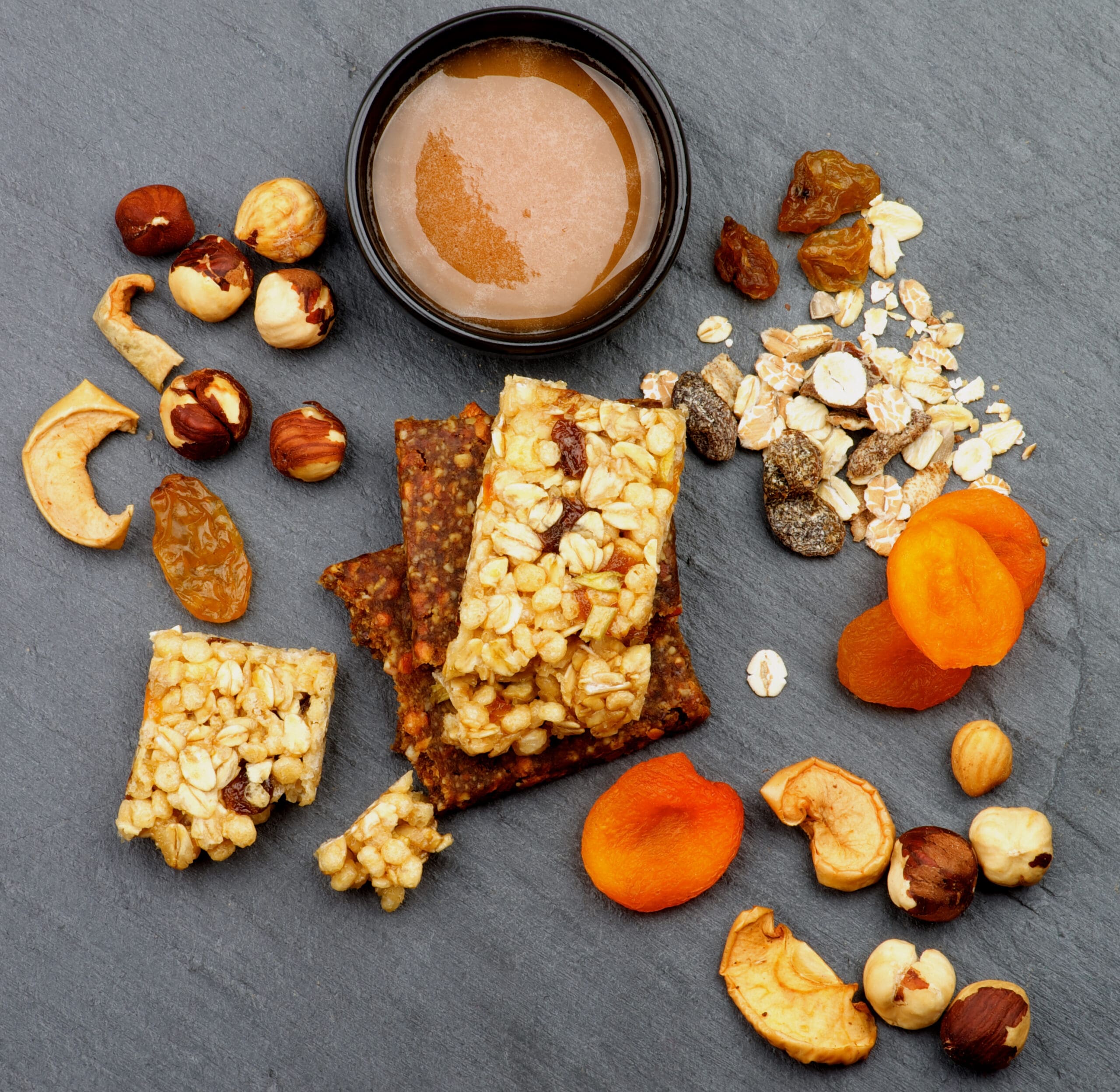
To add some extra sweetness and flavour to your nut-free granola, don’t forget to include the dried fruit of your choice. You can choose from options like tasty dried cranberries or chopped dried apricots. These fruits enhance the taste and add a delightful texture to your granola mix. Another great addition is shredded coconut, which brings a tropical touch to every bite.
And if you’re looking for more variety, consider adding sunflower seeds or even chopped-up dried fruit bars for added crunch and sweetness. With these customisable options, you can make your nut-free granola exactly how you like it!
Tips & Tricks for Making Nut-Free Granola
Use certified gluten-free oats for gluten-free granola.
Add an assortment of nuts and seeds for texture and flavour.
Allow the granola to cool completely before breaking it into clusters or pieces.
Store your nut-free granola in an airtight container to keep it fresh and crunchy.
httpss://www.youtube.com/watch?v=V4QzG2Ajpag
Use Certified Gluten-free Oats for Gluten-free Granola
When making gluten-free granola, it is important to use certified gluten-free oats. This is especially crucial for those who have gluten sensitivity or celiac disease. By using certified oats, you can ensure that the granola is safe for consumption and free from any potential gluten contamination.
Certified gluten-free oats allow individuals with gluten allergies or intolerance to enjoy granola without worrying about their health. It’s always better to be safe and choose the right ingredients when making delicious and nutritious gluten-free granola.
Add nuts and/or seeds
We love adding nuts and seeds to my nut-free granola recipe. Not only do they add a delicious crunch, but they also provide extra nutrition. You can try adding different types of seeds like pumpkin, sunflower, chia, flax, hemp, or sesame seeds.
These little powerhouses are packed with nutrients like protein and healthy fats. They’re also a great source of vitamins and minerals. So sprinkle some nuts and/or seeds into your homemade granola for an extra boost of flavour and goodness!
Let the Granola Cool Completely before Breaking into Pieces
Once your nut-free granola is done baking, it’s important to let it cool completely before breaking it into pieces. This allows the granola to firm up and become more stable. Whether you’re making nut-free granola or one with nuts, this step is crucial for creating those delicious clusters we all love.
By cooling and breaking the granola, you’ll end up with smaller, easier-to-eat pieces that are perfect for snacking or adding to yoghurt. Plus, letting the granola cool completely ensures it stays fresh and crunchy when stored in an airtight container.
Store in an Airtight Container
To keep your nut-free granola fresh and delicious, it’s important to store it in an airtight container. This will help seal in its flavours and maintain its crispy texture. Whether you choose a sealed container or resealable bag, make sure it’s tightly closed to prevent air from getting in.
By storing your homemade granola properly, you can extend its shelf life and enjoy it for longer periods of time. So remember to transfer your granola to an airtight container after making it, whether you enjoy it right away or save some for later.
Nut-free granola is a valuable alternative for individuals with nut allergies, dietary restrictions, or simply seeking variety in their breakfast routine. While its primary benefit lies in catering to nut allergies, nut-free granola also offers:
Versatility: Enjoyed with plant-based milk/yogurt, on smoothies/acai bowls, or as a snack.
Deliciousness: Exciting flavor combinations and textures using alternative ingredients.
Nutritious options: Look for whole grains, fiber, and essential nutrients.
Cost-effectiveness: Competitively priced compared to nut-containing counterparts.
Remember to check labels carefully for allergy warnings and consider homemade options for complete control over ingredients. While not inherently healthier, mindful choices ensure a nutritious and delicious breakfast experience.
In conclusion, making your own nut-free granola is a simple and delicious way to enjoy a healthy breakfast or snack. By using ingredients like oats, seeds, and coconut, you can create a crunchy and flavourful treat that is safe for those with allergies or dietary restrictions. Whether you choose to make it at home or opt for store-bought options, nut-free granola is a convenient and tasty choice for all food lovers.
FAQs
1. Can I make nut-free granola at home?
Yes, you can make nut-free granola at home by using seeds such as pumpkin or sunflower seeds instead of nuts.
2. What ingredients do I need to make a nut-free granola?
To make nut-free granola, you will need rolled oats, honey or maple syrup for sweetness, oil for binding and flavour (such as coconut oil), and your choice of add-ins like dried fruits, seeds, or shredded coconut.
3. How do I bake nut-free granola?
To bake nut-free granola, mix all the ingredients together in a bowl until they are evenly coated. Spread the mixture onto a baking sheet and bake in a preheated oven at 350°F (180°C) for about 20-25 minutes or until golden brown, stirring occasionally.
4. How long does homemade nut-free granola last?
Properly stored in an airtight container or jar, homemade nut-free granola can last up to two weeks at room temperature.
5. Can I customise the flavours of my nut-free granola?
Yes! You can customise the flavours of your homemade nut-free granola by adding spices like cinnamon or vanilla extract for extra taste. You can also experiment with different combinations of dried fruits and seeds to suit your preferences.



 Salma Ihab