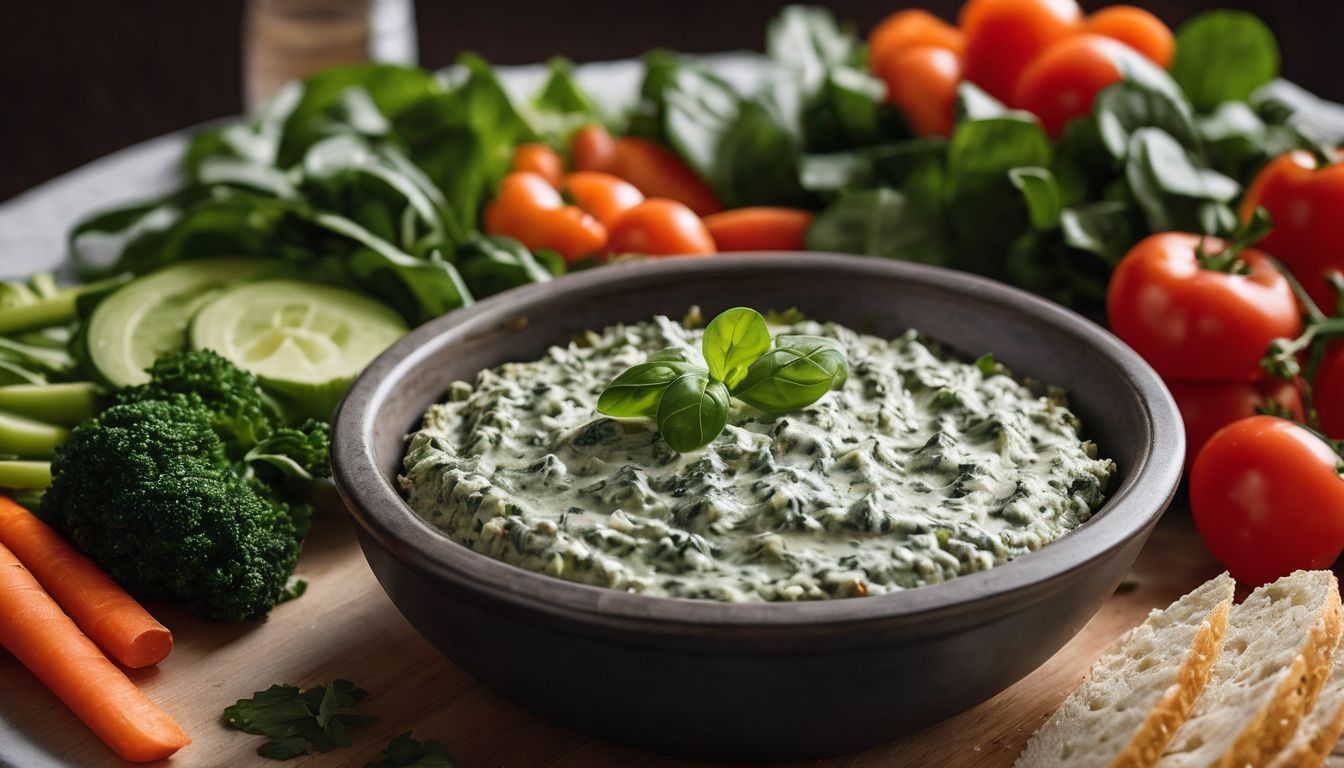
Keto spinach dip is the ideal party food that won’t jeopardise your keto journey because everyone knows that normal spinach dip is a carb disaster. Fear not, fellow keto warriors! Prepare to unleash your inner rockstar host with this ultimate keto dip recipe. It’s so delicious and guilt-free that everyone is begging for the secret.
Imagine this: a lusciously creamy dip packed with flavorful punch and just the right amount of cheesy goodness, all nestled in a stunning presentation that screams “party time!” But wait, there’s more! This dip is a keto dream come true, boasting low carbs and fitting perfectly into your macros. No more sacrificing taste or fun; dive into dipping bliss without the carb guilt!
Whether you’re a seasoned keto pro or just starting, this easy-to-follow recipe is your answer. Whip it up quickly, impress your guests, and savour the satisfaction of knowing you’re fueling your body right without compromise. So ditch the disappointment and embrace the keto party revolution; your taste buds and waistline will thank you!
Ready to unlock the secret to the most amazing keto spinach dip ever? Scroll down, and let’s get dippin’!
Keto-Friendly Feast: Demystifying the Ingredients
Keto Spinach Dip Recipe
Now that your taste buds tingle with anticipation let’s delve into the magic behind this incredible keto spinach dip! Rest assured, every ingredient is carefully chosen to deliver maximum flavour and satisfaction while staying true to your keto principles.
The heart and soul of our creamy dream, full-fat cream cheese provides essential richness and body. Opt for the full-fat version, as its reduced-fat counterparts often contain hidden carbs from added thickeners.
To ensure a smooth, lump-free experience, let your cream cheese reach room temperature before mixing.
Choose full-fat sour cream for the same reasons as cream cheese, and don’t hesitate to experiment with flavoured varieties like chive or onion for a subtle twist.
Grated Mozzarella
Imagine melty, gooey cheese pulling away with every mozzarella dip. It makes that dream a reality! Choose shredded or grated mozzarella for even distribution and melting perfection.
Feeling adventurous? Swap half with cheddar for a sharper flavour profile.
Frozen Spinach
Frozen spinach is our keto-friendly green giant, packed with nutrients and essential bulk. But remember, excess moisture can lead to a watery dip.
Thaw and thoroughly squeeze out any liquid before adding it to the mix. Frozen spinach is readily available, affordable, and stores well, making it a convenient choice.
Optional Ingredients
If you want to make your keto spinach dip even more spectacular, here are a few ingredient suggestions.
Bacon
Craving a smoky, savoury punch? Crumbled bacon is your answer! Cook and crumble your preferred amount, adding it right before baking for that irresistible bacon goodness.
Artichoke Hearts
Add a touch of sophistication and creamy texture with marinated artichoke hearts. Roughly chop them and incorporate them during the mixing stage for an exciting flavour and textural twist.
Parmesan Cheese
A sprinkle of finely grated Parmesan adds a nutty depth and umami richness to the base recipe. Use it sparingly for a subtle enhancement, or increase the amount for a more pronounced Parmesan punch.
Kitchen Tools
This recipe is only complete with the proper kitchen tools.
Mixing Bowls
Equip yourself with a large and a small mixing bowl. The large one will handle the main ingredient blending, while the smaller one is perfect for prepping optional ingredients like bacon or artichoke hearts.
Baking Dish
Choose a medium-sized baking dish suitable for oven use. Ceramic or glass dishes work well, ensuring even heat distribution and baking.
Optional Tools
A food processor can expedite mixing, especially if you’re using fresh spinach. However, a good old-fashioned hand mixer or a sturdy whisk will also do the trick!
The Art of the Dip: Step-by-Step to Keto Perfection
Ready to transform these simple ingredients into a dip masterpiece? Let’s walk through each step to ensure your keto spinach dip journey is smooth and successful!
Prep Work
Patience is key here! Thaw your frozen spinach according to package instructions, but don’t skip the crucial step of squeezing out every drop of excess moisture.
Use a cheesecloth or clean kitchen towel to wring out as much liquid as possible. Remember, water is the enemy of a creamy dip!
Preheat your oven to 375°F (190°C) while the spinach thaws.
Assemble your mixing bowls, baking dish, and any optional tools like a food processor or hand mixer. Having everything prepped ensures a seamless mixing and baking experience.
Cream Cheese Mixture
Ensure your cream cheese is at room temperature for a smooth and lump-free result.
Using a hand mixer or food processor, beat the cream cheese until light and fluffy. This step incorporates air, creating a delightful texture in the final dip.
Add the sour cream, your chosen spices (garlic powder, onion powder, etc.), and a pinch of salt and pepper.
Continue beating until everything is well combined and forms a cohesive mixture. Be mindful of seasoning at this stage, as you can always adjust later.
Incorporating Spinach
Now comes the spinach! Gently fold it into the cream cheese mixture using a spatula.
Avoid overmixing, as this can release more moisture and lead to a runny dip. Remember, you want flecks of green, not spinach mush!
After folding in the spinach, assess the overall texture. If it feels slightly dry, add a tablespoon or two of milk (almond milk or unsweetened coconut milk for keto options) to achieve the desired creaminess.
Cheese & Baking
Add your grated mozzarella (and cheddar, if using) to the mixture and stir gently to distribute evenly.
Transfer the entire mixture to your prepared baking dish, spreading it into an even layer.
Bake the dip in the preheated oven for 20-25 minutes or until the cheese is melted and bubbly.
For a golden brown top and extra crispness, switch your oven to broil for the last 2-3 minutes, keeping a close eye to prevent burning.
Optional Variations
Bacon Bliss: If you opted for the smoky goodness of bacon, sprinkle the crumbled pieces evenly over the top of the dip before baking. The bacon fat will infuse the dip with additional flavour as it melts.
Artichoke Adventure: Gently fold chopped artichoke hearts into the mixture along with the spinach for a delightful textural and flavour contrast. Remember, less is more here; start with a handful and adjust to your preference.
Spice It Up: Feeling adventurous? Add a pinch of red pepper flakes or a dash of your favourite hot sauce to the cream cheese mixture for a subtle kick. Be mindful of spice levels and adjust based on your tolerance.
Beyond the Dip: Variations & Serving Inspirations
Your keto spinach dip masterpiece is almost ready to conquer any gathering! But before we dive in, let’s explore some exciting variations and serving suggestions to elevate your keto dipping experience.
Variations
Why stick to one option when you can have different variations of your favourite keto dip?
Spicy Fiesta
Amp up the heat with a “Spicy Fiesta” variation. Add a diced jalapeno and a teaspoon of chopped fresh cilantro to the spinach mixture for a vibrant flavour and aroma.
Top with a dollop of sour cream and a sprinkle of paprika for a truly fiesta-worthy presentation.
Mediterranean Twist
Take your taste buds on a Mediterranean adventure with the “Mediterranean Twist” variation. Swap half the mozzarella with crumbled feta cheese, and add a tablespoon of sun-dried tomatoes and a teaspoon of dried oregano for a burst of Mediterranean sunshine.
Garnish with fresh chopped parsley and Kalamata olives for an extra touch.
Creamy Crab Sensation
Indulge in the “Creamy Crab Sensation” variation. Add 1/2 cup of cooked and flaked crab meat (imitation crab works, too!) to the spinach mixture before baking.
Drizzle with melted lemon butter and sprinkle with fresh dill for a seafood lover’s delight.
httpss://youtu.be/ohh8yWULB5g?si=cl3r2qPi1b4maBS4
Keto Spinach Dip
Serving Suggestions
Your keto dish is complete with the right serving; here are a few suggestions.
Classic Keto Dippers
Embrace the timeless classics with keto-friendly dippers like celery sticks, cucumber slices, bell pepper strips, and radishes.
These low-carb options provide a satisfying crunch and perfectly complement the creamy dip.
Cheese Crisps Delight
Elevate your presentation with homemade cheese crisps! Simply sprinkle grated parmesan cheese onto a parchment-lined baking sheet and bake until golden brown.
These crispy bites are the perfect vessel for scooping up your delicious dip.
Pork Rind Power
Looking for a keto-friendly crunch without the prep? Pork rinds come to the rescue!
The eye eats before the mouth, and presenting your keto dip is essential for bringing everything together.
Colourful Contrast
Arrange your dippers visually appealingly, using contrasting colours and textures for a vibrant display. Consider adding fresh herbs like parsley or dill for a pop of greenery.
Dipping Vessels
Get creative with dipping vessels! Use small bowls, colourful ramekins, or even halved bell peppers for a unique and eye-catching presentation.
Level Up the Garnish
Don’t underestimate the power of a garnish! A sprinkle of crushed red pepper flakes, a drizzle of balsamic glaze, or chopped fresh herbs can add an extra layer of flavour and visual interest.
Beyond the Bite: Pro Tips
Keto Spinach Dip Recipe
Your keto spinach dip masterpiece is ready to rock the party, but let’s delve deeper to ensure absolute success!
We’ll equip you with expert tips, address common questions, and explore how to confidently navigate the keto world, maximising your enjoyment of this delectable dip.
Expert Tips
These four tips are to be considered to ensure that your keto dip is perfect and ready for the party.
Temperature Matters
Ensure all ingredients are at room temperature before mixing for a smooth and creamy dip.
Cold cream cheese can be lumpy, while frozen spinach might add unwanted moisture.
Spice is Nice (But Adjust!)
Start with the recommended seasoning quantities and taste as you go. You can always add more spices, but remember, they’re harder to remove.
Adjust based on your personal preference and spice tolerance.
Drainage Drama
Remember, excess moisture is the enemy of a creamy dip! Thaw and thoroughly squeeze out the liquid from your spinach before adding it to the mixture.
This ensures a perfect consistency and prevents a watery dip.
Leftover Love
Store leftover dip in an airtight container in the refrigerator for up to 3 days.
Reheat gently in the oven or microwave, adding a splash of milk or broth if needed to restore creaminess.
The Keto Spinach Dip Legacy: Nutritional Information
Your keto spinach dip journey is complete! But before you indulge in this guilt-free delight, let’s delve into the nutritional side of things and explore further resources to empower your keto journey.
Nutritional Information
Knowing the nutritional breakdown of your food empowers informed choices. This keto spinach dip recipe, made with the suggested ingredients and serving size (approximately ¼ cup), boasts:
Calories: 220
Fat: 18g (of which 11g saturated)
Protein: 8g
Net Carbs: 3g (fibre 2g, total carbs 5g)
Remember, these values can vary slightly depending on specific brands and ingredients. However, this recipe delivers a satisfying taste and texture while fitting comfortably within most keto macros.
The Final Dip
From the initial craving to the final bite, we’ve navigated the incredible journey of crafting the ultimate keto spinach dip. Remember, this recipe isn’t just about whipping up a delicious appetiser; it’s about empowering you to conquer cravings, fuel your body right, and confidently embrace the keto lifestyle. Now go forth, conquer cravings, and savour the journey!
FAQs
Can I use fresh spinach?
Absolutely! Simply wash and chop fresh spinach, thoroughly drying it before adding it to the dip to avoid excess moisture.
What are substitutions for dairy-free options?
You can use dairy-free cream cheese and sour cream alternatives. Choose brands specifically formulated for keto diets to ensure minimal net carbs.
How can I make this recipe even quicker?
If you’re short on time, skip the baking step and enjoy the dip cold as a delicious spread for celery sticks or cucumber slices.
What are some other keto-friendly snacks I can try?
Explore the vast world of keto recipes online! From fat bombs and cheese crisps to savoury meat roll-ups and cauliflower pizza crusts, the possibilities are endless.



 Salma Ihab