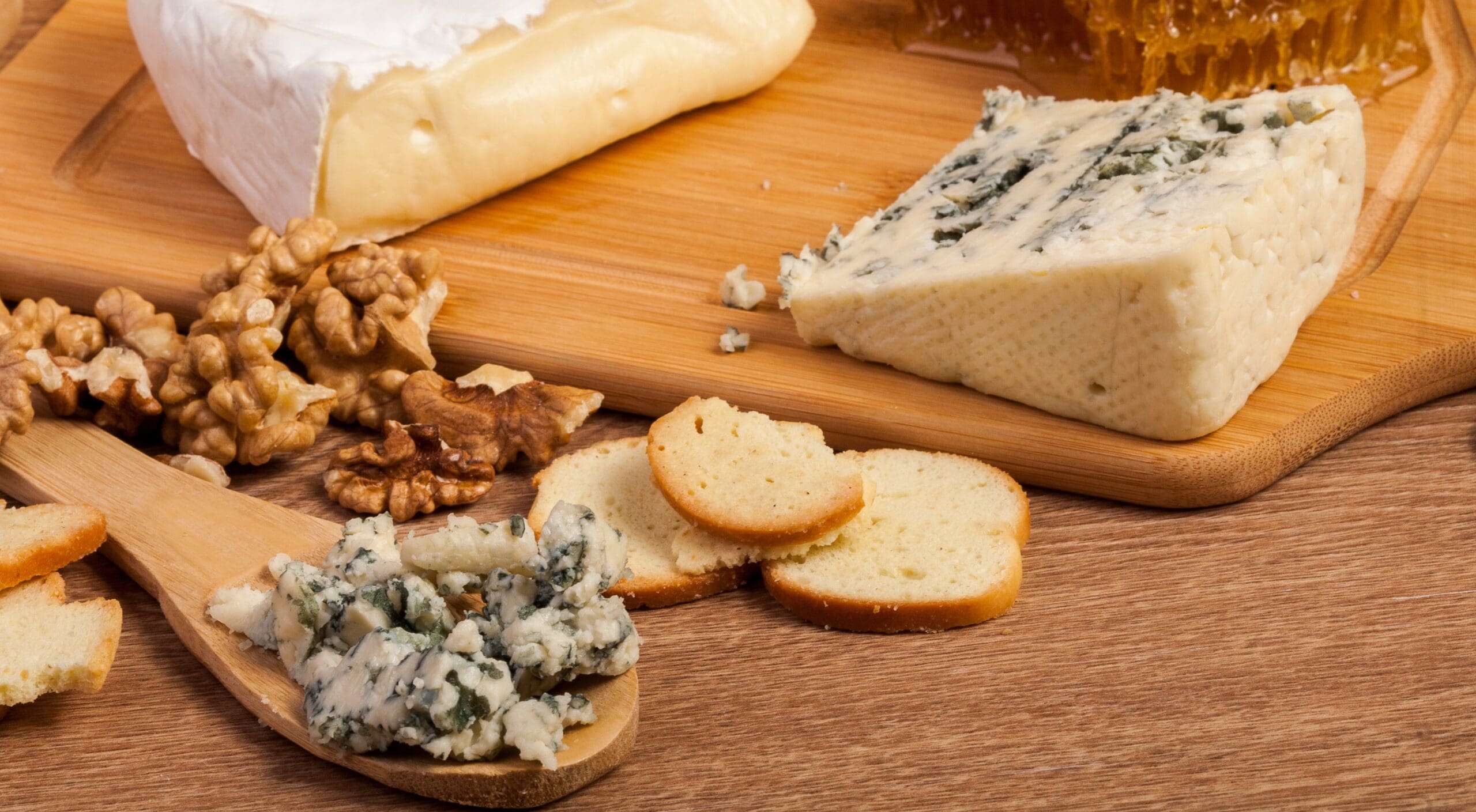
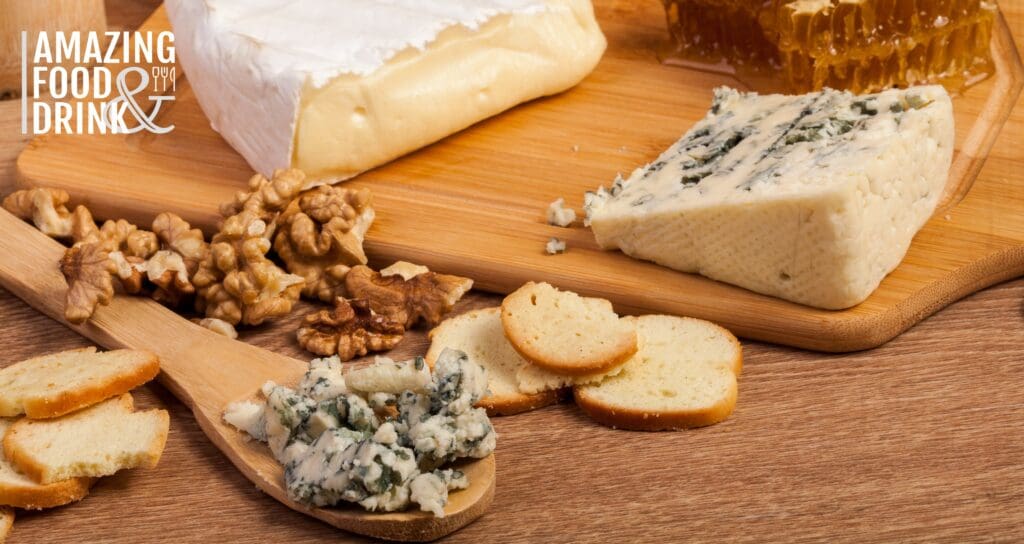
Use blue cheese dip for a luxurious appetiser. Impress your family by serving the best appetiser side dishes with a wonderful and distinctive cheese taste on the dinner table. All cheeses are made from cow’s milk, except for the famous French Roquefort cheese, which comes from ewe’s milk. The blue colour in blue cheeses is essentially blue mould, which occurs because a penicillin-like organism is added to the milk or curds used to make regular white cheese.
The mould increases during three to six months of ripening, either in small irregular natural holes in the cheese or in holes made by machines, depending on the type of cheese. Small amounts of the mould are reproduced or extended to give the blue streaks typical of white cheese, and once ripe, the distinctive flavour is added.
Blue cheese is one of the very famous types of cheese, and it is very salty, so it is used in many recipes, such as as a dip or adding to salads. And it has many types, including Gorgonzola, Stilton, Roquefort, and many others. The article contains some recipes for using blue cheese.
Easy Blue Cheese Dip
This simple recipe does not need more than 20 minutes of cooking, and it is enough for four people.
Ingredients
One cup of mayonnaise.
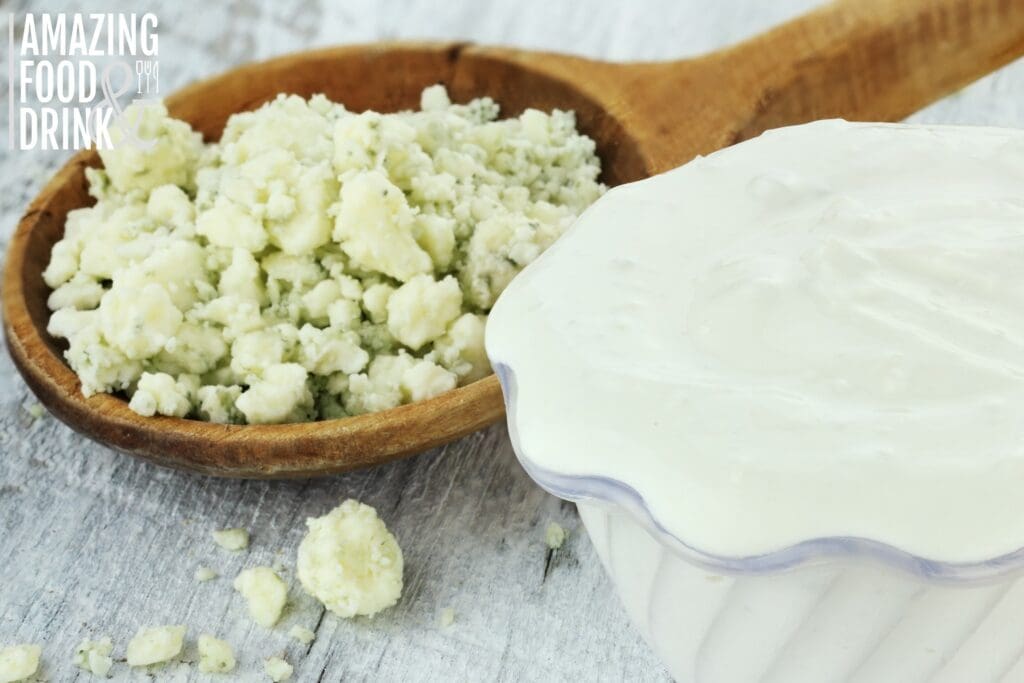
Half a cup of crumbled blue cheese.
A quarter cup of milk.
A quarter cup of liquid cream.
One tablespoon of fresh lemon juice.
A quarter of a teaspoon of salt.
How to prepare
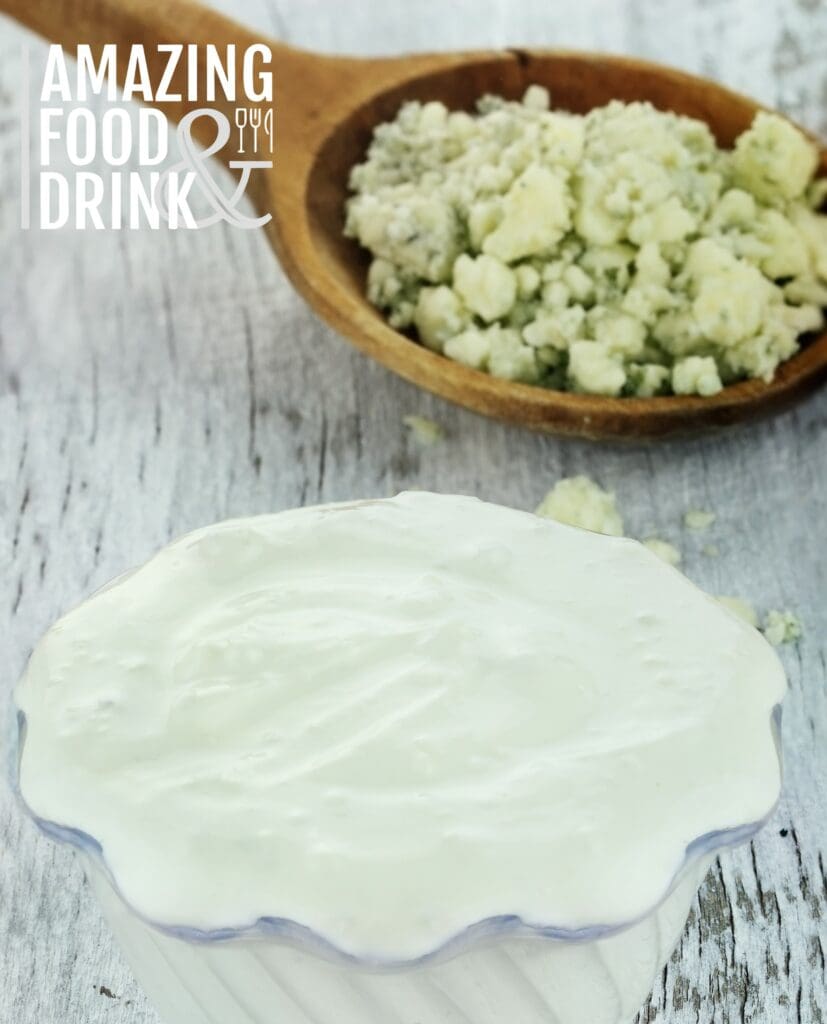
Mix mayonnaise with a quarter cup of blue cheese, milk and cream well on a plate.
Once the ingredients are fully blended, add the lemon juice and salt and stir thoroughly.
Add the rest of the crumbled cheese and serve.
You can store it in a jar in the refrigerator for three days.
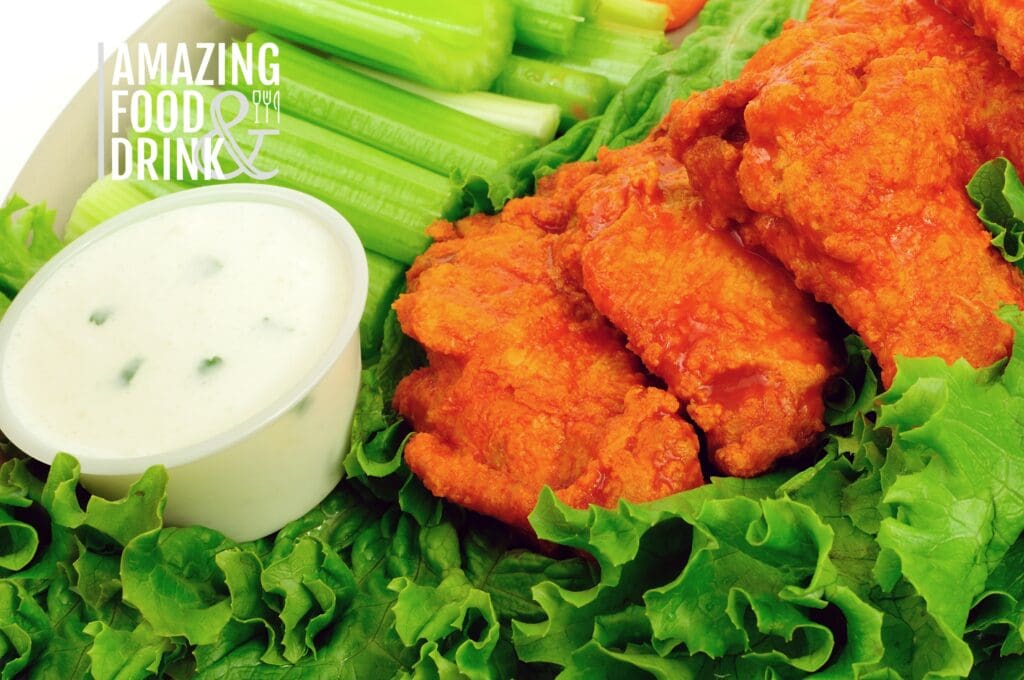
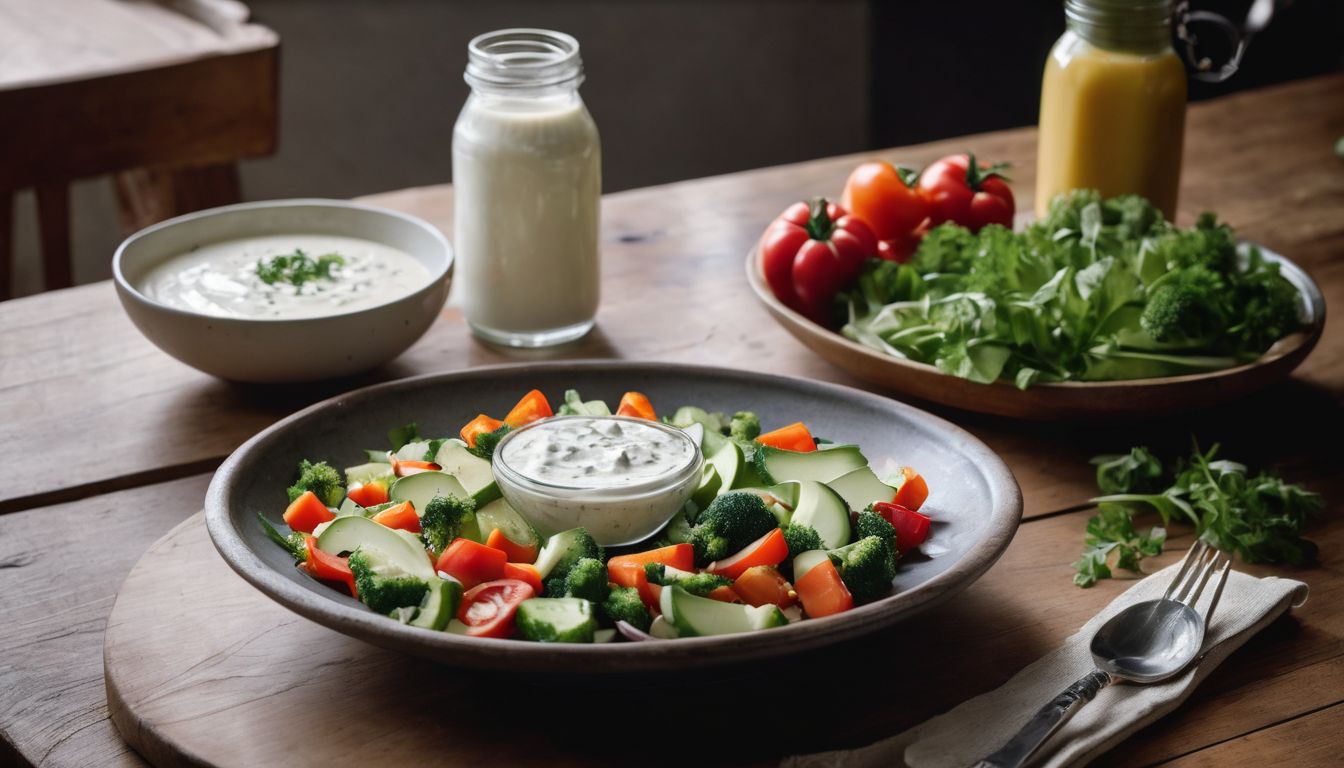
Serve it alongside chopped vegetables or buffalo chicken pieces, as desired.
Blue cheese is the main ingredient in a fantastic sauce. It is thick, delicate and aromatic.
It can be served on any dish or used as a dip for aromatic croutons, chicken nuggets and potatoes.
Place the pasta in a serving dish, then sprinkle the olive oil on it, the grated Parmesan cheese, and a small sprinkle of black pepper; then serve.
Classic Blue Cheese Dip
The original blue cheese dip recipe uses crème as the base of any sour cream-like milk product with a very pleasant texture. Here is how to prepare this superb recipe.
Ingredients
One hundred grams of sour cream.
Three tablespoons of lemon juice.
One hundred and twenty grams of cheese.
A pinch of pepper.
Half a teaspoon of salt.
How to prepare
In sour cream, add a pinch of pepper and stir.
If necessary, salt the mixture, and if fresh cheese, it all depends on the manufacturer and batch; it is better to try.
Grind the blue cheese, drizzle with lemon juice, and stir.
Stir in the used sour cream or fresh cream.
Stir again, and the sauce is ready.
Blue Cheese with Dill and Garlic Sauce
The most popular version of blue cheese sauce is garlic. But adding too much is unnecessary, and it should seem light, barely perceptible smell and taste. One small toothpick is enough for this whole serving.
Ingredients
One hundred and fifty grams of sour cream.
One hundred and twenty grams of cheese.
Three sprigs of dill.
One clove of garlic.
Half a teaspoon of salt and pepper.
How to prepare
First, peel the garlic, put it on a cutting board, crush it with the back of a knife, and chop it into small pieces.
Add salt and pepper to the garlic.
Cut the dill into small pieces and put it into a mortar.
Take the pestle and carefully remove the aromatic mixture.
The juice should appear on the surface, and the essential oils will be released.
Combine porridge with the sour cream recipe and stir.
Finely grind the blue cheese, add to the sauce, stir, then cover.
Leave a nice sauce for ten minutes.
Creamy Blue Cheese Sauce
This one is a blue cheese recipe based on fat cream. This option is perfect for dipping meat, fish, and vegetables. It is a thickening additive.
Ingredients
One hundred and fifty grams of cream.
Half a teaspoon of salt and pepper.
Two branches of dill.
Eighty grams of blue cheese;
A quarter tablespoon of dried garlic.
Seven ml of lemon juice.
One teaspoon of Worcestershire sauce.
How to prepare
Take high-quality fatty creams without any foreign additives, cool them, and pour them into a clean bowl. Dip the blender whisk.
Whip until lush foam. At the end, pour lemon juice.
Combine Worcestershire sauce with pepper and salt, and gently fold into the whipped cream.
We rub the blue cheese well and also add it to the cream.
Gently mix the sauce, trying not to reduce the whipped foam.
To taste, add garlic to the sauce and put some chopped dill for beauty. Stir, then serve immediately.
Blue Cheese Sauce with Two Other Cheeses
A variant of the sauce in which, in addition to blue cheese, soft cheese and yoghurt are also used, but similarly, you can take low-fat liquid cream.
Ingredients
One hundred grams of blue cheese.
One hundred and twenty grams of soft cheese.
Eighty ml of milk.
0.3 ml of lemon juice.
Half a teaspoon of the mixture of salt, pepper, and herbs.
How to prepare
Put the cheese in a bowl, add some milk, and start grinding until smooth.
Pour the liquid into small portions until the sauce has enough fluid.
If the cheese does not work, you can use a blender.
Squeeze the juice from the third part of the lemon into the cream cheese.
You can add some fruit vinegar and stir.
Add the seasoning; usually, salt is not needed. It is enough in the cheese, but it is better to experiment with the sauce.
Rub the cheese with blue mould and send it to the mass.
You can add several chopped green branches of dill and parsley.
Stir again till finally mixed, and serve.
Chilli Blue Cheese Sauce
There is a variation in the cream sauce to be heated. The consistency will be very nice and homogeneous. The classic flavour option adds pepper and a little Worcester sauce, but you can add spices to your taste.
Ingredients
One hundred grams of cream.
One teaspoon Worcestershire sauce.
Eighty grams of blue cheese.
A pinch of pepper and salt.
How to prepare
Use a thick-bottomed frying pan or a well-coated frying pan.
It is possible to cook this sauce in a water bath pot, but the process will take longer and may be delayed.
Pour in the cream and place the pan on the stove.
Add grated or topped with a small piece of cheese with blue-green mould, and immediately pour in the Worcester sauce.
Heat them over low heat and stir.
It is best to use a wooden spoon for this purpose.
Once all the cheese pieces have melted, the mixture will become homogeneous and can be removed from the heat.
Cool the sauce a little, season with white pepper and stir.
Wait for complete cooling and serve in your favourite dish.
Blue Cheese Dip with Onion Milk
Recipe for custard sauce prepared with white onions. You can use any type of oil for frying.
Ingredients
Twenty ml of oil.
Eighty grams of onions.
One tablespoon of flour.
Eighty grams of cheese.
One cup of milk.
One clove of garlic.
Two or three branches of green dill.
How to prepare
Heat the oil in a pan, and then add the small and thinly sliced onions.
Simmer the vegetables until soft; it is not necessary to fry them.
Now add fire, pour in a tablespoon of flour, stir, then fry until creamy.
Add milk or liquid cream.
Bring the sauce to a boil, pepper and salt.
As soon as the mass begins to thicken and the first bubbles will go, remove it from the heat.
Let the sauce cool to 60-70 degrees.
Add the mashed cheese and stir.
Cut a piece of garlic. We do the same with the fennel greens.
We remember them a little until a pronounced aroma appears to add to the sauce.
Let it insist until it cools completely.
Buffalo Wings with Blue Cheese Sauce
Recipe for mouth-watering, beautifully spicy Buffalo chicken wings served with a delicate blue cheese sauce. It can be prepared from any of the recipes above.
Half a teaspoon of dried garlic, paprika, and chilli pepper.
Half a teaspoon of chicken seasoning.
Hot chilli sauce.
Two hundred grams of cheese sauce.
Enough oil for frying.
How to prepare
Wash the wings and dry them with a cloth.
Be sure to cut off the joints. Very thin bones with almost no meat can be discarded.
Mix the flour with paprika, pepper, and chicken seasoning.
Roll the wings in this breadcrumb.
Turn the pieces into hot oil, and deep fry until rosy.
Suppose all the pieces do not fit at once, then let’s do them in portions.
Remove the slurry and leave it to drain the oil.
Prepare the red sauce, mix the softened butter with chilli ketchup, add dry garlic, and spread the mixture into a homogeneous gruel.
Put on the stove, warm up, but in no case boil.
Immediately remove the sauce from the heat as soon as the bubbles appear.
Pour the red sauce over the wings.
Cover the bowl and shake vigorously.
Leave for five to ten minutes to absorb the red filling into the chicken.
Now it’s enough to prepare the blue cheese sauce.
Serve the wings with sauce and garnish with fresh herbs.
Hot Mint Sauce with Blue Cheese
Another hot sauce cooked on a stove does not need more than 20 minutes of cooking, and it is enough for four people.
Ingredients
Two hundred and fifty ml of cream.
Five chopped fresh mint leaves.
One hundred grams of blue cheese.
Ten grams of oil.
Five grams of flour.
Five grams of sugar.
Half a teaspoon of pepper and salt.
How to prepare
Flour in the oil, add the cream, and mix almost to boiling point, then remove from heat.
Add the mashed cheese and stir until it melts.
Add the sugar; you can add a similar amount of honey.
Add chopped fresh mint leaves and salt and pepper to taste.
Blue Cheese Sauce
This sauce differs from other similar recipes using blue cheese. It gives an unusual aroma and pleasant taste. The cheese is crushed before adding, usually using a small grater, but you can also take a medium if you like chunks. Cheese is often added when finished with the other ingredients, mixed in, and flavoured to create a great appetiser.
Ingredients
A container of yoghurt.
Two hundred grams of Roquefort cheese.
A quantity of pasta cooking water
Gorgonzola sauce ingredients
Two hundred grams of Gorgonzola cheese.
A cup of milky cream.
A small pinch of black pepper.
Five hundred grams of pasta.
Half a cup of grated Parmesan cheese.
A tablespoon of olive oil.
Amount of water.
How to prepare
Place a cup of cream with two hundred grams of Gorgonzola cheese in a pot on the fire.
Stir the ingredients until they are mixed and combined well, then remove them from the heat and leave them aside.
Place Two hundred grams of Roquefort cheese in a bowl, then add an amount of pasta cooking water to it.
Whisk the ingredients well until combined, then add a carton of yoghurt.
Mix the ingredients again well until combined, then leave them aside.
Ham with Blue Cheese
If you want to know how to cook a delicious juicy ham for a festive table, then the following recipe is what you need. The tender fillet in tender cream sauce with mild spices and plum aroma will delight any family member or guest. Preparing the dish is very simple but takes some time. If desired, you can add a little walnuts and greenery.
Ingredients
Five hundred grams of ham or chicken fillet.
One hundred grams of blue cheese.
One tablespoon of cream.
Five pieces of plums.
A sprinkle of ground black pepper.
Vegetable oil for frying.
Salt to taste.
How to prepare
Beat the chicken slices and season with salt and pepper.
Grill the ham on both sides.
Add the chopped plums to the pan a minute before cooking.
Chop the cheese and add it to the fillet.
Pour the cream over everything and simmer under the lid for another 10 minutes.
Serve the meat with rice.
Blue Cheese and Lettuce
Blue Cheese and Lettuce Salad is a combination of blue cheese known as Roquefort and apples, with a special dressing of sour cream and olive oil and garnished with walnuts. Blue cheeses are usually very salty, so adding more salt to this recipe is not recommended unless desired and according to personal taste. This recipe only takes 10 minutes to prepare, and it is enough for six people.
Ingredients
Seventy grams of crumbled Roquefort cheese.
One piece of lettuce, cut into large pieces.
A quarter cup of peeled and toasted walnuts.
A quarter cup of sour cream.
Two teaspoons of vinegar.
Two tablespoons of olive oil.
One tablespoon of warm water.
One tablespoon of finely chopped fresh chives.
Two teaspoons of whole grain mustard.
Two apples, cut into large pieces.
How to prepare
In a small jar, combine the cheese, sour cream, oil, vinegar, water, mustard, and chives.
Mix the ingredients in the jar by shaking it well.
Arrange the lettuce and apple pieces on a serving plate.
Sprinkle the dressing and walnuts on top, and serve.
Tips for a Successful Blue Cheese Dip
Dairy products, such as sour cream, cream, and thick Greek yoghurt, are usually used to moisten the sauce and give it a liquid consistency.
Its amount depends on the recipe; sometimes, more or less cheese is added.
In general, the consistency of this sauce should be thick, let it resemble the dough.
Add white and black pepper sauce, fresh dill, garlic and lime to the blue cheese sauce with lemon or regular lime juice.
Blue cheese goes well with many vegetables and spices, allowing you to experiment with flavours and create new recipes.
You can add a small portion of any other type, but no more than 50%, so as not to lose the taste and aroma of the original product.
You should remember that the fat content of cheese is high, and the sauce will not taste as good if you take sour cream or cream 30% and above. The exception is to beat the product into a lush foam.
When replacing dried garlic with fresh cloves, the number should be increased 3-4 times and vice versa.
Finally, adding cheese to your daily dietary routine improves your health. However, you need to know if you have any intolerance to milk and dairy products to avoid any inconvenience and discomfort.


 Asmaa Alhashimy
 Salma Ihab