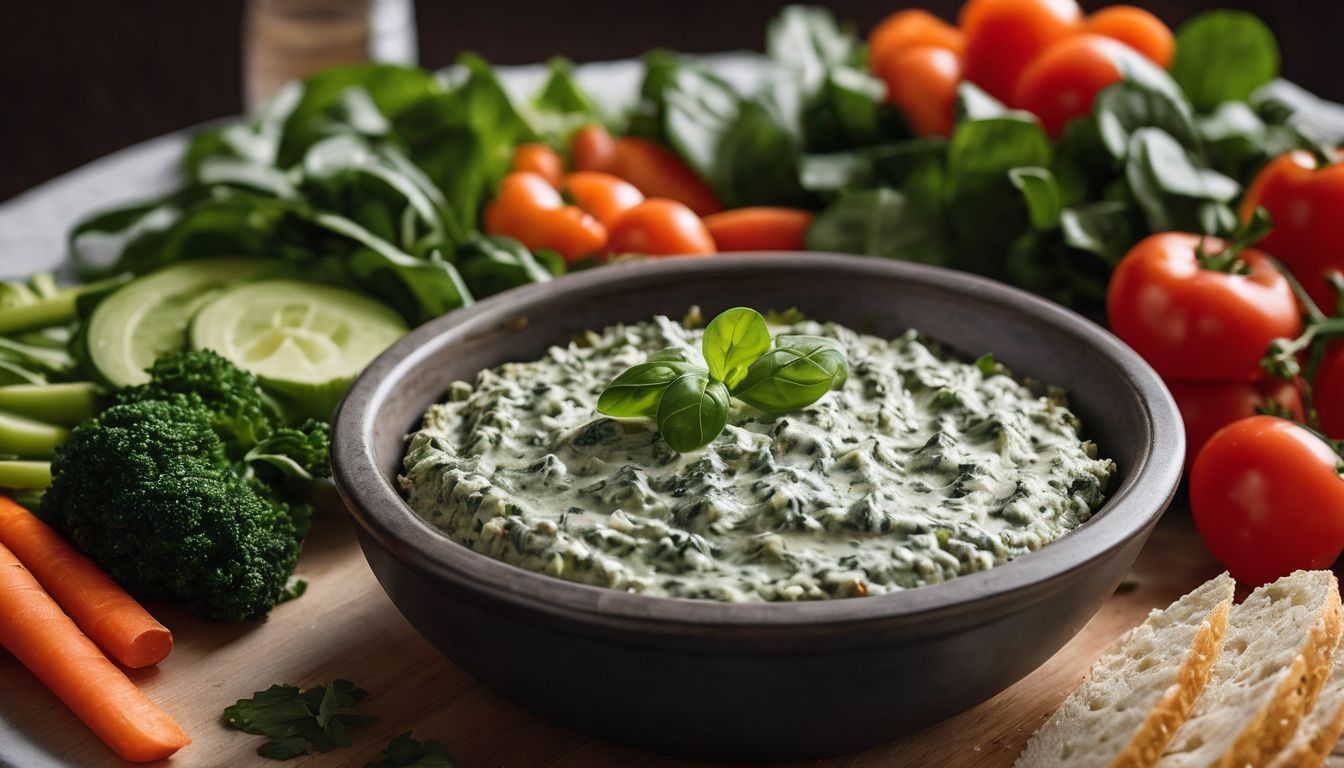
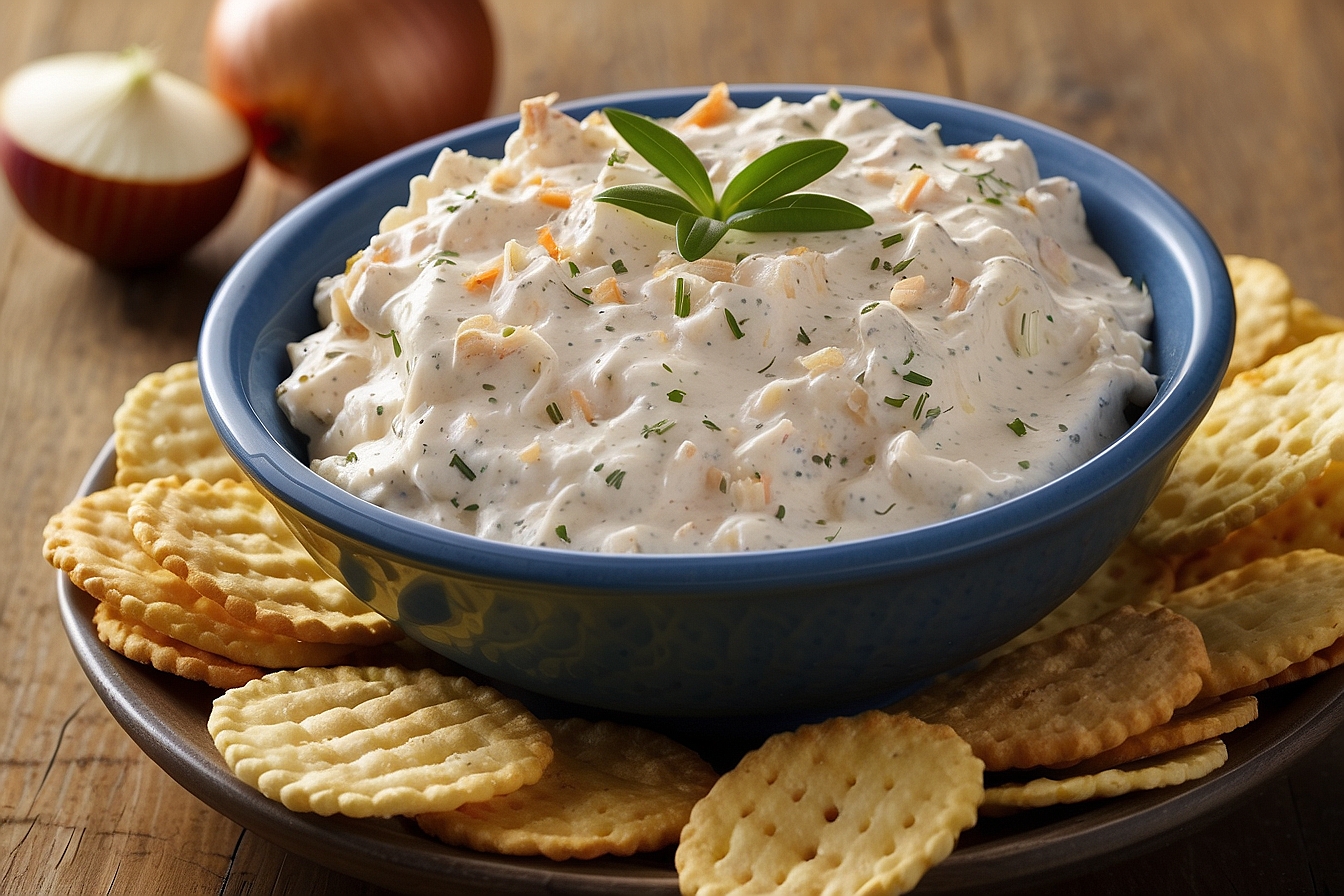
The onion dip mix is a classic and beloved party staple. Whether served with potato chips, vegetable sticks or as a spread, a good onion dip can elevate any snacking experience. This article will explore how to make homemade onion dip mixes, including dry onion soup mix and classic French onion dip. Additionally, we’ll discuss ways to enhance the flavour of the dip, creative uses in cooking, serving suggestions, and pairing options for this savoury delight.
httpss://www.youtube.com/watch?v=2tloK2928fE
How to Make Onion Dip Mix from Scratch
If you plan to make your own onion dip mix from scratch, you’ll need a few essential ingredients. To create a homemade dry onion dip mix, you’ll require dried minced onion, garlic powder, beef bouillon, celery salt, and black pepper. These ingredients can be adjusted to suit your taste preferences, and it’s always best to use quality spices for an optimal flavour profile.
Using onion powder instead of a dry onion soup mix is an option. The onion powder can be a convenient substitute, especially if you’re looking to customise the flavour intensity of your dip. Using onion powder, you can tailor the amount of onion flavour for a more delicate or pronounced taste.
Storing homemade dry onion dip mix is simple. Once prepared, it’s important to keep the mix in an airtight container and store it in a cool, dry place. This will help maintain its freshness and flavour for subsequent uses, making it a convenient and delicious staple to have on hand.
Why Should You Make Your Onion Dip Mix?
Making your own onion dip mix at home can be a healthier and more cost-effective alternative to store-bought options. By creating your own mix, you can control the ingredients and ensure that there are no added preservatives or artificial flavours. This is especially beneficial for those with dietary restrictions or food sensitivities.
Additionally, making your own onion dip mix allows you to customise the flavour to your liking. You can adjust the levels of onion, garlic, and other seasonings to create a dip that perfectly suits your taste preferences. Furthermore, making your own mix can save you money in the long run, as you can buy ingredients in bulk and avoid the markup that comes with pre-packaged mixes. It also reduces waste by cutting down on single-use packaging.
Overall, making your own onion dip mix gives you the satisfaction of creating a homemade and healthier alternative to store-bought options, with the added benefit of customising the flavour to your liking.
The humble onion dip mix – a creamy, savoury staple at parties and potlucks. But who needs the mystery ingredients lurking in those packets when you can whip up a healthier, tastier, and more satisfying version at home? Here’s why making your own onion dip mix is the superior choice:
Health Benefits
Slash the processed stuff: Packaged mixes are often loaded with sodium, MSG, and artificial flavours. Making your own gives you control over the ingredients, allowing you to use less salt, ditch the MSG, and choose natural herbs and spices for a healthier dip.
Boost the good stuff:Fresh or caramelised onions add a remarkable depth of flavour and a potent dose of antioxidants, while Greek yoghurt or even avocado can elevate the protein and good fat content.
Cheaper Alternative
Cost-effective: Those little packets may seem convenient, but they add up quickly. A single batch of homemade mix can last for several dips, costing a fraction of the price per serving.
Reduce food waste: Don’t let leftover vegetables go to waste! Use up that half-onion or wilting garlic to create flavourful, customised mixtures.
Customisable Flavours
Go beyond the standard: Packaged mixes offer one-note flavour profiles. Making your own opens up a world of possibilities. Experiment with different herbs, spices, cheeses, or dried vegetables to create dips that match your taste buds and dietary preferences.
Intensify the senses: Want a fiery kick? Add chilli flakes. Craving umami depth? Include a pinch of miso paste. The possibilities are endless!
Control Over Ingredients
Know what you’re eating: Avoid hidden ingredients and unwanted allergens by choosing your own spices and herbs. You can tailor the mix to suit specific dietary needs, whether it’s gluten-free, dairy-free, or sugar-conscious.
Freshness matters: Store-bought mixes can sit on shelves for months, losing their potency. Homemade mixes use fresh ingredients for a vibrant burst of flavour in every scoop.
Fulfillment of Dietary Restrictions
Cater to everyone: You can accommodate guests with different dietary needs with homemade mixes. Make a vegan version with nutritional yeast and cashew cream or a keto-friendly dip with a base of almond flour and parmesan cheese.
No more exclusions: Celebrate food together, knowing everyone can enjoy the dip without compromising their health or preferences.
So, ditch the packet and unleash your inner dip master! Making your own onion dip mix is a fun, rewarding, and ultimately delicious way to elevate your next party platter. With a little creativity and these simple tips, you can customise your dip to perfection, knowing exactly what goes into every creamy, flavourful bite.
What Ingredients Are Required for Onion Dip Mix?
The ingredients required for an onion dip mix typically include dried minced onion, onion powder, garlic powder, salt, and sometimes other seasonings such as parsley or chives. Some recipes may also call for a sour cream or mayonnaise base, depending on the desired consistency and flavour.
The dried minced onion and onion powder provide the strong onion flavour that is characteristic of the onion dip mix, while the garlic powder and salt add depth and savouriness. The additional herbs and seasonings can help enhance the overall flavour profile and add a pop of colour to the finished dip.
Overall, the key ingredients for the onion dip mix are the dried onion and garlic, which provide the main flavour notes, and then the additional seasonings and base ingredients, which can be customised to suit individual preferences.
Onion dip mix – that creamy, savoury beacon of any potluck or party platter. But what goes into that magical mix? Dive deeper than the mysterious packet and discover the essential ingredients you need to craft your own flavour-packed dip:
The Star Player: Dry Onion
The heart and soul of any onion dip mix is onion! Dried minced onions or flakes are the classic choice, delivering an intense, concentrated onion flavour. For a softer, subtler bite, consider dehydrated onion chips or powder. Want a bolder punch? Opt for caramelised onion powder for a depth of sweetness and savoury richness.
The Creamy Canvas: Sour Cream
The base that carries the oniony goodness needs to be smooth and luscious. Sour cream is the traditional choice, adding a touch of tanginess to balance the savoury flavours. You can substitute Greek yoghurt for a protein boost and less fat, or even try cream cheese for a richer dip.
The Shortcut Savior: Onion Soup Mix
For the ultimate convenience, many recipes turn to store-bought onion dip mix. It often contains dried onion, spices, and seasonings, offering a quick flavour foundation. However, remember these mixes can be high in sodium and MSG. Consider making your own mix to control the ingredients and customise the flavour.
The Spice Symphony: Seasoning
Seasoning elevates the onion and sour cream base to true dip glory. Garlic powder, paprika, and black pepper add warmth, smokiness, and depth. Experiment with celery seed, cayenne pepper, chives, or dill for personalised touches. Don’t forget the salt and pepper to adjust the balance!
Additional Options and Variations
Ready to expand your dip horizons? Let your creativity blossom with these add-ons:
Herbs: Fresh parsley, chives, or dill add a vibrant freshness.
Cheese: Grated parmesan, cheddar, or even cream cheese adds richness and complexity.
Vegetables: Chopped chives, bell peppers, or even sun-dried tomatoes offer pops of colour and texture.
Spices: Go global with cumin, curry powder, or sriracha for a taste adventure.
Twists on the Base: Substitute hummus, mayonnaise, or even avocado for a unique dip twist.
With these essential ingredients and endless possibilities, you’re ready to ditch the packet and become a dip-master extraordinaire! So grab your mixing bowl, unleash your inner flavour alchemist, and whip up a batch of creamy, customised onion dip mix that will become the star of any gathering.
Steps to Prepare Homemade Onion Dip Mix
Making your own homemade onion dip mix is easy and requires just a few simple steps. Start by gathering the necessary ingredients: dried minced onion, onion powder, garlic powder, salt, and black pepper. You can also add in some dried parsley for an extra pop of colour and flavour. Once you have all your ingredients, simply mix them together in a small bowl until well combined.
Store the mixture in an airtight container until ready to use. When you’re ready to make the dip, just mix the homemade mix with some sour cream and mayonnaise and let it chill in the refrigerator for a few hours to allow the flavours to meld together.
The end result is a delicious and creamy onion dip mix that is perfect for serving at parties or as a tasty snack. Plus, by making it yourself, you can control the ingredients and adjust the flavours to your liking. Homemade onion dip mix is a versatile and convenient option for any occasion.
Ditch the store-bought packets and whip up a batch of homemade onion dip mix that explodes with flavour and customisation! Here’s your guide to dip-making mastery:
Mixing Dry Ingredients
Gather your spice squad! In a bowl, whisk together the dry ingredients that will be the backbone of your dip’s symphony:
3 tablespoons dried minced onion: The star of the show, delivering that classic oniony goodness.
1 1/2 teaspoons onion powder: Adds depth and intensity to the onion flavour.
1/2 teaspoon garlic powder: A savoury sidekick, warming up the dip with umami notes.
1/4 teaspoon paprika: A touch of smokiness and colour for visual appeal.
1/4 teaspoon black pepper: Adds a touch of peppery bite.
Optional: Tailor the flavour to your heart’s content! Add a pinch of cayenne pepper for a spicy kick, dried herbs like parsley or dill for freshness, or even a teaspoon of beef bouillon powder for an extra savoury punch.
Adding Sour Cream
Now, it’s time to create the creamy canvas for your flavour fiesta. Gently fold in 16 ounces of sour cream until everything is well combined. Use full-fat sour cream for the richest texture or Greek yoghurt for a lighter, protein-packed version.
Refrigerating the Dip Mix
Patience is a virtue, especially when it comes to dipping! Cover your bowl and let it rest in the refrigerator for at least 2 hours, ideally overnight. This allows the flavours to meld and mature, resulting in a deeper, more delicious dip.
Serving and Storing
Once chilled, your homemade masterpiece is ready to conquer any crudité platter! Grab your favourite chips, veggies, or even crackers and scoop up that creamy goodness.
Store any leftover dip in an airtight container in the fridge for up to a week. The flavours will continue to develop over time, so don’t be surprised if it tastes even better the next day!
Additional Tips for Perfecting the Dip
Toast the dry ingredients: For an extra layer of depth, toast the spices in a dry pan over medium heat for a minute before adding them to the mix.
Caramelise the onions: Take your onion obsession to the next level by caramelising chopped onions until golden brown before adding them to the dry ingredients.
Get cheesy: Craving richness? Fold in some grated Parmesan cheese or crumbled blue cheese for a decadent twist.
Think beyond chips: Don’t limit yourself! This dip is equally fantastic on burgers, roasted vegetables, or even as a topping for baked potatoes.
With these steps and tips, you’re well on your way to dip-making greatness! So grab your whisk, unleash your creativity, and whip up a batch of homemade onion dip mix that will have everyone singing your praises. Remember, the key is to have fun and experiment!
How to Use and Serve Onion Dip Mix
Using and serving onion dip mix is simple and delicious. To prepare the dip, start by combining the onion dip mix with sour cream in a bowl. Use about 2 tablespoons of the mix for every 16 ounces of sour cream, but you can adjust the ratio to taste. Stir the mix and sour cream together until well combined. Let the dip sit in the refrigerator for about one hour before serving to allow the flavours to meld together.
When it’s time to serve, transfer the dip to a serving bowl and surround it with your choice of dippables, such as potato chips, pretzels, or cut-up vegetables. The rich and savoury onion flavour of the dip pairs perfectly with the salty crunch of the dippable. It’s a quick and easy appetiser that’s sure to be a hit at any gathering. So next time you’re looking for a simple and tasty snack, reach for some onion dip mix and get ready to enjoy!
You’ve crafted a masterpiece of flavour with your personalised onion dip mix. Now, it’s time to unleash its creamy, savoury potential! Dive into these suggestions for serving and pairing to make your dip the star of the show:
Pairing Suggestions
Classic Combos: Chips and crackers are the tried-and-true partners in dip crime. Opt for sturdy potato chips, ruffled chips for extra scooping power, or crispy pita bread for a satisfying crunch.
Veggie Variety: Expand your horizons with an array of colourful vegetables. Carrot sticks, cucumber slices, bell pepper strips, and celery stalks offer refreshing, healthy options. Don’t forget broccoli florets and cherry tomatoes for extra dipping fun!
Beyond the Platter: Think outside the bowl! Spread the dip on burgers or sandwiches for a flavour boost. Dollop it over baked potatoes or roasted vegetables for a creamy topping. You can even use it as a base for mini pizzas or a dip for grilled chicken or fish.
Creative Serving Ideas
Get fancy: Don’t just plop the dip in a bowl. Elevate the presentation with small ramekins, individual mini dip cups, or even hollowed-out bell pepper halves for a colourful twist.
Go gourmet: Arrange your veggie sticks on skewers with chunks of cheese, grapes, or olives for a visually appealing and sophisticated snack.
Theme it up: Match your dip to the occasion! For a game night, create a nacho bar with chips, shredded cheese, and toppings. For a picnic, whip up mini finger sandwiches with the dip as the spread. The possibilities are endless!
Reusing Leftover Dip Mix
Don’t let your flavourful creation go to waste! Leftover dip mix can be transformed into new culinary delights:
Seasoning Powerhouse: Sprinkle the mix on roasted vegetables, grilled chicken, or scrambled eggs for an instant flavour boost.
Soup Savior: Add a scoop to homemade soups or stews for an extra layer of savoury depth.
Burger Booster: Mix it into ground meat before forming patties for juicy, flavourful burgers.
Enhancing the Flavour
Take your dip to the next level with these finishing touches:
Fresh Herbs: Garnish the dip with a sprinkle of chopped chives, parsley, or dill for a pop of freshness.
Drizzle Delights: Swirl in a drizzle of balsamic glaze, olive oil, or even hot sauce for an extra layer of flavour and visual appeal.
Toasted Nuts: Sprinkle the dip with chopped toasted walnuts, pecans, or almonds for a satisfying textural contrast.
Impressing Guests with Your Dip
Turn your dip into the talk of the party with these showstopper tips:
Label it with love: Create a cute label or tag for your dip, highlighting the custom ingredients and flavours.
Offer dipping variety: Provide a selection of different chips, crackers, and vegetables for a more interactive experience.
Share the recipe: Don’t be a dip secret keeper! Share your recipe with your guests and bask in the compliments.
The key to dip mastery is to have fun and experiment! Don’t be afraid to get creative with your mix and serving ideas. With a little imagination, you can turn your homemade onion dip into the star of any gathering. So go forth, dip master, and conquer the snack world!
Expand Your Dip Horizons: Flavour Variations and Combinations to Tantalise Your Taste Buds
Move over, plain Jane onion dip! It’s time to unleash your inner flavour alchemist and craft sensational variations that will have your guests reaching for chips like never before. Dive into these inspiring combinations and take your dip game to the next level:
Spicy Onion Dip
For those who crave a fiery kick, turn up the heat with:
1/2 teaspoon to 1 teaspoon cayenne pepper: Adjust the amount based on your desired spice level.
Pinch of chilli flakes: Adds a smoky undertone and extra visual appeal.
Sriracha or hot sauce: Swirl in a tablespoon for a tangy, acidic punch.
Chopped jalapenos: For a fresh, crunchy heat, add finely chopped jalapenos.
Cheesy Onion Dip
Go for ultimate richness and indulgence with:
1/2 cup grated Parmesan cheese: Adds a sharp, salty bite.
1/4 cup crumbled blue cheese: For a more complex, pungent flavour.
Chives or scallions: A sprinkle of fresh herbs adds a touch of greenery and freshness.
Herbed Onion Dip
Inhale the aroma of fresh herbs with:
1/4 cup chopped fresh parsley: A classic companion for onion, adding grassy notes.
1/4 cup chopped fresh dill: To offer a unique, bright, anise-like flavour.
2 tablespoons chopped fresh chives: To add a mild oniony bite and vibrant green colour.
1 teaspoon dried thyme: For a warm, earthy undertone.
Savoury Dill Onion Dip
Embrace the deliciousness with:
1/2 cup chopped fresh dill: The star of the show, infusing the dip with its distinct flavour.
1 teaspoon dried dill weed: Adds an extra layer of dill depth.
1 tablespoon lemon juice: Brightens the flavours and offers a touch of tang.
Pinch of garlic powder: A subtle savoury hint complements the dill beautifully.
Bacon and Onion Dip
Embrace the smoky, salty goodness of bacon with:
4 crumbled slices of cooked bacon: The star ingredient, adding its irresistible texture and flavour.
1/4 cup shredded cheddar cheese: For a creamy, melty richness.
1 tablespoon Worcestershire sauce: Adds a umami depth and tangy complexity.
Black pepper to taste: Adjust for your desired level of peppery bite.
Feel free to adjust the amounts of each ingredient to suit your palate or even add your own unique twists. So grab your mixing bowl, unleash your creativity, and whip up a dip that will have everyone singing your praises!
Enhancing Onion Dip Flavour
For those keen on elevating the flavour of their onion dip, there are various seasoning options to consider. Incorporating minced garlic into the onion dip mix can add a delightful depth of flavour, especially for garlic enthusiasts. Additionally, adjusting the saltiness level in the mix can be achieved by simply modifying the quantity of salt and bouillon used during preparation.
Furthermore, exploring additional seasoning elements like dried dill, a hint of cayenne pepper, or even a touch of finely grated Parmesan cheese can offer an exciting twist to the traditional onion dip. These enhancements can cater to diverse palates and bring an extra dimension to the overall taste experience.
When using onion dip mix in recipes, think beyond the traditional serving method. Incorporating it into meatloaf or hamburger patties can infuse a richness and depth of flavour, adding a savoury element to these classic dishes. Additionally, creating a marinade using the onion dip mix for grilling can impart a delicious and aromatic essence to meats and vegetables alike.
Conclusion
Farewell, store-bought packets! With these tips and tricks, you’re now a master of the homemade onion dip universe. Remember, the key to dip mastery lies in experimentation and fun. Don’t be afraid to get creative with your ingredient combinations and serving ideas.
So go forth, spread the creamy, flavourful joy, and conquer the snack world with your personalised onion dip masterpieces! Your taste buds (and everyone else’s) will thank you. The possibilities are endless! With a little imagination, you can turn your homemade onion dip into the star of any gathering. Bon appétit!


 Salma Ihab