France is a select country that is famous for a lot of the world’s high-profile industries, including fashion and, indeed, food. Nothing can beat the prestigiousness of the French. Although there is much to say about French history and its unique landmarks, we’re shedding light on its top connoisseur meals.
‘Gourmet’ is a French word itself that means having a discerning palate. Thus, the French love to enjoy a wide array of gourmet dishes, and you can find them in every restaurant. That is also why they have what is known as the ‘gastronomic meal’. ‘Gastronomy’ means enjoying fine food and linking food and culture together.
The gastronomic meal is a festive French meal that people come together to enjoy. They have this meal to draw attention to the significance of being together over the pleasure of taste. Giving you an example of such meals won’t be enough. So, instead, we decided to bring you a delectable list of the top French dishes served during the gastronomic meal or any other meal of the day.
Table of Contents
1. Ratatouille
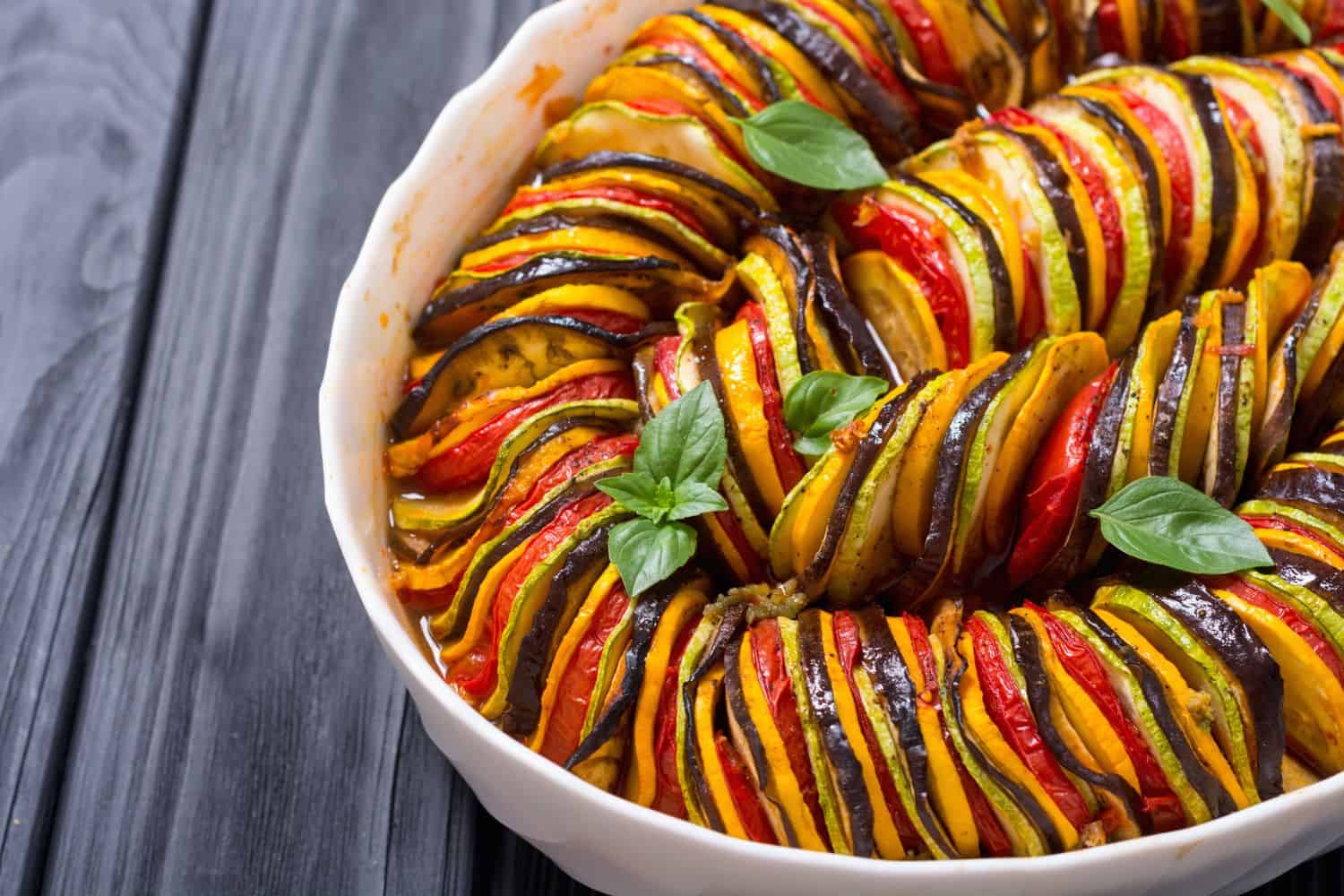
There’s a whole Disney movie about this exceptional French dish—Ratatouille. Ratatouille is a seasoned stew that originated in Nice and is made up of nutritious vegetables, including eggplants, zucchini, tomatoes, garlic, onions, herbs, and olive oil. Although it is commonly known as a vegan meal, some like to add pieces of ground meat to add a delicious extra taste.
It’s spelt as ra-ta-twe and is deemed one of the gourmet dishes in France despite its powerful simplicity. It combines two French words: ‘rata,’ which means a whole-piece stew, and ‘touiller’, which means to stir or mix. The name perfectly describes this dish and has an appealing sound to the ears.
2. Coq Au Vin
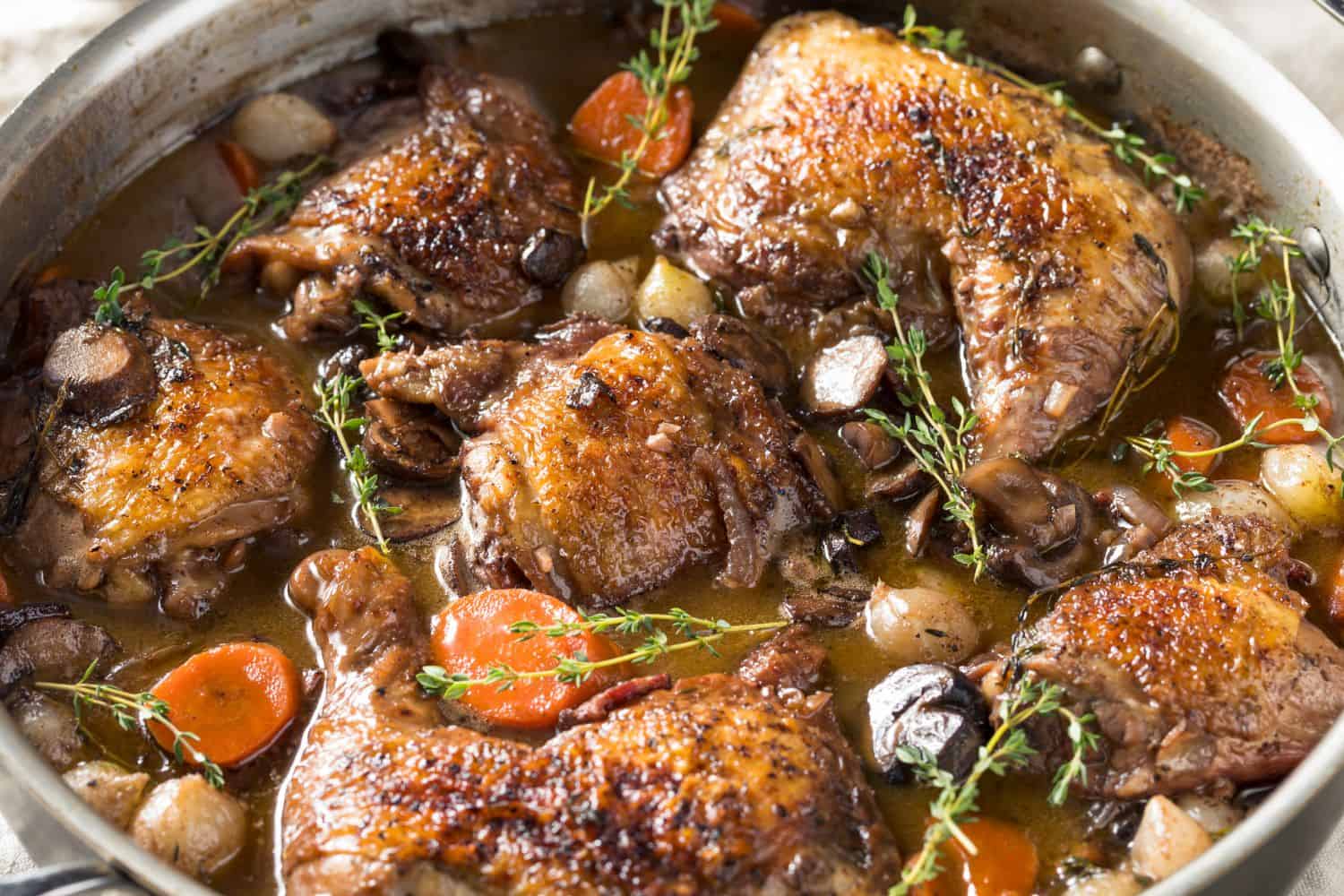
Coq Au Vin is another nutritious meal that adds to France’s succulent list of gourmet dishes. It’s a chicken-based stew and a booze meal that consumes a generous amount of red Burgundy wine. However, different cities around France may use other variants of local wines instead. Yet, red Burgundy wine remains the star of the scene.
This dish is made of chicken lightly fried in wine and left in a closed container to seal the flavour. Other ingredients that spruce up the stew are mushrooms, lardon, and, in some cases, garlic. Blending these items makes this dish rich in protein and quite nutritious.
3. Salade Niçoise
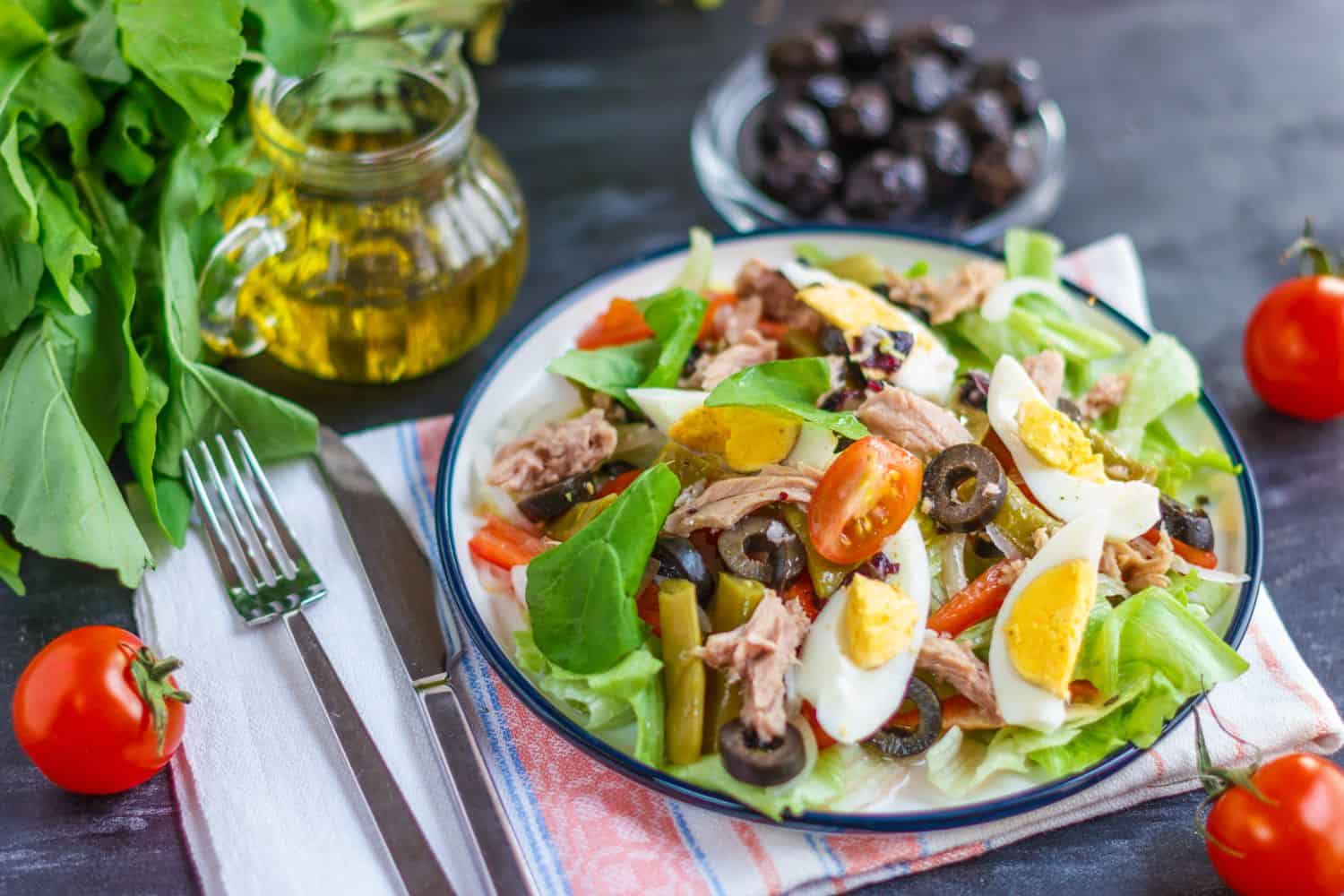
Salade Niçoise is a famous French veggie plate that comes from the beautiful city of Nice to the rest of the world, which is what the word ‘niçoise’ means if you’ve been wondering. It means being native to the city of Nice. Salads are a staple in French cuisine; they also make many of the delicious gourmet dishes in the country.
This highly nutritious dish combines tomatoes, potatoes, green beans, hard-boiled eggs, and tuna in one plate. The look of all these palatable ingredients tossed together makes it mouthwatering and quite appealing to the eye. It pairs well with a glass of white wine for you to enjoy before your main course.
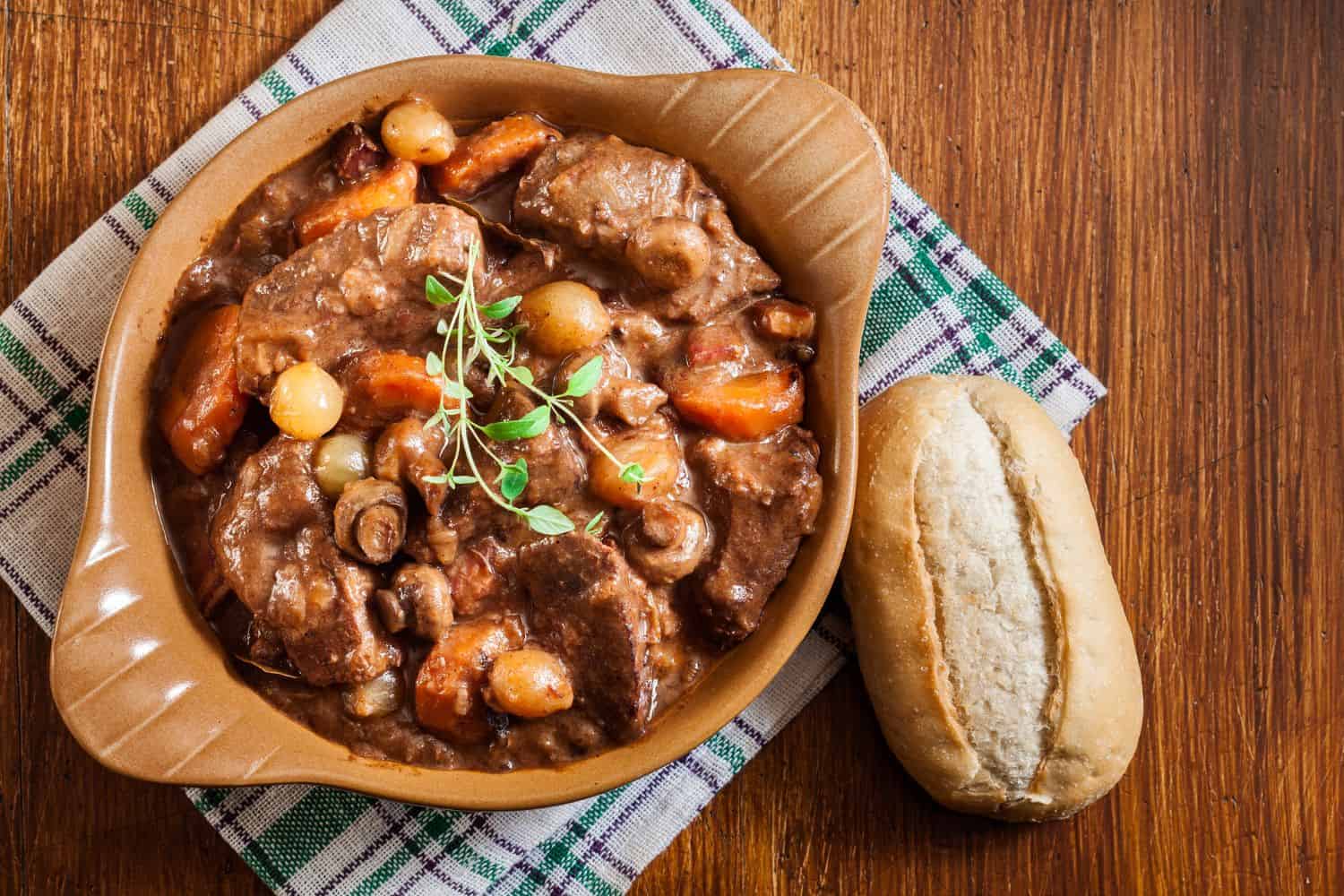
4. Beef Bourguignon
Serving wine is crucial; it is a significant part of French cuisine, and most of the gourmet dishes in France come with wine on the side or in the meal. Another dish that consumes red Burgundy wine to braise its meat-based stew is the renowned beef bourguignon. It’s pronounced as ‘beef bur-ge-neon,’ a sound that even speaks of elegance.
This dish presents delicate parts of beef that red wine richly brims with a great flavour. Fresh herbs also aid in flavouring the dish, along with a mix of delicious vegetables, including carrots, garlic, mushroom, and pearl onions. Sometimes, chunks of bacon are added to further fire up the taste.
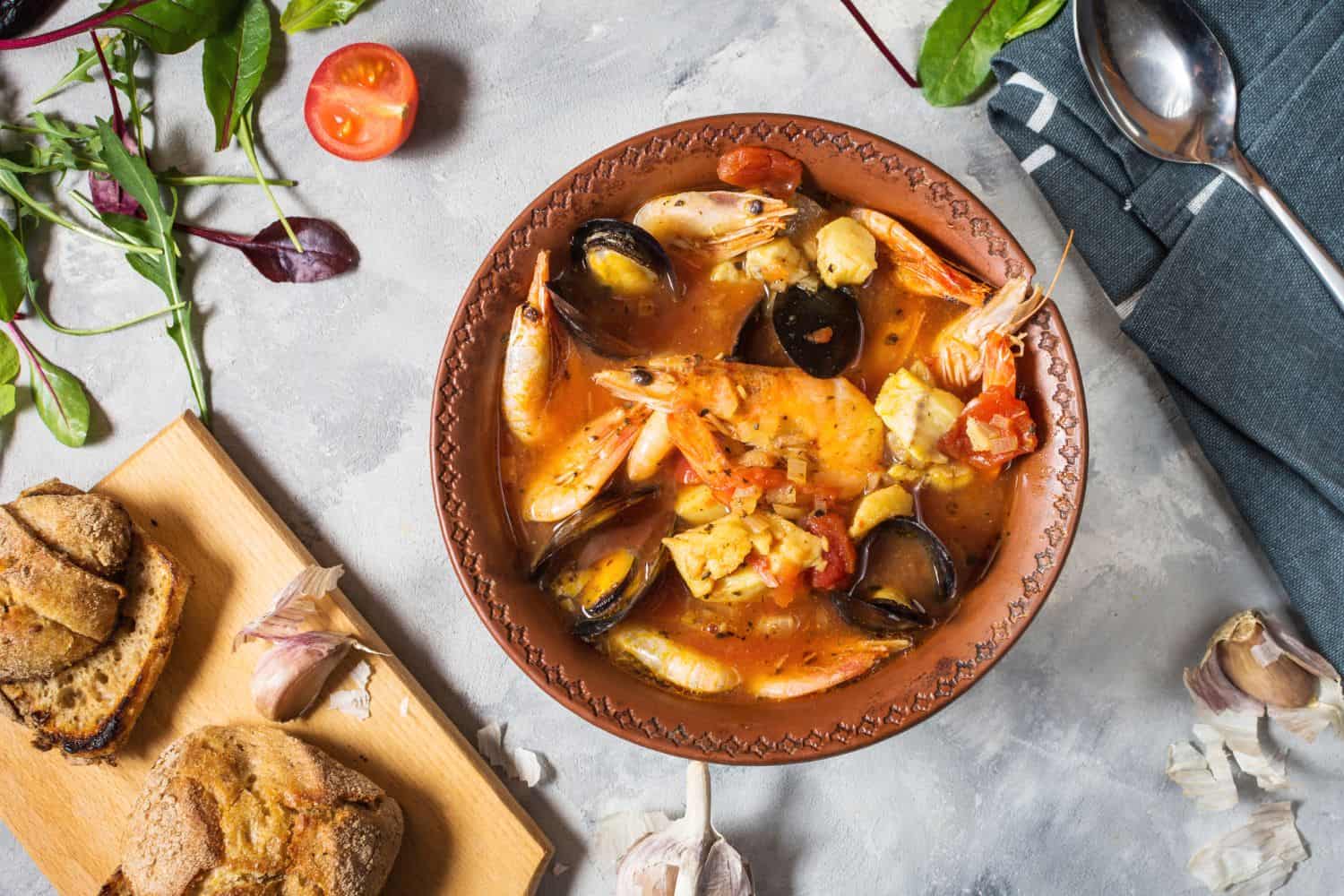
5. Bouillabaisse
Seafood has always been part of gastronomic dishes in different parts of the world, and France is no exception. French people make their seafood dishes from fresh fish coming straight out of the port in Marseille City. Bouillabaisse is a fish-based stew that people serve as one of the gourmet dishes in France that is rich in flavour and highly nutritious.
Bouillabaisse is a unique fish stew cooked in various methods and has more than a few serving forms. One of the ways that people cook bouillabaisse is by separating the fish and its broth into two plates. Then, you get to mix them while devouring this delicious meal. However, the traditional way is to cook the fish in a pot along with rouille and bread slices to flavour it.
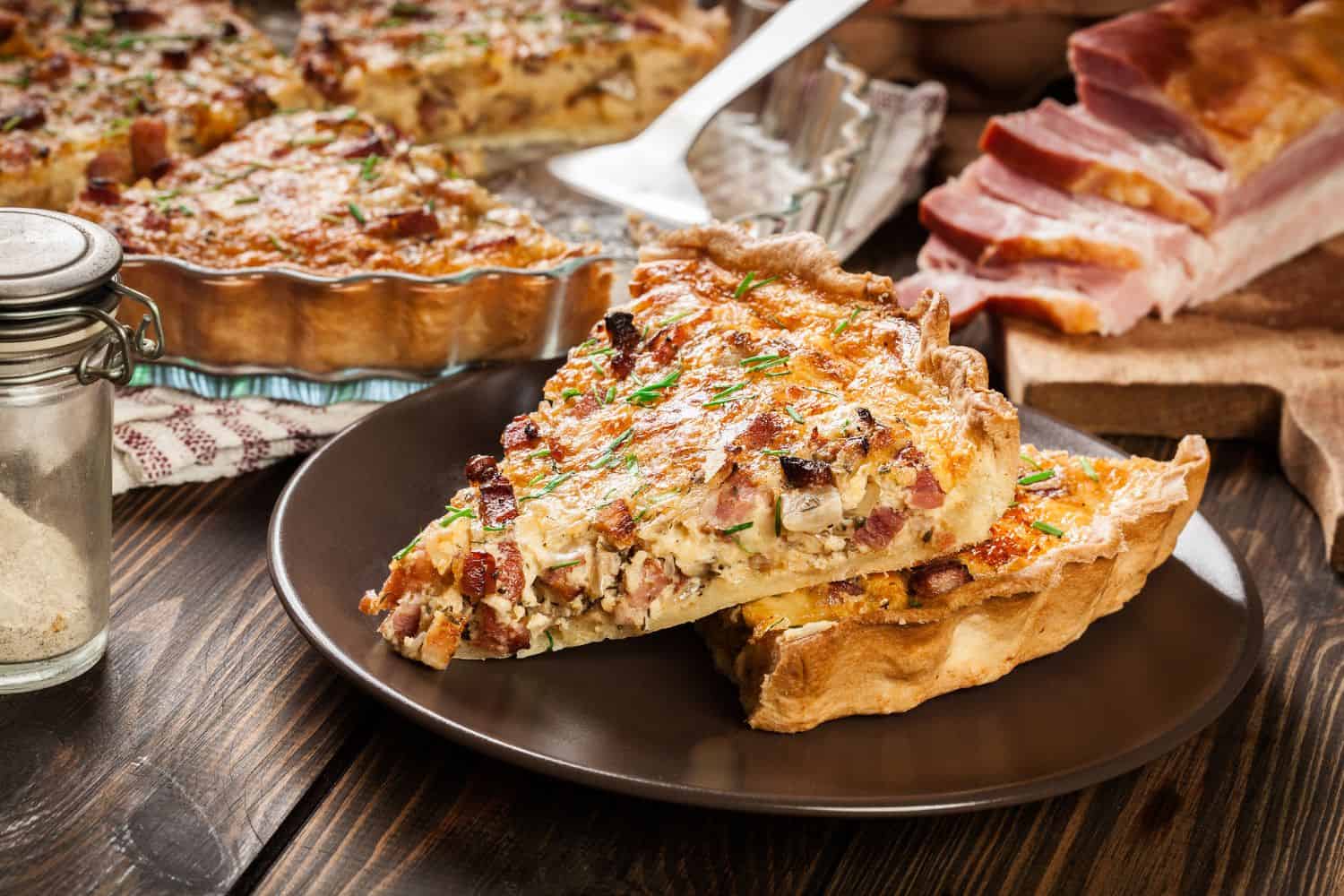
6. Quiche Lorraine
Quiche Lorraine is a palatable gourmet dish in France that looks like a sweet tart but is instead a savoury one. The filling contains custard, just like a sweet tart, but instead, it’s savoury. This delicious pie can be eaten at any temperature. Some love it hot, and others prefer it cold, yet it is most commonly served warm to satisfy both kinds of people.
The Quiche Lorraine is a round protein-rich pastry filled with seafood, meat, crunchy vegetables, and pieces of cheese that melt inside. Different variants of the dish have come into being, adding either bacon or lardons for extra flavour and nutritional value.
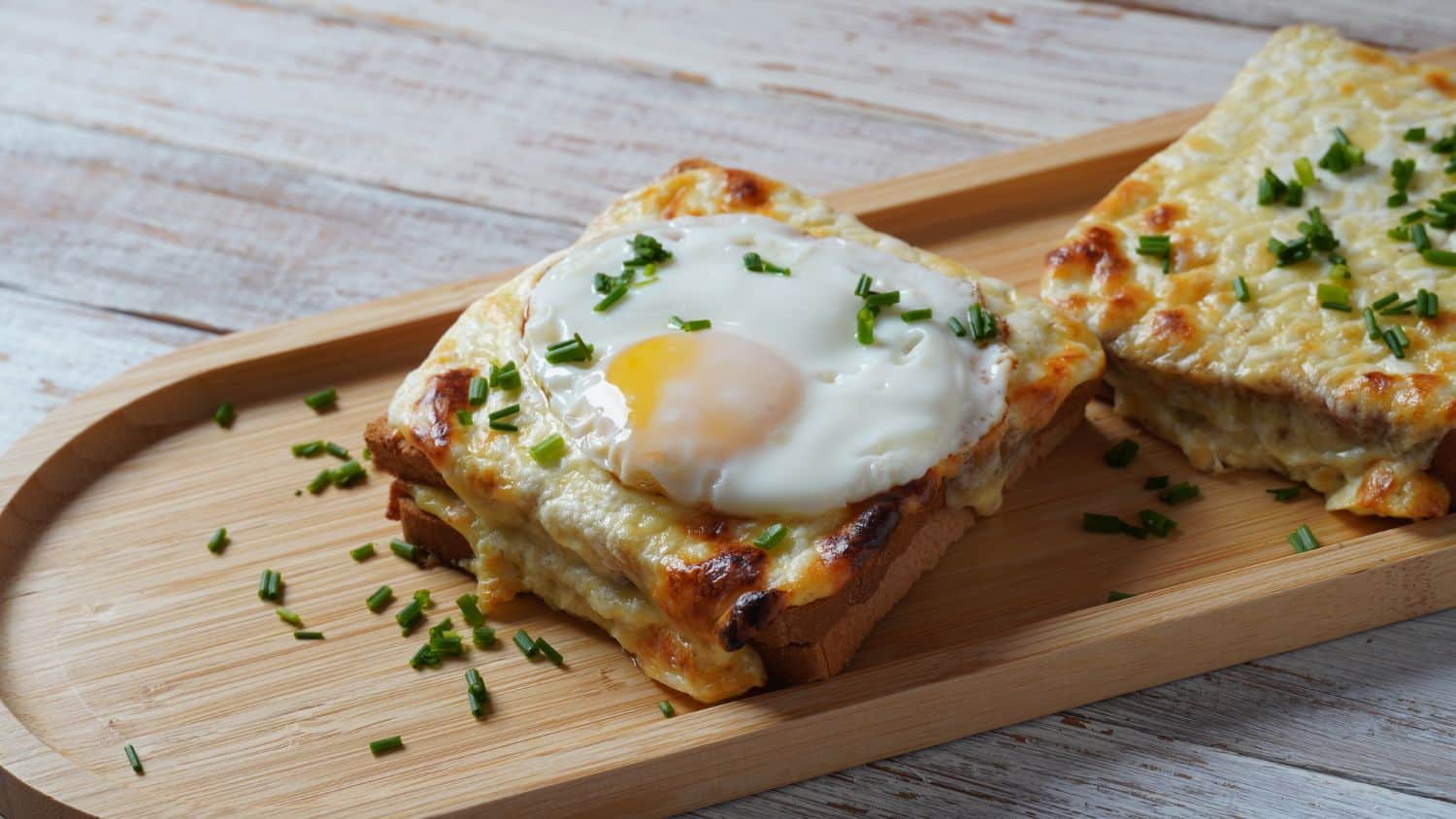
7. Croque Monsieur and Croque Madame
Croque Monsieur and Croque Madame are well-known dishes in France that have managed to travel worldwide. Both things are the same, yet the different namings refer to adding only one more ingredient— the poached egg. This sandwich is the French version of ham and cheese with a delicious spin that makes it more in line with French culture.
You can cook your own Croque monsieur at home by simply buttering up a couple of bread slices and then adding ham and cheese. Make sure you butter your sandwich after adding the filling so that the cheese perfectly melts and spruces up its flavour. If you are looking for a Croque madame, one of the most iconic sandwiches in the world, crack open an egg, let it fry for a little, and then serve it on top of the sandwich.
8. Tarte Tatin
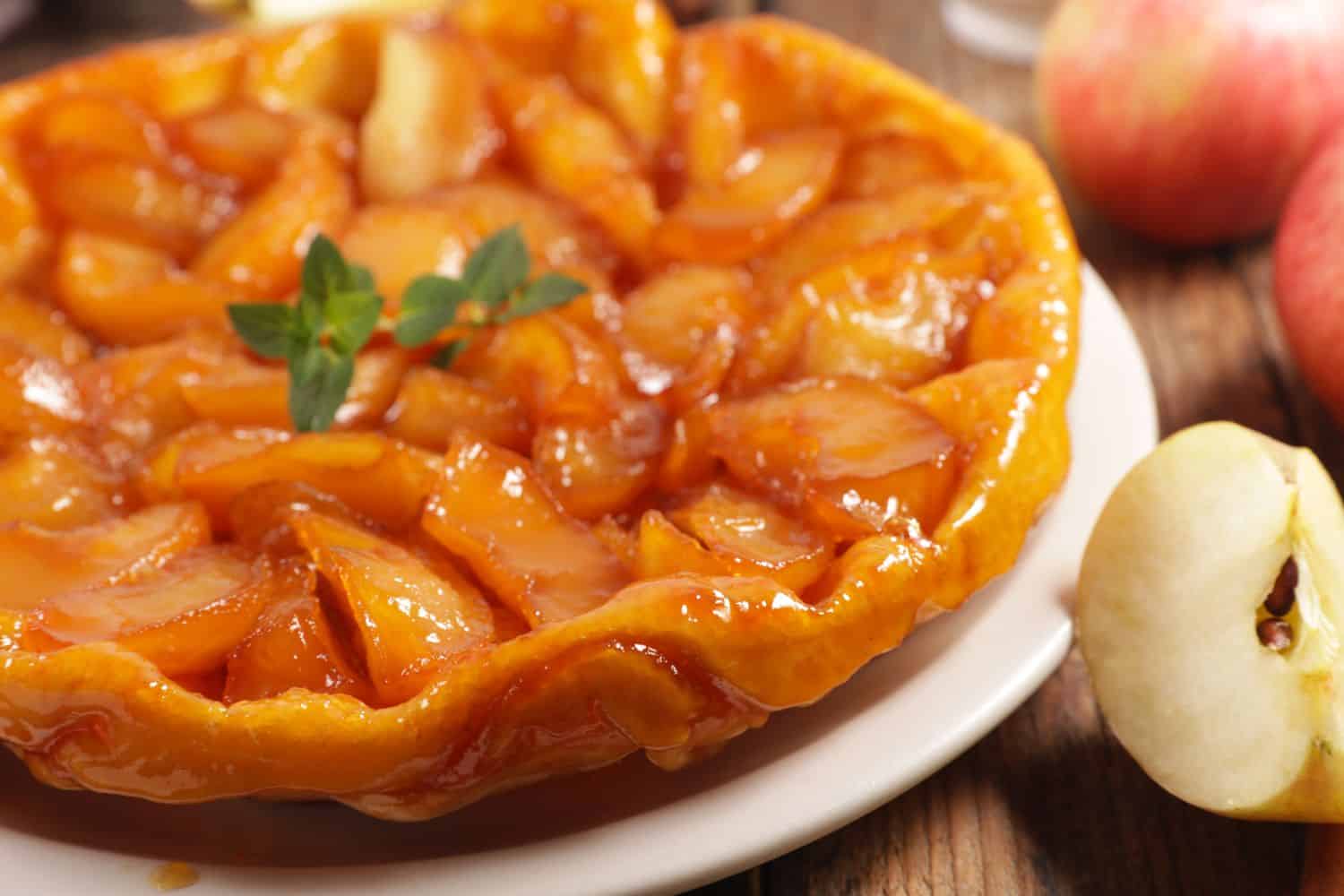
Tarte Tatin is a classic dish in French cuisine that resembles an ordinary apple tart dish but is served upside down. The name Tatin is that of two sisters who took an apple tart dish and added their spin to it. It became a signature dish in the hotel where they worked and became an iconic dessert afterwards.
The sisters caramelised a pastry and added sugar to it before putting it into the oven. They also filled it with lots of apple slices to turn it into a blasting fruity pie, then turned it upside down before baking it. That way, the Tarte Tatin was brought into being, becoming one of the gourmet dishes in France in no time.
9. French Onion Soup
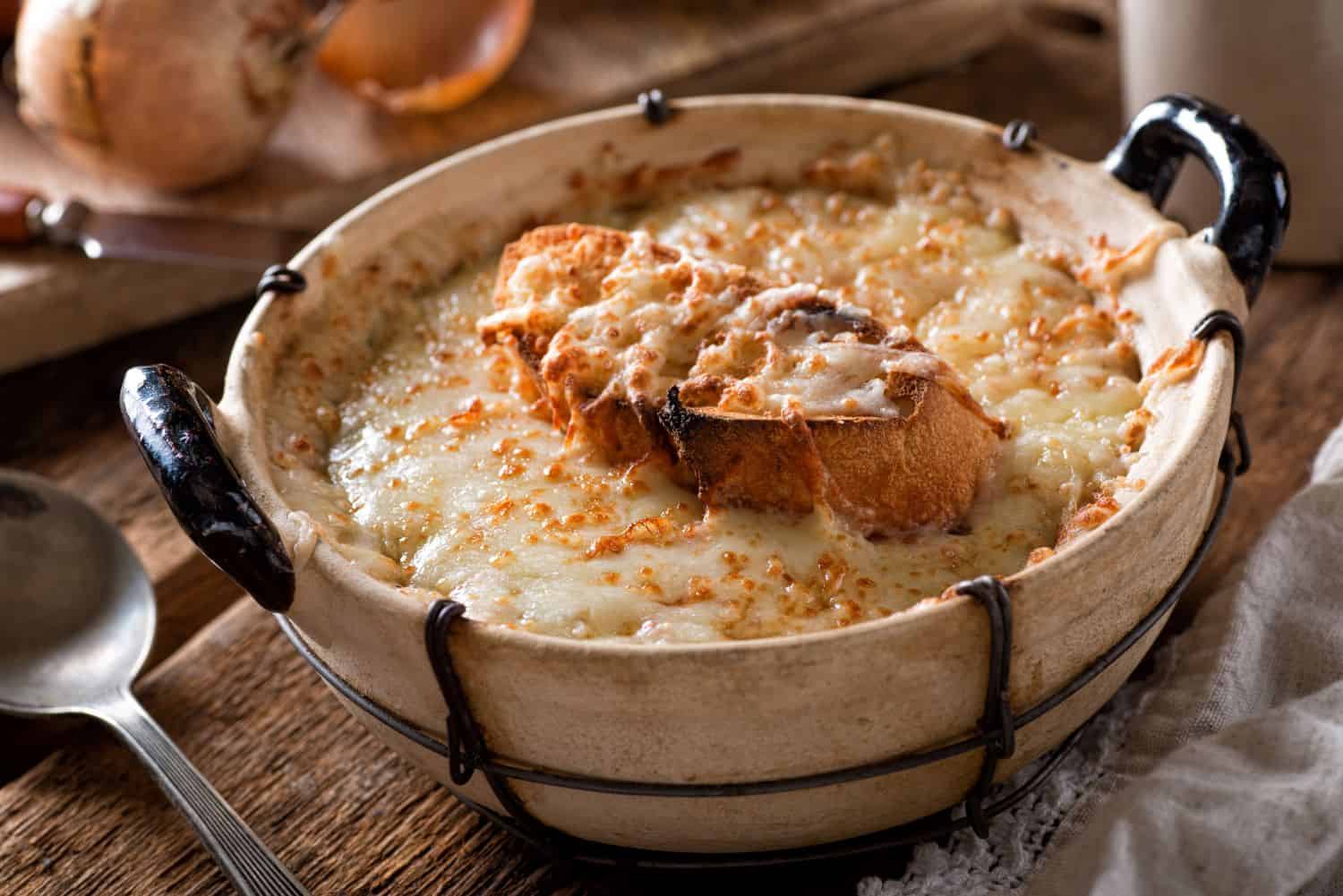
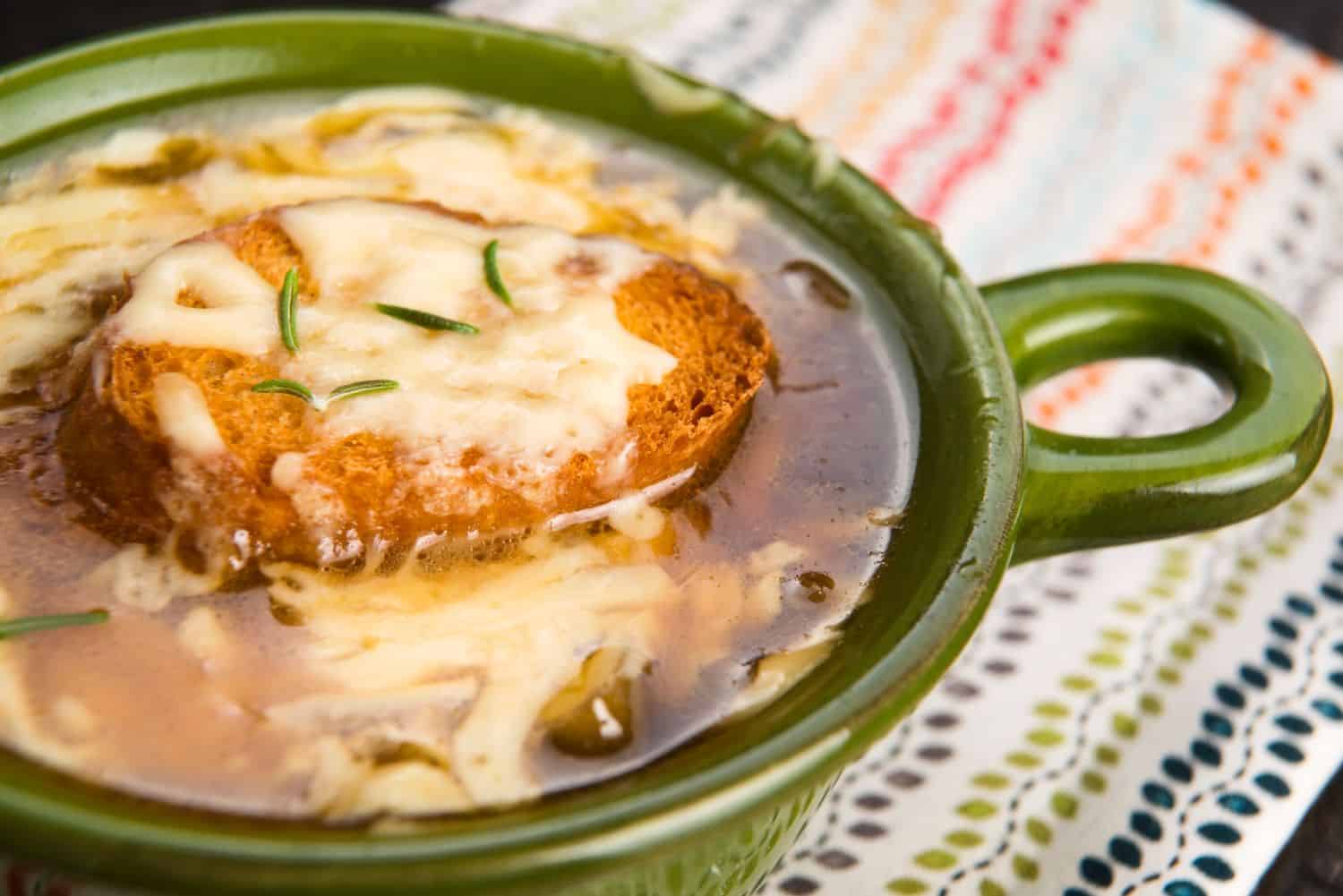
Soups are a daily appetiser staple in French cuisine. They are often devoured before the main course and usually contain unique ingredients that other iconic cuisines barely serve. This soup has an ancient history, travelling from Rome and becoming a French staple in the 18th century.
Although it has different roots, it is still perceived as one of the iconic dishes in France, given its high consumption. This palatable soup dish is a delicious mix of onions and meat, topped with melted cheese and breadcrumbs and then baked in an oven until it becomes golden. Adding cheese elevates the taste, flavouring its relish with the extra crunch of breadcrumbs.
10. Cassoulet
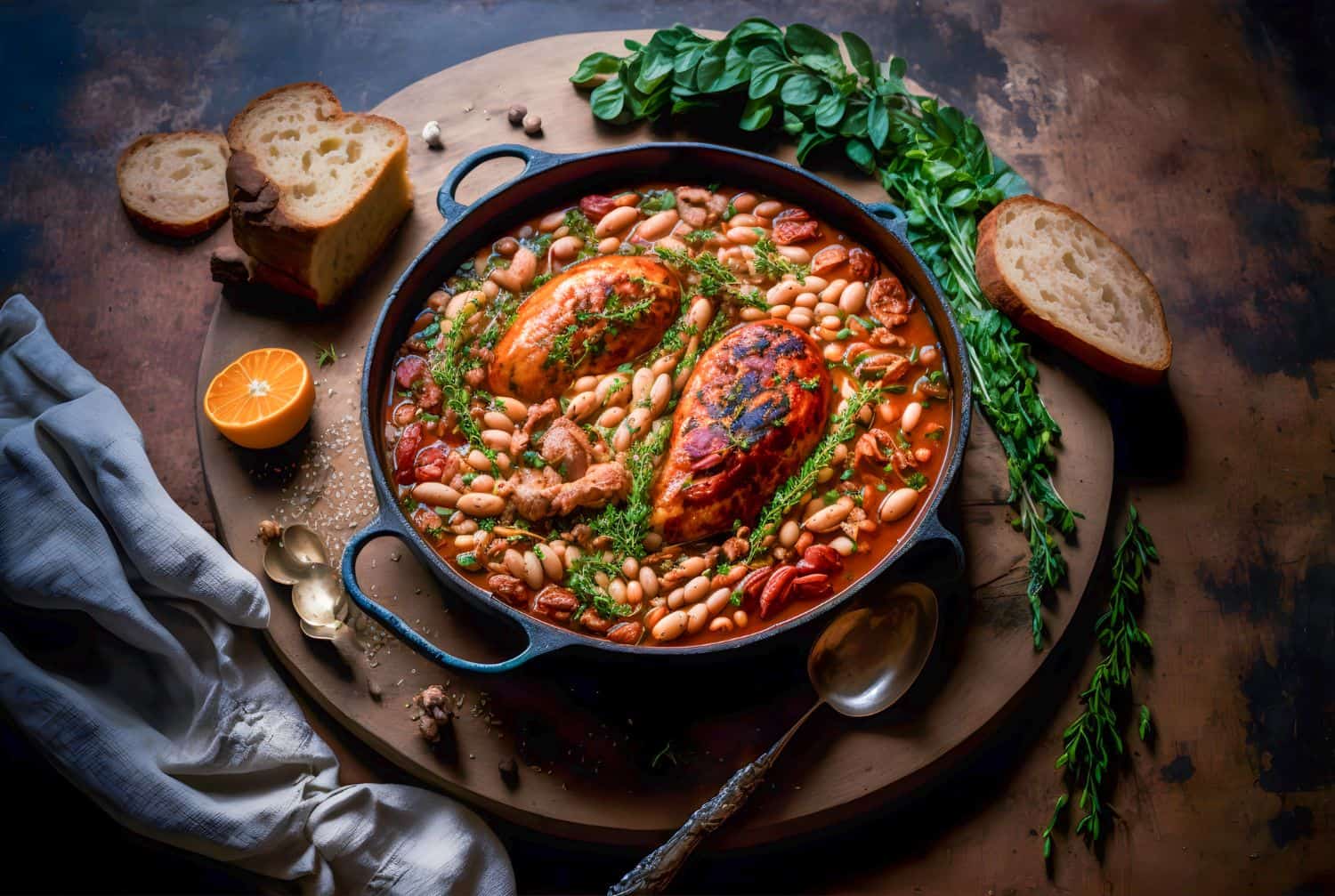
Cassoulet is an iconic dish that changed its status from being a simple meal found in farmhouses to joining the club of gourmet dishes in France. The name derives from the word “cassole,” which means a deep bowl and refers to the cooking pot used to make this delicious meal. Given the elegant spin added to this meal, it has more than a few variations that differ from city to city.
The traditional cassoulet dish embraces a variety of baked meats, including pork and ham, mixed with white beans and other fresh ingredients and herbs to flavour it. While this is mainly the original recipe, some regions like to add their twist, adding muttons or breadcrumbs for an extra crunch. In Toulouse, people cook the cassoulet by adding Toulouse sausage and goose confit.
11. Escargots
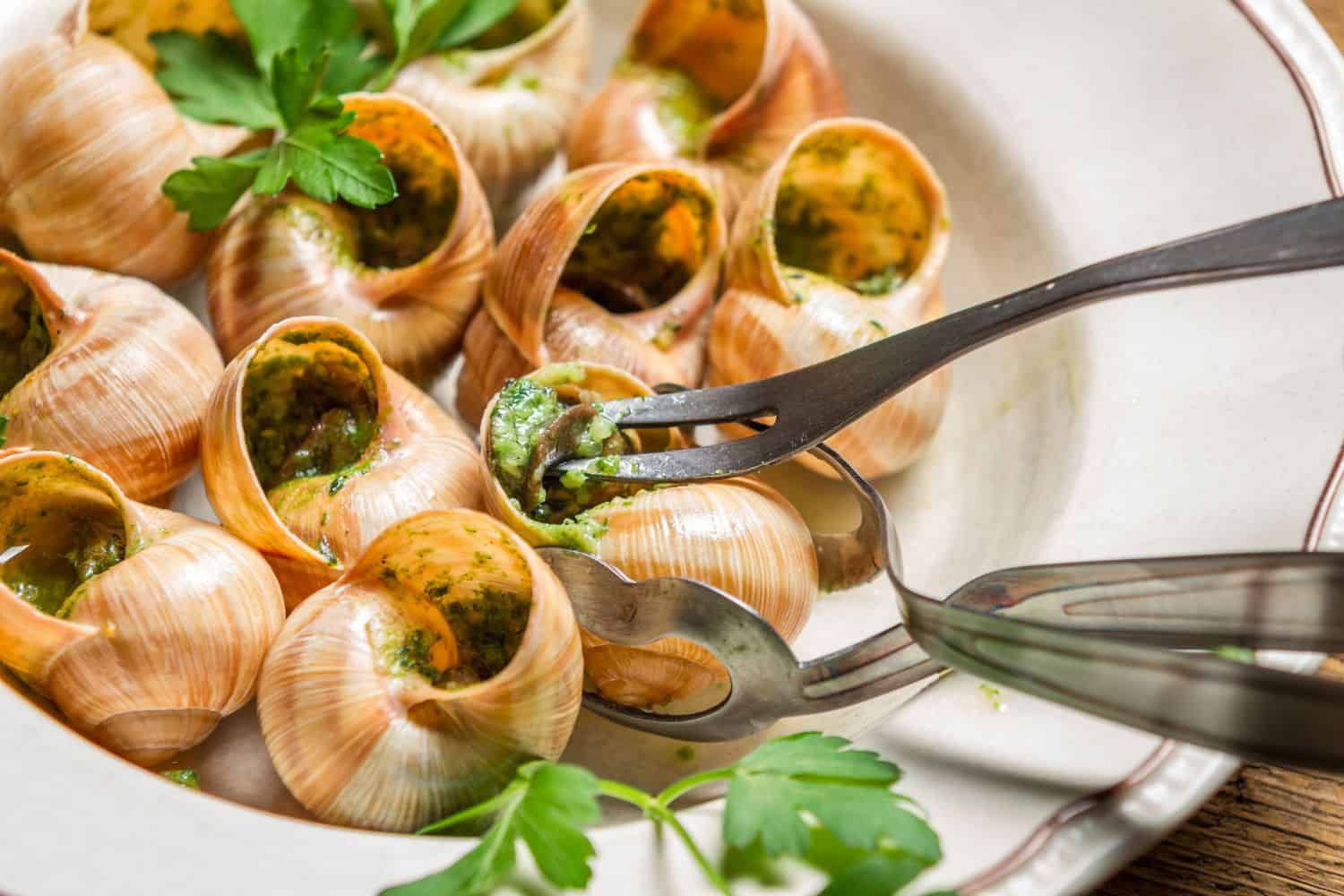
Escargots is the French word for snails. Although this is not commonly edible in many regions, France is one of the areas that find snails delicious and safe to eat. Not only is it an enjoyable delicacy, but it is also deemed one of the gourmet dishes in France and is served in many fine-dining restaurants.
More precisely, the French always go for land snails rather than those living in the water. It is said that the land type contains high amounts of protein and less fat, making it a healthier food choice. Escargot-based dishes consist of snails served with their shells. They are cooked well on medium heat while still moving, with the addition of a generous amount of salt to reduce their sliminess.
12. Gratin Dauphinois
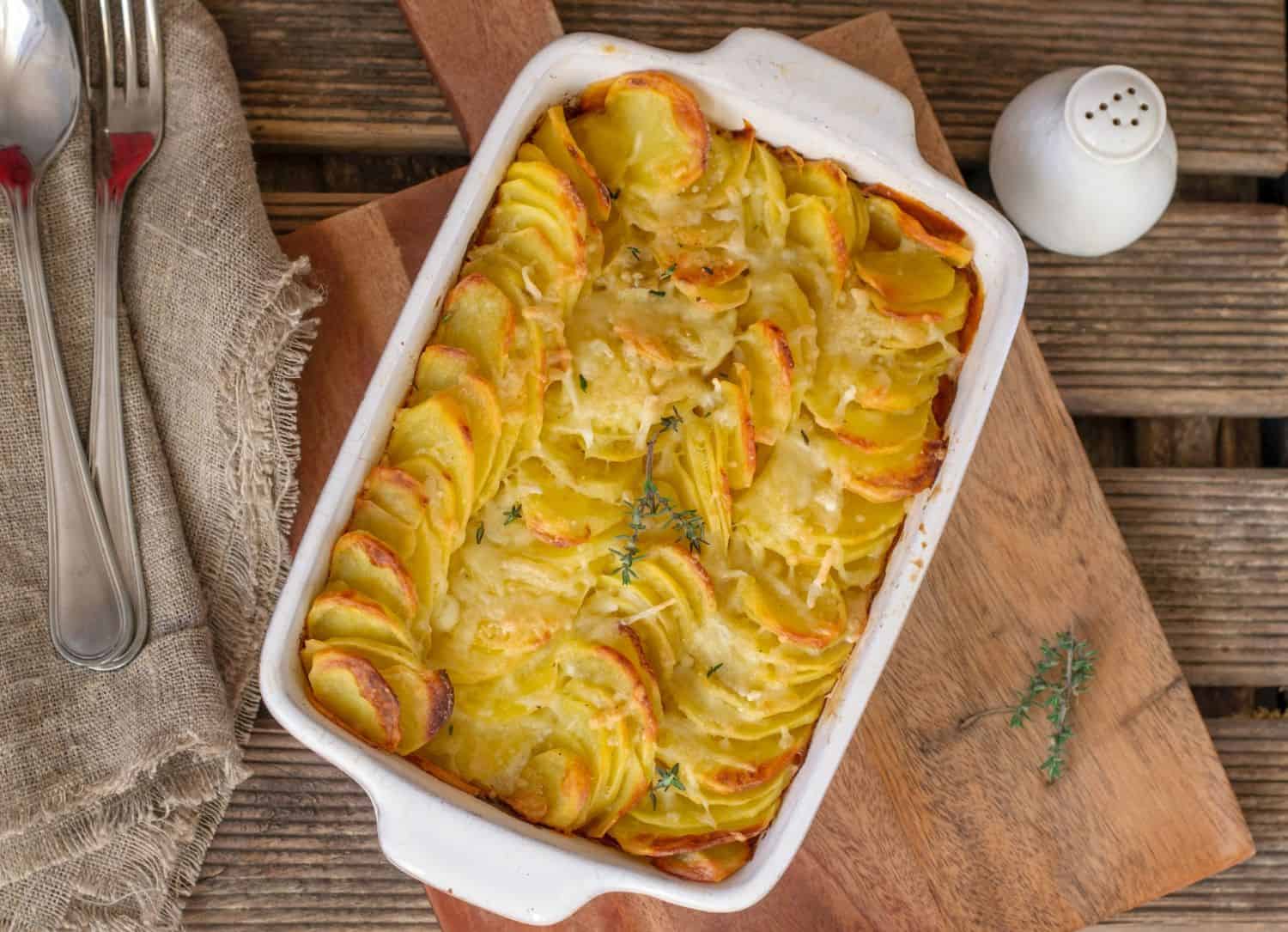
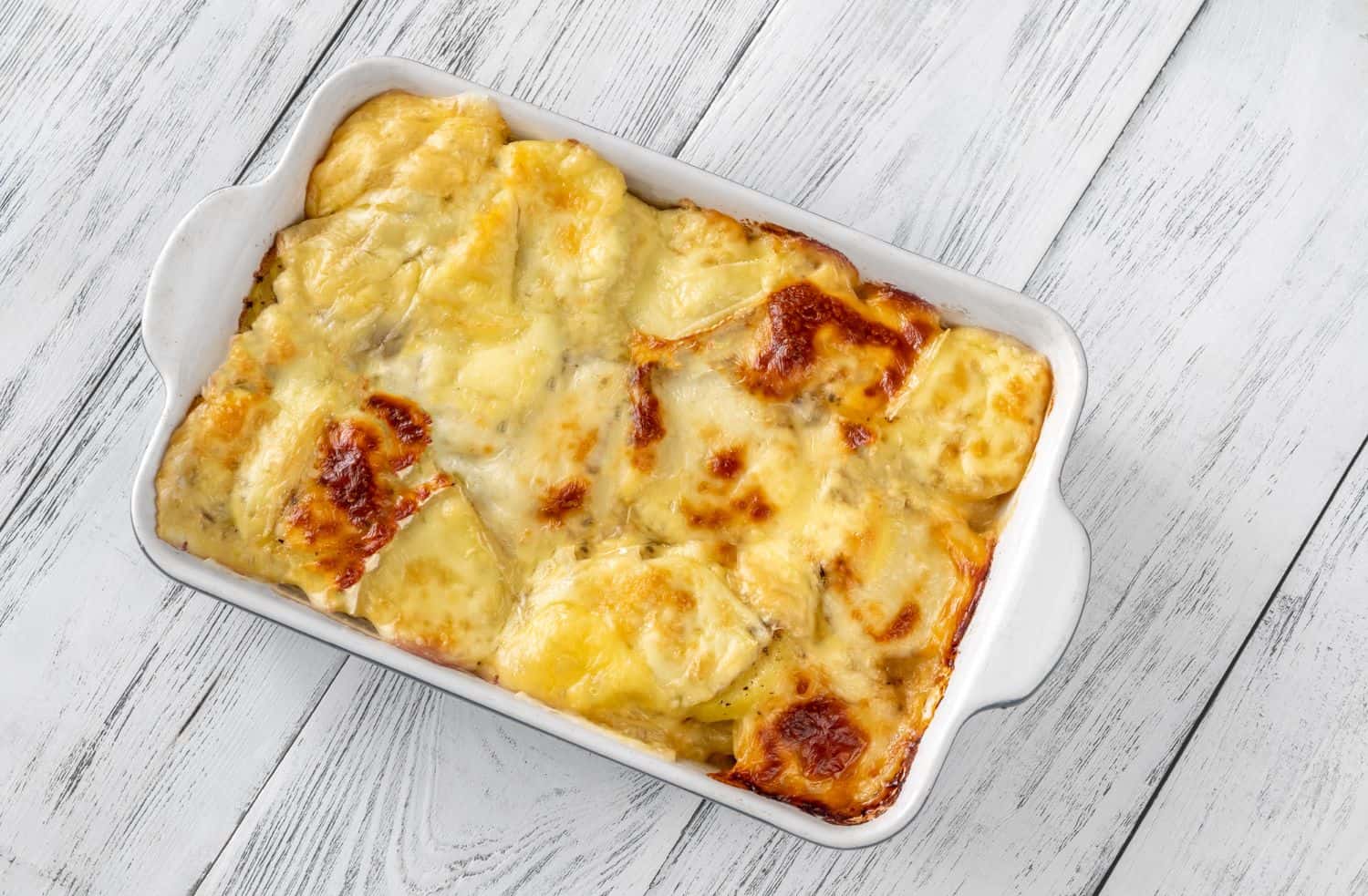
Potatoes are a staple ingredient in French cuisine. People in France enjoy potatoes in all forms, whether boiled, grilled, baked, roasted, fried, or even puréed. Among the popular potato-based dishes is the gratin dauphinoise, one of the French gourmet dishes. As the name suggests, cooking this dish requires the gratin technique, which involves crisping the top with cheese.
Gratin dauphinoise is a mouthwatering dish, blending slices of baked potatoes with heavy cream or milk. These are all the ingredients needed to create this palatable meal. It has a rich taste thanks to its extra creamy texture. Garlic, butter, salt, and black pepper are to thank for flavouring the meal.
13. Sole Meunière
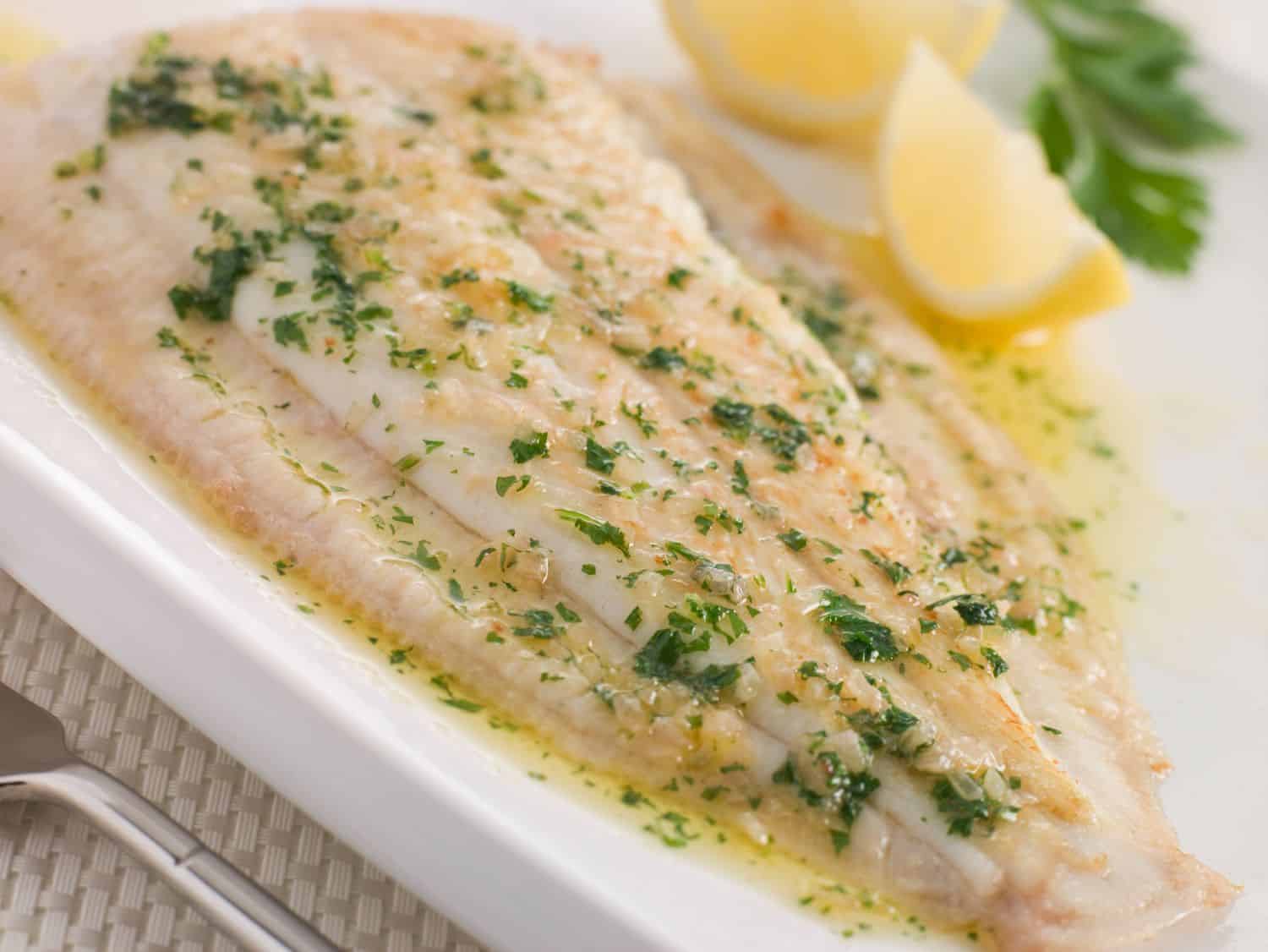
Seafood is a huge part of French culture. They have mastered the art of perfecting every fish-based dish, making them mouthwatering and extremely delicious. Solemeunière is among the classic gourmet dishes in France that is mainly fish. The dish’s name refers to the type of fish used and the cooking method, where ‘sole’ is the type of fish, and ‘meunière’ is how you make it.
The meunière method is drenching your protein part in flour before frying it. Sole is one of the best fish types to cook in meunière. First, remove the outer skin, then dredge in flour to have a crispy texture. It is then fried in butter on both sides and served with lemon and brown butter sauce. Sole meunière is a delicacy that you don’t want to miss.
14. Soupe Au Pistou
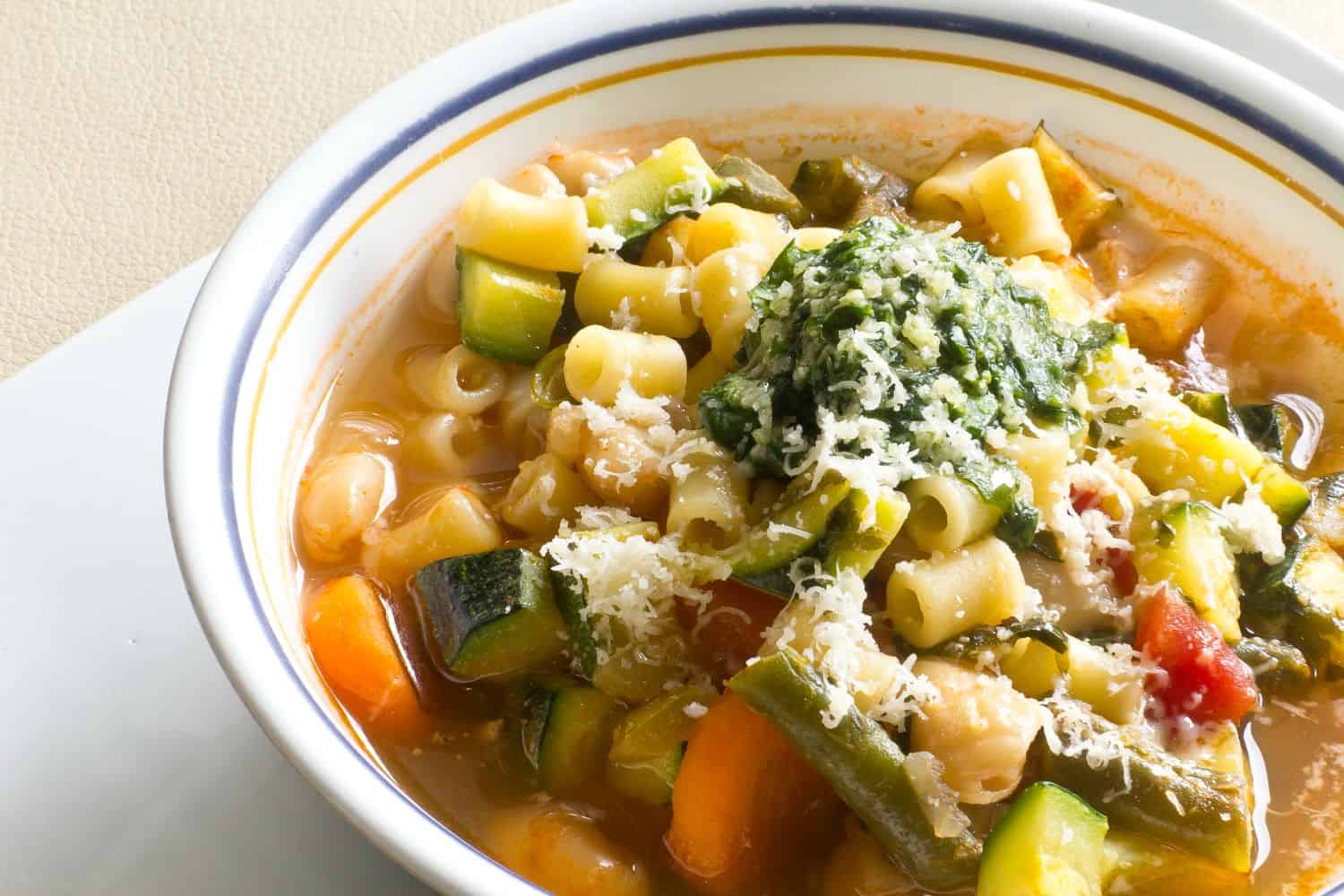
Soups are usually perfect for winter, for they help warm you up and give you an invisible cuddle, especially on brutally cold days. However, soupe au pistou is quite perfect for summer, given the amount of crunchy fresh veggies it uses. While soups are an appetiser staple in French cuisine, soupe au pistou makes it to France’s list of gourmet dishes.
This soup contains the pistou condiment, which is pretty much like pesto but with a slight twist. Pistou is made by pureeing garlic, basil, and tomatoes and blending them with olive oil. Whole vegetables are added, including zucchini, green and white beans, potatoes, and tomatoes.
15. Gougères
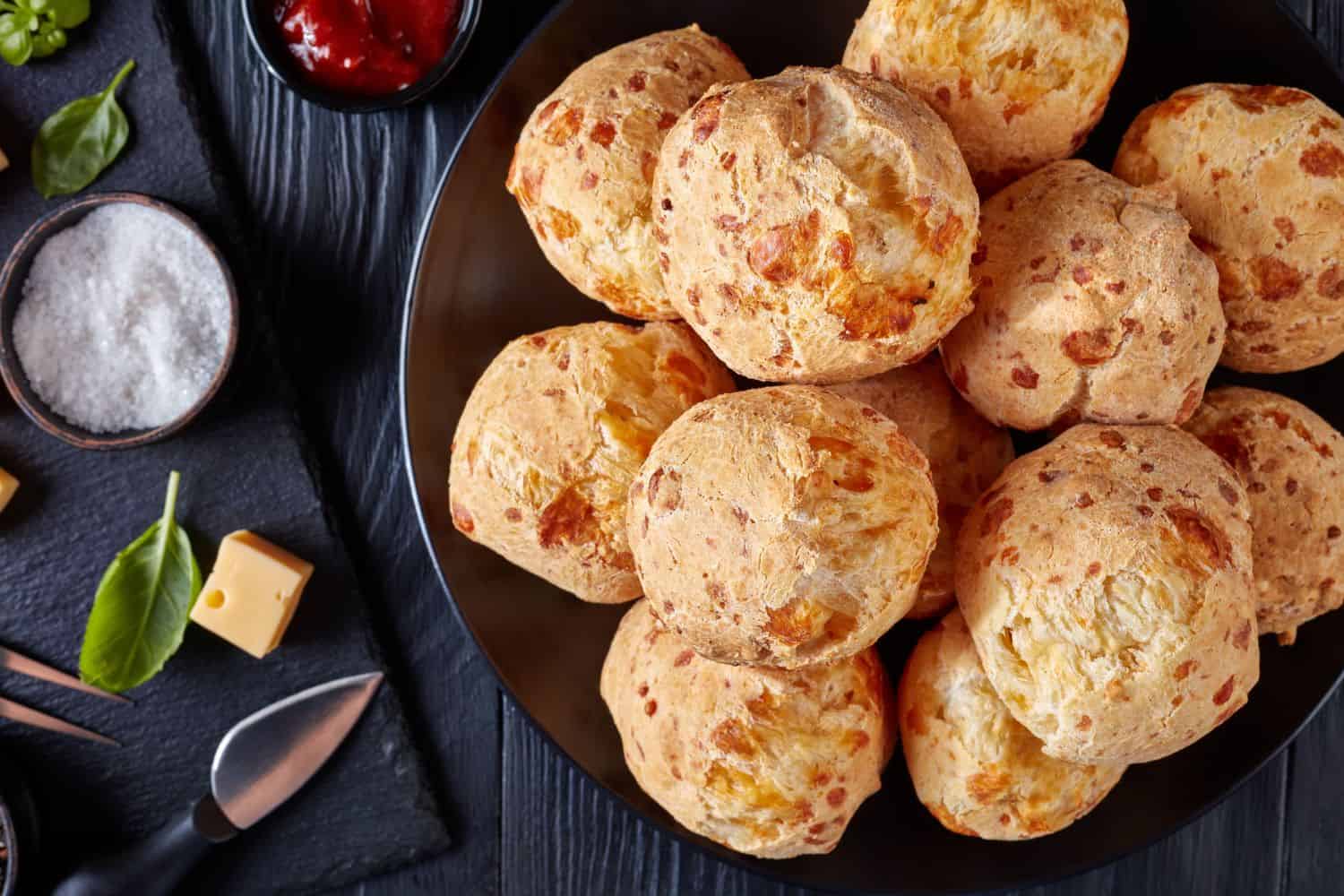
Bite-sized foods are addictive, especially when they are quite delectable and satiating. Gougère is a French fried ball that you can never resist. They are small puffs of choux pastry with a crispy texture on the outside and fluffiness on the insides. Most importantly, they are among the gourmet dishes in France that you can make in a snap in the comfort of your place.
French alpine cheese like Gruyère is often used to fill these choux pastry bites. You can substitute it with cheddar or any other cheese that would hold itself firm to fry it. Herbs are also added to flavour the taste and leave you to devour those little bites, one after the other, without stopping.
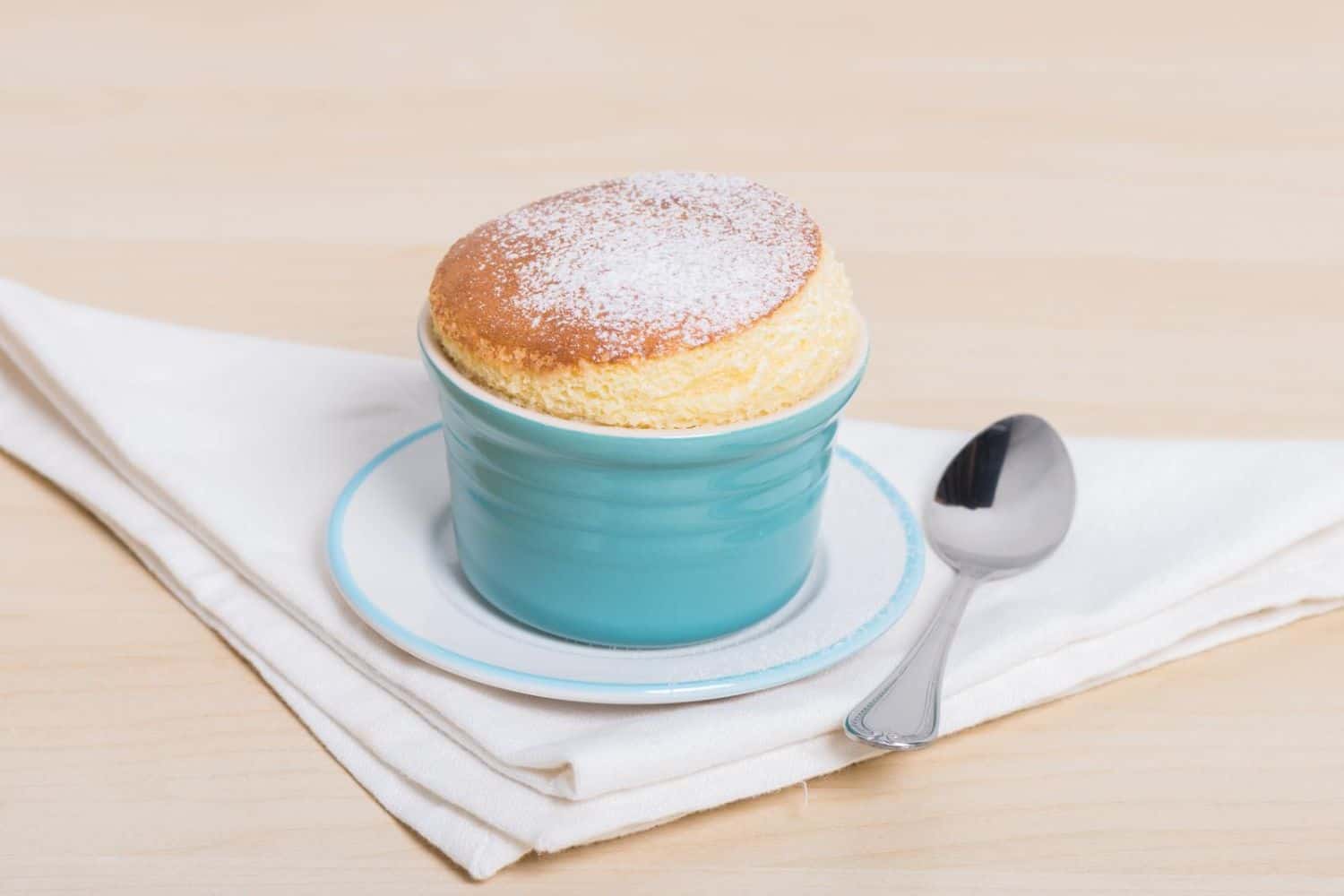
16. Soufflé
Gourmet dishes in France could be savoury or sweet, but what if there is a dish that can be both? Be prepared to try out this iconic French dish, the soufflé. It is one of the most famous desserts in France, but many don’t know that soufflés can be savoury, and that’s what makes it the unique dish it is.
Soufflé is egg-based with a delicately crisp crust and is quite soft and fluffy on the inside that it melts in the mouth. You can create a dessert using powdered sugar or cocoa. However, adding cheese and meat varieties is your top pick if you are into a savoury edition. This fascinating delicacy goes way back to the 18th century, and we cannot be happier that it is still around today.
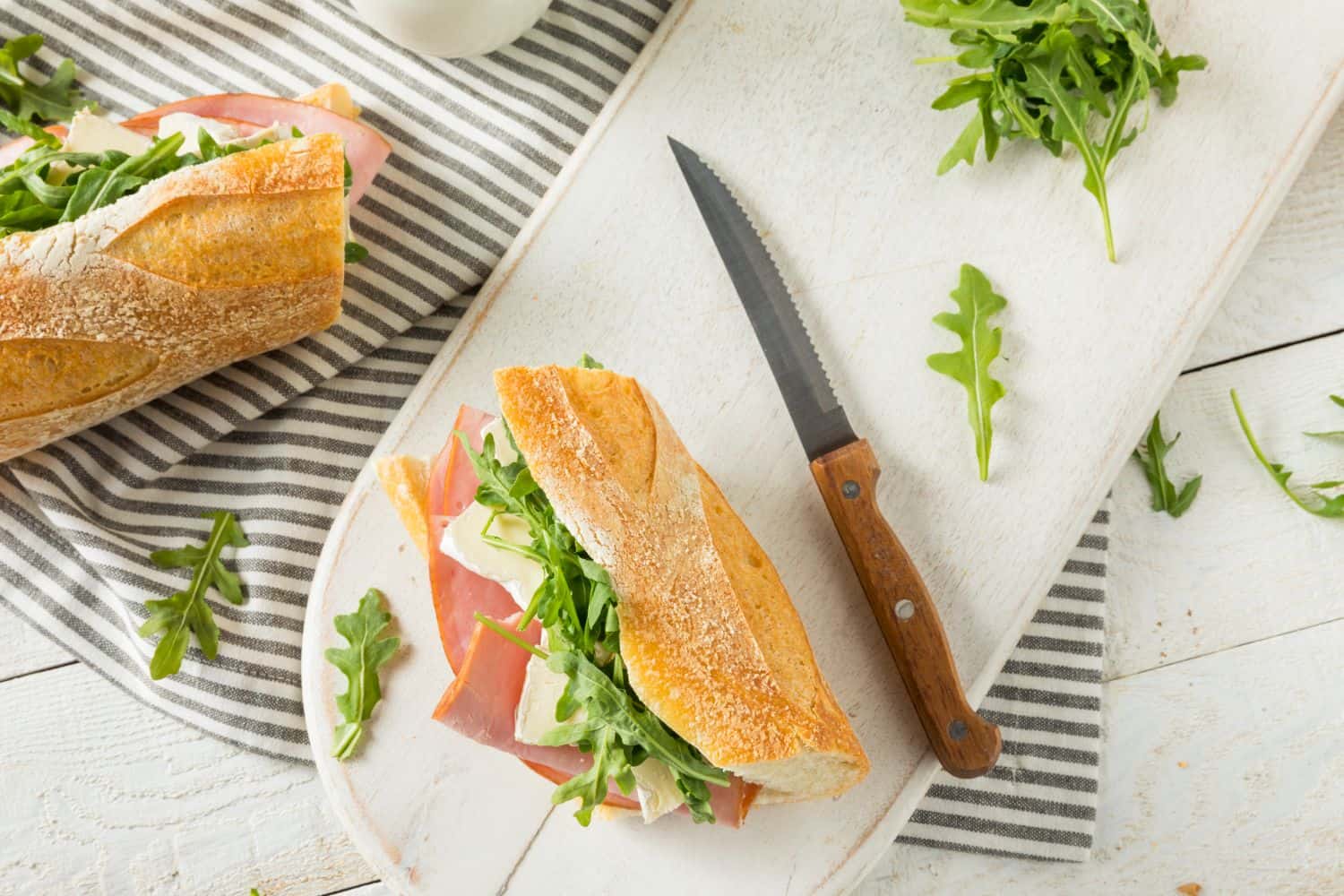
17. Jambon-beurre
Morning baguettes are there to brighten our days and let us start on a good note. What makes it even better is filling your baguette with several layers of ham slices and cheese that will make your day even a hundred times better. This sandwich is sold all over France in millions every single day. Although it may seem like a simple meal, it is deemed among the iconic dishes in France.
This palatable sandwich may fall into the fast food category, yet it is served in almost every fine-dining restaurant. Its simplicity is what makes it unique and delectable. The jambon-beurre is a fresh baguette sliced to add salty butter to garnish the taste. It also includes a generous amount of ham and cheese slices on top, and you’re ready to go.
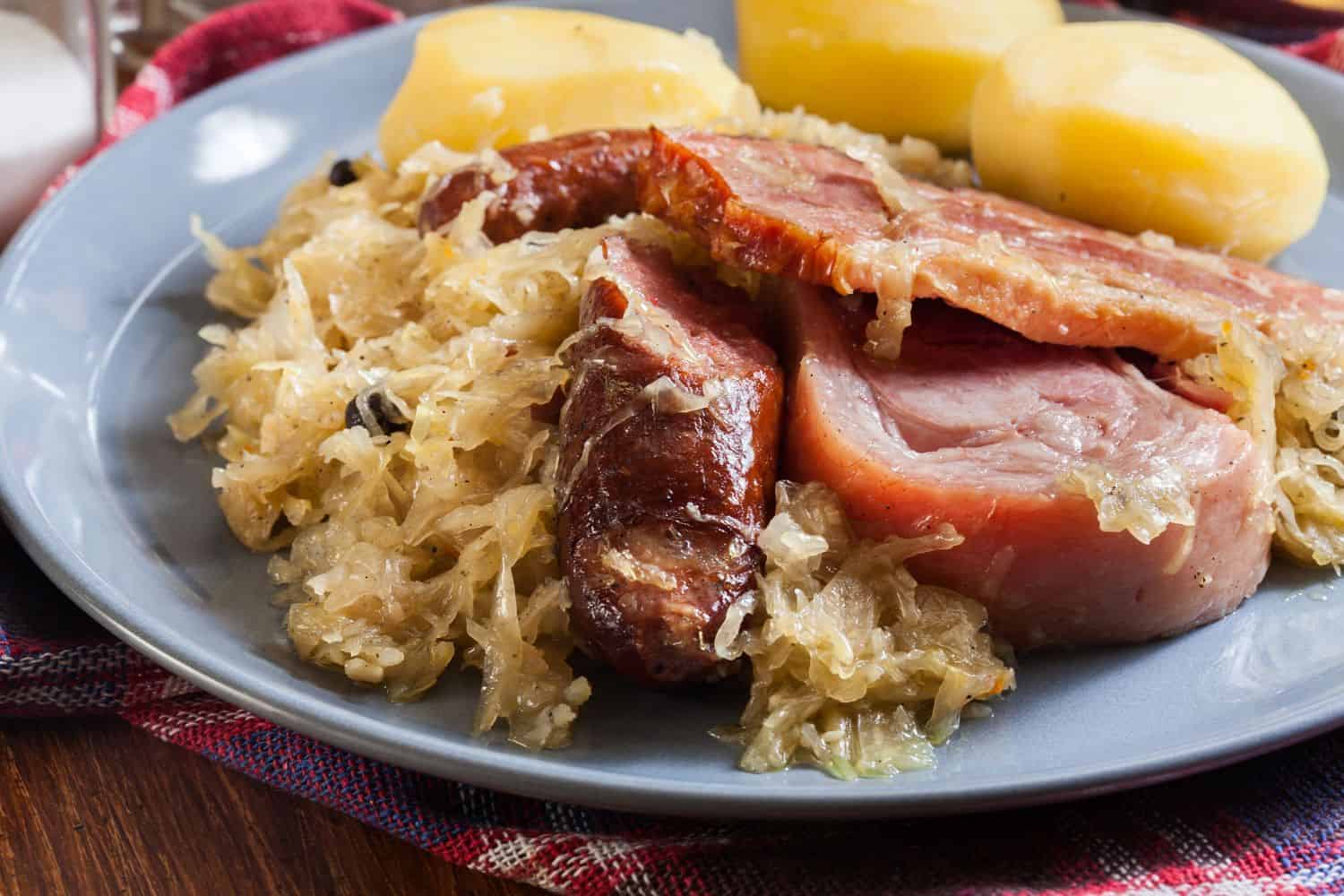
18. Choucroute Garnie
Choucroute garnie is popular sandwich in Alsace city. It bears a remarkable resemblance to the German dish sauerkraut, a chopped cabbage dish. However, France takes this dish and puts its twist to change its identity and make it seem more French. There is a key difference between both dishes, which is the usage of wine.
The French version of Choucroute garnie involves cooking in wine and adding more ingredients. However, the main ingredient, which is the sauerkraut, remains stable. Choucroute garnie consists of chopped cabbage with sausages, potatoes, and a variety of cold cuts, including ham and bacon.
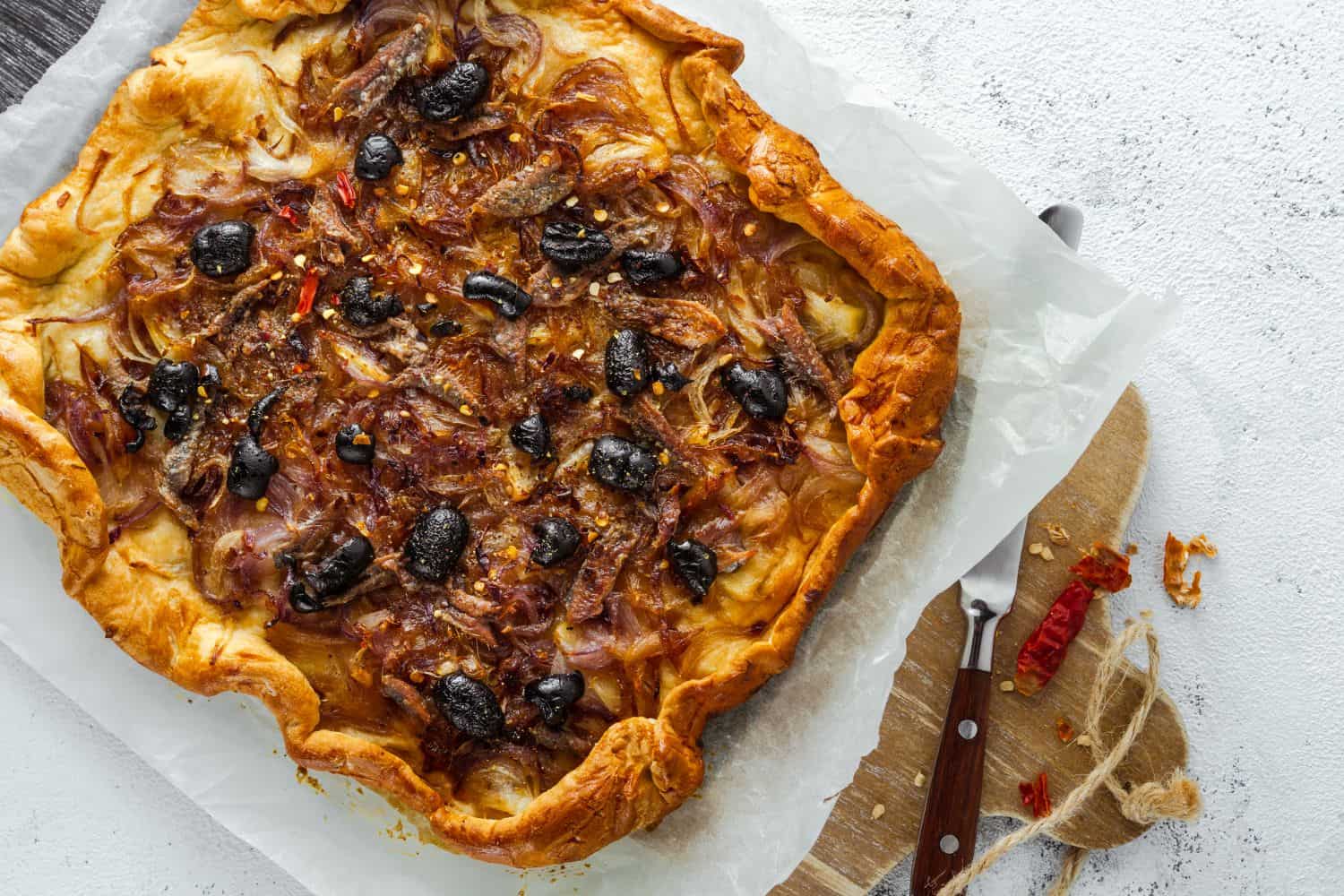
19. Pissaladière
Baking is an authentic French forte, which means you will find a lot of dishes in French cuisine that use dough and the oven to reach perfection. Pissaladière is a flatbread meal often served in many restaurants and is deemed one of the gourmet dishes in France despite its simplicity. It also goes by the names pissaladina and piscialandrea.
The Pissaladière is a dough that resembles that of a pizza but is a bit thicker. It is a traditional dish in Nice and Liguria in particular. Pissaladière can be perceived as a French version of pizza, but it has a rectangular shape rather than a round one. It is a dough that takes more than a few toppings that may vary from region to region. However, the main ingredients are anchovies, caramelised onions, and black olives.
20. Tartiflette
The tartiflette is a French-Alpine dish that you won’t resist its deliciousness. It is one of the gourmet dishes in France that you would love to try if you enjoy the taste of melted cheese over various flavourful ingredients and a splash of wine. What makes tartiflette unique is the reblochon cheese, which is native to the valley of Aravis, where the dish also originated.
Tartiflette is a traditional French dish that assisted in skyrocketing the reblochon cheese sales in the 80s. It takes a generous amount of sliced potatoes, lardons, and onions to spread in a pan, and then the cheese is added. Sometimes, a splash of wine is added to flavour it even more.
France is famous for its delectable dishes, and its classic meals have made it worldwide. Besides the flavourful dishes, there are so many choices that will cater to your taste. Even if you happen to prefer street food and fast meals, we guarantee there is something to pique your interest among the fancier dishes in France.


 Noha Basiony