The Culinary World is rather colourful, with so many delectable flavours. Today, we are shedding light on a unique cuisine that offers great treats to satisfy your sweet tooth. Hispanic cuisine is diverse and full of tasty flavours, but nothing can beat the uniqueness of Spanish desserts.
You may come across a dessert or two that are pretty popular in different places across the globe. However, this article aims to introduce you to the traditional Spanish desserts that you may have never tried or even heard of. Each sweet delight has a great story to tell besides its drool-worthy recipe.
So, buckle up and let’s embark on a beautiful gastronomic journey, exploring signature Spanish desserts.
1. Bizcocho de Aceite (Spanish Sponge Cake)
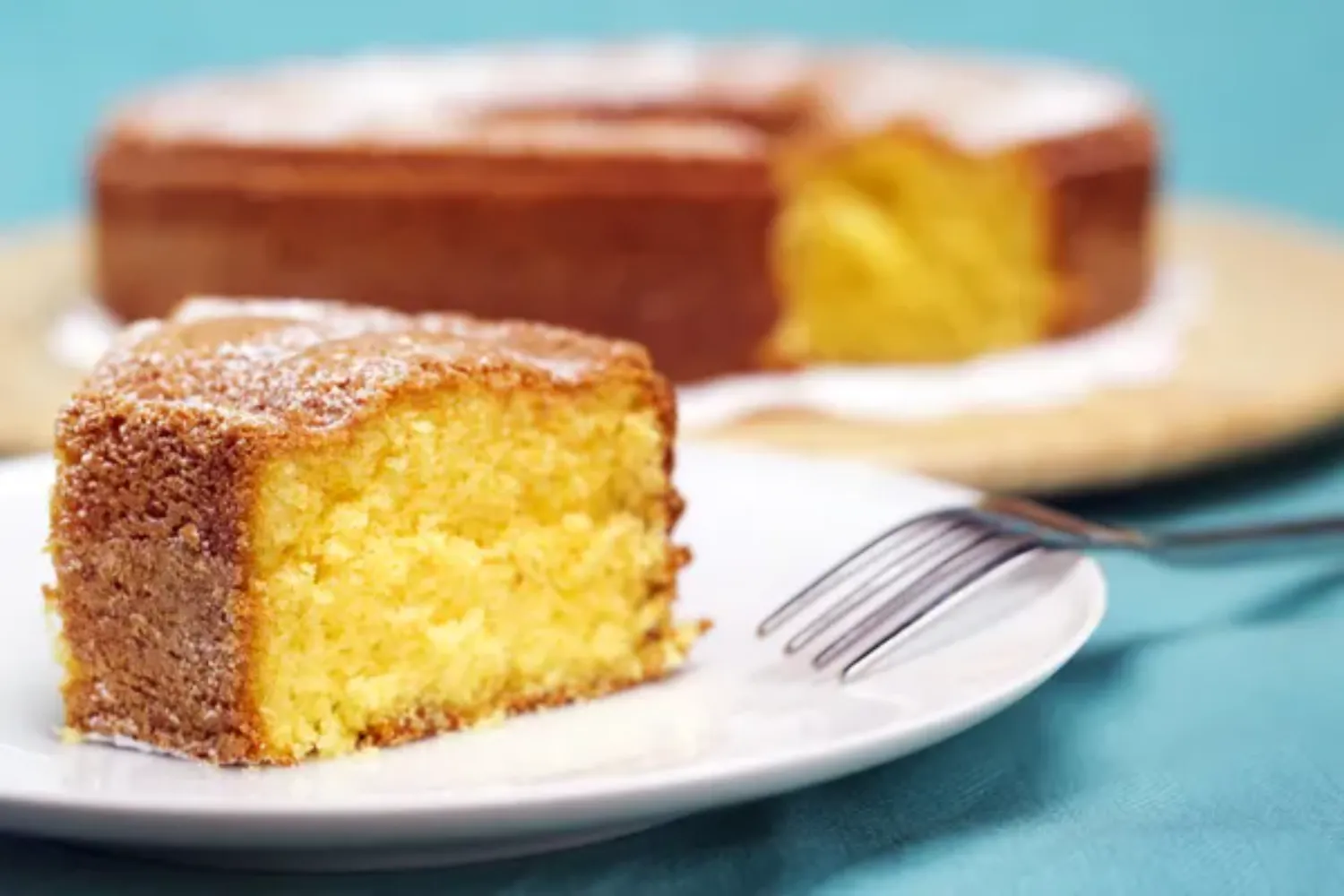
Sponge cakes are quite tasty, given their moist nature, which makes them effortlessly melt into your mouth. The Spanish version of sponge cakes is known as Bizcocho de Aceite, or simply Bizcocho. Aceite is the Spanish word for oil. The cake goes by that name because olive oil is generously used as one of the ingredients. It is sometimes called the Olive Oil Cake.
The ingredients used to make this Spanish delight are olive oil, eggs, sugar, flour, milk, and baking powder. Lemon zest is used in the making of the batter, giving it a nice citric note that enriches the flavour.
This cake is one of the most famous Spanish desserts, although it is said to have originated in the Mediterranean. In ancient times, olive oil was a cheap ingredient and was abundantly available. Thus, it was used to create many meals, and this sponge cake is one of them.
2. Tarta de Santiago
Cake of St. James is the actual translation of this cake’s name. This explains the representation of the cross on top of the cake, which represents the order of Santiago. Saint James happened to be the patron of Spain and Galicia, where the cake originated.
This cake falls among the most delightful Spanish desserts. People sometimes call it the Spanish almond cake, for almonds, are the primary ingredients used. The best part is that it is known to be one of the easiest and quickest cakes. And that is precisely the criteria everyone looks for when making an exceptional dessert.
The ingredients of this cake are available in every household, so you won’t have trouble finding them. Moreover, these ingredients are typical in almost all Spanish desserts. It is made of ground almonds and an almond extract for a rich flavour. Eggs, sugar, cinnamon, orange zest, and lemon zest are also included.
3. Turrón or Torrone
Torrone is a nougat-based delicacy that originated in the Mediterranean region yet is made as one of the famous Spanish desserts. Some believe that Turrón is originally Italian, but no matter where it comes from, it is still a must-try delight you can indulge in.
This sweet confection is made of nougat along with other nuts, with almonds being the most dominant. Honey, sugar, and egg whites are the main ingredients used to create this dessert. This crunchy cake has a mouthwatering nutty taste that gives it an extra sweet note.
4. Basque Burnt Cheesecake (Tarte de Queso)
The Spanish version of cheesecake is known as basque. It originated in the Spanish French Basque Country, yet it is one of the most traditional Spanish desserts. This dessert is pretty light and melts in your mouth effortlessly. It has no crust, rich in cream, and has a delectable flavour you never get enough of.
It is commonly known as tarta de queso, and we should also point out that its top is slightly burnt. The ingredients used to make this heavenly cake are unsalted butter, flour, caster sugar, sour cream, Philadelphia cream cheese, salt, vanilla extract, and eggs. Make sure you never go past the baking time listed in the recipe, or else you won’t get the fluffy Basque cheesecake with an airy texture.
5. Natillas de Leche (Spanish Custard)
Custard makes some of the fluffiest and softest sweet delights. It plays a significant role in Spanish cuisine, especially in making Spanish desserts. This dish consists of sugar, vanilla, cinnamon, egg yolks, and milk, hence the name. It bears a remarkable resemblance to flan, which is another Hispanic dessert; however, it doesn’t have a caramel topping. You can easily prepare this dish in the comfort of your own place.
First, let the milk boil, but don’t overdo it. After boiling, Let the milk rest for a few minutes before blending it with the vanilla and cinnamon so the flavours are all infused together. Now beat the egg yolks thoroughly and combine them with the milk. You will need to keep stirring so that you don’t burn the custard or let it thicken more than it should. Ultimately, you want to reach that perfectly creamy texture that melts in your mouth.
6. Pantxineta (Custard Slice)
We have already warned you about the custard’s significance in making Spanish desserts. So, if you are not a big fan, feel free to skip this one. Now, let us cast a shadow on the renowned Pantxineta. It is another Spanish dessert that originated in the Basque country. It consists of custard as the main ingredient, mixed with other ones that create a perfect pastry cream pie.
Pantxineta consists of custard, a bun of puff pastry, almonds, and icing sugar. The golden layers embrace a pastry cream that gives the dessert its delightful taste. It is also topped with roasted almonds to add a nutty note to this traditional dish.
You start by mixing flour, sugar, and salt to make the pastry. Once the dough is ready, beat the custard mix to blend it with milk and cinnamon in a hot pan, this helps the custard have an even consistency instead of being flaky. Now coat the pastry with beaten eggs before adding the custard. Don’t forget to sprinkle some almonds on top before you put them into the oven.
7. Huesos de Santo (Saint’s Bones/Marzipan Treat)
The Saint’s Bones is a delightful treat that looks like sweet fingers that you can snack on to satisfy your sweet tooth. It is a traditional Spanish dessert that originated in Madrid and is one of the most popular desserts across Spain. Despite the weird name, people swear by its deliciousness and rich sweet flavour.
It used to be the national dessert for All Saint’s Day, where families come together to eat and visit the graves of their deceased ones. This day also happens to be Halloween in different countries and the Samhain festival in the Celtic culture. Anyway, let’s go back to the recipe by which you can create this delicacy.
Huesos de Santo is based on marzipan paste. You create the paste using sugar and almonds, grounding them together to form it. Once it is left to cool, roll the pastry into a cylindrical shape so it looks like little bones; afterwards, beat some egg yolks with sugar and heat them until a thick paste is formed. Consider this the sauce you will add to your dessert, and start squeezing the mixture into the hallows of the rolled pastry.
8. Flan de Queso (Spanish Flan)
The Spanish flan is by far the most famous Spanish dessert on the list, given that it made it beyond the borders of Spain. This delicacy is prominent in so many countries under different names and, sometimes, slightly different variations. However, they are all almost the same dessert in the end, with mostly the same ingredients.
Flan is known as creme caramel in places outside Spain, including Egypt and other countries of the Arab World. It is also famous in the Philippines. So, flan is made from whole milk or cream, eggs, and condensed milk. It has a custard base and a smooth caramel top. The dessert has a creamy texture and a pretty rich flavour that will satisfy your sweet tooth.
9. Polvoron (Spanish Shortbread)
Originated in Andalusia, Polvron is a traditional Spanish dessert that bears some resemblance to desserts in some Arabic countries as well as the Philippines. In the end, Andalusia shares a lot of its culture and heritage with Arabs, and the Philippines got some Hispanic origin, so you know how these countries come together.
Polvoron resembles Ghoriba, which is a popular shortbread dessert in Egypt. It is made of milk, flour, sugar, and nuts. The mixture of these ingredients together gives the dessert its crumbly texture. Some people perceive it as relatively better, which is precisely why the nuts are there. They add a nice nutty flavour that takes this delight to a whole new level.
10. Leche Merengada
Leche Merengada is a classic sweet drink served as a dessert, given its high sugar content.
In fact, we can safely call it the Spanish version of a milkshake because it is not only delightful but served chillingly cold as well. Part of the drink is taken away and left in the freezer to create a snowy appearance when it is mixed with the rest of the drink again.
So, Leche Merengada consists of egg white, a milk base, lots of sugar, and cinnamon for an extra flavour. Once that part is frozen, it is mixed with the rest of the drink, and a generous dash of cinnamon is splashed on top to accentuate its taste.
11. Crema Catalana (Spanish Crème Brûlée)
It seems that there is always a Spanish version of every dessert around the World. The crema Catalana bears a remarkable resemblance to the renowned French dessert, crème brûlée. However, great chefs claim that some differences between the two desserts make the Spanish dessert much easier and faster to make.
So, you can actually use milk to make the crema Catalana, which is the very first difference between both. Crème brûlée Needs cream since it has a thicker texture. You don’t need to use a hot water bath while making the crema Catalana. Yet, you will need other ingredients to spruce up its flavour, including cinnamon and lemon. The infusion of these two tastes results in an irresistible relish.
12. Churros
You definitely expected this one to make a special appearance on this list of the most famous Spanish dessert delights, didn’t you? Well, this dessert is quite traditional in many Hispanic countries. It even managed to make it across the globe and became well-known in different places. This fried dough is easy to make and snack on while getting things done around your house or while enjoying an excellent movie.
Churros contain a lot of cinnamon that spices up the dough’s taste and give it its sweet taste. Besides it is also sprinkled with sugar for extra sweetness. The dough is rolled into a stick-like shape, fried to golden perfection, and dashed with cinnamon and sugar. You can dip the sugary stick into any kind of sauce you like to take the flavour to another level.
This pudding pretty much looks like a flan, but it isn’t really it. The main difference is that it doesn’t require either milk or cream in the making process. However, they both share almost a similar appearance and are pretty popular in Spanish cuisine. Besides, it has a long history since it is a traditional Spanish dessert that goes way back to the 1300s.
Tocino de Cielo only takes five main ingredients to make; water, sugar, butter, lemon, and egg yolks, which are ingredients found in every household; this makes it a lot easier and faster to make than a flan. Tocino de Cielo is an Andalusian dessert that takes lemon and caramel to flavour up its taste. The presence of the caramel element is probably what makes it similar to flan in appearance.
14. Queque (Sponge Cake)
Queque is the Spanish name of the sponge cake. Although its primary origin is debated, it is known as a traditional Spanish dessert that dates back to the Renaissance period. Its texture is what makes it radiate on the food scene. Smooth, soft, and squashy are the main traits of this mouthwatering dessert, yet not the only ones. Queque is also very light, so you can have it without feeling a sudden sugar rush or a full tummy.
Its recipe makes it quite doable and can be done in a snap. All it takes is sugar, flour, egg whites, and baking powder, which are the essential ingredients of any cake. However, the way you beat the eggs and blend the ingredients together determines the type of cake, and this one melts in your mouth before you even know it for its super smooth texture.
15. Fartons
depositphotos 12633202 stock photo fartons of valencia spain
This sweet delight, Fartons, is quite spongy with a very smooth texture that melts in your mouth the second you devour it. It is light and feels a little like bread, given its fluffy nature. Farton looks like a fuzzy bar, and the best part about it is that you can eat it with its popular dipping sauce, horchata, or beside a hot beverage.
This Spanish dessert is easy to make and relish to indulge in while chilling around. The ingredients you are going to need are as follows: eggs, flour, oil, sugar, milk, and a leavening agent. So simple, isn’t it? Mixing these ingredients together will result in that flavoursome delight. It will be ready for you to enjoy alongside a sweet cup of hot chocolate or even a simple latte.
16. Panellets
Small bites that you reach for to munch on while watching your favourite show are something to live up to. Good thing that this little Spanish dessert called panellet is there for us. It is a sweet ball of chestnuts, almonds, and, in some cases, potatoes. This bliss has always been the traditional dessert of All Saints’ Day. They are often served with wine.
Panellets are made with a mixture of almonds and chestnuts blended with egg yolk and sugar. Potato is a debatable ingredient found in some recipes and absent in others, so it is your call to either add it or not. For what it is worth, it merits every.
17. Leche Frita
depositphotos 109157646 stock photo fried milk and condensed milk
Leche Frita is translated into fried milk. The name may sound a little weird for non-Spanish speakers, but it won’t matter once you take a bit of this delectable Spanish dessert. You may first mistake it for fried chicken or fish, but we promise it is not. It is perfect for serving cold along with a drink of your preference.
Leche Frita is made by mixing sugar, cornstarch, milk, unsalted butter, and flour. You make a fine dough with all these ingredients infused together, then fry the dough until it is perfectly golden. Now sprinkle it with sugar powder and cinnamon, then let it chill in the refrigerator for several hours, preferably overnight, to hold itself together.
18. Spanish Apple Tart
The northern part of Spain is famous for being home to the best apples in the country. Thus, they are abundantly used to make ciders and delicious Spanish dessert relishes. This time, we are shedding light on a creamy delight that you won’t be able to resist once you lay your eyes on the Spanish apple tart.
The best part is that Spanish apple tart only takes a few minutes to be ready and uses ingredients available in every household. It takes around 3 to 4 apples, sugar, vegetable oil, lemon juice, whipping cream, egg, puff pastry, and cinnamon. You can make this light dessert in a snap and serve it with a top vanilla ice cream for some extra sweetness.
19. Arroz Con Leche (Rice with Milk)
Arroz con Leche is a well-known Spanish dessert that is traditional to most Hispanic countries and not only Spain. It is also a famous delight in the Arab World and goes with the same name and almost the same recipe. This delicious dish is commonly known as rice pudding and takes very few ingredients, which are, obviously, rice and milk with some flavouring tanginess.
This dish is made by mixing rice with either milk or water, but the original recipe always consists of milk. You can also add raisins, cinnamon, and vanilla, as they take the taste to a whole new level.
20. Frisuelos de Asturias (Spanish Crepes)
Frisuelo is a typical Spanish dessert that originated in Asturias in the northwestern part of Spain. However, it is popular all over the country and can be found in most, if not all, restaurants. This dessert makes a special appearance during the renowned Asturian Carnival, Antroxu. You can treat yourself to this appetising relish and easily make it in the comfort of your own place.
Frisuelo also goes by the names Frixuelo or Fayuelo. It bears a great resemblance to crepe, given its delicate texture and flaky layers. You will need plain flour, whole milk, eggs, lemon zest, salt, sugar, and aniseed liqueur. Some additional ingredients for an extra flavour can be anything from honey, icing sugar, or caster sugar.
21. Buñuelos
depositphotos 108617726 stock photo sweet homemade donuts with icing
Buñuelo is a popular Spanish dessert that originated in Spain yet made it to Latin America, becoming quite famous in Cuba and Colombia. It is a type of doughnut that is fluffy and moist on the inside yet crunchy on the outside. This dessert is made by frying a flavoured dough to golden perfection until the outer shell is consistent and ready to eat.
This dessert is light as air and makes for a great snack to munch on and enjoy its sweetness. It is also quick and easy to make. The ingredients you need to make it are all-purpose flour, kosher salt, baking powder, warm water, sugar, and cinnamon. Make a perfect dough, then fry it until it turns golden brown before you sprinkle it with cinnamon and sugar on top.
22. Técula Mécula
Whether you are having a home party or not, we suggest you try making this traditional Spanish dessert, the Técula mécula, which means “for you, for me.” It is a mouthwatering relish made of almond and egg tart. Not only does it have a flavoursome taste, but it can also save you when a bunch of your friends are coming over.
It is also said that it was a favourite of Emperor Charles V; thus, people refer to it as the imperial dessert. The ingredients it takes are puff pastry, caster sugar, water, whole egg, egg yolks, lemon zest, and ground almonds. A little cinnamon won’t hurt if you would like to spice up the flavour of your dessert.
23. Pestiños
Pestiño is a popular pastry that originated in Andalusia and is quite famous in different regions of Southern Spain. It is commonly known as the Christmas dessert and is referred to as the Holy Week dessert. Pestiño is a piece of dough that you deep fry in olive oil, then glaze with some cinnamon sugar and a dash of honey.
Its main ingredients are honey, all-purpose flours, sesame, water, olive oil, white wine, and lemon or orange zest. This traditional Spanish dessert is extremely easy to make at home and doesn’t take time at all. Besides, it is fairly delicious and quite sweet. Basically, it fits the criteria of everyone’s favourite picks, which are easy, fast, and delicious.
We have gathered for you some of the best Spanish desserts that you can make at home. Not only do they taste succulent, but they will also take you on a nice culinary trip to the Spanish lands.



 Salma Ihab
 Amel Magdy