Did you think you knew about Egyptian cuisine, only to discover that all the dishes you know are the main ones? Hamam Mahshi and Fatah are delicious Egyptian dishes. However, they need some side dishes to back them up, right? Well, that’s what we’re here for!
Brimming with a rich culinary heritage and diverse cultural influences, Egypty is home to myriad traditional robust side dishes from Koshari to Ful Medames. These delights are sure-fire ways of transforming any meal from mundane to magical.
So why not pop on your apron and join us as we traverse Egypt’s gastronomic landscape, unearthing irresistible recipes you can conveniently whip up at home?
Key Takeaways
Egypt has a traditional cuisine that is a hundred, if not thousands, of years old. Egyptian side dishes are a perfect addition to any dinner table.
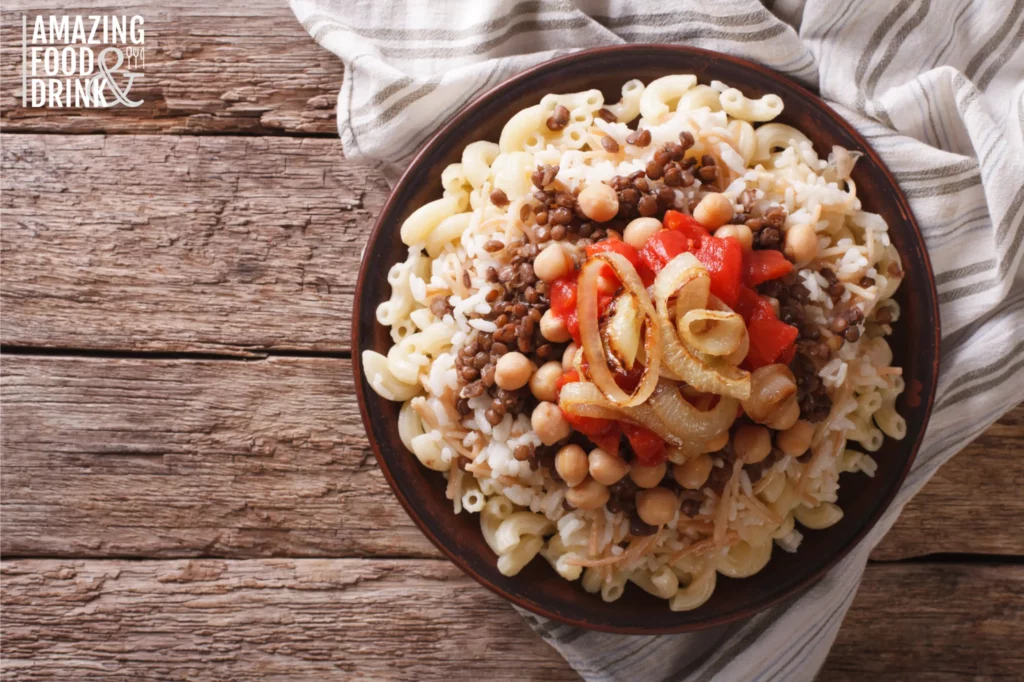
Koshari is a famous Egyptian side dish made with rice, crispy onions, and tomato sauce.
Ful Medames is the national dish of Egypt, consisting of fava beans cooked with garlic and lemon juice.
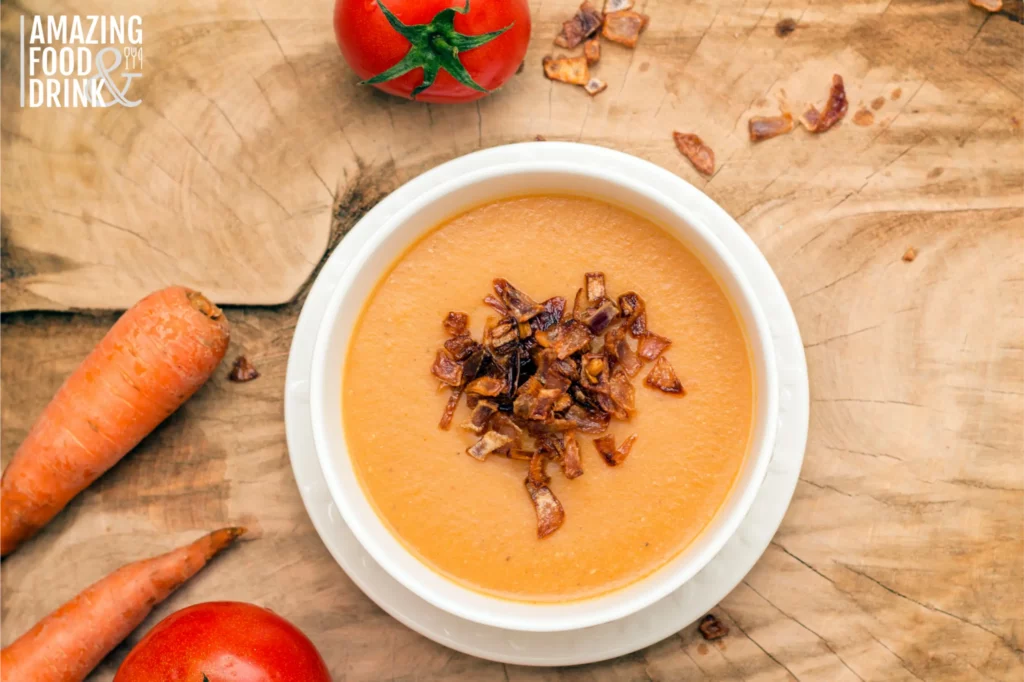
Egyptian Lentil Soup (Shorbet Ads) is a creamy and nutritious soup made from red lentils and served as a side dish.
Other delicious Egyptian side dishes include Egyptian Hummus and Mahshi (rice-stuffed veggies in tomato sauce).
Traditional Egyptian Side Dishes for Your Dining Table
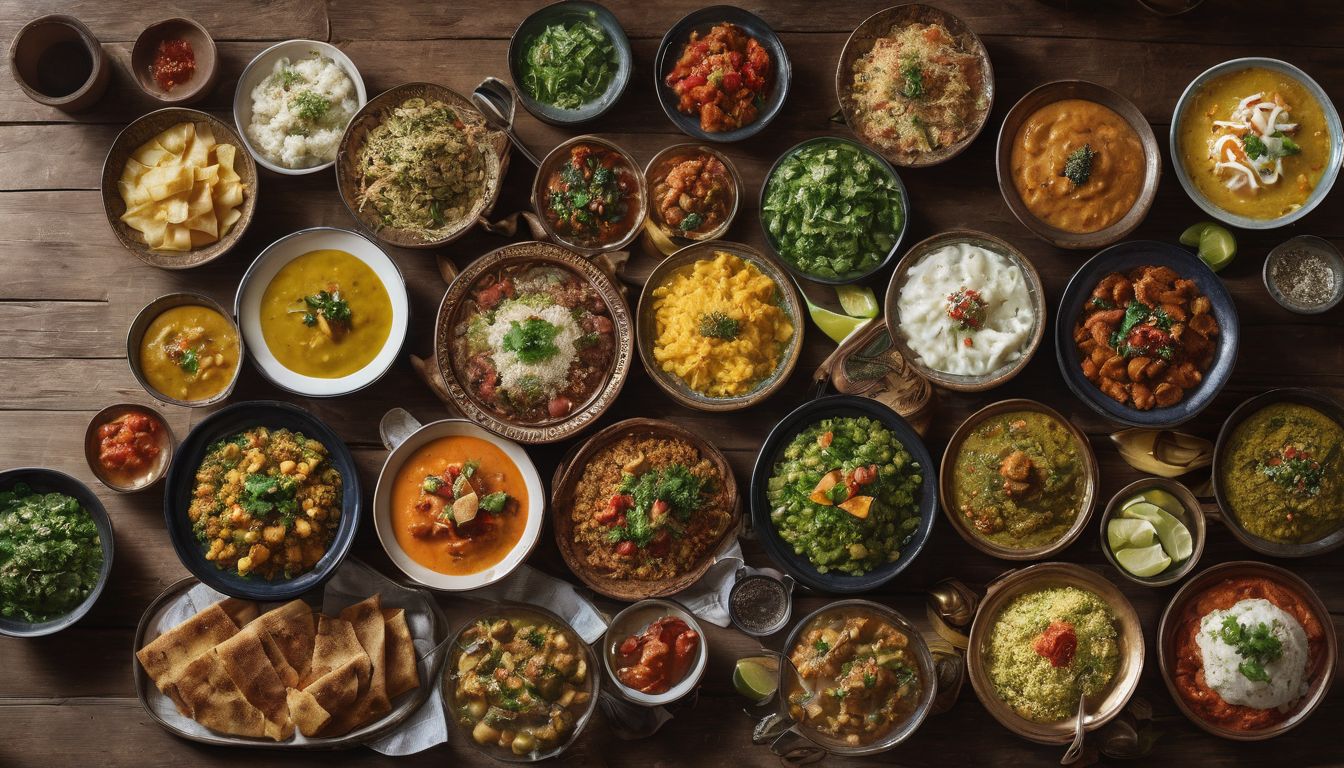
Egyptian cuisine boasts a rich tapestry of flavours, colours, and textures, drawing inspiration from Mediterranean, Middle Eastern, and North African influences. Dive into Egyptian side dishes, where Koshari, a hearty blend of rice, lentils, pasta, chickpeas, and fried onions swimming in tomato and cumin sauce, reigns supreme. Ful medames, a creamy spread of mashed fava beans, offers a delightful breakfast or side dish, often dressed with olive oil, tomatoes, onions, and parsley. Alongside Hummus, the classic chickpea, Tahini, and olive oil dip, and its smoky cousin Baba Ghanoush, featuring roasted eggplant, these dishes provide a symphony of textures and flavours.
Don’t miss the crispy Falafel, deep-fried balls of Fava beans and herbs, or the aromatic Molokhia, a green leafy vegetable stew served alongside fluffy rice. For an exceptional treat, explore the world of Mahshi, a selection of stuffed vegetables like grape leaves, peppers, and zucchini, bursting with savoury rice and meat or vegetable fillings, often accompanied by a cooling yoghurt sauce.
All these Egyptian side dishes make Egyptian cuisine rich and full of flavour. We will explore multiple side dishes, their importance in Egyptian food culture and how to make them at home.
The Tastiest Egyptian Side Dishes You Can Make
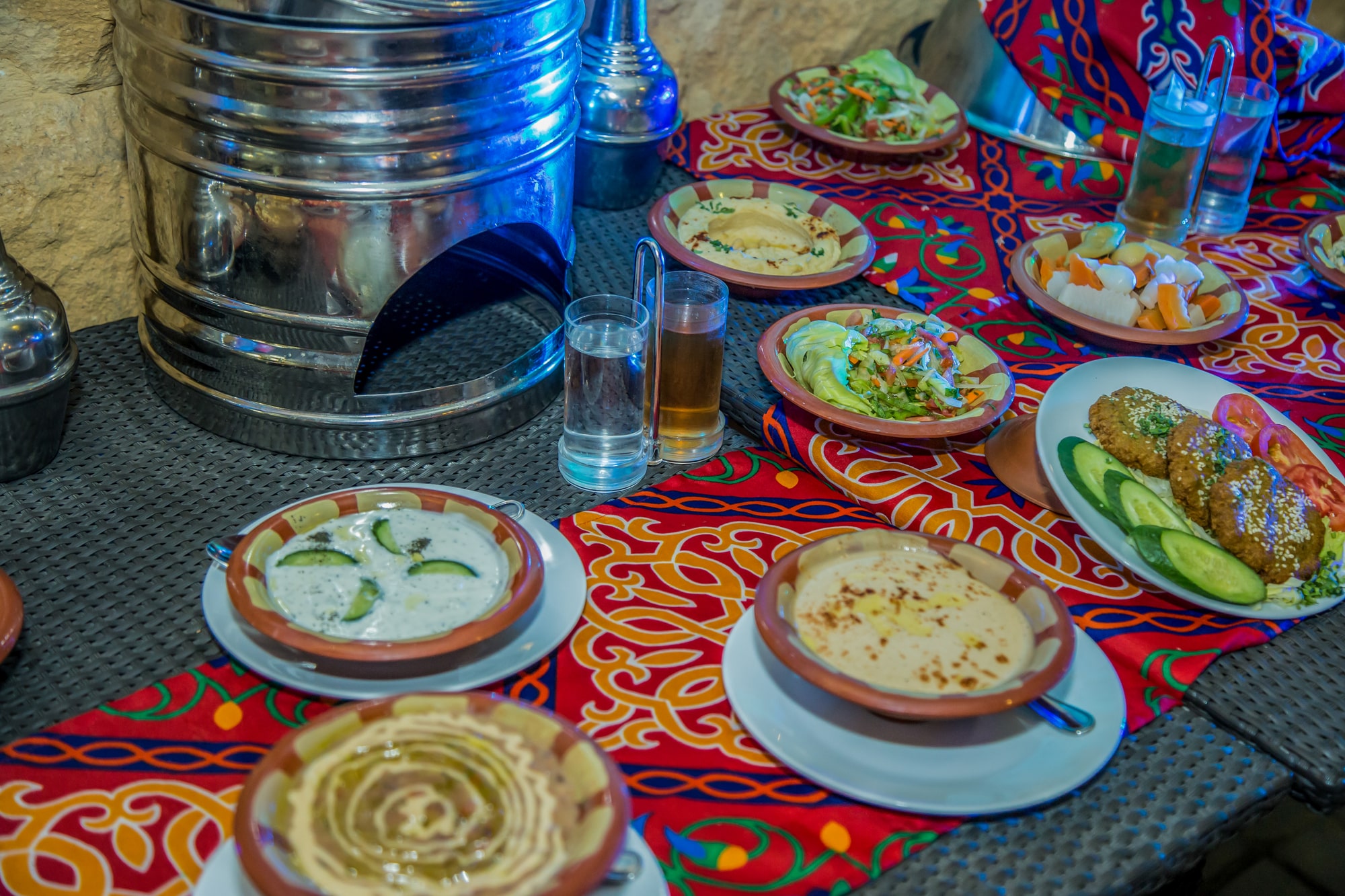
Egyptians love food, and they love to cook. They’re very creative with their cuisine and protective of their heritage and culture, even in the kitchen! Whether you eat at Egyptian restaurants or have the pleasure of being invited to dinner at an Egyptian household, there are always some main side dishes that you will find on the dining table!
Today, we will introduce you to some of the mouthwatering Egyptian side dishes that every dining table must include. We hope you’re hungry because we’re about to go on a culinary adventure!
Koshari: Egypt’s Beloved National Dish
Koshari is a beloved Egyptian dish. Its origins may go all the way to India, but Egyptians have adopted the dish and made it their own, going as far as calling it the National Dish of Egypt!
You can find Koshari being sold on almost every street in Egypt. It’s a trendy street food that you can buy ready to eat. From small local restaurants to big Egyptian franchises, Koshari is everywhere! Koshari is made of various ingredients mixed in one plate. Rice, pasta, lentils, chickpeas, and crispy fried onions are the main components of the dish, with added tomato sauce, hot sauce, and dukkah (a zesty dressing made of lemon, garlic and spices).
Koshari is a vegan meal that has made its way worldwide in recent years. More and more people worldwide have been introduced to Koshari as it’s a fulfilling meal that is easy and cheap to make at home. It can be a great side dish to your main meal or even THE main one!
Egyptian Lentil Soup: For Cold Winter Nights
Yes, it gets cold in Egypt during winter. When December hits and the weather gets chilly, only one Egyptian side dish can save you: Egyptian Lentil Soup! This creamy and spicy soup will warm your body and heart and complement any dish you’re having, ideally.
Egyptian Lentil Soup, or Shorbet Ads in Arabic, is a much-loved dish in Egypt and other Arab countries. This soup comes from red lentils that cook fast. It’s creamy but has no dairy in it at all! Egyptians love this soup because it has plant protein, making it very good for your health! You can make this tasty soup on the stovetop or put everything into an Instant Pot, and you have the most delicious Egyptian side dish!
Ful Medames: The King of Breakfast
Ful Medames is probably the most popular dish in Egypt (even slightly more than Koshari!). Why? Because it’s the main side dish in any Egyptian breakfast. It does not matter where you are in Egypt, your social status, or your financial means; Ful Medames is breakfast, and breakfast is Ful Medames!
Ful Medames is made of Fava beans, lemon zest, olive oil and spices. Tahina (aka Tahini) is also an option addition to the dish but a tasty one. Most Egyptian side dishes for breakfast are more or less made of Fava beans. That includes Ful, Felafel, Besara and more. Egyptians know how to make the best out of those beans!
Ful Medames can also be considered a street food in Egypt. Even though many people make it at home from scratch, most Egyptians prefer to get their Ful from street carts or local breakfast places. Ful can be served on a plate with a side of Baladi Bread, or it can be made a sandwich for the go. Whatever way you decide to eat your Ful Medames, the taste will be just as good!
Hummus: The Middle East’s No.1 Dip
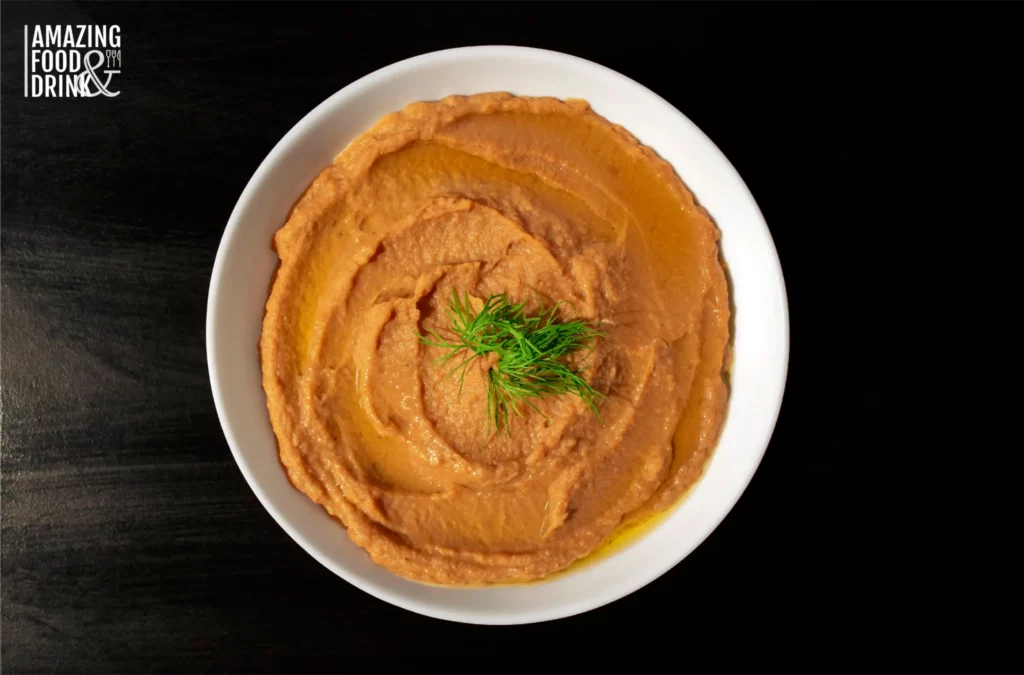
Hummus is a much-loved dish from the heart of Middle Eastern cuisine. This creamy chickpea dip is famous in almost every Middle Eastern country, from Egypt to Lebanon to Syria. Chickpeas are part of many Egyptian dishes, and using them to make a creamy, tasty dip is only natural.
From food carts in busy Cairo streets to high-end restaurants, Hummus is served with every meal in Egypt. This vegan-friendly side dish gets rich flavour from blending cooked and mashed chickpeas with tangy tahini sauce, fresh lemon juice, and other tasty ingredients. Its history spans back to ancient times when versions of it were made using local herbs instead of Tahini.
Every bite carries traditional Mediterranean flavours that transport you straight to Egypt itself! Whether you dip veggies in your Hummus, use pita bread to scoop every last bit, or just go straight in with your spoon (we’re not judging!), Hummus is a beautiful Egyptian side dish that every dining table needs.
Egyptian Salad with Mashed Potato: The Perfect Side Dishes
Egyptian Salad is a green salad made with local veggies such as tomatoes, cucumbers, carrots, lettuce and lemon juice. With creamy mashed potatoes, Egyptian Salad is served alongside any Egyptian dish you can think of, but most importantly, with Kebab.
Whether you’re eating at home or a restaurant in Egypt, a side of Egyptian Green Salad will always be served to you. Eating with your steaming hot Kebab and Kofta is a refreshing side dish. The side of mashed potatoes also adds more veggies to your meal and a much creamier feel.
Kibda and French Fries: Alexandrian Mastery
Kibda (Egyptian Liver dish) and French Fries are popular street foods in Egypt, particularly in Alexandria. The liver sauce is fried beef liver seasoned with cardamom, cumin, chilli peppers, and garlic. It is known as “Liver, Alexandrian style” and is enjoyed throughout Egypt. French fries are often served as a side dish with authentic Egyptian meals. These dishes showcase Egyptian cuisine’s diversity and rich history, which neighbouring culinary traditions have influenced for over 3,000 years.
Kibda is also served as sandwiches on street carts all over Egypt. The sandwiches are usually small, so most people would order five or so sandwiches to get full! Don’t worry; they’re not expensive and are served with pickles and french fries. Kibda is also very easy to make at home. It’s a delicious Egyptian side dish that is beloved all over the country.
Egyptian Hawawshi: A Hearty Sandwich
Hawawshi is a traditional Egyptian dish that both locals and tourists love. It is made with pita bread stuffed with minced meat and spices. The minced meat used in Hawawshi is usually ground beef seasoned with onions, garlic, hot peppers, and mint. This delicious dish is often baked and resembles a burger inside a pita bread. It is commonly enjoyed as a side dish in Egyptian cuisine, especially when paired with Kamounia, a savoury beef stew.
Hawawshi can be found all over Egypt and is a must-try for anyone visiting the country. It’s also another addition to Egypt’s collection of street food. In Alexandria, you can make your ground meat mix at home and then go to the local Hawawshi baker, where you can add the mix to freshly made bread and get it toasted in a traditional stone oven!
Mahshi: Rice Stuffed Veggies
httpss://www.youtube.com/watch?v=pLrx-Ewrs_k
Middle Easterners love to stuff things, whether vine leaves or pigeons; using a rice mix as stuffing is a traditional cooking skill in the Middle East, and Egypt is no different! Mahshi is a popular dish in Egypt. It is a classic and authentic Egyptian recipe that consists of vegetables stuffed with ground beef and rice. The word is cooked in a flavorful tomato and cumin sauce. Mahshi can be served as a main dish or as a side dish. It is known for its fragrant and spiced flavours.
Some of the most popular veggies used in making Mahshi are courgettes, bell peppers, aubergine, and sometimes potatoes and tomatoes. These already favourable veggies taste better when stuffed with the spicy mix of Egyptian rice and ground beef. Mahshi is a hearty dish made with so much love from Egyptian mothers.
Egyptian Garlic Yoghurt Cucumber Salad
While having all those hearty dishes on your dining table, you also need something light and refreshing to eat. That Egyptian side dish will be a garlic yoghurt cucumber salad! This light Salad (or dip) is zesty, sweet, and best served cold. It’s a great side dish when eating meat or anything heavy.
httpss://www.youtube.com/watch?v=BrvU3PXljHg
In conclusion, Egyptian side dishes offer a delicious and diverse range of flavours that reflect the country’s rich culinary heritage. While some side dishes are more popular than others (especially outside Egypt), they’re all equally delicious and serve their role on the dining table. So next time you cook a hearty Egyptian dinner for your family or friends, check out these side dishes and serve a couple to add to the wow factor!
FAQs
What are some traditional Egyptian dishes?
Koshari, Mahshi, and Fattah are some of the most popular traditional Egyptian dishes. While some consider Koshari a street food, Mashi is a hearty homemade dish that is the speciality of every true Egyptian mother! Fattah is a rice and toasted bread dish topped with tomato sauce that is usually served during Eid and special occasions.
How can I make falafel at home?
To make falafel at home, mix fava beans (for Egyptian falafel) or chickpeas (for Middle Eastern falafel) with herbs and spices in a food processor, form the mixture into balls or patties, then deep fry or bake until crispy.
What is baba ganoush made of?
Baba Ganoush is made from roasted eggplant blended with tahini (sesame paste), garlic, lemon juice, and olive oil. You can also add cumin, mint, parsley, red pepper flakes, and red onion as optional ingredients.
Is Tabbouleh a healthy side dish?
Tabbouleh, a refreshing and flavorful vegetarian dish made with parsley, mint, tomatoes, and bulgur wheat, is a healthy side dish. It’s low in calories and fat, high in fibre, vitamins, and minerals, and loaded with antioxidants. Enjoy it as a side dish, salad, or dip!


 Esraa Ali
  Salma Ihab