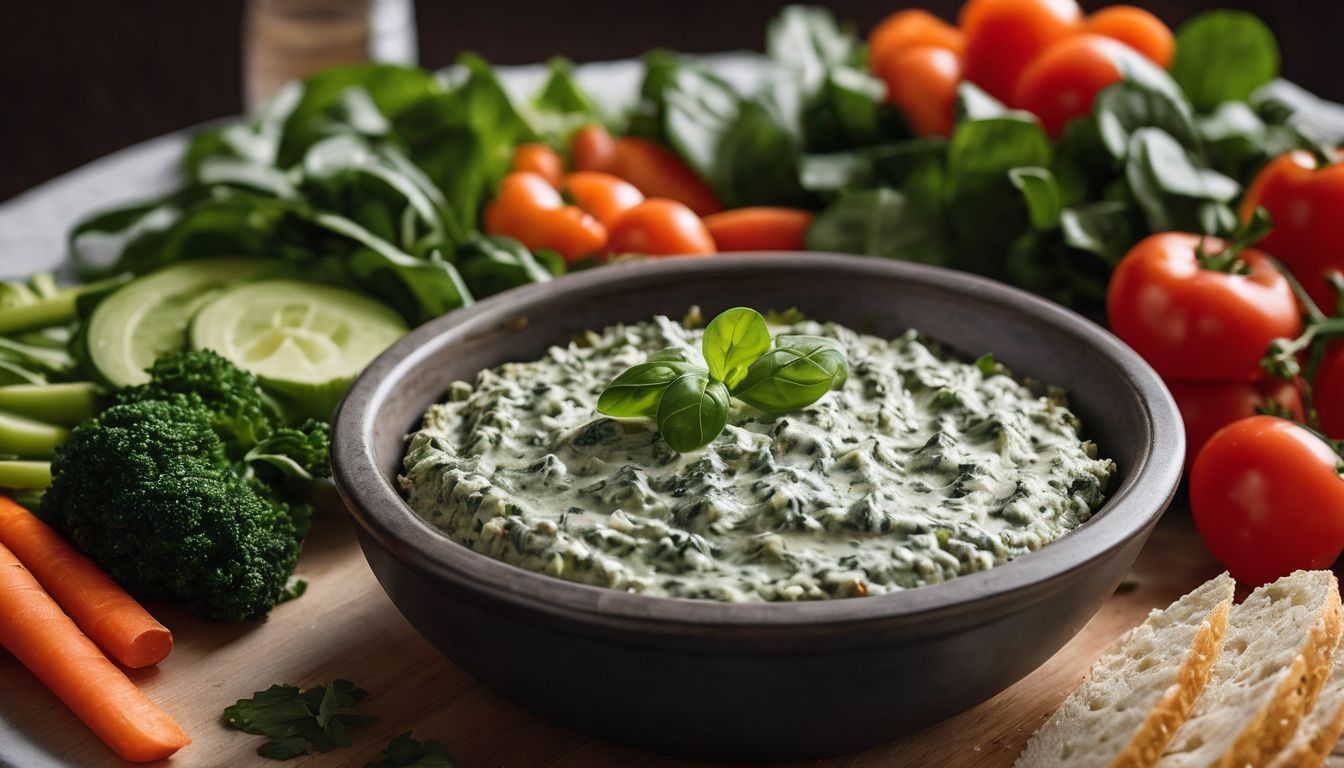
When making delicious Taco Bell quesadilla sauce at home, the sauce is the key ingredient that adds flavour and enhances the overall experience. This article will explore the art of creating the perfect Taco Bell quesadilla sauce from scratch, along with some exciting variations and tips for a memorable dining experience.
Taco Bell quesadilla sauce is a creamy, tangy, and slightly spicy sauce that is used to dip quesadillas and other menu items. It is made with mayonnaise, sour cream, pickled jalapeños, pickled jalapeño juice, chilli powder, cumin, garlic powder, onion powder, and paprika. The sauce is typically served on the side, but you can also ask for it to be added to your quesadilla.
How to Make Taco Bell Quesadilla Sauce
Creating the perfect Taco Bell quesadilla sauce begins with understanding the key ingredients and the steps involved in bringing them together to achieve that signature flavour. Let’s dive into the details of crafting this delicious sauce that can elevate your quesadilla game.
The classic Taco Bell quesadilla sauce is a creamy, slightly spicy, and slightly tangy sauce that pairs perfectly with the cheesy goodness of the quesadilla. To recreate this iconic sauce at home, start by gathering the following:
Ingredients
1/2 cup mayonnaise
2 tablespoons pickled jalapeno juice
1 teaspoon cumin
1 teaspoon paprika
1/2 teaspoon garlic powder
1/2 teaspoon onion powder
1/4 teaspoon cayenne pepper (adjust to taste)
Salt to taste
Directions
To make the sauce, mix all the ingredients in a bowl until well combined. Adjust the seasonings to your preference, adding more spice or tanginess as desired. You can also add a splash of lime juice for an extra kick of flavour.
If you’re looking to change things up, there are plenty of variations you can try to customise the sauce to your liking. For example, you can add some chopped chipotle peppers in adobo sauce for a smoky, spicy twist. Alternatively, you can mix in some chopped fresh cilantro for freshness and herbaceous flavour.
When assembling your quesadillas, don’t forget to slather a generous amount of the sauce onto the tortillas before adding the cheese and other fillings. This will ensure that every bite is packed with flavour. For an even more authentic Taco Bell experience, consider grilling your quesadillas instead of simply frying them. This will give the outside of the quesadilla a nice char and add an extra layer of texture and flavour.
With these tips and recipes in mind, you can easily recreate the magic of Taco Bell quesadillas in the comfort of your own kitchen. Whether you stick to the classic sauce or get creative with your own variations, the key is to have fun and experiment until you find the perfect combination of flavours for your taste buds. Enjoy!
Older Versions of Taco BellQuesadilla Sauce
In the early 2000s, Taco Bell began to use the sauce exclusively on quesadillas, and it became known as “quesadilla sauce.” The sauce is made with mayonnaise, sour cream, jalapeños, and a variety of spices, including chilli powder, cumin, garlic powder, onion powder, and paprika.
The sauce is a key ingredient in Taco Bell’s signature quesadillas, made with two flour tortillas filled with cheese and grilled until the cheese is melted and the tortillas are golden brown. The sauce is added to the quesadillas after they are grilled, and it adds a creamy, spicy flavour that is popular with Taco Bell customers.
The quesadilla sauce is a versatile ingredient that can also be used on a variety of other foods, such as burritos, tacos, and nachos. It can also be used as a dip for chips or vegetables. The sauce is a popular ingredient among Taco Bell customers, and it has been featured in some Taco Bell advertising campaigns. The sauce is also available for purchase at some grocery stores.
Ingredients for Classic Taco Bell Quesadilla Sauce Recipe
To make the perfect Taco Bell quesadilla sauce, you will need some essential ingredients, such as sour cream, jalapeños, and pickled jalapenos. These ingredients combine to create a creamy and flavourful sauce synonymous with the Taco Bell experience.
Steps to Make Classic Taco Bell Quesadilla Sauce
Making the copycat Taco Bell quesadilla sauce involves blending the ingredients in a specific way to ensure that the sauce is creamy and the flavours are well-balanced. By following a set of simple steps, you can recreate the magic of Taco Bell quesadilla sauce in your own kitchen.
Storing Homemade Quesadilla Sauce
Once you’ve prepared the homemade quesadilla sauce, you must know the best storage practices to maintain its freshness and flavour. Proper storage techniques will ensure you have a supply of delicious Taco Bell quesadilla sauce ready whenever the craving strikes.
Here are some tips for storing homemade quesadilla sauce:
Use airtight containers: Transfer the sauce to a clean, airtight container before storing it in the refrigerator. This will help prevent the sauce from absorbing any odours or flavours from other foods in the fridge.
Label the container: Be sure to label the container with the date of preparation so you can keep track of its freshness and know when it’s time to use it.
Store in the refrigerator: Homemade quesadilla sauce should be stored in the fridge to maintain its freshness. It can typically last for 1-2 weeks when stored properly.
Use the proper temperature: Keep the sauce stored at a consistent temperature of 40°F or below to ensure it stays fresh and safe to eat.
Check for signs of spoilage: Before using the sauce, always check for any signs of spoilage, such as an off smell, mould, or discolouration. If the sauce appears to have gone bad, it’s best to discard it to avoid any potential health risks.
By following these storage tips, you can ensure that your homemade quesadilla sauce stays fresh and flavourful for as long as possible. Enjoy your delicious sauce in your favourite quesadilla recipes!
Copycat Recipe for Creamy Jalapeno Sauce
httpss://www.youtube.com/watch?v=QmtCQzb4xU0
In addition to the classic Taco Bell quesadilla sauce, other exciting variations, such as the creamy jalapeno sauce, can add a new dimension to your quesadilla experience. Let’s explore the process of making this delectable sauce at home.
Making Creamy Jalapeno Sauce at Home
The creamy jalapeno sauce requires unique ingredients, including sour cream, jalapenos, and other flavourful components. Understanding the assembly of these ingredients is crucial to achieving the desired creamy texture and spicy kick that characterises this sauce.
Ingredients for Creamy Jalapeno Sauce
Similar to the Taco Bell quesadilla sauce, the ingredients for the creamy jalapeno sauce play a vital role in determining its taste and texture. You can recreate this beloved sauce at home by carefully selecting and combining the necessary components.
Ways to Use Creamy Jalapeno Sauce
Once you’ve mastered the art of making the creamy jalapeno sauce, it’s time to explore how you can incorporate this flavourful creation into your culinary adventures. From enhancing quesadillas to using it as a dipping sauce, there are numerous ways to showcase the versatility of this sauce.
Taco Bell Quesadilla Varieties
While the sauce is a crucial component of the Taco Bell quesadilla, it’s also interesting to delve into the different varieties of quesadillas offered by Taco Bell. Understanding the diverse options available can inspire new ideas for using the sauce and elevating the overall quesadilla experience.
Exploring Different Types of Taco Bell Quesadillas
From chicken quesadillas to steak quesadillas, Taco Bell offers a wide range of options for quesadilla enthusiasts. Each variety presents unique opportunities for pairing with the perfect sauce, creating a delightful fusion of flavours and textures.
The chicken quesadilla pairs perfectly with a classic sour cream or avocado ranch sauce for those who prefer a milder, creamy sauce. The richness of these sauces complements the tender chicken and melted cheese, creating a comforting and satisfying bite.
On the other hand, the steak quesadilla lends itself well to a bolder and spicier sauce. A chipotle or habanero sauce adds a kick of heat that complements the steak’s savoury, slightly charred flavours, creating a dynamic and delicious combination. For those who crave a burst of freshness, both varieties of quesadillas are delicious when paired with a pico de gallo or salsa verde. These sauces’ bright, tangy flavours cut through the richness of the cheese and meat, creating a refreshing and vibrant contrast.
Adding Sauce to Chicken Quesadillas
One of the most popular quesadilla choices is the chicken quesadilla, and adding the right sauce can take this dish to new heights. Understanding the interplay of flavours between the sauce and the ingredients in the chicken quesadilla is essential for an exceptional dining experience.
No matter what your preference, there’s a perfect sauce to enhance the delicious flavours of Taco Bell’s quesadillas. Whether you’re a chicken, steak, or veggie quesadilla fan, exploring different sauce pairings can take your dining experience to the next level. So, next time you’re at Taco Bell, don’t hesitate to get creative with your sauce choices and savour the incredible fusion of flavours in every bite.
Enhancing Taco Bell Quesadillas with Dipping Sauce
In addition to incorporating the sauce into the quesadilla itself, using it as a dipping sauce can amplify the enjoyment of Taco Bell quesadillas. Exploring how the sauce can be utilised as a dip opens up a world of possibilities for savouring these delectable treats.
Adding Flavour to Quesadillas
Aside from the signature Taco Bell quesadilla sauce, some other ingredients and spices can enhance quesadillas’ flavours. Let’s explore some of these elements and their potential in elevating the overall taste experience.
Understanding How Pickled Jalapenos Can Enhance Quesadillas
Pickled jalapenos are a popular ingredient in various Mexican dishes, and their inclusion in quesadillas can bring a delightful level of heat and tanginess. Incorporating pickled jalapenos into your quesadilla creation can result in an exciting and satisfying flavour profile. To integrate pickled jalapenos in your quesadilla, start by gathering your ingredients: tortillas, cheese (such as cheddar, Monterey Jack, or a Mexican blend), cooked protein (such as chicken, beef, or beans), and of course, pickled jalapenos.
First, lay a tortilla flat on a clean surface and sprinkle a layer of cheese on one half of the tortilla. Then, add your desired cooked protein on top of the cheese and sprinkle pickled jalapenos on top. Next, fold the empty half of the tortilla over the filling to create a half-moon shape. Press down gently to ensure the filling stays in place.
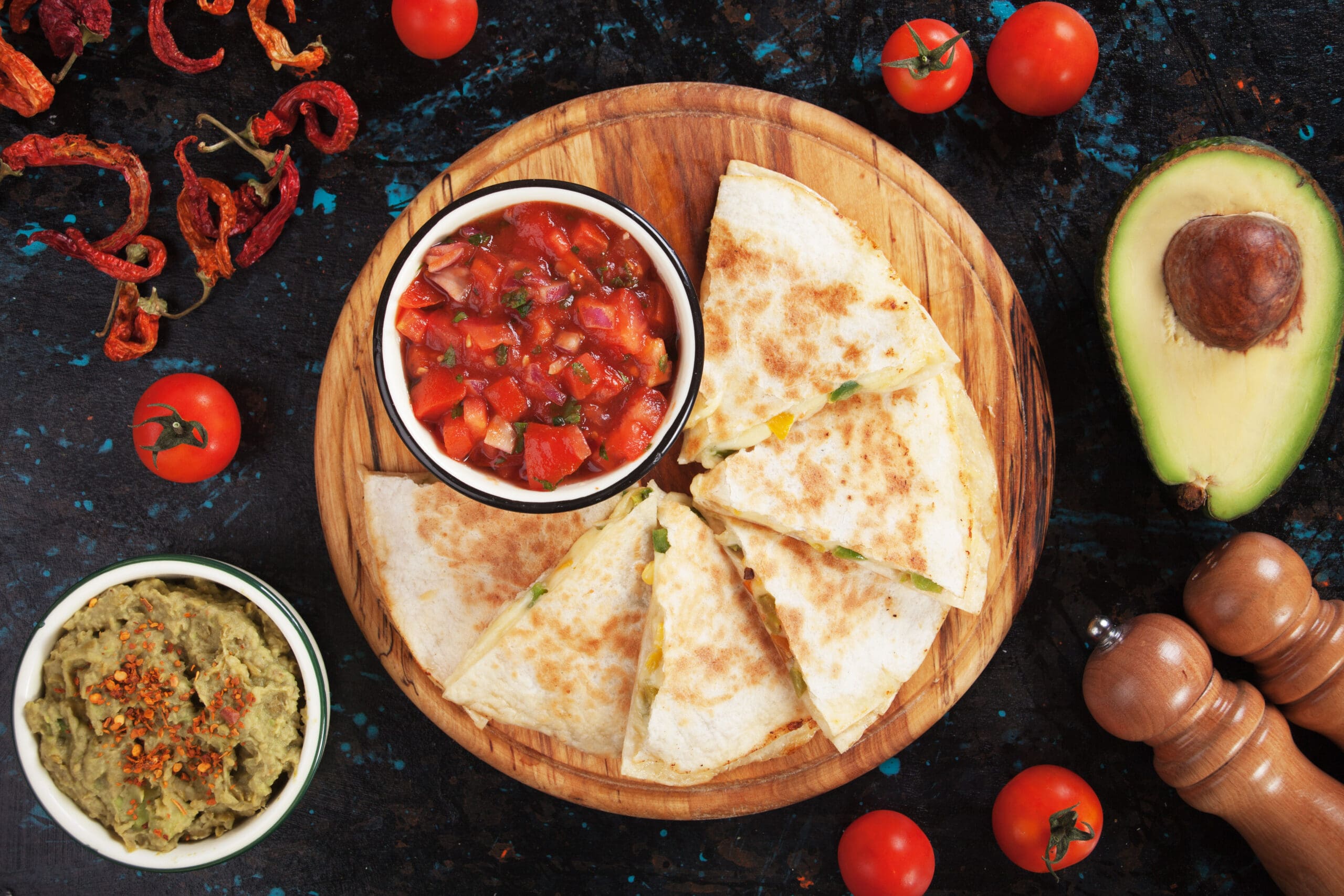
Then, heat a skillet over medium heat and place the quesadilla in the skillet. Cook for a few minutes on each side or until the tortilla is golden brown and the cheese is melted. Once cooked, carefully remove the quesadilla from the skillet and let it cool for a minute before cutting it into wedges. Serve your pickled jalapeno quesadilla with your favourite toppings, such as sour cream, salsa, guacamole, and fresh cilantro.
Using Chipotle Sauce for Taco Bell Quesadillas
Chipotle sauce adds a unique smoky and spicy flavour to dishes, and when paired with Taco Bell quesadillas, it creates a fusion of tastes that are sure to impress. Exploring the nuances of chipotle sauce and its impact on the overall flavour of quesadillas is an exciting culinary journey.
The pickled jalapenos will add a spicy, tangy kick to the quesadilla, complementing the creamy cheese and savoury protein. They will elevate the dish’s flavour and add a unique element that will delight your taste buds. Experiment with different amounts of pickled jalapenos to find the perfect heat level for your preference, and enjoy the bold and flavourful addition they bring to your quesadilla.
Creating Tasty Taco Bell Quesadillas with Creamy Chipotle Sauce
Combining the creaminess of the Taco Bell quesadilla sauce with the smoky kick of chipotle sauce can result in a tantalising flavour combination. Understanding the balance between these two sauces is essential for creating a memorable and satisfying quesadilla experience.
The creaminess of the quesadilla sauce provides a smooth and rich base, while the chipotle sauce adds a bold and smoky flavour with a hint of heat. Mix the two spices in a 1:1 ratio to achieve the perfect balance and adjust according to your preference.
To make the combination even more exciting, add ingredients such as shredded chicken, diced bell peppers, and shredded cheese before grilling the quesadilla to perfection. The flavours of the combined sauces will complement the other ingredients and elevate the dish’s overall taste.
Whether making a quesadilla at home or ordering one from your favourite Mexican restaurant, don’t be afraid to experiment with different sauce combinations to find your perfect match. With the right balance of creaminess and smoky kick, your quesadilla will be a hit with your taste buds and leave you wanting more.
Tips for Easy and Delicious Quesadillas
Mastering the perfect quesadilla at home requires attention to detail and understanding the key elements contributing to its success. Let’s explore some essential tips to elevate your quesadilla-making skills and ensure a delightful dining experience.
Choosing the Right Tortilla for Quesadillas
The type of tortilla used in quesadillas plays a crucial role in determining the texture and overall experience of the dish. Understanding the different options available and selecting the right tortilla for your quesadilla creations is an essential step towards achieving success.
Enhancing Taste with the Right Quesadilla Sauce
As highlighted throughout this article, the choice of quesadilla sauce can greatly impact the overall flavour profile of the dish. Paying attention to the selection and preparation of the sauce is vital for ensuring that every bite is delicious.
Creating a Perfect Taco Bell Quesadilla at Home
Bringing together all the knowledge and tips accumulated, creating a perfect Taco Bell quesadilla at home becomes an achievable goal. From sauce selection to ingredient combination, every aspect contributes to crafting a quesadilla that rivals the flavours of your favourite Taco Bell offerings.
Start with the sauce: Taco Bell quesadillas are known for their creamy, spicy sauce. To replicate this at home, mix together equal parts of mayonnaise and sour cream and add a pinch of cayenne pepper, a squeeze of lime juice, and a dash of garlic salt. This will give you a flavourful, tangy sauce to spread on the quesadilla.
Choose your filling: The classic Taco Bell quesadilla is filled with seasoned grilled chicken, melted cheese, and a creamy jalapeno sauce. You can easily recreate this filling at home by marinating chicken breast in cumin, chilli powder, and garlic powder and then grilling it until cooked through. Shred the chicken and set aside. Next, shred some cheddar and Monterey Jack cheese to use as the melty, gooey filling for your quesadilla.
Assembly: Lay a large flour tortilla on a flat surface and spread a generous amount of the creamy sauce on one half of the tortilla. Top the sauce with the shredded chicken and a liberal amount of shredded cheese. Fold the other half of the tortilla over the filling to create a half-moon shape.
Cooking: Heat a non-stick skillet over medium heat and carefully transfer the assembled quesadilla to the skillet. Cook for 3-4 minutes on each side or until the tortilla becomes golden brown and crispy and the cheese is melted.
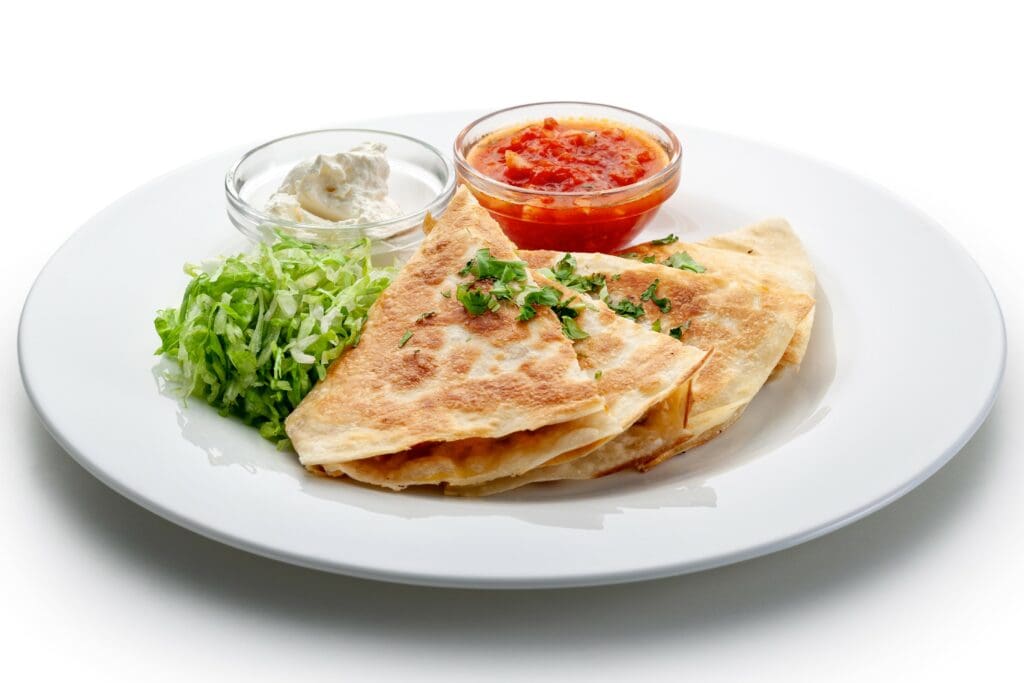
Serve: Once the quesadilla is cooked, carefully transfer it to a cutting board and use a sharp knife to cut it into wedges. Serve the quesadilla with additional creamy sauce for dipping, and enjoy your homemade Taco Bell-inspired quesadilla!
By following these tips and using high-quality ingredients, you can easily recreate the flavours of a Taco Bell quesadilla at home. Experiment with different fillings and sauces to create your own unique spin on this classic dish, and impress your friends and family with your homemade Taco Bell-style quesadillas.



 Salma Ihab