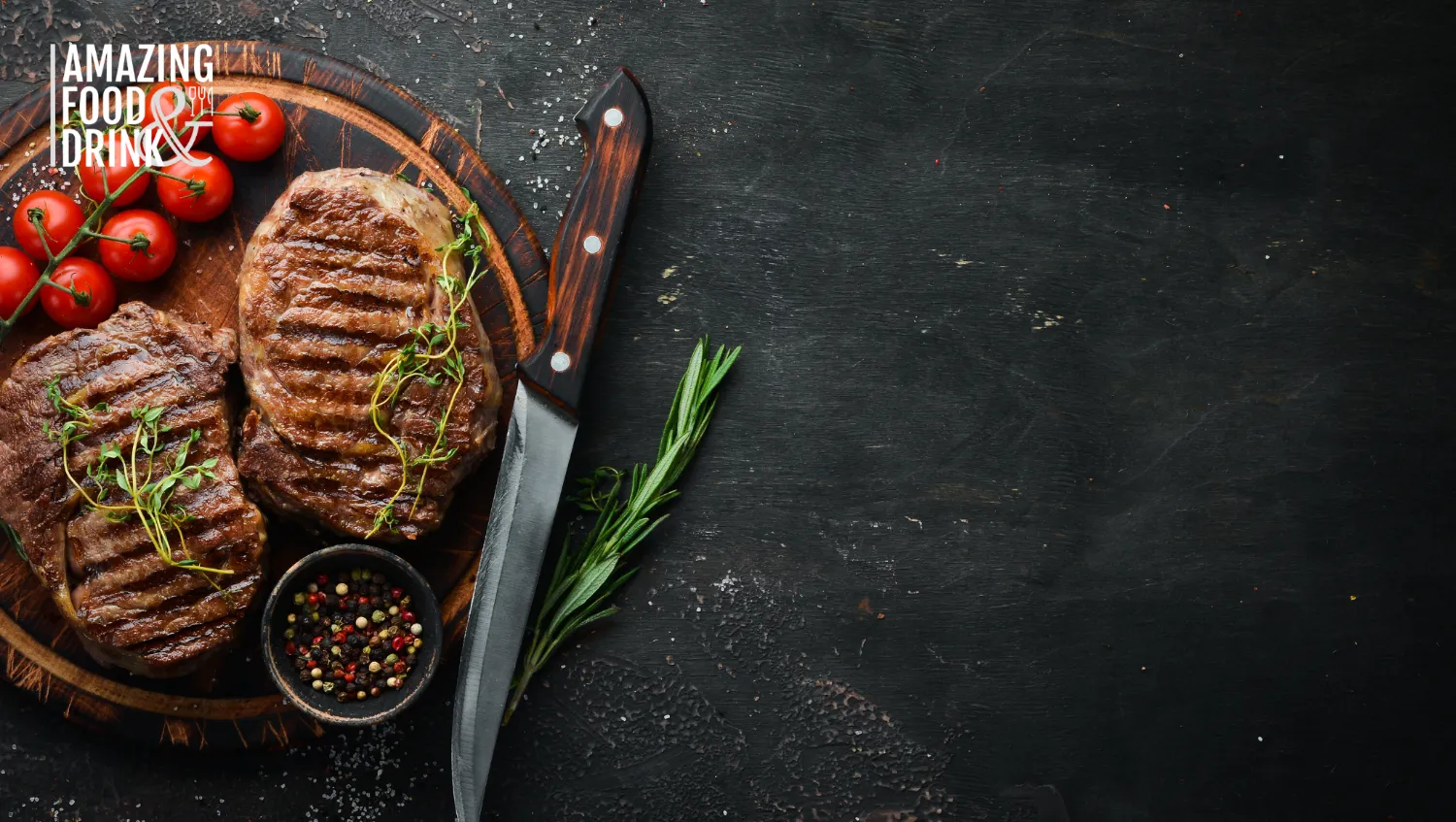
Ribeye Steak Recipes

The Ultimate Ribeye Steak Recipes Guide: From Perfect Sear to Global Flavours

Author Avatar

Updated on November 13, 2025

Reviewed by Salma Ihab

For many home cooks and food enthusiasts searching for the best ribeye steak recipes, the ribeye isn’t just a cut of beef; it’s an experience. With its generous marbling, rich flavour, and tender texture, it stands as a testament to culinary pleasure, a centrepiece for celebrations, and a comforting classic for weeknight meals. Renowned for its exceptional flavour, tenderness, and marbling, the ribeye holds a special place in the hearts of steak enthusiasts worldwide. In the world of beef cuts, the ribeye represents the harmonious marriage of rich textures and savoury notes.

But achieving that perfect, crusty sear and juicy, flavourful interior can feel daunting, often reserved for steakhouse chefs. Beyond the fundamental techniques, we’ll embark on a delicious exploration around the world, discovering how different cultures celebrate this magnificent cut. From the fiery parrillas of Argentina to the umami-rich kitchens of Japan and the zesty, comforting tables of the Philippines, our ribeye steak recipes showcase the cut’s versatility.

We’ll equip you with the knowledge to select the finest cut, master essential cooking methods, and infuse your ribeye with global inspirations, all whilst catering to diverse dietary needs. Prepare to transform your kitchen into a global steakhouse, delivering an authentic and unforgettable ribeye experience with these tested recipes.

Understanding Ribeye Excellence

Ribeye Steak Recipes

The path to the perfect ribeye begins long before it hits the pan or grill. It starts with understanding what exactly makes this particular cut so revered among chefs and home cooks alike. Often considered the king of steaks, the ribeye’s allure lies in its unique composition, a symphony of muscle, fat, and flavour that sets it apart from its leaner counterparts.

Is Ribeye a Good Cut of Steak?

Absolutely! Ribeye is often praised for its rich flavour and tenderness due to its generous marbling. The interplay of fat and meat creates a juicy and flavourful steak. If you enjoy a good balance of fat and meat, ribeye is definitely a great choice. Many professional chefs consider it the most flavourful cut available, and for good reason, the marbling doesn’t just add richness, it ensures the steak remains moist throughout cooking.

Which Part of the Cow Is Ribeye?

The ribeye is specifically cut from the rib primal, which is located between the chuck (shoulder) and the loin. This section of the animal does relatively little work, resulting in exceptionally tender meat. The ribeye is known for its well-marbled texture, contributing to its tenderness and rich flavour. This positioning also means the meat benefits from the protective layer of fat that runs along the rib section.

Anatomy of Flavour: The Marbling, Fat Cap, and Ribeye Cap

Understanding the physical structure of your ribeye helps you appreciate why this cut commands premium prices and delivers exceptional results.

A ribeye steak is distinguished by its incredible marbling, those exquisite flecks and streaks of intramuscular fat woven throughout the lean muscle. This marbling is crucial; as the steak cooks, this fat renders, basting the meat from within, imbuing it with unparalleled moisture, tenderness, and that signature buttery, beefy flavour.

But the ribeye offers even more. You’ll often find a distinct “fat cap” along one edge, which protects the meat during cooking and adds to the overall richness. Perhaps the most prized part for many is the “ribeye cap” or Spinalis dorsi, a separate muscle that runs along the top. This section is exceptionally tender and flavourful, often described as the most delicious part of the steak by culinary professionals.

Why Is It Called Ribeye?

The name “ribeye” comes from its location on the cow. It is cut from the rib section, known as the rib primal. The “eye” in ribeye refers to the circular, more tender portion of the muscle surrounded by a layer of fat. The marbling of fat within the meat is a key factor in the ribeye’s rich flavour and tenderness. So, the name reflects its anatomical origin and distinctive characteristics.

Bone-In vs. Boneless: A Culinary Debate

One of your first decisions at the butcher counter will be choosing between bone-in and boneless ribeye. Both options deliver exceptional results, though each brings unique advantages.

When selecting your ribeye, one of the first decisions you’ll face is bone-in or boneless. Both have their merits, and the choice often comes down to personal preference and cooking method.

Bone-In Ribeye: Many culinary purists argue that cooking with the bone in enhances flavour. Whilst the bone itself doesn’t transfer much flavour to the meat during typical cooking times, it acts as an insulator, slowing heat transfer and potentially leading to a more evenly cooked steak. It also provides a stunning presentation, especially for larger cuts. The downside? It takes longer to cook, and carving can be a bit more challenging.

Boneless Ribeye: This is the more common and convenient choice. It cooks faster and more evenly than its bone-in counterpart, making it ideal for quick pan-searing or grilling. Carving is a breeze, ensuring every slice is pure, tender meat.

Ultimately, both yield fantastic results, but for a truly show-stopping presentation and that slight extra richness, many chefs lean towards bone-in.

Dry-Aged vs. Wet-Aged: Unpacking the Differences

The ageing process dramatically transforms ribeye’s flavour profile and texture, with two distinct methods dominating the market.

The ageing process significantly impacts a ribeye’s flavour and texture.

Dry-Aged: This traditional method involves hanging primal cuts of beef in a carefully controlled environment (with precise temperature, humidity, and airflow) for several weeks. During this time, enzymes naturally break down muscle fibres, tenderising the meat, whilst moisture evaporates, concentrating the beefy flavour into a richer, nuttier, almost cheese-like intensity. Dry-aged ribeye is typically more expensive and found at specialist butchers.

Wet-Aged: The more common method, wet-ageing, involves sealing beef in a vacuum-packed bag, allowing it to age in its own juices. This process tenderises the meat while retaining moisture, resulting in a fresher, slightly less intense beef flavour compared to dry-aged beef. Most supermarket and online steaks are wet-aged.

When testing both methods in our kitchens, we found that whilst dry-aged offers a unique depth, a well-cooked wet-aged ribeye is still a sublime experience, and far more accessible for the average home cook.

Why Is Ribeye So Expensive?

Several factors contribute to the relatively higher cost of ribeye compared to other cuts of beef:

  • Marbling: Ribeye is known for its abundant marbling, those thin streaks of fat throughout the meat. This marbling enhances the flavour and tenderness of the steak, but it also increases its price.
  • Tenderness: The ribeye is naturally a more tender cut due to the location on the cow and the muscle’s limited use. Tender cuts often command higher prices.
  • Demand: Ribeye is a highly sought-after cut, and its high demand can drive up its price.
  • Limited Quantity: Each cow produces a limited quantity of ribeye steaks, especially the highly marbled ones. This limited supply can contribute to a higher price tag.
  • Quality: High-quality beef, especially that which is graded as Prime, will cost more. The grading is based on factors like marbling, tenderness, and flavour.

All these factors combine to make ribeye a premium cut of beef. But many steak enthusiasts find it worth the cost for its exceptional taste and tenderness.

Sourcing the Best: Quality Grades and Ethical Considerations

Selecting quality beef forms the foundation of an exceptional ribeye experience. Understanding grading systems and sourcing options ensures you bring home the best possible cut.

The quality of your ribeye forms the bedrock of a truly amazing meal. Here’s what to look for:

Quality Grades:

  • USDA (US): Prime (highest marbling, most tender), Choice (high quality, widely available), Select (least marbling, still good). For ribeye, aim for Prime or Choice if possible.
  • UK: Often graded by a butcher’s assessment of marbling and breed (e.g., Aberdeen Angus, Hereford). Look for bright red meat with extensive, even marbling.
  • Philippines: Quality can vary; look for reputable local butchers or speciality shops that highlight source and breed.

Ethical Sourcing: Consider looking for beef from grass-fed, pasture-raised, or ethically farmed sources. This not only supports sustainable practices but can also contribute to a better flavour profile. Building a relationship with a local butcher can be invaluable for selecting the perfect cut of meat. They can guide you on freshness, marbling, and even suggest specific preparations.

Amazing Food & Drink Tip: Don’t be afraid to ask your butcher about the origin and ageing process of the beef. A good butcher loves to talk about their craft!

Perfect Preparation Techniques

The foundation of a perfectly cooked ribeye begins well before the heat is applied. These essential preparation steps might seem simple, but they make a significant difference in achieving that restaurant-quality result at home.

Bringing Steak to Room Temperature

One of the most critical yet often overlooked steps in steak preparation is allowing your meat to reach room temperature before cooking.

Remove the ribeye from the refrigerator 30-60 minutes before cooking to allow it to come to room temperature. This helps ensure more even cooking throughout the steak. A cold steak placed directly on high heat will cook unevenly, with the exterior overdone before the centre reaches the desired temperature. When testing this technique repeatedly, we found that room-temperature steaks developed a better crust while maintaining a perfect interior.

The Perfect Seasoning: Salt, Pepper, and Beyond

Proper seasoning enhances rather than masks the ribeye’s natural beef flavour. Understanding when and how to season makes all the difference.

Keep it simple to let the natural flavours shine. At a minimum, rub the steak with:

  • Salt: Flaky sea salt or kosher salt works beautifully. Salt initially draws out moisture, but when applied 40 minutes before cooking, it reabsorbs, creating a dry surface that is perfect for searing.
  • Pepper: Freshly cracked black pepper adds aromatic heat. Avoid pre-ground pepper, which loses its essential oils.
  • Optional additions: Dried rosemary, thyme, garlic powder, or smoked paprika can add depth without overwhelming the beef’s natural flavour.

Season a thick cut, like a ribeye, generously; it can handle robust seasoning. The salt won’t just season the surface; it will enhance the meat’s natural salty-sweet umami character throughout.

Patting Dry: The Secret to a Superior Sear

Moisture on the surface of your steak is the enemy of that coveted caramelised crust. This simple step transforms your results.

Before cooking, pat the steak thoroughly dry with kitchen paper. Moisture is the enemy of a good sear. A dry surface allows the Maillard reaction, the chemical process that creates that delicious brown crust, to occur immediately upon contact with heat. Any surface moisture must evaporate first, which steams the meat instead of searing it, resulting in a grey, less flavourful exterior.

Equipment Essentials

Having the right tools makes cooking ribeye considerably easier and ensures consistent results every time.

For Pan-Searing:

  • Heavy-bottomed pan (cast iron or stainless steel)
  • Metal tongs (avoid forks, which pierce the meat)
  • Instant-read meat thermometer
  • Heat-resistant brush for basting

For Grilling:

  • Clean, well-oiled grill grates
  • Long-handled tongs
  • Instant-read thermometer
  • Grill brush

Universal:

  • Sharp carving knife
  • Cutting board with juice groove
  • Resting rack or plate

Ribeye Steak Recipes & Cooking Methods

Mastering multiple ribeye steak recipes gives you the flexibility to work with different equipment and achieve various flavour profiles. Each recipe brings unique advantages to your ribeye preparation, from classic techniques to innovative global flavours.

What is the Best Way to Cook a Ribeye Steak on the Grill?

Grilling a ribeye steak can be a delightful experience. Here’s our comprehensive guide for a delicious grilled ribeye:

  1. Preheat the Grill: Set the grill to high heat. For charcoal, wait until the coals are white-hot.
  2. Oil the Grates: To prevent sticking, brush the grill grates with oil using a folded paper towel held with tongs.
  3. Sear the Steak: Place the ribeye on the hot grill and cook each side for 1-2 minutes to lock in those flavorful juices, creating a nice crust on the outside.
  4. Lower the Heat: Reduce the temperature to medium-low or move the steak to a cooler part of the grill to finish cooking. This helps to avoid burning the exterior whilst ensuring the inside cooks properly.
  5. Cook to Desired Doneness: Use a meat thermometer to check the internal temperature. For medium-rare, aim for a temperature of around 54-57°C (130-135°F).
  6. Let it Rest: Allow the ribeye to rest for 5-10 minutes before slicing. This helps the juices redistribute, keeping the steak moist.

These guidelines have been refined through multiple grilling sessions, and personal preferences may vary slightly depending on your specific grill and desired results.

Method 1: The Classic Pan-Sear with Butter Baste

Ribeye Steak Recipes

Pan-searing creates an incredible crust whilst allowing precise temperature control. This technique works brilliantly on any stovetop and delivers restaurant-quality results.

Pan-searing creates an incredible crust whilst allowing precise temperature control. After preparing this dish multiple times in our test kitchen, we’ve perfected this technique for consistent results.

Grilled Ribeye Steak

A classic recipe for a delicious ribeye steak with a simple yet flavourful marinade.

Prep Time: 40 minutes (including marinating)
Cook Time: 10 minutes
Serves: 2

Ingredients:

  • 2 ribeye steaks (2.5cm thick, about 340g each)
  • 2 tablespoons olive oil
  • 3 cloves garlic, minced
  • 1 teaspoon dried rosemary
  • 1 teaspoon dried thyme
  • Salt to taste
  • Freshly cracked black pepper to taste

Instructions:

  1. Prepare the Marinade: In a small bowl, mix the olive oil, minced garlic, rosemary, thyme, salt, and pepper.
  2. Marinate the Steaks: Place the ribeye steaks in a shallow dish and rub them with the marinade, ensuring both sides are well coated. Cover the dish and let the steaks marinate in the refrigerator for at least 30 minutes to allow the flavours to infuse.
  3. Preheat the Grill: Preheat your grill to high heat.
  4. Grill the Steaks: Take the steaks from the refrigerator and let them come to room temperature for 15-20 minutes. Grill the steaks on high heat for 3-4 minutes on each side to achieve a nice sear.
  5. Adjust the Heat and Finish Cooking: After lowering the heat to medium, continue grilling until the steak reaches your preferred level of doneness. Check the temperature with a meat thermometer. Aim for 54-57°C (130-135°F) for medium-rare.
  6. Rest and Serve: Before slicing, let the steaks rest for 5-10 minutes to help preserve the juices. Slice against the grain and serve hot.

Chef’s Note: The key technique we discovered when testing this recipe is to let the marinade sit on the meat for the full 30 minutes. This allows the aromatics to penetrate whilst the salt begins its tenderising work.

Method 2: Balsamic-Glazed Grilled Ribeye

Ribeye Steak Recipes

This recipe brings sophisticated depth to traditional grilling, with balsamic vinegar adding sweet-tart complexity that beautifully complements the ribeye’s richness.

The balsamic marinade adds a touch of sweetness and tanginess that pairs wonderfully with the rich flavour of ribeye. This recipe brings a sophisticated twist to traditional grilling.

Prep Time: 1 hour (or overnight)
Cook Time: 12 minutes
Serves: 2

Ingredients:

  • 2 ribeye steaks
  • 60ml balsamic vinegar
  • 2 tablespoons soy sauce
  • 2 tablespoons honey
  • 2 cloves garlic, minced
  • 1 teaspoon Dijon mustard
  • Salt and pepper to taste
  • 2 tablespoons olive oil

Instructions:

  1. Prepare the Marinade: In a bowl, whisk together balsamic vinegar, soy sauce, honey, minced garlic, Dijon mustard, salt, and pepper. Slowly drizzle in the olive oil whilst whisking to create an emulsion.
  2. Marinate the Steaks: Place the ribeye steaks in a resealable plastic bag or shallow dish. Pour the marinade over the steaks, ensuring they are well-coated. Seal the bag or cover the dish and let the steaks marinate in the refrigerator for at least an hour or overnight for maximum flavour.
  3. Preheat the Grill: Preheat your grill to medium-high heat.
  4. Grill the Steaks: Remove the steaks from the marinade, letting excess drip off. Reserve the marinade. Grill the steaks for 4-5 minutes on each side to achieve medium-rare or adjust the time for your desired doneness.
  5. Baste with Marinade: Whilst grilling, baste the steaks with the reserved marinade during the last few minutes of cooking.
  6. Rest and Serve: Allow the steaks to rest for a few minutes before slicing. Drizzle any remaining balsamic glaze over the sliced steaks before serving.

Amazing Food & Drink Tip: The balsamic creates beautiful caramelisation on the grill. Watch carefully during the final minutes to prevent burning the sugars in the honey and balsamic can char quickly.

Method 3: Garlic and Herb Butter Basted Ribeye

Ribeye Steak Recipes

This technique combines the best of grilling with aromatic compound butter, creating layers of flavour that enhance rather than mask the beef’s natural character.

This method combines pan-searing with aromatic butter basting for exceptional flavour and crust development.

Prep Time: 10 minutes
Cook Time: 12 minutes
Serves: 2

Ingredients:

  • 2 ribeye steaks
  • Salt and pepper to taste
  • 2 tablespoons olive oil

For the Garlic Herb Butter:

  • 115g unsalted butter, softened
  • 3 cloves garlic, minced
  • 1 tablespoon fresh parsley, finely chopped
  • 1 teaspoon fresh thyme leaves
  • Salt to taste

Instructions:

  1. Prep the Steaks: Preheat your grill to medium-high heat. Season the ribeye steaks generously with salt and pepper, and drizzle with olive oil.
  2. Grill the Steaks: Grill the steaks for 4-5 minutes each side for medium-rare, adjusting the time based on your preferred doneness.
  3. Prepare the Garlic Herb Butter: Whilst the steaks are grilling, mix together the softened butter, minced garlic, chopped parsley, thyme leaves, and a pinch of salt. Set aside.
  4. Baste with Garlic Herb Butter: In the last few minutes of grilling, start basting the steaks with the garlic herb butter. Use a brush to coat each side generously.
  5. Finish and Rest: Continue grilling until the steaks reach your desired doneness. Remove the steaks from the grill and let them rest for about 5 minutes.
  6. Slice and Serve: Cut the ribeye against the grain into thick, juicy slices. Serve with an extra dollop of the garlic herb butter on top.

Chef’s Note: The combination of garlic, herbs, and butter creates a rich and savoury flavour that complements the ribeye beautifully. When testing this technique, we found that basting continuously during the final minutes creates an incredible aromatic crust.

Doneness Guide: Temperatures and Visual Cues

Achieving your preferred doneness requires precision and understanding. This comprehensive guide helps you nail the perfect cook every time.

Achieving your preferred doneness requires precision. Here’s a comprehensive guide:

DonenessInternal Temp (°C)Internal Temp (°F)Visual Cues
Rare49-52°C120-125°FDeep red centre, very soft
Medium-Rare54-57°C130-135°FWarm red centre, slightly firm
Medium60-63°C140-145°FWarm pink centre, firm
Medium-Well65-68°C150-155°FSlightly pink centre, quite firm
Well-Done71°C+160°F+No pink, very firm

Touch Test: Gently press the steak with your finger. Rare feels like the fleshy part of your palm below your thumb when relaxed; medium-rare feels like that same spot when you touch thumb to index finger; medium when thumb touches middle finger.

The Golden Rule: Resting Your Ribeye

Patience during this final step rewards you with a juicier, more flavourful steak. Never skip the resting period, no matter how tempting that sizzling steak looks.

Before slicing, let the steaks rest for 5 to 10 minutes. This resting period allows the juices, which have been driven to the centre by heat, to redistribute throughout the meat. A key technique we discovered when preparing this dish multiple times is to tent the steak loosely with foil to keep it warm, but not seal it tightly; you want to preserve the crispy crust you worked so hard to create.

Global Ribeye Steak Recipes

The ribeye’s rich, beefy character makes it an ideal canvas for global flavour profiles. These ribeye steak recipes explore how different cultures around the world prepare and celebrate this magnificent cut, bringing authentic international techniques to your home kitchen.

Argentine Asado-Style Ribeye: Chimichurri & the Grill

Ribeye Steak Recipes

In Argentina, beef isn’t just food, it’s a cultural institution. The asado, a social gathering centred around grilling meat, is where ribeye truly shines. Traditional Argentine preparation focuses on high-quality beef cooked simply over wood or charcoal, then finished with vibrant chimichurri sauce.

Traditional Chimichurri Sauce

Prep Time: 10 minutes (plus 2 hours resting)
Makes: About 250ml

Ingredients:

  • 60ml red wine vinegar
  • 4 cloves garlic, finely minced
  • 2 teaspoons dried oregano
  • 1 teaspoon red chilli flakes
  • 40g fresh flat-leaf parsley, finely chopped
  • 2 tablespoons fresh coriander, finely chopped (optional)
  • 125ml extra virgin olive oil
  • Salt and black pepper to taste

Instructions:

  1. Combine vinegar, garlic, oregano, and chilli flakes in a bowl. Let’s sit for 10 minutes.
  2. Stir in parsley and coriander.
  3. Slowly whisk in olive oil until well combined.
  4. Season with salt and pepper.
  5. Let rest at room temperature for at least 2 hours before serving to allow flavours to meld.

Serving: Grill ribeye simply with salt and pepper, then slice against the grain. Serve with generous spoonfuls of chimichurri alongside or drizzled over the top.

Cultural Insight: According to Chef Diego Martinez, an Argentine chef specialising in traditional asado techniques, “The key to authentic Argentine ribeye is patience and simplicity. Let the quality of the beef speak, then brighten it with chimichurri’s fresh, garlicky punch. The sauce should complement, never overpower.”

Japanese-Inspired Ribeye: Umami-Rich Marinades

Ribeye Steak Recipes

Japanese culinary tradition brings extraordinary depth to ribeye through carefully balanced umami-focused preparations. This technique transforms quality beef into something truly special.

Japanese culinary tradition brings extraordinary depth to ribeye through umami-focused preparations. Whilst Wagyu ribeye commands premium prices, this technique works beautifully with quality Western beef.

Japanese Soy-Ginger Ribeye

Prep Time: 2 hours (marinating)
Cook Time: 10 minutes
Serves: 2

Ingredients:

  • 2 ribeye steaks
  • 60ml soy sauce (preferably Japanese shoyu)
  • 2 tablespoons mirin
  • 1 tablespoon sake
  • 2 teaspoons fresh ginger, grated
  • 2 cloves garlic, minced
  • 1 tablespoon sesame oil
  • 1 teaspoon sugar
  • Spring onions and sesame seeds for garnish

Instructions:

  1. Whisk together soy sauce, mirin, sake, ginger, garlic, sesame oil, and sugar.
  2. Place steaks in a shallow dish and pour marinade over, turning to coat.
  3. Cover and refrigerate for 2 hours, turning occasionally.
  4. Remove from the marinade and pat dry. Let it come to room temperature.
  5. Heat a cast-iron pan over high heat until smoking.
  6. Sear steaks 3-4 minutes per side for medium-rare.
  7. Rest for 5 minutes, then slice thinly against the grain.
  8. Serve with steamed rice, pickled vegetables, and garnish with spring onions and sesame seeds.

Chef’s Note: The mirin and sake add subtle sweetness that balances the salty soy, whilst ginger provides brightness. When testing this recipe, we found that patting the steak dry after marinating is essential for achieving proper caramelisation.

French Bistro Classic: Ribeye with Café de Paris Butter

Ribeye Steak Recipes

French bistros have perfected the art of enhancing ribeye with compound butters that melt luxuriously over hot meat. This preparation exemplifies simple elegance.

French bistros have long celebrated ribeye with compound butters that melt luxuriously over the hot meat. Café de Paris butter, with its secret blend of herbs and spices, transforms a simple steak into something extraordinary.

Café de Paris Butter

Prep Time: 15 minutes
Makes: About 200g

Ingredients:

  • 175g unsalted butter, softened
  • 2 shallots, finely minced
  • 2 cloves garlic, minced
  • 2 tablespoons fresh parsley, chopped
  • 1 tablespoon fresh tarragon, chopped
  • 1 tablespoon fresh chervil (or extra parsley)
  • 1 teaspoon Dijon mustard
  • 2 teaspoons capers, finely chopped
  • 4 anchovy fillets, minced
  • 1 teaspoon lemon zest
  • 1/2 teaspoon paprika
  • Pinch of cayenne pepper
  • Salt and pepper to taste

Instructions:

  1. In a bowl, combine softened butter with all ingredients, mixing thoroughly.
  2. Transfer to a sheet of cling film and roll into a log.
  3. Refrigerate until firm (at least 2 hours) or freeze for longer storage.
  4. Slice into rounds to top hot ribeye steaks.

Serving: Grill or pan-sear ribeye simply with salt and pepper. Top each steak with 1-2 thick slices of the compound butter and let it melt over the hot meat.

Historical Note: The exact recipe for Café de Paris butter remains a closely guarded secret since its creation in 1930s Geneva, but this version captures its essential character, a harmony of herbs, umami from anchovies, and aromatic depth.

Filipino Ribeye Bistek: A Zesty, Savoury Delight

Ribeye Steak Recipes

Filipino bistek tagalog represents comfort food at its finest, combining tender beef with bright citrus and savoury depth. This dish showcases how simple ingredients create complex, satisfying flavours.

In the Philippines, bistek tagalog represents comfort food at its finest. This dish combines tender beef with the bright citrus notes of calamansi (Filipino lime) and the savoury depth of soy sauce, typically served with mountains of garlic rice.

Filipino Ribeye Bistek Tagalog

Prep Time: 30 minutes (marinating)
Cook Time: 15 minutes
Serves: 4

Ingredients:

  • 500g ribeye steak, sliced thinly (about 5mm thick)
  • 60ml soy sauce
  • 80ml calamansi juice (or substitute 40ml each lemon and lime juice)
  • 4 cloves garlic, minced
  • 1 teaspoon black pepper
  • 2 large white onions, sliced into rings
  • 3 tablespoons cooking oil
  • Salt to taste

Instructions:

  1. In a bowl, combine soy sauce, calamansi juice, garlic, and black pepper.
  2. Add sliced ribeye, tossing to coat. Marinate for at least 30 minutes (or up to 2 hours).
  3. Remove meat from marinade, reserving the liquid.
  4. Heat oil in a large pan over high heat. Working in batches, sear beef slices quickly (about 1 minute per side). Remove and set aside.
  5. In the same pan, add onion rings and sauté until softened (about 3 minutes).
  6. Pour in reserved marinade and bring to a simmer.
  7. Return beef to the pan, tossing to coat in the sauce. Cook for 1-2 minutes more.
  8. Adjust seasoning with salt if needed.
  9. Serve hot over steamed garlic rice with the sauce drizzled over.

Cultural Insight: Chef Maria Santos, a Filipino cuisine specialist, explains: “Bistek embodies Filipino cooking’s Spanish influence blended with our love of citrus. The calamansi’s brightness cuts through the ribeye’s richness, whilst the soy provides that deep, savoury base. It’s comfort food that brings families together around the table.

Ingredient Note: If calamansi is unavailable, mix equal parts fresh lemon and lime juice for a similar citrus profile, though calamansi’s unique floral notes make it worth seeking out at Asian grocers.

Accompaniments & Pairings

Ribeye Steak Recipes

Selecting the right sides and beverages transforms a great ribeye into a complete, memorable meal. These pairings either complement or contrast the steak’s richness for balanced enjoyment.

Classic Side Dishes

The ribeye’s rich character pairs beautifully with sides that offer contrast or complement:

Traditional Choices:

  • Roasted Garlic Mashed Potatoes: Creamy comfort that balances the steak’s intensity
  • Grilled Asparagus: Light, slightly bitter notes cut through richness
  • Sautéed Mushrooms: Earthy umami amplifies the beef’s savouriness
  • Creamed Spinach: Classic steakhouse side with cream and garlic
  • Hand-Cut Chips: Crispy, salty, and perfect for soaking up juices

Global Inspirations:

  • Garlic Fried Rice (for Filipino Bistek)
  • Steamed Japanese Rice with Pickles (for Japanese-style ribeye)
  • Grilled Vegetables (for Argentine asado)
  • Pommes Frites (for French bistro preparation)

Wine, Beer & Non-Alcoholic Pairings

The right beverage can enhance your ribeye experience, cleansing your palate between bites and complementing the meat’s rich character.

Wine:

  • Full-bodied Red: Cabernet Sauvignon, Malbec, or Syrah match the ribeye’s intensity
  • Argentine Malbec: Perfect for asado-style ribeye
  • Bordeaux Blend: Classic French pairing for compound butter preparations

Beer:

  • Stout or Porter: Roasted malt notes complement charred crust
  • IPA: Hoppy bitterness cuts through fat
  • Lager: Clean, crisp refreshment between bites

Non-Alcoholic:

  • Sparkling Water with Lemon: Palate cleanser
  • Iced Green Tea: Complements Japanese-style preparations
  • Calamansi Juice: Traditional with Filipino bistek

Dietary Considerations & Smart Swaps

Understanding how to adapt ribeye preparations for various dietary needs ensures everyone can enjoy this magnificent cut while respecting their nutritional requirements.

Gluten-Free & Allergen Notes

Most ribeye preparations are naturally gluten-free, but watch for:

  • Soy Sauce: Use tamari or certified gluten-free soy sauce
  • Marinades: Check labels on any pre-made sauces
  • Compound Butters: Verify all ingredients

Keto-Friendly Ribeye

Ribeye naturally fits ketogenic diets perfectly, offering high fat and protein with zero carbohydrates. Here’s how to keep your entire meal keto-compliant.

Ribeye is naturally keto-friendly, being high in fat and protein with zero carbohydrates. To keep the entire meal keto:

  • Skip marinades with sugar or honey
  • Serve with low-carb sides: cauliflower mash, sautéed courgettes, or leafy greens
  • Use the rendered fat for cooking vegetables

Lower Sodium Options

Reducing sodium doesn’t mean sacrificing flavour. These strategies help you create delicious ribeye whilst managing salt intake.

To reduce sodium whilst maintaining flavour:

  • Use less salt and focus on fresh herbs, garlic, and pepper
  • Choose low-sodium soy sauce for Asian-inspired preparations
  • Make your own marinades to control salt content
  • Let the beef’s natural flavour shine through quality sourcing

Troubleshooting Common Ribeye Issues

Even experienced cooks encounter challenges when cooking ribeye. Understanding common problems and their solutions helps you achieve consistent, excellent results.

My Steak is Tough or Dry

Causes:

  • Overcooked beyond preferred doneness
  • Not rested before slicing
  • Poor quality cut with insufficient marbling
  • Sliced with the grain instead of against it

Solutions: Use a meat thermometer, always rest 5-10 minutes, source quality beef, and slice perpendicular to the muscle fibres.

Achieving a Great Sear

A proper sear creates that coveted caramelised crust packed with flavour. These techniques ensure consistent searing success.

Key Techniques:

  • Pat the steak completely dry before cooking
  • Ensure the pan or grill is properly preheated (smoking hot)
  • Don’t move the steak too soon; let it develop a crust
  • Use high smoke point oil (avocado, grapeseed)

Storage & Reheating Leftovers

Proper storage and gentle reheating preserve your ribeye’s quality, allowing you to enjoy leftovers almost as much as the original meal.

Storage: Wrap tightly and refrigerate within 2 hours. Consume within 3-4 days.

Reheating: The gentlest method is low oven heat (120°C) until warmed through, then a quick sear in a hot pan to refresh the crust. Alternatively, slice thinly and use cold in salads or sandwiches.

Seasonal & Cultural Considerations

Understanding when and how different cultures celebrate ribeye enriches your appreciation for this versatile cut while informing your own preparations.

When Ribeye Shines

Whilst ribeye is available year-round, certain times highlight its appeal:

  • Summer: Grilling season brings outdoor cooking opportunities and social gatherings reminiscent of Argentine asado culture
  • Winter: Hearty, rich ribeye provides warming comfort during colder months, perfect for pan-seared preparations
  • Celebrations: Many cultures feature ribeye during special occasions—from Christmas feasts to birthday celebrations

Sourcing Tips by Season

Seasonal variations affect beef quality and flavour. Understanding these patterns helps you select the best ribeye throughout the year.

  • Spring/Summer: Look for grass-finished beef, which peaks in quality when cattle have been grazing on lush pastures
  • Autumn/Winter: Grain-finished beef is widely available, offering consistent marbling and rich flavour

Festival Connections

Ribeye plays an important role in various cultural celebrations around the world, from family gatherings to national traditions.

  • Philippine Celebrations: Bistek often appears during family gatherings and fiestas
  • Argentine Asado: Weekend social tradition, not limited to specific holidays
  • Western Celebrations: Ribeye features prominently in Christmas, Father’s Day, and Valentine’s Day meals

The ribeye steak stands as one of the finest cuts available to home cooks, offering exceptional marbling, rich flavour, and tender texture that reward proper preparation. Through this comprehensive collection of ribeye steak recipes, we’ve explored everything from understanding the cut’s anatomy and selecting quality beef to mastering multiple cooking methods and discovering global flavour inspirations.

The key to ribeye success lies in respecting the fundamentals: bringing the steak to room temperature, proper seasoning, achieving a dry surface for searing, and always allowing adequate resting time. Whether you choose the classic pan-sear with butter baste, balsamic-glazed grilling, or aromatic herb butter technique, each ribeye steak recipe delivers restaurant-quality results when executed with care.

Beyond technique, we’ve journeyed across continents to discover how different cultures celebrate this magnificent cut. From Argentine chimichurri to Japanese umami marinades, French compound butters to Filipino bistek, these ribeye steak recipes demonstrate that whilst the cut remains constant, the flavour possibilities are endless.

Armed with proper knowledge about doneness temperatures, dietary adaptations, troubleshooting common issues, and seasonal sourcing, you’re now equipped to transform any ribeye into an unforgettable dining experience. Whether grilling for summer gatherings or pan-searing for intimate dinners, the ribeye steak recipes and techniques shared here will serve you well for years to come.

Remember, the best ribeye steak recipes start with excellent beef, apply sound technique, and don’t be afraid to explore global flavours that speak to your palate. Your perfect ribeye awaits.

FAQs

1. Is ribeye beef or pork?

Ribeye is beef. It’s a cut of beef steak that comes from the rib section of the cow. Pork has its own delicious cuts, like pork chops, but ribeye is a beefy delight!

2. What is the best way to cook a ribeye steak on the grill?

Preheat your grill to high heat, sear the ribeye for 1-2 minutes per side, then move to medium-low heat to finish cooking. Use a meat thermometer to reach 54-57°C (130-135°F) for medium-rare, then rest for 5-10 minutes before serving.

3. Why is ribeye so expensive?

Ribeye commands premium prices due to its abundant marbling, natural tenderness, high demand, limited quantity per cow, and quality grading. The interplay of these factors makes it one of the most sought-after and expensive beef cuts.

4. How long should I rest my ribeye after cooking?

Rest your ribeye for 5-10 minutes after cooking. This allows the juices to redistribute throughout the meat, ensuring every bite is moist and flavourful. Tent loosely with foil to keep warm whilst preserving the crust.

5. Which part of the cow is ribeye?

The ribeye is cut from the rib primal, located between the chuck (shoulder) and the loin. This section does relatively little work, resulting in exceptionally tender meat with generous marbling throughout.

Share with our social media

Leave a Reply

Your email address will not be published. Required fields are marked *