Quality cuts of Steak are widely available, making it essential to know how to cook Steak properly to do justice to the flavours, textures, and natural juices of this premium meat. This comprehensive guide will transform your home cooking, ensuring restaurant-quality results every single time.
Whether you’re a beginner wondering how to cook Steak for the first time or an experienced cook looking to refine your technique, mastering these fundamental principles will elevate your culinary skills. From selecting the right cut to achieving the perfect sear, every step matters in creating an exceptional dining experience.
Professional chefs have refined the techniques covered in this expert guide and tested them in home kitchens worldwide. By following these proven methods for cooking Steak, you’ll develop the confidence and skills needed to create memorable meals that rival the finest steakhouses.
Table of Contents
Choosing the Right Cut of Steak
The foundation of any perfect steak recipe begins with selecting the right cut. Different cuts offer varying levels of tenderness, flavour intensity, and cooking requirements.
Premium Cuts for Pan-Searing:
Ribeye: Marbled with fat, delivering exceptional flavour and tenderness
Sirloin: Lean yet flavourful, excellent value for money
Fillet: The most tender cut, perfect for special occasions
Rump: Great flavour with good texture, ideal for those wanting a robust taste
Thickness Matters: Choose 2-3cm thick steaks for optimal cooking control. Thinner steaks cook too quickly, making it difficult to achieve the perfect internal temperature whilst developing a proper crust.
What to Look For: Select steaks with good marbling (white fat streaks), bright red colour, and firm texture. Fresh Steak should have minimal liquid in the packaging and no unpleasant odours.
Heavy-based frying pan (cast iron or stainless steel)
A meat thermometer for accuracy
Tongs for turning without piercing
Kitchen timer
Paper towels for patting dry
Optional but Helpful:
Griddle pan for attractive char marks
Oven-safe pan for finishing thicker cuts
Digital scales for consistent seasoning
Understanding Your Ingredients: The Science Behind Perfect Steak
Before diving into cooking techniques, it’s crucial to understand how each component contributes to creating the perfect Steak. Each ingredient plays a specific role in developing flavour, texture, and that coveted restaurant-quality finish.
The Steak Itself: The show’s star contains proteins that coagulate under heat, creating texture, whilst natural fats render and baste the meat from within. The Maillard reaction between proteins and natural sugars creates the beautiful caramelised crust and complex flavours we associate with perfectly cooked Steak.
Coarse Sea Salt isn’t just seasoning; it’s a moisture extractor and flavour enhancer. Applied early, salt draws out surface moisture through osmosis, then dissolves and penetrates the meat, breaking down proteins slightly for improved tenderness. The coarse texture provides better control and prevents oversalting.
Freshly Ground Black Pepper: The volatile oils in freshly cracked pepper provide aromatic compounds that complement beef’s richness. Pre-ground pepper loses these essential oils, resulting in flat, dusty flavours rather than the bright, spicy notes that enhance the meat’s natural taste.
Neutral Cooking Oil: High smoke point oils like rapeseed or groundnut oil can withstand the extreme heat needed for proper searing without burning or creating acrid flavours. They also aid in heat transfer between the pan and the meat, ensuring even cooking and preventing sticking.
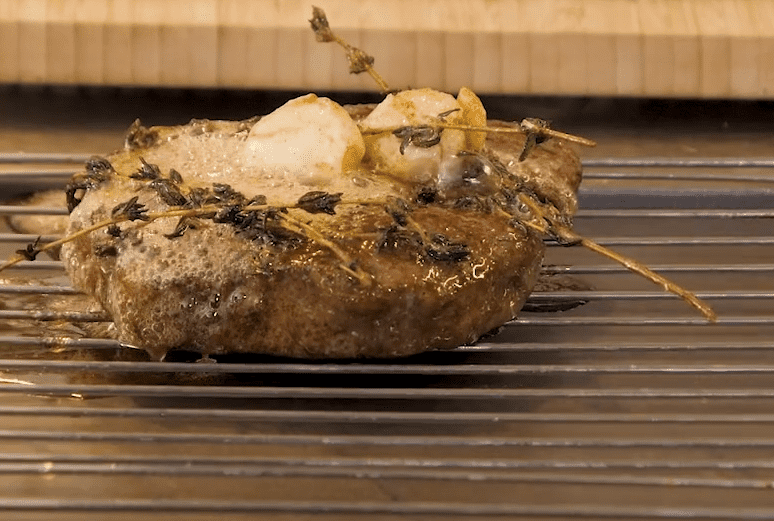
Butter (Optional Finishing): Added during the final moments, butter provides richness and helps carry herb flavours whilst basting the Steak. Its milk solids brown slightly, adding nutty notes that complement the meat’s caramelised exterior.
Fresh Herbs (Optional): Woody herbs like thyme or rosemary release aromatic oils when heated, infusing the butter and creating an aromatic cloud penetrating the meat’s surface during the final cooking moments.
Step-by-Step Steak Cooking Methods
The success of any steak depends largely on choosing the right cooking method for your cut, equipment, and desired outcome. Each technique offers distinct advantages and produces subtly different results.
Pan-Searing Method (Most Popular)
This technique delivers excellent results for most home cooks and is perfect for steaks up to 4cm thick. The high heat creates the essential Maillard reaction whilst maintaining control over the cooking process.
Detailed Preparation Phase: Start by removing your Steak from the refrigerator exactly 40 minutes before you start cooking. This timing allows the centre to warm whilst preventing bacterial growth. Using clean paper towels, pat the entire surface completely dry; any residual moisture will create steam rather than the sear we’re after.
Apply your seasoning generously but evenly. The salt should look like a light snowfall across the surface, whilst the pepper should provide aromatic coverage without overwhelming. Don’t be tempted to add oil at this stage; it belongs in the pan, not on the meat.
Place the seasoned Steak on a wire rack if available, or simply on a clean plate. This elevation allows air to circulate, further drying the surface whilst the seasoning penetrates the meat.
The Searing Process Explained: Select your heaviest pan. Cast iron is ideal, but thick-bottomed stainless steel works excellently. Place it over high heat and allow it to preheat for at least 3-4 minutes. You’ll know it’s ready when a few drops of water evaporate instantly upon contact.
Add just enough oil to lightly coat the bottom, approximately one tablespoon for a standard pan. The oil should shimmer and move freely, almost smoking but not quite there yet. This is your perfect moment.
Using tongs, carefully lower the Steak into the pan away from yourself to avoid splashing. You should hear an immediate, aggressive sizzle. If you don’t, the pan wasn’t hot enough, remove the Steak and continue heating.
Here’s where patience becomes crucial: resist any urge to move, prod, or peek under the Steak. The proteins need uninterrupted contact with the hot surface to develop proper caramelisation. For a 2.5cm thick steak, allow exactly 2-3 minutes of undisturbed contact.
Watch for visual cues: about halfway up, you’ll see the sides beginning to cook and change colour. Small amounts of rendered fat may begin pooling around the edges. This is exactly what you want.
When it’s time to flip, use tongs to lift straight up and over. Never use a fork as this punctures the meat and releases precious juices. The cooked side should display a beautiful golden-brown crust with darker caramelised spots.
Repeat the process on the second side, resisting the urge to move the Steak. For thicker cuts over 3cm, you may need to transfer the entire pan to a preheated 200°C oven after searing both sides to ensure the centre reaches your desired temperature without overcooking the exterior.
Detailed Grilling Technique: Begin by thoroughly cleaning your grill grates with a wire brush, removing any residue from previous cooking sessions. For gas grills, preheat your grill to high heat, which means maximum flame for at least 15 minutes with the lid closed. For charcoal, arrange coals in a two-zone setup with direct high heat on one side.
Once hot, oil the grates using a paper towel dipped in neutral oil, held with long-handled tongs. This prevents sticking and helps achieve clean grill marks. The grates should sizzle when the oil makes contact.
Place your room-temperature, seasoned Steak on the hottest part of the grill. You should hear that satisfying sizzle immediately. Position the Steak at a 45-degree angle to the grate bars for perfect diamond grill marks.
After 90 seconds to 2 minutes (depending on thickness), rotate the Steak 45 degrees in the same position, don’t flip yet. This creates the crosshatch pattern that marks a professionally grilled steak. Cook for another 90 seconds to 2 minutes.
Now flip the Steak using tongs and repeat the process on the second side. For thicker cuts, you may need to move the Steak to a cooler part of the grill (indirect heat) to finish cooking through without burning the exterior.
The beauty of grilling lies in the combination of direct radiant heat from below and convective heat circulating around the meat when the lid is closed. This dual cooking method creates exceptional flavour development whilst maintaining moisture.
Oven-Finishing Method
Ideal for thick cuts (over 4cm) where pan searing alone might burn the exterior, this technique combines the best of both worlds: a perfect crust and an evenly cooked interior.
The Professional Approach: This method, often called “reverse searing” when done in reverse order, is favoured by professional chefs for its consistency and control. You’ll need an oven-safe pan. Cast iron is perfect, but any heavy-bottomed pan that can withstand oven temperatures will work.
Start by preheating your oven to 200°C (fan-assisted if available, which provides more even heat circulation). Meanwhile, heat your oven-safe pan on the hob over high heat until smoking.
Follow the same searing technique as the pan method, oil the hot pan, and sear the Steak for exactly 2 minutes per side. You’re not trying to cook it through at this stage, merely developing that crucial caramelised crust that provides flavour and texture contrast.
Once both sides are beautifully seared, immediately transfer the entire pan to the preheated oven. The residual heat in the pan continues cooking the bottom whilst the oven heat gently penetrates from all sides, ensuring even temperature throughout.
Timing depends on thickness and desired doneness: a 4cm thick steak typically needs 5-7 minutes for medium rare, while thicker cuts may require 8-10 minutes. For accuracy, use a meat thermometer inserted horizontally into the centre.
This method is particularly forgiving as the gentler oven heat makes overcooking much harder. It also allows you to prepare multiple steaks simultaneously, making it perfect for dinner parties.
Temperature Guide and Doneness Levels
Achieving consistent results requires understanding internal temperatures. Use a meat thermometer for accuracy:
Rare (50-52°C) presents a cool red centre with soft texture throughout.
Medium-rare (54-57°C) is the gold standard, offering a warm red centre that’s perfectly tender – this is what most chefs recommend for optimal flavour and texture balance.
Medium (60-63°C) delivers a warm pink centre with slightly firmer texture.
Medium-well (65-68°C) shows a hint of pink in the centre with a notably firm texture. Well-done (71°C and above) contains no pink whatsoever and feels very firm to the touch, though many argue this compromises the meat’s natural juiciness.
Visual Cues Without a Thermometer:
Press the centre of the Steak gently
Rare feels like the flesh between thumb and forefinger when relaxed
Medium-rare feels like the same area when making an “OK” sign
Medium feels firmer, like touching your palm
Seasoning and Marinades
Proper seasoning is fundamental to learning how to cook Steak that delivers maximum flavour impact. The timing and technique of seasoning can make the difference between an ordinary meal and an extraordinary one.
Basic Seasoning: Coarse sea salt and freshly cracked black pepper applied 40 minutes before cooking allows the salt to penetrate and enhance natural flavours.
Advanced Seasoning Options:
Garlic powder and dried herbs
Steak seasoning blends
Smoked paprika for depth
Fresh thyme or rosemary
Simple Marinade Recipe:
3 tbsp olive oil
2 tbsp Worcestershire sauce
2 cloves minced garlic
1 tsp dried herbs
Salt and pepper to taste
Marinate for 2-24 hours in the refrigerator, but never longer, as acids can break down the meat’s texture.
Resting and Serving Your Steak
Understanding how to cook Steak extends beyond the cooking process itself; proper resting and serving techniques are crucial final steps that separate amateur efforts from professional results.
Why Resting Matters: This crucial step allows juices to redistribute throughout the meat, ensuring maximum flavour and tenderness.
How to Rest Properly:
Remove the Steak from the heat
Place on a warm plate
Tent loosely with foil
Rest for 5-10 minutes (thicker steaks need longer)
The internal temperature will actually rise by 2-3°C during resting
Serving Suggestions:
Slice against the grain for maximum tenderness
Add a knob of butter with fresh herbs while resting
Serve immediately after the resting period
Common Steak Cooking Mistakes to Avoid
Even experienced cooks can fall into traps that sabotage their efforts when learning how to cook Steak perfectly. Recognising and avoiding these common pitfalls will dramatically improve your success rate and consistency.
Moving the Steak Too Much: Let it sear undisturbed to develop proper caramelisation.
Not Preheating Properly: A cold pan results in stewed rather than seared Steak.
Piercing with a Fork: This releases precious juices. Always use tongs.
Cooking Straight from the Fridge: Cold steak cooks unevenly. Always bring to room temperature first.
Skipping the Resting Period: Perhaps the most common mistake that ruins otherwise perfectly cooked Steak.
Over-seasoning: While proper seasoning is essential, too much can overpower the meat’s natural flavour.
Wine and Side Dish Pairings
Knowing how to cook Steak is only part of creating the complete dining experience. Thoughtful pairings enhance and complement the meat’s rich flavours while adding variety and balance to your meal.
Classic Wine Pairings:
Bold red wines like Cabernet Sauvignon or Malbec
Medium-bodied options such as Merlot or Shiraz
For lighter cuts, try Pinot Noir
Traditional Side Dishes:
Crispy chips or roasted potatoes
Roasted vegetables
Creamed spinach
Mushroom and onion gravy
Yorkshire pudding for special occasions
Perfect Steak Recipe
Prep Time: 40 minutes (including resting)
Cook Time: 6-8 minutes
Serves: 2
Ingredients:
2 steaks (2-3cm thick, room temperature)
2 tsp coarse sea salt
1 tsp freshly ground black pepper
1 tbsp neutral oil (rapeseed or groundnut)
25g butter (optional)
2 sprigs fresh thyme or rosemary (optional)
Quick Method:
Season: Pat steaks dry, season both sides, rest 40 minutes
Heat: Get the pan smoking hot, add oil
Sear: Cook 2-3 minutes on the first side, don’t move
Flip: Turn once with tongs, cook 2-3 minutes on the second side
Check: Internal temp 54-57°C for medium-rare
Rest: Remove from heat, rest 5 minutes under foil
Serve: Slice against the grain if needed
Chef’s Notes:
For thick steaks (4cm+): finish in a 200°C oven for 5-7 minutes
Add butter and herbs in the final 30 seconds for extra richness
Always use a meat thermometer for consistent results
Mastering how to cook Steak perfectly requires understanding your equipment, respecting the meat, and practising patience, especially during the crucial resting period. Start with these fundamental techniques, then experiment with different seasonings and accompaniments to discover your preferences. Remember that consistent practice will help you create restaurant-quality steaks in your own kitchen.
FAQs
1. How do I know when my pan is hot enough?
The pan should be smoking slightly. You can test this by dropping a small amount of water into it; it should evaporate immediately.
2. Should I oil the Steak or the pan?
Oil the pan just before adding the Steak. This prevents the oil from burning at high temperatures.
3. Can I cook frozen Steak?
It’s possible but not recommended. Defrost thoroughly in the refrigerator for best results.
4. How long should I rest my Steak?
Generally, rest for about half the cooking time, minimum 5 minutes for standard cuts.
5. Why is my Steak tough despite following the recipe?
This usually indicates overcooking or not resting properly. Also, ensure you’re slicing against the grain.