Miso Paste

9 Ways to Use Miso Paste: Recipes & Expert Tips

Author Avatar

Updated on January 18, 2026

Reviewed by Salma Ihab

Do you have a packet of miso sitting in your pantry and aren’t sure how to use its flavour and health benefits to their full potential?

This comprehensive guide explores 9 delicious ways to use miso paste, from traditional Japanese soups to innovative dressings and mouth-watering sauces.

After testing these recipes multiple times in our kitchen, we’ve discovered that this umami-rich ingredient adds remarkable depth to dishes across multiple cuisines.

What Is Miso Paste? Understanding the Fermented Foundation

Miso paste is a traditional Japanese seasoning that has become a staple in kitchens worldwide. Understanding its origins and production helps you use it more effectively in your cooking.

The Origins and Science of Miso

Miso paste traces its roots to ancient China over 2,500 years ago, later making its way to Japan during the 7th century, where it evolved into the ingredient we recognise today. This traditional seasoning is produced through fermenting soybeans with salt and koji, specifically the fungus Aspergillus oryzae. This same mould plays a crucial role in creating soy sauce and sake, making it fundamental to Japanese cuisine.

The fermentation process transforms basic ingredients into a complex flavour powerhouse. When koji enzymes break down soy proteins into amino acids, particularly glutamate, they create that distinctive umami taste, often described as the “fifth taste” alongside sweet, sour, salty, and bitter. The starches simultaneously convert into simple sugars, contributing to miso’s subtle sweetness.

Health Benefits and Nutritional Profile

Miso is praised for its potential health benefits through its fermentation process, which produces beneficial probiotics that may aid digestion. Traditional Japanese wisdom suggests that daily miso soup consumption supports overall well-being.

When testing recipes with miso paste, we’ve observed that its concentrated nature means a little goes a long way; a single tablespoon provides significant flavour whilst delivering beneficial compounds. However, those monitoring sodium intake should note that miso is naturally high in salt, an essential component of fermentation.

What Does Miso Taste Like?

Miso paste offers a unique flavour profile that’s simultaneously savoury, salty, and umami-rich, with subtle sweetness and earthy, nutty undertones. The complexity varies dramatically depending on fermentation duration, from light, sweet white miso (Shiro) to robust, savoury red miso (Aka). Because miso paste is quite concentrated, a little goes a long way in cooking.

This flexible ingredient has transcended traditional Japanese boundaries, transforming salad dressings, enriching soups, and forming the foundation of complex glazes and marinades.

Understanding Miso Varieties: Choosing the Right Type

Not all miso paste is created equal. Different fermentation times and ingredients create distinct flavours suited to specific dishes. Knowing which variety to choose transforms your cooking results.

White Miso (Shiro Miso): The Mild Introduction

Light in colour and delicate in flavour, white miso undergoes a shorter fermentation period, typically weeks to a few months. Made predominantly with soybeans and rice koji, it contains less salt than darker varieties and presents a noticeably sweeter taste. This makes white miso paste ideal for:

  • Light salad dressings and vinaigrettes
  • Delicate fish marinades
  • Creamy sauces where subtle umami is desired
  • Dessert applications (yes, miso caramel is delicious!)

When testing recipes, we’ve found white miso blends seamlessly into dishes without overwhelming other flavours, making it perfect for cooks new to working with fermented ingredients.

Red Miso (Aka Miso): Bold and Deeply Savoury

Fermented for one to three years, red miso develops a robust, intensely savoury flavour with higher salt content. The extended fermentation produces a darker colour ranging from deep amber to reddish-brown and a more pronounced umami character. Red miso excels in:

  • Hearty winter soups and stews
  • Rich glazes for grilled meats
  • Robust marinades for beef and pork
  • Dishes where a strong, complex flavour is welcome

In our kitchen testing, we’ve discovered that red miso’s intensity means using slightly less than recipes calling for white miso, adjusting quantities based on personal taste preferences.

Yellow Miso (Shinshu Miso): The Balanced Middle Ground

Fermented for a moderate period, yellow miso strikes a balance between the delicate sweetness of white miso and the assertive saltiness of red varieties. This versatility makes it an excellent all-purpose option when you’re unsure which type to use.

Speciality Varieties: Barley and Brown Rice Miso

Beyond traditional soybean-based varieties, speciality miso types offer unique characteristics:

  • Mugi Miso (Barley Miso): Uses barley koji instead of rice, producing a slightly earthier flavour. Important note for those with coeliac disease: barley miso contains gluten and should be avoided by anyone with gluten sensitivity.
  • Genmai Miso (Brown Rice Miso): Made with brown rice koji, this variety offers a nuttier, slightly sweeter profile than white miso whilst remaining naturally gluten-free.

When purchasing miso paste, reading labels carefully helps identify which grain base is used crucial information for those managing dietary restrictions.

How to Choose and Buy Miso Paste

Miso Paste

Finding quality miso paste requires knowing what to look for on labels and where to shop. This guide helps you navigate options in the UK and international markets.

Reading Labels: What to Look For

Quality miso paste should have a short ingredient list: soybeans, salt, koji (rice, barley, or soybean), and possibly water. Avoid products with added MSG, artificial flavour enhancers, excessive additives, or “dashi miso” (pre-mixed with stock powder) when you want pure miso. Brands like Clearspring (UK) and Hikari Miso offer authentic options with clean ingredient panels.

Where to Shop: Sourcing Quality Miso

Major UK supermarkets (Tesco, Sainsbury’s, Waitrose, M&S) stock miso paste in international or organic sections for £2.50-£5.00 per 300g tub. US supermarkets (Whole Foods, Trader Joe’s) carry it near refrigerated tofu for $4-$8. Japanese and Korean markets offer the widest selection, whilst online retailers like Amazon and Japan Centre (UK) deliver directly to your door.

Organic and Additive-Free Options

For those seeking organic, non-GMO miso made using traditional methods, consider Clearspring Organic Miso (UK), South River Miso, or Miso Master (both US). These premium products offer exceptional flavour complexity that justifies the higher investment.

Essential Miso Cooking Techniques

Proper technique makes the difference between mediocre and exceptional miso dishes. Master these fundamental methods to get the best flavour and preserve nutritional benefits.

The Golden Rule: Never Boil Miso

One critical technique we emphasise when testing recipes: never allow miso paste to reach a rolling boil. The high heat destroys beneficial probiotics and can create a bitter, unpleasant taste. When preparing miso soup, always add the paste after removing the pot from direct heat or when the liquid has cooled slightly below the boiling point.

Proper Technique:

  1. Bring your soup base to a gentle simmer
  2. Remove from heat or reduce to the lowest setting
  3. Place miso paste in a small strainer or ladle
  4. Submerge partially in the hot liquid
  5. Use chopsticks or a spoon to work the paste through the strainer
  6. This method prevents clumps whilst preserving beneficial compounds

The Dissolving Method for Smooth Sauces

When incorporating miso into dressings or glazes, proper dissolution prevents grainy textures:

  1. Place the required miso paste in a small bowl
  2. Add a tablespoon of the liquid from your recipe (warm water, stock, or sauce base)
  3. Use the back of a spoon to work the mixture into a smooth paste
  4. Gradually whisk in more liquid until fully incorporated
  5. Then add this mixture to your main preparation

This technique, which we use consistently in recipe testing, ensures silky-smooth results every time.

Balancing Miso’s Saltiness

Because miso paste is quite concentrated and salty, adjusting recipes requires care:

  • Start with less than you think you need: You can always add more
  • Taste as you go: Different brands and varieties vary in salt intensity
  • Reduce other salt sources: When using miso, decrease or eliminate added salt
  • Balance with acid: A squeeze of lemon or a splash of vinegar brightens miso’s richness
  • Add sweetness if needed: A touch of honey or mirin can round out sharp edges

9 Delicious Ways to Use Miso Paste

Now that you understand the varieties and techniques of miso, let’s put this knowledge into practice. These nine tested recipes showcase miso’s versatility, from quick salad dressings to comforting soups. Each recipe includes prep time, serving size, and variations to suit your preferences.

1. Miso Ginger Salad Dressing Recipe

Miso Paste

Introduce an Asian-inspired twist to your regular salads with this dressing recipe, where ginger, garlic, and sesame oil blend to create a robust yet refreshing vinaigrette.

Prep Time: 5 minutes | Servings: Makes approximately 180ml (enough for 4-6 salads)

Ingredients

  • 1 teaspoon fermented red miso paste
  • 1 tablespoon low-sodium soy sauce
  • 2 tablespoons sesame oil
  • 2 tablespoons fish sauce
  • 3 tablespoons water
  • 1 clove garlic, grated
  • 1 teaspoon freshly grated ginger
  • Juice from half a lemon

Instructions

  1. Combine the red miso paste, low-sodium soy sauce, sesame oil, fish sauce, and water in a bowl, stirring until smooth.
  2. Incorporate the grated garlic, ginger, and freshly squeezed lemon juice. Your dressing is now ready.
  3. Drizzle this miso dressing over your favourite salads for Asian-inspired flavours.

Storage: Keeps refrigerated in an airtight container for up to 1 week. Shake well before using, as ingredients may separate.

2. Tahini Miso Dressing

Miso Paste

One of the easiest vegan miso dressings you can prepare in under 3 minutes. What makes this unique is the fusion between Middle Eastern tahini and Asian miso paste. Use this dressing to transform simple roasted vegetables or leafy salads into rich, creamy dishes.

Prep Time: 3 minutes | Servings: Makes approximately 240ml

Ingredients

  • 120ml tahini
  • 60ml miso paste (your choice of variety)
  • 1 tablespoon rice vinegar
  • 2 garlic cloves
  • Fresh ginger (equal amount to garlic)
  • 3 tablespoons water

Instructions

  1. Place all ingredients into your blender.
  2. Blend until smooth.
  3. If the consistency is too thick, add more water, 1 tablespoon at a time, and blend until you achieve a creamy, pourable texture.

Dietary Notes: Naturally vegan and dairy-free. Contains sesame (tahini) and soy (miso).

3. Super Easy Creamy Miso Dressing

Miso Paste

Whip up a quick salad dressing with this one-minute recipe. It’s vegan, takes minimal effort, and adds wonderful depth to simple vegetables.

Prep Time: 1 minute | Servings: Makes approximately 120ml

Ingredients

  • 2 tablespoons olive oil
  • 1 tablespoon vinegar (rice or white wine)
  • 1 teaspoon sugar
  • 1 teaspoon organic garlic (minced or granulated)
  • 2 tablespoons miso paste

Instructions

  1. Combine all ingredients in a bowl to create a smooth blend.
  2. Drizzle over your favourite salads and enjoy immediately.

Variations: Swap olive oil for avocado oil, or add a teaspoon of toasted sesame seeds for extra texture.

4. Delectable Umami Miso Sauce

Miso Paste

Prepare to experience an easy-to-make, versatile sauce perfect for enriching chicken, beef, and fish dishes with complex Asian-inspired flavours.

Prep Time: 5 minutes | Cook Time: 5 minutes | Servings: Makes approximately 150ml (enough for 4 servings)

Ingredients

  • 3 tablespoons water
  • 1 tablespoon miso paste
  • 2 tablespoons jam/jelly/preserves (see pairing notes below)
  • 2-3 tablespoons olive oil
  • 1/2 teaspoon freshly grated garlic
  • 1/2 teaspoon freshly grated ginger
  • 2 tablespoons butter
  • A squeeze of fresh lemon juice

Instructions

  1. In a bowl, blend together water, miso paste, and your selected jam until smooth.
  2. Warm a pan over medium heat and add the grated garlic and ginger, stirring until fragrant. Reduce the heat, then pour in your prepared miso mixture, letting it warm gently for 2 minutes.
  3. Remove from heat and stir in the butter until it melts completely into the sauce. Finally, add a fresh squeeze of lemon juice.
  4. Pour this sauce over your protein for instant flavour depth.

Pairing Guide:

  • Fig jam for beef
  • Apricot for chicken
  • Pineapple or mango for fish

5. Savoury Miso Dip Sauce

Miso Paste

This dipping sauce combines miso paste with Dijon mustard and honey, creating a balanced sweet-salty profile perfect for fish dishes. The grated garlic and ginger add aromatic complexity.

Prep Time: 5 minutes | Cook Time: 3 minutes | Servings: Makes approximately 150ml

Ingredients

  • 3 tablespoons miso paste
  • 1 teaspoon Dijon mustard (increase to 1.5 teaspoons for more heat)
  • 3 tablespoons rice vinegar
  • 1 tablespoon honey
  • A splash of sesame oil
  • 1/2 tablespoon soy sauce
  • A dash of water
  • 1/2 teaspoon grated ginger
  • 1/2 teaspoon toasted sesame seeds

Instructions

  1. In a preheated pan, combine the miso paste, Dijon mustard, rice vinegar, honey, sesame oil, soy sauce, and water.
  2. Stir the mixture until well-emulsified and heated through (about 2-3 minutes over low heat).
  3. Remove from heat, then stir in the ginger and toasted sesame seeds.
  4. Spoon over your favourite fish dishes or serve as a dipping sauce.

Chef’s Tip: This sauce works brilliantly with grilled salmon, pan-seared cod, or even as a glaze for roasted Brussels sprouts.

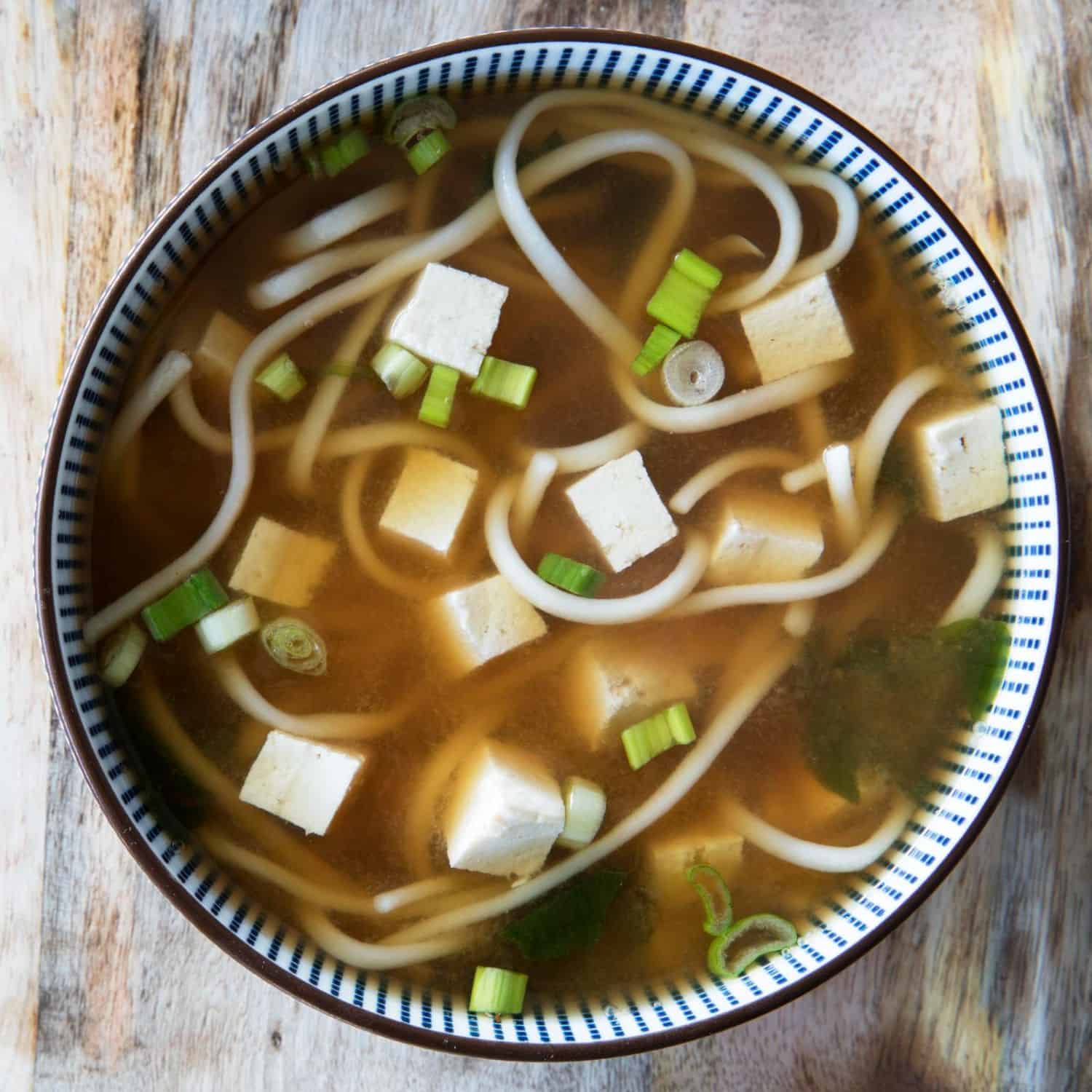
6. Miso Soup with Wakame and Tofu (Japanese Style)

Miso Paste

With this easy 3-ingredient recipe, you’ll learn how to make authentic Japanese miso soup that serves as either a standalone dish or a base for more elaborate soup recipes.

Prep Time: 2 minutes | Cook Time: 8 minutes | Servings: 2 bowls

Ingredients

  • 1 1/2 cups cubed tofu (silken or firm, depending on preference)
  • 1 teaspoon dried wakame seaweed
  • 2 teaspoons dashi miso paste (or regular miso paste plus 1/2 teaspoon dashi granules)
  • 600ml water

Instructions

  1. In a pot, bring water to a boil and add the cubed tofu. Cook for 3-4 minutes.
  2. Add the wakame seaweed and allow it to rehydrate and simmer for 2 minutes.
  3. Reduce the heat to very low. Stir in the miso paste until fully dissolved throughout the soup.
  4. Serve hot immediately for the best experience.

Traditional Serving: Japanese households typically enjoy miso soup alongside rice and pickles as part of a balanced breakfast or as a starter to dinner.

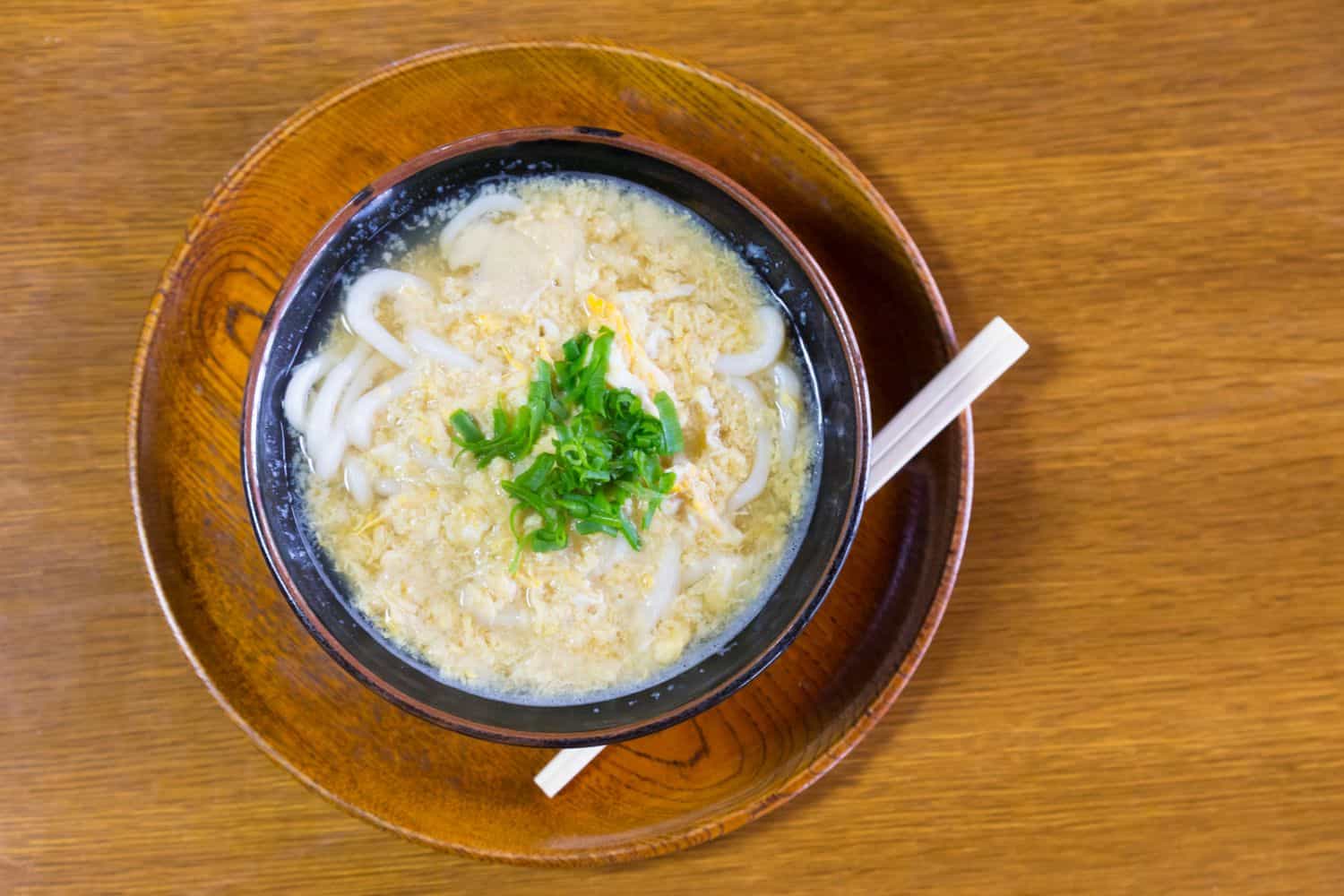
7. Egg Miso Soup

Miso Paste

A nourishing, protein-packed soup featuring enoki mushrooms, onions, and carrots that offers a delightful mix of flavours and textures. This hearty bowl is perfect for a light winter dinner.

Prep Time: 5 minutes | Cook Time: 10 minutes | Servings: 2 generous bowls

Ingredients

  • 2 eggs
  • 1/2 cup enoki mushrooms (or mushrooms of your choice)
  • 1 small onion, finely sliced
  • 1 medium carrot, julienned
  • 1 tablespoon miso paste
  • 600ml water or vegetable stock

Instructions

  1. In a pot with boiling water or stock, add the sliced onions, carrots, and mushrooms. Simmer for 5 minutes until the vegetables soften.
  2. Reduce the heat to low. Add the miso paste and stir until fully dissolved.
  3. Crack the eggs directly into the soup, then let them simmer for 2-3 minutes.
  4. For the most delightful texture, serve before the eggs are completely cooked, keeping the yolk slightly runny.

Variations: Add udon noodles for a more substantial meal, or include bok choy for extra greens.

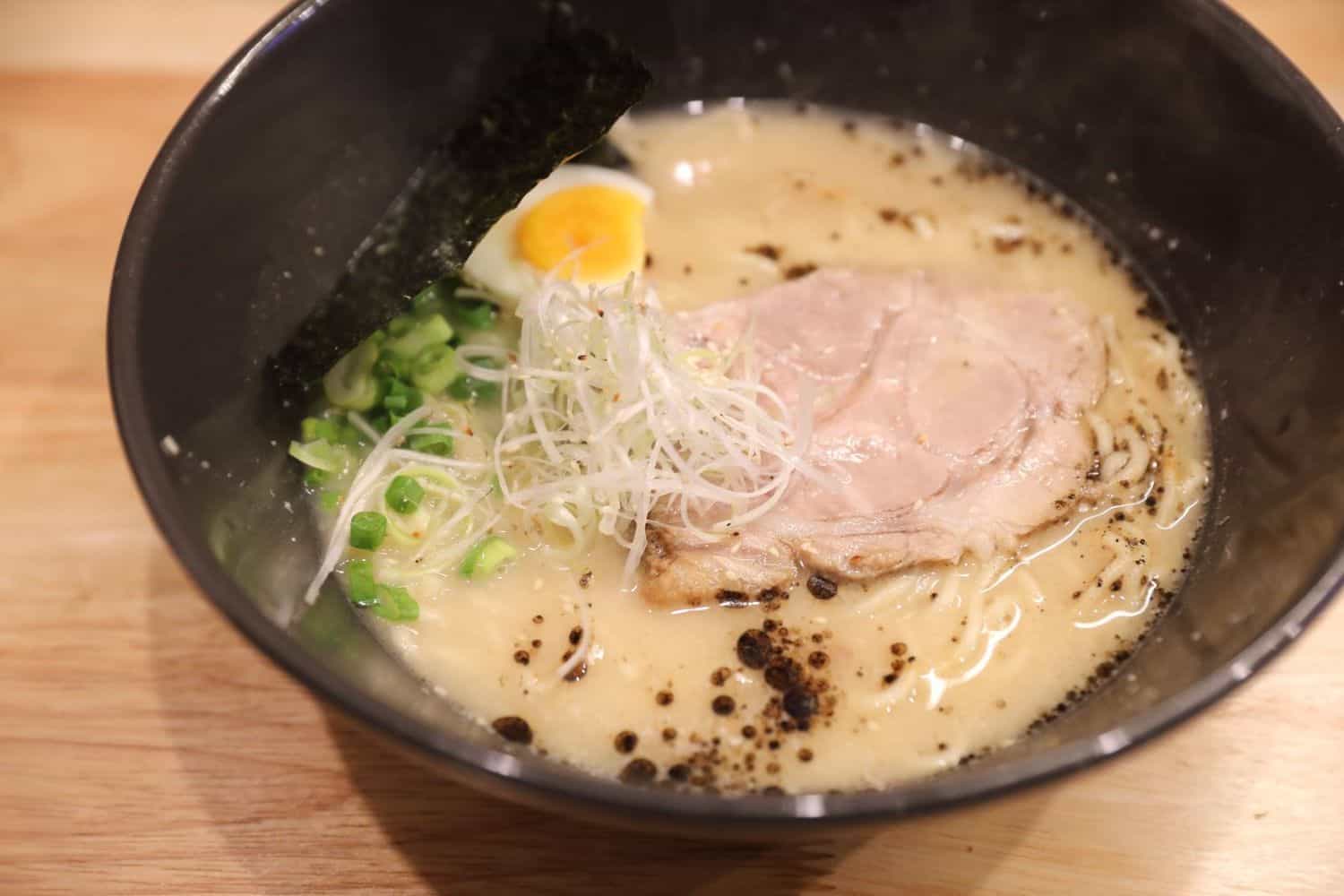
8. Creamy Miso Noodle Soup

Miso Paste

Korean-inspired noodle dishes have gained worldwide popularity due to their distinct flavours, combining spiciness, sweetness, saltiness, and umami. This one-pot creamy soup is easy to make and utterly delicious.

Prep Time: 5 minutes | Cook Time: 15 minutes | Servings: 1 large bowl (easily doubled)

Ingredients

  • 3 teaspoons miso paste
  • 1 teaspoon gochujang (Korean red pepper paste)
  • 1 cup dashi broth
  • 180ml unsweetened soy milk
  • 3 garlic cloves, finely minced
  • 1 1/2 tablespoons soy sauce
  • 1 tablespoon sesame oil
  • 1 whole egg
  • 1 1/2 tablespoons chopped spring onions
  • 1 packet instant ramen noodles (discard included flavour packet)

Instructions

  1. Prepare the instant ramen noodles according to the packet instructions, omitting the included sauce. Drain and set aside.
  2. For the ramen egg (optional): Boil water in a pot, carefully add a cold egg, reduce to a gentle simmer, and cook for 8 minutes. Transfer to ice water, cool, peel, and halve.
  3. To make the soup: Warm sesame oil in a pot over medium heat. Add minced garlic and sauté until aromatic and soft (about 1 minute).
  4. Blend in the miso paste and gochujang, stirring continuously for 30 seconds.
  5. Add soy sauce, followed by dashi broth and soy milk. Mix gently until thoroughly combined. Simmer for 5 minutes.
  6. To serve: Place prepared noodles in a large bowl, pour soup over noodles, then garnish with halved egg and chopped spring onions.

Topping Ideas: Add shiitake mushrooms, bamboo shoots, nori sheets, or cooked chicken for extra protein.

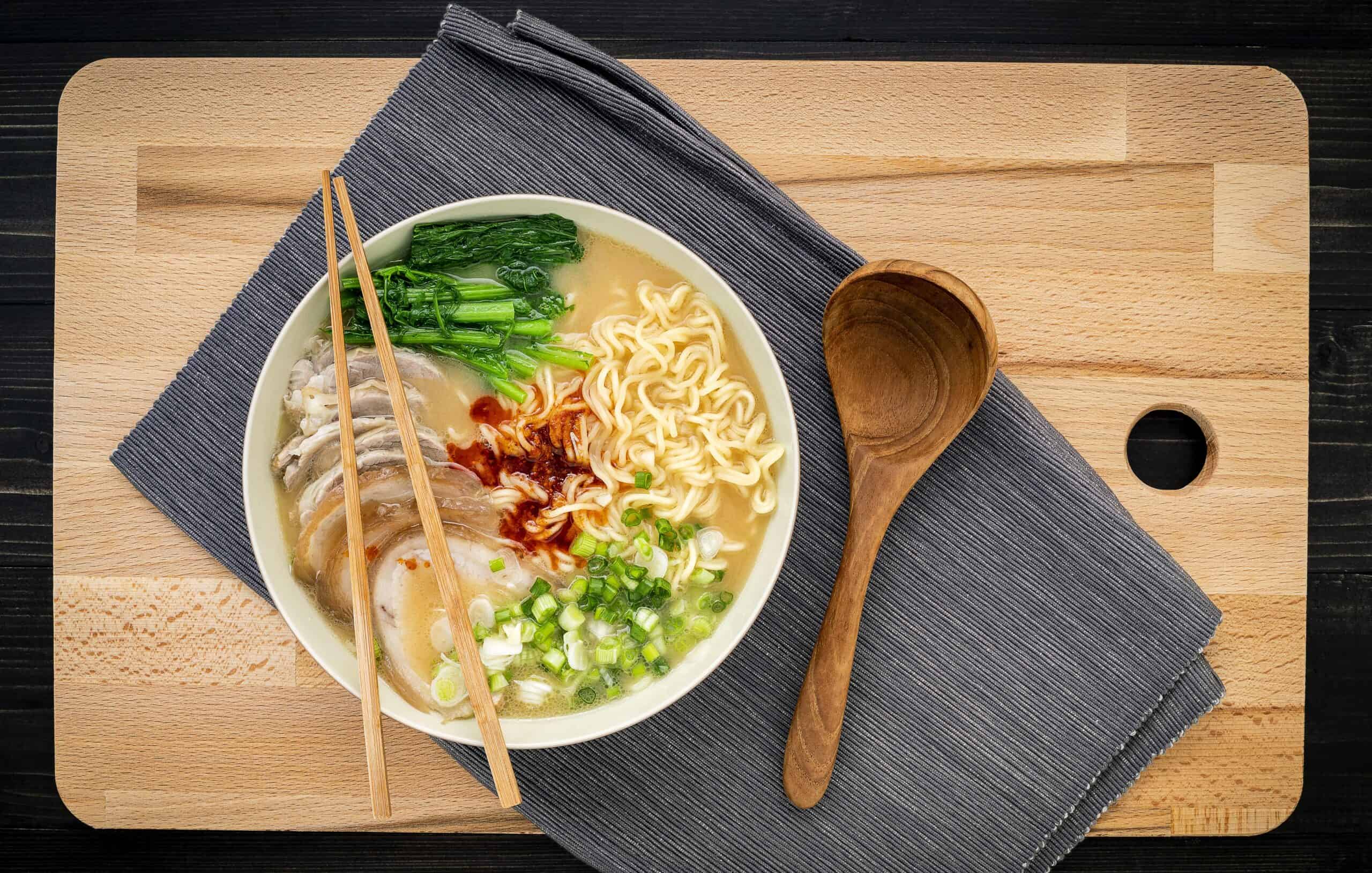
9. Miso Ramen Recipe

Miso Paste

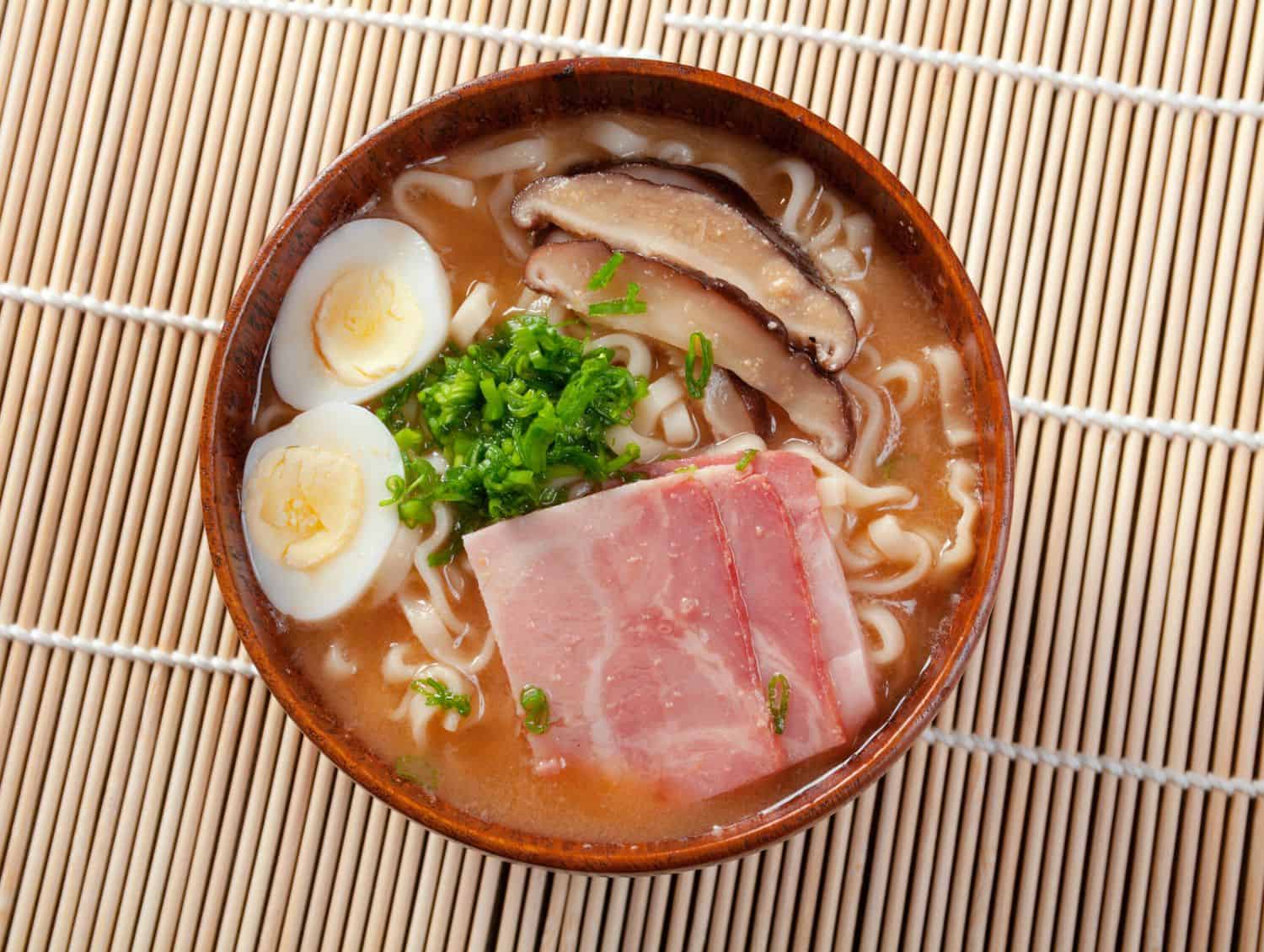
Filled with umami from miso paste, ginger, and shiitake mushrooms, this quick meal satisfies cravings whilst delivering authentic flavours. Garnish with spring onions and sesame seeds for a restaurant-quality finish.

Prep Time: 5 minutes | Cook Time: 12 minutes | Servings: 1 large bowl

Ingredients

  • 60ml spring onions, finely sliced (reserve some for garnish)
  • 1 garlic clove, finely minced
  • 1 teaspoon ginger, finely chopped
  • 480ml water
  • 6-8 shiitake mushrooms, finely chopped
  • 1 tablespoon miso paste
  • 60ml sweetcorn
  • 4 bok choy leaves
  • 1 small packet of instant ramen noodles
  • 1 tablespoon soy sauce
  • Sesame oil
  • Sesame seeds for garnish

Instructions

  1. Heat a pot over medium heat. Add a drizzle of sesame oil and sauté the minced garlic and chopped ginger until fragrant (about 1 minute).
  2. Add water and chopped shiitake mushrooms to the pot. Bring to a gentle simmer.
  3. Once simmering, reduce the heat to low and incorporate the miso paste, sweetcorn, bok choy, ramen noodles, and soy sauce.
  4. Drizzle a few more drops of sesame oil over the top.
  5. Continue cooking until everything is well combined and the ramen is cooked to your preference (3-4 minutes).
  6. When ready to serve, garnish with additional sliced spring onions and a sprinkling of sesame seeds.

Protein Options: Add sliced chicken breast, prawns, soft-boiled eggs, or pan-fried tofu to make this a complete meal.

Miso for Different Diets: Health and Dietary Considerations

Miso paste suits many dietary needs, but understanding specific restrictions helps you make informed choices. Here’s what you need to know about gluten, soy, and sodium concerns.

Is Miso Gluten-Free?

Not always. Traditional rice-based miso (both white and red varieties made with rice koji) is naturally gluten-free. However, mugi miso uses barley as the koji base, which contains gluten. Those with coeliac disease must read labels carefully and look for certified gluten-free options like Clearspring Organic Brown Rice Miso (UK) or Miso Master Organic Chickpea Miso (US).

Soy-Free Miso Alternatives

For those with soy allergies, chickpea miso (made from fermented chickpeas with a nuttier profile) and adzuki bean miso (using red adzuki beans for a sweeter, earthier flavour) provide alternatives. These won’t taste identical to traditional miso but offer comparable depth and fermented complexity.

Low-Sodium Options

Traditional miso is high in sodium, unavoidable given the fermentation process. However, you can manage sodium intake by:

  • Using reduced-sodium varieties (some brands offer 25% less salt)
  • Using smaller quantities and building flavour with other ingredients
  • Balancing miso dishes with fresh vegetables and whole grains
  • Avoiding additional salt in recipes containing miso

Storage and Longevity: Does Miso Ever Expire?

Miso Paste

Proper storage extends miso’s shelf life significantly. Learn how to keep your miso paste fresh and recognise when it’s past its prime.

Proper Storage Techniques

Miso’s high salt content and fermentation make it remarkably shelf-stable. Store unopened miso in a cool, dark cupboard for up to 12 months. Once opened, refrigerate immediately in an airtight container where it keeps for 6-12 months, often longer.

For extended storage, freeze miso for up to 18 months. The high salt content prevents it from freezing solid, making it easy to scoop portions as needed.

Signs Your Miso Has Gone Bad

Whilst miso rarely spoils, watch for visible mould on the surface (small amounts can be scraped off; extensive mould means discard), off-putting smell (should smell pleasantly fermented, not rotten), dramatic colour changes, or unusual texture changes.

A thin white film sometimes appears on miso’s surface. This is typically harmless yeast or amino acid crystallisation that can be stirred back in or scraped off.

Cultural Context: Miso’s Role in Global Cuisines

Miso Paste

Whilst miso originated in Japan, its uses have spread across cultures. Understanding these applications enriches your appreciation of this versatile ingredient.

Traditional Japanese Uses

In Japan, miso serves purposes beyond soup, including misozuke (vegetables fermented in miso paste), dengaku (grilled foods with sweetened miso glaze), hishio (a condiment made from miso mixed with vegetables), and natto-miso (a sweet, chunky miso preparation).

Miso in the Philippines: Sinigang sa Miso

Filipino cuisine has adopted miso paste distinctively in Sinigang sa Miso. Unlike the clear, tamarind-based Sinigang, this version incorporates miso to create a cloudy, savoury soup that pairs beautifully with fatty fish like bangus (milkfish) or salmon heads. The miso adds body and umami depth whilst complementing the characteristic sourness of this beloved Filipino comfort food.

Modern Fusion Applications

Contemporary chefs worldwide have embraced miso’s versatility in creative ways. Western applications include miso-butter for corn or roasted vegetables, miso caramel for desserts, and miso in chocolate brownies for depth.

British innovations feature miso added to traditional roast gravy, miso-marinated cheddar cheese, and miso-based sandwich spreads. These cross-cultural applications demonstrate Miso’s remarkable adaptability beyond its Japanese origins.

Seasonal Cooking with Miso

Miso Paste

Miso adapts beautifully to seasonal ingredients and occasions. Adjust your preparations throughout the year for optimal flavour and relevance.

Autumn and Winter Applications

As temperatures drop, miso’s warming qualities shine in rich broths with root vegetables, hearty braised dishes with seasonal squash, and miso-glazed roasted Brussels sprouts.

Spring and Summer Variations

Lighter preparations suit warmer weather, including cold miso-dressed noodle salads, miso-marinated grilled vegetables, refreshing miso-cucumber salads, and light vinaigrettes for spring greens.

Festival and Holiday Connections

In Japan, miso plays a special role during celebrations. Ozoni soup (made with miso in some regions) welcomes the new year, whilst families prepare favourite miso soups for ancestral offerings during the Obon Festival. Understanding these cultural contexts enriches your appreciation when cooking with miso paste.

Miso paste offers far more than a base for soup. This fermented ingredient brings depth and umami to countless dishes across cuisines. After testing these nine recipes, you’ll have a solid foundation for incorporating miso into everyday cooking. Start with simpler dressings and soups, then progress to more complex glazes as your confidence grows. Remember to never boil miso paste, adjust quantities based on variety, and store properly to maintain quality.

FAQs

1. How long does miso paste last after opening?

When properly stored in an airtight container in the refrigerator, opened miso paste keeps for 6-12 months. The high salt content and fermentation make it remarkably stable. Some varieties improve in flavour over time as fermentation continues slowly in the fridge.

2. Can I substitute different miso varieties in recipes?

Yes, but expect flavour differences. White miso is sweeter and milder than red miso. When substituting: If using red miso instead of white, reduce the quantity by about 25% and add a pinch of sugar. If using white miso instead of red: increase quantity slightly and reduce other salt sources

3. Is miso gluten-free?

Not always. Traditional rice-based miso (both white and red varieties made with rice koji) is naturally gluten-free. However, mugi miso uses barley as the koji base, which contains gluten. Those with coeliac disease or gluten sensitivity must read labels carefully and look for certified gluten-free options.

4. Why shouldn’t I boil miso paste?

Boiling destroys beneficial probiotics and can create bitter, unpleasant flavours. Always add miso to soups after removing from the heat or when the liquid has cooled below the boiling point. This preserves both nutritional benefits and optimal taste.

5. What’s the difference between dashi miso and regular miso?

Dashi miso contains added bonito (fish) powder or other stock ingredients, creating an “instant soup base.” Regular pure miso contains only soybeans, koji, salt, and water. For versatility and control over flavour, choose pure miso and add dashi separately when desired.

Share with our social media

Leave a Reply

Your email address will not be published. Required fields are marked *