Gluten and dairy restrictions shouldn’t mean missing out on the joy of warm, freshly baked dinner rolls. This is your guide to baking the most incredible gluten-free, dairy-free dinner rolls you’ve ever tasted.
We’ll share a simple yet foolproof recipe with creative variations and substitutions to satisfy different palates. You’ll learn the secrets to achieving pillowy softness and irresistible flavour. You’ll also find tips and tricks to ensure your rolls come out fluffy and golden every time.
So, let’s start with the recipe immediately and make a batch of soft, fluffy dinner rolls without compromising on dietary needs.
Easy Gluten-Free Dairy-Free Dinner Rolls Recipe
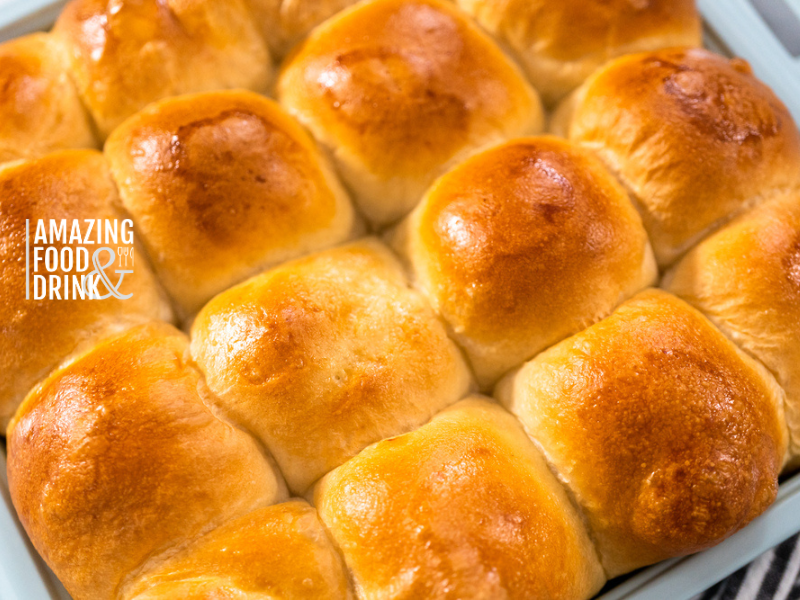
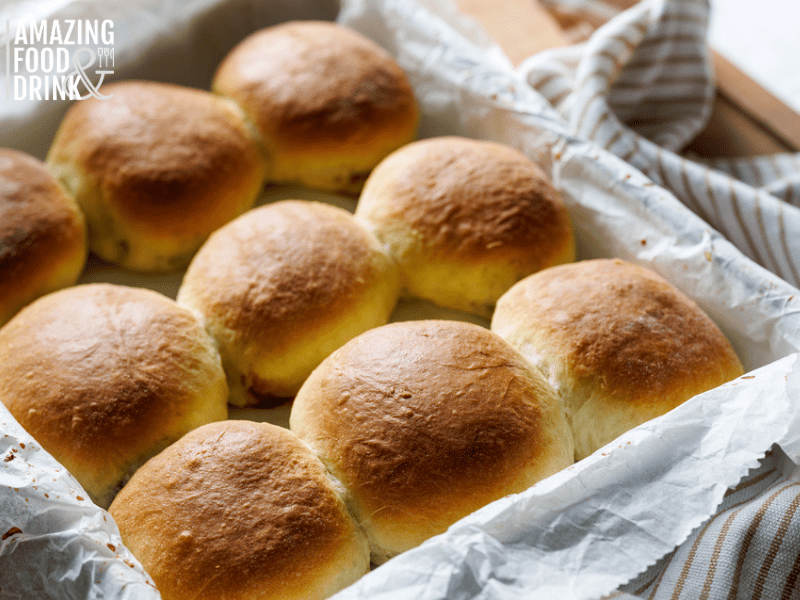
Homemade dinner rolls
Making gluten-free, dairy-free dinner rolls requires no fancy ingredients or complicated techniques. Just mix, rise, bake, and enjoy! You’ll love this recipe because it’s super easy to make and yields soft, fluffy rolls that are perfect for any meal.
Ingredients
2 cups gluten-free all-purpose flour
1 cup almond flour
2 1/4 teaspoons active dry yeast
1 tablespoon sugar
1 teaspoon salt
1 cup warm almond milk (or any dairy-free milk)
3 tablespoons olive oil
3 tablespoons maple syrup
3 large eggs
2 tablespoons melted vegan butter (for brushing)
Instructions
Combine warm almond milk, sugar, and yeast in a small bowl. Let it sit for about 5-10 minutes until it becomes frothy.
Whisk together gluten-free all-purpose flour, almond flour, and salt in a large mixing bowl.
Beat the eggs in a separate bowl. Add olive oil, maple syrup, and the activated yeast mixture. Mix well.
Pour the wet ingredients into the dry ingredients. Stir until well combined. The dough will be sticky.
Cover the bowl with a clean kitchen towel and let the dough rise in a warm place for about 1 hour or until doubled in size.
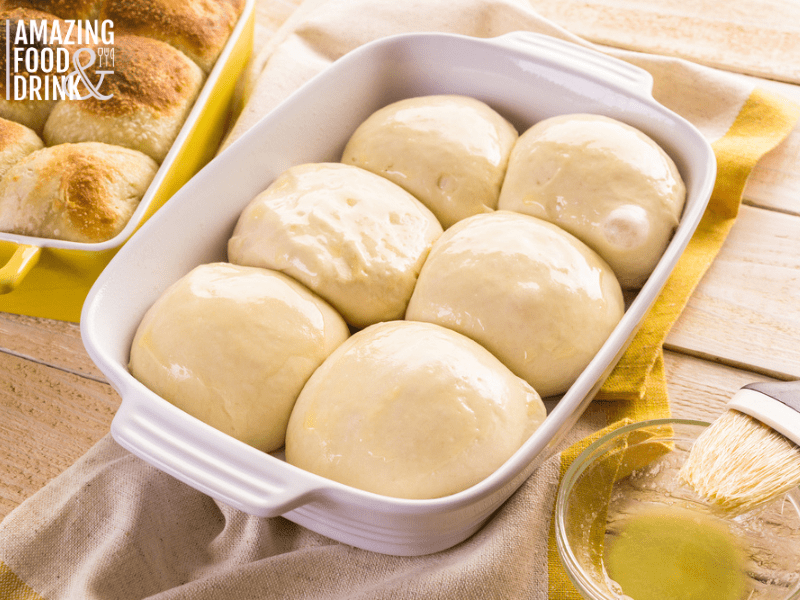
Scoop out portions of the dough with wet hands and shape them into rolls. Place them in a greased baking pan, keeping some space between each roll.
Cover the rolls with the kitchen towel again and let them rise for an additional 30 minutes.
Preheat your oven to 190°C (375°F).
Brush the tops of the rolls with melted vegan butter and bake them for around 20 minutes or until golden brown.
Allow the baked rolls to cool for a few minutes before serving.
Dinner Rolls Recipe Variations and Substitutes
Dinner rolls are versatile. You can mix and match different variations and substitutes based on your preferences and dietary needs to create your own unique gluten-free, dairy-free dinner rolls and make this recipe a blast.
1. Flavour Variations
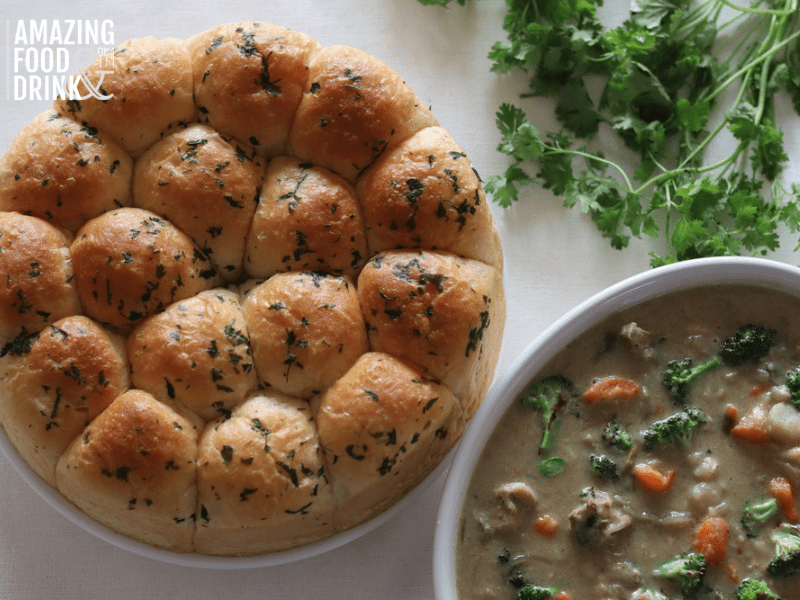
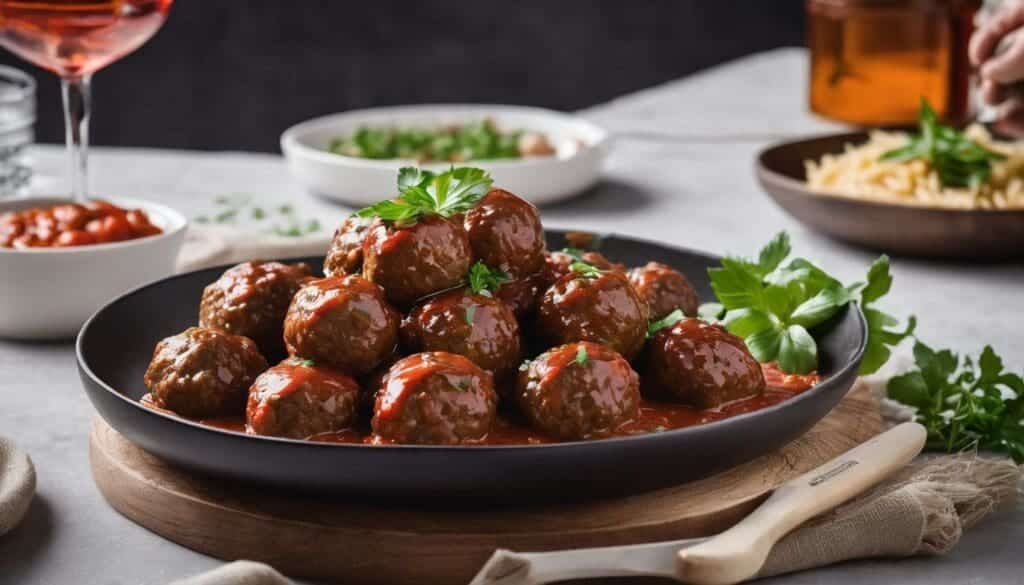
Dinner rolls with stewed chicken and vegetables
Below are some flavour variations you can try to make different types of dinner rolls that cater to various preferences.
Herb Rolls
Add about a tablespoon of dried herbs like rosemary, thyme, or oregano to the dough for a savoury and aromatic flavour. These herbs can complement various meals and add a touch of sophistication to your rolls.
Garlic Parmesan Knots
Divide the dough into 12 equal pieces, roll each piece into a rope and tie into knots. Brush the knots with melted garlic butter, sprinkle with vegan parmesan cheese, and bake according to recipe instructions.
Sweet Rolls
Increase the maple syrup in the recipe to 2-3 tablespoons for a subtly sweet flavour. Maple syrup can be substituted with honey. You can also sprinkle a mixture of cinnamon and sugar on the tops before baking for a sweet and spiced twist.
Cinnamon Swirl Rolls
Divide the dough in half after it’s risen. Roll out one half into a rectangle, spread with vegan butter mixed with cinnamon and sugar, roll up tightly, and slice into individual rolls. Place these swirls in the pan alongside the plain rolls and bake as usual.
Cheesy Rolls
Fold in 1/2 to 1 cup of dairy-free shredded cheese, such as vegan cheddar or mozzarella, into the dough. This variation adds a savoury and cheesy element to the rolls.
Seeded Rolls
Roll the dough balls in a mixture of seeds like sesame seeds, poppy seeds, or flaxseeds before baking. This not only adds a pleasant crunch but also boosts the nutritional content of the rolls.
2. Ingredient Substitutes
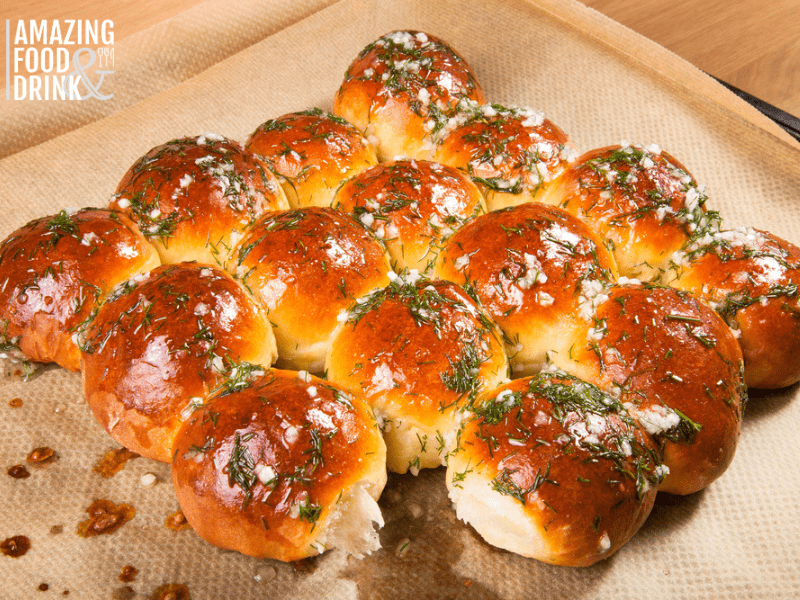
Freshly baked rolls smeared garlic butter and dill
Here are some suggested substitutes to help you customise your gluten-free, dairy-free dinner rolls so they suit your taste and dietary needs.
Egg-Free Rolls
If you’re looking for an egg substitute, mix 1 tablespoon of ground flaxseed with 3 tablespoons of water for each egg required. Let it sit for a few minutes until it becomes gel-like. This flax egg works well as a binding agent in gluten-free baking.
Flour Alternatives
Experiment with different gluten-free flours. Buckwheat flour can add a nutty flavour, sorghum flour contributes to a mild taste, and rice flour offers a neutral base. Mixing these with almond flour can create a unique texture and flavour profile.
Non-Dairy Milk
Instead of almond milk, try using other non-dairy milk alternatives like coconut milk for a rich and creamy texture, soy milk for a slightly nutty flavour, or oat milk for a mild and neutral taste.
Sweeteners
Instead of maple syrup, experiment with agave nectar for a milder sweetness, coconut sugar for a caramel-like flavour, or brown sugar for a richer taste.
Oil Alternatives
Substitute olive oil with melted coconut oil for a slightly sweet and tropical flavour. Another option is using a neutral oil like grapeseed or vegetable oil for a milder taste.
Yeast Options
If you have instant yeast on hand, you can often use it interchangeably with active dry yeast. Adjust the quantity to about 25% less than the active dry yeast amount, as instant yeast is usually used in smaller quantities.
Tips for Achieving Perfect Gluten-Free Dairy-Free Dinner Rolls
Homemade yeast dinner rolls
Making fluffy, gluten-free, dairy-free dinner rolls requires attention to detail and some special considerations. Here are some tips to help you achieve that light and fluffy texture.
Choose a high-quality gluten-free flour blend specifically designed for baking. Look for blends with a mix of starches and flours like tapioca, brown rice, and sorghum. Avoid blends heavy on almond flour, as they can make the rolls dense.
Xanthan gum acts like gluten, binding the dough and preventing crumbliness. Most gluten-free flour blends already contain xanthan gum, but if yours doesn’t, add about 1/2 teaspoon for perfect elasticity.
Use lukewarm (not hot) dairy-free milk to activate the yeast and get that beautiful rise. Lukewarm temperatures encourage the yeast to bloom and do its magic.
For extra fluffy rolls, consider using a combination of active dry yeast and baking powder. The yeast provides a slow, steady rise, while the baking powder gives an extra lift for those pillowy textures.
Gluten-free flours tend to absorb more liquid. Add a tablespoon of melted coconut oil or applesauce to the bread dough for extra moisture and richness.
Allow the dough to rise sufficiently. Gluten-free dough might take a bit longer to rise than traditional dough. Let it double in size during the rising process for the best texture.
Gluten-free doughs require minimal kneading, unlike their gluten-containing counterparts. Over-kneading can make them tough, so a gentle mix-and-fold approach is key.
Gluten-free doughs naturally tend to be stickier than their gluten-filled counterparts. Wet your hands before shaping the rolls, and add a tablespoon of flour at a time until it’s just manageable. Avoid adding too much extra flour to preserve the softness.
Don’t skip the second rise! After shaping your rolls, let them rise again on the baking sheet for about 30 minutes before baking. This final rise ensures they bake up beautifully plump.
A quick brush of melted vegan butter or oil before baking adds a touch of golden brown goodness and keeps the crust soft.
Don’t skip preheating your oven! A hot oven ensures the rolls bake evenly and rise to their full potential.
Bake your rolls at the correct temperature and for the right amount of time. Ovens vary, so keep an eye on them and adjust the baking time if needed. Overbaking can lead to dryness.
Let your rolls cool slightly in the pan before transferring them to a wire rack. This prevents them from collapsing and allows the internal moisture to redistribute for a perfectly soft crumb.
Lastly, don’t be discouraged if your first attempt isn’t a complete win. Keep practising, experiment with different techniques, and, most importantly, have fun!
Dinner Rolls Serving Suggestions
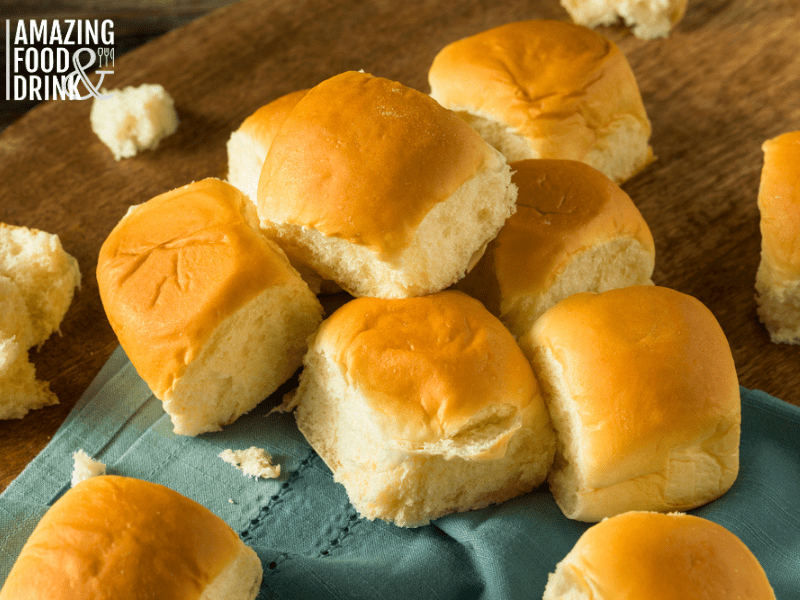
Dinner Rolls
The versatility of gluten-free, dairy-free dinner rolls allows them to complement various dishes and occasions. You can experiment with different serving ideas to find the perfect pairing for them. Here are some serving suggestions to complement these delightful rolls.
Serve the dinner rolls as a classic side dish with meals like roasted chicken, grilled fish, or a hearty vegetable stew. Their light and fluffy texture makes them an excellent bread accompaniment to various main dishes.
Pair the gluten-free, dairy-free dinner rolls with your favourite soup or stew. Their soft texture is perfect for dunking into a warm bowl of tomato soup, vegetable stew, or a comforting chilli.
Use the dinner rolls as a base for sandwiches. Slice them in half and fill them with your preferred ingredients, such as turkey, ham, lettuce, and tomatoes. The rolls’ softness adds a pleasant contrast to the fillings.
Serve the rolls as part of a brunch spread with jams, jellies, or fruit preserves. Their slightly sweet flavour can complement the sweetness of spreads, making them a delightful bread addition to a brunch table.
Turn the rolls into dessert sliders by adding sweet fillings like sliced strawberries, dairy-free whipped cream, or a dollop of your favourite fruit compote.
How to Store and Reheat Dinner Rolls
Gluten-free, dairy-free dinner rolls can be enjoyed even after baking day. With proper storage, freezing, and reheating techniques, you can enjoy their soft goodness for days or even months. Here’s your guide to ensure your rolls stay fresh and delicious.
Storage at Room Temperature or Refrigerating
Let your rolls cool completely on a wire rack before storing them. Trapped heat can create moisture and lead to spoilage.
Transfer the cooled rolls to an airtight container or zip-lock bag to prevent them from drying out or absorbing other flavours.
Enjoy your rolls within 1-2 days for optimal freshness.
For longer storage (up to 5 days), transfer the rolls to an airtight container and store them in the refrigerator. The cold temperature slows down staling, but the rolls might lose some of their fluffy texture.
Freezing Instructions
Frozen gluten-free dairy-free dinner rolls can last for up to 3 months if stored properly. However, for the best texture and flavour, enjoy them within the first month. Here’s how to freeze them.
After cooling, wrap individual rolls in plastic wrap or parchment paper to prevent them from sticking together.
Place the wrapped rolls in a freezer-safe, airtight container or bag.
Label with the date for easy reference.
Reheating Instructions
For the best results, thaw frozen rolls overnight in the refrigerator. This allows them to defrost gently and maintain their texture.
If you’re short on time, microwave individual rolls on low power for 30-second intervals, checking for doneness after each interval.
Preheat your oven to 175°C (350°F) and bake the frozen rolls for 10-15 minutes or until warmed through.
Conclusion
If you’ve enjoyed mastering the art of gluten-free, dairy-free dinner rolls, our culinary exploration doesn’t have to end here. At Amazing Food & Drink, we’re committed to providing a variety of recipes catering to different tastes and dietary preferences.
Fuel your mornings with our collection of gluten-free, dairy-free breakfast ideas; there’s something to kickstart your day every which way. Because everyone deserves a little treat now and then, we have a comprehensive guide to making gluten-free, dairy-free brownies; don’t miss it! Dietary restrictions should never hinder the joy of indulging in delicious, homemade creations.


 Shaimaa Olwan