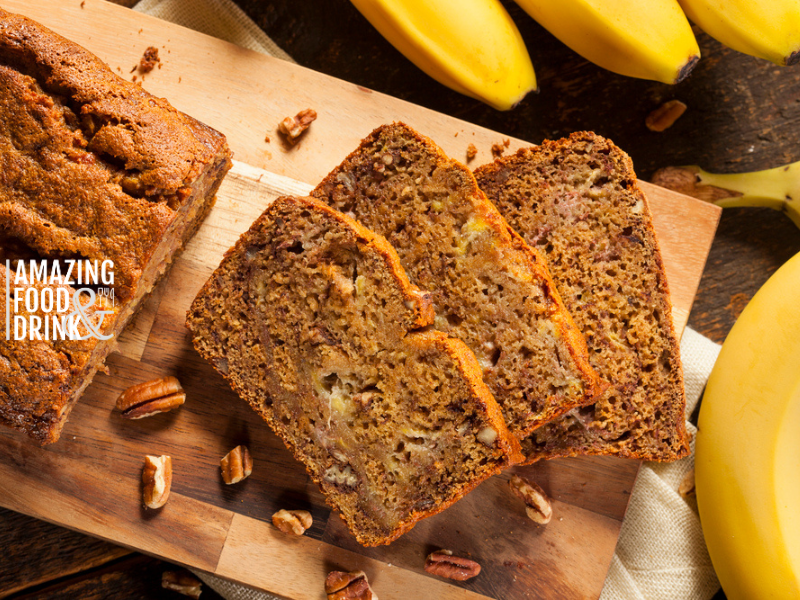
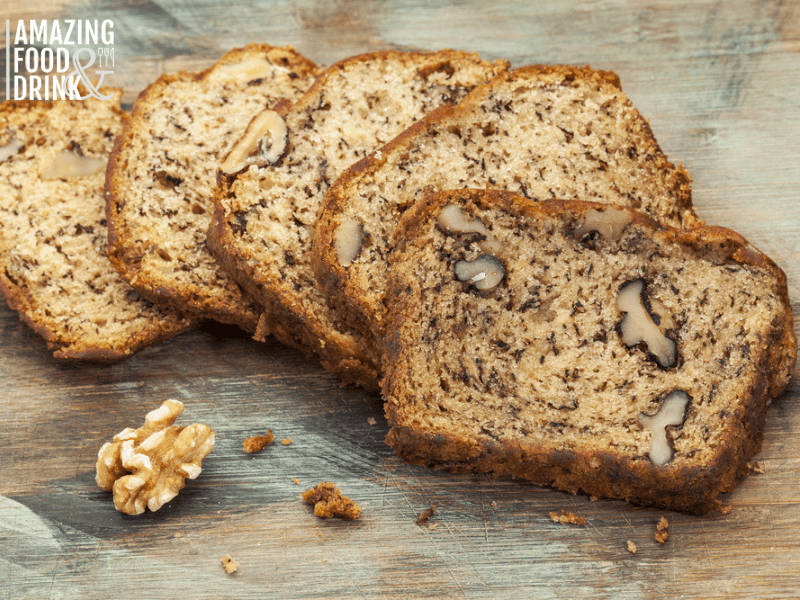
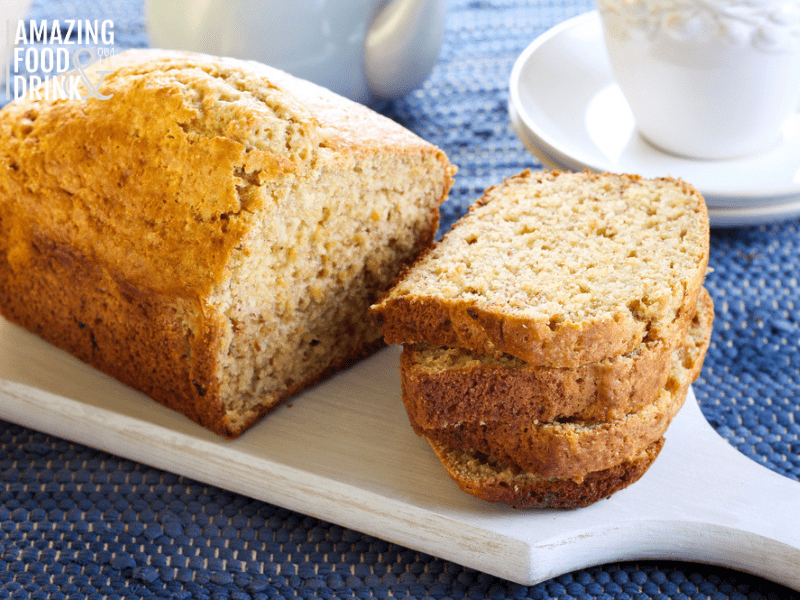
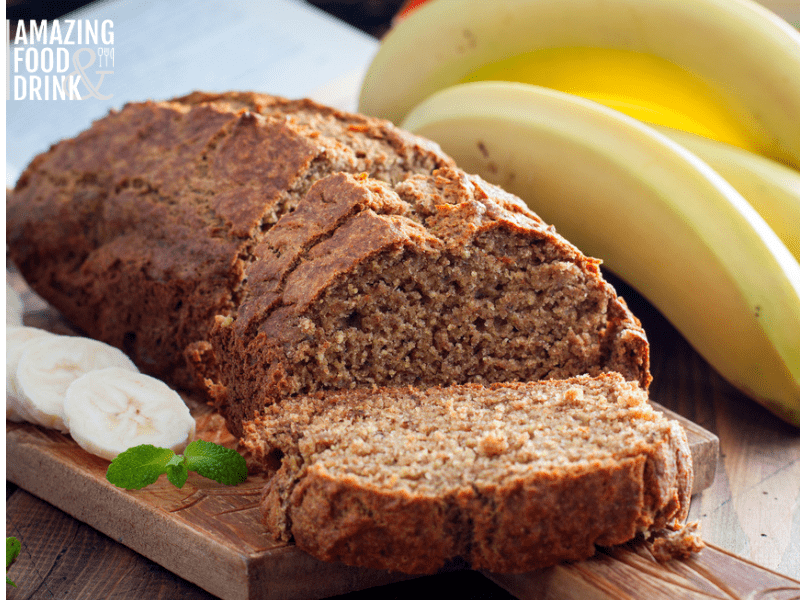
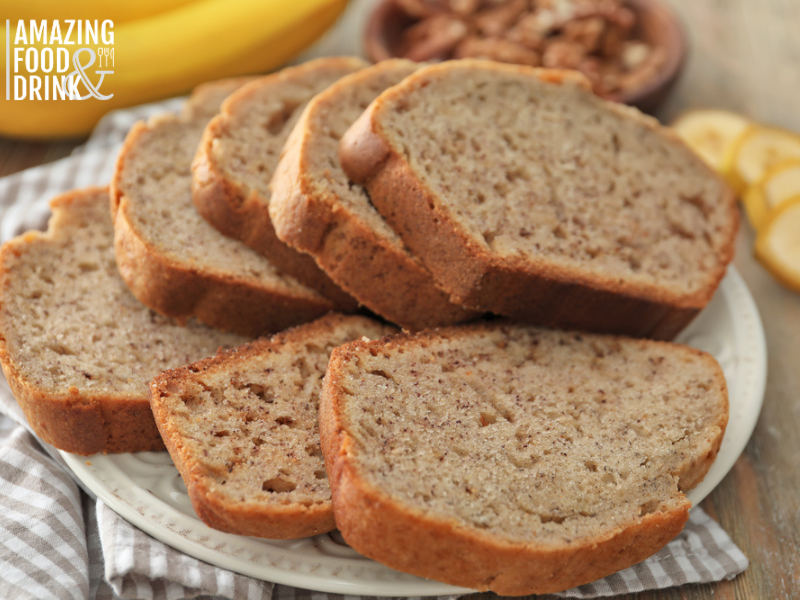
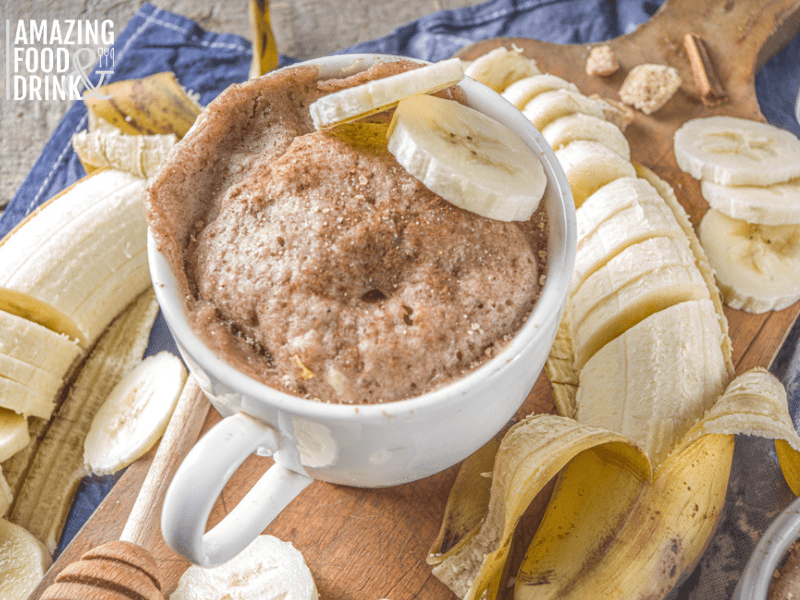
Baking banana bread without sugar transforms overripe bananas into naturally sweet, moist loaves that satisfy cravings whilst supporting health goals. This approach celebrates the fruit’s inherent sweetness rather than masking it with refined sugars, creating bakes that honour both flavour and nutrition.
Sugar-free banana bread relies on a fascinating biological process. As bananas ripen, their starches convert to natural sugars through enzymatic activity. Those dark spots signal peak sweetness—when fruit sugars reach their highest concentration. This natural transformation means you’re working with nature’s candy, not compensating for missing sweetness.
This guide presents tested recipes for every dietary need: almond flour versions for grain-free baking, nut-free options for allergen concerns, vegan adaptations using plant-based ingredients, and gluten-free formulations. Each recipe maintains the essential characteristics of excellent banana bread—tender crumb, balanced moisture, warming spices—whilst eliminating refined sugar entirely.
Whether managing blood glucose levels, following specific dietary patterns, or simply seeking more wholefood-based baking, these recipes deliver genuine flavour without compromise. The techniques here draw from both traditional quick bread methods and modern nutritional understanding, creating loaves that stand proudly alongside their conventional counterparts.
Table of Contents
The Science Behind Naturally Sweet Banana Bread
Understanding how bananas develop sweetness and how to harness that natural sugar content forms the foundation of successful sugar-free baking.
How Bananas Create Their Own Sweetness
Bananas undergo remarkable chemical changes as they ripen. Green bananas contain approximately 23% starch, which enzymes called amylases gradually break down into simple sugars—fructose, glucose, and sucrose. By the time skins display those characteristic brown speckles, starch content drops below 1%, whilst sugar concentration peaks around 17-19%.
This enzymatic conversion explains why timing matters crucially for sugar-free banana bread. Underripe yellow bananas lack sufficient sweetness, requiring additional sweeteners. Perfectly ripe bananas—those with abundant brown spots but firm, creamy flesh—provide maximum natural sugar whilst maintaining structural integrity for baking.
When testing these recipes, bananas at the “spotty-brown” stage consistently produced the best results. The fruit should yield slightly to pressure but not feel mushy. This stage balances sweetness with pectin content, which helps create proper structure in your finished loaf.
The Role of Spices in Perceived Sweetness
Cinnamon, nutmeg, and vanilla don’t just add flavour—they amplify perceived sweetness. Research shows certain spices activate taste receptors that enhance sweet sensations without adding sugar. Cinnamon particularly affects how our palates interpret sweetness, allowing naturally sweet ingredients to taste even more satisfying.
This technique appears across global baking traditions. Filipino banana cakes incorporate pandan and coconut, whilst Caribbean banana breads use allspice and mace. These aren’t merely flavour additions; they’re strategic choices that make naturally sweet bakes taste richer and more complex.
Adding 1-2 teaspoons of cinnamon creates depth that makes banana bread without sugar taste remarkably satisfying. Some bakers include cardamom or ginger for additional warmth and complexity.
Understanding Moisture Without Sugar
Sugar serves multiple functions in traditional baking—it’s not just about sweetness. Sugar attracts and holds moisture (hygroscopy), creates tenderness by interfering with gluten development, and contributes to browning through caramelisation. Removing it requires compensating for these structural roles.
Fat becomes particularly important in sugar-free banana loaf recipes. Coconut oil, olive oil, or grass-fed butter provide richness and help maintain moisture. The mashed bananas themselves contribute moisture, but additional fat ensures the crumb stays tender rather than turning rubbery.
Acidic ingredients like lemon juice or apple cider vinegar react with baking soda to create lift whilst keeping the crumb soft. This combination—adequate fat, natural fruit moisture, and proper leavening—creates banana bread that’s genuinely moist, not dry or dense.
This foundational banana almond bread recipe produces reliably excellent results using almond flour’s natural richness. The grain-free approach creates a particularly tender crumb whilst keeping the loaf naturally low in carbohydrates.
Ingredients
Wet Ingredients:
3 large overripe bananas (approximately 400g mashed)
2 large free-range eggs, room temperature
60ml melted coconut oil or light olive oil
1 teaspoon pure vanilla extract
1 tablespoon fresh lemon juice
Dry Ingredients:
300g blanched almond flour (not almond meal)
1½ teaspoons baking powder
½ teaspoon bicarbonate of soda
½ teaspoon fine sea salt
1½ teaspoons ground cinnamon
½ teaspoon ground nutmeg
¼ teaspoon ground ginger (optional)
Optional Additions:
80g chopped walnuts or pecans
60g sugar-free dark chocolate chips (85% cocoa)
Instructions
Position oven rack in centre and preheat to 175°C (350°F). Line a 23cm × 13cm (9″ × 5″) loaf tin with baking parchment, leaving overhang on long sides for easy removal.
In a large mixing bowl, mash bananas thoroughly using a fork until mostly smooth with some small chunks remaining. The more brown spots on your bananas, the sweeter your finished loaf will be.
Add eggs to mashed bananas and whisk vigorously for 30 seconds until well combined. Pour in melted coconut oil, vanilla extract, and lemon juice. Whisk again until the mixture appears emulsified and slightly frothy.
In a separate bowl, combine almond flour, baking powder, bicarbonate of soda, salt, cinnamon, nutmeg, and ginger if using. Whisk dry ingredients thoroughly to distribute leavening agents evenly—this prevents pockets of bitter baking soda in your finished loaf.
Pour dry ingredients over wet mixture. Using a rubber spatula, fold gently just until no dry flour pockets remain visible. The batter should look thick and slightly lumpy. Avoid overmixing, which can make the finished banana bread tough.
If adding nuts or chocolate, fold them in now with 3-4 gentle strokes. Reserve a few pieces to press into the top for visual appeal.
Transfer batter to prepared tin, smoothing top with spatula. Tap the tin gently on the worktop twice to release air bubbles.
Bake for 50-55 minutes, rotating tin halfway through for even browning. The loaf is done when a skewer inserted into the centre emerges with just a few moist crumbs attached—not wet batter. The top should be deeply golden brown.
Cool in tin for 15 minutes, then use parchment overhang to lift the loaf onto a wire rack. Allow to cool completely before slicing—this usually takes 45-60 minutes. Warm banana bread slices messily; cooled bread cuts cleanly.
Recipe Notes
Blanched almond flour creates finer texture than almond meal, which includes skins and produces grainier results. Bob’s Red Mill and Hodmedod’s offer reliable UK options.
Store cooled banana bread wrapped in beeswax wraps or sealed containers at room temperature for 3 days, refrigerated for 1 week, or frozen for 3 months. Slice before freezing for easy single-serve portions.
The lemon juice serves two purposes: it brightens banana flavour whilst activating the bicarbonate of soda for better rise. Don’t skip it.
For those managing nut allergies or preferring grain-based bakes, this nut-free version uses wholemeal flour whilst maintaining moisture and natural sweetness.
Ingredients
Wet Ingredients:
3 large overripe bananas (approximately 400g mashed)
2 large free-range eggs
80ml melted coconut oil or unsalted butter
1 teaspoon vanilla extract
60g unsweetened applesauce
Dry Ingredients:
240g wholemeal flour (or oat flour for gluten-free)
1½ teaspoons baking powder
½ teaspoon bicarbonate of soda
¾ teaspoon fine sea salt
2 teaspoons ground cinnamon
½ teaspoon ground nutmeg
¼ teaspoon ground cloves
Optional Mix-ins:
70g chopped dried dates or unsweetened dried cranberries
40g sunflower seeds or pumpkin seeds
Instructions
Preheat the oven to 175°C (350°F). Prepare loaf tin as described in the master recipe.
Mash bananas thoroughly in a large bowl. Add eggs, melted coconut oil, vanilla, and applesauce. Whisk until completely smooth and slightly aerated—about 45 seconds of vigorous whisking.
Combine flour, baking powder, bicarbonate of soda, salt, and all spices in a separate bowl. Whisk to distribute evenly.
Add dry ingredients to the wet mixture. Fold gently with rubber spatula just until combined. The batter will be thicker than the almond flour version—this is correct.
Fold in dried fruit or seeds if using. Transfer to prepared tin.
Bake 50-55 minutes until deeply golden and skewer tests clean. Wholemeal flour versions may require 2-3 extra minutes compared to almond flour.
Cool in tin for 15 minutes, then transfer to a wire rack. Cool completely before slicing.
Baker’s Notes
Wholemeal flour adds earthier flavour and more fibre than white flour whilst keeping the loaf naturally sweet. The applesauce contributes moisture without added sugar—look for unsweetened varieties.
For oat flour version, either purchase certified gluten-free oat flour or make your own by grinding rolled oats in a food processor until fine. Use the same measurements as wholemeal flour.
This version keeps well and actually improves slightly on day two as flavours meld. The texture becomes more cake-like as it rests.
Vegan Sugar-Free Banana Bread
Prep Time: 20 minutes (includes 10 minutes for flax eggs to set) Cook Time: 55 minutes Servings: 10-12 slices
This plant-based banana bread version uses flax eggs and coconut milk to create tender crumb without any animal products, proving that dietary restrictions needn’t limit delicious results.
Ingredients
Flax Eggs:
2 tablespoons ground flaxseed
5 tablespoons water
Wet Ingredients:
3 large overripe bananas (approximately 400g mashed)
80ml melted coconut oil
120ml tinned coconut milk (full-fat)
1 teaspoon vanilla extract
1 tablespoon apple cider vinegar
Dry Ingredients:
280g wholemeal spelt flour or oat flour
1½ teaspoons baking powder
½ teaspoon bicarbonate of soda
¾ teaspoon fine sea salt
2 teaspoons ground cinnamon
½ teaspoon ground nutmeg
Optional Additions:
60g chopped walnuts
40g unsweetened coconut flakes
Instructions
Prepare flax eggs first: combine ground flaxseed with water in a small bowl, stir, and set aside for 10 minutes. The mixture will thicken to egg-like consistency.
Preheat the oven to 175°C (350°F). Line loaf tin with parchment as described previously.
Mash bananas in a large bowl until very smooth. Add prepared flax eggs, melted coconut oil, coconut milk, vanilla, and apple cider vinegar. Whisk thoroughly until well combined and slightly frothy.
In a separate bowl, whisk together flour, baking powder, bicarbonate of soda, salt, cinnamon, and nutmeg.
Pour dry ingredients into a wet mixture. Fold gently just until no flour pockets remain. The batter will be thick but pourable.
Fold in nuts or coconut flakes if using. Transfer to prepared tin.
Bake for 52-58 minutes. Vegan banana bread often requires slightly longer baking time than egg-based versions. Test with a skewer—it should emerge clean with just a crumb or two attached.
Cool in tin 20 minutes (vegan versions benefit from longer initial cooling), then transfer to a wire rack.
Recipe Variations
Southeast Asian Twist: Replace half the coconut milk with pandan extract and coconut cream. Add 40g desiccated coconut to batter. This creates Filipino-inspired banana cake texture whilst remaining sugar-free.
Caribbean Spice: Add ¼ teaspoon ground allspice, ⅛ teaspoon ground mace, and 1 tablespoon dark rum (alcohol cooks off). Fold in 50g chopped crystallised ginger (sugar-free variety if available).
The apple cider vinegar reacts with bicarbonate of soda to create excellent rise—don’t omit it. You won’t taste vinegar in the finished loaf.
This version combines multiple gluten-free flours to create structure similar to wheat-based breads, delivering tender crumb without the gumminess common in some gluten-free baking.
Ingredients
Wet Ingredients:
3 large overripe bananas (approximately 400g mashed)
Preheat the oven to 165°C (325°F)—note the lower temperature for this gluten-free version. Line loaf tin with parchment.
Mash bananas thoroughly. Add eggs, coconut oil, vanilla, and almond milk. Whisk vigorously for 1 minute until mixture is very well combined and slightly frothy.
In a separate large bowl, combine all three flours, baking powder, bicarbonate of soda, salt, cinnamon, and nutmeg. Whisk thoroughly—this step is crucial for even distribution in gluten-free baking.
Pour wet ingredients into dry. Mix with rubber spatula until completely smooth. Unlike wheat-based batters, you can mix gluten-free versions more thoroughly without developing toughness.
Fold in chocolate chips or chia seeds if using. The batter will be quite thick.
Transfer to prepared tin, smoothing top. This batter benefits from gentle tapping to release air bubbles.
Bake for 48-52 minutes. Gluten-free banana bread requires lower temperature and careful monitoring. Check at 45 minutes—if the top browns too quickly, tent with foil.
Cool in tin 20 minutes, then carefully transfer to a wire rack. Gluten-free banana breads are more delicate when warm.
Gluten-Free Baking Notes
Coconut flour absorbs substantial moisture—never substitute it 1:1 with other flours. The blend here balances almond flour’s richness with coconut flour’s structure and tapioca’s binding properties.
This version tastes even better on day two as moisture distributes more evenly throughout the loaf. Store in an airtight container at room temperature.
If you can’t use nuts, substitute the almond flour with additional 120g oat flour (certified gluten-free) plus 60g more tapioca flour. Results will be slightly less rich but still excellent.
For streamlined baking without multiple bowls, this simplified recipe produces excellent results with minimal cleanup, making it perfect for spontaneous weekend baking.
Ingredients
3 large overripe bananas (approximately 400g)
80ml melted coconut oil or light olive oil
2 large free-range eggs
1 teaspoon vanilla extract
60g unsweetened Greek yoghurt or coconut yoghurt
240g wholemeal flour
1½ teaspoons baking powder
½ teaspoon bicarbonate of soda
¾ teaspoon fine sea salt
2 teaspoons ground cinnamon
60g chopped walnuts (optional)
Instructions
Preheat the oven to 175°C (350°F). Line 20cm × 10cm (8″ × 4″) loaf tin with parchment.
In a single large bowl, mash bananas thoroughly with a fork. Add melted oil, eggs, vanilla, and yoghurt directly to mashed bananas. Whisk vigorously for 30 seconds.
Add all remaining dry ingredients directly on top of wet mixture—flour, baking powder, bicarbonate of soda, salt, and cinnamon. Using rubber spatula, fold gently just until combined.
Fold in walnuts if using. Transfer to prepared tin.
Bake 48-52 minutes until deeply golden and skewer tests clean.
Cool in tin for 10 minutes, then transfer to a wire rack.
Quick Method Tips
The yoghurt adds tang that balances banana sweetness whilst contributing moisture. Greek yoghurt creates richer texture; coconut yoghurt keeps it dairy-free.
This smaller tin size creates taller loaf with better height-to-width ratio. If using standard 23cm × 13cm tin, reduce baking time by 5 minutes and check early.
Because everything combines in one bowl, work quickly once wet and dry ingredients meet to prevent leavening agents from activating prematurely.
Essential Techniques for Perfect Sugar-Free Banana Bread
Mastering a few key techniques ensures consistent success with banana bread without sugar, regardless of which recipe variation you choose.
Choosing and Preparing Bananas
The ripeness of your bananas determines your banana loaf’s success more than any other factor. Look for fruit with deep brown spots covering at least 80% of the skin. The flesh inside should remain creamy yellow, not translucent or grey.
If your bananas aren’t quite ripe enough, place them in paper bag with an apple overnight. Apples release ethylene gas that accelerates ripening. For emergency ripening, bake whole unpeeled bananas at 150°C for 15-20 minutes until skins turn completely black. Cool before using.
Different banana varieties offer varying sweetness levels. Cavendish bananas (standard supermarket variety) work reliably well. If you can source them, Filipino Saba bananas or Caribbean Red bananas provide deeper, almost caramel-like sweetness. Asian grocers often stock alternative varieties worth experimenting with.
Measure bananas by weight rather than “number of bananas” for consistent results. Three medium bananas typically yield 400g mashed banana, but actual size varies significantly.
Mixing Methods That Matter
Sugar-free batters behave differently from sugar-laden ones. Without sugar to coat flour proteins, gluten develops more easily, potentially creating tough texture. The solution: gentle folding and minimal mixing once flour joins wet ingredients.
Whisk wet ingredients vigorously to incorporate air and create emulsion. This thorough mixing at the start means you can mix less once flour is added. When folding in dry ingredients, stop as soon as no flour pockets remain visible—some small lumps are acceptable.
Room temperature ingredients combine more easily than cold ones. Set eggs and any dairy on the counter 30 minutes before baking. Melted coconut oil should be liquid but not hot, which could scramble eggs.
Achieving Proper Rise and Texture
Leavening becomes particularly important in banana bread without sugar. The combination of baking powder (which contains both acid and base) and bicarbonate of soda (which needs acid to activate) creates optimal rise.
The acid in this equation comes from multiple sources: the bananas themselves (particularly ripe ones), lemon juice or vinegar in the recipe, and sometimes yoghurt. This acid-base reaction creates carbon dioxide bubbles that lift the batter.
Never substitute baking powder and bicarbonate of soda 1:1—they work differently. Baking powder provides immediate rise when moistened plus delayed rise when heated. Bicarbonate of soda reacts immediately with acid. Together, they create both quick initial lift and sustained rise during baking.
Test your leavening agents for freshness: drop ½ teaspoon baking powder in hot water (it should bubble vigorously) or mix ¼ teaspoon bicarbonate of soda with vinegar (it should fizz enthusiastically). Expired leaveners produce dense, flat loaves.
Preventing Common Issues
Dense, Heavy Texture: Usually caused by insufficient leavening, expired baking powder/soda, or overmixing. Measure leaveners carefully using proper measuring spoons, and replace any containers older than 6 months.
Sunken Centre: Indicates underbaking even if edges seem done. The centre requires the longest cooking time. Always test with a skewer in the deepest part of the loaf. If the top browns before the centre cooks, tent with foil and continue baking.
Dry, Crumbly Loaf: Results from insufficient fat or moisture, overbaking, or bananas that weren’t ripe enough. Increase oil by 1-2 tablespoons next time, or add 2 tablespoons of yoghurt or applesauce to the recipe.
Gummy Texture: Common in gluten-free bread versions when underbaked. Gluten-free banana bread requires thorough baking despite appearing done on top. Use lower oven temperature and longer baking time.
Storage and Freshness
Banana bread without sugar actually keeps better than sugar-laden versions in some ways—sugar attracts moisture from air, potentially making banana bread soggy. Sugar-free banana breads maintain their texture longer when stored properly.
Wrap completely cooled banana loaf tightly in beeswax wraps or place in an airtight container. Store at room temperature for 3 days. For longer storage, refrigerate up to 1 week—bring slices to room temperature before eating for best texture.
For freezing, slice bread first, then wrap individual slices in parchment paper and place in a freezer bag. Frozen slices thaw quickly for grab-and-go breakfasts. Freeze for up to 3 months.
To refresh day-old banana bread, warm slices in a 150°C oven for 5-8 minutes or toast lightly. This restores some of the fresh-baked texture.
Global Flavour Variations for Banana Bread
These international-inspired adaptations showcase how different culinary traditions approach naturally sweet baking, offering fresh perspectives on sugar-free banana bread.
Mediterranean Orange and Olive Oil Version
Replace coconut oil with extra virgin olive oil (fruity, not peppery varieties work best). Add zest of 1 large orange and 2 tablespoons of fresh orange juice to wet ingredients. Fold in 40g chopped pistachios and 2 tablespoons chopped fresh rosemary. This sophisticated variation brings Greek island bakery flavours to banana bread.
Filipino Ube and Coconut Style
Add 2 tablespoons ube (purple yam) powder to dry ingredients for stunning purple colour and subtle earthiness. Increase coconut content by folding in 60g toasted coconut flakes and using full-fat coconut milk in place of other liquids. Top with additional coconut before baking. This creates banana bread that references Filipino bibingka and puto traditions.
Middle Eastern Date and Cardamom
Though dates contain natural sugars, using small amounts (40g finely chopped Medjool dates) adds complexity without overwhelming the banana’s sweetness. Add 1 teaspoon ground cardamom and ½ teaspoon rosewater to batter. Fold in 2 tablespoons chopped pistachios. This variation nods to Persian and Levantine date cakes whilst remaining primarily fruit-sweetened.
Nordic Rye and Lingonberry
Replace 80g of wholemeal flour with dark rye flour for deeper, more complex flavour. Fold in 60g fresh or frozen lingonberries (or substitute fresh cranberries). Add 1 teaspoon ground ginger and ½ teaspoon ground anise. This Scandinavian-inspired version balances banana’s sweetness with rye’s earthiness.
Ingredient Substitutions and Adaptations
Understanding ingredient functions allows you to adapt these recipes confidently for different dietary needs and available ingredients.
Flour Options
Almond Flour: Creates richest, moistest texture. Use blanched for the finest crumb. Cannot substitute 1:1 with other flours.
Coconut Flour: Extremely absorbent—use only 25% the amount of wheat flour called for. Always combine with other flours rather than using alone.
Oat Flour: Make your own by grinding rolled oats. Produces tender, slightly chewy texture. Works well as a direct substitute for wholemeal flour.
Spelt Flour: Ancient wheat variety with nuttier flavour. Substitute 1:1 for wholemeal flour. Contains gluten but some people with wheat sensitivities tolerate it better.
Buckwheat Flour: Despite the name, entirely gluten-free. Strong, distinctive flavour works well in banana bread. Use 50/50 blend with milder flour.
Fat Choices
Coconut Oil: Provides subtle tropical flavour, keeps loaf moist. Use refined coconut oil for a neutral taste.
Olive Oil: Extra virgin adds fruity notes; light olive oil tastes neutral. Creates a particularly tender crumb.
Butter: Grass-fed butter adds rich flavour. Ensure it’s melted and slightly cooled before adding to eggs.
Avocado Oil: Neutral-tasting option with high smoke point. Creates a lighter texture than coconut oil.
Natural Sweetener Additions (Optional)
While these recipes rely primarily on banana sweetness, some bakers prefer additional sweetening:
Dates: Soak 4-5 Medjool dates in hot water for 10 minutes, blend until smooth, add to wet ingredients. This adds caramel notes.
Banana Chips: Fold in 40g unsweetened banana chips for concentrated banana flavour and slight textural contrast.
Monk Fruit Sweetener: If you want a loaf slightly sweeter, add 2-3 tablespoons monk fruit sweetener to dry ingredients. Choose granulated varieties that measure like sugar.
Stevia: Use sparingly—½ teaspoon liquid stevia or 2 teaspoons granulated stevia blended with 2 tablespoons extra flour. Too much creates bitter aftertaste.
Serving Suggestions and Pairings
Banana bread without sugar shines in numerous serving contexts beyond basic slicing:
Breakfast: Toast slices and spread with almond butter, tahini, or sugar-free fruit spread. Top with fresh berries and a drizzle of Greek yoghurt. Serve alongside scrambled eggs for a balanced morning meal.
Afternoon Tea: Slice thinly and serve with unsweetened whipped coconut cream and fresh strawberries. Pair with Earl Grey or chamomile tea. Add thin cucumber sandwiches and cheese for proper afternoon tea spread.
Dessert Transformation: Warm slices and top with sugar-free vanilla ice cream made from frozen bananas blended until creamy. Add pecans and a sprinkle of cinnamon.
Portable Snacks: Wrap individual slices for hiking, cycling, or long car journeys. The natural sugars provide sustained energy without crashing from refined sugar.
Savoury Pairing: Surprisingly excellent alongside sharp cheddar, aged Gouda, or blue cheese. The banana’s sweetness complements cheese’s saltiness beautifully.
Nutritional Considerations and Dietary Benefits
Understanding the nutritional profile of sugar-free banana bread helps you make informed choices about incorporating it into various eating patterns.
Blood Sugar Management
Banana bread without refined sugar affects blood glucose differently than conventional recipes. The natural fruit sugars in bananas come packaged with fibre, which slows sugar absorption. This creates a more gradual blood sugar rise compared to refined sugar’s rapid spike.
Choosing almond or coconut flour further moderates glycaemic response due to higher protein and fat content. These macronutrients slow digestion, preventing sharp insulin spikes. For improved blood sugar control, pair banana bread with protein sources like Greek yoghurt or nut butter.
Individuals monitoring glucose should still practice portion control—whilst natural sugars affect blood sugar more gently than refined sugars, they still influence glucose levels. One slice (approximately 85g) typically contains 20-25g total carbohydrates depending on flour choice.
Nutrient Density Advantages
Sugar-free banana bread recipe versions offer significantly more micronutrients than conventional recipes. Bananas provide potassium, vitamin B6, vitamin C, and manganese. Almond flour adds vitamin E, magnesium, and heart-healthy monounsaturated fats. Wholemeal flour contributes B vitamins, iron, and fibre.
By eliminating refined sugar (which provides “empty calories” with no nutritional value), you create room for nutrient-dense ingredients. The recipes here pack approximately 30% more vitamins and minerals per slice than equivalent sugar-sweetened versions.
Walnuts, if included, add omega-3 fatty acids beneficial for heart and brain health. Cinnamon provides antioxidants and may help regulate blood sugar. Coconut oil contains medium-chain triglycerides that some research suggests support metabolism.
Allergen Management
These recipes accommodate multiple common allergens:
Nut-Free: The wholemeal flour version contains no tree nuts or peanuts whilst maintaining excellent texture and taste.
Dairy-Free: All recipes use coconut oil or olive oil rather than butter, making them suitable for lactose intolerance or dairy allergies. Ensure chocolate chips are dairy-free if adding them.
Egg-Free: The vegan version uses flax eggs successfully. Those allergic to eggs can use this adaptation without compromising texture significantly.
Gluten-Free: The dedicated gluten-free banana bread recipe uses certified gluten-free flours whilst creating tender crumb and good rise.
Always verify ingredient labels for allergen warnings, particularly with pre-ground flours and chocolate chips which may be processed in facilities handling allergens.
Seasonal Variations and Cultural Celebrations
Adapting banana bread recipes to reflect seasonal ingredients and cultural traditions keeps your baking fresh and relevant throughout the year.
Autumn Spice Version
As weather cools, adapt your banana bread recipe sugar-free with warming autumn spices. Double the cinnamon to 3 teaspoons, add ½ teaspoon ground cloves, and fold in 60g chopped pecans. Toast the pecans first in dry pan for deeper flavour. Some bakers add 80g finely grated carrot for moisture and natural sweetness, creating banana-carrot hybrid bread popular at harvest celebrations.
Winter Citrus Adaptation
During winter months when blood oranges and Seville oranges appear in markets, add their zest and juice for bright flavour. Replace vanilla extract with 1 teaspoon orange blossom water. Fold in 40g chopped candied orange peel (look for sugar-free versions at speciality shops). This variation references British winter pudding traditions whilst remaining fruit-sweetened.
Spring Fresh Herb Version
When fresh herbs flourish in spring, experiment with savoury-sweet combinations. Add 2 tablespoons finely chopped fresh basil or mint to batter. The herbs complement the banana surprisingly well, creating a sophisticated flavour profile. Drizzle cooled loaf with thin glaze made from lemon juice and monk fruit sweetener. Serve for afternoon tea with fresh strawberries.
Summer Tropical Style
Peak summer calls for tropical adaptation. Use coconut oil and fold in 60g desiccated coconut, 40g chopped dried mango (unsweetened), and ½ teaspoon ground ginger. Add 1 tablespoon of lime zest. This version celebrates Commonwealth Caribbean banana bread traditions whilst suiting summer picnics and garden parties.
The Cultural Heritage of Banana Bread
Banana bread emerged from practical necessity during the Great Depression, when American home bakers sought ways to use overripe fruit rather than waste it. The first published recipes appeared in the 1930s, coinciding with baking powder and bicarbonate of soda becoming widely available household items.
The concept of banana bread, however, extends far beyond 1930s America. Caribbean cultures developed plantain and banana breads centuries earlier, using techniques brought from Africa combined with ingredients available in tropical climates. Filipino banana cakes and steamed banana breads represent another ancient tradition, using indigenous Saba bananas in dense, naturally sweet preparations.
What unites these global traditions is celebration of fruit’s natural sweetness without relying primarily on added sugars. Many traditional recipes used minimal sweetening, allowing banana flavour to shine. Modern sugar-free banana bread recipes actually return to these roots, honouring older baking wisdom that prioritised fruit and spice over refined sugar.
In contemporary baking, sugar-free versions gain popularity not from economic necessity but from growing awareness of sugar’s health impacts. This shift represents a full-circle moment—returning to fruit-focused, naturally sweet baking our ancestors practised.
Bringing Natural Sweetness Home
Sugar-free banana bread celebrates the fruit’s inherent sweetness whilst demonstrating that dietary mindfulness needn’t mean flavour compromise. Whether following the almond flour master recipe, creating nut-free versions for allergy management, baking vegan loaves, or experimenting with gluten-free formulations, you’re crafting genuinely delicious food using wholesome ingredients.
Start with the recipe that best suits your dietary needs and available ingredients. Master the technique of selecting perfectly ripe bananas, fold your batter gently, and trust the natural sweetness of fruit. Once you taste how satisfying banana bread without sugar can be, you’ll return to these recipes repeatedly.
For more naturally sweet recipes and wholesome baking inspiration, explore our collection of keto desserts for low-carb treats or try our protein pancakes recipe for another satisfying breakfast option. Browse our recipe collection for additional sugar-free baking ideas that honour both flavour and nutrition.