When the first autumn breeze announces winter’s approach, people worldwide reach for warming beverages that have comforted generations. These winter drinks represent more than simple refreshment—they embody cultural traditions, family gatherings, and the universal human desire for warmth during cold months. From the creamy richness of Egyptian Sahlab to the spiced depths of Mexican Champurrado, each traditional drink tells a story of heritage and hospitality.
At Amazing Food & Drink, we’ve explored authentic recipes from cultures across the globe, uncovering the techniques, ingredients, and cultural contexts that make each winter beverage special. Whether you’re seeking immunity-boosting ginger tonics, festive hot chocolates, or lesser-known regional specialities, this comprehensive guide brings you tested recipes and the knowledge to prepare them authentically at home.
Table of Contents
Traditional Winter Warmers
These beloved winter drinks have sustained communities through centuries of cold weather, each offering unique flavours and cultural significance that transform simple ingredients into comforting rituals.
The Famous Sahlab: Egypt’s Signature Winter Drink
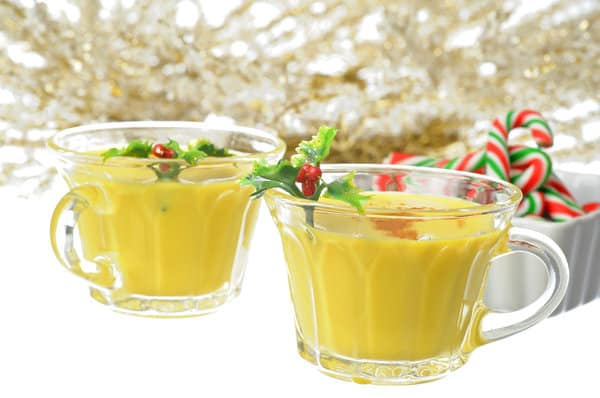
Sahlab stands as one of the most beloved winter drinks across Egypt and the broader Middle East. This creamy hot beverage delivers comfort through its velvety texture and distinctive floral notes, making it a staple in Egyptian cafés throughout the colder months.
Traditionally, authentic Egyptian Sahlab uses salep powder derived from ground orchid tubers (Orchis mascula), which not only thickens the drink but imparts a subtle, earthy undertone. However, due to over-harvesting and climate change, wild orchid populations have become scarce, pushing prices to record levels. Countries, including the USA, have banned authentic Sahlab importation, as orchids fall under international agreements protecting endangered species from trade.
Modern Sahlab recipes commonly use cornflour (cornstarch) as an accessible alternative that achieves the same creamy texture. The drink maintains its cultural significance whilst adapting to contemporary ingredient availability.
This traditional preparation delivers the creamy, aromatic experience found in Egyptian cafés while using readily available ingredients.
In a small bowl, mix the cornflour with ½ cup of the cold milk, stirring until completely smooth with no lumps. This prevents clumping when heated.
Pour the remaining milk into a medium saucepan. Add the sugar and stir over medium-low heat until the sugar dissolves completely.
Once the milk is warm (not boiling), slowly pour the cornflour mixture into the saucepan whilst stirring constantly. This tempering technique prevents lumps from forming.
Continue stirring the mixture consistently over medium heat. The Sahlab will begin to thicken after 8-10 minutes. Do not leave the stovetop unattended, as the cornflour can settle at the bottom and burn if not stirred continuously.
When the mixture achieves a custard-like consistency that coats the back of a spoon, remove from heat. Stir in the rose water or orange blossom water. This final addition preserves the delicate floral aromatics that would dissipate if added earlier.
Immediately pour the hot Sahlab into serving mugs or heat-proof glasses. The drink should have a thin pudding-like consistency—thicker than hot chocolate but thinner than custard.
Garnish generously with ground cinnamon, creating an aromatic layer on top. Add chopped pistachios, walnuts, or shredded coconut according to regional preference.
Cultural Context: In Egypt, Sahlab represents more than a winter warmer—it signals seasonal transition and provides calcium, vitamins, and warming spices during colder months. Egyptian families often prepare large batches during winter evenings, serving them alongside traditional biscuits or date-filled pastries. The drink’s creamy richness offers a healthier alternative to heavily sweetened hot chocolates whilst delivering similar comfort.
Sourcing Tips: While authentic salep powder remains difficult to source internationally, Middle Eastern grocery stores often stock pre-mixed Sahlab powders containing cornflour, milk powder, and flavourings. For the most authentic result, prepare your own blend using the recipe above. Mastic gum (available online and at Middle Eastern markets) adds the characteristic resinous, slightly pine-like note found in traditional preparations.
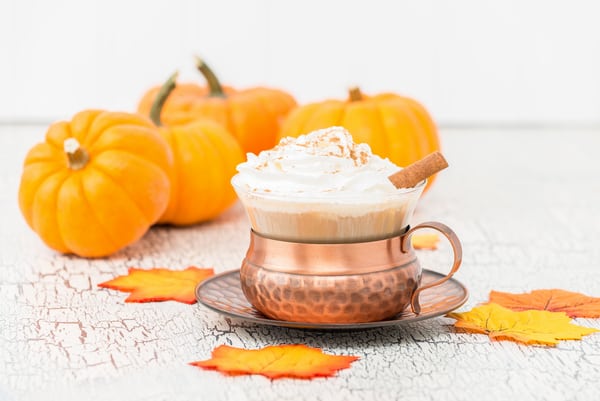
Pumpkin Spice Latte: Autumn’s Signature Beverage
The Pumpkin Spice Latte has evolved from a seasonal coffee shop speciality into a cultural phenomenon marking autumn’s arrival. This warming winter drink combines espresso with steamed milk, pumpkin purée, and the distinctive spice blend that defines the season.
What Makes Pumpkin Spice?
Contrary to popular belief, pumpkin spice contains no pumpkin—the blend consists of warming spices traditionally used in pumpkin pie: cinnamon, ginger, nutmeg, cloves, and sometimes allspice. These aromatic spices create a flavour profile that signals autumn and winter across Western culinary traditions.
Creating this café favourite at home allows you to control sweetness and spice intensity whilst avoiding artificial flavourings.
1 teaspoon pumpkin pie spice (or ½ teaspoon cinnamon, ¼ teaspoon ginger, ⅛ teaspoon nutmeg, pinch of cloves)
Whipped cream for topping
Extra cinnamon for garnish
Instructions
In a small saucepan, whisk together the milk, pumpkin purée, maple syrup, and pumpkin pie spice over medium heat. Whisk vigorously to ensure the pumpkin purée fully incorporates without leaving grainy bits.
Heat the mixture until it steams, and small bubbles form around the edges (approximately 70°C/158°F), but do not allow it to boil. For a frothy texture, use a milk frother or whisk vigorously for 30 seconds.
Remove from heat and stir in the vanilla extract.
Brew your espresso or strong coffee, dividing it between two mugs.
Pour the spiced milk mixture over the espresso, leaving room for whipped cream if desired.
Top with whipped cream and a dusting of cinnamon or pumpkin pie spice.
Dietary Adaptations: For dairy-free versions, oat milk provides the creamiest texture and most neutral flavour that allows the pumpkin spice to shine. Almond milk works well but may require additional sweetener. For a refined sugar-free option, use pure maple syrup or date syrup for natural sweetness.
Hot Chocolate: Global Variations
Hot chocolate stands as perhaps the most universally recognised winter drink, yet its preparation varies dramatically across cultures. Understanding these regional differences transforms this simple beverage from a basic cocoa mix into a sophisticated culinary experience.
Traditional European Hot Chocolate
European-style hot chocolate (particularly French chocolat chaud and Spanish chocolate caliente) bears little resemblance to the American powdered mix tradition. These preparations use high-quality dark chocolate with at least 70% cocoa content, creating a thick, intensely chocolatey beverage closer to melted fudge than traditional drinks.
French Hot Chocolate Recipe
This luxuriously thick preparation showcases quality chocolate’s depth, creating an indulgent experience far removed from powdered mixes.
In a saucepan, combine milk and cream. Heat over medium heat until it reaches a gentle simmer (small bubbles forming around edges). Do not boil.
Pour the hot milk mixture over the chopped chocolate. Let it sit for 30 seconds to begin melting the chocolate.
Whisk gently from the centre outward, creating a smooth emulsion. The mixture should become glossy and thick.
Add sugar (if using), vanilla extract, and salt. Whisk until completely smooth.
Return the mixture to the saucepan and warm gently over low heat, stirring constantly, for 2-3 minutes. The hot chocolate should coat the back of a spoon thickly.
Serve immediately in small cups or mugs. This rich preparation is traditionally served in smaller portions than American-style hot chocolate.
Regional Variations
Mexican Hot Chocolate (Chocolate Caliente): Mexican preparations incorporate cinnamon and sometimes chilli powder for warmth. Traditional recipes use chocolate de mesa (Mexican drinking chocolate containing cinnamon and sometimes almonds), whisked with a wooden molinillo to create foam. The texture remains thinner than European versions but richer than American cocoa mixes.
Italian Cioccolata Calda:Italian hot chocolate rivals French versions in thickness, often adding cornflour (cornstarch) as an additional thickening agent to create an almost pudding-like consistency. Served in espresso-sized portions, it’s eaten with a spoon rather than drunk.
Indian Hot Chocolate: Mumbai’s version uses white chocolate as the base, incorporating cardamom, ginger, cinnamon, cloves, and black peppercorns. This spiced preparation reflects India’s tradition of warming, aromatic beverages and creates a complex flavour profile unknown in Western preparations.
Colombian Hot Chocolate: Perhaps the most unusual variation, Colombian hot chocolate includes cheese cubes (typically queso fresco or mozzarella) dropped into the hot beverage. As the cheese melts partially, it creates a melty, stretchy surprise that Colombians enjoy pulling apart with spoons.
Middle Eastern Hot Beverages
The Middle East’s winter drink traditions emphasise aromatic spices, floral waters, and warming properties that support both comfort and wellness.
Turkish Winter Delights
Turkish winter beverage traditions extend beyond Sahlab to include warming salep variations, fragrant apple tea, and spiced milk drinks that have sustained communities through centuries of cold weather.
Salep (Turkish Sahlab)
Turkish Salep closely resembles Egyptian Sahlab but traditionally includes different garnishes and slightly different spice proportions. Turkish cafés serve Salep in distinctive decorative glasses, topped with cinnamon and sometimes ground pistachio.
The cultural significance in Turkey remains profound—Salep vendors appear on street corners throughout the winter months, serving the steaming beverage to commuters, shoppers, and families strolling through cold evening markets. The drink represents Turkish hospitality and seasonal tradition.
Middle Eastern Spiced Tea Traditions
These aromatic tea preparations combine black tea with whole spices, creating warming beverages that aid digestion and provide comfort.
Lebanese Spiced Tea (Chai)
Lebanese families control spice intensity through fresh ingredients rather than relying on pre-mixed blends.
Ingredients
4 cups water
4 black tea bags (or 2 tablespoons loose tea)
4-6 cardamom pods, lightly crushed
1 cinnamon stick
3-4 whole cloves
1-inch piece of fresh ginger, sliced
Honey or sugar to taste
Milk (optional)
Instructions
In a saucepan, bring water to a boil with the cardamom pods, cinnamon stick, cloves, and ginger. Reduce the heat and simmer for 5 minutes to extract the spice oils.
Add the tea bags or loose tea. Steep for 3-4 minutes (longer steeping creates bitter notes).
Remove from heat and strain into cups or a teapot.
Add honey or sugar to taste. Some prefer adding milk for a creamier texture similar to Indian chai.
Digestive Benefits: Middle Eastern spiced tea traditions emphasise digestive health. Cardamom aids digestion and reduces bloating, ginger soothes nausea and inflammation, whilst cinnamon helps regulate blood sugar. These winter drinks serve both comfort and wellness purposes.
Asian Winter Drinks
Asian winter beverage traditions offer a surprising variety, from cold-served spiced punches to sweet bean soups that blur the line between drink and dessert.
Korean Sujeonggwa: Traditional Cinnamon Ginger Punch
Sujeonggwa represents one of Korea’s most cherished traditional winter drinks, frequently served during New Year celebrations and special family gatherings. This cold-served punch (despite being a winter beverage) features a distinctive flavour profile combining the warmth of ginger and cinnamon with the subtle sweetness of persimmons and pine nuts.
This Korean celebration drink requires patience during simmering to extract maximum ginger and cinnamon intensity.
In a large pot, combine water, ginger slices, and cinnamon sticks. Bring to a boil over high heat.
Once boiling, reduce heat to medium-low and simmer for 45-60 minutes. The liquid should reduce slightly and develop a deep amber colour. The longer simmering time extracts maximum flavour from the ginger and cinnamon.
Strain the liquid through a fine-mesh sieve, discarding the ginger and cinnamon. The resulting broth should be intensely flavoured.
Return the liquid to the pot and add brown sugar or honey, stirring until completely dissolved. Adjust sweetness to taste—traditional preparations lean towards moderate sweetness rather than overly sweet.
Allow the mixture to cool to room temperature, then refrigerate for at least 2 hours or overnight. Sujeonggwa is traditionally served cold, even in winter.
To serve, place sliced dried persimmons and pine nuts in individual bowls or glasses. Pour the chilled ginger-cinnamon liquid over them. Add ice cubes if desired.
Cultural Significance: Koreans believe the spice of ginger in Sujeonggwa wards off winter chill from the inside out, whilst the cinnamon provides additional warming properties. The drink aids digestion after heavy holiday meals, explaining its prominence during New Year celebrations. The persimmons add natural sweetness and traditional symbolism representing good fortune for the coming year.
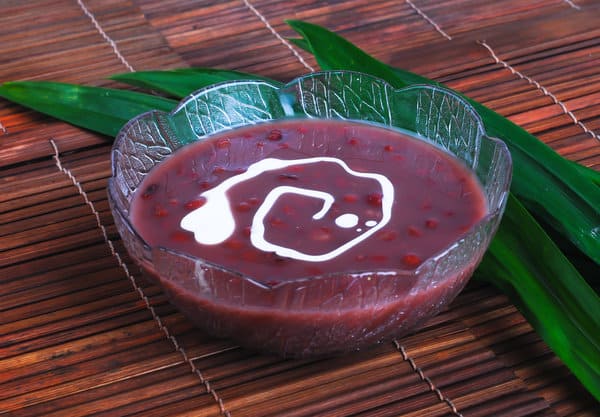
Japanese Oshiruko: Sweet Red Bean Soup
This hearty Japanese winter preparation straddles the boundary between beverage and dessert, offering substantial warmth and satisfying sweetness.
Traditional preparation from dried beans takes time but delivers superior flavour and texture compared to tinned versions.
Rinse the dried azuki beans thoroughly. Place in a large pot with 1 litre of water.
Bring to a boil, then reduce heat and simmer for 1-1.5 hours until the beans become tender enough to crush easily between fingers. Add more water during cooking if needed to prevent drying out.
Once the beans soften completely, add sugar gradually whilst stirring. The sugar helps break down the beans further into a smoother consistency.
Continue simmering for another 15 minutes, stirring occasionally. For a smoother texture, use an immersion blender to purée some or all of the beans. Traditional oshiruko maintains some whole beans, but consistency preferences vary.
Add a pinch of salt to enhance the sweetness and provide flavour balance.
Prepare the mochi by grilling or toasting it until it puffs slightly and develops golden spots. Alternatively, boil mochi in water for 2-3 minutes until soft and chewy.
Place one or two mochi pieces in each serving bowl. Ladle the hot sweet bean soup over the mochi. Serve immediately whilst hot.
Quick Version: Using tinned azuki bean paste dramatically reduces preparation time. Simply heat the paste with water (ratio: 400g paste to 300ml water), adjust sweetness, add salt, and serve over prepared mochi.
Seasonal Variations: Oshiruko is particularly popular during Japanese New Year celebrations, often made using mochi left over from New Year’s festivities. Some preparations add orange zest for brightness or serve the soup with grilled rice crackers instead of mochi.
Indian Masala Chai: The Ultimate Warming Tea
India’s most famous spiced tea requires simmering whole spices with robust black tea leaves to extract the complex, warming flavours that define authentic masala chai.
This traditional preparation method extracts maximum flavour through vigorous boiling, creating chai that stands up to milk and sugar.
2 cups whole milk (or half milk, half water for lighter versions)
3 tablespoons loose black tea (Assam or Ceylon works best)
4-6 green cardamom pods, lightly crushed
1 cinnamon stick
4-5 whole black peppercorns
3-4 whole cloves
1-inch piece of fresh ginger, grated or sliced
3-4 tablespoons sugar (adjust to taste)
Optional: star anise, fennel seeds, or nutmeg
Instructions
In a saucepan, combine water, cardamom pods, cinnamon stick, peppercorns, cloves, and ginger. Bring to a boil over high heat.
Once boiling, reduce the heat to medium and simmer for 3-4 minutes to extract the spice oils. The water should become fragrant and slightly coloured.
Add the tea leaves and sugar. Boil vigorously for 2-3 minutes. The strong boiling extracts tannins from the tea leaves, creating the characteristic robust flavour that stands up to milk and spices.
Add the milk and bring back to a boil. Watch carefully—chai has a tendency to boil over quickly once milk is added.
Reduce the heat and simmer for 2-3 minutes, allowing the tea to develop colour and the milk to cook slightly. The chai should turn a rich toffee colour.
Strain through a fine-mesh sieve into cups or a teapot. Serve immediately.
Regional Variations: Indian chai preparations vary significantly by region. Mumbai roadside chai vendors often add a pinch of lemongrass, whilst Kolkata versions might include bay leaves. Kashmiri chai uses green tea and includes almonds and saffron, creating a pink-coloured beverage. Adjust spice quantities according to preference—some prefer intensely spiced chai, others favour milder preparations.
European Warming Classics
European winter drink traditions feature spiced apple beverages, rich chocolate preparations, and coffee-based specialities that offer warmth and comfort.
Spiced Apple Wassail: Traditional English Winter Warmer
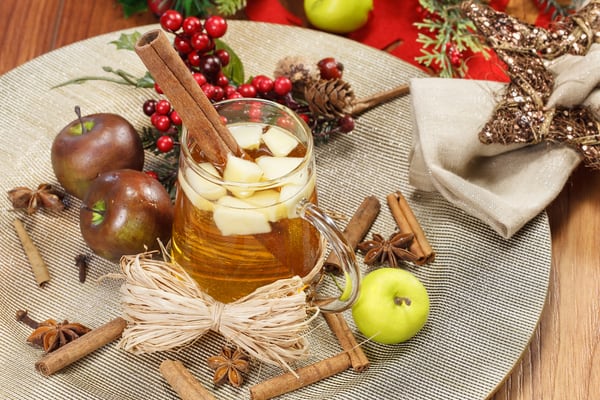
Wassail represents an ancient English tradition dating back to medieval times, combining apple juice with warming spices and traditionally served during Christmas celebrations. This festive winter drink brings communities together with its aromatic blend of cinnamon, ginger, and citrus.
This warming preparation fills your home with festive aromas whilst delivering complex, spiced apple flavour.
Core the apples but leave them whole. Stud each apple with 4-5 whole cloves by pressing them into the apple flesh. This releases aromatic oils during heating.
Pour apple juice and orange juice into a large pot. Add the clove-studded apples, orange slices, cinnamon sticks, ginger, cloves, star anise, and nutmeg.
Heat over medium heat until the mixture begins to steam. Add brown sugar or honey, stirring until completely dissolved.
Reduce the heat to low and simmer gently for 20-25 minutes. Do not boil—excessive heat evaporates delicate fruit aromatics. The mixture should steam gently with occasional small bubbles around the edges.
The apples will soften and release additional flavour into the wassail. Remove them before serving or leave them floating for rustic presentation.
Ladle into mugs or heat-proof glasses. Garnish with fresh cranberries and a cinnamon stick if desired.
Cultural Significance: Wassailing traditionally involved singing and drinking to the health of apple trees to ensure a good harvest. Modern wassail celebrations maintain the communal spirit, with large batches shared at Christmas markets and holiday gatherings across England.
Viennese Hot Chocolate: Austrian Coffeehouse Tradition
Vienna’s elegant coffeehouse culture extends beyond coffee to include luxurious hot chocolate preparations that showcase quality ingredients and sophisticated technique.
This rich Austrian preparation balances intense chocolate flavour with delicate spicing and velvety texture.
200g dark chocolate (minimum 70% cocoa), finely chopped
600ml whole milk
200ml single cream
2 tablespoons sugar
1 teaspoon vanilla extract
¼ teaspoon ground cinnamon
Pinch of ground cardamom
Whipped cream for topping
Dark chocolate shavings for garnish
Instructions
Place chopped chocolate in a large heat-proof bowl.
In a saucepan, combine milk, cream, sugar, cinnamon, and cardamom. Heat over medium heat until the mixture reaches a gentle simmer with small bubbles forming around the edges. Do not boil.
Pour the hot milk mixture over the chopped chocolate. Let it sit undisturbed for 30 seconds to begin melting the chocolate.
Whisk gently from the centre outward, creating a smooth, glossy emulsion. The mixture should become thick and luxurious.
Stir in the vanilla extract. Return the mixture to the saucepan and warm gently over low heat for 2-3 minutes, stirring constantly. The hot chocolate should coat the back of a spoon thickly.
Pour into elegant cups or mugs. Top generously with whipped cream and dark chocolate shavings.
Serving Tradition: Viennese coffeehouses serve hot chocolate with a small glass of water and sometimes a piece of dark chocolate on the side, following the same elegant presentation used for coffee service.
London Fog: British Tea Latte
The London Fog represents a modern British tea creation combining Earl Grey’s bergamot notes with steamed milk and vanilla, creating a comforting winter drink that rivals coffee-based lattes.
This creamy tea latte delivers sophisticated flavour through quality Earl Grey and proper milk preparation.
2 tablespoons vanilla syrup or 1 teaspoon vanilla extract plus 2 teaspoons sugar
Optional: dried lavender buds (1/4 teaspoon)
Optional: honey to taste
Instructions
Steep the Earl Grey tea bags in hot water for 4-5 minutes. For a stronger bergamot flavour, steep for the full 5 minutes. If using loose tea, strain after steeping.
Whilst tea steeps, heat the milk in a small saucepan over medium heat until it steams and small bubbles form around the edges. Do not boil.
If you have a milk frother, froth the hot milk until foamy and doubled in volume. Otherwise, whisk vigorously for 30 seconds to create some foam.
Remove tea bags and stir vanilla syrup (or vanilla extract and sugar) into the brewed tea. Add honey if additional sweetness is desired.
Pour the tea mixture into mugs, filling them about halfway. Pour the steamed, frothed milk over the tea, holding back the foam with a spoon initially, then spooning foam on top.
If using lavender, sprinkle a few dried buds on top of the foam for aromatic garnish.
Variations: Some prefer adding a few drops of almond extract alongside vanilla for additional complexity. For a “Dirty London Fog,” add a shot of espresso, creating a caffeinated version that combines tea and coffee.
Russian Sbiten: Honey-Based Winter Warmer
This uniquely Russian preparation predates tea’s arrival in the country, combining honey, jam, and warming spices into a sweet, complex beverage.
Buckwheat honey provides the most authentically Russian flavour, though any quality honey works well.
150g jam (strawberry, blackberry, or apricot works well)
1 cinnamon stick
4-5 cardamom pods, lightly crushed
1-inch piece of fresh ginger, sliced
5-6 whole cloves
Zest of 1 lemon (avoid white pith)
Optional: molasses, dried mint, or jalapeño for adventurous variations
Instructions
In a large pot, combine water, honey, and jam. Heat over medium heat, stirring until both honey and jam dissolve completely.
Add the cinnamon stick, cardamom pods, ginger, cloves, and lemon zest. Bring to a gentle boil.
Reduce the heat to low and simmer for 15-20 minutes, allowing the spices to infuse fully. The mixture should become fragrant and develop a deeper colour.
Strain through a fine-mesh sieve to remove solid spices and any jam seeds or fruit pieces.
Serve hot in mugs or heat-proof glasses. Sbiten is traditionally drunk very hot, so handle it carefully.
Variations: Modern sbiten variations include additions like fresh jalapeño slices for heat (popular in some Russian regions), dried mint for freshness, or molasses for deeper caramel notes. The jam choice significantly impacts final flavour—berry jams create tartness, whilst stone fruit jams provide mellow sweetness.
Seasonal Preparation & Cultural Context
Understanding when and how different cultures traditionally serve these winter drinks adds depth to your preparation and appreciation.
When Winter Drinks Are Traditionally Served
Understanding the seasonal and cultural contexts for these winter drinks enriches the experience of preparing and serving them:
Egyptian Sahlab: Typically served from October through March throughout Egypt and the Levant, coinciding with cooler temperatures. Egyptian families purchase Sahlab from street vendors during evening outings, whilst cafés specialising in traditional beverages serve it throughout the day during winter months. Home preparation increases during Ramadan when it’s served as a warming beverage after sunset prayers.
Korean Sujeonggwa: Primarily associated with Lunar New Year celebrations (late January to mid-February), though enjoyed throughout winter. Korean families traditionally prepare large batches for New Year festivities, serving it as a palate cleanser and digestive aid after heavy holiday meals. The drink’s cold serving temperature provides a refreshing contrast to rich, savoury dishes.
Japanese Oshiruko: Peak consumption occurs during winter holidays, particularly around the Japanese New Year (January 1-3), when families use leftover New Year’s mochi. Regional winter festivals often feature oshiruko stalls serving steaming portions to festival-goers braving cold weather.
Indian Masala Chai: Consumed year-round across India, but particularly valued during monsoon season (June-September) and winter months (November-February). Roadside chai vendors serve millions of cups daily, with consumption peaking during morning commutes and afternoon breaks.
European Spiced Beverages: Wassail and spiced apple preparations peak during the Christmas season in England, whilst Viennese hot chocolate remains a year-round coffeehouse staple. British tea lattes like London Fog have become increasingly popular during autumn and winter months, rivalling coffee-based drinks in popularity.
Ingredient Sourcing for Authentic Preparations
Quality ingredients make the difference between adequate winter drinks and truly memorable ones that capture authentic regional flavours.
For Middle Eastern Drinks: Rose water and orange blossom water are essential for authentic Sahlab and other Middle Eastern beverages. Look for food-grade versions at Middle Eastern grocers, Indian markets, or online speciality retailers. Mastic gum (also called Arabic gum or mastika) adds the characteristic resinous note to traditional Sahlab—available at Greek or Middle Eastern markets.
For Asian Winter Drinks: Japanese ingredients like azuki beans and mochi are increasingly available at Asian supermarkets and online. Dried persimmons for Sujeonggwa can be found at Korean grocers or substituted with other dried fruits if unavailable. Quality loose-leaf Assam or Ceylon tea makes a significant difference in chai preparation—avoid tea bags for authentic results.
For European Classics: When preparing wassail or spiced beverages, choose quality unsweetened apple juice as your base. Organic apple juice often provides a deeper, more authentic apple flavour. For hot chocolate preparations, invest in quality dark chocolate with at least 70% cocoa content—the chocolate quality directly determines final flavour.
Storage and Make-Ahead Tips
Strategic preparation allows you to enjoy these winter drinks more frequently without spending hours in the kitchen each time.
Spice Blends: Create custom spice blends for chai, golden milk, or wassail, storing them in airtight containers for up to 3 months. This allows quick preparation when cravings strike.
Sahlab Mix: Prepare large batches of Sahlab dry mix (cornflour, milk powder, sugar, and ground spices), storing in airtight containers. Each serving requires 3-4 tablespoons of mix per cup of milk, making preparation quick on cold evenings.
Sujeonggwa Base: The ginger-cinnamon broth for Sujeonggwa keeps refrigerated for up to 1 week, allowing you to prepare servings as needed. Add fresh persimmons and pine nuts just before serving.
Spiced Juice Bases: Wassail or spiced apple juice can be prepared in advance and gently reheated before serving. However, avoid boiling reheated beverages, as this evaporates delicate aromatics. Reheat slowly over low heat until steaming.
Winter Drink Pairings & Serving Suggestions
Pairing your winter drinks thoughtfully with complementary foods enhances both the beverage and the overall experience.
With Breakfast: Pair Pumpkin Spice Lattes or Masala Chai with autumn-spiced pastries, cinnamon rolls, or traditional breakfast breads. The spice profiles complement sweet breakfast foods beautifully.
With Desserts: Serve Sahlab alongside date-filled cookies or Turkish baklava, Hot Chocolate with churros or biscotti, Oshiruko traditionally needs no accompaniment as it functions as both drink and dessert, whilst Wassail pairs beautifully with mince pies or gingerbread.
As Digestifs: Korean Sujeonggwa, Middle Eastern spiced teas, and ginger-based drinks aid digestion, making them ideal after heavy meals. Golden milk’s turmeric content also provides digestive and anti-inflammatory benefits.
For Gatherings: Large-batch preparations like Wassail, Spiced Apple Juice, and Viennese Hot Chocolate work wonderfully for parties. Keep them warm in slow cookers, allowing guests to serve themselves throughout the event.
Conclusion: Embracing Global Winter Traditions
These winter drinks represent centuries of cultural wisdom about finding comfort during cold months. From Egyptian Sahlab’s creamy richness to Korean Sujeonggwa’s spiced depths, each beverage connects you to traditions that have warmed countless generations.
At Amazing Food & Drink, we believe understanding cultural contexts and traditional methods enriches every sip. Whether seeking immunity-boosting Golden Milk, festive Wassail, or authentic Viennese Hot Chocolate, these tested recipes provide authentic pathways to global winter traditions.
As temperatures drop, let these warming beverages bring comfort to your home. Experiment with spice proportions, adjust sweetness to preference, and share these drinks with loved ones.