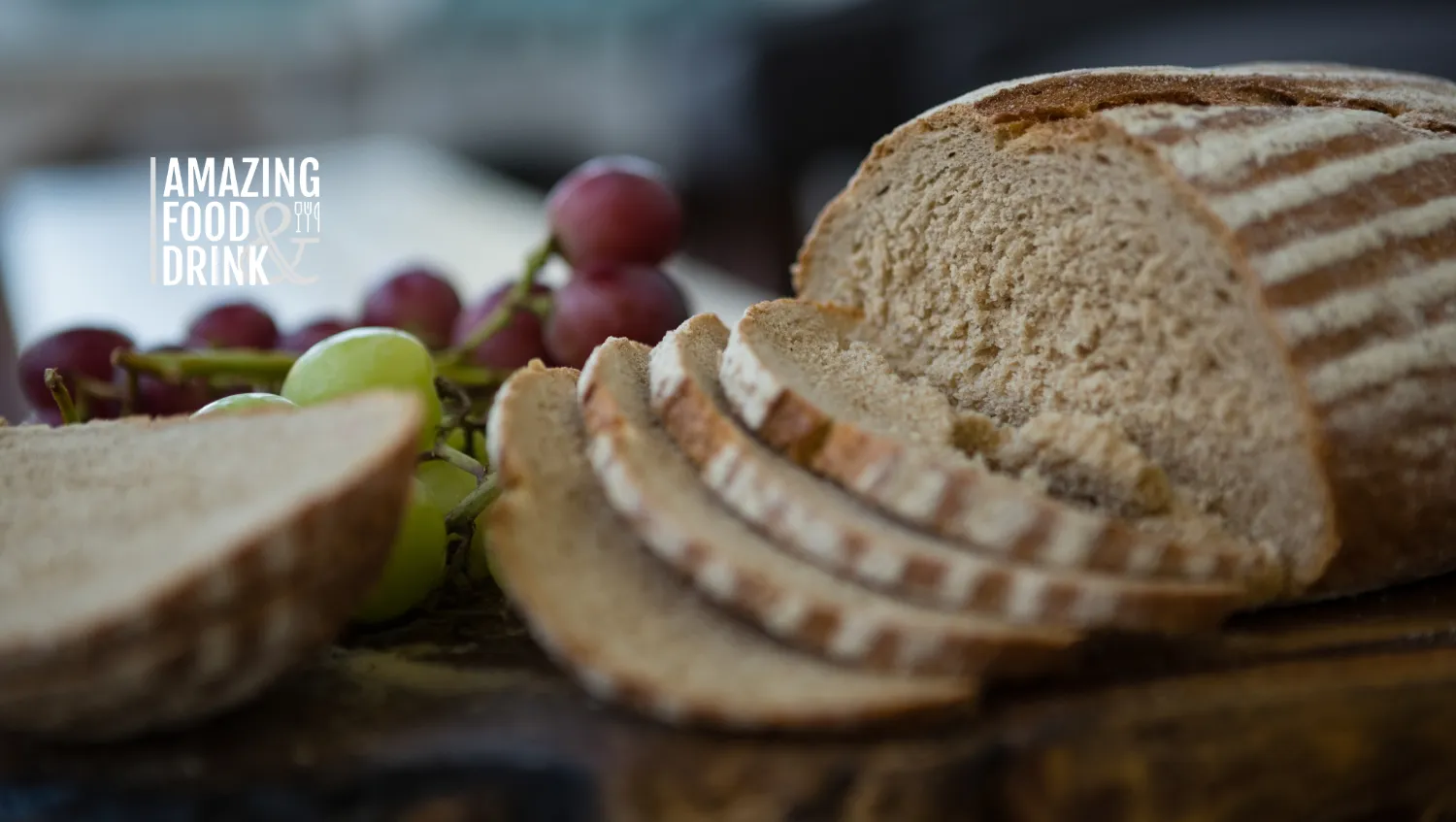
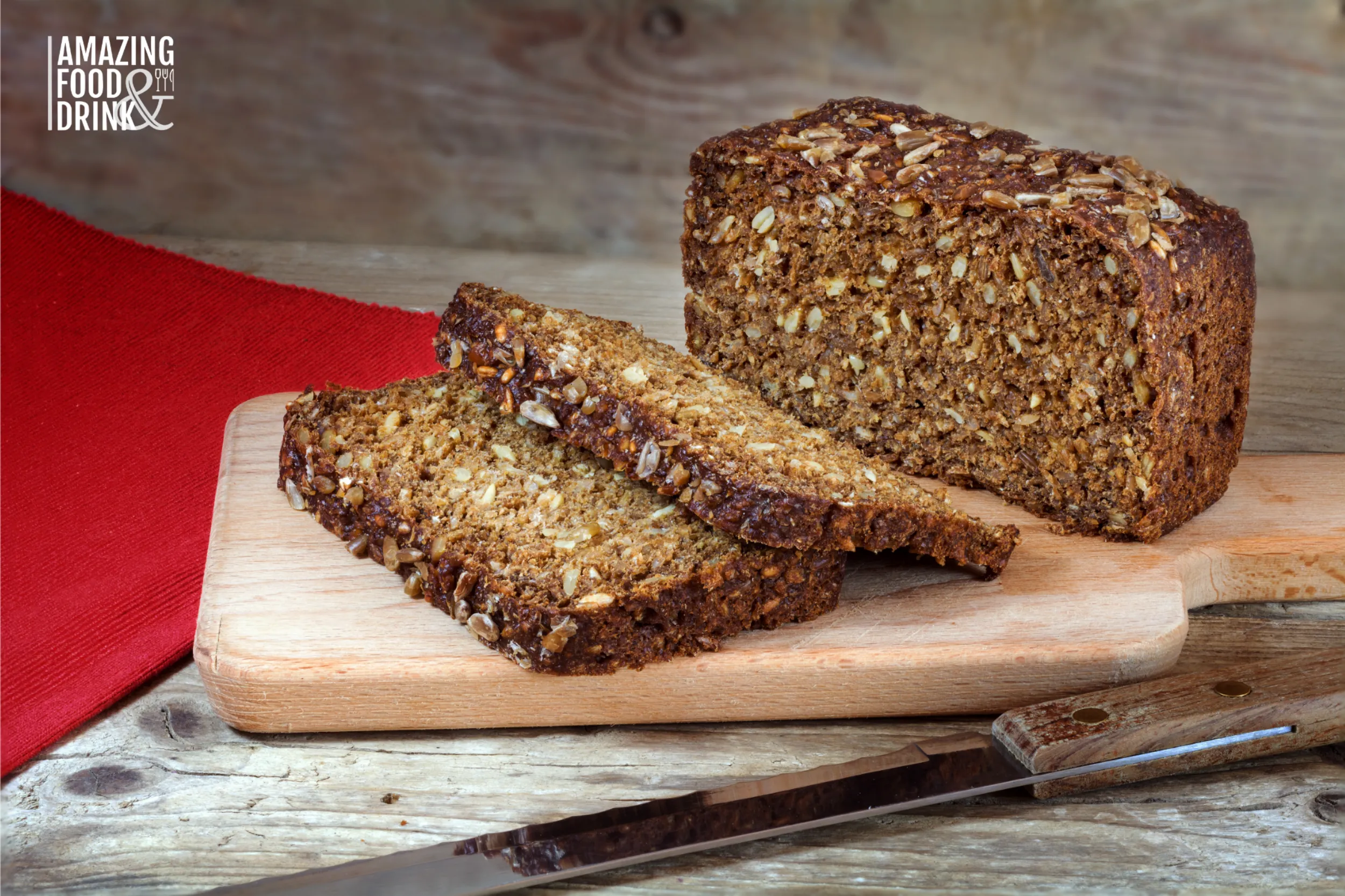
The calories for different types of bread are the same, as one serving of bread for a diet, which is equivalent to 28 grams, contains 80 calories, and it should be noted that healthy bread is made from flour made from whole grains, such as whole wheat, oats, brown rice, rye, and barley.
These whole grains consist of the outer shell of the grain called bran, the seed embryo, which is called the germ, and the part that contains the starches of the embryo, which is the endosperm. Together, these three parts are rich in some nutrients, including B vitamins, some minerals, antioxidants, and fibre as well.
It is important to note that dietary fibre aids in weight loss because it has few calories and plays a part in making us feel full, which lowers our intake of foods with little nutritional value, like refined carbohydrates.
Recent Studies
A recent study indicated that people who followed a low-calorie diet that included whole grains lost a more significant amount of belly fat than those who ate refined grains, such as white bread and white rice. It should be noted that the amount of dietary fibre in a small loaf, which is equivalent to 28 grams of brown bread or whole wheat bread, contains 1.71 grams of fibre.
The results of one study show that consuming rye bread, which resembles barley, for breakfast has a role in reducing the feeling of hunger before and after lunchtime, and rye bran significantly increases the feeling of fullness.
It is worth noting that a medium-sized loaf, or the equivalent of 28 grams of barley bread, contains 1.12 grams of dietary fibre28.35 grams of whole grain bread contains 2.1 grams of fibre. The amount of dietary fibre in 28 grams of oat bran bread is equivalent to 1.23 grams, and 28 grams of wheat bran bread contains 1.4 grams of dietary fibre.
Should one Abstain From Eating Bread for a Diet?
Bread is the staple food for many countries, and because it is a source of carbohydrates, its consumption has decreased among some who follow weight-loss diets. However, consuming it in moderate quantities provides the body with many vital nutrients necessary for its functions, and this would help in eating specific calories.
In addition, eating it in moderate quantities does not increase the risk of obesity, and it is worth noting that the American Heart Association, or AHA for short, recommends consuming at least 25 grams of fibre in a diet that contains 2,000 calories. Half of this amount of fibre is made up of whole grains, including whole wheat bread.
Are There Benefits to Toasted Bread for a Diet?
There is no study showing that toasted bread contributes to weight loss. It should be noted that toasting bread reduces its water content, but without reducing its carbohydrate or calorie content, and if it does decrease, it is by a small percentage.
On the other hand, the glycemic index, which represents how quickly the blood sugar level rises, decreases when toasting bread, as it slows down the speed of breaking down carbohydrates and thus raises blood sugar levels gradually instead of raising sugar and insulin levels quickly. Moreover, white bread that is exposed to toasting does not need to be high. The value of the glycemic index because the roasting process may affect the level of the blood sugar index.
Is Bran Bread for a Diet?
It is worth noting that no single food increases or reduces weight. The number of calories a person eats from food is what controls weight gain or loss.
Bran provides many nutrients, such as dietary fibre, essential fatty acids, minerals, vitamins, and other nutrients. Adding bran or fibre to the diet would improve metabolic processes, which may help reduce weight gain in the long term. Below is a mention of some of the benefits provided by bran types:
Wheat Bran
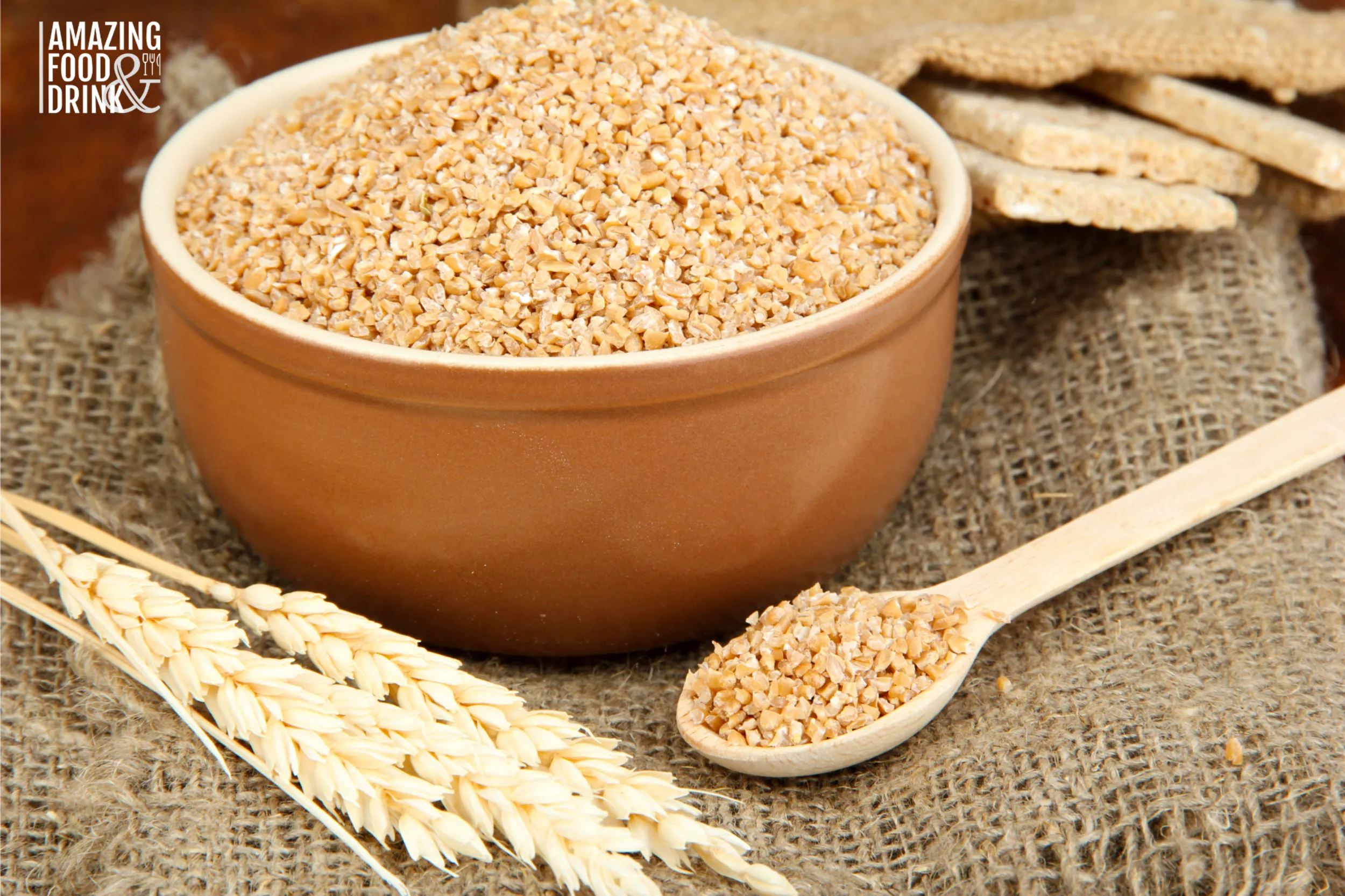
It should be noted that wheat bran is low in calories, rich in nutrients, with a low percentage of total fat, saturated fat, and cholesterol. It is also a good source of vegetable protein, and one of its most important benefits is that it contains dietary fibre. Concentrated wheat bran can help regulate body weight.
Oat bran
It is worth noting that the dietary fibre found in oat bran and its products can help you feel complete for extended periods, which generally reduces the number of calories consumed during the day. Moreover, soluble fibre contributes to regulating the levels of the hormone ghrelin, which stimulates appetite. It increases food intake and fat storage, so following a diet rich in fibre helps inhibit the secretion of this hormone, thus reducing overeating and the weight gain accompanying it, knowing that weight loss depends on changing the diet and exercising.
The Calories in Bran Bread
Bran bread for a diet is considered lower in calories when compared to white bread, as each (60) grams of bran bread contains (196) calories, in addition to it containing fibre, which has many benefits for the digestive system and the body as a whole.
As for white bread, each (65) grams of it contains (149) calories. The difference may be slight in terms of calories. Still, bran bread is better because it contains a more significant percentage of fibre than white bread, as fibre gives a feeling of fullness, which helps Reduce the amount of food a person eats, especially for those who want to lose weight.
The Benefits of Bran
Bran bread for a diet is included for people who want to lose weight and slim down because bran bread contains fewer calories and does not contain fat as in white bread. In addition, it expands the stomach and increases its size, giving a feeling of fullness, resulting in a reduced amount of food eaten.
It contributes to getting rid of the problem of constipation and protecting against its occurrence because the fibres it contains absorb water from the body and soften solid waste so that it exits the body with ease, in addition to facilitating bowel movements.
It treats blood metabolism conditions in people with diabetes because it maintains blood sugar levels. It balances cholesterol in the body because it absorbs the fat in the body.
It treats colon diseases such as irritable bowel syndrome. As it regulates the movements and work of the colon, it also rids the colon of harmful substances that may be collected.
It solves urinary tract problems caused by indigestion and the presence of solid waste.
It strengthens the reproductive system.
It cleans the gallbladder and gradually gets rid of stones.
It protects against heart disease and chronic diseases such as cancer.
It contributes to getting rid of indigestion and facilitating digestion function.
It strengthens the nerves and brain.
Bran is used in many dishes and desserts, including bread and pastries.
It is preferable to eat bran bread, which is brown bread, as an alternative to white bread, as its harms may outweigh its benefits.
Whole grains have been part of the diet for tens of thousands of years, and they consist of three parts: The hard-outer shell called bran, which contains fibres, minerals, and antioxidants. As for the middle layer, known as the endosperm, most of it consists of carbohydrates.
The germ or inner layer contains vitamins, minerals, proteins, and other plant compounds, as the bran, as we mentioned previously, is a hard shell that forms the layer. External grain, including barley, corn, millet, oats, rice, and wheat, wheat bran is the most widely used of all the various types of bran grains.
Harmful Effects of Bran Bread
Consumption of bran is associated with some caveats, which are explained as follows:
Harmful for people with wheat allergy: Eating wheat bran bread causes some problems for people who suffer from gluten allergy because it contains a type of gluten called gliadin in addition to causing an autoimmune attack that destroys the intestinal villus, which is A lump found in the lining of the intestine.
Increasing the severity of symptoms associated with irritable bowel syndrome: It is recommended to avoid the sources of insoluble fibre, including wheat bran, for irritable bowel syndrome patients because it causes an increase in gas and bloating. Wheat bran also contains fructans, which is one of the few indigestible polysaccharides that ferment in the colon, and the fermentation process results in gas, abdominal pain, diarrhoea, or belching, especially in those who suffer from the colon.
Reducing the absorption of some elements: Phytic acid, which is available in wheat bran and all plant seeds, may hinder the absorption of some minerals in the body, including zinc, magnesium, calcium, and iron, especially if you consume food that contains a high percentage of this acid like wheat bran.
High phosphorus and potassium content: Bran is one of the foods that contain large amounts of potassium and phosphorus, and it is recommended for people with kidney disease to reduce their consumption by eating foods with a low content of these two elements, periodically testing the blood for the levels of these elements, and consulting a doctor.
The Nutritional Value of Bran Bread
The following table shows the nutritional elements found in 28 grams of bread for a diet, such as wheat bran bread, oat bran bread, and rice bran bread:
Nutritional Element
Wheat Bran Bread
Oat Bran Bread
Rice Bran Bread
Water
10.6 µL
8.31 µL
11.6 µL
Calories
69.4 cal.
83.7 cal.
68.9 cal.
Protein
2.5 gr
2.61 gr
2.52 gr
Total fat
1.0 gr
1.37 gr
1.3 gr
Carbohydrates
13.4 gr
15.1 gr
12.3 gr
Dietary fibre
1.1 gr
1.23 gr
1.39 gr
Sugars
2.7 gr
2.53 gr
1.32 gr
Calcium
20.7 mg
20.4 mg
19.6 mg
Iron
0.9 mg
0.84 mg
1.02 mg
Magnesium
22.7 mg
11.5 mg
22.7 mg
Potassium
63.6 mg
44.2 mg
61 mg
Sodium
136 mg
139 mg
76.3 mg
Zinc
0.4 mg
0.316 mg
0.371 mg
Vitamin B1
0.1 mg
0.124 mg
0.185 mg
Vitamin B2
0.1 mg
0.075 mg
0.085 mg
Folate
29.4 mcg
19.3 mcg
24.4 mcg
Vitamin E
0.1 mg
0.148 mg
0.184 mg
Vitamin K
0.4 mcg
0.476 mcg
0.284 mcg
The Nutritional Value of Bran Bread
Other Types of Bread for a Diet that are Beneficial to Your Health
Although a slice of bread contains carbohydrates and calories that may accumulate quickly in the body, you can eat bread and lose weight. There are some types of bread for a diet that are considered part of a healthy diet, including the following:
Flax Seed Bread
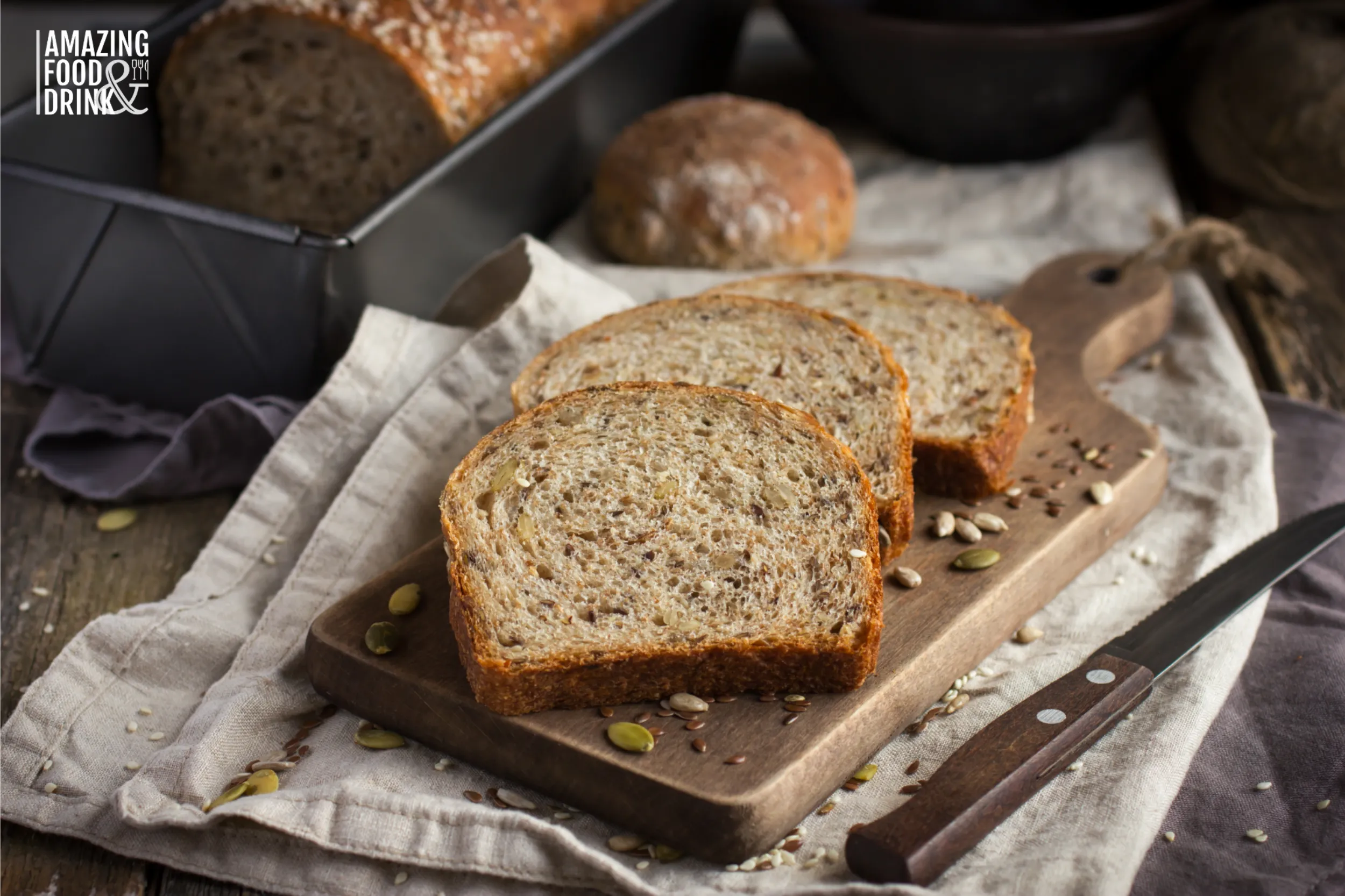
It is made from whole grain flour and flax seeds and is considered one of the healthiest types of bread for a diet. This is because it contains flax seeds with high nutritional value and many health benefits, especially Alpha-linolenic acid, known as ALA, one of the omega-3 fatty acids found in plant foods, in addition to its ability to improve digestive health.
Gluten-free Bread
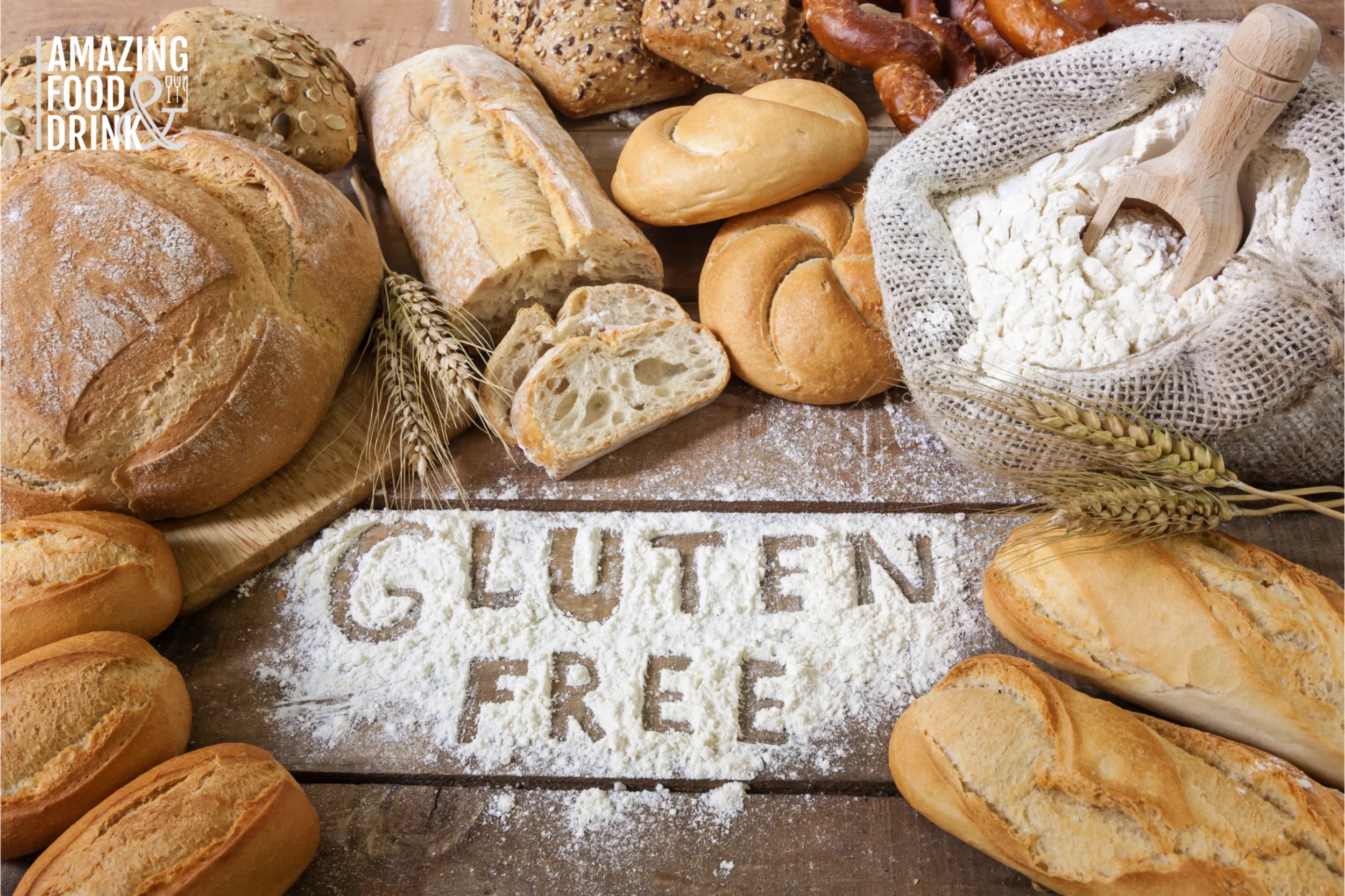
Gluten-free bread is not made from grains containing gluten, such as wheat, rye, or barley, as its ingredients depend on the type of flour used, and a mixture of gluten-free flour types is usually used, such as brown rice, almonds, coconut, tapioca, potatoes, and corn, which are safe options for Celiac or gluten allergy patients.
It should be noted that some mistakenly believe that gluten-free bread is healthier compared to bread that contains it. In fact, most gluten-free versions are made from refined flour, which contains a high percentage of added sugars and many unnecessary additives.
Rye Bread
Wheat and rye are similar, except that rye is darker and denser than wheat, in addition to containing a higher percentage of nutrients. Traditional rye bread is made only from rye flour, while most modern types have a mixture of rye and wheat flour.
Rye bread also contains It contains caraway seeds baked in it. It should be noted that rye bread can give a more incredible feeling of satiety than wheat bread and has less effect on blood sugar levels.
How to Prepare a Bread for a Diet at Home?
Diet bread is one of the essential elements that many people who follow diet systems and diets depend on. It is one of the most critical factors that help the success of diet systems or diet systems. As it provides people with a small percentage of calories, it is also distinguished from regular bread by containing a high percentage of dietary fibre, which helps lose weight and increase the body’s burning rate.
There are different types of bread for a diet, including brown bread, oat bread, barley bread, Bran bread, brown bread with cereals, etc., which are characterized by their ease of preparation, as they can be made at home without the need to obtain them from ovens.
Brown Bread
httpss://www.youtube.com/watch?v=GpNWXWz5-iE
Brown bread is a healthy bread that is suitable as bread for a diet, and here is how to prepare it at home:
Ingredients
Two cups of brown flour.
Two teaspoons of baking powder.
Two eggs.
Three cups of low-fat liquid milk.
A pinch of black pepper.
A pinch of salt.
How to prepare
Put the flour, black pepper, salt, milk, baking powder, and two eggs in a bowl and knead the ingredients together well.
Leave the mixture for an hour until it rests.
Heat a frying pan over low heat, pour an amount of the mixture into it, turn it well on both sides until it is cooked, and repeat this process until the mixture is finished.
Oat Bread
httpss://www.youtube.com/watch?v=Wxd6RKKbx0Y
Oat bread is a healthy bread that is suitable as bread for a diet, and here is how to prepare it at home:
Place the dry ingredients in an electric blender, except for the sunflower seeds and rosemary, and grind them for three minutes.
Add the oil, salt, water, baking powder, and flax seeds to the mixture, remix the ingredients, and then leave the mixture for ten minutes until it rests.
Preheat the oven to medium temperature.
Place the dough on a sheet of butter, cover it with another sheet of butter, and spread the dough into a square the size of a tray using a wooden rolling pin.
Remove the top butter paper from the dough, leaving the bottom sheet, and sprinkle an amount of rosemary on top of the dough.
Place the dough in the oven for ten minutes.
Take the dough out of the oven, cut it into squares, and then put it in the oven again for ten minutes.
Bran Bread
Bran bread is a healthy bread that is suitable as bread for a diet, and here is how to prepare it at home:
Ingredients
Three-quarters of a cup of wheat bran.
Three-quarters of a cup of brown flour.
Amount of water.
A pinch of salt.
A pinch of yeast.
How to prepare
Place the wheat bran, salt, brown flour, and yeast in a bowl and mix them well while adding water gradually.
Form the dough into balls and leave them for half an hour until the balls rise and rest.
Preheat the oven to medium temperature.
Arrange the balls on a tray after rolling them out with a wooden rolling pin and bake them in the oven at a low temperature.
To sum up, there are several types of bread for a diet that can help you lose weight and maintain a healthy body and a healthy lifestyle. It’s all about portions; this is key to enjoying life, food, and health. A final piece of advice to you is to be moderate in your choices and avoid food addiction to live well.


 Shaimaa Olwan
 Asmaa Alhashimy