
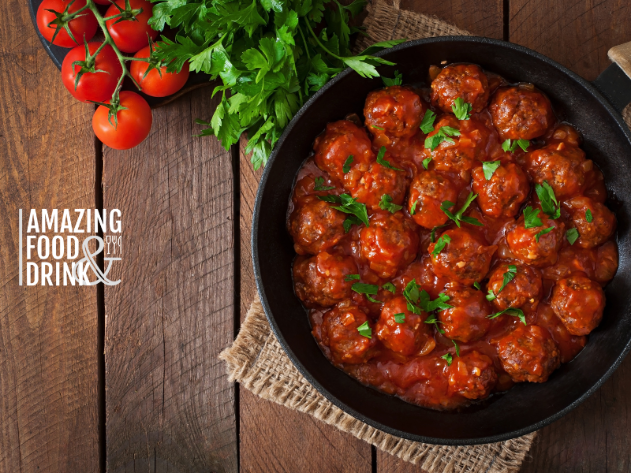
Meatballs: 5 Savoury Super Easy Recipes to Try

Among the thousands of culinary delights the international cuisine is filled to the brim with, a few dishes capture the essence of comfort and versatility quite like the humble meatballs. These savoury spheres of goodness have transcended cultural boundaries and found a place on tables worldwide, showcasing the artistry and creativity that can be achieved with a simple combination of ground meat, spices, and a dash of culinary ingenuity.
From the hearty and robust Italian-American classics to the aromatic and spiced versions of Middle Eastern cuisine, meatballs have been a staple in kitchens for centuries. In this article, we are taking you on a flavourful journey to explore the fascinating world of meatballs through five different and easy recipes that you can try right away. Join us as we unravel the secrets behind the perfect meatballs.
1. Polpette (Italy)
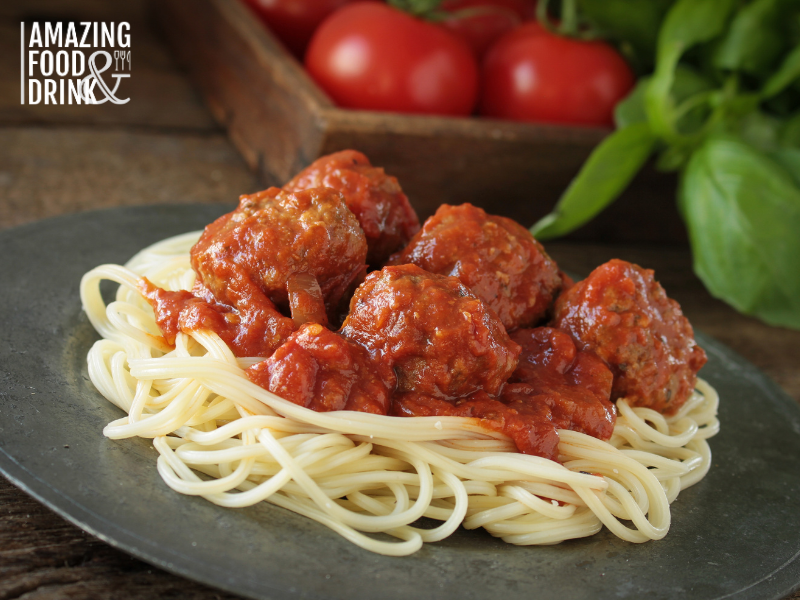
Polpette is the Italian word for meatballs. These are typically made from ground meat mixed with other ingredients and various seasonings. The mixture is then shaped into small, round balls and cooked by baking, frying, or simmering in a sauce.
Polpette can be served in various ways. They are often featured in pasta dishes, where they are added to tomato sauce or served with spaghetti. They can also be enjoyed as appetisers, sandwich fillings, or on their own as a main course.
Here is a basic recipe for making traditional Italian meatballs:
Ingredients
- 450 grams of ground beef
- 1/2 cup of breadcrumbs
- 1/4 cup of grated Parmesan cheese
- 4 cloves of garlic, minced
- 1/4 cup of parsley, fresh and finely chopped
- 1/4 cup of milk
- 1 large egg
- 1 can of crushed tomatoes
- 1 onion, finely chopped
- 2 tablespoons of olive oil
- 1 teaspoon of dried oregano
- 1 teaspoon of dried basil
- Salt and pepper to taste
Recipe
Preheat your oven to 180°C.
In a large bowl, add the ground meat, breadcrumbs, Parmesan cheese, minced garlic, chopped parsley, milk, egg, salt, and pepper. Mix the ingredients thoroughly until well combined. Shape the mixture into meatballs, about 2.5 to 3 centimetres in diameter. You can wet your hands with water to prevent sticking while shaping the meatballs.
Move the meatballs to a baking sheet lined with parchment paper or aluminium foil. Bake your meatballs for about half an hour or until they are cooked through and turn brown on the outside.
Next is to prepare the tomato sauce. Place a large saucepan on medium-high heat, add the olive oil and the chopped onion and stir until translucent. Add the minced garlic and sauté for an additional minute until fragrant.
Pour in the crushed tomatoes and add dried oregano, dried basil, salt, and black pepper. Stir well and leave the sauce to simmer for around 15-20 minutes, allowing the flavours to meld.
Once the meatballs are cooked, add them to the tomato sauce and let them simmer for an additional 10 minutes to absorb the flavours. Serve the meatballs with pasta, rice, or crusty bread. Optionally, sprinkle additional Parmesan cheese and chopped parsley on top before serving.
2. Dawood Pasha (Middle East)

Dawood Pasha is the Middle Eastern version of meatballs, particularly popular in Lebanon, other Levantine countries, and Egypt. This spiced meatball dish is typically made with ground meat, such as beef or lamb. The meatballs are named after the historical figure Dawood Pasha, who was the Ottoman governor of Egypt during the 16th century, but the true story explaining why meatballs were named after him is debatable.
Dawood Pasha meatballs are often fried and cooked in a rich tomato-based sauce too, sometimes with the addition of vegetables or other ingredients. The seasonings used in Dawood Pasha can include a mix of spices, including cumin, coriander, allspice, and more, giving the dish a distinct and flavourful taste.
Here is a basic recipe for making Dawood Pasha meatballs:
Ingredients
- 500 grams of ground beef
- 1 medium-sized onion, finely grated
- 4 cloves of garlic, minced
- 1/4 cup of breadcrumbs
- 1 egg
- 1 teaspoon of ground cumin
- 1 teaspoon of ground coriander
- 1 teaspoon of ground allspice
- 1 teaspoon of paprika
- 2 cups of vegetable oil for frying
- 1 cup of tomato juice
- 1 tablespoon of tomato paste
- 2 tablespoons of olive oil
- Salt and pepper, to taste
Recipe
First, let’s prepare the meatballs. In a large bowl, place the ground meat, grated onion, half the minced garlic, breadcrumbs, egg, cumin, coriander, salt, and pepper. Blend well until all the ingredients are evenly incorporated. Shape the mixture into meatballs similar in size. Make sure they are not too small and not too big as well. Let the meatballs sit for five minutes.
Heat about two cups of vegetable oil in a large frying pan over medium-high heat. Fry your meatballs on all sides until they turn brown and are fully cooked. Once you are done, transfer them to a rack to get rid of any excess oil.
Next is to make the tomato sauce. In a separate skillet, heat the olive oil over medium heat. Add the remaining minced garlic and stir until golden brown and fragrant. Add the tomato juice and mix it well with the garlic. Bring the sauce to a boil and then reduce the heat.
Add the tomato paste, allspice, cumin, ground black pepper, and salt. Blend all well before you let the sauce simmer for 15 or 20 minutes, allowing the flavours to meld.
Carefully place the fried meatballs into the tomato sauce, ensuring they are coated with the sauce. Simmer for an additional 10-15 minutes. Adjust the seasoning if needed, and serve the Dawood Pasha meatballs with rice, bread, or your preferred side.
3. Königsberger Klopse (Germany)
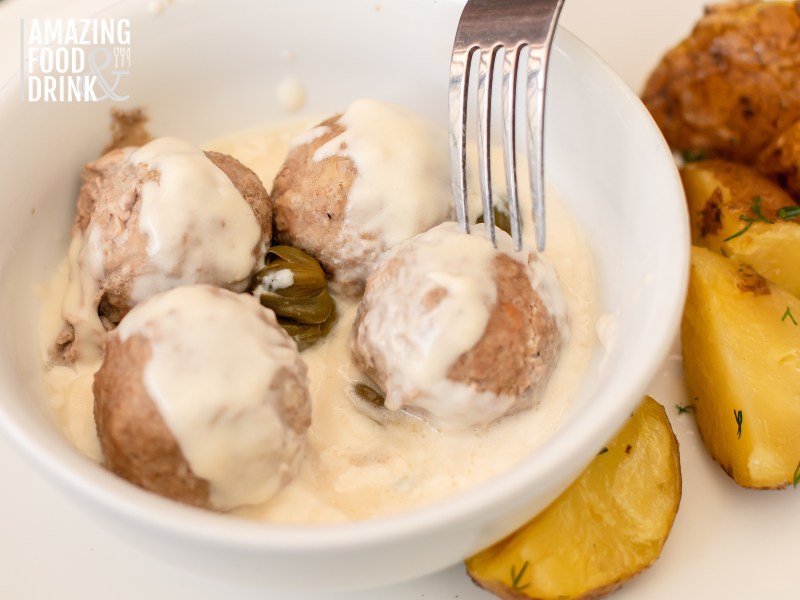
Königsberger Klopse, also known as Königsberger Klöße or Königsberg meatballs, is a typical German dish that originated in the city of Königsberg. In 1871, Königsberger became part of the German Empire but was acquired by Russia after World War II and renamed Kaliningrad.
The Königsberg meatballs are traditionally made from finely minced veal. Because this can be expensive, it may be replaced by a more affordable option, such as beef. The meatballs are poached and then served in a rich, creamy white sauce with capers and lemon.
Here is a basic way to make delicious German Königsberger Klopse:
Ingredients
- 500 grams of veal, finely minced
- 1/2 cup of breadcrumbs
- 1 small onion, finely chopped
- 1/4 cup of milk
- 1 egg
- 1 tablespoon of chopped fresh parsley
- 2 tablespoons of butter
- 2 tablespoons of all-purpose flour
- 2 cups of beef broth
- 1/2 cup of heavy cream
- 2 tablespoons of capers, drained
- 1-2 tablespoons of lemon juice
- Salt and pepper
Recipe
To make the meatballs, mix together the minced veal, breadcrumbs, chopped onion, milk, egg, salt, pepper, and chopped parsley in a large bowl until well combined. Shape the mixture into evenly-sized meatballs.
Bring a pot of salted water to a simmer. Carefully add the meatballs and poach them for about 15-20 minutes until they are cooked through. Once cooked, remove the meatballs from the water and set aside.
Now, to the sauce. In a separate saucepan, melt butter over medium heat. Add the two tablespoons of flour, stir to make a paste, and cook it for about two minutes to remove the famous raw taste of the flour. Gradually whisk in the beef broth, ensuring there are no lumps. Cook the sauce until it thickens. Add the heavy cream, capers, and lemon juice to the sauce. Season with salt and pepper to taste.
Gently place the poached meatballs into the sauce and simmer for an additional 10-15 minutes, allowing the flavours to meld. Serve the Königsberger Klopse over boiled potatoes or with your choice of side.
4. Kottbullar (Sweden)
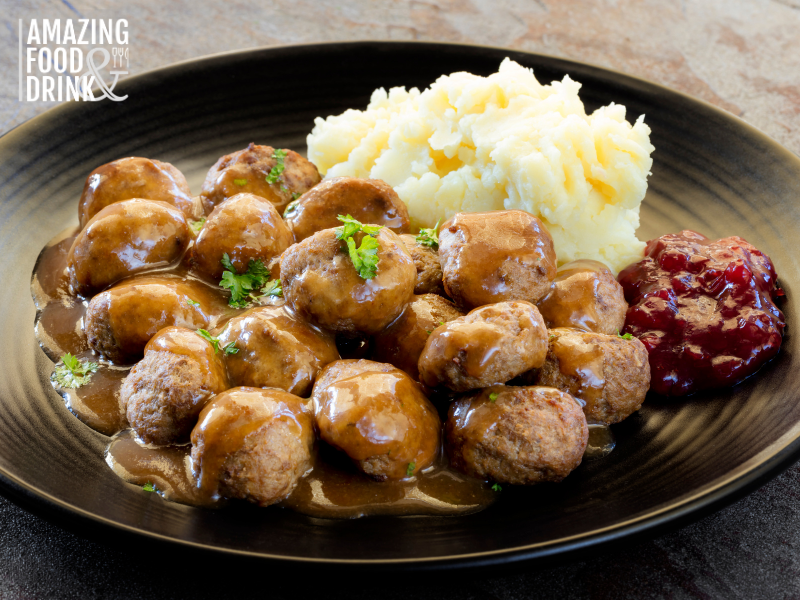
Köttbullar, pronounced “shut-bool-lar,” is the Swedish word for meatballs. These meatballs are a classic and beloved dish in Swedish cuisine, often served with creamy gravy lingonberry sauce, which provides a sweet and tangy contrast to the savoury meatballs. Potatoes, noodles, lingonberry jam, and pickled cucumbers are common side dishes that go along with Kottbullar.
Swedish meatballs gained international recognition and popularity, thanks in part to their inclusion in the traditional Swedish dish served by the Swedish furniture company IKEA. That is why they are often called the IKEA meatballs. The dish is often accompanied by a rich and creamy sauce made from the pan drippings, flour, butter, and beef or vegetable broth.
Though a popular item in Swedish cuisine served in restaurants around the world, Köttbullar can also be enjoyed at home, for it is quite easy to make. Here is your recipe:
Ingredients
- 450 grams of ground beef
- 1/2 cup of breadcrumbs
- 1 small onion, minced
- 1/2 cup of milk
- 1 large egg
- 2 cups of vegetable oil for frying
- 2 tablespoons of butter
- 2 tablespoons of all-purpose flour
- 2 cups of beef broth
- 1/2 cup of heavy cream
- 1/2 teaspoon of ground allspice
- 1/2 teaspoon of ground nutmeg
- 1/2 teaspoon of ground ginger
- Salt and black pepper, to taste
Recipe
To make the meatballs, bring a small bowl and soak the breadcrumbs in milk for a few minutes. Combine the ground beef in another large mixing bowl with the soaked breadcrumbs, finely chopped onion, egg, salt, pepper, nutmeg, ginger, and ground allspice. Blend well until all ingredients are evenly incorporated. Shape the mixture into small, round, evenly-sized meatballs.
Heat two cups of good-quality vegetable oil in a big frying pan placed over medium heat. Add the meatballs and fry until they turn brown on all sides and are well-cooked. This usually takes about 10-15 minutes. Remove the meatballs to a rack or an oven tray covered with paper towels to drain the excess oil.
In another saucepan, melt two tablespoons of butter over medium heat. Add the flour and mix it well with the melted butter to create a paste, and cook for about a minute. Gradually whisk in the beef broth, ensuring there are no lumps. Cook the sauce until it thickens. Add in the heavy cream and whisk continuously. Sprinkle some salt and black pepper to your taste.
Transfer the meatballs to the saucepan with the gravy, allowing them to simmer in the sauce for an additional 5-10 minutes. Serve the Köttbullar with lingonberry sauce and mashed potatoes on the side.
5. Keftedes (Greece)
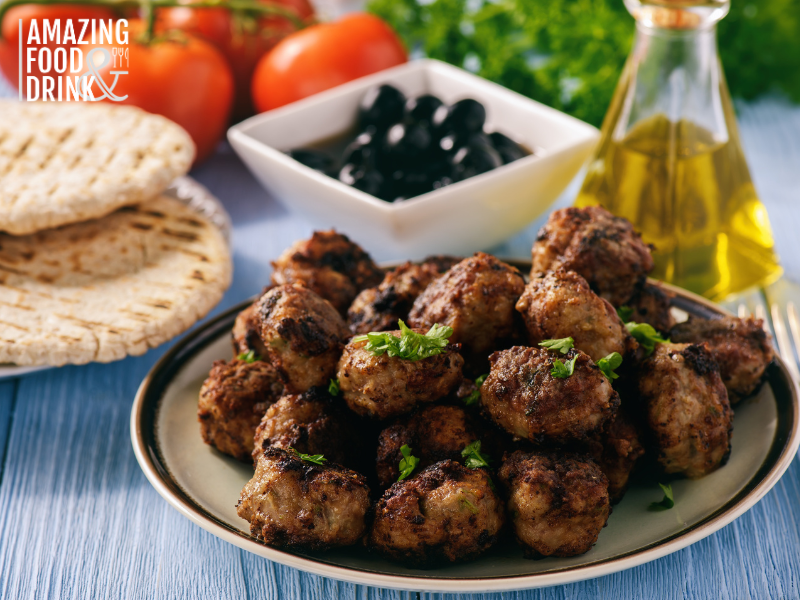
Keftedes are a type of Greek meatball that is a staple dish in Greek cuisine. They are traditionally made from ground beef, but lamb, veal, chicken, turkey, or even a combination of these can be used. Keftedes is also served as an appetiser, part of a meze platter, or as a main course with sides.
The exact ingredients and seasonings for Keftedes can vary regionally and by family recipe, but common additions include onions, garlic, fresh herbs like oregano, mint or parsley, and spices such as cumin or cinnamon. After frying, they are often served with a side of tzatziki sauce, which complements the flavours of the meatballs.
Making Keftedes is a flavourful and straightforward process. Here is its basic recipe:
Ingredients
- 500 grams of ground beef
- 1 small onion, finely chopped
- 2 cloves of garlic, minced
- 1/2 cup of breadcrumbs
- 1 large egg
- 2 tablespoons of fresh parsley, chopped
- 1 teaspoon of dried oregano
- 1 teaspoon of ground cumin (optional)
- 2 cups of vegetable oil for frying
- Tzatziki sauce and lemon wedges for serving
- Salt and pepper, to taste
Recipe
In a large mixing bowl, combine the ground meat, chopped onion, minced garlic, breadcrumbs, egg, parsley, oregano, cumin, salt, and pepper. Mix the ingredients thoroughly until well combined. Take a small amount of the mixture and shape it into a small patty or ball. Repeat until all the mixture is used.
Heat a large skillet pan on medium-high heat and fill it to half with vegetable oil. Fry the Keftedes in batches, ensuring the pan is not overcrowded. Cook until each side is golden brown and the meatballs are cooked through, usually about three to five minutes per side.
Remove the Keftedes from the pan and put them on an oven rack to remove any excess oil. Serve the Keftedes hot with a side of tzatziki sauce for dipping and lemon wedges for squeezing.
Meatball recipes are diverse, versatile, and cherished across various cuisines worldwide. Whether they are the iconic Italian Polpette, the savoury Swedish Köttbullar, or the flavourful Greek Keftedes, meatballs showcase the culinary creativity of different cultures. The variations in ingredients, seasonings, and cooking techniques provide a wide range of options for those seeking a delicious and comforting dish.
Meatball recipes can be adapted to personal preferences, allowing for creativity in the kitchen. From the type of meat to the selection of herbs and spices, each recipe reflects a unique culinary tradition and family heritage. Meatballs are not only a source of comfort but also a versatile element that can be incorporated into various meals, from pasta dishes to appetisers and beyond.