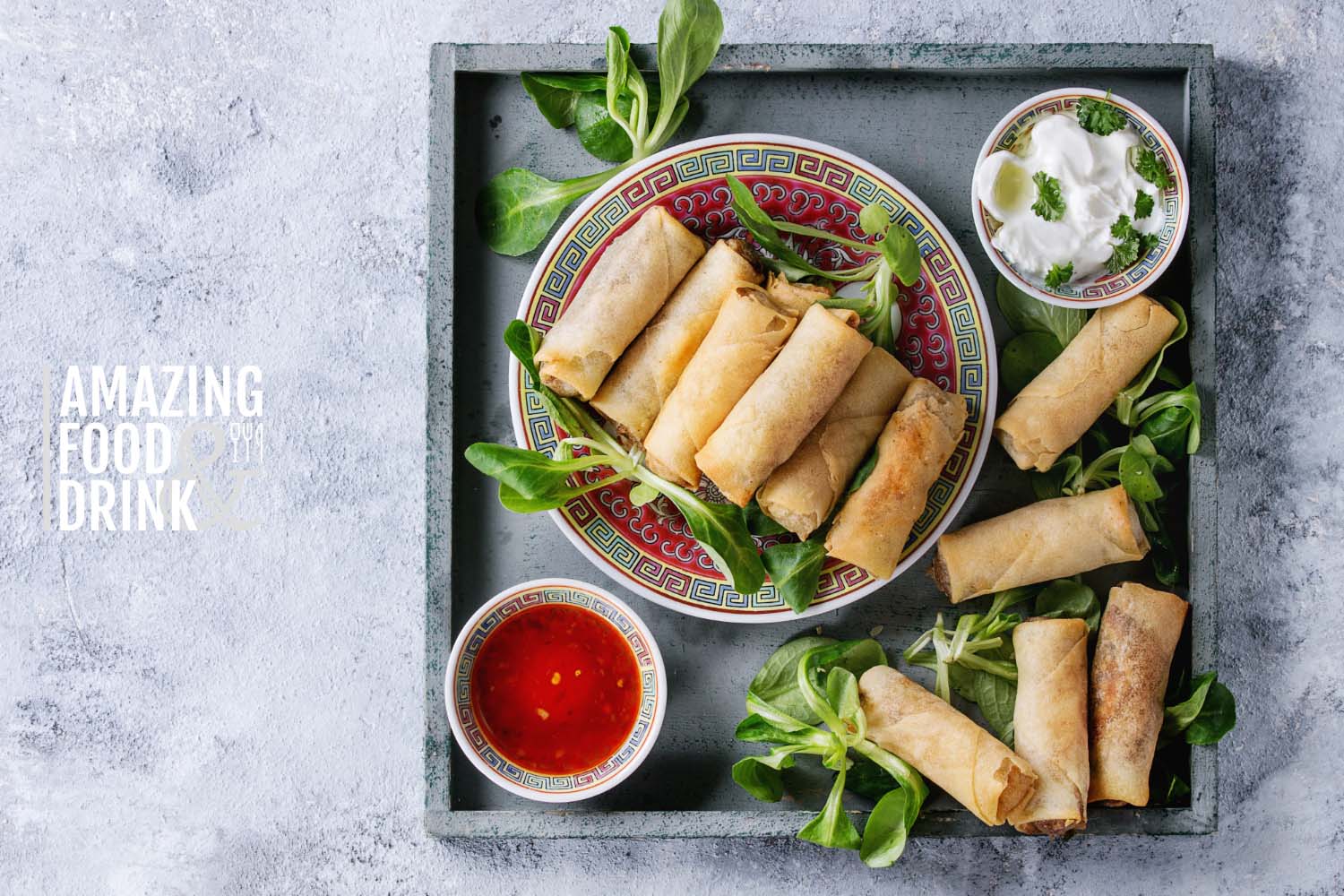
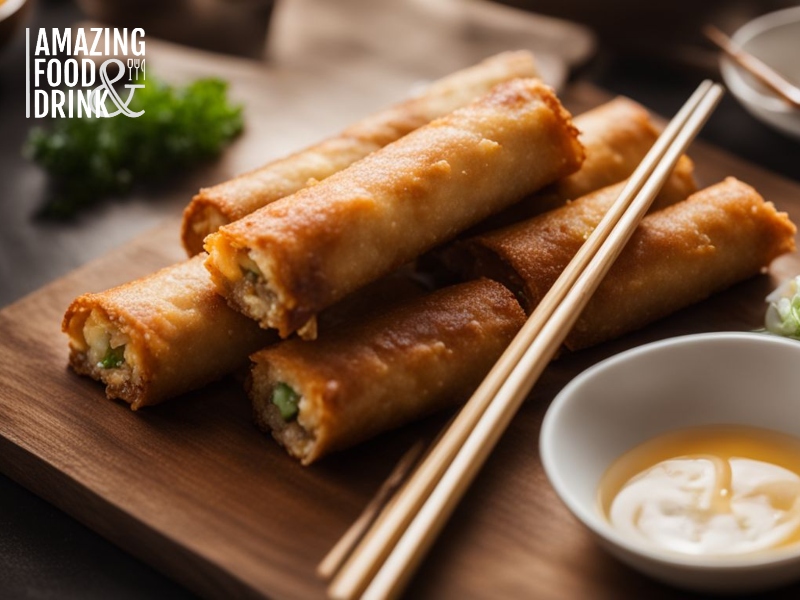
Forget takeout! Craving those crispy, golden pockets of savoury heaven called the easy egg roll recipe? But the thought of greasy delivery, long wait times, and questionable ingredients leave you deflated. Worry not, my fellow food adventurer, because this easy egg roll recipe is about to unleash your inner culinary ninja!
Imagine: in just 30 minutes, you’re creating restaurant-worthy egg rolls right in your own kitchen. The intoxicating aroma of sizzling filling explodes from the pan, promising a dance of textures in every bite: perfectly crisp wrappers crackle, revealing a luscious symphony of savoury ground pork, crunchy cabbage, and vibrant vegetables. Dip each masterpiece into your custom-crafted sauce, and prepare to be transported to flavour nirvana.
So ditch the takeout menu and grab your apron! This isn’t just an egg roll recipe; it’s a ticket to deliciousness, convenience, and culinary empowerment. Get ready to WOW your taste buds (and maybe even impress your family ) with this easy, customisable, and insanely satisfying recipe. Let’s roll!
Assemble Your Flavor Army: Ingredient Intel
Easy Egg Roll Recipe
Alright, warriors of the wok, before we embark on this delicious conquest, let’s gather our ingredients! Remember, this recipe is about versatility, so feel free to swap things around based on your preferences and dietary needs.
Here’s your shopping list intel:
The Filling Force
The filling is the star of this dish, and here are all the options you can enjoy with your egg roll.
Ground Pork: This classic choice delivers savoury depth and protein power. For a lighter option, try ground turkey or chicken. Feeling adventurous? Explore shrimp, tofu, or even a veggie medley!
Shredded Cabbage: The heart and soul of the crunch! Use pre-shredded coleslaw mix for convenience, or shred your green or Napa cabbage for a fresh twist.
Carrots, Celery, and Onion: These aromatic allies add flavour, texture, and essential nutrients. Feel free to adjust the quantities to your liking.
Soy Sauce and Sesame Oil: These umami powerhouses are essential for that signature Asian flavour. Use low-sodium soy sauce for a healthier option.
Eggs are the binding agent that holds everything together and contributes to the golden sear on those wrappers.
Seasonings: Salt, pepper, garlic powder, and ginger are your flavour squad, customising the taste adventure to your liking.
The Wrapper Warriors
The second star of this dish is the egg roll wrapper, a key ingredient that can make or break it.
Egg Roll Wrappers: The foundation of your crispy creation. Find them in the Asian section of most grocery stores. Choose square or round, thick or thin – it’s up to you!
Water: Don’t underestimate this humble ingredient! Used to seal the wrappers and prevent cracks, it’s your secret weapon for leak-proof perfection.
Remember
There are a few things to remember to ensure that your egg rolls are perfect!
Substitutions: Have allergies or dietary restrictions? No problem! Swap ground pork for tofu crumbles, use gluten-free wrappers, or replace soy sauce with tamari. Get creative and make it your own!
Freshness Matters: Opt for fresh, crisp vegetables for the best flavour and texture. Pre-shredded cabbage can be convenient, but consider shredding your own for an extra burst of freshness.
Quality Counts: Choose ingredients you trust and enjoy. Remember, fresh, flavorful ingredients translate to an equally delicious final product!
Master the Wok: Easy Egg Roll Recipe Rolling 101
Alright, troops, it’s time to get your hands dirty (well, not too dirty!) and transform those ingredients into crispy, golden parcels of deliciousness.
Fear not, for this battle plan is designed for both seasoned chefs and kitchen newbies alike!
Preparing the Battlefield
It is time to get started and start frying our yummy egg rolls.
Heat Up the Oil: Choose a deep pot or Dutch oven and fill it with enough oil (vegetable, peanut, or canola) to reach about 2 inches deep. Heat it over medium-high heat until it shimmers around 350°F (175°C). Remember, hot oil equals crispy perfection, but be cautious and avoid overheating to prevent burns.
Prep Your Wrappers: Lay a single wrapper flat on a clean work surface with a corner pointed towards you like a diamond. Keep the remaining wrappers covered with a damp cloth to prevent drying out.
Assembling Your Flavor Bombs
The key to rolling your egg rolls is actually much easier than you think. Here is all that you need.
Spoon On the Goodness: Place a heaping tablespoon (adjust based on your wrapper size) of the filling mixture in the centre of the wrapper, closer to the corner pointed towards you. Leave about 1-inch borders on all sides.
The Folding Fiesta: Now comes the fun part! Fold the bottom corner of the wrapper over the filling, then fold in the left and right sides like tucking in the sides of a blanket. Roll the wrapper tightly towards the opposite corner, using the beaten egg (your secret weapon!) to seal the final edge. Repeat with the remaining wrappers and filling.
Crispy Conquest: Frying to Perfection
Our main goal is a crunchy egg roll; achieving it’s all about the frying process.
Test the Waters: Before unleashing your egg rolls into the oil bath, dip the corner of one into the hot oil. If it sizzles immediately, you’re good to go! If it doesn’t, the oil must heat up more.
Fry in Batches: Don’t overcrowd the pan! Gently lower 2-3 egg rolls into the hot oil at a time. Fry for 2-3 minutes per side or until golden brown and crispy. Remember, patience is key – resist the urge to overcook, which can dry out your delicious creation.
Drain and Drizzle: Using a slotted spoon, transfer the fried egg rolls to a paper towel-lined plate to drain excess oil. Sprinkle with a touch of salt (optional) and drizzle with your favourite dipping sauce for an extra flavour explosion.
httpss://youtu.be/bo6a_X15OTw?si=h7x0WMG8eH4BqO4y
Bonus Tip: Want to bake instead of fry? Preheat your oven to 400°F (200°C) and lightly coat a baking sheet with oil. Bake the egg rolls for 15-20 minutes, flipping halfway through, until golden brown and crispy. This is a healthier option but may not achieve the same level of crispness as frying.
Unleashing Your Filling Fantasia
The beauty of this egg roll recipe lies in its versatility! While the classic combination of ground pork and cabbage is always a winner, why limit yourself?
Let’s explore some exciting filling variations that will tantalise your taste buds and impress your culinary prowess.
Vegetarian Delights
If you believe you can’t enjoy those easy egg roll recipes because you’re a vegetarian, think again. Here are a few alternatives.
Tofu Scramble: Crumble and marinate firm tofu in your favourite Asian-inspired sauce for a meaty texture and protein punch. Add chopped mushrooms, bell peppers, and green onions for a vibrant flavour fiesta.
Veggie Medley: Explore the endless possibilities of the vegetable kingdom! Saute broccoli florets, snow peas, carrots, and baby corn for a colourful and healthy filling. Don’t forget a drizzle of sesame oil for an extra umami kick.
Spicy Sweet Potato: Roast diced sweet potatoes until tender and caramelised. Toss with black beans, corn, and a kick of chilli powder for a unique and satisfying vegetarian option.
Shrimp and Vegetable Spring Rolls: Swap the wrappers for rice paper for a lighter spring roll experience. Fill with plump, cooked shrimp, julienned cucumber, avocado, and fresh herbs for a refreshing and flavorful bite.
Spicy Crab Rangoon Filling: Take inspiration from the beloved dim sum dish! Combine cooked crab meat with cream cheese, Sriracha mayo, and scallions for a creamy and decadent filling. Don’t forget the wonton wrappers for that iconic triangular shape!
Meatball Mania
For those who love beef, you must try those egg roll fillings; you will undoubtedly enjoy them.
Mini Beef Meatballs: Form ground beef into bite-sized meatballs and fry or bake until cooked through. Toss them in your favourite sweet and sour sauce for a fun and flavorful twist on the classic filling.
Chicken Teriyaki Delight: Shred cooked chicken breasts and toss them in your favourite teriyaki sauce. Add sauteed bell peppers, broccoli florets, and a sprinkle of sesame seeds for a satisfying and Asian-inspired filling.
Remember
To ensure that this simple egg roll recipe fulfils your expectations, Remember the following points:
Get Creative: Don’tFeel free to experiment with different protein sources, vegetables, and spices. Think about flavour combinations you enjoy, and get creative!
Texture is Key: Aim for a mix of soft and crunchy textures within your filling. Include ingredients like shredded cabbage for crunch, cooked protein for substance, and fresh herbs for a touch of brightness.
Season Wisely: Don’t forget to season your filling generously! Soy sauce, oyster sauce, fish sauce, and sesame oil are great starting points but adjust based on your chosen ingredients and flavor preferences.
Dipping Delights: The Perfect Sauce Symphony
Easy Egg Roll Recipe
No egg roll experience is complete without the perfect dipping sauce! This recipe offers a versatile base, but the true beauty lies in customising it to your personal preference.
Here, we’ll explore popular options and guide you on creating your own flavour masterpiece.
Classic Choices
Keep it simple with these choices.
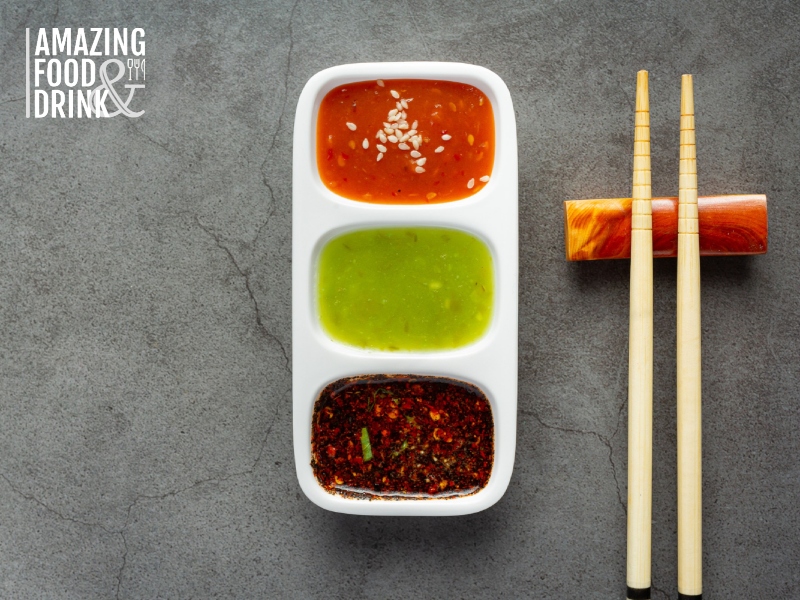
Sweet and Sour Sauce: This tangy and sweet combination is a timeless favourite. Use bottled sauce or whip up your own with ketchup, sugar, vinegar, soy sauce, and ginger. Experiment with the ratios to achieve your desired balance of sweet and tart.
Chili Garlic Sauce: This sauce delivers for those who crave a kick! Combine sriracha or sambal oelek with garlic, soy sauce, rice vinegar, and a touch of honey for a sweet and spicy explosion. Adjust the chilli content based on your heat tolerance.
Duck Sauce: This smooth and slightly sweet sauce is a staple in Cantonese cuisine. Serve it warm or cold, and enjoy its subtle sweetness, complementing the savoury flavours of the egg roll.
Customising Your Creation
Adjust the taste to your satisfaction.
Get Spicy: Add a drizzle of sriracha, chilli flakes, or your favourite hot sauce to any of the base sauces for an extra kick.
Go Creamy: Mix mayonnaise with sriracha, sriracha mayo, or even ranch dressing for a creamy and flavorful dip.
Embrace Umami: Add a dollop of hoisin sauce for a deep, savoury richness.
Explore Herbs: Fresh cilantro, mint, or Thai basil can add a refreshing touch to any dipping sauce.
Remember
Balance is Key: Consider the overall flavour profile of your egg rolls when choosing or creating your dipping sauce. A sweet and sour sauce pairs well with classic pork and cabbage fillings, while a spicy chilli garlic sauce might complement a shrimp and vegetable option.
Start Simple: Don’t overwhelm yourself with too many ingredients. Begin with a base sauce and gradually add flavours until you reach your desired taste.
Embrace Experimentation: The beauty of homemade dipping sauces lies in their endless possibilities. Don’t be afraid to try new combinations and discover your own signature blend!
Conquering Common Concerns: Egg Roll Troubleshooting 101
Even the most seasoned chefs encounter challenges in the kitchen. Fear not, intrepid egg roll adventurer!
This section addresses common concerns and offers solutions to ensure your egg rolls come out crispy, delicious, and problem-free.
Preventing Soggy Wrappers
We can promise you that if there is one thing you should avoid, it is soggy egg rolls. With these helpful instructions, you will have wonderful crunchy egg rolls.
Moisture Is the Enemy
Ensure your filling is well-drained before assembly. Excess moisture can soak into the wrappers, leading to sogginess. Consider pre-cooking vegetables like cabbage to release excess moisture.
Oil Temperature Matters
Ensure your oil is hot enough (around 350°F/175°C) before frying. If the oil is too cold, the wrappers will absorb it and become soggy. Use a candy thermometer for accuracy.
Don’t Overcrowd the Pan
Fry egg rolls in batches to avoid lowering the oil temperature and causing sogginess. Give them enough space to cook evenly and achieve that coveted crispness.
Drying Is Key
After frying, drain the egg rolls thoroughly on paper towels to remove excess oil. This prevents sogginess from residual moisture.
Thaw With Care
If using frozen wrappers, thaw them completely in the refrigerator overnight. Thawing at room temperature can make them dry and prone to cracking.
Wet Your Weapon
Use a small bowl of water or beaten egg (our secret weapon!) to moisten the edges of the wrapper before folding and sealing. This creates a tight seal, preventing cracks during frying.
Avoid Overfilling
Resist the urge to stuff your wrappers with too much filling. This can stress the wrapper and lead to cracks during rolling and frying. Opt for a moderate amount for optimal results.
httpss://youtu.be/3HuYVrOaImw?si=ASJ07LuW_EdXSqbw
Handle With Care
Be gentle when handling the filled wrappers. Rough handling can create tears, which ultimately turn into cracks during frying.
Preheat Your Wrappers
Briefly warming the wrappers in the microwave or oven (around 10 seconds) makes them more pliable and less likely to crack during folding.
Double the Seal
For extra insurance against leaks and cracks, fold the top corner of the wrapper over once more after the initial fold. This creates a double seal for added security.
Rest Before Frying
Let the assembled egg rolls rest for 10-15 minutes before frying. This allows the filling to set and the wrappers to relax, further reducing the chances of cracking.
Conclusion
So, there you have it, intrepid kitchen warriors! This comprehensive guide has equipped you with everything you need to conquer the world of homemade egg rolls. Remember, this recipe is your launchpad, not a cage. Embrace the versatility of fillings, sauces, and even cooking methods to make it your own truly.
So grab your ingredients, crank up the music, and get ready to roll deliciousness! Remember, the secret ingredient is always your own passion and creativity. Happy rolling!
FAQs
How long does it take to make easy egg rolls?
It takes about 30 minutes to prepare and cook easy egg rolls.
What ingredients do I need for easy egg rolls?
You need egg roll wrappers, ground meat or vegetables of your choice, seasonings, and oil for frying.
Can I bake the easy egg rolls instead of frying them?
Yes, you can bake the easy egg rolls in the oven instead of frying them to make a healthier version.
Can I freeze the uncooked, easy egg rolls?
Yes, you can freeze the uncooked easy egg rolls by placing them on a baking sheet lined with parchment paper, freezing them until solid, and then transferring them to a freezer bag or container.
How do I serve/eat the cooked easy egg rolls?
Serve the cooked easy egg rolls as an appetiser or main dish with dipping sauces such as soy sauce or sweet chilli sauce. They are best enjoyed while hot and crispy!

 Salma Ihab