Welcome to our mouthwatering exploration of the exquisite and diverse world of popular Egyptian food! Egypt’s cuisine, with its rich heritage and multifaceted flavours, offers a captivating array of dishes that promise to enchant your palate and leave you craving more.
With every bite, you’ll be tasting the warmth of Egyptian hospitality. From the incredible aroma of savoury grills and the complex layers of aromatic rice dishes to the irresistibly sweet treats and uniquely refreshing drinks, we are diving deep into the heart of Egypt’s most cherished culinary treasures.
Popular Egyptian Food for Feasts or Occasions
Dive into a culinary adventure through Egypt with these delightful dishes! From the communal festivity of Fattah to the bold flavours of Feseekh, the comforting Ashouraa, and the sweet Ghorayba Cookies—there’s a dish to captivate everyone’s palate. Enjoy exploring these popular Egyptian delights, and get ready to add some excitement to your gourmet experience!
1. Fattah
Fattah holds a special place as a popular Egyptian food, traditionally served during significant events and celebrations like weddings, the Eid al-Adha Holiday, and welcoming a newborn into the world. This dish is typically presented in one large, communal dish, encouraging everyone to dig in together and creating an atmosphere of unity and togetherness. Preparing Fattah is almost like a ritual, layering flavours and textures to achieve a harmonious and delicious blend.
At the heart of Fattah lies a combination of fluffy rice, crispy pieces of flatbread, and juicy, succulent meat, usually lamb, symbolising abundance and prosperity. The rice provides a comforting base, while the golden-brown bread adds an irresistible crunch, creating a delightful contrast with the tender, flavorful meat.
2. Feseekh (Salted Mullet)
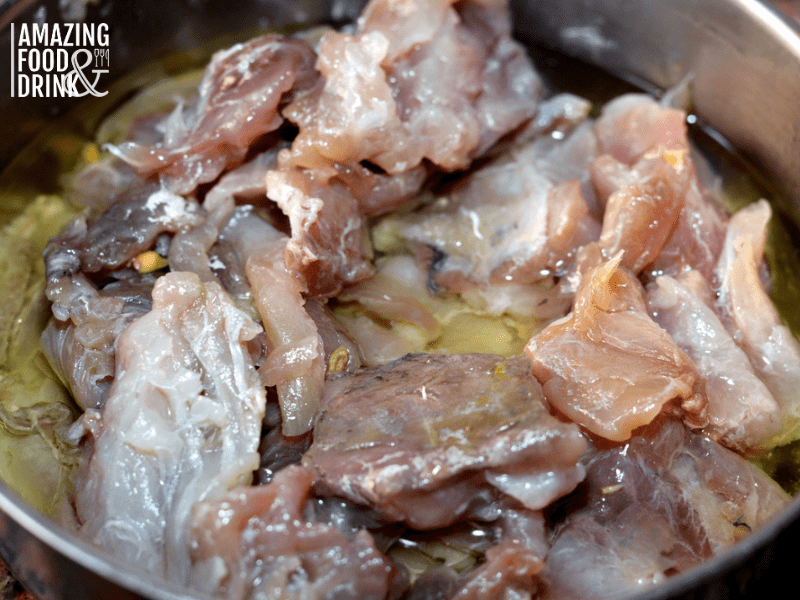
Feseekh is not for the faint of heart, so if you are a picky eater, this dish is not for you. Its intense aroma and bold flavour profile are as challenging as they are rewarding. Feseekh, a salted and fermented fish dish, is one of Egypt’s most iconic and daring culinary traditions. Celebrated predominantly during Sham el-Nessim, an ancient festival welcoming spring, Feseekh turned into a centrepiece of Egyptian festivities.
Originating from the age-old practice of preserving fish, Feseekh is most commonly made from grey mullet. The fish is meticulously gutted, salted, and left to ferment, transforming into a pungent delicacy that captivates the senses. The salted fish is usually served with fresh, crunchy spring onions and warm baladi bread, creating a symphony of textures and flavours.
3. Ashura (Wheat Pudding)
Whether you’ve got a sweet tooth or are just curious about Egyptian desserts, Ashura is worth a try. It is traditionally prepared during the Islamic month of Muharram, particularly on the Day of Ashura, the day Moses was saved through the miracle of parting the Red Sea.
At its heart, this dessert is made from wheat berries, milk, and sugar and cooked until it reaches the perfect consistency. Think of it as Egypt’s unique twist on rice pudding but with the wholesome goodness of wheat berries. Ashura is then lovingly adorned with various nuts and raisins, adding an extra layer of texture and sweetness to the mix. A sprinkle of cinnamon later, and you’ve got yourself a bowl of Ashura that’s as rich in flavours as it is in nutrients.
4. Ghorayba (Butter Cookies)
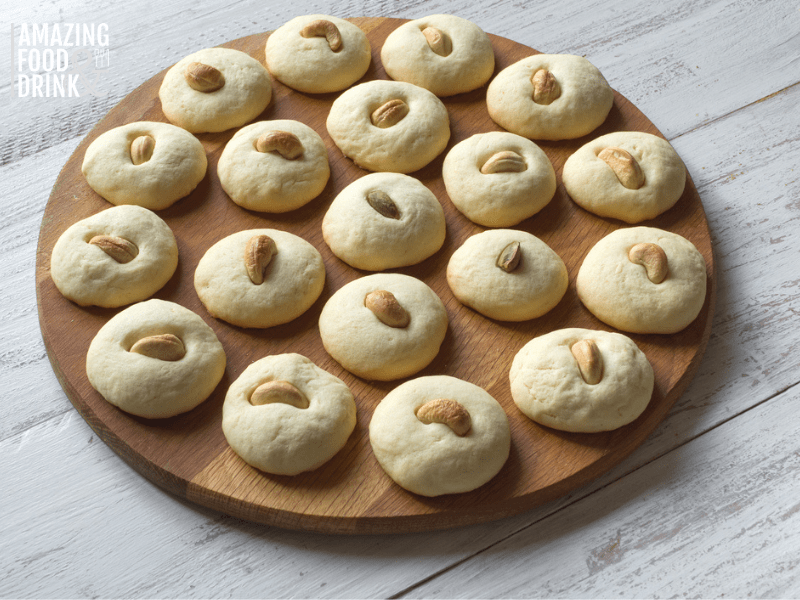
If you are a fan of buttery cookies, then you need to try ghorayba. It is a popular type of cookie in many Middle Eastern countries, including Egypt. These cookies are renowned for their simplicity, delicate texture, and delicious taste, often served at Eid El Fitr (Feast of Fast Breaking) at the end of Ramadan holy month.
These cookies are typically small and round, with a signature smooth surface and a slight dome shape. Some people like to press a blanched almond or pistachio into the top of each cookie before baking for a bit of extra flair and flavour.
Achieving the perfect ghorayba lies in thoroughly whipping the butter and sugar together until they reach a light and fluffy consistency, guaranteeing that the cookies will possess their characteristic delicate texture that simply melts in your mouth. They’re usually served with tea or coffee, making them a perfect light treat for everyone.
5. Khoshaf (Dried Fruits Drink)
httpss://www.youtube.com/watch?v=Kj_93iJzVVE
If you visited Egypt during the holy Ramadan, the fasting month, you have probably heard or seen this very special drink presented abundantly on tables during the Iftar meal. This isn’t just any ordinary drink—it’s a delightful blend of dried fruits and aromatic water, creating a refreshing and nutritious drink perfect for breaking the fast.
Khoshaf is made by combining a variety of dried fruits, such as dates, figs, apricots and raisins, with nuts like almonds or walnuts. The ingredients are then soaked in water, sometimes with some sugar added to sweeten the deal. Some folks like to add a splash of rose water or vanilla.
During Ramadan, Khoshaf is particularly popular for Iftar, the meal where Muslims break their fast after sunset. After a long day of fasting, the body craves nutrients, and Khoshaf delivers just that. The fruits’ inherent sugars offer an immediate surge of energy, and the nuts contribute protein and beneficial fats, establishing this as a prime choice for restoring vitality and energy levels.
6. Ruz Bil Khalta (Caramelised Rice)
httpss://www.youtube.com/watch?v=G47IfFQ4OKY
Ruz Bil Khalta, or Rice with Mixed Nuts, is a culinary delight in popular Egyptian food, blending the savoury, the sweet, and the lavish into one exquisite dish. It features a bed of aromatic rice, generously adorned with a rich assortment of nuts and raisins, creating a delightful dance of flavours on your palate. The foundation of this luxurious dish is a bed of fragrant rice, often jasmine or basmati, cooked to fluffy perfection.
Typically reserved for special occasions, celebrations, and grand feasts, Ruz Bil Khalta is a dish that truly speaks volumes of generosity and abundance. It is a favoured choice during religious holidays, weddings, and other significant celebrations, embodying the spirit of hospitality and joy.
Almonds, pistachios, pine nuts, and walnuts are sautéed in butter until they attain a golden perfection, exuding rich aromas and flavours. Plump raisins or sultanas are then added to the mix, infusing the dish with a burst of natural sweetness and completing this symphony of flavours.
7. Kahk (Stuffed Cookies)
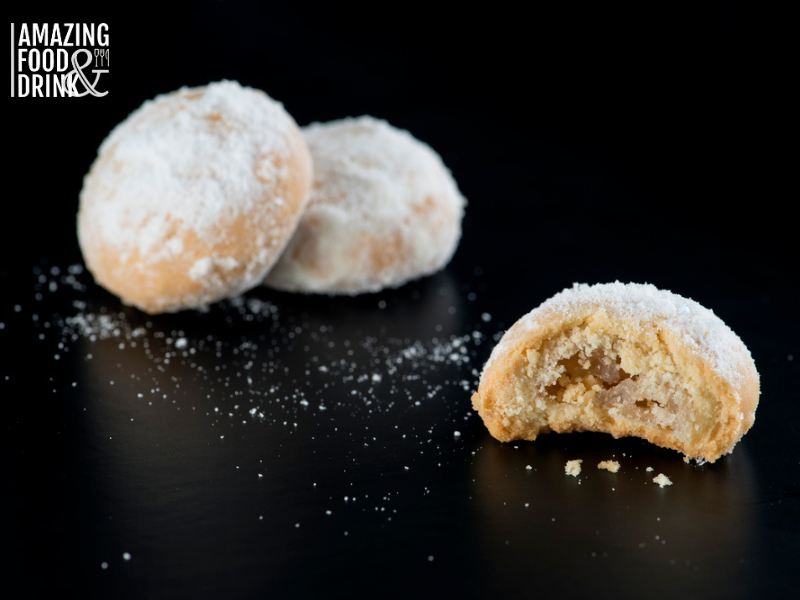
Kahk are not your average cookies; they are a delightful blend of sweet tastes with a texture that just melts in your mouth. These little sugar-coated rounds of joy are a staple in Egyptian households, especially during Eid El Fitr (Fast Breaking Feast). The dough is made from flour, ghee (a type of clarified butter), and a hint of sugar, resulting in an irresistible crumbly buttery cookie.
What really sets Kahk apart is the filling. Stuffed with an array of sweet delights, from luscious date paste to aromatic Turkish delight or a mixture of sugary cinnamon and nuts, each piece of Kahk is a surprise waiting to happen. The fillings add an extra layer of sweetness and a burst of flavour that perfectly complements the buttery cookie.
In the spirit of celebration and community, Kahk are meant to be shared. Families, neighbours and friends exchange these sweet treats as gifts, extending wishes of happiness and prosperity. It’s a gesture that says, “You’re cherished, and let’s celebrate together.”
8. Basbousa
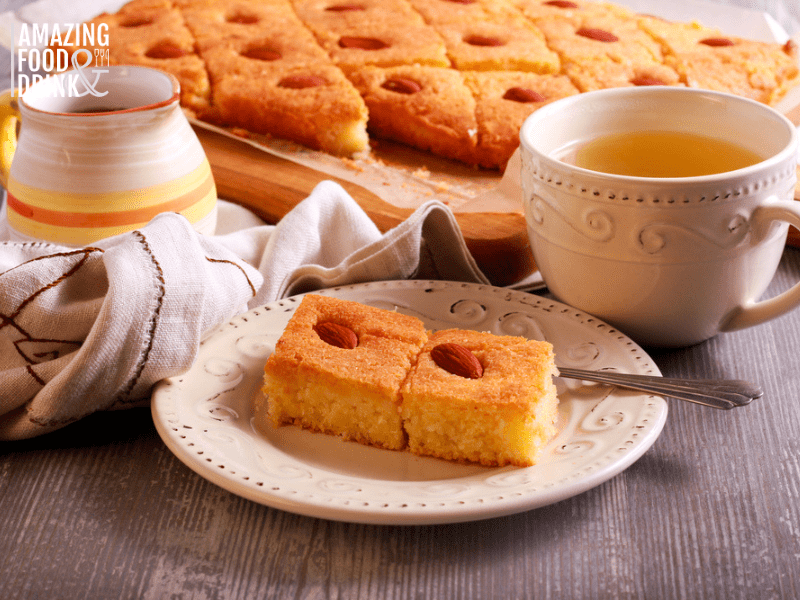
This traditional Middle Eastern sweet treat has captured hearts far and wide, and once you’ve had a taste, it’s not hard to see why. Basbousa is a moist, sweet cake made from semolina flour soaked in a delightful sugary syrup. It’s warm, it’s comforting, and it’s got that perfect touch of sweetness to brighten up your day. The semolina gives the cake an exceptional texture that’s both dense and light at the same time, creating a truly irresistible treat.
Basbousa is a popular choice during celebrations, gatherings, and festive seasons, but let’s be honest, it’s a treat that’s welcome any day of the year. Whether you’re celebrating with family, sharing a meal with friends, or just treating yourself, Basbousa is there to make the moment sweeter.
Served in small squares or diamonds, Basbousa is perfect for sharing, though we won’t blame you if you want to keep it all to yourself! Eat it while sipping a cup of tea or coffee, and you’ve got yourself a match made in dessert heaven.
9. Kamar El Deen (Dried Apricot Juice)
httpss://www.youtube.com/watch?v=8zxmeoipSVk
Kamar El Deen is a traditional Egyptian drink made from dried apricots. The apricots are pureed, dried into sheets, and rehydrated later to create this wonderfully sweet and aromatic drink. It’s like the apricot’s grand journey from fruit to drink, and the transformation is nothing short of magical.
Kamar El Deen holds a special place during the holy month of Ramadan. It’s a time of fasting from sunrise to sunset, and this drink is a popular choice for the Iftar meal, where Muslims break their fast. The natural sugars from the apricots provide a quick energy boost, while the soothing qualities of the drink help rehydrate the body.
10. Kabab and Kofta
Wandering through Egypt’s bustling local streets will inevitably lead you to the savoury world of Kabab and Kofta, two staples of popular Egyptian food. The irresistible smokey barbecue aroma wafts through the air, captivating your senses and leaving you craving a taste.
First up, let’s talk about Kabab. Think of perfectly marinated pieces of meat, skewered and grilled to perfection, creating a symphony of flavours and aromas that will make your taste buds dance. Kabab is usually made from beef or lamb, and the secret to its incredible taste lies in the marinade. A mixture of aromatic spices, garlic, and sometimes yoghurt or vinegar work together to tenderise the meat and infuse it with flavour.
Grilled over an open flame, the meat develops a delicious charred exterior while staying juicy and succulent on the inside. Served straight off the skewer or slid off onto a plate, Kabab is a dish that’s all about savouring the simple yet profound pleasures of well-cooked meat.
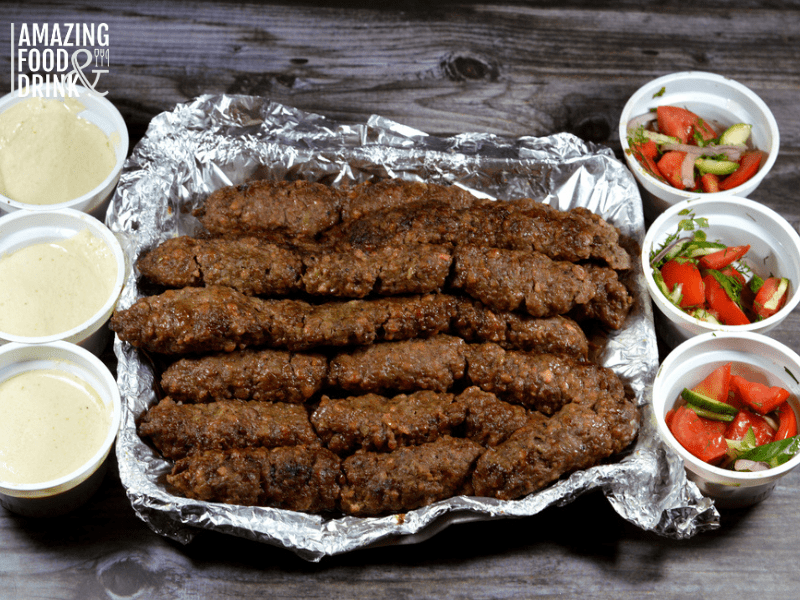
Next is Kofta, a dish that’s as fun to eat as it is to say. Kofta are spiced meatballs or patties made from ground meat mixed with herbs and spices. The mixture is then shaped into balls or cylinders and cooked to perfection. You can find them grilled, baked, or even pan-fried, and each cooking method brings its own unique deliciousness to the table.
Both Kabab and Kofta are perfect for sharing, making them a fantastic choice for family gatherings, barbecues, and parties. There’s something wonderfully communal about gathering around a platter of freshly grilled meats, diving in, and enjoying the feast together.
As we conclude our journey, it’s evident that popular Egyptian food is not just about satisfying hunger but about creating memorable experiences and fostering connections. Each dish we’ve explored is a celebration of flavour, tradition, and togetherness, making Egyptian cuisine truly exceptional and inviting.



 Nouran Ashraf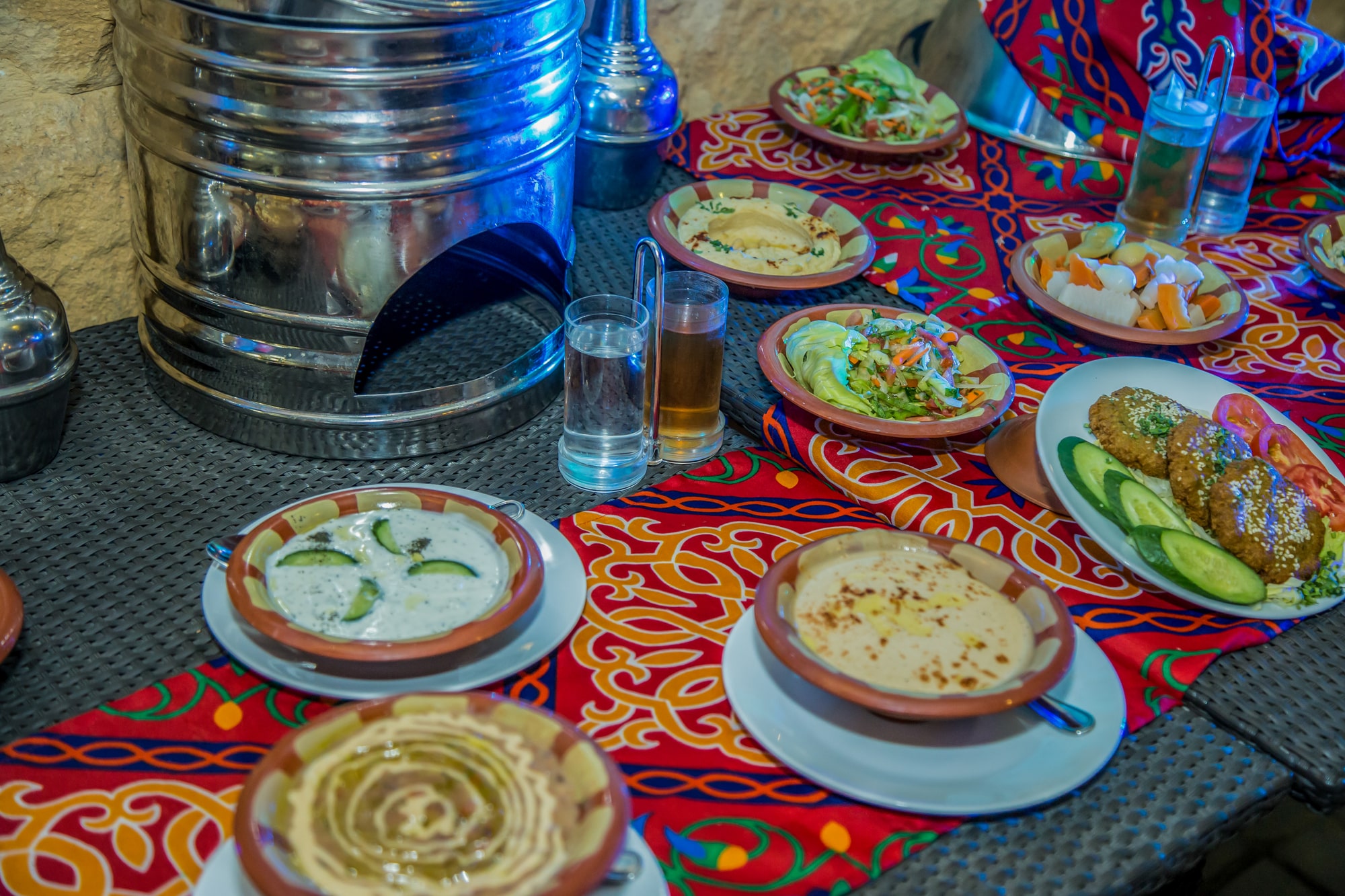
 Esraa Ali