Are you excitedly planning your dream trip to Iceland? That’s a perfect choice! Prepare to be captivated by the awe-inspiring natural wonders that await you. From majestic waterfalls cascading with thunderous power to rugged cliffs boasting unparalleled vistas, and even the titanic glaciers and mysterious black sand beaches, Iceland is a visual wonderland of epic proportions.
However, while the country’s dramatic beauty is widely acknowledged, its gastronomic treasures often remain an enigma. Fear not, as Iceland hosts a culinary tradition as diverse and fascinating as its magical landscapes. Delight in the harmonious interplay between the local cuisine and the surrounding nature, as well as the echoes of history that have influenced its development.
Regardless of whether you crave a hearty feast or have a sweet tooth that demands satisfaction, we have you covered every step of the way. Embark on a culinary journey that complements your overall Icelandic experience!
This comprehensive guide to Icelandic cuisine will ensure that you don’t miss out on discovering the very best of traditional delicacies.
1. Hákarl
Its signature dish, hákarl, epitomises Iceland’s renowned culinary heritage. This extraordinary delicacy unveils itself in the form of fermented shark meat, meticulously aged and crafted over a span of four to five months. The primary source of this traditional Icelandic dish is the Greenland or sleeper shark, and its creation entails an intricate process: the shark meat undergoes expert curing, followed by patient air-drying.
For Icelanders, this meal serves as an authentic connection to their roots and ancestry, deeply ingrained in their cultural identity. However, hákarl remains more than a mere tradition; it continues to be cherished as a true delicacy, inspiring individuals to go to great lengths to savour its unique goodness.
Nevertheless, it is essential to recognise that venturing into the world of hákarl demands more than mere culinary curiosity; the bold and adventurous must brace themselves for the overpowering pungent aroma that accompanies this gastronomic experience. Only a few can truly appreciate the captivating essence of this unforgettable delicacy.
2. Pylsur — Reykjavik’s Hot Dog
When it comes to popular fast foods, nothing quite compares to the mouthwatering delight of an Icelandic hot dog, known locally as pylsur or pulsar. These tantalising hot dogs are crafted using a delightful blend of hormone-free, grass-fed Icelandic lamb, carefully combined with tender beef and pork.
Given the abundant presence of sheep on the island nation, it should come as no surprise that lamb occupies an esteemed position in Icelandic cuisine. The harmonious fusion of flavours between the lamb and the hot dog makes it an irresistible treat for the discerning Icelandic palate. These delectable creations are traditionally served nestled in a soft bun, allowing you to customise your culinary experience with a range of condiment choices.
Experience the symphony of flavours as you take your pick from an array of accompaniments, including tangy ketchup, sweet mustard, creamy remoulade, crispy fried onion, and the delightful crunch of raw onion. Join the legions of food enthusiasts who have succumbed to the allure of the Icelandic hot dog and indulge in a taste sensation like no other.
3. Harðfiskur – Dried Fish
httpss://www.youtube.com/watch?v=zPNKZ_c9FYE
If you’re in search of affordable and fast culinary delights, why not delve into the world of Icelandic cuisine and give harðfiskur a try? This delectable dried fish holds a special place in Iceland’s culinary heritage and has become a beloved favourite among locals. Carefully selected cod, wolffish, or haddock are left to dry in the refreshing air of the bitter North Atlantic, where they undergo a unique curing process akin to that of ageing cheese.
While some might choose to savour the dish in its pure form, Icelanders adore adding a touch of salted butter, transforming it into a delectable treat to be enjoyed on the move or as a perfect companion for a cosy movie night.
4. Flatkaka Med Hangikjoti – Flatbread with Smoked Lamb
httpss://www.youtube.com/watch?v=QgztRoyZv1A
Another delightful way to entertain your senses and go on a culinary adventure through the enchanting flavours of Icelandic cuisine is to devour this home-cooked meal, flatkaka med hangikjoti. It’s an iconic, mouthwatering flatbread adorned with tender smoked lamb. This simple yet irresistible treat will transport you to a world of tantalising tastes.
The experience begins with a perfect harmony of lukewarm water and rye flour, forming a dough that sets the foundation for the culinary adventure ahead. As this expertly prepared dough hits the hot stove, a symphony of sizzles dances in the air, creating an aroma and promising a warm, crispy bite that melts in your mouth.
To elevate this already scrumptious flatbread to new heights, crown it with a slice of smoked lamb – an esteemed national delicacy that shines with exceptional flavour. However, the exploration doesn’t stop there. For those seeking a genuinely daring taste experience, let your adventurous spirit guide you towards other delectable toppings. Try a luscious creamy cheese or succulent lamb pâté as bold additions that will send your taste buds on a thrilling adventure.
5. Kleinur – Icelandic Donut
httpss://www.youtube.com/watch?v=PVIE-4cmKpU
Kleinur, the Icelandic counterpart to the mouthwatering doughnut, boasts an intriguing and rich heritage that captures the imagination. Originating from the Nordic countries and famous throughout Europe and the United States, this fried pastry has even found its way to neighbouring and Eastern European nations.
Although it was initially enjoyed exclusively during the frosty winter and festive occasions, this delectable delight has transcended its original constraints and become a cherished guilty pleasure relished year-round. While some bakeries refer to it as a twisted doughnut, there are distinct differences in taste and texture that set kleinur apart.
Kleinur is denser and bread-like than its sweeter counterpart, often enhanced with a delightful hint of cardamom and/or vanilla. Moreover, it is a rare find to come across a glazed variation of this treat, adding to its unique charm.
6. Skyr – Yogurt
Skyr, the exquisite Icelandic delight, is not just any yoghurt. With its unparalleled texture that can rival even the most famous Greek yoghurt, skyr stands out from the crowd. Its roots can be traced back over a thousand years, showcasing its enduring popularity and captivating history. While technically categorised as soft cheese, skyr’s creamy smoothness resembles that of yoghurt, making it an irresistible treat in its classic form.
However, skyr is more than just yoghurt with a different texture; it possesses a unique essence that can be attributed to the heirloom Icelandic cultures used in its production. In fact, it takes almost four cups of milk to create just one cup of skyr, resulting in a thickness and creaminess that surpasses that of ordinary yoghurt.
But skyr’s extraordinary nature does not end there – it has left an indelible mark in the world of culinary delights. Its luxuriously rich flavour adds depth and richness to heavenly smoothies, transforms simple ice cream into a delectable masterpiece, and takes traditional cheesecake to an entirely new level with the irresistible skyrkaka.
7. Plokkfiskur – Fish Stew
httpss://www.youtube.com/watch?v=WI_H8OvxGIc
Plokkfiskur, a traditional Icelandic fish stew, is a beloved dish that effortlessly captures the essence of Icelandic cuisine. This culinary gem bursts with delightful flavours and abundant heartiness. It is a true delight, especially during those frosty Icelandic nights. Typically featuring perfectly boiled cod or haddock, this fish stew harmoniously combines the delicate texture of the fish with the rich creaminess of mashed potatoes and the sweet tang of onions.
What truly sets plokkfiskur apart is the fact that every household has its own unique twist on this cherished recipe, making it a dish that encompasses both tradition and personal creativity. So, whether you are seeking an authentic taste of Iceland or eager to explore the culinary traditions of this beautiful country, plokkfiskur shall not disappoint.
8. Hangikjöt – Smoked Lamb
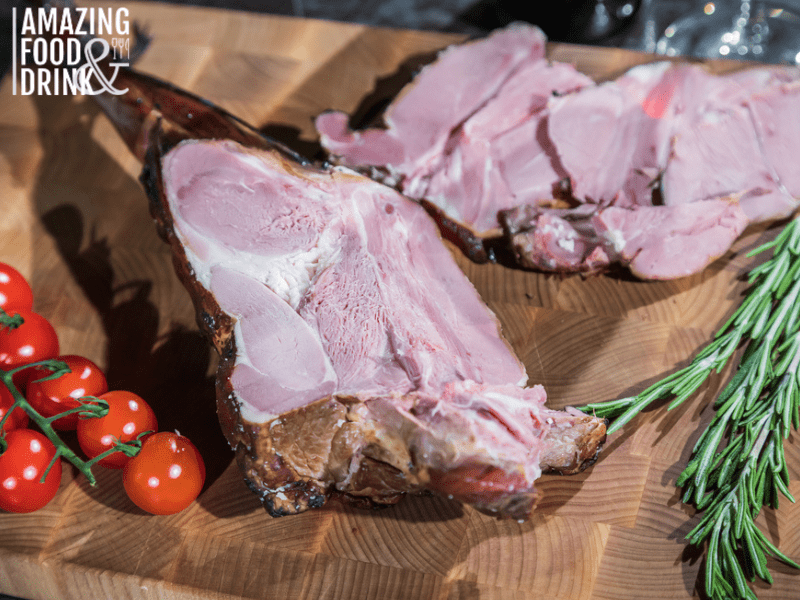
Welcome to Iceland, where the ancient tradition of sheep farming has given birth to a true culinary gem – the magnificent and aromatic smoked lamb. Allow me to introduce you to hangikjöt, the extraordinary Icelandic delicacy that still holds its roots in time-honoured preservation and preparation methods.
For countless generations, the captivating taste of hangikjöt has held a special place in the hearts and palates of Icelanders. Chefs start by chopping succulent cuts of leg or shoulder, meticulously dry-salted or lovingly brined, then roasted to perfection. This process results in an exquisitely savoury and slightly ashen character that embodies the very essence of this beloved dish.
But here’s where the magic truly happens – the lamb is then hung, allowing it to embrace gentle wisps of smoke. This ancient preservation technique not only enhances the flavour profile but also extends the shelf life, ensuring that the lamb can be enjoyed for more extended periods. As you take your first bite, the flavours unfold, revealing a delightful depth that perfectly balances tradition and innovation.
9. Kjotsupa – Lamb Soup
Kjotsupa, a cherished Icelandic delicacy, has been delighting palates for centuries. Rooted in tradition, this treasured lamb soup recipe has been ardently passed down from one generation to another within families. Today, a myriad of family-owned restaurants proudly present their own distinct and inventive twists on this mouthwatering soup.
As a basic yet rustic dish, this Icelandic meat soup embraces its primal nature and is meticulously prepared using locally sourced, pasture-raised, bone-in lamb. With its heavenly combination of tender lamb, hearty potatoes, and an assortment of cold-hardy vegetables, this delectable soup is elevated by a medley of savoury herbs that infuse a burst of flavour.
10. Humar – Icelandic Lobster
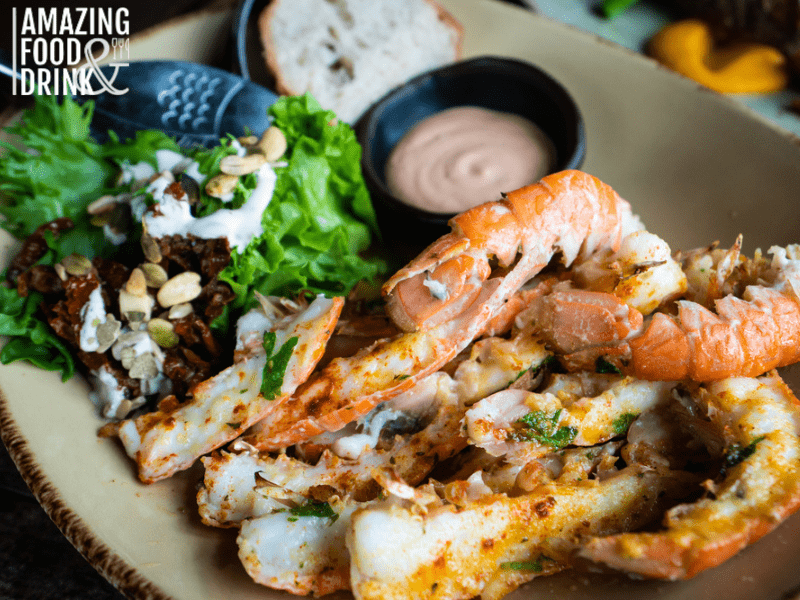
Humar, a beloved Icelandic delicacy, is a must-try dish for those looking to have an unforgettable dining experience. While it may come with a higher price tag, rest assured that every penny spent on this popular lobster dish is well worth it. Furthermore, aspiring chefs can easily recreate this divine masterpiece as the ingredients are readily available at any Icelandic supermarket.
One of the best things about humar is its versatility, offering a plethora of cooking methods to suit your preference. Whether you desire the succulent lobster to be fried to perfection, grilled for that irresistible smoky flavour, baked to bring out its natural sweetness, or even used as a delightful topping on your favourite pizza, the possibilities are endless. Prepare yourself for a gastronomic adventure as you savour this extraordinary dish straight from the enchanting land of Iceland.
11. Rúgbrauð – Hot Spring Rye Bread
httpss://www.youtube.com/watch?v=-fHg46ebrWM
Indulge in the extraordinary flavours of hot spring rúgbrauð, also known as hot spring rye bread, which beautifully complements the diverse array of Icelandic cuisine. This unique bread boasts a captivating history that stretches back through the ages, a testament to its enduring popularity.
Initially crafted in wooden casks hidden near the island’s abundant hot springs, the age-old techniques used in its creation are still faithfully upheld today. Now, you can recreate this culinary marvel by merely baking it in a humble pot. The result you will get is an irresistibly sweet, crustless dark brown bread that tantalises the palate at every bite.
This dense and mildly sweet bread, rooted deeply in its Icelandic origins, is traditionally sliced paper-thin and served alongside smoked, cured, or pickled delicacies. However, don’t underestimate its ability to shine with a simple smear of salted butter.
12. Svid – Sheep’s head
httpss://www.youtube.com/watch?v=lA8P1PUyOv8
Svid, known as sheep’s head in English, may no longer dominate restaurant menus, but it remains a shining star in the realm of vibrant midwinter feast celebrations. Its undeniable presence promises a genuinely captivating and palate-pleasing culinary adventure.
Icelandic chefs skilfully prepare this delicacy by halving the sheep’s head, removing the brain, and meticulously singeing the outer layer to eliminate any traces of fur. The head is then tenderly boiled for an hour or more, resulting in a remarkable dish served alongside velvety mashed turnips or creamy mashed potatoes.
This culinary masterpiece offers a harmonious fusion of tantalising textures and robust flavours that will undoubtedly leave an unforgettable impression. The entire sheep’s head embodies a truly unique and cherished tradition, whether lovingly smoked, scrupulously boiled, or transformed into a delectable delight preserved in a glistening jelly.
Icelandic cuisine offers a fascinating blend of freshness, excitement, and mouthwatering flavours. While certain dishes may not cater to everyone’s taste buds, the only way to truly appreciate their uniqueness is by embracing the adventure and giving them a try.






 Nouran Ashraf
 Shaimaa Olwan