For far too long, the world of vegan cheese has been dominated by one crunchy truth: nuts. Whether it is creamy cashew ricotta or tangy almond cheddar, those with nut allergies have often been left on the dairy-free sidelines, watching enviously as others indulge in plant-based cheesy goodness. But fear not, cheese-starved souls! A revolution is brewing in the cheese aisle, and it is nut-free, delicious, and ready to melt your heart (not your throat).
Gone are the days of settling for flavourless rice crackers or watery shreds of sadness. Nut-free vegan cheese brands are popping up like gourmet mushrooms, offering a smorgasbord of creamy, tangy, melty delights that cater to every craving and dietary need. From sunflower seed Parmesan to pea-protein cheddar, these innovative cheesemakers are proving that you do not need almonds to achieve cheesy nirvana.
So, buckle up, cheese lovers, because we are about to embark on a delicious journey into the world of nut-free vegan cheese brands. We will meet the passionate cheesemakers who are leading the charge, explore the ingenious ingredients that are replacing the nutty staples, and, most importantly, discover a whole new universe of cheesy flavours that will have you saying, “Cheese, please!” with every decadent bite.
Let’s jump right into it.
1. Violife
Founded in 2017 and based in Greece, Violife is a leading brand in the world of plant-based cheese. Although relatively young, the company comes with over 30 years of experience in vegan product development and production, thanks to its parent company, Upfield, the world’s largest plant-based food transformation company.
This enormous experience is best represented by Violife’s delicious dairy-free alternatives, particularly vegan cheese alternatives, to traditional dairy cheese such as cheddar, Parmesan, mozzarella, feta, cream cheese, and more. They produce cheese slices, blocks, dips, shreds, or spreads, which come in a variety of popular flavours like cheddar, gouda, Colby Jack, mozzarella, smoked Provolone, Mexican Style, and Mediterranean Style, catering to diverse preferences.
Unlike some plant-based cheeses, Violife products excel in functionality. They melt, grill, grate, and toast beautifully, making them perfect for sandwiches, pizzas, pastas, and various other dishes.
Violife also produces some other vegan food products, like butter and sour cream. All of their products are made with a blend of coconut oil, sunflower oil, tapioca starch, and other natural ingredients, completely free from dairy, lactose, soy, nuts, and gluten. They are fortified with vitamin B12, and compared to their dairy counterparts, they tend to be lower in saturated fat and cholesterol, offering a healthier alternative.
Violife has a global presence and is available in over 50 countries worldwide. One can access the company’s product list from their website, where they can use the Store Locator feature to find the nearest store that sells Violife products. This actually means that the availability of some specific products may vary depending on the user’s location. Violife also provides recipes for breakfast, snacks, main courses, appetisers, and desserts to try using their vegan cheese.
2. Chao
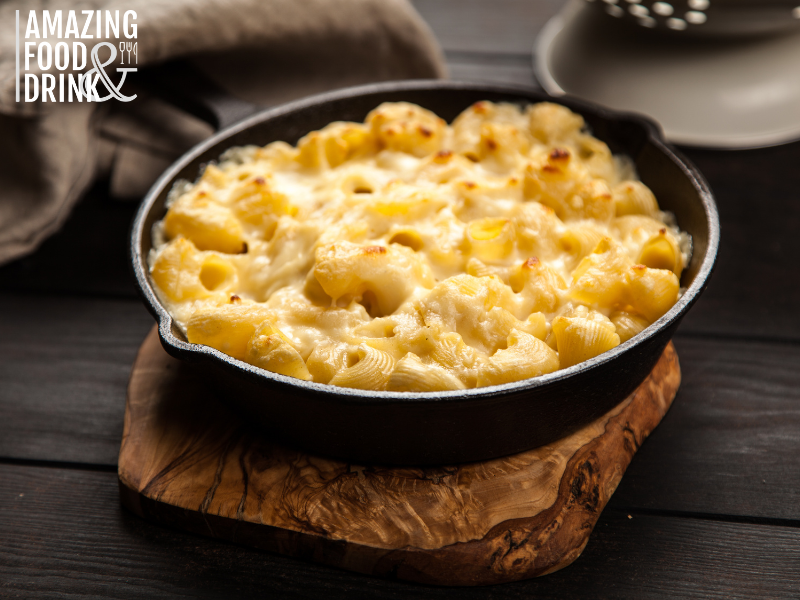
Chao offers excellent vegan “Chilli Mac n’ Chao” that are completely nut-free.
Chao is another fantastic player in the nut-free vegan cheese realm that was launched in 2015 by Field Roast, a well-established American plant-based meat company that specialises in plant-based and vegetarian foods.
Chao is best known for its flavourful and melty nut-free vegan cheese inspired by Vietnamese fermented chao tofu that is blended with other ingredients such as filtered water, coconut oil, corn and potato starch to create a distinct savoury and tangy flavour.
The brand produces a diversity of cheese forms and flavours. For instance, they have Chao shreds available in Creamy Original and Mexican Style tastes. They offer four flavours of Chao slices: Creamy Original, Tomato Cayenne, Smoked Original and Spicy Original. They also have creamy original nut-free vegan cheese in blocks, Creamy and Chilli Mac n’ Chao, and one type of dip called Chao Queso.
Similar to other vegan cheese alternatives, Chao nut-free cheese products are suitable for individuals with lactose intolerance or anyone who has other dietary restrictions. As with any food product, it is advisable to check the ingredient list and labelling for specific dietary information.
All products offered by Field Roast are available to buy from online retailers such as Amazon, Walmart, Carrs, Whole Foods Market, and Meijer, among others. Users can also search for their preferred Field Roast products in nearby stores through the company’s website.
3. Aldi
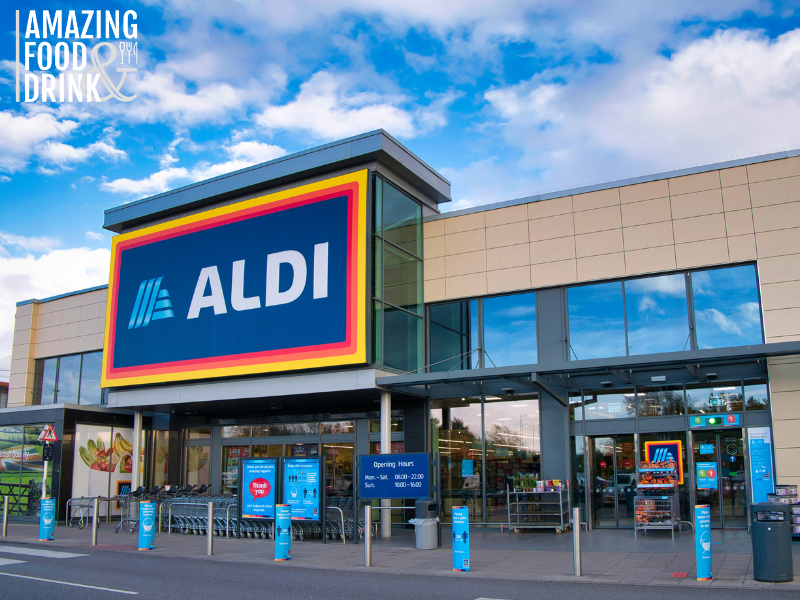
Aldi is a German supermarket chain that operates on a global level.
Aldi is a global supermarket chain that operates in many countries around the world. It is known for its no-frills, cost-effective approach to grocery retailing. The name “Aldi” is a combination of “Albrecht Diskont,” which refers to the famous north German Albrecht family, the founders of the company, and the German word for “discount.”
Aldi stores typically carry a variety of grocery items, including fresh meat, dairy products, packaged foods, and household essentials. One of the distinctive features of Aldi is its focus on private-label or store-brand products. This allows them to keep costs lower than many other grocery stores.
In addition to their regular grocery items, Aldi often features special buys and seasonal items, including a growing selection of organic and healthier food options. Aldi has gained popularity for providing affordable alternatives to well-known brands and maintaining a straightforward and efficient shopping experience.
Speaking of healthy food options, Aldi does offer vegan and plant-based options, including nut-free vegan cheese made from coconut, in some of their locations. However, the availability of specific products can vary by region and may change over time due to store-specific offerings and regional preferences.
Aldi often introduces new products based on consumer demand and market trends. If you are specifically looking for vegan cheese there, it is a good idea to check with your local Aldi store or visit their official website to see if they currently carry vegan cheese or any other plant-based alternatives.
Violife and Chao vegan cheese products are available on Aldi’s shelves. So, the next time you are shopping at Aldi, do not forget to grab some tasty vegan-friendly cheese.
4. La Fauxmagerie
La Fauxmagerie is a vegan cheese shop located in the United Kingdom. It gained attention for being the first plant-based cheesemonger in the country, offering a variety of vegan and dairy-free cheeses. The term “Fauxmagerie” is a play on words, combining “faux” (French for false or fake) with “fromagerie” (French for a cheese shop).
La Fauxmagerie focuses on providing high-quality, artisanal vegan cheeses made from plant-based ingredients. Their selection may include a variety of vegan cheese styles, such as soft cheeses, hard cheeses, and spreads, all crafted without the use of dairy products. The goal of such establishments is to offer vegan alternatives for individuals who choose to follow a plant-based or dairy-free diet.
Besides, La Fauxmagerie also offers many kinds of nut-free vegan cheese brands. Some of their top picks are I Am Nut OK and Strictly Roots Vegan.
It does not even stop here. La Fauxmagerie also offers cheeses free from coconut, gluten, and oil. You can spot labels like nut-free, soy-free, or gluten-free to get what suits you best.
5. Mozzarisella
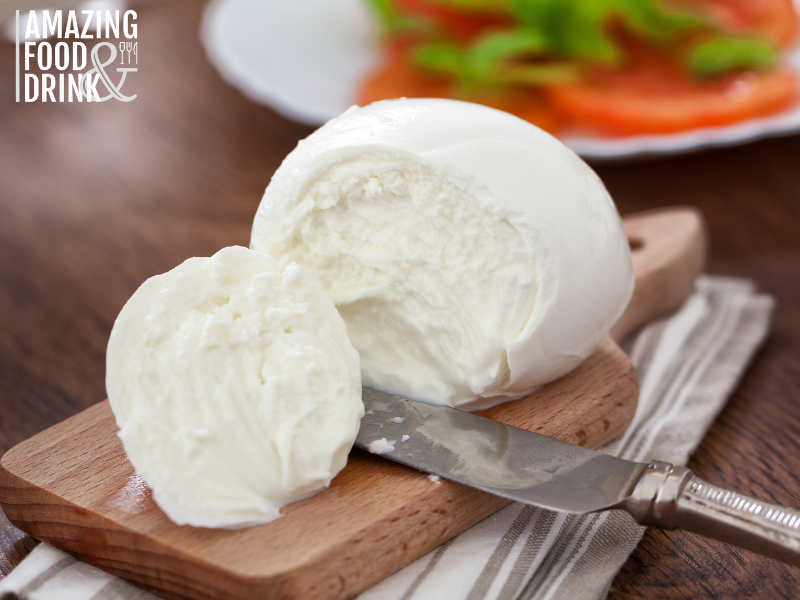
Italian Mozzarisella brand offers the softest vegan nut-free Mozzarella that melts just as well as dairy Mozzarella.
Mozzarisella is an Italian brand known for its plant-based cheeses that are designed to mimic the taste and texture of traditional cheese, but without using dairy ingredients. It is also a good source of protein, fibre, and vitamins and is low in saturated fat and cholesterol.
The main ingredients in Mozzarisella products typically include water, germinated whole rice, coconut oil, sunflower oil, lemon juice, tapioca starch, sea salt, and nutritional yeast. These ingredients are combined to create a nut-free vegan cheese with a mild, slightly sweet flavour that is similar to mozzarella cheese.
Mozzarisella cheese also has a soft, stretchy texture that melts well, so it is often used as a substitute in various dishes that traditionally include mozzarella, such as pizzas, salads, and sandwiches. The brand also offers smoked, blue, and cheddar flavours.
6. Grounded Foods
Grounded Foods is a company that specialises in creating plant-based and alternative dairy products.
Grounded Foods uses a unique approach by utilising a variety of plant ingredients, such as cauliflower and hemp seeds, to create their nut-free vegan cheese. Their products also do not contain any soy or gluten and are known for their rich, creamy taste and melty texture that rivals traditional dairy cheese. They offer a variety of flavours, including cheddar, mozzarella, goat, and even nacho, satisfying various preferences.
What sets Grounded Foods apart is that they prioritise sustainability throughout their process. They use upcycled vegetables, source locally whenever possible, and minimise packaging waste. The brand is also open and honest about its ingredients and practices, building trust with its customers.
7. Stockeld Dreamery
Stockeld Dreamery is a Swedish company known for its innovative approach to crafting plant-based, dairy-free and nut-free cheeses with a focus on taste and texture. The company often employs fermentation and traditional cheese-making methods to achieve a more authentic flavour profile. Their goal is to provide high-quality, sustainable, and delicious alternatives to traditional dairy cheeses.
The products Stockeld Dreamery offers are nutritionally equivalent to dairy cheeses, with their cream cheese alternative containing 5.1% protein and 20% fat. With the €16.5 million Stockeld Dreamery recently raised in a Series A funding round, the company will be able to expand its business operations and bring its delicious plant-based cheeses to even more people.
In conclusion, the growing demand for nut-free vegan cheese has paved the way for a diverse range of innovative and delicious options in the market. As we have explored various brands, it is evident that manufacturers are rising to the challenge of creating plant-based cheeses that not only cater to those with nut allergies but also appeal to the discerning palates of vegan and non-vegan consumers alike.
With such an expanding selection of nut-free vegan cheese brands, it is now easier than ever for individuals to enjoy the rich textures and flavours of cheese without compromising on their dietary preferences or health requirements.


 Shaimaa Olwan