Dairy-Free Ricotta

Dairy-Free Ricotta: Your Complete Guide to Plant-Based Perfection

Author Avatar

Updated on February 3, 2026

Reviewed by Salma Ihab

Imagine enjoying creamy lasagne, stuffed shells, or authentic cannoli without dairy. For home cooks seeking alternatives to traditional cheese, plant-based ricotta opens doors to Italian classics and global fusion dishes. Whether navigating lactose intolerance, following a vegan lifestyle, or exploring new culinary possibilities, dairy-free ricotta delivers satisfying results.

This guide covers everything from understanding what makes dairy-free ricotta special to mastering homemade recipes and discovering creative applications across cuisines.

You’ll learn the science behind texture, explore different base ingredients, and discover how this versatile cheese substitute fits into dishes from Italian classics to Filipino fusion creations.

What Makes Dairy-Free Ricotta Great

Dairy-Free Ricotta

Plant-based ricotta has evolved far beyond early substitutes. Modern recipes achieve remarkable texture and flavour profiles that satisfy even the most discerning palates.

Achieving the Perfect Creamy Texture

The hallmark of excellent dairy-free ricotta lies in its silky-smooth consistency. Today’s plant-based ricotta achieves a velvety texture through carefully selected base ingredients, typically cashews, almonds, or firm tofu. Cashews create an exceptionally smooth, buttery consistency. Almonds offer a slightly lighter texture with subtle nutty undertones. For those avoiding nuts, extra-firm tofu provides a protein-rich alternative that holds its shape well in baked dishes.

The key difference from dairy ricotta is the absence of curds and whey. Plant-based versions replicate authentic texture through careful blending, not too smooth (which creates a paste), but processed just enough to maintain small, irregular particles that mimic ricotta’s structure.

Versatility Across Sweet and Savoury Dishes

Dairy-free ricotta seamlessly replaces traditional ricotta across countless recipes. The neutral base accepts both sweet and savoury flavours, making it equally at home in lasagne layers or dessert fillings. It excels in traditional Italian pasta dishes, stuffed vegetables, and layered bakes, whilst also transforming into luscious cannoli cream or light cheesecake filling.

This versatility extends to global cuisines. Use dairy-free ricotta in Filipino pan de sal breakfast sandwiches, or Turkish börek pastries. The mild flavour adapts to regional spices and cooking methods. For those following specific dietary requirements, it naturally fits into vegan, lactose-free, and often gluten-free meal plans, whilst providing healthy fats, protein, and essential nutrients.

Understanding Different Base Ingredients

Dairy-Free Ricotta

Selecting the right foundation for your dairy-free ricotta impacts both texture and flavour. Each base ingredient brings distinct characteristics that suit different culinary applications.

Cashew-Based Ricotta: The Gold Standard

Raw cashews create the smoothest, creamiest dairy-free ricotta. Their high fat content and mild flavour make them ideal for replicating traditional ricotta’s richness. When soaked and blended with lemon juice and salt, cashews transform into a luxuriously smooth mixture. This makes cashew ricotta perfect for stuffed pasta shells, delicate crepes, or smooth dessert fillings.

The main considerations are cost and the high fat content (around 46g per 100g). For lighter applications, mixing cashews with silken tofu creates a balanced texture with reduced calories whilst maintaining creaminess.

Almond Ricotta: Traditional Italian Character

Almonds offer a more authentic approach with a slightly grainy texture that mimics traditional ricotta’s curds. Using blanched almonds produces a whiter colour, whilst leaving skins on adds fibre and a subtle nutty flavour. Almond ricotta pairs beautifully with tomato-based sauces, roasted vegetables, and Mediterranean herbs.

Tofu Ricotta: Budget-Friendly and High-Protein

Extra-firm tofu provides the most economical base, costing significantly less than nuts while delivering impressive protein levels. Blend with nutritional yeast, lemon juice, garlic powder, and salt for a satisfying ricotta in minutes. For authentic texture, pulse in a food processor or mash by hand. For smooth consistency, blend thoroughly.

Tofu’s neutral flavour requires more assertive seasoning. Nutritional yeast adds savoury notes, whilst white miso paste contributes umami depth.

Sunflower Seed Ricotta: The Nut-Free Alternative

For those with nut allergies, raw sunflower seeds offer a rich, creamy alternative. Their high fat content produces a smooth texture when blended. Use acidic ingredients (e.g., lemon juice, tomato sauce) to prevent green discolouration caused by alkaline reactions. Sunflower seed ricotta offers excellent vitamin E, selenium, and healthy fats whilst remaining affordable and accessible for families managing allergies.

Creating Your Own Homemade Recipe

Making dairy-free ricotta at home takes just minutes and requires minimal equipment. This flexibility allows you to control ingredients, adjust texture, and create exactly the flavour profile your dish requires.

Essential Ingredients and Equipment

The foundation of any dairy-free ricotta recipe includes just a few core ingredients:

Base ingredient (choose one):

  • 200g raw cashews (soaked 2-4 hours or boiled 15 minutes)
  • 200g blanched almonds (soaked overnight)
  • 400g extra-firm tofu, drained and pressed
  • 150g raw sunflower seeds (soaked 2 hours)

Flavour components:

  • 2-3 tablespoons fresh lemon juice (or 1½ tablespoons apple cider vinegar)
  • ½ teaspoon fine sea salt (adjust to taste)
  • 2-4 tablespoons filtered water (for desired consistency)
  • Optional: 2 tablespoons nutritional yeast (adds savoury depth)
  • Optional: 1 teaspoon white miso paste (for umami complexity)
  • Optional: ½ teaspoon garlic powder (for savoury applications)

Equipment needed:

  • High-speed blender (Vitamix, Blendtec) or food processor
  • Fine-mesh strainer (optional, for ultra-smooth texture)
  • Rubber spatula for scraping
  • Storage container with lid

The beauty of homemade dairy-free ricotta lies in its simplicity. Unlike traditional cheesemaking that requires heating, straining, and waiting, plant-based ricotta comes together in 5-10 minutes of active work.

Basic Dairy-Free Ricotta Recipe

Dairy-Free Ricotta

Prep Time: 5 minutes (plus 2-4 hours soaking)
Cook Time: 0 minutes
Total Time: 5 minutes
Servings: Makes approximately 300g (1½ cups)
Dietary: Vegan, Dairy-Free, Gluten-Free

Ingredients

  • 200g raw cashews, soaked 2-4 hours and drained
  • 3 tablespoons fresh lemon juice
  • ½ teaspoon fine sea salt
  • 3-4 tablespoons filtered water
  • 2 tablespoons nutritional yeast (optional)
  • ½ teaspoon garlic powder (optional, for savoury applications)

Instructions

  1. Drain the soaked cashews thoroughly, then add them to a high-speed blender or food processor.
  2. Add lemon juice, salt, and 3 tablespoons of water to the blender.
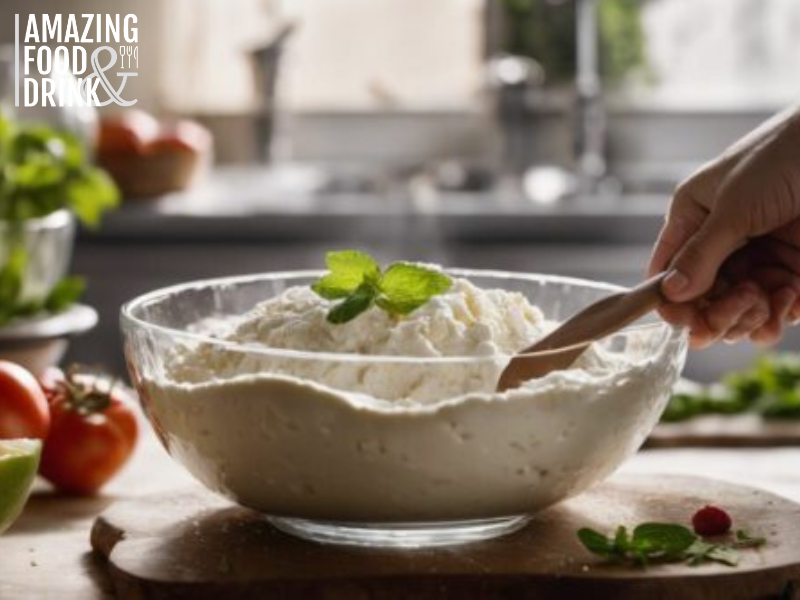
  3. Blend on low speed initially, then increase to medium-high. Stop frequently to scrape down sides with a rubber spatula.
  4. Blend for 2-3 minutes until smooth and creamy, adding the remaining tablespoon of water if needed to reach the desired consistency (similar to thick Greek yoghurt).
  5. Taste and adjust seasoning, add more lemon juice for tanginess, more salt for depth, or nutritional yeast for savoury, cheesy notes.
  6. Transfer to an airtight container and refrigerate for at least 2 hours before using. The ricotta will firm up slightly and develop more complex flavours as it chills.

Storage: Keeps for 5-7 days in the refrigerator in an airtight container. Can be frozen for up to 3 months.

Variations

  • Tofu Version: Replace cashews with 400g extra-firm tofu (drained and pressed). Increase lemon juice to 4 tablespoons and add 1 teaspoon white miso paste for umami depth.
  • Almond Version: Use 200g blanched almonds (soaked overnight). Expect a slightly grainier, more authentic texture.
  • Nut-Free Version: Use 150g raw sunflower seeds (soaked 2 hours). Add an extra tablespoon of lemon juice to prevent green discolouration.

Step-by-Step Preparation Method

Step 1: Prepare Your Base

For nuts or seeds, drain the soaked ingredients thoroughly. If short on time, pour boiling water over raw cashews and soak for 15 minutes. For tofu, press between towels with a heavy object on top for 15-20 minutes to remove excess moisture. Break pressed tofu into chunks before blending.

Step 2: Blend to Desired Consistency

Add prepared base, lemon juice, salt, and 2 tablespoons of water to the blender. Blend on low initially, then increase to medium-high, stopping to scrape sides. For smooth ricotta (desserts, spreading), blend 2-3 minutes until creamy. For a grainy, authentic texture (baked dishes), blend for just 30-60 seconds. Add water one tablespoon at a time if too thick, aiming for a thick Greek yoghurt consistency.

Step 3: Adjust Seasoning

Taste and adjust. Add more lemon juice for brightness, more salt for depth, or nutritional yeast for savoury notes. Texture should hold its shape when dolloped but spread easily. If too thick, add water by the teaspoon. For an authentic touch, fold in a tablespoon of olive oil at the end.

Step 4: Rest and Store

Transfer to a clean container and refrigerate for at least 2 hours. This resting period develops flavours and firms the texture. Stored in an airtight container, dairy-free ricotta keeps for 5-7 days in the refrigerator.

Global Recipe Applications

Dairy-free ricotta’s versatility extends far beyond Italian cuisine. Its neutral flavour and adaptable texture make it suitable for dishes across multiple culinary traditions.

Classic Italian Preparations

Italian cuisine showcases ricotta in countless ways. Layer plant-based ricotta between pasta sheets in lasagna, with tomato sauce and vegetables. Mix with chopped basil, garlic, and nutmeg for authentic flavour. For stuffed shells and manicotti, combine ricotta with sautéed spinach, nutritional yeast, and Italian herbs, then bake with marinara sauce.

Use firmer ricotta as filling for ravioli and tortellini, combined with lemon zest and black pepper or sage and butternut squash. For ricotta gnocchi, mix with flour, salt, and olive oil to create lighter, fluffier dumplings than traditional potato versions.

Dairy-Free Ricotta Lasagne

Dairy-Free Ricotta

Prep Time: 30 minutes
Cook Time: 45 minutes
Total Time: 1 hour 15 minutes
Servings: 8-10
Dietary: Vegan, Dairy-Free

Ingredients

For the Ricotta Layer:

  • 400g dairy-free ricotta (see recipe above)
  • 200g fresh spinach, chopped
  • 3 tablespoons nutritional yeast
  • 2 cloves garlic, minced
  • ½ teaspoon dried basil
  • ½ teaspoon dried oregano
  • ¼ teaspoon nutmeg
  • Salt and black pepper to taste

For Assembly:

  • 12-15 lasagne sheets (dried or fresh)
  • 800g marinara sauce
  • 200g dairy-free mozzarella, shredded (optional)
  • Fresh basil for garnish
Instructions
  1. Preheat oven to 180°C (350°F).
  2. In a large bowl, combine dairy-free ricotta, chopped spinach, nutritional yeast, minced garlic, basil, oregano, nutmeg, salt, and pepper. Mix thoroughly.
  3. Spread a thin layer of marinara sauce on the bottom of a 23cm × 33cm baking dish.
  4. Layer 3-4 lasagne sheets over the sauce. Spread one-third of the ricotta mixture over the pasta, then add one-third of the remaining marinara sauce.
  5. Repeat layers twice more: pasta, ricotta mixture, marinara sauce.
  6. Top with a final layer of pasta sheets and remaining marinara sauce. Sprinkle with dairy-free mozzarella if using.
  7. Cover with foil and bake for 35 minutes. Remove foil and bake for an additional 10 minutes until golden and bubbling.
  8. Let it stand for 10 minutes before serving. Garnish with fresh basil.

Storage: Refrigerate for up to 4 days. Freezes well for up to 3 months.

Vegan Stuffed Shells with Spinach and Ricotta

Dairy-Free Ricotta

Prep Time: 25 minutes
Cook Time: 30 minutes
Total Time: 55 minutes
Servings: 6 (about 18-20 shells)
Dietary: Vegan, Dairy-Free

Ingredients
  • 20-24 large pasta shells
  • 450g dairy-free ricotta
  • 200g fresh spinach, chopped and sautéed (or 150g frozen, thawed and drained)
  • 3 tablespoons nutritional yeast
  • 2 cloves garlic, minced
  • 1 teaspoon Italian seasoning
  • ½ teaspoon lemon zest
  • Salt and black pepper to taste
  • 600g marinara sauce
  • Fresh basil for garnish
Instructions
  1. Preheat oven to 190°C (375°F). Cook pasta shells according to package directions until al dente. Drain and set aside to cool slightly.
  2. In a large bowl, combine dairy-free ricotta, sautéed spinach, nutritional yeast, minced garlic, Italian seasoning, lemon zest, salt, and pepper. Mix until well combined.
  3. Spread 200g of marinara sauce on the bottom of a 23cm × 33cm baking dish.
  4. Using a spoon, fill each pasta shell with approximately 2 tablespoons of the ricotta mixture. Arrange the filled shells in a single layer in the baking dish.
  5. Pour remaining marinara sauce over the shells, ensuring each is partially covered.
  6. Cover with foil and bake for 25 minutes. Remove foil and bake for an additional 5 minutes.
  7. Let stand for 5 minutes before serving. Garnish with fresh basil.

Variation: Add 100g dairy-free mozzarella on top before the final 5 minutes of baking for extra richness.

Storage: Refrigerate for up to 3 days. Freezes well for up to 2 months.

Mediterranean and Middle Eastern Fusion

The Mediterranean region’s fresh cheese traditions make dairy-free versions a natural fit. Fill hollowed courgettes, peppers, or tomatoes with ricotta mixed with cooked grains, herbs, and pine nuts. Layer phyllo dough with ricotta, herbs, and spinach for böreks, perfect Spanish digestif-worthy appetisers.

Blend ricotta with roasted garlic, olive oil, and za’atar for mezze spreads alongside Levantine food staples like hummus and warm pita bread.

Mediterranean Stuffed Peppers with Herbed Ricotta

Dairy-Free Ricotta

Prep Time: 20 minutes
Cook Time: 35 minutes
Total Time: 55 minutes
Servings: 4 (8 pepper halves)
Dietary: Vegan, Dairy-Free, Gluten-Free

Ingredients
  • 4 large red or yellow bell peppers, halved and deseeded
  • 300g dairy-free ricotta
  • 150g cooked quinoa or rice
  • 100g cherry tomatoes, quartered
  • 50g pine nuts, toasted
  • 3 tablespoons fresh basil, chopped
  • 2 tablespoons fresh parsley, chopped
  • 2 cloves garlic, minced
  • 1 teaspoon dried oregano
  • ½ teaspoon lemon zest
  • 3 tablespoons olive oil, divided
  • Salt and black pepper to taste
  • 2 tablespoons breadcrumbs (optional, for topping)
Instructions
  1. Preheat oven to 190°C (375°F). Brush pepper halves with 1 tablespoon olive oil and arrange cut-side up in a baking dish.
  2. In a large bowl, combine dairy-free ricotta, cooked quinoa, cherry tomatoes, pine nuts, basil, parsley, minced garlic, oregano, lemon zest, remaining olive oil, salt, and pepper. Mix thoroughly.
  3. Spoon filling generously into each pepper half, pressing down gently to pack the mixture.
  4. If using breadcrumbs, sprinkle over the top of each stuffed pepper.
  5. Cover with foil and bake for 25 minutes. Remove the foil and bake for an additional 10 minutes, until the peppers are tender and the filling is golden.
  6. Serve warm or at room temperature, drizzled with extra olive oil.

Variation: Add 50g crumbled dairy-free feta for extra Mediterranean flavour, or substitute bulgur wheat for quinoa for a more traditional Levantine cuisine approach.

Storage: Refrigerate for up to 3 days. Reheat gently or serve cold as part of a mezze spread.

Asian-Inspired Applications

While not traditional, ricotta works in fusion applications. Use in Filipino pan de sal breakfast sandwiches with honey and calamansi zest, or incorporate into ube desserts. Add to steamed buns (baozi) with black sesame paste, or use as a creamy element in Vietnamese fresh spring rolls.

Filipino Pan de Sal with Sweet Ricotta Spread

Dairy-Free Ricotta

Prep Time: 10 minutes
Cook Time: 5 minutes (if toasting)
Total Time: 15 minutes
Servings: 4
Dietary: Vegan, Dairy-Free

Ingredients
  • 8 pan de sal rolls (or soft white rolls)
  • 200g dairy-free ricotta
  • 3 tablespoons honey or coconut nectar
  • 1 teaspoon calamansi zest (or lime zest)
  • 1 tablespoon calamansi juice (or lime juice)
  • ½ teaspoon vanilla extract
  • Pinch of sea salt
  • Optional: sliced fresh mango or banana
Instructions
  1. In a small bowl, whisk together dairy-free ricotta, honey, calamansi zest and juice, vanilla extract, and salt until smooth and well combined.
  2. Slice pan de sal rolls in half horizontally. If desired, lightly toast the cut sides for extra texture.
  3. Spread 2-3 tablespoons of the sweet ricotta mixture generously on the bottom half of each roll.
  4. If using, add sliced mango or banana on top of the ricotta spread.
  5. Close sandwiches with the top halves and serve immediately.

Chef’s Tip: This sweet ricotta spread also works beautifully on ube bread or as a filling for Filipino ensaymada. For a more traditional breakfast, serve alongside strong Filipino coffee.

Variation: Add a pinch of ube powder to the ricotta for a purple yam twist, or mix in toasted coconut flakes for extra Filipino flavour.

Storage: Ricotta spread keeps refrigerated for up to 5 days. Assemble sandwiches fresh for the best texture.

Sweet Applications and Desserts

Whip ricotta with icing sugar, vanilla, cinnamon, and dairy-free chocolate chips for cannoli filling. Mix into pancake batter for an exceptionally fluffy texture. Blend with cashew cream, coconut cream, maple syrup, and vanilla for cheesecake filling. Spread on toast with seasonal fruits, honey, and crushed nuts for an elegant breakfast or dessert.

Sicilian-Style Dairy-Free Cannoli Filling

Dairy-Free Ricotta

Prep Time: 10 minutes
Chill Time: 1 hour
Total Time: 1 hour 10 minutes
Servings: Fills 12-16 cannoli shells
Dietary: Vegan, Dairy-Free

Ingredients
  • 350g dairy-free ricotta (cashew-based works best)
  • 100g icing sugar
  • 1½ teaspoons vanilla extract
  • ½ teaspoon ground cinnamon
  • 1 teaspoon orange zest
  • 75g dairy-free dark chocolate chips or chopped chocolate
  • 2 tablespoons candied orange peel, finely chopped (optional)
  • 12-16 shop-bought or homemade cannoli shells
  • Chopped pistachios for garnish
  • Extra icing sugar for dusting
Instructions
  1. In a large bowl, combine dairy-free ricotta, icing sugar, vanilla extract, cinnamon, and orange zest. Whisk vigorously until smooth and well combined, about 2 minutes.
  2. Fold in chocolate chips and candied orange peel if using. Cover and refrigerate for at least 1 hour to allow flavours to develop and the mixture to firm up.
  3. Just before serving, transfer filling to a piping bag fitted with a large round tip. Pipe filling into cannoli shells from both ends, working towards the centre.
  4. Dip ends of filled cannoli into chopped pistachios. Dust with icing sugar.
  5. Serve immediately for crispy shells. If not serving right away, keep filling and shells separate until ready to assemble.

Chef’s Tip: For authentic Sicilian flavour, add 1 tablespoon of sweet Marsala wine or orange liqueur to the filling. Never fill cannoli shells more than 30 minutes before serving to prevent sogginess.

Storage: Filling keeps refrigerated for 3-4 days. Filled cannoli should be eaten within 30 minutes.

Creative Modern Applications

Blend frozen bananas with ricotta and protein powder for thick smoothie bowls. Layer under mashed avocado on toast for extra protein. Drop spoonfuls onto pizza before baking for creamy pockets. Thin with pasta water and toss with hot pasta, lemon zest, and herbs for a simple Roman-style sauce.

Seasonal Fruit Ricotta Toast

Dairy-Free Ricotta

Prep Time: 5 minutes
Cook Time: 3 minutes
Total Time: 8 minutes
Servings: 2
Dietary: Vegan, Dairy-Free

Ingredients
  • 2 thick slices of sourdough or seeded bread
  • 150g dairy-free ricotta
  • 1 tablespoon honey or maple syrup
  • 200g seasonal fruit (strawberries, figs, peaches, or pears)
  • 2 tablespoons chopped pistachios or almonds
  • Fresh mint leaves
  • Pinch of sea salt
  • Optional: balsamic glaze for drizzling
Instructions
  1. Toast bread slices until golden and crispy.
  2. In a small bowl, mix dairy-free ricotta with a drizzle of honey and a pinch of salt.
  3. Spread the ricotta mixture generously on each toast slice.
  4. Top with attractively arranged sliced seasonal fruit.
  5. Drizzle with remaining honey, sprinkle with chopped nuts and torn mint leaves.
  6. Add balsamic glaze if desired. Serve immediately.
Seasonal Variations
  • Spring: Sliced strawberries with basil
  • Summer: Fresh figs with thyme
  • Autumn: Caramelised pears with cinnamon
  • Winter: Roasted apples with walnuts

Storage and Preservation Tips

Dairy-Free Ricotta

Proper storage extends the life of dairy-free ricotta and maintains its fresh flavour and creamy texture.

Refrigeration and Freezing

Store homemade dairy-free ricotta in an airtight glass container in the refrigerator immediately after preparation. The ricotta will firm up slightly as it chills. This is normal and improves texture. Nut-based ricotta lasts 5-7 days, whilst tofu-based versions keep for up to 10 days. Always smell and taste before using.

Dairy-free ricotta freezes for up to 3 months, though the texture becomes slightly grainy upon thawing. Freeze in portion sizes (½ cup or 1 cup), removing as much air as possible. Thaw overnight in the refrigerator, then stir vigorously to restore creaminess. Works perfectly in cooked dishes like lasagne.

Preventing Separation

Oil separation occasionally occurs in nut-based ricotta. Simply stir well before using. If ricotta becomes too thick after refrigeration, stir in water by the teaspoon. For tofu-based ricotta, pour off excess liquid that pools at the bottom, or stir it back in for a thinner consistency.

Seasonal Adaptations

  • Spring: Fold fresh peas and mint into ricotta for pasta sauce, or mix with lemon and asparagus for tarts.
  • Summer: Incorporate basil and cherry tomatoes for bruschetta, or blend with berries for light desserts.
  • Autumn: Mix with roasted butternut squash and sage for ravioli, or fold in caramelised apples for desserts.
  • Winter: Combine with roasted garlic and root vegetables for hearty lasagne, or mix with citrus and cranberries.

Troubleshooting Common Issues

Dairy-Free Ricotta

Why Is My Ricotta Grainy? Graininess results from insufficient blending or using almonds (which naturally produce texture). For ultra-smooth ricotta, use cashews and blend for 2-3 minutes in a high-speed blender. Food processors create more texture, and slightly grainy ricotta actually works better in baked dishes.

Why Is My Ricotta Too Watery? Excess liquid indicates insufficiently drained tofu, over-soaked nuts, or too much liquid during blending. Press tofu for 20-30 minutes minimum. If already made, spread ricotta in a fine-mesh strainer lined with muslin over a bowl and refrigerate for 2-3 hours to drain.

Why Doesn’t My Ricotta Taste Cheesy? Add more salt gradually (¼ teaspoon at a time) and nutritional yeast for savoury depth. Use fresh lemon juice rather than bottled, or combine lemon juice and apple cider vinegar. White miso paste (1 teaspoon) adds umami complexity.

Why Did My Ricotta Turn Green? This occurs only with sunflower seed versions because chlorogenic acid reacts with alkaline ingredients. Prevent by using acidic ingredients (lemon juice, tomato sauce). The colour is harmless flavour remains unchanged.

Dairy-free ricotta offers creamy texture and versatility across countless dishes, from Italian classics to global fusion creations. The techniques in this guide empower you to create plant-based ricotta tailored to your specific needs and preferences.

Start with the basic recipe, experiment with seasonal variations, and enjoy the possibilities that dairy-free ricotta brings to your kitchen.

FAQs

1. Can I make dairy-free ricotta without a high-speed blender?

Yes. A regular blender works for cashew ricotta, but it takes longer (4-5 minutes). Food processors create a grainier, more authentic texture. For tofu ricotta, simply mash thoroughly with a fork. High-speed blenders produce the smoothest results, but they’re not essential.

2. Is dairy-free ricotta suitable for baking?

Absolutely. It performs exceptionally well in baked dishes like lasagne, stuffed shells, and tarts. The texture firms up slightly whilst maintaining creaminess. Use slightly less liquid for a thicker consistency that holds its shape. Nut-based ricottas maintain structure better than tofu versions in high-temperature baking.

3. How does dairy-free ricotta compare nutritionally to dairy ricotta?

Nutritional profiles vary by base ingredient. Cashew ricotta provides healthy fats and vitamin E but less protein (4-6g per 100g) than dairy ricotta (11g). Tofu-based ricotta nearly matches dairy’s protein (8-10g per 100g) whilst providing iron and calcium. Both plant-based versions contain zero cholesterol and less saturated fat. For balanced nutrition, mix cashews and tofu.

4. Can I use dairy-free ricotta as a substitute in every recipe?

Most recipes convert easily. In cold preparations (salads, spreads), it performs identically. In cooked dishes, it holds up well but may release slightly more moisture; drain excess liquid before using. For desserts requiring structure, use firmer versions. The only challenging applications are recipes requiring significant browning; add a tablespoon of coconut oil to help achieve that golden top.

5. Why do some recipes call for soaking nuts whilst others use a quick method?

Soaking softens nuts for easier blending and improves digestibility by reducing phytic acid. Traditional soaking (4+ hours) produces the smoothest ricotta. Quick-soak methods (boiling water for 15 minutes) work well for cashews when you’re short on time. For regular use, keep pre-soaked nuts refrigerated for instant access.

Share with our social media

Leave a Reply

Your email address will not be published. Required fields are marked *