10 Authentic Chinese Dishes from China's 8 Great Cuisines

Top 10 Authentic Chinese Dishes You Must Try!

Author Avatar

Updated on December 15, 2025

Reviewed by Asmaa Alhashimy

Take out your chopsticks because you’ll want to dive into these authentic Chinese dishes. China’s culinary landscape spans vast regional differences, making it one of the world’s most diverse food cultures. Each Chinese dish tells a story shaped by climate, history, local ingredients, and centuries-old dining customs that continue to influence how these recipes are prepared today.

Colour, flavours, scent, meaning, and appearance are the five distinguishing features of traditional Chinese dishes. Any dish you encounter has a fascinating backstory rooted in regional traditions, and the taste reflects generations of refined cooking techniques that have been passed down through families and professional kitchens alike.

China is a large country with many regional differences in cuisine due to variations in climate, history, local ingredients, and dining customs. Understanding these regional distinctions helps you appreciate why Sichuan dishes taste nothing like Cantonese preparations, and why northern wheat-based foods differ dramatically from southern rice-centred meals.

8 Chinese Regional Cuisines You Should Know

Chinese cuisine is divided into eight distinct categories, each representing a major culinary tradition. These eight cuisines (Ba Da Cai Xi) form the foundation of Chinese cooking, and recognising their differences helps you choose dishes that match your taste preferences whilst exploring authentic regional flavours.

Sichuan Cuisine (Chuan Cuisine)

10 Authentic Chinese Dishes from China's 8 Great Cuisines

One of China’s eight cuisines is Sichuan cuisine, which originated in Southwest China. It’s renowned for its fiery and sensational flavour profile that goes beyond simple heat. Sichuan cuisine is famous for its spicy, pungent, and hot flavour, characterised by vibrant red colour and the distinctive ma-la sensation.

The term “ma-la” describes a unique combination: “ma” refers to the numbing sensation from Sichuan peppercorns, whilst “la” indicates the heat from chillies. This dual sensation creates a complex flavour experience where your tongue tingles before the heat arrives, allowing you to taste the other ingredients more clearly despite the intense spicing.

Seasonings such as different pepper varieties, chilli, garlic, and broad bean paste form the foundation of Sichuan cooking. These ingredients are favourites amongst Sichuan chefs who layer them to create depth rather than one-dimensional heat. When testing Sichuan recipes, we’ve found that the quality of your doubanjiang (fermented broad bean paste) makes an enormous difference to the final dish’s complexity.

Popular Sichuan Chinese Dishes:

  • Kung Pao Chicken
  • Ma Po Tofu
  • Dandan Noodles
  • Sliced Beef
  • Ox Organs in Chilli Sauce

If you’re looking forward to a flavourful experience, the Hot Pot is always an excellent first option at a Chinese restaurant, particularly the Sichuan version with its bubbling, spice-laden broth.

Hunan Cuisine (Xiang Cuisine)

10 Authentic Chinese Dishes from China's 8 Great Cuisines

Xiang cuisine is another name for Hunan cuisine. Hunan cooking is popular not only in Hunan Province but throughout China, and you’ll find Hunan restaurants in the United States, Europe, Japan, and Southeast Asia.

Hunan cuisine, like most Chinese dishes from central China, is known for its flavourful and spicy taste, with pepper serving as the most important condiment. However, Hunan cooking tends to be “dry spicy” compared to Sichuan’s oil-rich preparations, and it often incorporates more fresh chillies than dried ones.

The region’s hot, humid climate historically necessitated spicy food to help cool the body through perspiration, whilst the bold flavours helped preserve foods before refrigeration became common. Traditional Hunan preparations involve smoking, curing, and pickling techniques that add another layer of flavour complexity.

Spicy Hunan Dishes Include:

  • Steamed Fish Head with Chopped Chilli
  • Tasty Lobster
  • Changsha Stinky Tofu
  • Hunan Rice Noodles
  • Dong’an Chicken
  • Spicy Salted Duck

Shandong Cuisine (Lu Cuisine)

10 Authentic Chinese Dishes from China's 8 Great Cuisines

Shandong cuisine ranks first amongst China’s eight great cuisines, making it essential to Chinese culinary history. Shandong cuisine, also known as Lu cuisine, is the only self-originated cuisine amongst the eight Chinese cuisines, with a 2,500-year history resulting in truly authentic and historical flavours that influenced imperial cooking.

Shandong dishes are known to be inspired by the natural taste of ingredients, and the level of detail you’ll find in a single dish reflects the cuisine’s refined approach to cooking. To identify a Shandong dish, look for these seasoning essentials: soup and scallions are important, and seafood features prominently due to the coastal location.

Most Shandong dishes have a fresh, savoury, and moderately salty flavour. The cuisine favours crisp textures achieved through precise frying techniques, and vinegar plays a more prominent role here than in most other Chinese regional cuisines. Northern China’s wheat-growing tradition means you’ll encounter more noodles, dumplings, and steamed buns alongside Shandong dishes.

Traditional Shandong Dishes:

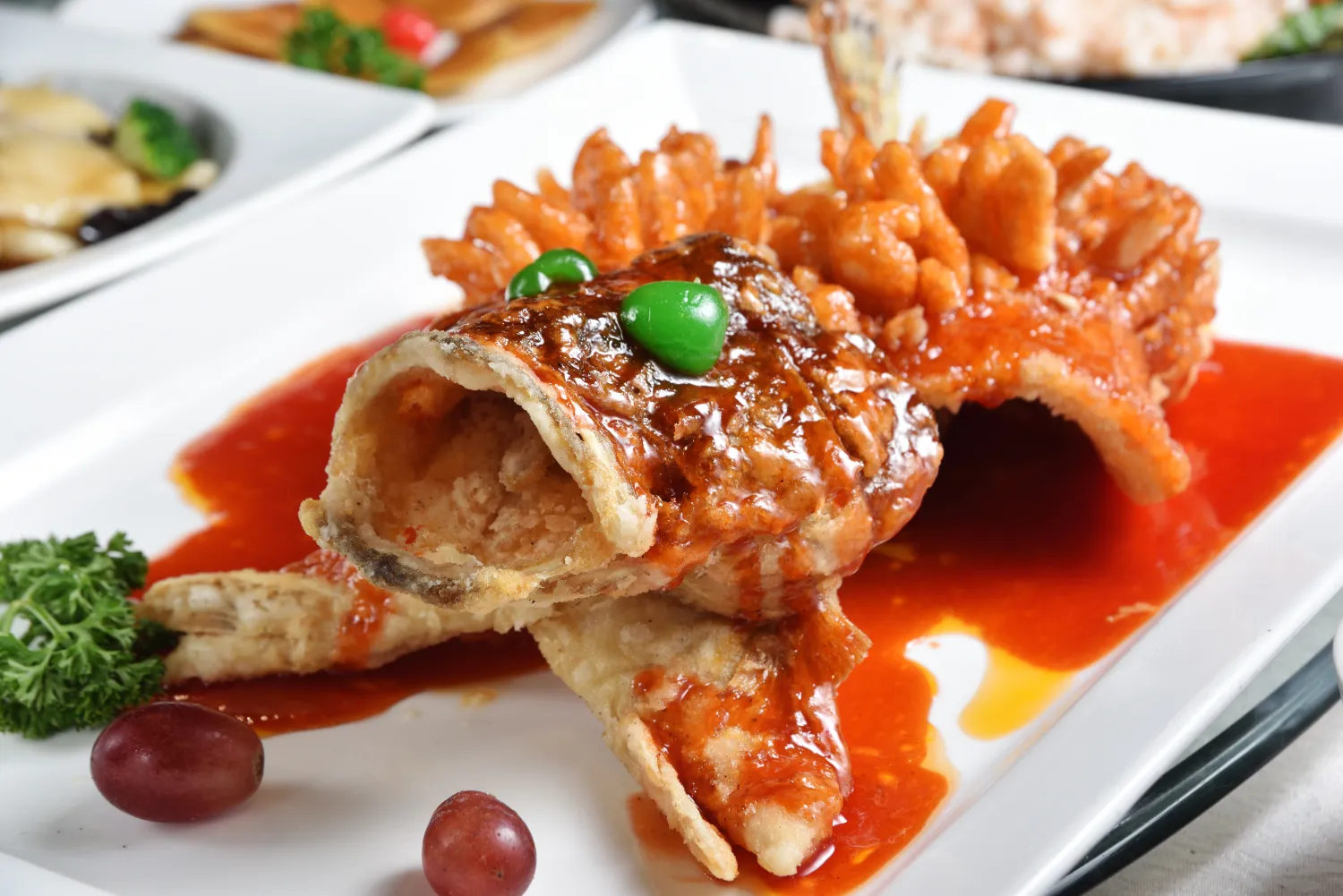
  • Sweet and Sour Carp
  • Braised Sea Cucumber with Scallion
  • Braised Beef in Brown Sauce
  • Braised Prawns in Oil
  • Steamed Stuffed Tofu
  • Dezhou Braised Chicken
  • Caramel Sweet Potato
  • Omelette Chicken Slices
  • Four Joy Meatballs

Zhejiang Cuisine (Zhe Cuisine)

10 Authentic Chinese Dishes from China's 8 Great Cuisines

The name suggests where this cuisine originated. Popular in Zhejiang province, Zhejiang cuisine is frequently lightly seasoned, following the philosophy that quality ingredients need minimal interference. As the saying goes, the eye eats before the mouth, so most Zhejiang dishes are visually appealing with careful attention to presentation and colour balance.

Zhejiang cuisine chefs prefer fresh food materials such as seafood, freshwater fish, and seasonal vegetables. They’re extremely particular about the raw materials they use, often visiting markets daily to select the finest ingredients at their peak freshness. This dedication to ingredient quality means that simple preparations can yield extraordinary results.

The region’s location near both mountains and sea provides access to diverse ingredients, from delicate river fish to robust mountain vegetables. Hangzhou, the provincial capital, was historically one of China’s most prosperous cities, and this wealth influenced the refinement of local cooking techniques.

Notable Zhejiang Dishes:

  • West Lake Fish in Vinegar Gravy
  • Fried Shrimp with Longjing Tea
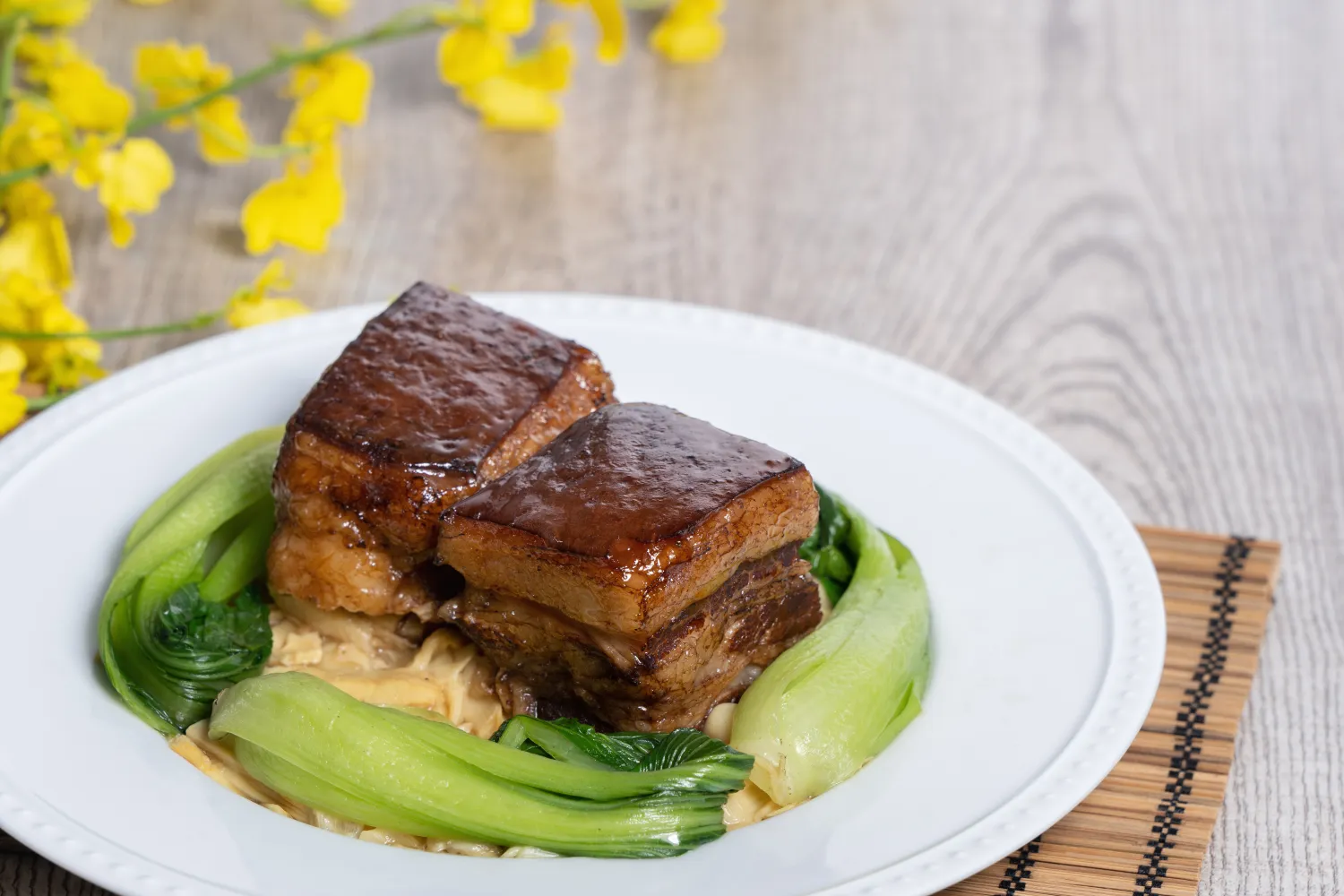
  • Dongpo Beef
  • Braised Bamboo Shoot
  • Deep-Fried Beancurd Rolls Stuffed with Minced Chicken
  • Sliced Lotus Root with Sweet Sauce
  • West Lake Beef Soup
  • Steamed Chicken with Rice Flour in Lotus Leaves

Fujian Cuisine (Min Cuisine)

10 Authentic Chinese Dishes from China's 8 Great Cuisines

Non-greasy dishes define Fujian cuisine, which originated in Fuzhou, Fujian. Chinese cuisine from this coastal region is known for being fresh, light, mellow, and notably oil-free compared to many other regional styles.

Rich food materials feature in Fujian cuisine because the majority of ingredients come fresh from the land or sea. The province’s extensive coastline and mountainous interior provide an abundance of seafood, river fish, and wild ingredients that define the local cooking style.

Red vinasse (red fermented rice), sugar, and vinegar are common seasonings that create Fujian’s distinctive sweet-sour-umami flavour profile. Fujian cuisine, like Jiangsu cuisine, emphasises cutting techniques and precise knife work that transforms ingredients into uniform pieces for even cooking.

The region’s historical connections to overseas Chinese communities mean that Fujian cooking techniques have influenced Chinese food cultures throughout Southeast Asia, Taiwan, and beyond.

Traditional Fujian Dishes:

  • Buddha Jumps over the Wall
  • Braised Sea Clam with Chicken Soup
  • Sweet and Sour Litchis
  • Sliced Whelk in Red Vinasse
  • Fuzhou Fish Balls
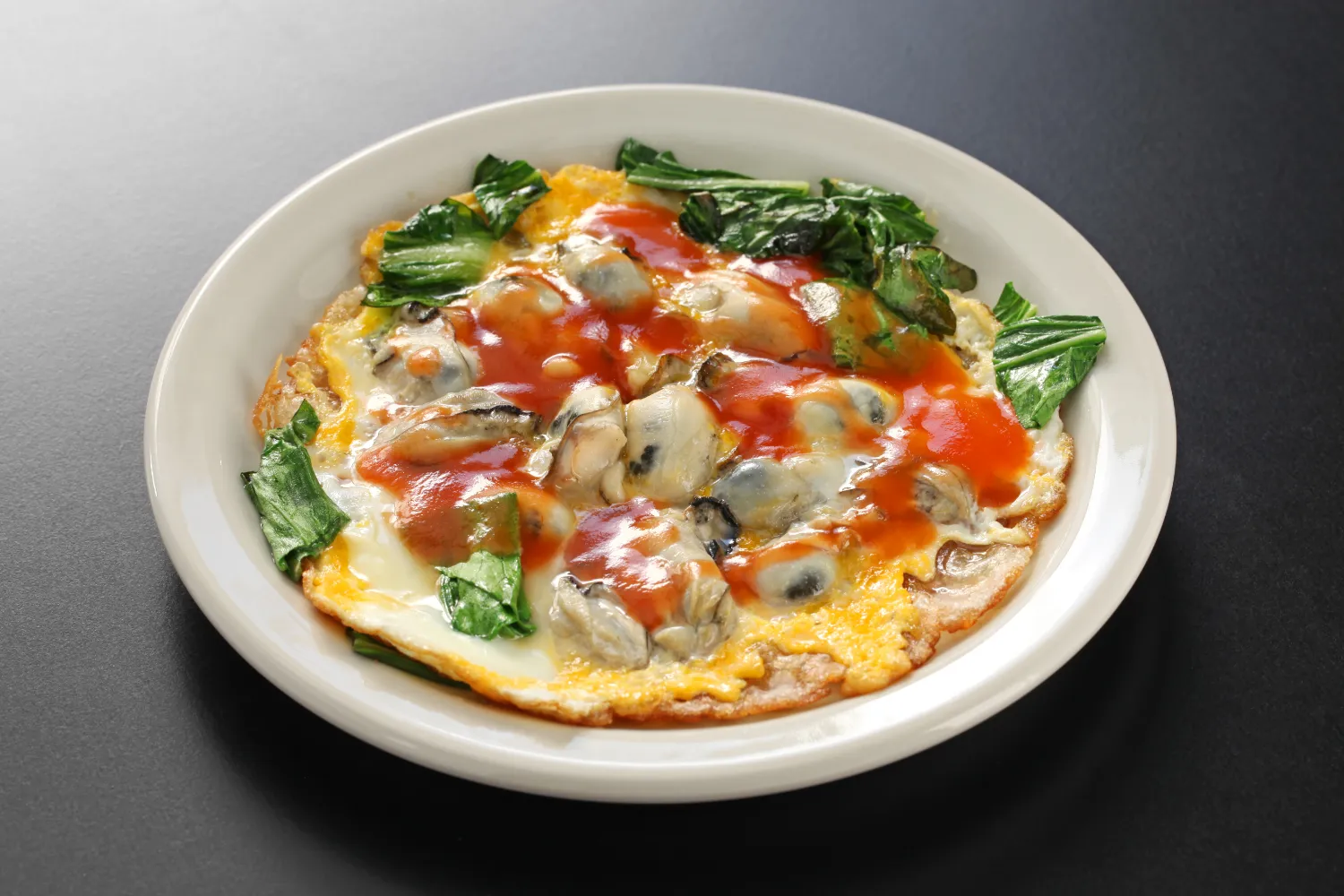
  • Oyster Omelette
  • Braised Chicken Wings

Anhui Cuisine (Hui Cuisine)

10 Authentic Chinese Dishes from China's 8 Great Cuisines

Hui cuisine is renowned for its focus on natural ingredient flavours. Hui dishes are popular in Anhui Province and feature a salty, fresh, and light flavour profile drawn directly from quality ingredients rather than heavy seasoning.

Multiple ingredients with varying nutrition profiles are scientifically matched in Hui cooking, making the dishes notably healthy and nourishing to the body. Traditional Chinese medicine principles influence ingredient combinations, with careful attention to balancing heating and cooling properties.

The mountainous Anhui region produces unique ingredients, including the famous Huangshan mushrooms, bamboo shoots, and wild herbs that give Hui cuisine its distinctive character. Braising and stewing are preferred cooking methods that allow these mountain ingredients to release their natural flavours slowly.

Famous Hui Dishes:

  • Stinky Mandarin Fish
  • Fried Hairy Tofu
  • Steamed Partridge
  • Stewed Bamboo Shoots of Wenzheng Mountain
  • Huangshan Stewed Pigeon
  • Li Hongzhang Chop Suey
  • Stewed Soft-Shelled Turtle
  • Braised Chicken with Mushrooms

Cantonese Cuisine (Guangdong Cuisine / Yue Cuisine)

10 Authentic Chinese Dishes from China's 8 Great Cuisines

Cantonese cuisine is famous worldwide and is considered representative of Chinese food in many international contexts. Cooking techniques in Cantonese cuisine are sophisticated, adaptable, beautifully crafted, and creative, reflecting the region’s historical prosperity and global culinary influence.

Cantonese dishes feature an extremely rich ingredient variety, including poultry, birds, seafood, and various vegetables and fruits. Most Cantonese preparations taste mild and fresh, preserving the natural flavour of food ingredients rather than masking them with heavy spices or sauces.

The Cantonese philosophy of “eat everything with four legs except tables” reflects an adventurous approach to ingredients, though modern Cantonese cooking focuses primarily on seafood, poultry, and vegetables prepared with restraint and precision.

Dim sum culture, arguably Cantonese cuisine’s most famous export, demonstrates the region’s mastery of steaming, pan-frying, and delicate pastry work. These small plates allow diners to sample multiple flavours and textures in a single meal.

Classic Cantonese Dishes:

  • Ah Yat Abalone
  • White Cut Chicken
  • Cantonese Roasted Goose
  • Roasted Duck
  • Char Siu Chicken (Chinese BBQ Chicken)
  • Poached Lobster in Soup
  • Slow-cooked Soup
  • Beef Chow Fun (Beef Ho Fun)

Jiangsu Cuisine (Su Cuisine)

10 Authentic Chinese Dishes from China's 8 Great Cuisines

Jiangsu dishes preserve a significant amount of the original flavour of ingredients through gentle cooking methods. Jiangsu cuisine, representing South Chinese culinary traditions, is famous for tender dishes and a lightly sweet, umami, natural, and mild flavour profile that appeals to those who prefer subtle tastes.

Freshwater fish, river fish, and seafood serve as primary protein sources in this water-rich region. The cutting techniques are beautiful and varied, and heat control during cooking is exceptionally precise. Expect food to be served as an edible work of art with careful attention to colour, shape, and arrangement.

Jiangsu encompasses several sub-regional styles, including Nanjing, Suzhou, and Yangzhou cooking, each with distinct characteristics. Yangzhou in particular influenced imperial cuisine during several Chinese dynasties, and its refined techniques set standards for banquet cooking throughout China.

The region’s “red-braising” technique, where ingredients simmer in soy sauce, sugar, and aromatics until tender, creates dishes with a glossy appearance and deep, complex flavours that develop over hours of careful cooking.

Beautifully Presented Jiangsu Dishes:

  • Nanjing Salted Duck
  • Sweet and Sour Mandarin Fish
  • Braised Meatballs in Brown Sauce
  • Stewed Tortoise and Chicken
  • Beggar’s Chicken
  • Yangzhou Fried Rice
  • Boiled Shredded Dry Bean Curd
  • Braised Beef Jiangsu Style
  • Mutton in Fish Maw

10 Traditional Chinese Dishes You Must Try

Now that we’ve discussed the different eight Chinese cuisines, you can identify which regional style appeals to your taste preferences. Here are ten Chinese dishes that represent the best of traditional Chinese cooking, chosen for their cultural significance, delicious flavours, and accessibility for home cooks.

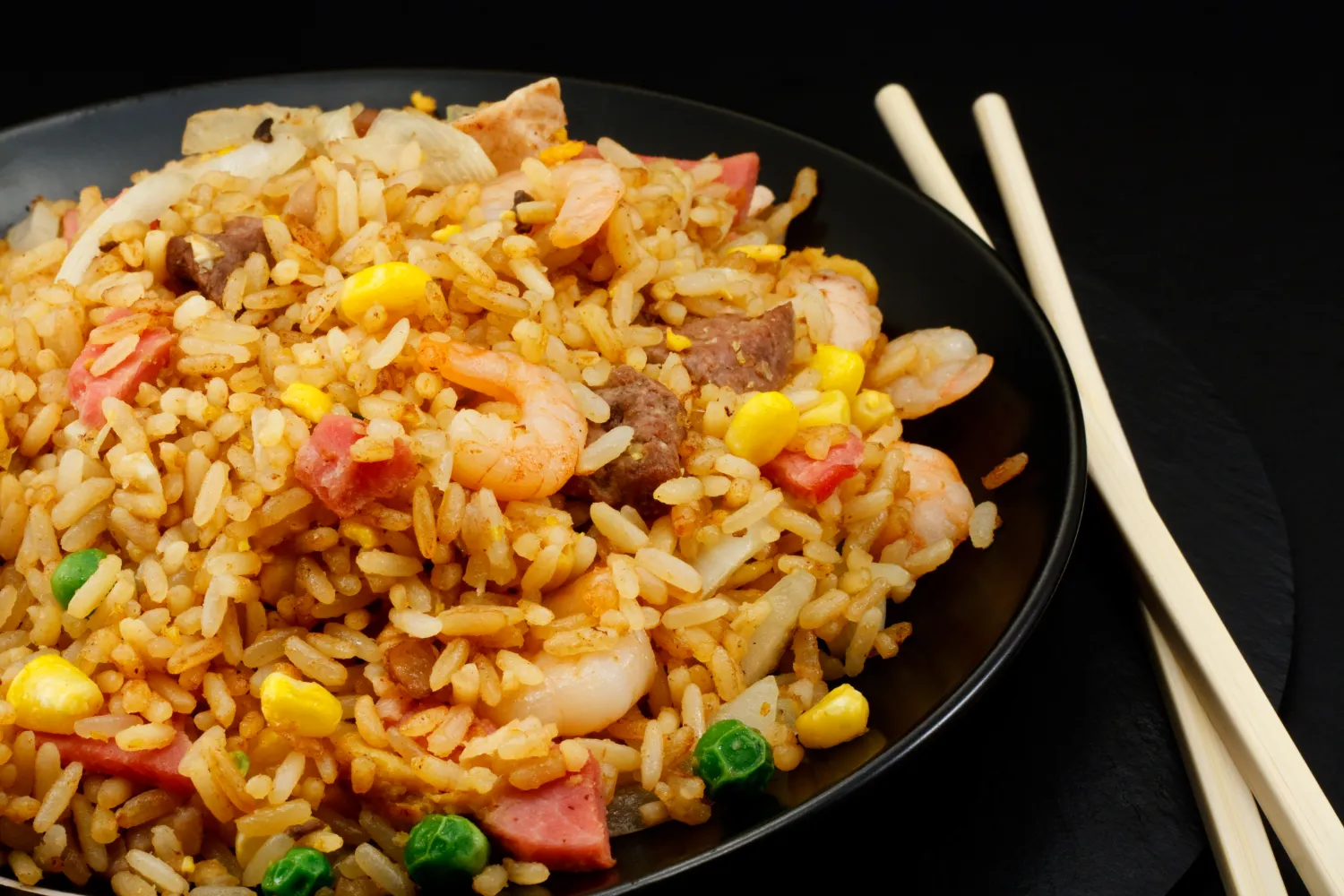
1. Fried Rice (Chǎofàn)

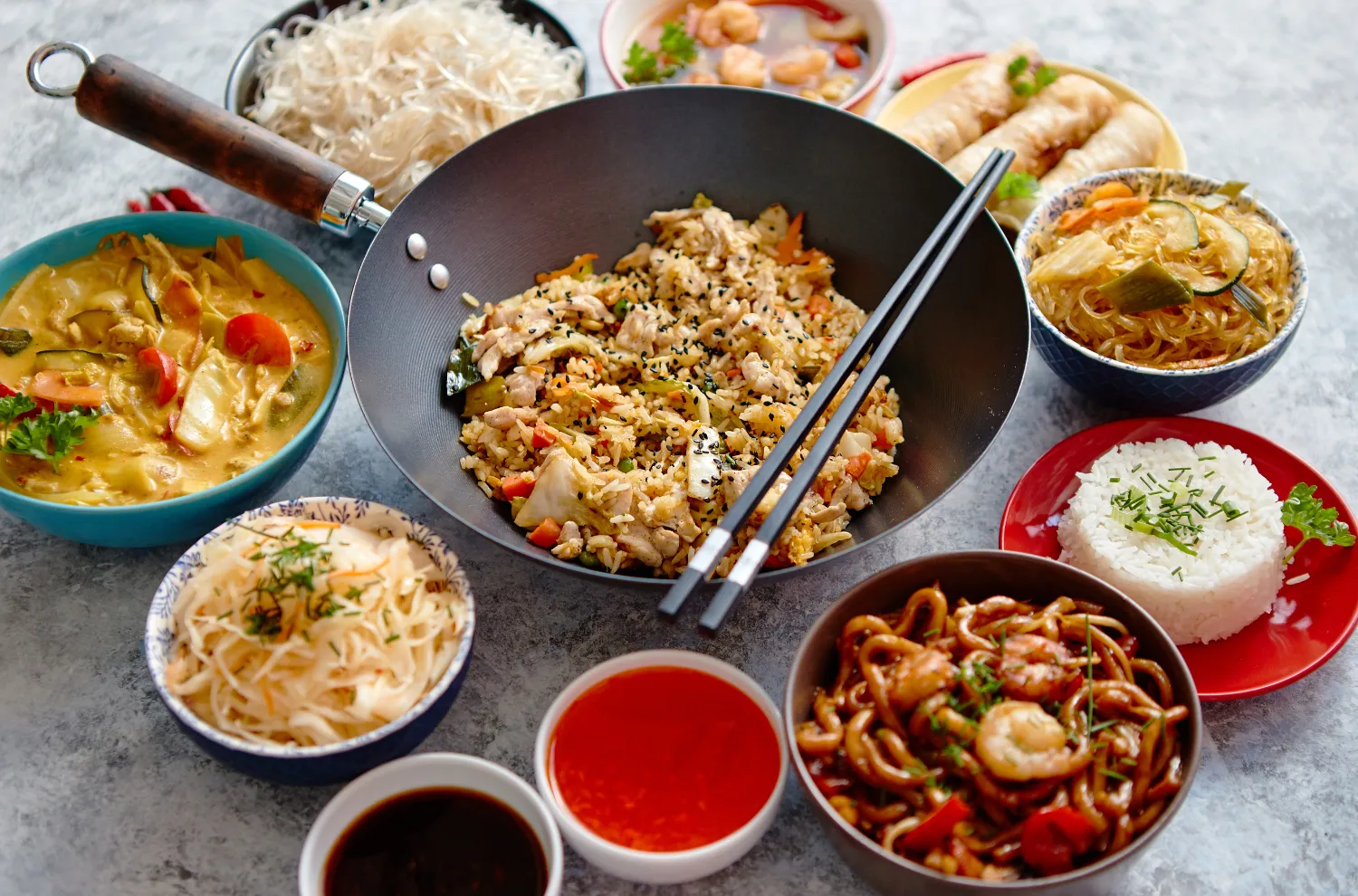
Rice is a fundamental ingredient in Chinese cuisine, making fried rice the perfect introduction to authentic Chinese cooking. Chinese fried rice is a complete meal that serves the entire family whilst using simple techniques that anyone can master.

This nutritious dish can include anything from protein (chicken, beef, or prawns) to vegetables (carrots, peas, sweetcorn, mixed vegetables). The basic technique involves cooking garlic, ginger, and scallions in a wok, adding scrambled eggs and your chosen protein, then finishing with boiled rice that’s preferably day-old and slightly dried.

The best fried rice always uses leftover rice because freshly cooked rice contains too much moisture and becomes mushy when stir-fried. Day-old rice that’s been refrigerated has the perfect texture; the grains separate easily and achieve that characteristic slightly chewy texture with crispy edges.

Yangzhou Fried Rice vs Regular Fried Rice: You may have encountered Yangzhou fried rice and wondered about the difference. Yangzhou style always includes a combination of proteins, typically prawns, char siu (Chinese BBQ), and sometimes eggs, rather than a single protein. This multi-protein approach creates more complex flavours and textures in each bite.

When preparing fried rice at home, use high heat and keep ingredients moving constantly to achieve “wok hei”, that distinctive smoky, charred flavour that defines restaurant-quality fried rice.

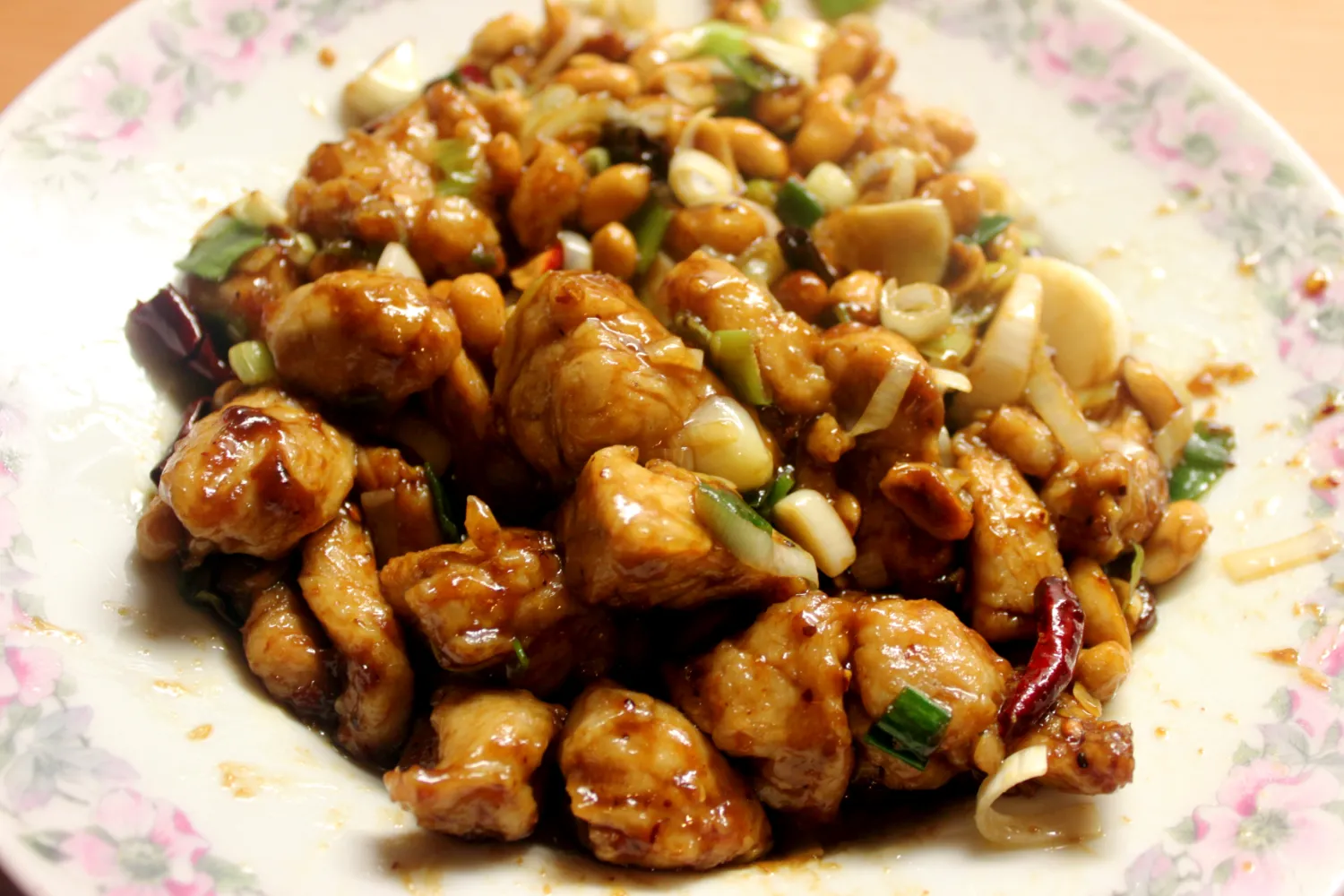
2. Kung Pao Chicken (Gong Bao Ji Ding)

This well-known Sichuan-style speciality is popular amongst both Chinese diners and international food lovers. Diced chicken, dried chilli, ginger, garlic, capsicum peppers, cucumbers, carrots, and peanuts combine to create this iconic Chinese dish.

Kung Pao Chicken is probably the most recognised Chinese dish outside of China. If you’ve tried it before, it may not have been truly authentic. Western versions often add sweetness and reduce the numbing Sichuan peppercorns that define the original recipe.

The authentic Chinese dish is fragrant, spicy, and slightly mouth-numbing because of the Sichuan peppercorns, which create that distinctive tingling sensation. This numbing quality isn’t meant to overwhelm but rather to enhance your perception of other flavours in the dish.

Understanding the Two-Layer Flavour: The Kung Pao sauce that binds all ingredients together has two distinct flavour layers. First, the dried red peppers and scallions provide immediate heat with each bite. Second, a perfectly balanced mixture of vinegar, soy sauce, and sugar creates sweet-sour-savoury complexity. In just one bite, your mouth experiences multiple sensations.

The dish’s name honours Ding Baozhen, a Qing Dynasty official whose title was “Gong Bao” (Palace Guardian). According to tradition, he popularised this preparation method during his time governing Sichuan province.

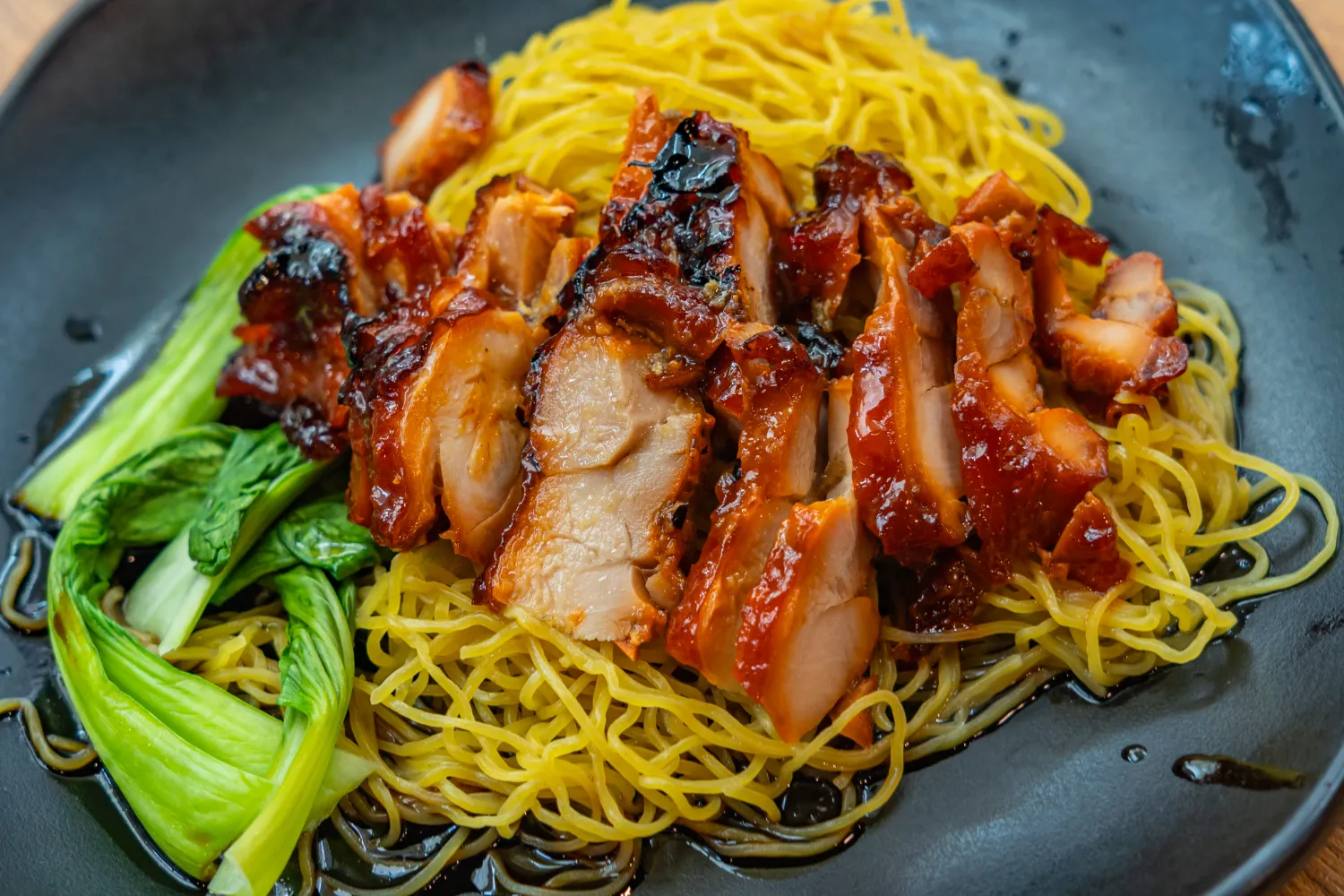
3. Char Siu Chicken (Chinese BBQ Chicken)

If you appreciate well-prepared poultry, you’ll fall in love with this Chinese dish. Char siu represents Cantonese cooking at its finest; taking quality ingredients and transforming them through careful seasoning and precise cooking technique.

This dish traditionally uses chicken thighs or breast, marinated and roasted to achieve that distinctive glossy appearance and sweet-savoury flavour. The Cantonese method creates a perfect balance of caramelised exterior and tender, juicy meat.

Char siu is a method of flavouring and cooking barbecued meat. The name literally means “fork roasted”; a Cantonese technique where seasoned meat is skewered and cooked in an oven or over an open fire.

The Signature Red Colour: Ingredients such as honey, five-spice powder, soy sauce, hoisin sauce, and red fermented bean curd are almost always included in the seasoning to achieve that signature glossy red appearance. Traditional recipes used red fermented tofu for colouring, creating that distinctive burnished appearance.

This delicious dish can be served alone as a main course, tossed with noodles, or inside baozi (steamed stuffed buns) for a complete meal. Leftover char siu chicken makes excellent fried rice when diced and stir-fried with rice and vegetables.

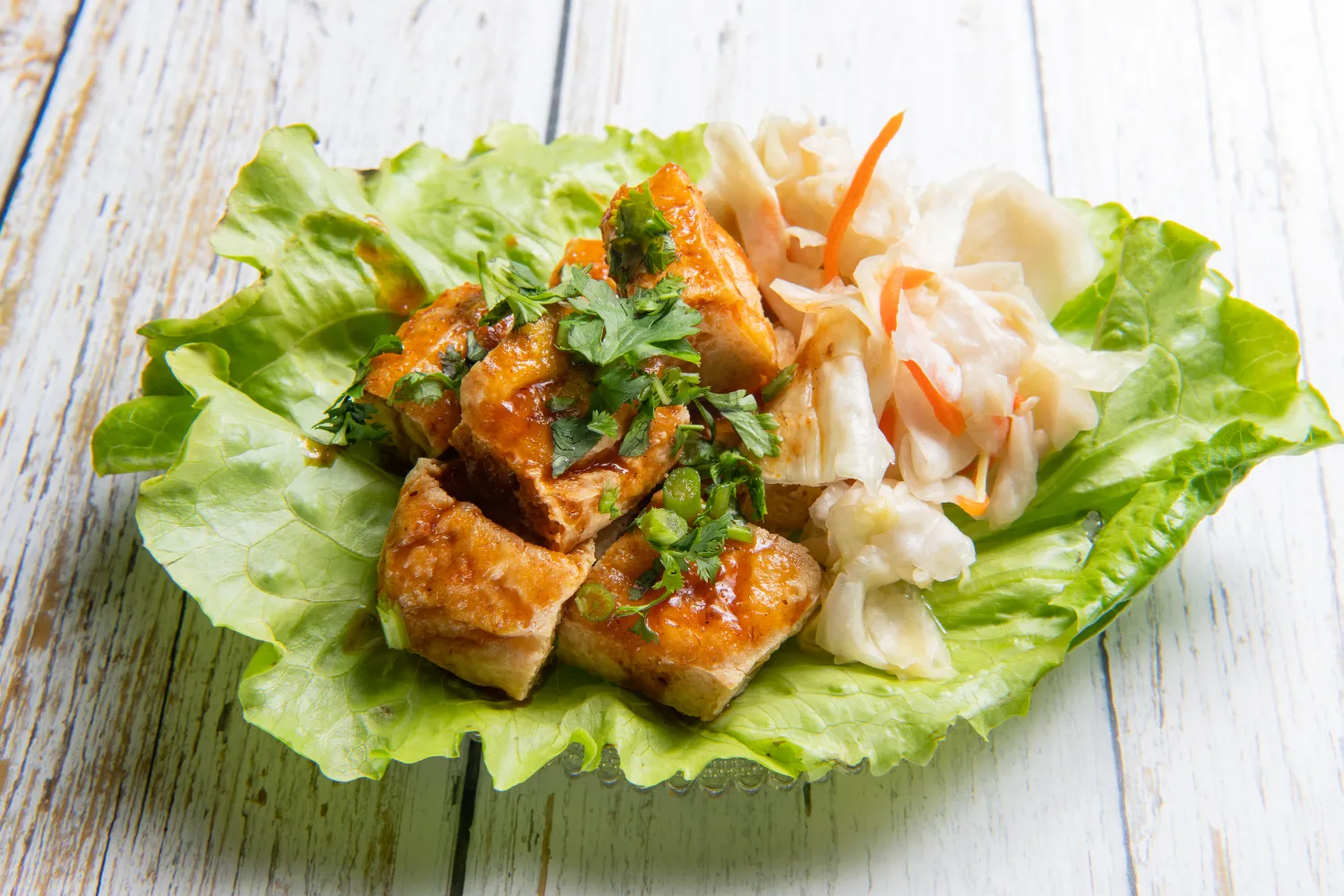
4. Stinky Tofu (Chòudòufu)

This Chinese dish is famous for one simple fact: the stronger the aroma, the better it tastes. We’re discussing the strong-smelling fermented stinky tofu that challenges newcomers but delights devoted fans.

Why the Strong Odour? Tofu is fermented in a mixture of fermented milk, vegetables, meat, and aromatics before ageing in the same way that cheese matures for several months. The fermentation process creates powerful aromatic compounds that some describe as unpleasant whilst others find deeply appealing.

Different regions prepare it differently, but there are four main serving options: cold, stewed, steamed, or deep-fried with chilli and soy sauces on the side. The deep-fried version is most popular with first-timers because the crispy exterior and hot temperature make the flavour more approachable.

Stinky tofu vendors are fixtures at Chinese night markets, where the smell attracts devoted fans from considerable distances. If you can get past the initial aroma, you’ll discover why this fermented delicacy has been cherished for centuries.

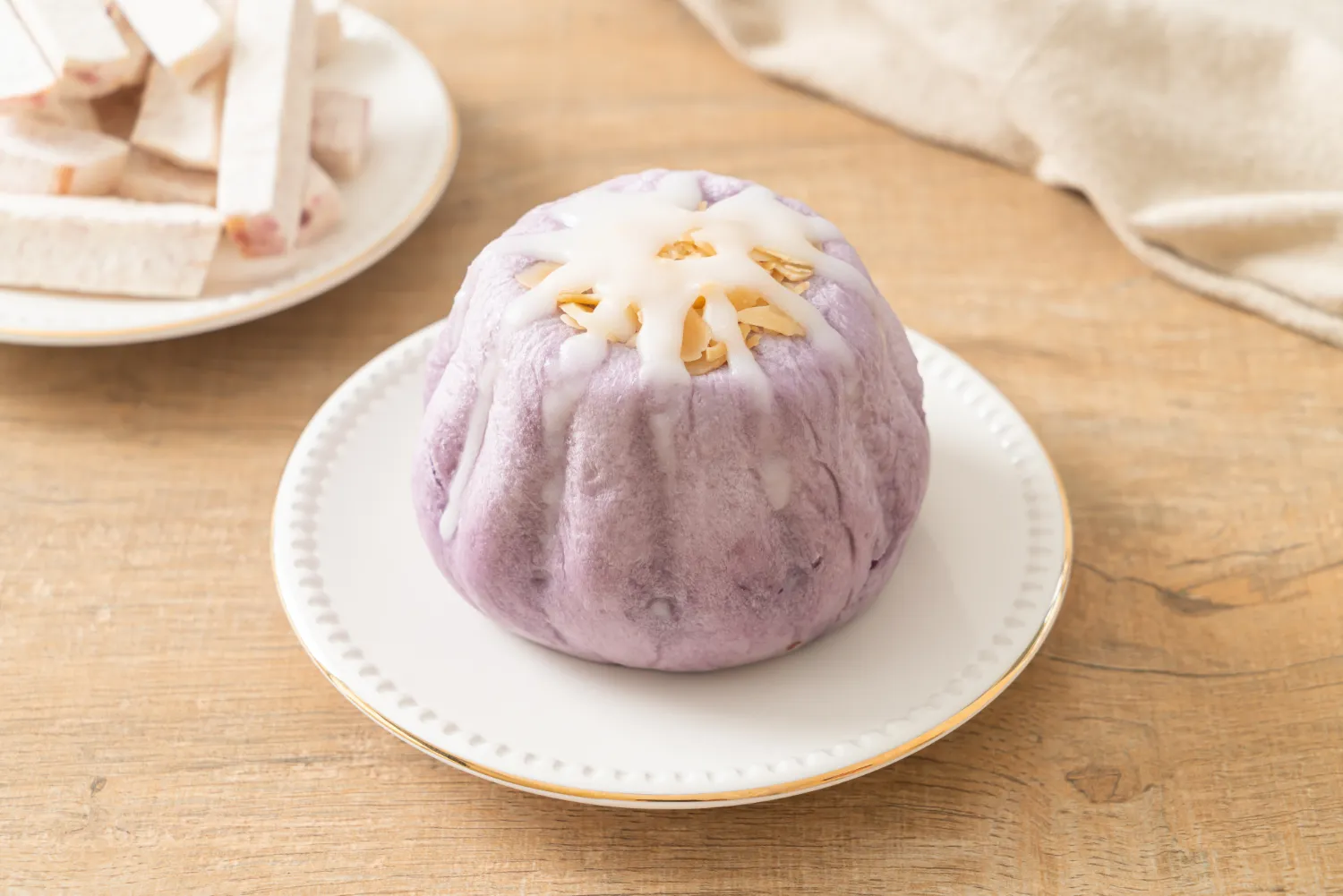
5. Sweet Taro Paste

This Chinese dessert showcases Fujian cuisine’s refined approach to sweets. Binlang yu, a special breed of yam from Fujian’s Fuding county, is used to make authentic Fujian-style taro paste. Once you try it, you’ll understand why this dessert has been served at banquets for generations.

The flavour resembles sweet potato but with a lighter, more distinctive taste and subtle vanilla undertones that make it uniquely appealing. Sweet taro has a light, slightly sweet, and nutty flavour that pairs beautifully with milk tea or as a standalone dessert.

Traditional Preparation: Taro is cooked until tender and mashed before being blended with sugar and a small amount of oil to create a smooth consistency. The thick, silky taro mash is then garnished with sweet toppings like dates, candied cherries, and ginkgo nuts before being served warm.

The purple-grey colour might seem unusual to Western eyes, but this dessert’s creamy texture and gentle sweetness make it a perfect ending to a rich Chinese meal. Many dim sum restaurants serve taro paste in small portions, allowing you to sample this traditional sweet.

6. Lion’s Head Meatballs

Lion’s Head Meatballs is a Chinese dish that represents Jiangsu cuisine’s refined approach to braised dishes. These substantial meatballs get their name from their size and appearance; when nestled amongst cabbage leaves, they resemble a lion’s head surrounded by its mane.

Making the Meatballs: Minced beef, diced water chestnuts, ginger, spring onions, soy sauce, eggs, and cornflour combine to form these generous meatballs. They’re initially pan-fried to set the exterior before being gently braised with Chinese cabbage in a flavourful broth until incredibly tender.

The meatballs are substantially sized, much larger than Western meatballs, and meant to be shared at family meals. They’re crispy on the outside but irresistibly soft and moist inside, creating a  wonderful textural contrast. The crunchiness of the water chestnuts complements the tender meat, whilst the umami flavours develop during the long braising process.

Cultural Significance: The round shape represents family unity and completeness in Chinese culture. These meatballs are popular at celebrations and family banquets, particularly during Chinese New Year, when their size and richness symbolise abundance and prosperity for the coming year.

7. Stinky Mandarin Fish

Don’t let the name discourage you. This unique traditional Chinese delicacy from Anhui Province delivers distinctive flavours that surprise first-time tasters with its complex, fermented character.

Historical Background: Freshwater fish is the foundation of this dish. Traditionally, fish is marinated with salt, packed tightly under heavy stones in a barrel, and fermented for eight days. This preservation method was invented roughly 300 years ago when travelling merchants wanted to bring fresh fish home to their families but needed to prevent spoiling during the journey.

The fermentation process changes the texture and flavour of the meat, making it firm and packed with unusual umami-rich flavours. Despite the strong odour that develops during fermentation, the merchants discovered that when fried with garlic, ginger, soy sauce, and chilli, the fish taste transforms into something extraordinary.

The dish exemplifies how necessity drove culinary innovation; what began as a preservation technique became a celebrated regional speciality that restaurants now prepare specifically for its unique flavour rather than out of necessity.

8. Steamed Chicken with Rice Flour in Lotus Leaves

In Jiaxing, Zhejiang Province, this popular traditional Chinese dish showcases the region’s refined steaming techniques. This aromatic preparation demonstrates how lotus leaves transform simple ingredients into something extraordinary through their distinctive fragrance.

Preparation Method: Chicken pieces, rice flour, fermented bean curd, and various seasonings create this aromatic dish. The seasoned chicken is coated in ground rice flour and wrapped in lotus leaf before being steamed at high heat until tender.

The lime-green lotus leaf imparts a distinctive fragrance to the chicken whilst keeping it incredibly moist during steaming. The dish has a lovely lotus fragrance, tender texture, and, according to traditional Chinese medicine principles, promotes healthy digestion.

Lotus leaves aren’t just wrappers, they contain natural compounds that complement the chicken and add aromatic complexity. When you unwrap the package at the table, the released fragrance creates part of the dining experience, filling the air with that characteristic lotus scent that makes this dish memorable.

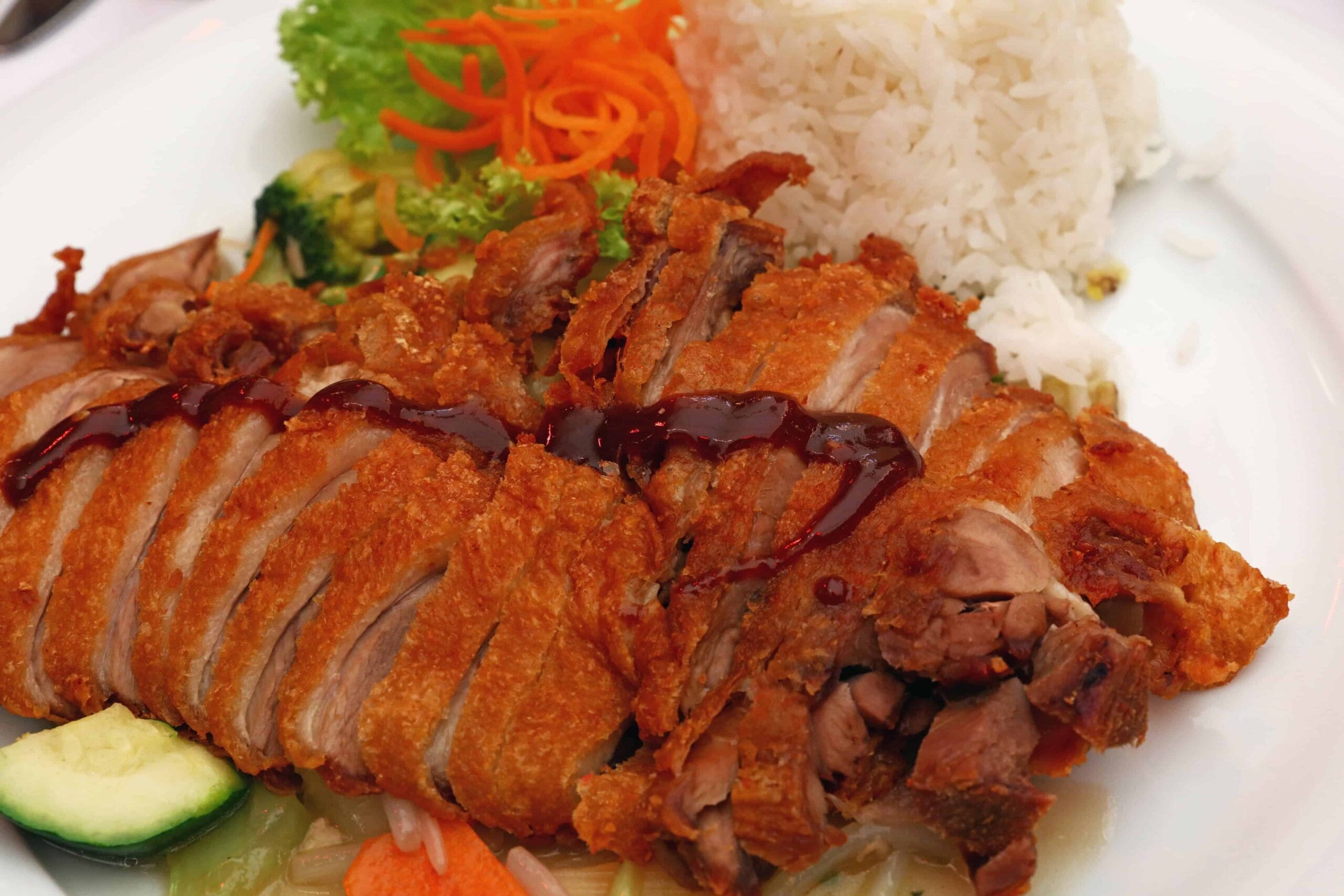
9. Peking Duck (Běijīng Kǎoyā)

Peking duck is a magnificent Chinese dish that represents Beijing cuisine’s pinnacle achievement. It consists of crispy roasted duck sliced into bite-sized pieces, wrapped in thin pancakes with spring onions, cucumber, and hoisin sauce; a combination so satisfying that you can’t stop eating once you start.

Traditional Preparation: Peking duck isn’t something you can easily replicate at home because it involves a long and detailed process: seasoning, air-drying for 24 hours, and cooking in an open-air oven called a hung oven. The air-drying step is crucial for achieving that signature crispy skin that shatters when you bite it.

However, it’s absolutely worth trying in a traditional Chinese restaurant where chefs have mastered the technique over years of practice. The best restaurants raise ducks specifically for Peking duck, feeding them particular diets to achieve the right fat distribution.

Traditional Service: It’s traditionally served in three courses. First, the crispy skin is presented on its own, allowing you to appreciate the crackly texture. Second, the meat is served with pancakes, spring onions, cucumber, and sweet bean sauce or hoisin. Third, the carcass is made into a rich soup. Nothing is wasted.

10. Zhajiangmian

A Chinese dish that will have you slurping enthusiastically. Zhajiangmian translates to “fried sauce noodles”, Zhejiang means ‘fried sauce’, whilst mian means ‘noodles’. In China, this dish is a popular quick meal or substantial snack that satisfies with its rich, savoury flavours.

Regional Variations: Fried sauce noodles from Shandong province use chewy, thick wheat noodles known as cumian and are topped with Zhejiang sauce (fermented soybean paste) or regional variations depending on location, plus a rich mixture of minced beef or lamb that’s slowly cooked until deeply flavoured.

The sauce is the star; it’s slowly fried with aromatics until it develops deep, complex flavours that coat each noodle strand. When tossed with hot noodles and topped with fresh cucumber julienne, it creates a perfect balance of rich, salty sauce against cool, crisp vegetables that refreshes the palate.

Beijing has its own famous version using sweet bean sauce, whilst different regions throughout northern China add their local touches to this beloved noodle dish. A bowl of these flavourful noodles delivers comfort and satisfaction that keeps you coming back for more.

Understanding Chinese Cooking Techniques

10 Authentic Chinese Dishes from China's 8 Great Cuisines

Before exploring dietary adaptations, understanding fundamental Chinese cooking techniques helps you appreciate how these dishes are traditionally prepared and how they can be modified whilst maintaining authentic flavours.

Essential Chinese Cooking Methods

Stir-Frying (Chǎo): The most recognisable Chinese cooking technique involves cooking ingredients rapidly over very high heat in a wok. This method preserves vegetable crispness, seals in meat juices, and creates “wok hei”; that distinctive smoky, charred flavour that defines restaurant-quality Chinese food. Ingredients must be prepared in advance because cooking happens in minutes.

Steaming (Zhēng): One of the healthiest Chinese cooking methods, steaming preserves nutrients, natural flavours, and delicate textures. Chinese cooks steam everything from fish and vegetables to dumplings and buns using bamboo steamers stacked over boiling water. This gentle technique requires no added fat and maintains ingredient integrity.

Braising (Hóngshāo): “Red-braising” involves slowly cooking ingredients in a mixture of soy sauce, sugar, aromatics, and liquid until tender. This technique creates rich, complex flavours and a glossy appearance. The long cooking time allows tough cuts to become melt-in-the-mouth tender whilst absorbing deep umami flavours.

Deep-Frying (Zhá): Used selectively in Chinese cooking, deep-frying creates crispy textures for items like spring rolls, wontons, and certain meat preparations. Traditional Chinese cooking uses fresh oil at proper temperatures, resulting in food that’s crispy outside but not greasy.

Velveting: This distinctive Chinese technique involves coating meat in egg white, cornflour, and oil before briefly blanching in water or oil. The coating creates a protective barrier that keeps meat incredibly tender during high-heat stir-frying. This secret technique explains why restaurant Chinese meat dishes have that silky, tender texture that’s difficult to achieve at home without knowing this method.

Dietary Adaptations for Chinese Dishes

10 Authentic Chinese Dishes from China's 8 Great Cuisines

Chinese cuisine offers flexibility for various dietary needs. Understanding key substitutions helps you enjoy authentic Chinese dishes whilst accommodating restrictions or lifestyle choices.

Gluten-Free Adaptations

Many traditional Chinese dishes contain gluten through soy sauce, oyster sauce, and wheat noodles. Replace soy sauce with tamari or coconut aminos in equal quantities. Use gluten-free oyster sauce or substitute with mushroom sauce. Choose rice noodles, rice vermicelli, or glass noodles instead of wheat-based varieties. When dining out, be aware that woks may be shared across dishes; request clean preparation if you have coeliac disease.

Vegan Chinese Options

Chinese Buddhist vegetarian cooking has a thousand-year history, making vegan adaptations straightforward. Tofu varieties (firm, silken, pressed sheets), mushrooms (shiitake, oyster, wood ear), and seitan provide protein and texture. Use vegetable oyster sauce or mushroom sauce instead of regular oyster sauce. Check that fermented bean paste doesn’t contain seafood or animal products, and select vegetable stock rather than chicken stock.

Nut-Free Substitutions

Peanuts feature in Sichuan dishes like Kung Pao Chicken but substitute easily. Use sunflower seeds, pumpkin seeds, or sesame seeds for a similar crunch. Water chestnuts offer a crisp texture without nuts. Be aware that peanut oil is common in Chinese cooking; request vegetable oil when dining out if you have severe allergies.

Seasonal Chinese Cooking

10 Authentic Chinese Dishes from China's 8 Great Cuisines

Chinese culinary tradition emphasises eating seasonally, selecting ingredients at peak freshness and preparing dishes that match the weather and body’s nutritional needs.

Spring (March-May): Focus on tender greens, fresh bamboo shoots, spring onions, and young ginger. Lighter preparations like stir-fried vegetables and steamed fish suit the season.

Summer (June-August): Cooling foods like bitter melon, cucumber, and leafy greens feature prominently. Cold noodle dishes, steamed preparations, and quick stir-fries avoid extended cooking over hot stoves.

Autumn (September-November): Harvest abundance brings chestnuts, mushrooms, root vegetables, and taro. This season favours braised dishes, stewed soups, and duck preparations.

Winter (December-February): Warming foods like daikon radish, Chinese cabbage, and lamb provide comfort. Hot pots, braised preparations, and slow-cooked stews with warming spices suit cold weather.

Festival Foods: Chinese dishes connect to celebrations, whole fish and dumplings for Lunar New Year, mooncakes for Mid-Autumn Festival, zongzi (sticky rice dumplings) for Dragon Boat Festival, and tangyuan (sweet rice balls) for Winter Solstice.

Final Thoughts

Chinese cuisine represents one of the world’s most diverse culinary traditions, shaped by thousands of years of refinement across a vast geography. From the fiery preparations of Sichuan to the subtle elegance of Jiangsu cooking, each regional style reflects local climate, ingredients, and cultural preferences that have evolved over centuries.

The eight great cuisines provide a framework for understanding China’s culinary landscape, but they represent just the beginning of exploration into this rich food culture. Whether you’re drawn to numbing Sichuan heat, delicate Cantonese steaming, or hearty northern wheat-based dishes, Chinese cooking offers endless opportunities to discover new flavours and techniques.

Ready to explore more authentic Chinese flavours? Discover our comprehensive guide to Chinese street food, where vendors serve traditional snacks and regional specialities that reveal another dimension of China’s remarkable culinary heritage.

Share with our social media

Leave a Reply

Your email address will not be published. Required fields are marked *