Authentic Traditional Irish Food: The Perfect Menu for St. Patrick’s Day

Traditional Irish Food: History, Recipes and Iconic Dishes

Author Avatar

Updated on October 18, 2025

What is traditional Irish food? From hearty stews and soda bread to classic potato dishes like colcannon and champ, traditional Irish cuisine is rooted in history, resilience, and simplicity. These iconic meals do more than satisfy hunger—they reflect Ireland’s cultural heritage and deep connection to the land. Whether you’re preparing for St. Patrick’s Day or simply exploring authentic Irish recipes, this guide will walk you through the origins, traditions, and most popular dishes that define Ireland’s culinary identity.

Irish Food History

Authentic Traditional Irish Food: The Perfect Menu for St. Patrick’s Day

Traditional Irish cuisine has evolved through centuries of hardship, celebration, and resourcefulness. Understanding the origins of Irish food reveals not just how people ate but also how they survived. From humble ingredients to iconic meals, the history of Irish food reflects the country’s resilience, culture, and deep ties to the land.

Origins of Common Ingredients

The foundation of traditional Irish food lies in the availability of local, seasonal produce. Early Irish diets were centred around grains such as oats and barley, root vegetables like carrots, turnips and onions, and dairy products including milk, butter, and cheese. These staple ingredients were accessible to most communities and formed the basis for meals that were both nutritious and filling.

Meat, particularly lamb and pork, was typically reserved for special occasions and communal gatherings. Over time, these modest yet flavourful ingredients became the cornerstones of traditional Irish dishes like soda bread, colcannon, and Irish stew—each reflecting the ingenuity of a rural population that relied on what the land could offer.

This mix of simplicity and necessity laid the groundwork for what we now recognise as traditional Irish cuisine origins.

The Role of the Potato in Irish Cuisine

No ingredient has shaped Irish food history more profoundly than the potato. Introduced in the late 16th century, the potato was quickly adopted across Ireland due to its high yield and adaptability to the Irish climate. It became a staple crop, especially among lower-income households, and was used in every meal—from boiled potatoes to mash and potato-based breads like boxty.

However, this reliance led to tragedy during the Great Famine (1845–1852) when a potato blight decimated crops across the country. The resulting famine caused mass starvation and emigration, marking a defining chapter in both Irish history and its culinary story.

Despite its dark legacy, the potato remains central to cultural Irish food, featured in beloved dishes such as champ, coddle, and shepherd’s pie. Its enduring presence in Irish cuisine symbolises not only sustenance but survival.

From rustic stews to hearty breads, traditional Irish dishes have stood the test of time—both in local kitchens and on international tables. These recipes, many passed down through generations, remain central to Ireland’s food identity. Whether enjoyed during festive occasions or as part of everyday family meals, they offer a true taste of Irish heritage.

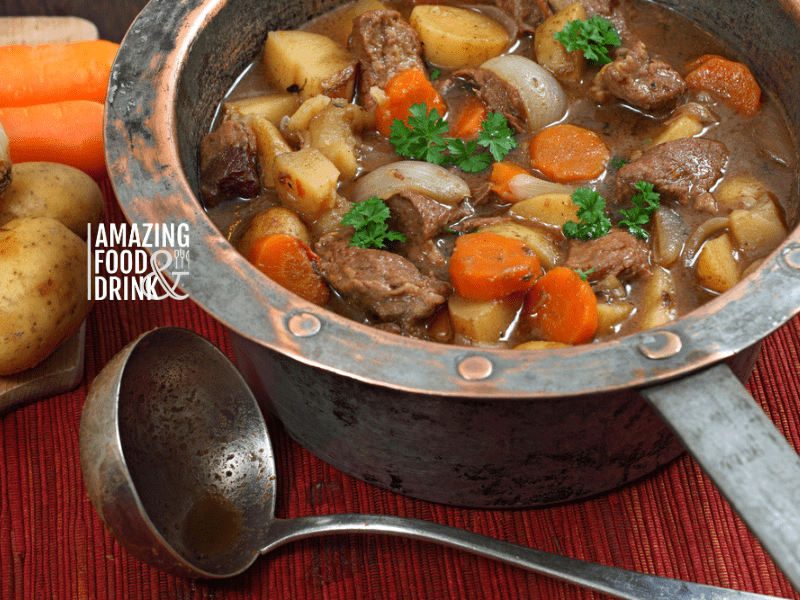
Traditional Irish Stew

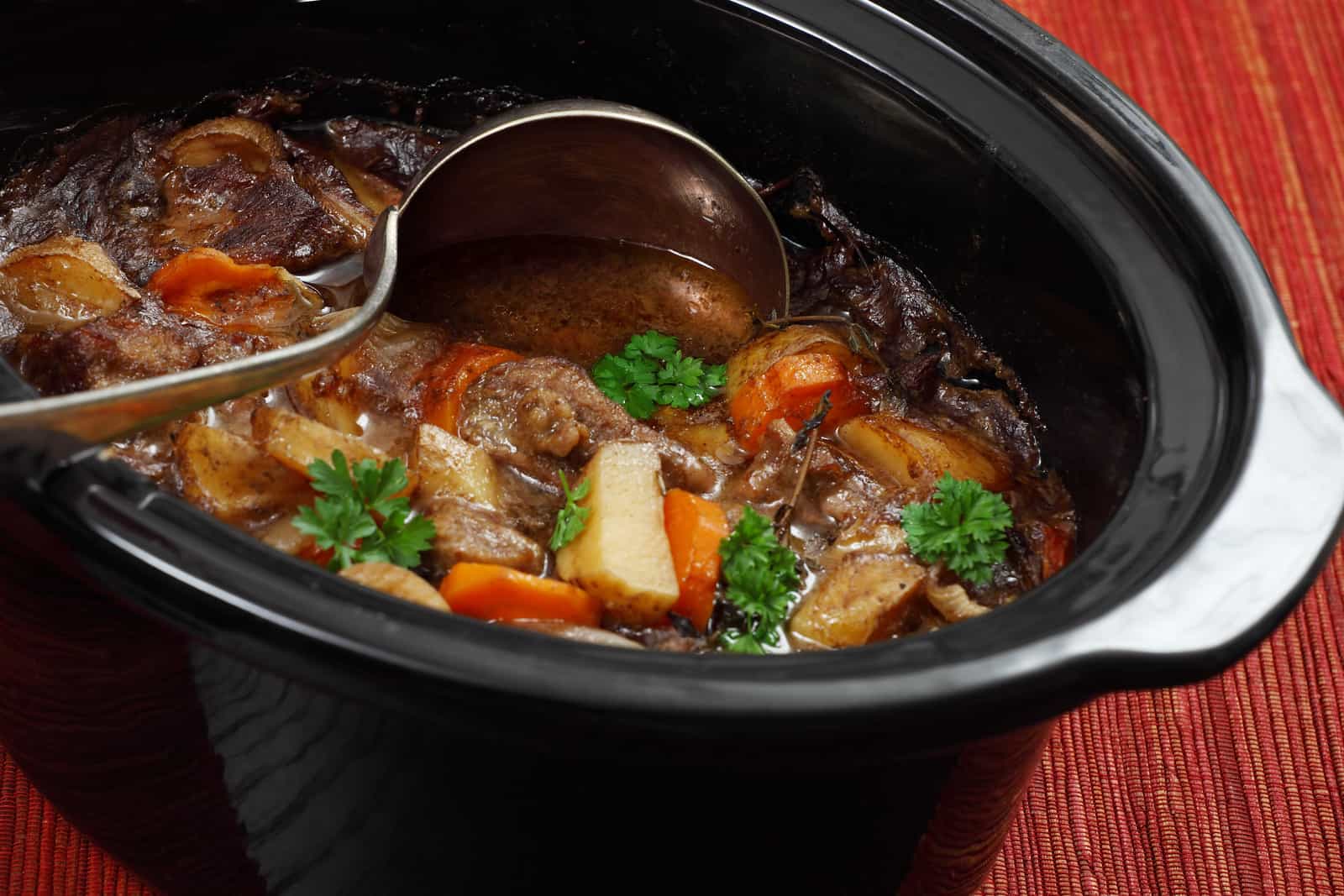
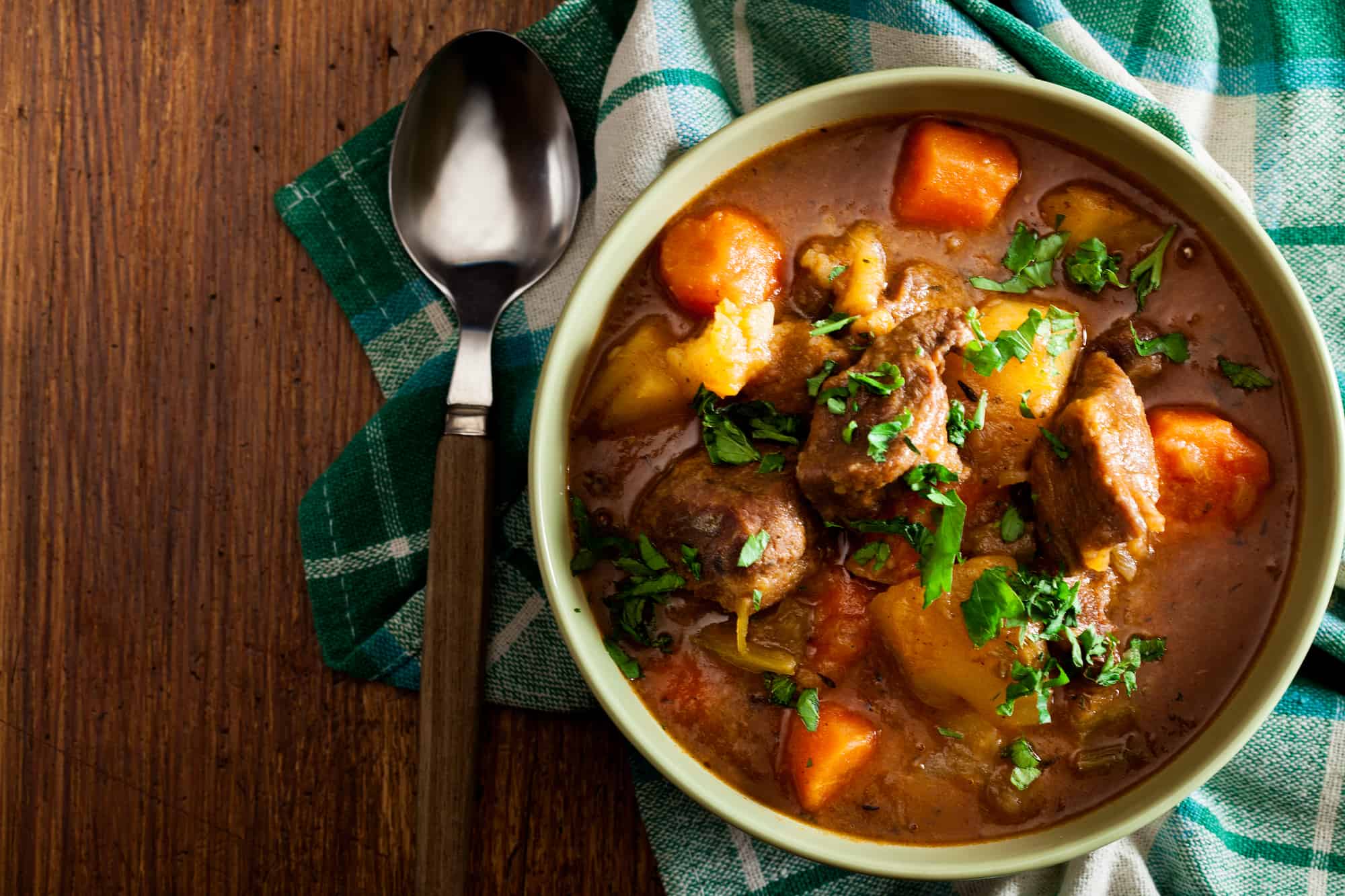
Authentic Traditional Irish Food: The Perfect Menu for St. Patrick’s Day - Traditional Irish stew

A traditional Irish stew is one of the most iconic and enduring dishes in Ireland’s culinary heritage. Known for its simplicity and depth of flavour, this slow-cooked meal has been a fixture of Irish kitchens for generations, particularly in rural households where seasonal ingredients shaped daily cooking.

Typically prepared in just over two hours, Irish stew uses tender cuts of lamb or mutton, often combined with beef in modern adaptations. The meat is simmered alongside staple root vegetables such as potatoes, carrots, and onions, creating a rich, hearty broth. The natural starch from the potatoes thickens the stew without the need for added flour, though some regional variations include it for extra body.

What sets this dish apart is its adaptability. Across Ireland, families introduce their own touches—parsley for freshness, turnips for sweetness, or even leeks for added depth. Despite its humble origins, the result is consistently nourishing, full of flavour, and deeply satisfying.

Traditional Irish Soda Bread

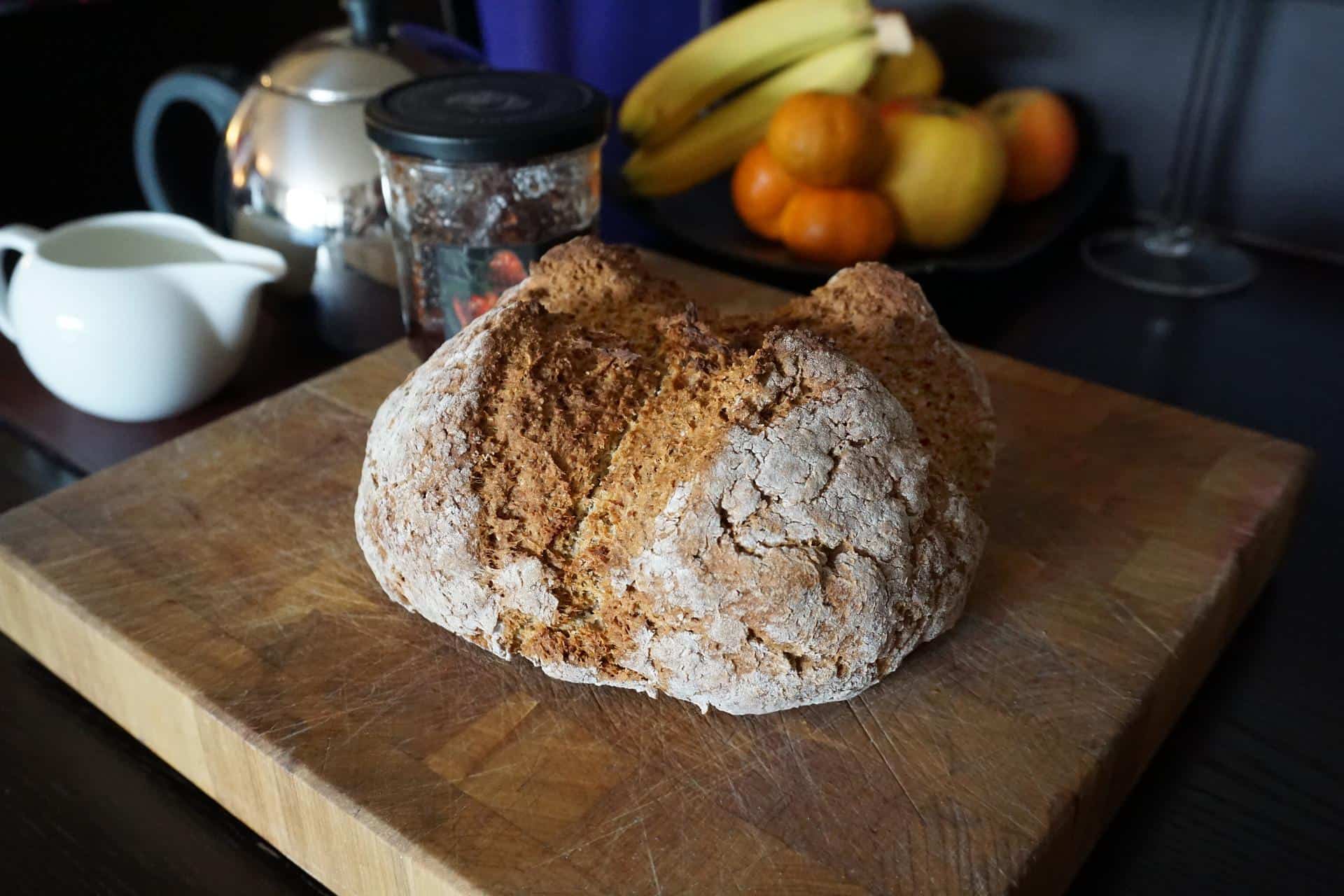
Among the most recognisable elements of traditional Irish cuisine, Irish soda bread has earned its place as a staple at family tables across the country. Its popularity lies not only in its distinctive texture and flavour but in the simplicity of its preparation—there’s no need for yeast or lengthy proving times. A basic loaf can be ready in under an hour, making it an ideal choice for everyday baking.

The classic recipe relies on just a few core ingredients: plain flour, bicarbonate of soda, buttermilk, and a pinch of salt. The chemical reaction between the baking soda and buttermilk gives the bread its rise and signature tang. The result is a dense, hearty loaf with a crisp crust—perfect for serving with soups, stews, or simply spread with butter.

What makes soda bread truly special is its flexibility. Across Ireland, households adapt the recipe to suit regional tastes or family traditions. Some bakers add sugar or dried fruit for a sweeter loaf, while others prefer wholemeal flour or the addition of oats and seeds for a nuttier texture. Its rustic appearance and adaptable nature have helped it endure for generations.

Traditional Irish Shepherd’s Pie

Authentic Traditional Irish Food: The Perfect Menu for St. Patrick’s Day - Shepherd's pie

A hearty staple in Irish households, Shepherd’s Pie is a traditional dish with humble beginnings and enduring appeal. It first gained popularity in the 18th century as a practical way to make use of leftover roast meat, particularly lamb or mutton. Over time, it evolved into one of Ireland’s best-loved comfort foods—equal parts nourishing and nostalgic.

The dish features a savoury base of minced lamb, gently stewed with root vegetables like carrots, peas, and onions and topped with a thick layer of creamy mashed potato. Baked until the top turns golden and crisp, the contrast between the soft filling and crusted topping is central to its appeal. It’s a satisfying, one-dish meal that brings warmth to the table, especially in colder months.

While the term cottage pie is sometimes used interchangeably, the traditional definition of Shepherd’s Pie specifically calls for lamb. Variations exist across Ireland, with additions like rosemary, leeks, or even grated cheddar mixed into the mash—but the heart of the recipe remains unchanged.

Traditional Irish Boxty

Authentic Traditional Irish Food: The Perfect Menu for St. Patrick’s Day - Boxty

Boxty is a traditional Irish dish that showcases the nation’s ingenuity with potatoes like few others can. Often described as a potato pancake, it’s a long-standing favourite in Irish kitchens—particularly in the northwest regions such as Leitrim and Mayo—where it’s been passed down through generations.

Prepared using a mix of grated raw potatoes and mashed potatoes bound together with flour and buttermilk, Boxty is cooked on a hot griddle or pan until it forms a crisp, golden exterior. Inside, it remains soft and light, offering a contrast in texture that makes it both distinctive and satisfying.

What makes Boxty particularly appealing is its flexibility. It can be served as a savoury breakfast alongside eggs and sausages, topped with smoked salmon and crème fraîche for a light lunch, or used as the base for heartier dishes. Its adaptability has helped preserve its relevance in modern Irish cooking while keeping close ties to its rural roots.

Traditional Irish Barmbrack

Authentic Traditional Irish Food: The Perfect Menu for St. Patrick’s Day - Barmbrack

Rich with fruit and steeped in tradition, Barmbrack is a classic Irish tea loaf that blends sweet flavours with cultural heritage. Typically enjoyed around Halloween, this moist fruit bread is made by soaking dried fruits—commonly raisins, currants, or sultanas—in strong black tea, giving it both its signature taste and dense texture.

Barmbrack has long been more than just a sweet treat. In older Irish customs, the loaf was baked with small symbolic items hidden inside, each one said to foretell the future of the person who discovered it in their slice. While that ritual has faded in many households, the bread itself remains a cherished part of Irish home baking.

Unlike rich cakes or overly sweet desserts, Barmbrack is often served simply: sliced, buttered, and paired with a hot cup of tea. Whether enjoyed as a snack or reserved for special occasions, it continues to offer an authentic flavour of Ireland’s baking traditions.

Traditional Irish Dublin Coddle

Authentic Traditional Irish Food: The Perfect Menu for St. Patrick’s Day - Dublin Coddle

Few dishes speak to the heart of Dublin’s culinary tradition quite like Dublin Coddle. This slow-simmered, one-pot meal emerged as a practical solution for using up leftovers—particularly in working-class homes. Over time, it became a symbol of comfort food in the capital, valued for its rich flavour and no-frills approach to cooking.

The dish typically includes pork sausages, rashers of bacon, sliced onions, and chunks of potato, all gently cooked together until tender. The name ‘coddle’ refers to the low and slow simmering method, which allows the ingredients to absorb one another’s flavour, resulting in a hearty and deeply satisfying meal.

While it may not feature in every restaurant menu, Dublin Coddle holds a firm place in Irish home kitchens and literature alike—most famously mentioned by James Joyce. Its beauty lies in its adaptability: families often personalise it with herbs, broth, or crusty bread on the side. Whether served during the colder months or brought out for a St. Patrick’s Day gathering, it remains an enduring part of Ireland’s food heritage.

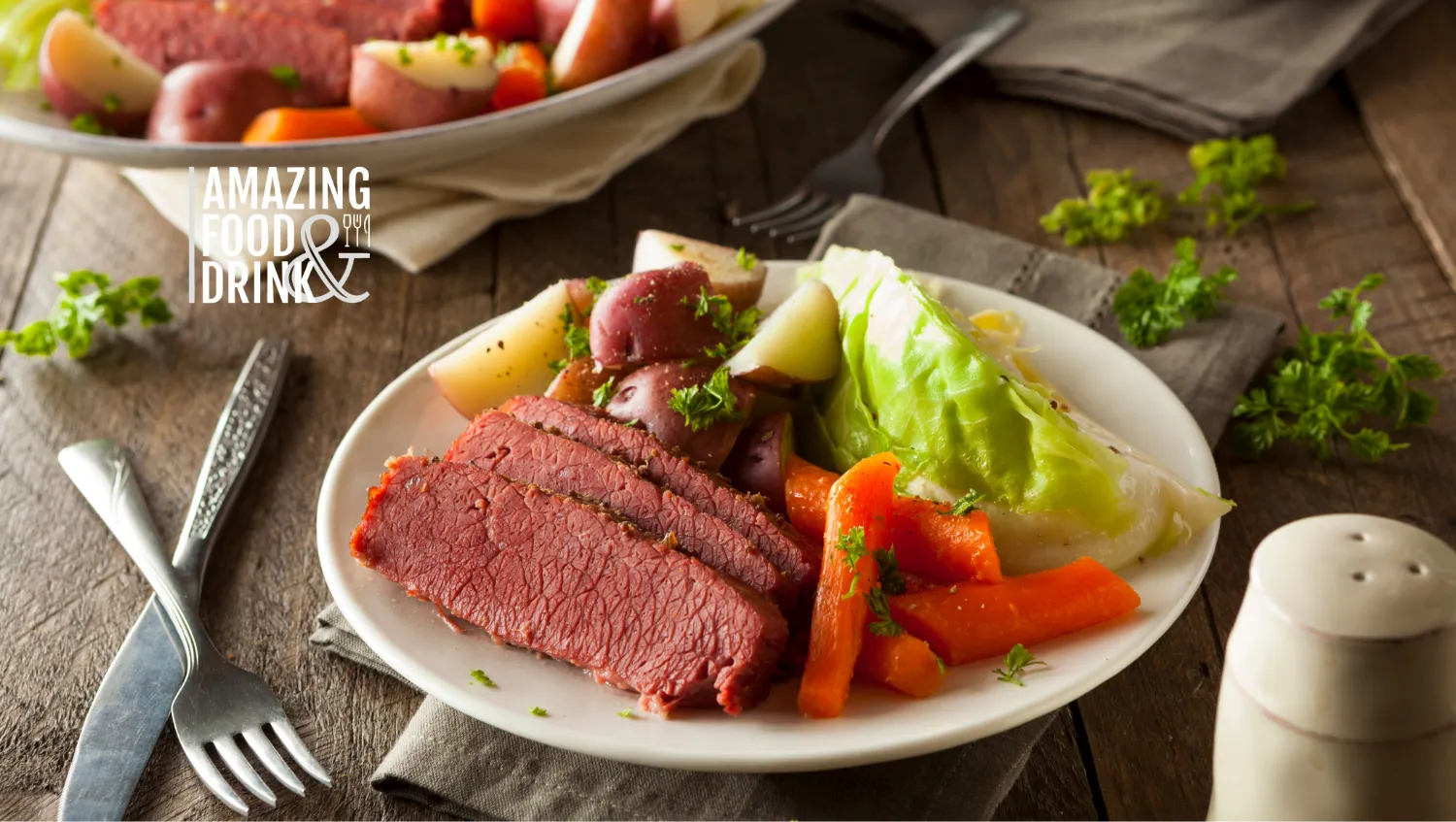
Corned Beef and Cabbage

Authentic Traditional Irish Food: The Perfect Menu for St. Patrick’s Day - Corned Beef and Cabbage

Though widely associated with Irish cuisine, particularly around St. Patrick’s Day, corned beef and cabbage has its roots in the Irish diaspora rather than traditional Irish kitchens. In Ireland, the dish was historically uncommon. Pork—especially cured bacon—was the go-to meat, typically served with cabbage or root vegetables as part of a simple boiled dinner.

It was Irish immigrants in 19th-century New York who popularised the use of corned beef. Faced with limited access to traditional cuts, many turned to kosher butchers in their communities, where cured beef brisket was readily available. Paired with affordable cabbage, carrots, and potatoes, this adaptation became a festive staple, particularly in Irish-American households.

Despite not being authentically Irish in origin, the dish has been embraced by global celebrations of Irish culture. Its slow-cooked preparation yields fork-tender beef and soft, flavour-rich vegetables, making it a dependable favourite for communal meals and seasonal gatherings.

Honey-Glazed Carrots and Parsnips

Authentic Traditional Irish Food: The Perfect Menu for St. Patrick’s Day - Honey-glazed Carrots and Parsnips

Rooted in simplicity yet full of flavour, honey-glazed carrots and parsnips are a classic Irish side dish that brings warmth and colour to the table. Often served alongside roast meats or festive mains, this pairing of seasonal vegetables has long been a favourite at family gatherings and holiday meals.

The preparation is refreshingly straightforward: sliced carrots and parsnips are gently tossed in melted butter, seasoned with sea salt, cracked black pepper, and thyme, and then finished with a drizzle of honey. Roasting or pan-sautéing them allows their natural sugars to caramelise, enhancing their sweetness and creating a tender, golden result.

This side dish strikes the right balance between rustic and refined. The honey adds just enough richness without overpowering the earthy tones of the vegetables. Whether plated with a traditional roast or as part of a St. Patrick’s Day spread, it’s a dependable favourite that brings a touch of brightness to any Irish meal.

Traditional Irish Potato Soup

Authentic Traditional Irish Food: The Perfect Menu for St. Patrick’s Day - Potato Soup

Few dishes are as comforting—or as rooted in Irish food culture—as potato soup. This traditional favourite is a reflection of Ireland’s reliance on staple crops, particularly during times when home cooking meant making the most of what was available. Despite its modest ingredients, the end result is rich, creamy, and deeply satisfying.

A typical version combines potatoes with onions, leeks, and a well-seasoned broth. Once softened, the vegetables are blended to a smooth consistency, creating a velvety texture that forms the base of the dish. Some variations build on this simplicity by adding grated cheddar, crispy bacon, or fresh herbs like chives or parsley.

Potato soup is often enjoyed with buttered slices of soda bread and makes for an ideal starter or standalone meal on colder days. For many Irish families, it’s more than just soup—it’s a comforting reminder of resilience, warmth, and the value of traditional cooking.

Traditional Irish Bread Pudding

Authentic Traditional Irish Food: The Perfect Menu for St. Patrick’s Day - Bread Pudding

A well-loved way to turn kitchen leftovers into something truly indulgent, Irish bread pudding is both economical and luxurious. This classic dessert has long been a fixture at Irish tables, often making an appearance during holidays like St. Patrick’s Day or at Sunday dinners.

At its core, the dish involves soaking cubes of stale bread—soda bread, brioche, or whatever is to hand—in a rich custard made from eggs, cream, butter, and sugar. Dried fruits such as raisins or cranberries add sweetness and texture, while a splash of Irish whiskey or brandy gives the pudding a festive edge. Some versions are finished with a caramel glaze or served warm with whipped cream.

The contrast between the soft, custardy middle and the crisp golden top is what gives bread pudding its distinct charm. It’s a dessert that reflects the heart of traditional Irish cooking: practical, unfussy, and deeply satisfying.

Traditional Irish Colcannon

Authentic Traditional Irish Food: The Perfect Menu for St. Patrick’s Day - Colcannon

A true classic of the Irish table, Colcannon brings together simple, wholesome ingredients to create a dish that’s both comforting and full of character. Traditionally made with creamy mashed potatoes folded through with tender cabbage or kale, it’s a side dish that’s stood the test of time in homes across Ireland.

The richness of Irish butter is central to colcannon’s flavour, while chopped scallions or spring onions add freshness and lift. In some versions, a topping of crisp bacon or a sprinkle of chopped parsley is used to finish the dish, enhancing its texture and depth without complicating the recipe.

Served most often alongside mains like Irish stew, boiled ham, or roast lamb, colcannon is especially popular during autumn and winter celebrations, including Halloween and St. Patrick’s Day. Still, it’s just as common at midweek dinners, prized for its heartiness and ease of preparation.

Traditional Irish Bangers and Mash

Authentic Traditional Irish Food: The Perfect Menu for St. Patrick’s Day - Bangers and Mash

A fixture on Irish pub menus and family dinner tables alike, bangers and mash delivers classic comfort with no fuss. At its core, this dish pairs well-seasoned sausages with creamy mashed potatoes, brought together by a rich onion gravy that’s essential to the experience.

The name ‘bangers’ dates back to the early 20th century, when sausages were prone to bursting in the pan due to their high moisture content. Today, the dish is all about quality: well-made pork sausages with a crisp casing, silky mashed potatoes enriched with butter and milk, and a slow-cooked onion gravy full of savoury depth.

While simple in concept, bangers and mash succeeds through its honest flavours and hearty appeal. It’s a go-to for weeknight meals and remains a staple of traditional Irish fare, satisfying appetites with minimal effort and maximum comfort.

Traditional Irish Fish Pie

Authentic Traditional Irish Food: The Perfect Menu for St. Patrick’s Day - Fish Pie

Drawing from Ireland’s long-standing connection to the sea, fish pie is a comforting dish that blends coastal tradition with homely warmth. It’s often compared to Shepherd’s Pie—but in this version, flaky white fish and sometimes shellfish take centre stage beneath a smooth mash topping.

The filling is typically made from cod, haddock, or whiting, gently poached in milk before being folded into a white sauce thickened with a roux of butter and flour. Prawns or smoked fish may be added for additional flavour and depth, depending on regional preferences or family recipes.

The contrast between the creamy seafood base and the golden crust of mashed potato makes this dish especially appealing. It’s a popular choice in coastal communities but has earned its place as a staple across the country, particularly for Sunday dinners or festive occasions.

Traditional Irish Champ

Authentic Traditional Irish Food: The Perfect Menu for St. Patrick’s Day - Champ

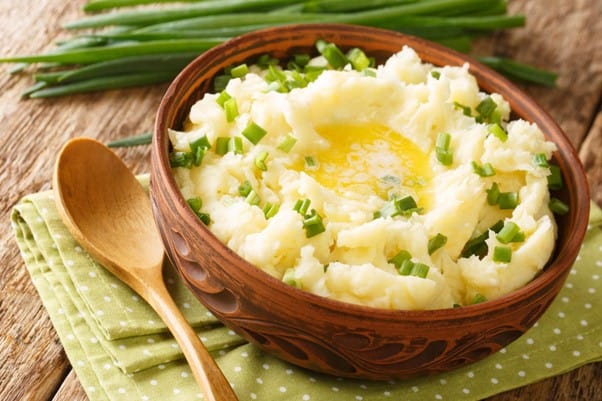
Among Ireland’s many beloved potato dishes, champ holds a special place for its sheer simplicity and homely appeal. Made by combining creamy mashed potatoes with finely chopped scallions, butter, and a splash of warm milk, this side dish is both quick to prepare and deeply satisfying.

Unlike colcannon, which includes cabbage or kale, champ keeps things minimal—allowing the buttery mash and gentle onion flavour to shine. Its smooth texture and subtle lift from the scallions make it a natural pairing for roast meats, fried sausages, or grilled fish.

For many, champ is more than a side—it’s a nostalgic reminder of family dinners and rural Irish cooking, where filling meals were made from the most basic ingredients. It continues to be a staple in homes across the country for that very reason.

Traditional Irish Breakfast

Traditional Irish Food: Classic Dishes from Ireland’s Heritage

No overview of traditional Irish food would be complete without mentioning the full Irish breakfast—a staple that brings together a range of savoury components in one hearty meal. Often served on weekends or special occasions, it’s as much about comfort as it is about sustenance.

A typical Irish breakfast includes rashers (back bacon), sausages, black and white pudding, fried eggs, grilled tomatoes, mushrooms, and sometimes baked beans or fried potatoes. Soda bread or brown bread is served on the side, usually toasted and buttered, and everything is washed down with a strong cup of tea.

While similar in structure to the English breakfast, the Irish version places greater emphasis on locally produced meats and breads. It’s a filling, flavour-packed way to start the day—and a must-try for anyone looking to experience Ireland’s culinary traditions firsthand.

Traditional Irish Apple Cake

Traditional Irish Food: Classic Dishes from Ireland’s Heritage

A firm favourite among Irish home bakers, Irish apple cake combines sweet fruit with rustic charm. This old-fashioned dessert is made with tart cooking apples folded into a lightly spiced sponge and is often finished with a crunchy sugar topping or a dusting of icing sugar.

Unlike a pie, Irish apple cake is baked as a single-layer cake—moist on the inside with visible chunks of apple, and often served warm with custard or whipped cream. Ingredients typically include flour, butter, sugar, eggs, cinnamon or nutmeg, and Bramley apples or similar varieties.

It’s a popular treat at bake sales, family dinners, and seasonal celebrations. With its balance of sweetness and spice, this cake is a lovely way to round off any traditional Irish meal or enjoy a quiet afternoon tea.

What Makes Irish Food Unique?

Traditional Irish Food: Classic Dishes from Ireland’s Heritage

Traditional Irish food is often described as simple, hearty, and unpretentious—but these traits are precisely what make it distinctive. Rooted in history, shaped by geography, and reflective of a culture that values practicality, Irish cuisine has evolved from necessity into something deeply meaningful and worth celebrating.

A Reliance on Local, Seasonal Ingredients

Irish food has always made the most of what the land and sea provide. Potatoes, root vegetables, oats, and barley formed the backbone of rural diets, while dairy products—especially butter and cream—featured prominently thanks to Ireland’s temperate climate and strong farming traditions. Along coastal areas, fish and shellfish have long been staples, adding regional variation to otherwise similar ingredients.

Shaped by Hardship and Resourcefulness

What defines Irish cooking is not extravagance but resilience. The Great Famine, religious observance, and economic hardship forced generations to be frugal and inventive in the kitchen. Dishes such as colcannon, boxty, and Irish stew reflect a focus on nourishment and minimal waste—stretching simple ingredients to feed entire families.

Simple Techniques, Big Flavour

Traditional Irish meals rely on methods like boiling, stewing, baking, and griddle-cooking. These are low-intervention techniques designed to make food go further and retain nutrients. While flavours are often mild, they’re deeply satisfying—achieved through careful layering rather than strong spices.

A Cuisine That’s Evolved Without Losing Its Roots

Today’s Irish chefs are breathing new life into heritage recipes, elevating them through quality, presentation, and local sourcing. Yet the core of Irish food remains intact: it’s honest, comforting, and shaped by centuries of history. Whether it’s a humble bowl of coddle or an artisan twist on soda bread, traditional Irish food continues to reflect the values of the people who created it.

Traditional Irish food is far more than hearty stews and rustic breads—it’s a reflection of Ireland’s culture, resilience, and deep connection to the land. From historic staples like colcannon and boxty to beloved desserts such as apple cake and bread pudding, each dish tells a story shaped by generations of resourceful cooking. Whether you’re exploring Irish cuisine for the first time or revisiting familiar favourites, embracing these traditional recipes offers a meaningful taste of Ireland’s rich culinary heritage.

FAQs

1. What are traditional Irish foods made from?

They often use potatoes, root vegetables, dairy, oats, and meat such as lamb or pork—simple, locally sourced ingredients.

2. What is the most traditional Irish dish?

Irish stew is widely considered the most traditional, combining meat, potatoes, and vegetables in a slow-cooked broth.

3. Is Irish food spicy?

No, traditional Irish food is known for its mild, comforting flavours rather than strong spices or heat.

4. What do Irish people eat on St. Patrick’s Day?

Common dishes include Irish stew, soda bread, colcannon, and corned beef and cabbage (especially abroad).

5. What bread is traditionally eaten in Ireland?

Soda bread is the most traditional, made without yeast and baked with buttermilk and bicarbonate of soda.

Share with our social media

Leave a Reply

Your email address will not be published. Required fields are marked *