Step right in and get ready to please your appetite with some of the tastiest appetisers from around the globe! These small dishes are more than just a way to start a meal; they’re an introduction to a world of flavours, textures, and culinary delights. Across different cuisines, appetisers set the stage and give a sneak peek of what’s to come, making them a crucial part of any dining experience.
Let’s uncover a variety of scrumptious starters and interesting facts to enrich your cooking journey. Whether you’re hosting a party or just looking for something delicious to snack on, you’re in for a treat. Let’s begin our exploration of these delightful appetisers together!
What Are the 7 Types of Appetisers?
When it comes to appetisers, the variety is truly astounding. Understanding these categories can help you navigate the world of appetisers, whether you’re dining out, catering an event, or cooking at home. Here’s a closer look at the seven main types, each with its own unique characteristics:
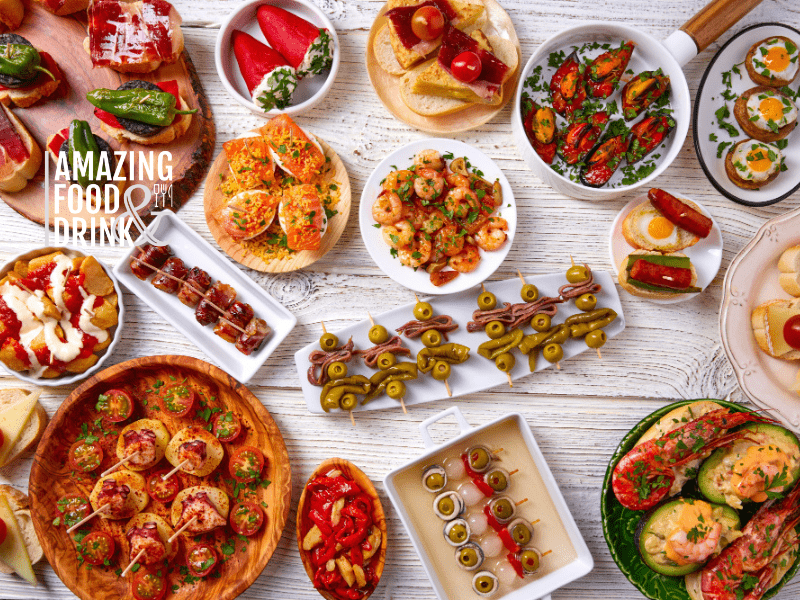
Canapés: Canapés are bite-sized pieces of bread or crackers topped with flavourful spreads, meats, cheeses, or other toppings. They’re perfect for parties and gatherings, allowing guests to enjoy a little bite of something savoury.
Hors d’oeuvres: This French term refers to small, usually one-bite items that can be served hot or cold. They are typically more substantial than canapés and are often served on small plates or napkins.
Chips and Dip: A casual and popular choice, this type includes various dips served with chips or crisps. From the classic tortilla chips with salsa or guacamole to pita chips with hummus, there are countless delicious combinations.
Finger Foods: These are items that are meant to be eaten with your fingers, making them convenient and informal. Popular examples include chicken wings, sliders, and meatballs.
Amuse-Bouche: This French term translates to “mouth amuser” and refers to small, flavourful bites offered for free at the start of a meal in some restaurants. They provide a glimpse into the chef’s style and the flavours of the meal to come.
Soup: While not always thought of as an appetiser, soup is commonly served as the first course of a meal. It can range from light and refreshing to rich and hearty, setting the stage for the dishes that follow.
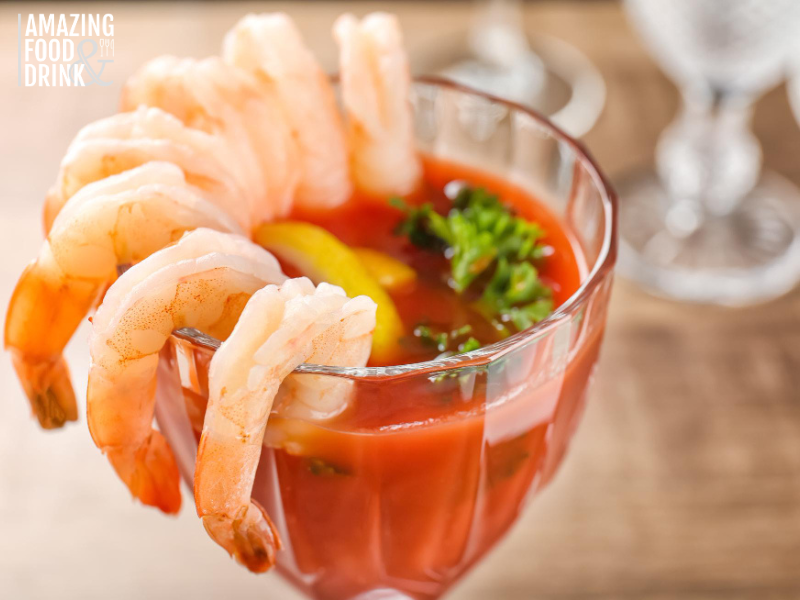
Cocktails: These petite, cool portions are typically displayed in an elegant glass, offering a zesty and revitalising introduction to your meal and stimulating the taste buds. A prime example is the traditional shrimp cocktail, featuring cold shrimp paired with a robust cocktail sauce.
Tastiest Appetisers from around the World
Now that we’ve explored the various types of appetisers, let’s dive into some specific examples that have captured the hearts of food lovers around the world. From the crispy to the creamy, these starters are sure to impress.
1. Bruschetta: An Italian Delicacy
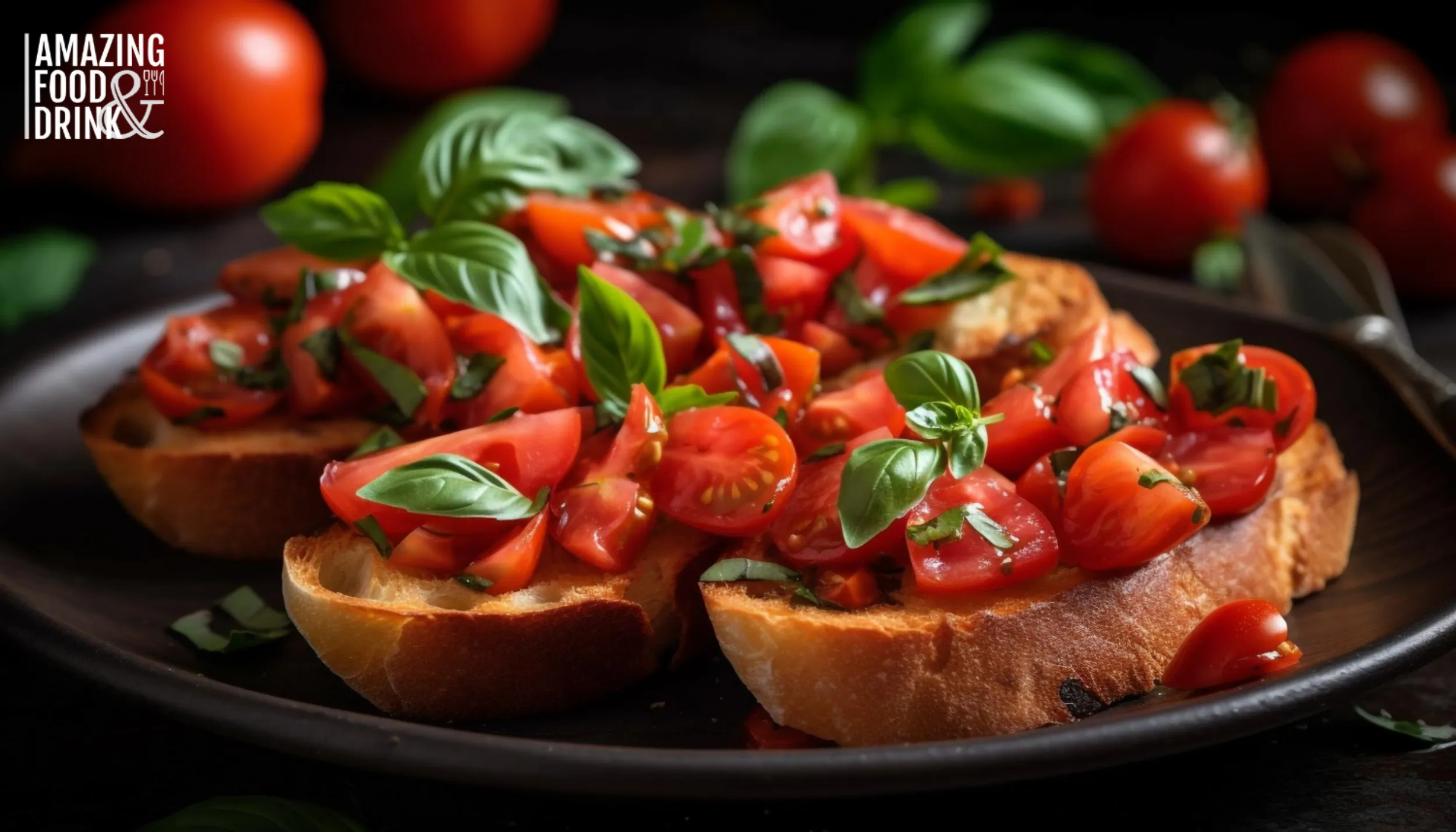
Bruschetta al Pomodoro 1
Originating from Italy, bruschetta is a simple yet incredibly flavourful appetiser that has gained popularity worldwide. Fundamentally, bruschetta is made up of toasted bread that has been brushed with garlic and adorned with a blend of chopped tomatoes, fresh basil plucked straight from the garden, a generous splash of olive oil, and salt.
The key to a perfect bruschetta lies in the quality of the ingredients; ripe, juicy tomatoes and high-quality olive oil can make all the difference.
For those looking to experiment, bruschetta provides a fantastic base for a variety of toppings. From adding creamy mozzarella or tangy balsamic glaze to incorporating prosciutto for a salty kick, the options are virtually limitless.
2. A Taste of Asia: Spring Rolls
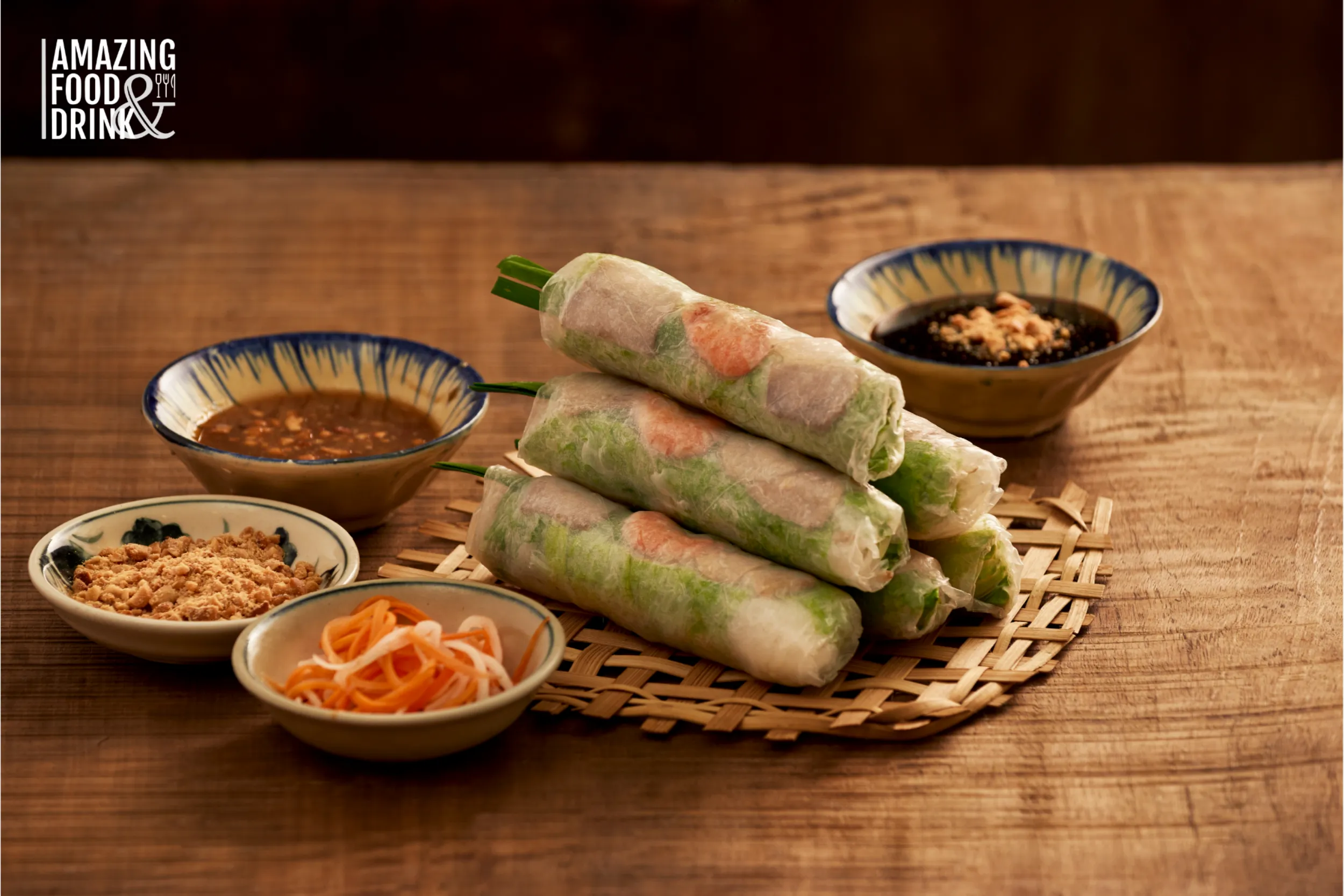
Spring Rolls
Spring rolls stand out as one of the tastiest appetisers in Asian cuisine. From the crispy, golden layers of Chinese fried spring rolls to the fresh, herbaceous delights of Vietnamese spring rolls, this dish is truly a celebration of flavours and textures. In China, these rolls are a must-have during celebrations and family gatherings, typically stuffed with a savoury medley of vegetables and sometimes meat, all encased in a delicate pastry shell and deep-fried to perfection.
On the other hand, Vietnamese spring rolls present a refreshing alternative. Known as “Gỏi cuốn,” these rolls feature rice paper filled with a vibrant assortment of fresh herbs, vermicelli noodles, shrimp, or pork. Dipped in a robust peanut or hoisin sauce, they offer a burst of freshness and a zesty kick, ideal for those warmer months or when you’re in the mood for something lighter.
3. Mexican Delight: Guacamole with Tortilla Chips
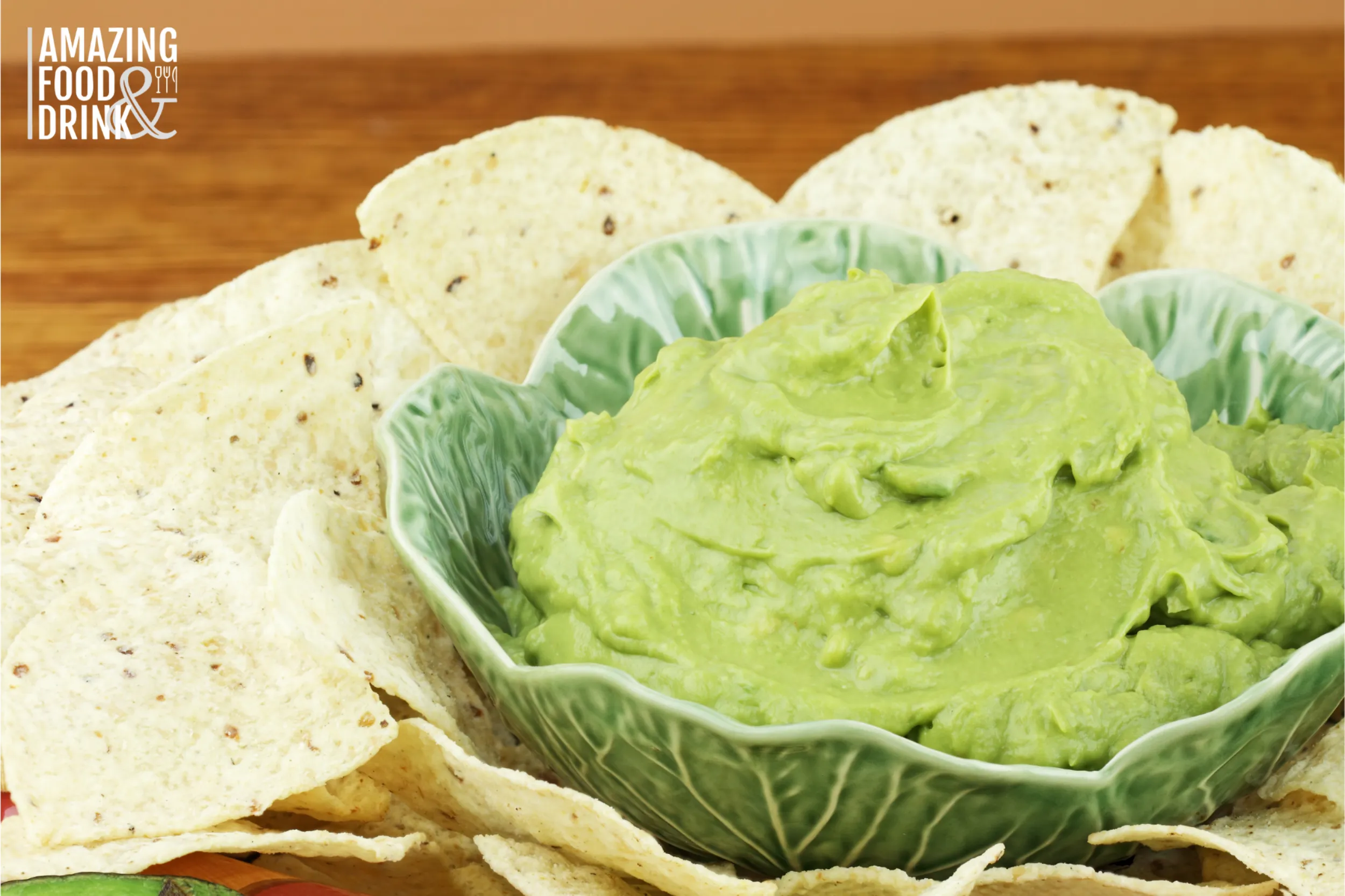
Guacamole with Tortilla Chips
Guacamole and tortilla chips: a duo that has taken the world by storm, becoming synonymous with laid-back gatherings and good times. But have you ever wondered about the roots of this beloved dish? Let’s dive in! Originating from Mexico, guacamole is a testament to the ingenuity of Aztec cuisine. Made from avocados, the “butter of the poor” as it was once known, this dish has evolved to become a rich, creamy delight enjoyed by many.
Creating the perfect guacamole is both an art and a science. Start with ripe avocados—they should yield slightly to pressure, indicating they’re ready to be transformed into guacamole goodness. Mash them up, but not too much; you want to keep some texture there. Add in diced onions, tomatoes, cilantro, and a generous squeeze of lime juice for that zesty kick. And don’t forget the salt! It’s crucial for bringing all these flavours together.
4. Mediterranean Magic: Hummus with Pita Bread
httpss://www.youtube.com/watch?v=zXDVu9Eth34
If there’s one dish that truly embodies the essence of Mediterranean cuisine and has cemented its place among popular appetisers, it has to be hummus served with warm, fluffy pita bread. At its core, hummus is a creamy blend of chickpeas, tahini (a paste made from ground sesame seeds), fresh lemon juice, minced garlic, and a rich drizzle of olive oil.
The ingredients are simple, yet when brought together, they create a harmonious and utterly delicious spread that’s both healthy and satisfying. What sets hummus apart is its incredible versatility. It can be a dip, a spread, or even a meal in itself, depending on how you choose to enjoy it. You can stick to the classic recipe or get creative and add your own twist with various toppings. For an extra layer of flavour, consider swirling in some roasted red peppers or sprinkling crushed pine nuts on top.
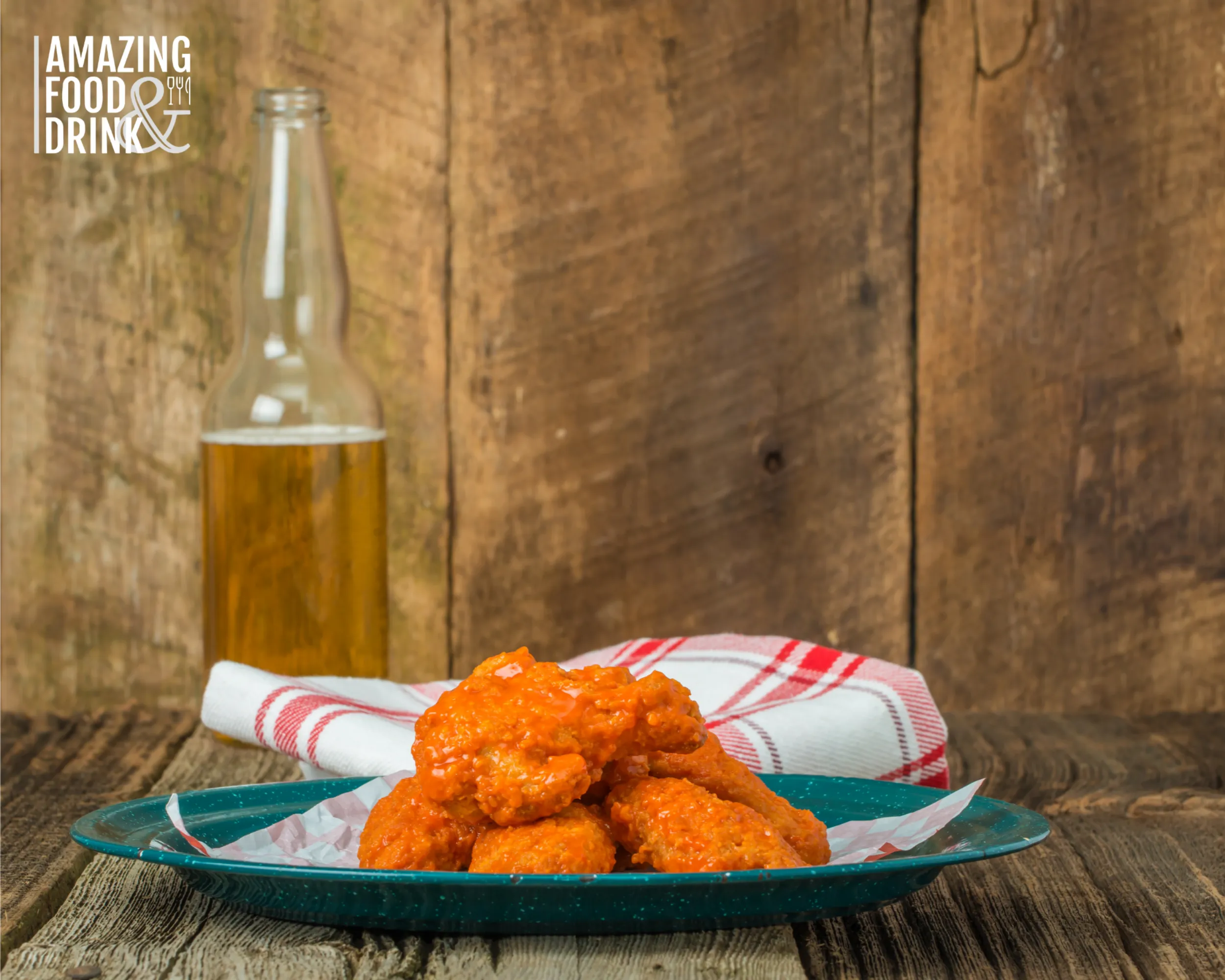
5. The American Classic: Buffalo Wings
Buffalo Wings
Buffalo wings have soared to become one of the tastiest appetisers and an all-American favourite, dominating menus in all restaurants. The story takes us back to Buffalo, New York, where this iconic dish was born in a family-owned bar. The owners, faced with an excess of chicken wings, decided to deep-fry them and toss them in a homemade hot sauce. The result? An instant hit that changed the appetiser game forever.
The heat from the cayenne pepper in the sauce is brilliantly balanced with a hint of sweetness and a touch of vinegar, creating a flavour profile that’s irresistible. To make them at home, getting the sauce right is crucial. Don’t forget the accompaniments—a cool, creamy blue cheese or ranch dip, along with some crunchy celery sticks, can provide the perfect contrast to the wings’ heat, creating a well-rounded eating experience.
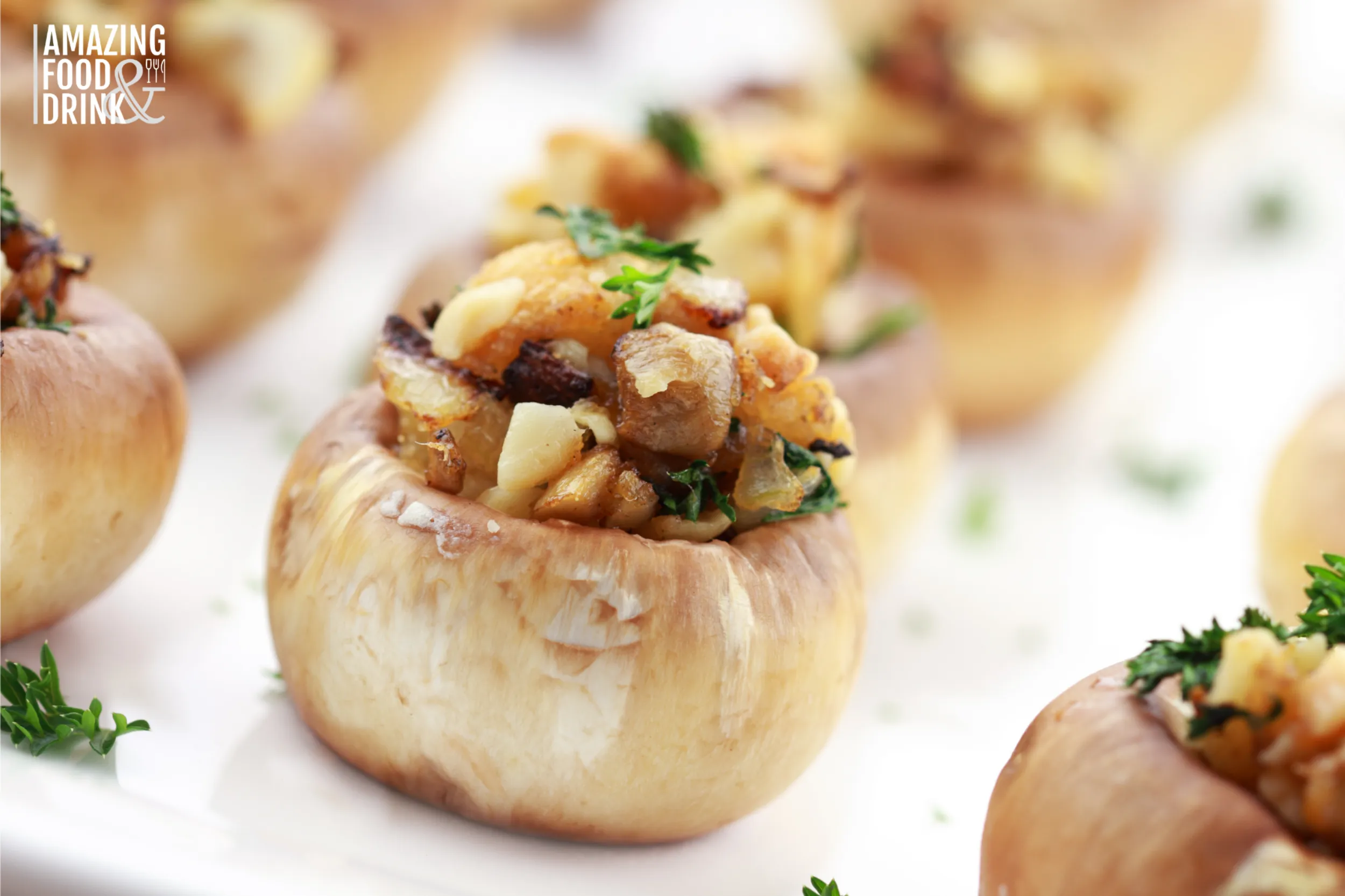
6. Elegant Bites: Stuffed Mushrooms
Stuffed Mushrooms
Stuffed mushrooms have effortlessly found their place among popular appetisers, bringing a touch of elegance and loads of flavour to any gathering. When it comes to choosing your stuffing, the options are vast. For a classic take, a mixture of cheese, garlic, and herbs can provide a rich and savoury experience. If you’re looking to up the ante, sausage or crabmeat stuffing can transform these mushrooms into a luxurious treat that’s sure to impress.
Start by selecting the right mushrooms—cremini or white button mushrooms provide a sturdy base and a delicious, earthy flavour. To ensure your mushrooms are cooked to perfection without becoming soggy, bake them at a high temperature, allowing the moisture to evaporate, leaving you with a deliciously crispy top and a tender, flavorful base.
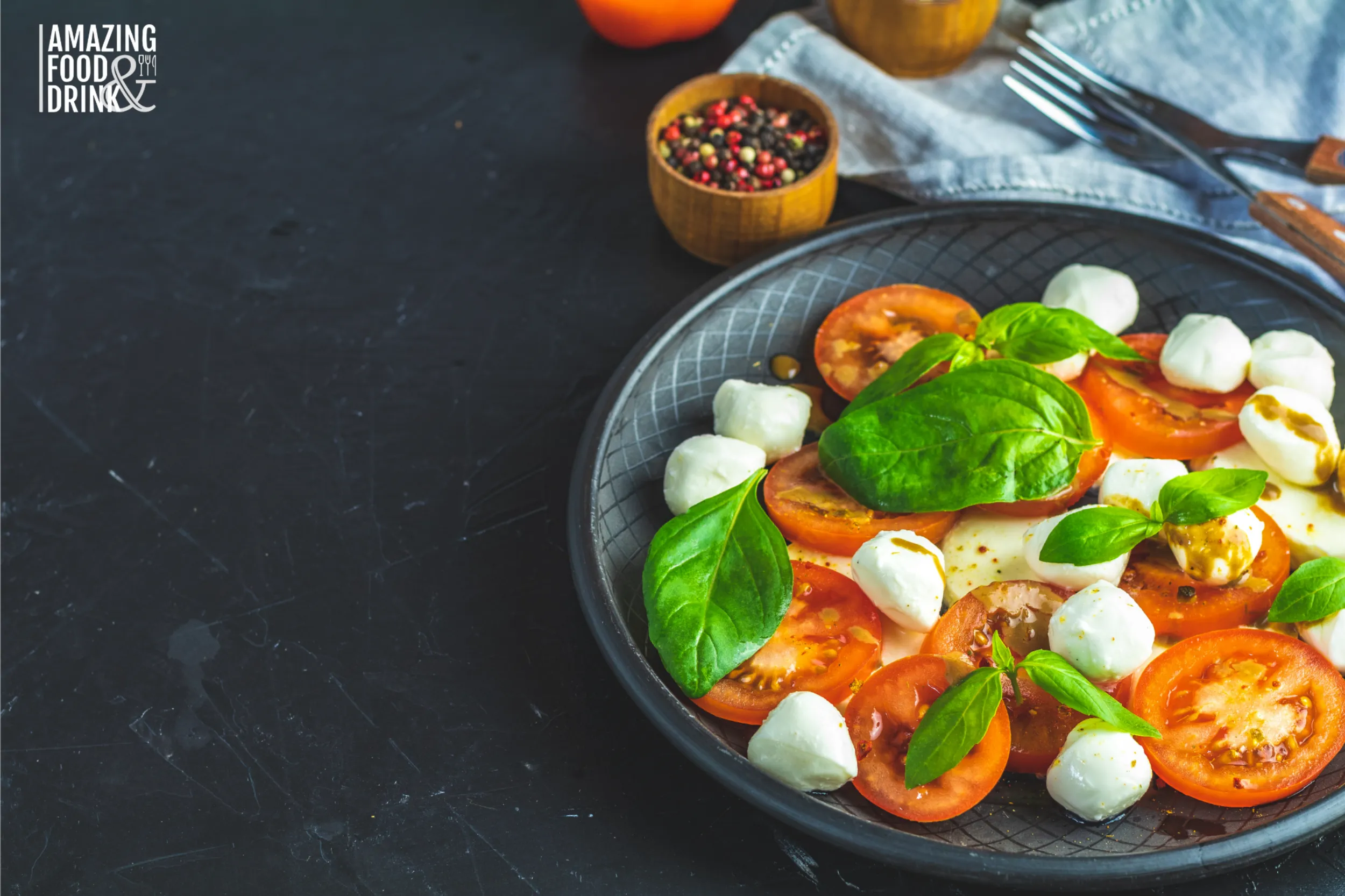
7. Fresh and Flavourful: Caprese Salad
Caprese Salad
Caprese salad is a celebration of ripe tomatoes, fresh mozzarella cheese, and vibrant basil leaves, all brought to life with a drizzle of olive oil and a sprinkle of salt. The key to mastering this dish lies in picking the best possible ingredients. Look for tomatoes that are ripe, juicy, and full of flavour—heirloom varieties or vine-ripened tomatoes are excellent choices.
Arranging your Caprese salad is all about highlighting these quality ingredients. Slice the tomatoes and mozzarella and layer them on a platter, alternating between the two and tucking whole basil leaves in between. Finish with a generous drizzle of extra-virgin olive oil and salt, and you’re ready to serve.
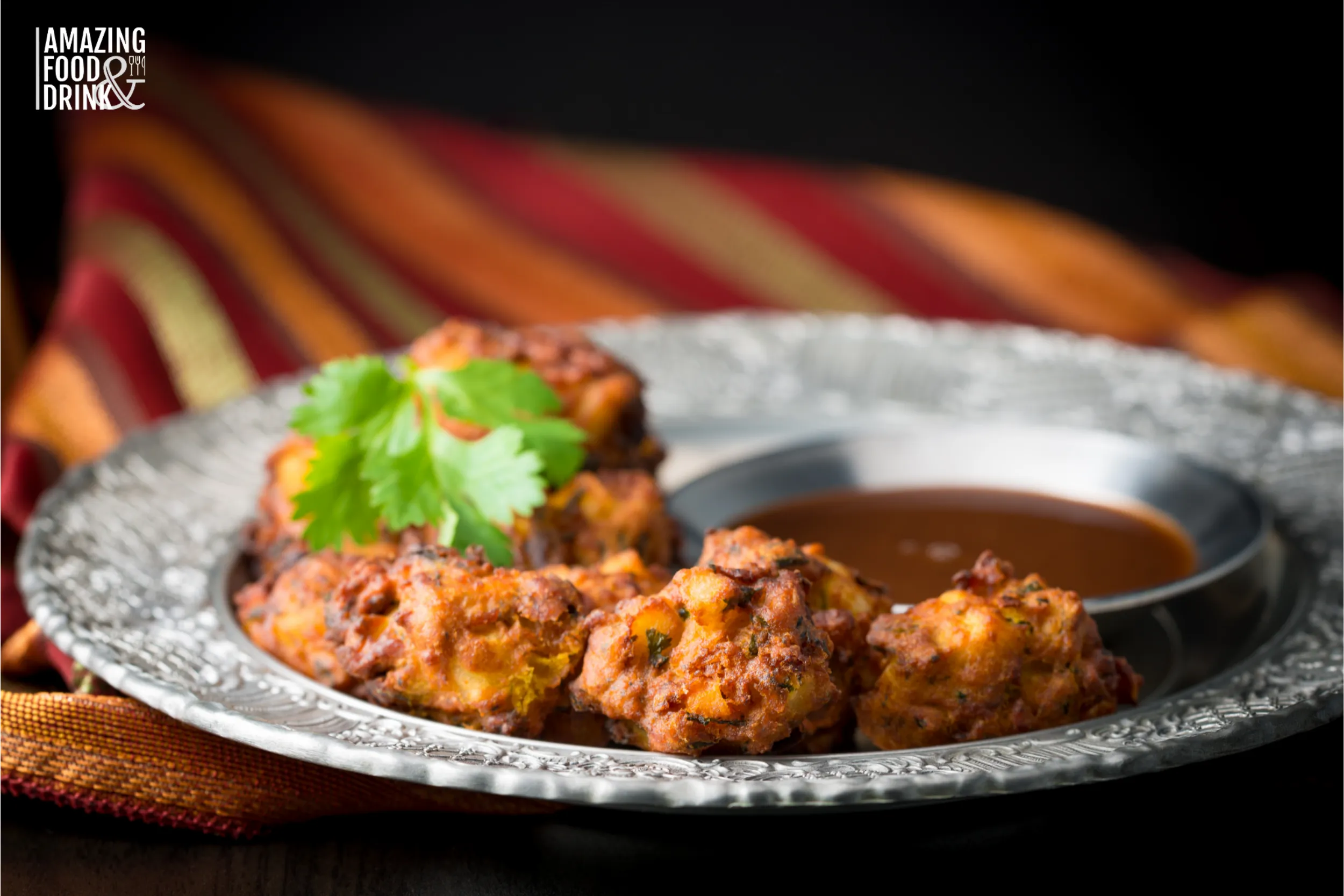
8. Indian Street Food: Pakoras
Pakoras
Pakoras is one of the tastiest appetisers you can try in India. A basic vegetable pakora recipe involves a medley of sliced onions, potatoes, spinach, and paneer, all dunked in a spiced chickpea flour batter and deep-fried until golden and crunchy. The chickpea flour creates a light, crispy coating while the vegetables inside steam to perfection, creating a delightful contrast in textures.
However, the beauty of pakoras lies in their versatility. You can experiment with ingredients like cauliflower, chilli peppers, or even fish, adapting the recipe to suit your taste buds and the ingredients you have on hand. Just ensure your batter is well-spiced, with a hint of red chilli powder, turmeric, and garam masala, and you’re guaranteed a delicious, satisfying treat.
9. Dim Sum Delicacies: A Variety of Bites
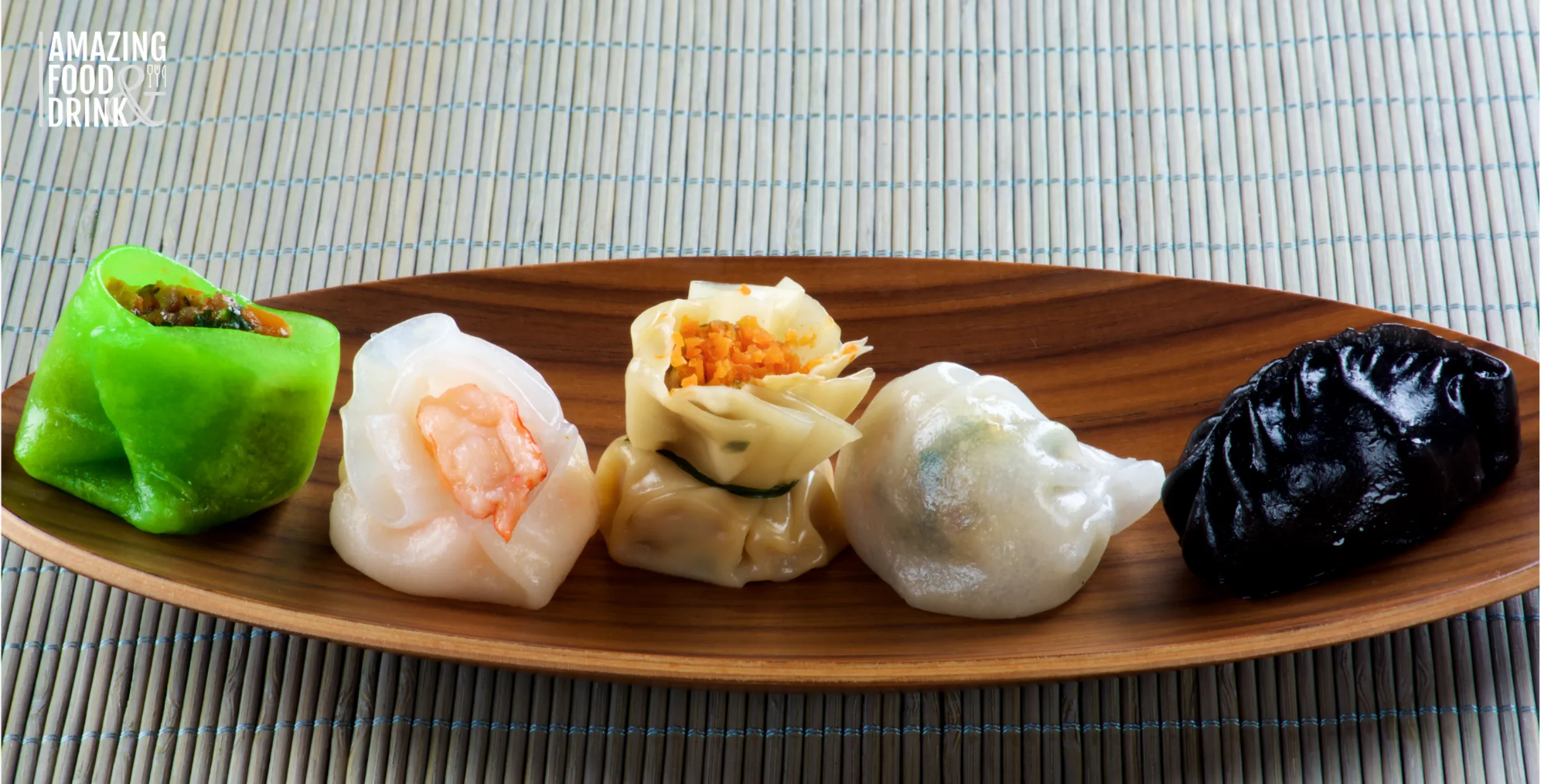
Dim Sum
Dim Sum is one of the tastiest appetisers originating from China. It is more than just food; it’s a social experience, a feast for the senses, with steaming baskets filled with an assortment of dumplings, buns, and rolls. Dumplings, perhaps the most iconic of the lot, come in various shapes and sizes, each meticulously crafted and filled with ingredients ranging from succulent shrimp to flavourful pork and vegetables.
The translucent wrappers of har gow give you a tantalising glimpse of the goodness inside, while the wrinkles of a xiao long bao hold in a burst of savoury broth. Buns, another beloved dim sum item, are soft, fluffy pillows of deliciousness. Char siu bao, filled with sweet and savoury barbecued pork, is a classic favourite, but don’t overlook the custard buns, with their sweet, creamy centre providing a delightful contrast to the savoury options on the table.
10. A Sophisticated Start: Shrimp Cocktail
Shrimp Cocktail
Shrimp cocktail has a knack for capturing attention, with its plump, chilled shrimp elegantly hanging around the rim of a glass or displayed on a platter, ready to be dunked into the zesty cocktail sauce awaiting below. It’s a dish that’s as visually appealing as it is delicious, and its popularity only seems to grow with each passing year.
Creating a shrimp cocktail at home doesn’t require chef-level skills, but it does call for attention to detail. Start by choosing large, fresh shrimp. Boil them with a touch of lemon and bay leaves until they are just cooked through, then submerge them in ice water to cool and ensure they stay crisp and juicy.
The cocktail sauce, a vital component, is a breeze to whip up. All you need is ketchup, horseradish, a squeeze of fresh lemon juice, and some Worcestershire sauce. Mix these together, and you’ve got a homemade sauce that’s tangy, spicy, and the perfect complement to your shrimp.
We’ve navigated through a realm of flavours, unearthing some of the tastiest appetisers from various corners of the globe. Each bite-sized delight carries a story, promising to bring your dining experience to the next level and leave a lasting impression on your palate. Happy feasting, and enjoy these culinary treasures!


 Marwa Alaa
 Esraa Ali