Sweet Potato Fries Dip

Sweet Potato Fries Dip Recipe: Global Flavours

Author Avatar

Updated on January 17, 2026

Reviewed by Salma Ihab

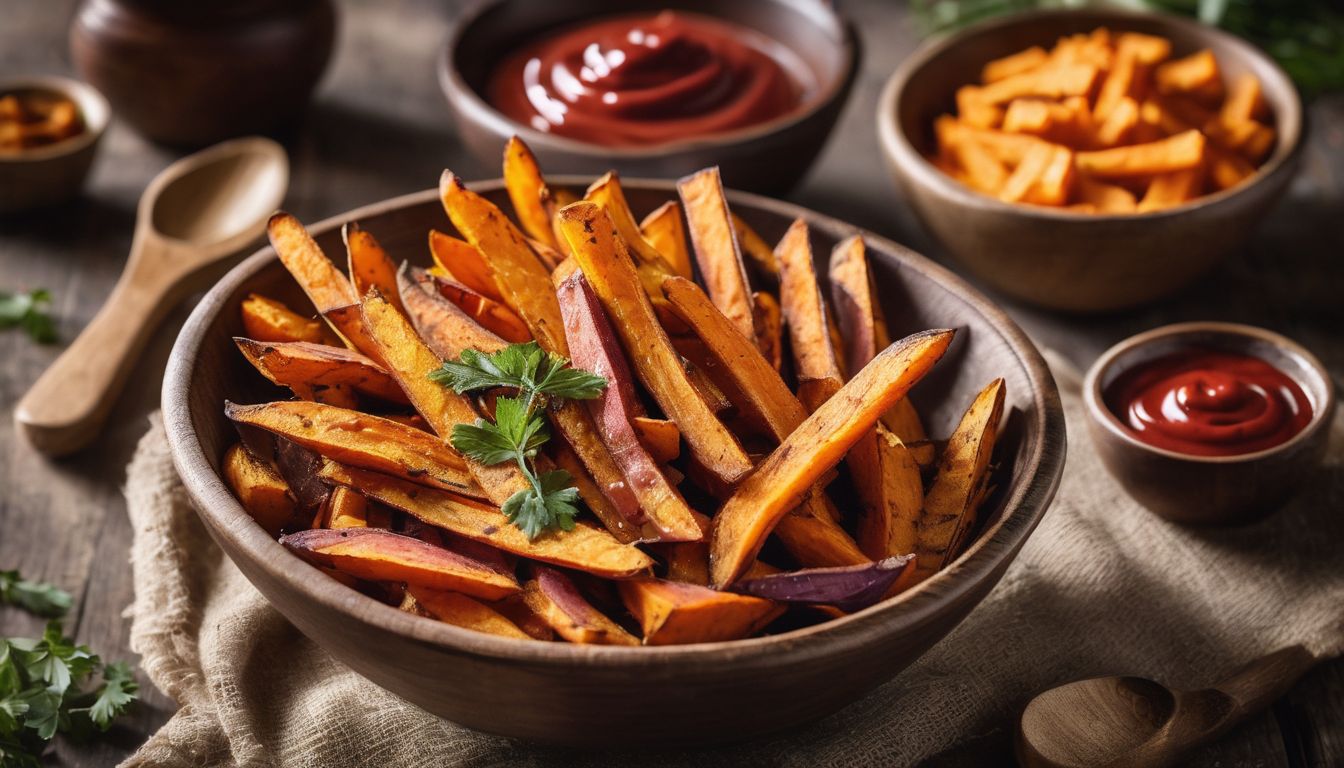
Sweet potato fries dip transforms a simple snack into a culinary experience. There is a singular, golden moment when a perfectly roasted sweet potato fry edges charred and caramelised, interior soft as velvet, meets its culinary match. Yet all too often, this moment is squandered on a dollop of standard ketchup or uninspired mayonnaise. Whilst the humble potato fry is a blank canvas, the sweet potato is a complex protagonist demanding a partner that can dance with its natural sugars whilst providing the necessary friction of acidity, salt, and heat.

Sweet potato fries deserve dips as delicious and unique as they are. These recipes go beyond basic ketchup, offering options that balance creamy, tangy, and slightly spicy elements made with simple ingredients like mayo, fresh lime juice, and chipotle powder. At Amazing Food & Drink, we believe a dip is more than a sidekick; it’s a cultural bridge connecting Southern US soul food traditions to Filipino-inspired citrus-soy blends, from Korean gochujang to Mediterranean whipped feta.

In this guide, we explore the science of flavour pairing and provide tested, chef-level recipes that will redefine your appreciation for this vibrant tuber.

The Science of Pairing: Why Sweet Potatoes Need Specific Balance

To understand why sweet potato fries require more thought than standard fry sauces, one must examine the chemistry of the vegetable itself. Unlike the starchy, neutral Russet potato, sweet potatoes (specifically popular Beauregard or Jewel varieties) pack natural sugars that intensify during cooking.

When you roast or fry sweet potatoes, maltose and sucrose caramelise, creating a signature sweetness. Pairing this with sugary dips like standard BBQ sauce results in cloying, one-dimensional flavours. To achieve culinary equilibrium, you must introduce acidity and heat.

Balancing Sugars: The Role of Acidity and Heat

The science behind pairing sweet potatoes with the right dip is surprisingly straightforward once you understand these two essential flavour components.

  • Acidity: Ingredients like lime juice, apple cider vinegar, or fermented brine (from capers or pickles) act as brighteners. They cut through starch density and refresh the palate between bites.
  • Heat: Capsaicin found in chillies reacts beautifully with the potato’s natural sweetness. This is why spicy Sriracha or smoky chipotle proves such a popular choice. Heat provides a counterpoint, preventing sweetness from overwhelming.

Texture Matters: Matching Dip to Fry Cut

The texture of your dip should be dictated by the cut of your fry:

  • Shoestring Fries: These require lighter, zesty dips (like vinaigrette-style herb oil) so as not to overwhelm delicate crunch.
  • Chunky Wedges: These can support “heavy” dips. Think whipped feta, thick Greek yoghurt bases, or dense, authentic Southern remoulade.
  • Air-Fried Fries: Because air-frying uses less oil, fries can sometimes feel drier on the palate. High-fat, creamy dips (avocado or mayo-based) are essential here to provide the mouthfeel that deep-frying usually contributes.

Chef’s Tip: Always salt your fries immediately after they leave the heat, but keep your dip slightly under-salted. This allows seasoning on the fry to pop without making the overall experience too briny.

A World of Flavour: Regional Dip Profiles

Sweet Potato Fries Dip

Every culinary tradition has developed its own approach to balancing starchy, sweet foods with complementary sauces. What works in Louisiana’s humid kitchens differs from Manila’s street food stalls or Seoul’s bustling restaurants.

These regional dipping traditions aren’t arbitrary; they’ve evolved over generations to address specific flavour profiles, available ingredients, and cultural preferences. Understanding these approaches gives you a toolkit for creating dips that work not just technically, but culturally.

The American South: Cajun Remoulade and Honey-Mustard Roots

The Louisiana tradition of remoulade, a complex sauce featuring horseradish, capers, and Creole mustard, offers the perfect counterpoint to sweet potato’s natural sugars. Unlike French remoulade’s mayonnaise base, authentic Cajun versions incorporate paprika and cayenne, creating a sauce that’s simultaneously cooling and fiery.

Honey mustard, whilst now ubiquitous, has its roots in Southern cooking, where local honey was whisked with stone-ground mustard to accompany game meats. When applied to sweet potato fries, this combination creates a sweet-tangy dance that celebrates the tuber’s natural character whilst adding depth.

The Southeast Asian Influence: Calamansi, Soy, and Filipino Innovation

In the Philippines and across Southeast Asia, the balance of asim (sour) and alat (salty) is a cornerstone of culinary identity. Whilst Western palates often reach for lemon, the use of calamansi, a small, incredibly potent citrus hybrid, offers floral acidity that lemon lacks.

When whisked into a base of high-quality mayonnaise with a drop of dark soy sauce and toasted garlic, it creates a dip that transforms sweet potato’s earthiness to something truly sophisticated. Filipino street food vendors have long paired sweet potato fritters (kamote cue) with vinegar-based dips, understanding intuitively what food science now confirms: acidity balances starch.

East Asian Excellence: Miso-Maple and Gochujang Mayo

Japanese miso paste, with its fermented umami depth, creates an unexpected harmony with maple syrup. This combination mirrors the traditional Japanese appreciation for balancing amai (sweet) and shoppai (salty). When thinned with rice vinegar and sesame oil, this dip offers complexity that standard sauces cannot match.

Korean gochujang, a fermented red chilli paste, brings not just heat but also a subtle sweetness from glutinous rice. Mixed into mayonnaise with a touch of rice vinegar and toasted sesame seeds, it creates a dip that’s both familiar and excitingly different.

Mediterranean Vibrancy: Whipped Feta, Za’atar Oil, and Garlic Toum

Mediterranean dipping traditions offer lighter, brighter alternatives to cream-based sauces. Whipped feta, beaten with olive oil and lemon until cloud-like, provides tangy richness without mayonnaise’s heaviness. The Greek tradition of pairing starchy foods with sharp cheese finds perfect expression here.

Lebanese toum, an intense garlic emulsion, might seem aggressive, but its sharp bite cuts through sweet potato’s natural sugars with surgical precision. When made properly (with nothing but garlic, oil, lemon juice, and salt), it’s a masterclass in minimalist cooking.

The Hero Recipes: Signature Dips You Must Try

Whether you’re craving the smoky heat of Mexican chipotle, the umami depth of Japanese miso, or the bright acidity of Filipino calamansi, these recipes deliver restaurant-quality results with home kitchen simplicity. Start with any of these, and you’ll never settle for plain ketchup again.

Recipe 1: Smoky Chipotle and Chilli Powder Mayo

Sweet Potato Fries Dip

This dip is quick to whisk together in less than a minute. You won’t believe how tasty this combination is. Mayonnaise and chilli sauce make a perfect match.

Prep Time: 2 minutes | Rest Time: 30 minutes | Servings: 4-6

Ingredients:

  • 150g mayonnaise
  • 2 tablespoons chilli sauce
  • 1 teaspoon smoked paprika
  • 1 chipotle pepper in adobo sauce, finely minced
  • 1/2 teaspoon hot chilli powder
  • 1 tablespoon fresh lime juice
  • Pinch of sea salt

Instructions:

  1. Combine all ingredients in a mixing bowl
  2. Whisk vigorously until fully incorporated
  3. Rest for at least 30 minutes before serving to let flavours develop
  4. Adjust the heat level to taste by adding more chilli sauce

This smoky chipotle and chilli powder mayo combo gives your fries a fiery kick balanced by the mayo’s creamy base, making it just perfect. The spicy mayo is an easy-to-make dipping condiment at home that’s handy when you want something quick yet tasty with crispy sweet potato fries.

Variation: Add 1 tablespoon pickle juice, extra paprika, and black pepper for an even more complex flavour profile that takes the dip from excellent to outstanding.

Recipe 2: Whipped Miso-Tahini (Vegan Umami Bomb)

Sweet Potato Fries Dip

This plant-based dip delivers incredible depth without any animal products. The combination of fermented miso and nutty tahini creates a sauce that’s both familiar and excitingly different.

Prep Time: 5 minutes | Chill Time: 1 hour | Servings: 6-8

Ingredients:

  • 3 tablespoons white or yellow miso paste
  • 4 tablespoons tahini
  • 2 tablespoons maple syrup
  • 3 tablespoons rice vinegar
  • 1 tablespoon sesame oil
  • 2 tablespoons warm water (to thin)
  • 1 teaspoon grated fresh ginger
  • 1 clove garlic, minced

Instructions:

  1. Combine miso, tahini, and maple syrup in a bowl
  2. Whisk until smooth, gradually adding rice vinegar
  3. Drizzle in sesame oil whilst continuing to whisk
  4. Add warm water tablespoon by tablespoon until the desired consistency is reached
  5. Stir in grated ginger and minced garlic
  6. Refrigerate for 1 hour before serving

Storage: Keeps refrigerated for up to 5 days in an airtight container.

Recipe 3: Spicy Calamansi and Garlic (Filipino-Inspired Tang)

Sweet Potato Fries Dip

In the Philippines, the balance of sour and salty is fundamental to cooking. This dip brings that traditional wisdom to your sweet potato fries.

Prep Time: 8 minutes | Rest Time: 20 minutes | Servings: 4

Ingredients:

  • 120g mayonnaise
  • 3 tablespoons calamansi juice (or substitute with 2 tablespoons lime juice + 1 tablespoon lemon juice)
  • 1 tablespoon dark soy sauce
  • 4 cloves garlic, minced and toasted
  • 1/2 teaspoon white pepper
  • 1 teaspoon honey
  • Pinch of sea salt

Instructions for Garlic Toasting:

  1. Heat a dry pan over medium heat
  2. Add minced garlic and toast, stirring constantly, until golden (about 2-3 minutes)
  3. Remove immediately and cool before mixing

Dip Assembly:

  1. Combine mayonnaise, calamansi juice, and soy sauce
  2. Fold in cooled toasted garlic
  3. Add white pepper and honey
  4. Taste and adjust seasoning
  5. Let rest 20 minutes for flavours to meld

The garlic-toasting technique ensures your dip has crunch without bitterness, delivering a sophisticated flavour that showcases authentic Southeast Asian cooking principles.

Recipe 4: Hot Honey and Bourbon Mustard (Southern Sweet-Heat)

Sweet Potato Fries Dip

This sauce celebrates the American South’s love affair with sweet and spicy flavours.

Prep Time: 3 minutes | Rest Time: 15 minutes | Servings: 4-6

Ingredients:

  • 4 tablespoons Dijon mustard
  • 3 tablespoons honey
  • 1 tablespoon bourbon whiskey
  • 1 teaspoon hot sauce (preferably Louisiana-style)
  • 1/2 teaspoon smoked paprika
  • 2 tablespoons apple cider vinegar
  • Pinch of cayenne pepper

Instructions:

  1. Whisk together Dijon mustard and honey until smooth
  2. Add bourbon and whisk to incorporate
  3. Stir in hot sauce, smoked paprika, and apple cider vinegar
  4. Add cayenne pepper to taste
  5. Allow to sit at room temperature for 15 minutes before serving

This honey mustard dip recipe is simple and easy to make, resulting in a rich and creamy sauce that complements the sweetness of sweet potato fries whilst adding an extra burst of flavour.

Recipe 5: Avocado and Wasabi Crema (Modern Fusion)

Sweet Potato Fries Dip

This contemporary dip combines Mexican crema traditions with Japanese heat for a truly international flavour profile.

Prep Time: 5 minutes | Servings: 4-5

Ingredients:

  • 1 ripe avocado
  • 100g sour cream or Greek yoghurt
  • 1 teaspoon wasabi paste (adjust to taste)
  • 2 tablespoons lime juice
  • 1 tablespoon olive oil
  • 2 tablespoons fresh coriander, chopped
  • 1/4 teaspoon sea salt
  • 2 tablespoons water (to thin if needed)

Instructions:

  1. Scoop avocado into a bowl and mash until smooth
  2. Add sour cream or yoghurt and mix thoroughly
  3. Carefully fold in wasabi paste (start with 1/2 teaspoon and build)
  4. Add lime juice, olive oil, and salt
  5. Stir in fresh coriander
  6. Add water tablespoon by tablespoon if the consistency is too thick
  7. Serve immediately or cover the surface with cling film to prevent browning

Best served: Within 2 hours of making for optimal colour and freshness.

The Technical Guide: Mastering Dip Consistency and Fry Pairing

Even the most flavourful dip fails if it’s too thin and slides off your fries, or too thick and creates a paste-like coating. Professional kitchens understand that dip consistency is as important as flavour, it affects mouthfeel, how much it clings to each fry, and whether your perfectly crisp exterior stays crispy or turns soggy. These technical considerations separate amateur results from restaurant-quality dipping experiences. Master these fundamentals, and you’ll elevate every dip you make.

How to Prevent “Soggy Fry Syndrome”

The death of a perfect fry is moisture. When dips are too thin or contain too much liquid, they quickly saturate the fry’s exterior, destroying the crisp texture you worked hard to achieve.

The Solution: The “Cling Factor”

Professional chefs assess dip quality by its “cling factor”, how well it adheres to food without sliding off. For sweet potato fries, aim for a dip consistency slightly thicker than double cream. When you drag a fry through properly-made dip, it should coat the surface with a thin, even layer that stays put.

Thickening Techniques:

  • For mayo-based dips: Add a teaspoon of Dijon mustard (acts as an emulsifier)
  • For yoghurt-based dips: Strain through muslin for 30 minutes to remove excess whey
  • For oil-based dips: Whisk in a tablespoon of tahini or nut butter
  • Emergency fix: A pinch of xanthan gum (1/8 teaspoon per 100ml) will thicken without altering taste

Temperature Play: Should Dips Be Served Cold or Room Temperature?

The answer depends on your dip’s base and the temperature of your fries.

  • Cold Dips (Straight from the Refrigerator): Best for: High-fat dips like aioli, mayo-based sauces, and cream cheese-based dips. Why: The temperature contrast between hot fries and cold dip creates a pleasant sensory experience. Cold temperature also helps the dip maintain its structure.
  • Room Temperature Dips: Best for: Nut-based dips (tahini, almond butter), oil-based sauces (toum, herb oils). Why: Fats remain fluid and spread more easily. Flavours are more pronounced at room temperature.
  • Warm Dips: Best for: Cheese sauces, caramelised onion dips, hot honey butter. Why: Maintains viscosity whilst allowing flavours to bloom.
  • Chef’s Rule: Remove cold dips from the refrigerator 10-15 minutes before serving to take the chill off without compromising food safety.

Tips for Choosing the Perfect Dip

  • Consider the flavour profile: Choose a dip that complements the sweetness of sweet potatoes rather than competing with it. Acidic and spicy elements work better than additional sweetness.
  • Pay attention to dietary needs: If you or guests have dietary restrictions, choose suitable dips from our vegan, keto, or allergen-free options above.
  • Rest the dip: Let dips sit for at least 30 minutes before serving to allow flavours to develop and meld together. This single step dramatically improves taste.

Dietary Adaptations: No Guest Left Behind

Sweet Potato Fries Dip

Whether you’re avoiding animal products, managing allergens, or following specific nutritional protocols, these adaptations prove that inclusive cooking can be as delicious as it is considerate. Here’s how to create dips that everyone can enjoy without compromise.

Vegan Foundations: Beyond Store-Bought Vegan Mayo

Whilst commercial vegan mayonnaise has improved dramatically, making your own gives you control over flavour and consistency.

Aquafaba Mayo (Chickpea Water Base): The liquid from tinned chickpeas contains proteins that emulsify just like egg yolks.

Ingredients:

  • 60ml aquafaba (liquid from 1 tin of chickpeas)
  • 1 teaspoon Dijon mustard
  • 1 tablespoon lemon juice
  • 1/4 teaspoon salt
  • 240ml neutral oil (sunflower or light olive oil)

Instructions:

  1. Combine aquafaba, mustard, lemon juice, and salt in a tall, narrow container
  2. Using an immersion blender, blend on high for 30 seconds
  3. With the blender running, slowly drizzle in oil in a thin, steady stream
  4. Continue blending until thick and creamy (about 2-3 minutes total)
  5. Refrigerate for at least 1 hour before using

Silken Tofu Base (High-Protein, Low-Fat Option):

Ingredients:

  • 200g silken tofu
  • 2 tablespoons lemon juice
  • 1 tablespoon apple cider vinegar
  • 1 teaspoon Dijon mustard
  • 1/2 teaspoon salt
  • 1 tablespoon nutritional yeast (for umami depth)

Instructions:

  1. Drain tofu and pat dry with a kitchen towel
  2. Add all ingredients to a food processor
  3. Blend on high until completely smooth (about 2 minutes)
  4. Scrape down sides and blend again
  5. Adjust seasoning to taste
  6. Refrigerate for 30 minutes before serving

This base works brilliantly for ranch-style dips, garlic aioli, or as a foundation for any creamy sauce.

Keto and Low-Sugar Alternatives for Sweet Potato Pairings

Sweet potatoes are naturally higher in carbohydrates, but when enjoyed in moderation on a low-carb diet, they need keto-friendly dips to keep the meal balanced.

Keto-Friendly Dip Principles:

  • Use full-fat dairy (sour cream, cream cheese, Greek yoghurt)
  • Avoid honey, maple syrup, or sugar-based sweeteners
  • Replace with erythritol or monk fruit sweetener where sweetness is needed
  • Focus on fat content to increase satiety

Keto Blue Cheese Dip:

  • 100g cream cheese, softened
  • 80g sour cream
  • 60g crumbled blue cheese
  • 1 tablespoon lemon juice
  • 1 clove garlic, minced
  • Salt and pepper to taste

Avocado Lime Crema (Keto-Friendly):

  • 1 ripe avocado
  • 120g full-fat sour cream
  • Juice of 1 lime
  • 1/4 teaspoon sea salt
  • 1/4 teaspoon cumin
  • 2 tablespoons fresh coriander

Allergen-Friendly Options

Navigating food allergies requires more than simple ingredient swaps; it demands understanding how different components function in a recipe. Fortunately, many traditional allergens in dips (dairy, nuts, gluten) can be replaced with alternatives that maintain the texture and flavour you’re after. The key is knowing which substitutes work best for specific applications and how to adjust techniques accordingly.

Dairy-Free Creamy Dips: Replace dairy with:

  • Coconut cream (from refrigerated tinned coconut milk)
  • Cashew cream (soaked cashews blended with water)
  • Oat cream (increasingly available commercially)

Nut-Free Alternatives: If tahini or nut butters are problematic:

  • Use sunflower seed butter
  • Try hemp seed butter for an omega-3 boost
  • Pumpkin seed butter offers a similar texture

Gluten-Free Considerations: Most dips are naturally gluten-free, but watch for:

  • Soy sauce (use tamari instead)
  • Worcestershire sauce (check labels for gluten-free versions)
  • Pre-made spice blends (may contain wheat as an anti-caking agent)

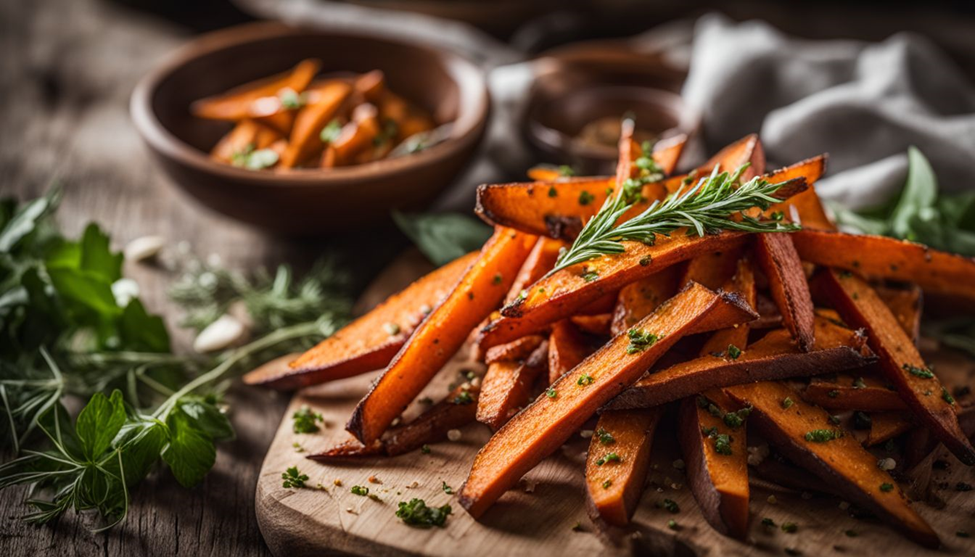
Sweet Potato Fries Recipe: The Perfect Canvas

Sweet Potato Fries Dip

To make delicious sweet potato fries worthy of these spectacular dips, proper preparation is essential.

Prep Time: 10 minutes | Cook Time: 25 minutes | Servings: 4

Ingredients:

  • 800g sweet potatoes (about 3 medium)
  • 3 tablespoons olive oil or avocado oil
  • 1 teaspoon sea salt
  • 1/2 teaspoon black pepper
  • 1 teaspoon smoked paprika (optional)
  • 1/2 teaspoon garlic powder (optional)

Instructions:

  1. Preheat oven to 220°C (425°F). Line two baking sheets with parchment paper.
  2. Peel sweet potatoes (or leave skin on for extra nutrients and texture) and cut into long, thin strips approximately 0.5cm thick. Try to keep the sizes uniform for even cooking.
  3. Place cut fries in a large bowl and toss with olive oil until evenly coated.
  4. Sprinkle with salt, pepper, and any additional seasonings. Toss again to distribute evenly.
  5. Arrange fries in a single layer on prepared baking sheets, ensuring they don’t overlap. Crowding leads to steaming rather than crisping.
  6. Bake for 20-25 minutes, flipping halfway through, until fries are crispy and golden brown with caramelised edges.
  7. Remove from oven and season immediately with additional salt whilst hot.
  8. Serve immediately with your chosen dips.

Chef’s Tips:

  • Soaking cut fries in cold water for 30 minutes before cooking removes excess starch, resulting in crispier fries
  • Pat fries completely dry before tossing with oil
  • Don’t overcrowd the baking sheet. Air circulation is essential for crispiness
  • For extra crispy fries, turn on the grill for the last 2-3 minutes of cooking

Seasonal and Cultural Context

Understanding when and why certain dishes are traditionally enjoyed enriches your cooking beyond mere recipe execution. Sweet potatoes and their accompaniments carry cultural significance across different regions, tied to harvest cycles, festivals, and culinary traditions that have evolved over centuries. This context not only deepens your appreciation but also guides you towards more authentic ingredient choices and preparation methods that honour these traditions.

Traditional Preparations and Regional Variations

Sweet potatoes have been cultivated for over 5,000 years, with different cultures developing unique preparation methods and accompaniments.

North American Traditions: In the Southern United States, sweet potatoes are often paired with pork dishes, where the natural sweetness balances the meat’s richness. Traditional accompaniments include remoulade-style sauces that cut through both the pork fat and potato starch.

Southeast Asian Street Food: In the Philippines, kamote (sweet potato) is a street food staple, often served with spiced vinegar dips. Thai vendors pair sweet potato fritters with sweet chilli sauce tempered with fish sauce and lime.

Japanese Autumn Celebrations: In Japan, sweet potatoes (satsumaimo) are associated with autumn. Street vendors sell them roasted with nothing but their natural sweetness, though modern izakayas pair sweet potato fries with miso-based dips.

Seasonal Availability and Ingredient Sourcing

Peak Season: Sweet potatoes are typically harvested in autumn (September through November in the Northern Hemisphere) but store well, making them available year-round.

Ingredient Seasonality:

  • Autumn/Winter: Perfect for warming spice-based dips (cinnamon, smoked paprika)
  • Spring/Summer: Lighter, herb-forward dips work well (coriander-lime, basil aioli)
  • Year-Round: Fermented ingredients (miso, gochujang) are seasonally stable

Sourcing Authentic Ingredients:

  • Calamansi juice: Available in Filipino grocery stores, or substitute with half lime, half lemon juice
  • Gochujang: Look for naturally fermented versions with minimal added sugar
  • Chipotle in adobo: Mexican grocery stores or international sections of supermarkets
  • Quality miso: Seek out unpasteurised versions from Japanese markets for maximum flavour

The way we approach sweet potato dips continues to evolve, reflecting broader shifts in dietary preferences, sustainability concerns, and cross-cultural culinary exchange. Here are the most significant developments shaping contemporary dip-making.

Current Developments:

  • Plant-based dips are moving beyond simple substitutions to sophisticated flavour profiles using fermented ingredients
  • Zero-waste cooking encourages using sweet potato cooking liquid in dip bases
  • Fusion dips combining multiple culinary traditions (e.g., miso-tahini-maple) are gaining popularity

Festival Connections: Sweet potato fries have become staples at food festivals worldwide, particularly:

  • State fairs in the American South
  • Street food festivals across Southeast Asia
  • Vegetarian food festivals globally
  • Modern “chippy” culture in the UK, where sweet potato fries are increasingly replacing traditional chips

Sweet potato fries deserve sophisticated accompaniments that honour their natural complexity. Whilst ketchup has its place, these globally-inspired dips transform a simple snack into a culinary experience. The key is understanding the science of balance, how acidity cuts sweetness, how fat carries flavour, and how heat provides contrast.

Whether you’re drawn to the smoky depth of Southern Cajun remoulade, the bright acidity of Filipino calamansi dips, or the umami richness of Japanese miso-maple, each recipe in this guide has been tested to ensure it complements rather than overwhelms the sweet potato’s natural character.

Start with our hero recipes, experiment with regional variations, and don’t be afraid to combine techniques from different culinary traditions. The best dip for your sweet potato fries is the one that makes you reach for another.

FAQs

1. What makes a good dip for sweet potato fries?

A good sweet potato fries dip balances the natural sweetness of the tuber with acidity (lime juice, vinegar), fat (mayo, yoghurt), and heat (chillies, pepper). The best dips have a “cling factor” thick enough to coat fries without sliding off or making them soggy.

2. Can I make these dips ahead of time?

Most dips improve with age as flavours meld. Mayo-based dips keep for 3-5 days refrigerated. Oil-based dips like toum last up to one week. Avocado-based dips should be made within 2 hours of serving to prevent browning.

3. How do I prevent my sweet potato fries from getting soggy?

Ensure your dips are thick enough (consistency of double cream), don’t oversaturate fries, and serve dips on the side rather than drizzling over fries. Cold dips with hot fries help maintain crispness through temperature contrast.

4. What’s the best vegan alternative to mayonnaise for dips?

Aquafaba mayo (made from chickpea water) provides the closest texture to traditional mayonnaise. Silken tofu creates a protein-rich, lower-fat alternative. Both work brilliantly as bases for flavoured dips.

5. Are these dips suitable for regular potato fries too?

Absolutely. Most of these dips work excellently with regular potato fries, though you may want to adjust the sweetness levels. Regular potatoes have less natural sugar, so slightly sweeter dips work better.

Share with our social media

Leave a Reply

Your email address will not be published. Required fields are marked *