Have you ever found yourself in a pickle trying to attain that ideal, crispy crust on your crab cakes? Well, you’re not alone; we’ve been tucked up in the same boat. Our culinary escapade improved when we stumbled upon the secret weapon of panko breadcrumbs.
This article leads you through an effortlessly simple recipe for baked crab cakes adorned with a crunchy panko exterior – providing a healthier, lip-smacking alternative to frying.
Ready to take your cooking prowess up a notch? Let’s get cracking!
Easy Baked Crab Cakes with Panko
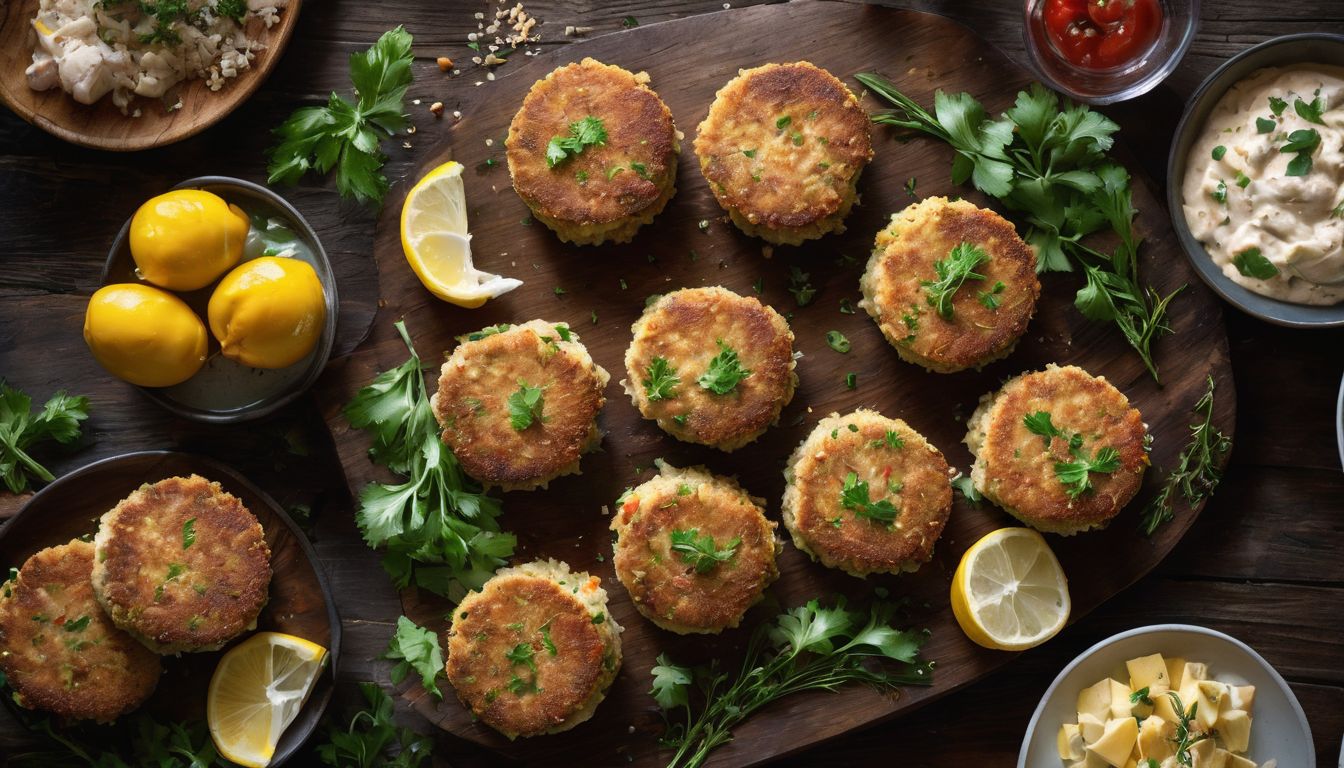
Baked crab cakes with panko breadcrumbs provide a healthier alternative to frying. Panko breadcrumbs create a crispy crust outside the crab cakes while retaining moisture and flavour. Fresh lump crabmeat is the star ingredient in this recipe, along with mayonnaise, egg, Dijon mustard, Worcestershire sauce, hot sauce, scallions, celery, Old Bay seasoning, and roasted pepper. Serve them with tartar sauce or aioli for dipping, and pair them with a salad or sauteed vegetables for a well-rounded meal.
We are sharing the things you need for easy-baked crab cakes with panko. Get these items ready:
Lump crabmeat: This is the star of the dish.
1/3 cup of mayonnaise: It makes the crab cakes moist and tasty.
One large egg: You’ll beat this and add it to your mix.
Two tablespoons of Dijon mustard: This adds a great kick of flavour.
Two teaspoons of Worcestershire sauce: It deepens the taste.
1/2 teaspoon of hot sauce: For a bit of heat!
Scallions: Mince these and toss them in for a fresh crunch.
Panko bread crumbs: They create that crispy crust we all love.
Some recipes include other flavourings, like the Maryland Lump Crab Cakes. These might consist of 1/4 cup of bread crumbs, two teaspoons of seafood seasoning like Old Bay™, one teaspoon each of baking powder and dried parsley.
Directions
Making baked crab cakes with panko is fun. Here is how we do it:
First, mix mayonnaise, egg, Dijon mustard, Worcestershire, and hot sauces in a bowl.
We add salt and pepper for taste.
Then, we stir the fresh crabmeat into this tangy mixture.
We are ready to prepare the cakes with our oven preheated to 375 degrees F (190 degrees C).
Now comes the fun part. We blend breadcrumbs, seafood seasoning, baking powder, parsley, and mustard powder in another dish.
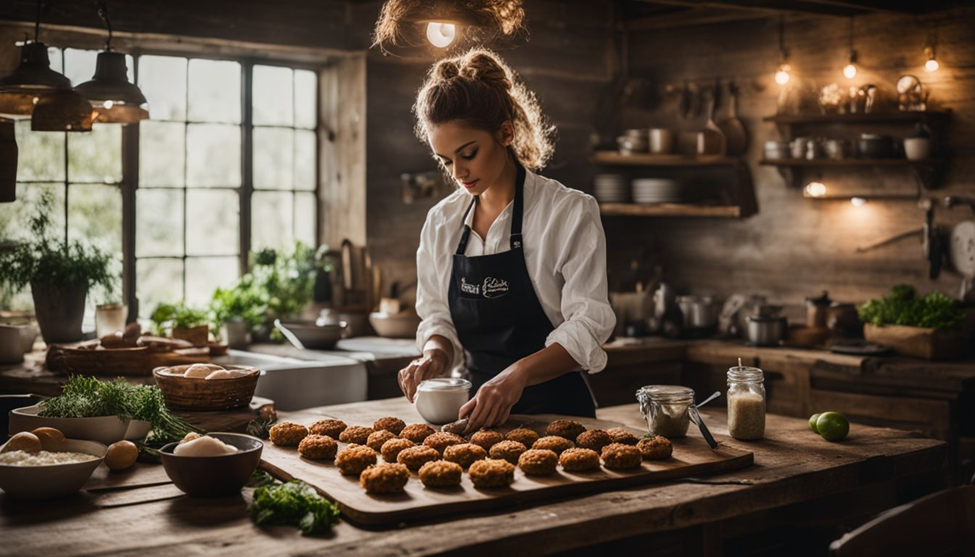
It’s time to shape our cakes. Using our hands, we mould the crab mixture into neat little patties.
The last step before baking involves panko bread crumbs. Coating each crab cake with these crumbs gives them a lovely crispy crust after baking.
Benefits of Baked Crab Cakes
Baking them offers a healthier alternative to frying, as it helps retain moisture and flavour.
A healthier alternative to frying
Baking crab cakes is good for you. Baked Maryland crab cakes are not fried. They have less fat and fewer calories. You don’t need to use oil when you bake them in the oven or air fryer.
It’s a healthy choice if you want to eat non-fried crab cakes.
Retains moisture and flavour
Baking crab cakes lock in the juices and tastes. It’s like a big hug for all the fresh ingredients. We use jumbo lump blue crab meat, full of sweetness. Old Bay is seasoning, too; it gives a nice punch.
Butter adds richness, and mustard brings out zingy notes. These flavours seep into each other during baking. Plus, our homemade lemon mayo has a beautiful tang that shines through without overriding anything else. The moisture stays in, making every bite juicy and flavourful.
Yes, Baking lets all these merry tastes sing together in harmony without getting dry or losing their charm.
Tips for Making Perfect Baked Crab Cakes
To make perfect baked crab cakes, use fresh lump crabmeat and ensure the mix and binding of the ingredients are correctly done. Opt for panko breadcrumbs for a crispy crust that adds texture to your delicious crab cakes.
Use fresh lump crabmeat.
Fresh lump crab meat is the top for crab cakes that taste great. This type of seafood gives dishes a real kick. Maryland crab cakes use it and are famous for their yummy taste. The less filler used in your mix, the more you can enjoy this tasty meat. You could also try jumbo lump crab meat or claw meat.
Even canned versions can work, but drain them well before use. A bit of mayo holds it all together while adding a creamy touch!
Properly mix and bind ingredients.
Mixing and binding the ingredients right gives a perfect crab cake. Start with egg whites; they keep your crab cakes together while baking. Add mayo, Dijon mustard, Worcestershire sauce, Old Bay spice mix, salt, chopped celery and parsley into the bowl.
Blend them well to make a paste that binds the cake. You can also use almond flour instead of bread crumbs for those who cannot eat gluten. Mix everything until it blends well, but only mash the crab meat a little.
Use panko breadcrumbs for a crispy crust.
For the best-baked crab cakes, panko breadcrumbs are our top pick. They bring a super crispy crust to the dish. You see, these crumbs are more significant and crunchier than regular ones. This means they make your cakes extra light and airy, too. The large crumbs help hold your cake together while it cooks.
The outcome? A golden finish that is firm yet not heavy at all. Using panko will surely improve crispiness and give you a fantastic texture. Try it next time; I’m sure you’ll taste the superior crunchiness only panko can offer in baked crab cakes.
Serving Suggestions and Variations
To enhance the flavour of your baked crab cakes, serve them with a tangy tartar sauce or zesty aioli for dipping. These sauces complement the delicate seafood taste perfectly. Pair your crab cakes with a side salad or steamed vegetables for a well-rounded meal to add freshness and nutritional value.
And if you’re feeling adventurous, try adding different seasonings or herbs to create unique flavour variations that impress your guests.
Tartar sauce or aioli for dipping
We love serving our baked crab cakes with either tartar sauce or aioli for dipping. Tartar sauce is the classic choice, adding a creamy and flavorful element to the crab cakes. The homemade tartar sauce recipe we use includes ingredients like mayo, red onion, and capers, which give it a delicious tangy taste.
If you want something with a little kick, try serving your crab cakes with Sriracha aioli instead. It’s spicy and creamy, adding an extra layer of flavour to each bite. Whether you go for tartar sauce or aioli, both options are perfect for enhancing the flavours of the crab cakes and making them even more delicious!
Pair with a salad or sauteed vegetables
We love pairing our baked crab cakes with a fresh side salad or steamed vegetables. It creates a balanced meal and adds freshness to the dish. The crispiness of the crab cakes complements the lightness and crunchiness of the vegetables, creating a perfect combination.
Adding these nutritious sides enhances the overall dining experience, whether with a simple salad or steamed broccoli. So, next time you make baked crab cakes, remember to serve them with a side salad or some delicious steamed veggies!
Add different seasonings or herbs for flavour variations.
One great thing about baked crab cakes is that you can customize the flavour by adding different seasonings or herbs. Here are some options to try:
Thyme: This herb adds a savoury and earthy flavour to the crab cakes.
Dill: Adding dill gives the crab cakes a fresh and slightly tangy taste.
Parsley: Parsley adds a hint of freshness and brightens up the flavours.
Rosemary: Rosemary is an excellent choice for a more intense flavour. It has a pine-like taste that pairs well with seafood.
Sage: Sage adds a warm and slightly peppery flavour to the crab cakes.
Zest: Adding lemon or lime zest can give the crab cakes a refreshing citrus kick.
Conclusion
The baked crab cake recipe with panko breadcrumbs offers a delicious and healthier alternative to frying. Baking the crab cakes retains their moisture and flavour while still having a crispy crust.
You can make these tasty treats at home with simple tips and variations.
FAQs
How do I make baked crab cakes using panko?
To make baked crab cakes with panko, combine crab meat, breadcrumbs (preferably panko), mayonnaise, mustard, Worcestershire sauce, and seasonings in a bowl. Shape the mixture into patties and put them on a baking sheet lined with parchment paper, then in the oven until golden brown and cooked through.
Can I use regular breadcrumbs instead of panko for this recipe?
If you have none, you can substitute regular breadcrumbs for panko in this recipe. However, remember that panko provides a lighter and crispier texture to the crab cakes.
What kind of seasonings can I add to my baked crab cakes?
Common seasonings for baked crab cakes include Old Bay seasoning, parsley, garlic powder or minced garlic, onion powder or diced onion, salt, and black pepper. You can also customize the flavours by adding your favourite herbs or spices.
How long should I bake the crab cakes?
Bake them at 375°F for about 12-15 minutes or until golden brown on top and cooked in the centre.
What options for dipping sauces match these baked crab cakes?
You can serve your baked crab cakes with dipping sauces like tartar, cocktail sauce, remoulade or even a squeeze of lemon juice for freshness.



 Salma Ihab