Imagine sinking your teeth into deliciously juicy meatballs, a symphony of warm spices bursting in your mouth. The rich marinara sauce clings like a red carpet, inviting you to take another bite. That’s the magic of meatballs. They’re a taste of home, a hug in every bite.
So, ditch the dinner rut and get ready to roll up your sleeves (and meatballs)! We’re about to unlock the secrets of crafting the juicy and flavorful orb guaranteed to steal the show on any plate.
We’ll guide you through meaty mixes, explore the alchemy of breadcrumbs and spices, and conquer the mysteries of baking vs. frying. And because good things come in threes (or seven when it comes to meatballs!).
7 Meatballs Recipes for Flavour Exploration
Meatballs Recipes
So, don’t be afraid to roll up your sleeves and get creative! Experiment with ingredients, swap spices, and discover your own signature meatball recipe masterpiece.
Remember, the beauty lies in the journey, not just the destination. Savour the process of mixing, shaping, and cooking, and let the kitchen become your playground.
7 Delish Meatballs Recipes
Meatballs are heaven in a dish, and once you find the perfect meatball recipes, we are sure they will become your go-to because they are both simple to prepare and delicious. Let us explore those unique recipes.
This easy air fryer turkey meatball recipe is simple to follow and requires minimal ingredients, making it perfect for a quick and satisfying weeknight meal.
Ingredients
1 lb ground turkey
1/2 cup breadcrumbs
1/4 cup grated Parmesan cheese
1/4 cup chopped fresh parsley
1 egg
1 teaspoon garlic powder
1/2 teaspoon onion powder
1/2 teaspoon dried oregano
1/4 teaspoon salt
1/4 teaspoon black pepper
Cooking spray
Instructions
Preheat your air fryer to 400°F (200°C).
Combine the ground turkey, breadcrumbs, Parmesan cheese, parsley, egg, garlic powder, onion powder, oregano, salt, and black pepper in a large bowl. Mix well until everything is evenly combined.
Form the mixture into 12-15 meatballs, about 1-inch in diameter.
Lightly coat the air fryer basket with cooking spray.
Place the meatballs in a single layer in the air fryer basket, ensuring they don’t touch.
Air fry for 12-15 minutes or until cooked through and golden brown.
Tips
For even crispier meatballs, spray them lightly with cooking spray halfway through cooking.
You can also bake these meatballs in a preheated oven at 400°F (200°C) for 20-25 minutes or until cooked through.
Serve these meatballs with your favourite dipping sauce, such as marinara sauce, BBQ sauce, or ranch dressing.
They can also be added to pasta, sandwiches, or salads for a hearty and flavorful meal.
Additional recipe variations
Add 1/4 teaspoon of red pepper flakes to the meatball mixture for a spicier kick.
Add 1/2 teaspoon of dried thyme and 1/4 teaspoon of lemon zest to the meatball mixture for a more Mediterranean flavour.
To make these meatballs vegetarian, use 1 cup of cooked lentils or black beans instead of ground turkey.
Healthy Crockpot Lentil Meatballs with Marinara Sauce Recipe
Rockpot meals are a lifesaver for busy weeknights, and these healthy lentil meatballs with marinara sauce are no exception! Packed with protein and fibre, they’re a satisfying and nutritious meal that’s easy to throw together and let your slow cooker do the work.
Ingredients
1 cup dry brown lentils, cooked and drained
1/2 cup rolled oats, ground into flour
1/4 cup chopped onion
1/4 cup chopped bell pepper
2 cloves garlic, minced
1/2 teaspoon dried oregano
1/4 teaspoon dried thyme
1/4 teaspoon salt
1/4 teaspoon black pepper
1 (15-ounce) can diced tomatoes, undrained
1/2 cup vegetable broth
1 tablespoon tomato paste
Instructions
Combine the cooked lentils, ground oats, onion, bell pepper, garlic, oregano, thyme, salt, and pepper in a large bowl. Mix well to combine.
Form the mixture into 12-15 meatballs.
Whisk together the diced tomatoes, vegetable broth, and tomato paste in a separate bowl.
Place the meatballs in the bottom of your crockpot.
Pour the marinara sauce over the meatballs, ensuring they are evenly coated.
Cover and cook on low for 4-6 hours or until the meatballs are cooked through and the sauce is thickened.
Tips
For a heartier meal, serve the meatballs over brown rice or quinoa.
You can also add other vegetables to the meatballs, such as shredded carrots or zucchini.
To make this recipe vegan, use vegan ground sausage or tempeh instead of lentils.
These meatballs can be stored in the refrigerator for up to 3 days or frozen for up to 3 months.
Additional recipe variations
Add 1/4 teaspoon of red pepper flakes to the marinara sauce for a spicier kick.
Add 1/2 teaspoon of honey to the marinara sauce for a sweeter sauce.
To make these meatballs gluten-free, use gluten-free breadcrumbs instead of rolled oats.
Instant Pot One-Pan Cheesy Italian Meatball Recipe
Craving that gooey, cheesy Italian comfort food fix but short on time? Look no further than this Instant Pot One-Pan Cheesy Italian Meatballs recipe! It’s the perfect weeknight meal solution, bursting with flavour and ready in under an hour.
Ingredients
For the Meatballs:
1 lb ground beef
1/2 lb ground pork
1/2 cup breadcrumbs
1/4 cup grated Parmesan cheese
1/4 cup chopped fresh parsley
1 egg
1 teaspoon garlic powder
1/2 teaspoon onion powder
1/2 teaspoon dried oregano
1/4 teaspoon salt
1/4 teaspoon black pepper
For the Sauce:
1 (28-ounce) can crushed tomatoes
1/2 cup beef broth
1 tablespoon brown sugar
1 teaspoon dried basil
1/2 teaspoon dried oregano
1/4 teaspoon red pepper flakes (optional)
1 cup shredded mozzarella cheese
Instructions
In a large bowl, mix all meatball ingredients well until evenly incorporated. Form mixture into 12-15 meatballs.
Add the crushed tomatoes, beef broth, brown sugar, basil, oregano, and red pepper flakes (if using) to the Instant Pot. Gently nestle the meatballs in the sauce.
Secure the lid and close the pressure valve. Set the Instant Pot to Manual/Pressure Cook on High for 5 minutes.
Carefully perform a quick pressure release once the cooking time is complete. Open the lid and set the Instant Pot to Sauté mode. Simmer for 5 minutes to thicken the sauce slightly.
Stir in the mozzarella cheese until melted and bubbly.
Garnish with fresh parsley (optional) and enjoy with your favourite pasta, rice, or crusty bread.
Tips
Add a tablespoon of tomato paste to the sauce for a richer flavour.
You can use frozen meatballs in a pinch and reduce the cooking time to 3 minutes.
Leftovers can be stored in an airtight container in the refrigerator for up to 3 days. Reheat gently in the Instant Pot or on the stovetop.
Oven-Baked Beef Meatballs With Mashed Potatoes Recipe
Oven-baked beef meatballs and creamy mashed potatoes are a match made in culinary heaven. This comfort food classic is easy to prepare, perfect for feeding a crowd, and endlessly customisable.
So grab your aprons and preheat your ovens because we’re about to whip up a feast that will warm your soul!
Ingredients
For the Meatballs:
1 lb ground beef
1/2 cup breadcrumbs
1/4 cup grated Parmesan cheese
1/4 cup chopped onion
1 egg
1 tablespoon ketchup
1 teaspoon Worcestershire sauce
1/2 teaspoon garlic powder
1/2 teaspoon dried oregano
1/4 teaspoon salt
1/4 teaspoon black pepper
For the Mashed Potatoes:
6 medium potatoes, peeled and cubed
1/2 cup milk
1/4 cup butter
1/4 cup sour cream
2 cloves garlic, minced
1/2 teaspoon salt
1/4 teaspoon black pepper
Instructions
Preheat your oven to 400°F (200°C). Line a baking sheet with parchment paper for easy cleanup.
Combine all meatball ingredients in a large bowl until well mixed. Gently form the mixture into 12-15 meatballs.
Place the meatballs on the prepared baking sheet and bake for 20-25 minutes or until cooked through and golden brown.
Boil the Potatoes: Bring a large pot of salted water to a boil while the meatballs are baking. Add the cubed potatoes and cook for 15-20 minutes or until fork-tender.
Drain the potatoes and return them to the pot. Using a potato masher or hand mixer, mash the potatoes until smooth and creamy.
Add the milk, butter, sour cream, garlic, salt, and pepper to the mashed potatoes. Beat until well combined and heated through.
Plate your creamy mashed potatoes and top them with the juicy baked meatballs. Enjoy with a side of gravy or your favourite dipping sauce for a truly satisfying meal.
Tips
Add a dollop of ricotta cheese or pesto to your mashed potatoes for extra flavour.
Get creative with your meatballs! Add chopped vegetables, herbs, or spices like chilli powder or cinnamon for a different twist.
Leftovers can be stored in an airtight container in the refrigerator for up to 3 days. Reheat gently in the oven or on the stovetop.
Greek Lamb Meatball With Tzatziki Sauce Recipe
httpss://www.youtube.com/watch?v=0l_rXJ-CWQI
Transport your taste buds to the sun-drenched shores of Greece with these savoury lamb meatball recipes nestled in a cool, refreshing tzatziki sauce.
This recipe is a symphony of fragrant herbs, bright citrus, and rich, earthy lamb flavours, making it a perfect appetiser, main course, or party platter centrepiece.
Ingredients
For the Meatballs:
1 lb ground lamb
1/2 cup breadcrumbs
1/4 cup chopped fresh parsley
1/4 cup chopped fresh mint
1/4 cup crumbled feta cheese
1 egg, beaten
1 tablespoon olive oil
1 teaspoon dried oregano
1/2 teaspoon garlic powder
1/4 teaspoon salt
1/4 teaspoon black pepper
For the Tzatziki Sauce:
1 cup Greek yogurt
1/2 cucumber, grated and squeezed dry
2 cloves garlic, minced
1 tablespoon fresh dill, chopped
1 tablespoon fresh mint, chopped
1 tablespoon lemon juice
1/4 teaspoon salt
1/4 teaspoon black pepper
Optional:
Pita bread
Chopped tomatoes
Red onion slices
Instructions
In a large bowl, combine all meatball ingredients and mix well until evenly incorporated. Form the mixture into 12-15 small meatballs.
Choose your preferred method:
Pan-frying: Heat olive oil in a skillet over medium heat. Add the meatballs and cook for 5-7 minutes per side or until golden brown and cooked through.
Baking: Preheat oven to 400°F (200°C). Line a baking sheet with parchment paper and arrange the meatballs. Bake for 15-20 minutes, or until cooked through.
Grilling: Preheat the grill to medium heat. Grill the meatballs for 5-7 minutes per side or until cooked through.
In a medium bowl, combine all tzatziki ingredients and mix well. Let the sauce sit for at least 15 minutes to allow the flavours to meld.
Place the cooked meatballs on a platter or individual plates. Top with a dollop of tzatziki sauce and garnish with fresh herbs, chopped tomatoes, and red onion slices if desired. Serve with warm pita bread for scooping up the deliciousness.
Tips
Use a blend of ground lamb and pork for a richer flavour.
If your cucumber is watery, squeeze out as much excess liquid as possible before adding it to the tzatziki sauce.
Add a pinch of cayenne pepper to the meatballs for a spicy kick.
Leftover meatballs and tzatziki sauce can be stored in separate airtight containers in the refrigerator for up to 3 days.
Vegetarian Swedish Meatball With Gravy Recipe
httpss://www.youtube.com/watch?v=CeRkzYbNvgA
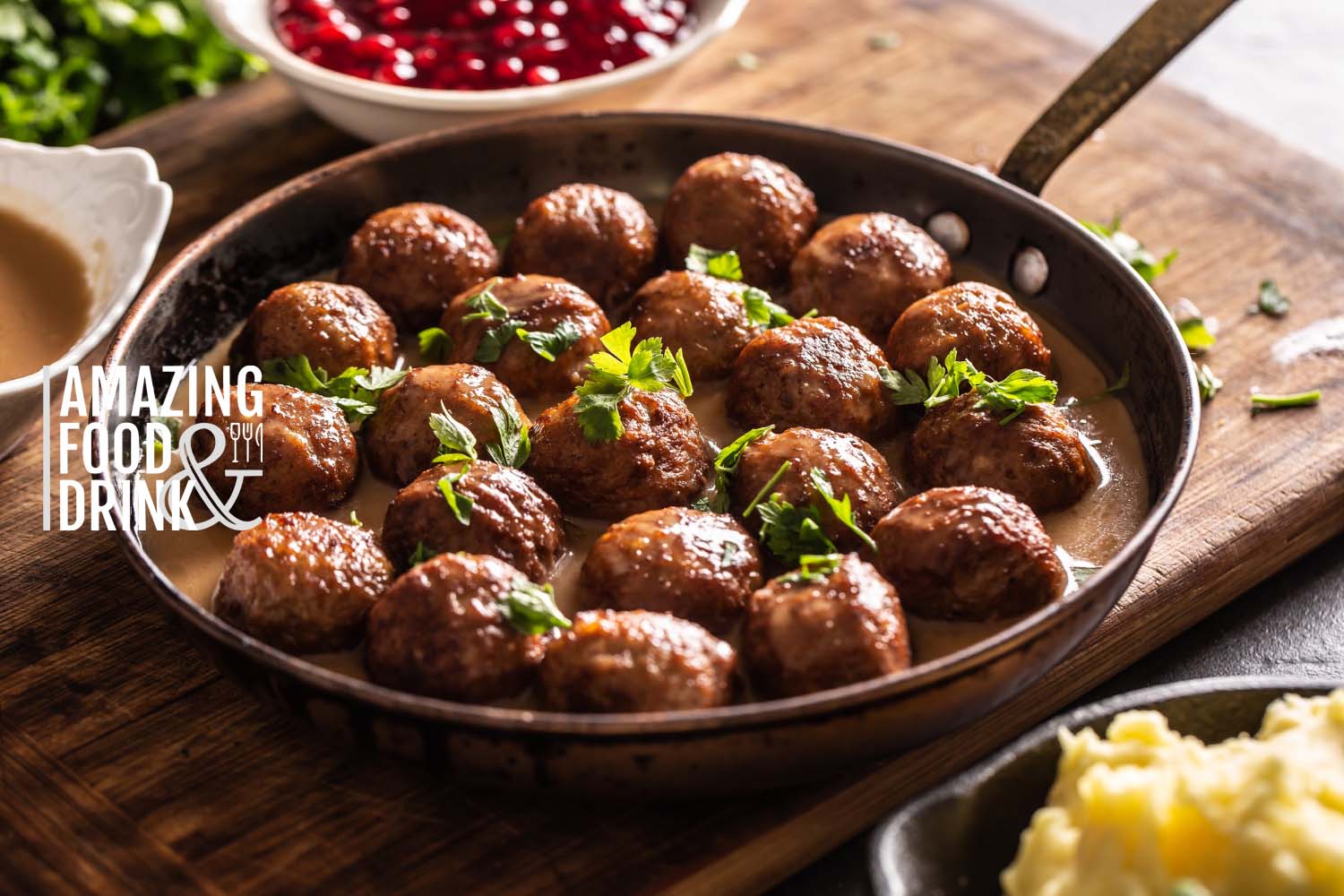
Experience the comforting warmth of Swedish meatballs reinvented with delicious plant-based magic! These vegetarian meatballs capture the essence of the original, boasting savoury flavours and nestled in a creamy, dreamlike gravy.
Perfect for a cosy dinner or a festive holiday spread, this recipe will surprise and delight even the most dedicated carnivores.
Ingredients
For the Meatballs:
1 cup cooked wild rice (brown rice or quinoa works, too)
1 cup chopped mushrooms (cremini or portobello)
1/2 cup finely chopped onion
1/2 cup chopped walnuts or pecans
1/4 cup plain Greek yogurt
1/4 cup breadcrumbs
1 tablespoon nutritional yeast
1 tablespoon soy sauce
1 teaspoon Dijon mustard
1/2 teaspoon dried thyme
1/4 teaspoon allspice
1/4 teaspoon nutmeg
Salt and pepper to taste
For the Gravy:
2 tablespoons olive oil
2 tablespoons butter
2 tablespoons all-purpose flour
2 cups vegetable broth
1 cup unsweetened plant-based milk (almond, cashew, soy)
1 tablespoon soy sauce
1 tablespoon Dijon mustard
1 teaspoon agave nectar or maple syrup (optional)
1/2 teaspoon dried thyme
1/4 teaspoon nutmeg
Salt and pepper to taste
Instructions
Prep the Meatballs:
Cook the wild rice or brown rice according to package instructions. While warm, fluff with a fork and set aside.
Sauté the chopped mushrooms and onion in a pan with olive oil until softened.
Combine the cooked rice, mushrooms, onion, walnuts, yoghurt, breadcrumbs, nutritional yeast, soy sauce, Dijon mustard, thyme, allspice, nutmeg, salt, and pepper in a large bowl. Mix well until well incorporated.
Shape and Cook the Meatballs:
Form the mixture into 12-15 equal-sized meatballs.
Choose your preferred cooking method:
Pan-frying: Heat olive oil in a pan over medium heat. Fry the meatballs for 5-7 minutes per side or until golden brown and cooked through.
Baking: Preheat oven to 400°F (200°C). Line a baking sheet with parchment paper and arrange the meatballs. Bake for 15-20 minutes, or until cooked through.
Make the Gravy:
In a saucepan, melt butter over medium heat. Whisk in flour and cook for 1 minute, stirring constantly.
Gradually whisk in vegetable broth and plant-based milk until smooth. Increase heat and bring to a simmer.
Stir in soy sauce, Dijon mustard, agave nectar (optional), thyme, nutmeg, salt, and pepper. Cook until thickened, about 5 minutes.
Assemble and Serve:
Nestled the cooked meatballs in the creamy gravy.
Serve warm with mashed potatoes, lingonberry jam, or your favourite Swedish-inspired accompaniments.
Tips
Add chopped lentils or black beans to the meatball mixture for a heartier texture.
Adjust the spices to your liking – add more allspice for a sharper flavour or a pinch of cayenne pepper for a touch of heat.
Leftover meatballs and gravy can be stored in separate airtight containers in the refrigerator for up to 3 days.
Chicken Alfredo Meatballs Recipe With Fettuccine
Craving a dish that’s equal parts comfort and indulgence? Look no further than these Chicken Alfredo Meatballs with Fettuccine! Juicy chicken meatballs smothered in a velvety Alfredo sauce and nestled upon pillowy fettuccine – it’s a culinary hug in a bowl, perfect for weeknight dinners or weekend celebrations.
Ingredients
For the Meatballs:
1 lb ground chicken
1/2 cup breadcrumbs
1/4 cup grated Parmesan cheese
1/4 cup chopped fresh parsley
1 egg
1 tablespoon olive oil
1/2 teaspoon garlic powder
1/4 teaspoon dried oregano
1/4 teaspoon salt
1/4 teaspoon black pepper
For the Alfredo Sauce:
4 tablespoons butter
3 tablespoons all-purpose flour
2 cups milk
1 cup grated Parmesan cheese
1/2 cup heavy cream
1/4 teaspoon nutmeg
Salt and pepper to taste
For Serving:
1 lb fettuccine pasta
Chopped fresh parsley (optional)
Grated Parmesan cheese (optional)
Instructions
Prep the Meatballs: Combine all meatball ingredients in a large bowl until well-mixed. Form the mixture into 12-15 equal-sized meatballs.
Cook the Meatballs: Choose your preferred method:
Pan-frying: Heat olive oil in a pan over medium heat. Fry the meatballs for 5-7 minutes per side or until golden brown and cooked through.
Baking: Preheat oven to 400°F (200°C). Line a baking sheet with parchment paper and arrange the meatballs. Bake for 15-20 minutes, or until cooked through.
Make the Alfredo Sauce:
In a saucepan, melt butter over medium heat. Whisk in flour and cook for 1 minute, stirring constantly.
Gradually whisk in milk until smooth. Increase heat and bring to a simmer.
Reduce heat and add Parmesan cheese, heavy cream, and nutmeg. Simmer for 5 minutes, stirring frequently, until thickened and creamy. Season with salt and pepper to taste.
Cook the Pasta: Bring a large pot of salted water to a boil. Add fettuccine and cook according to package instructions until al dente. Drain the pasta.
Assemble and Serve:
Toss the cooked fettuccine with the Alfredo sauce. Add the cooked meatballs and gently stir to combine.
If desired, plate the pasta and meatballs and garnish with chopped parsley and additional Parmesan cheese.
Tips
Add a tablespoon of lemon juice to the Alfredo sauce for extra flavour.
Substitute ground turkey or lean ground pork for the chicken, if desired.
Use gluten-free breadcrumbs and milk for a gluten-free version.
Leftovers can be stored in an airtight container in the refrigerator for up to 3 days. Reheat gently on the stovetop or in the microwave.
Finally
This journey through the world of meatballs has been a delicious exploration, revealing their versatility and endless potential. We’ve crafted the perfect base, explored a universe of flavours, and embarked on culinary adventures across continents.
As you embark on your meatball adventure, remember this: the best dishes are made with love, laughter, and a sprinkle of adventurous spirit. So gather your loved ones, share stories around the table, and let these culinary gems bring joy and connection to every meal.


 Shaimaa Olwan