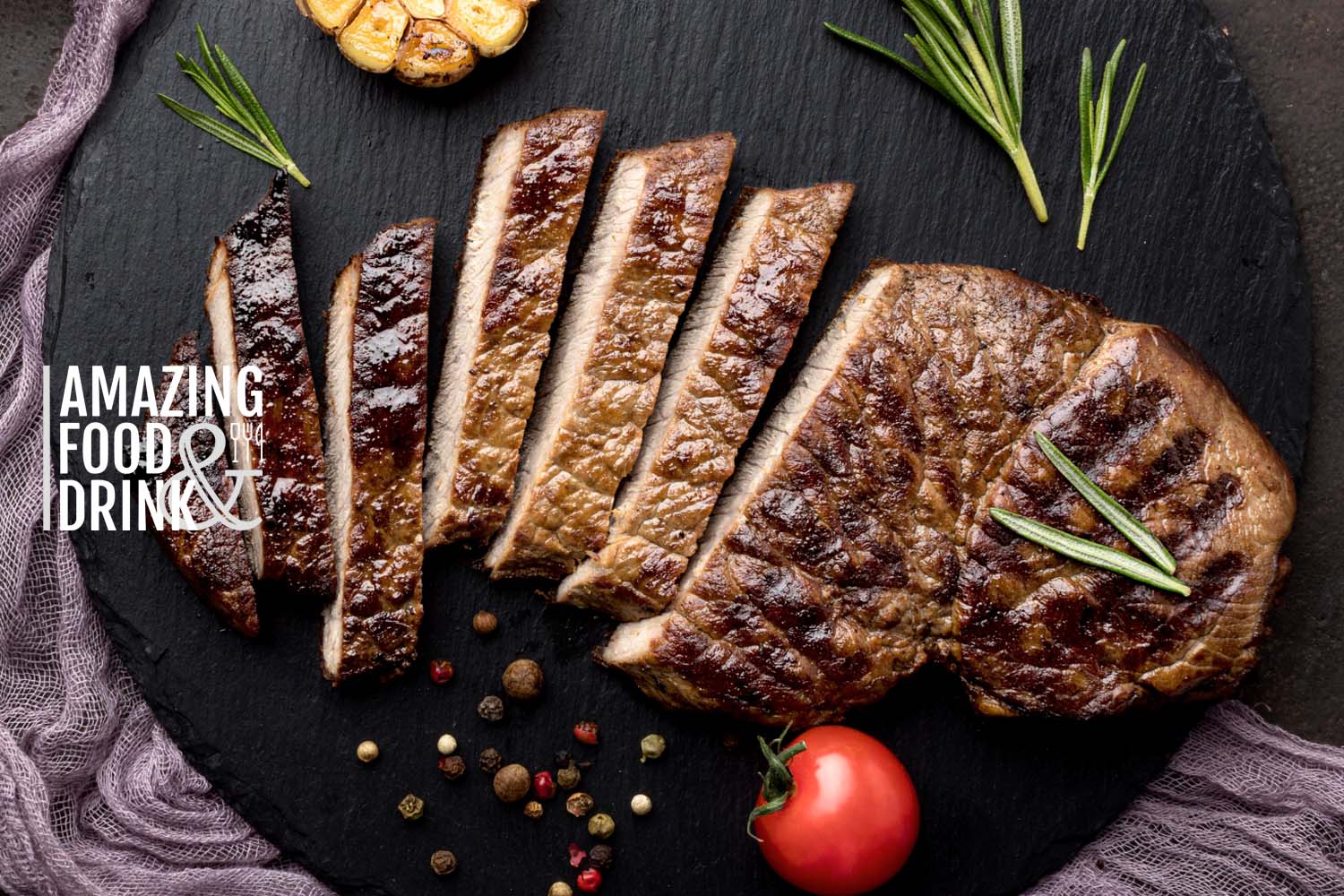
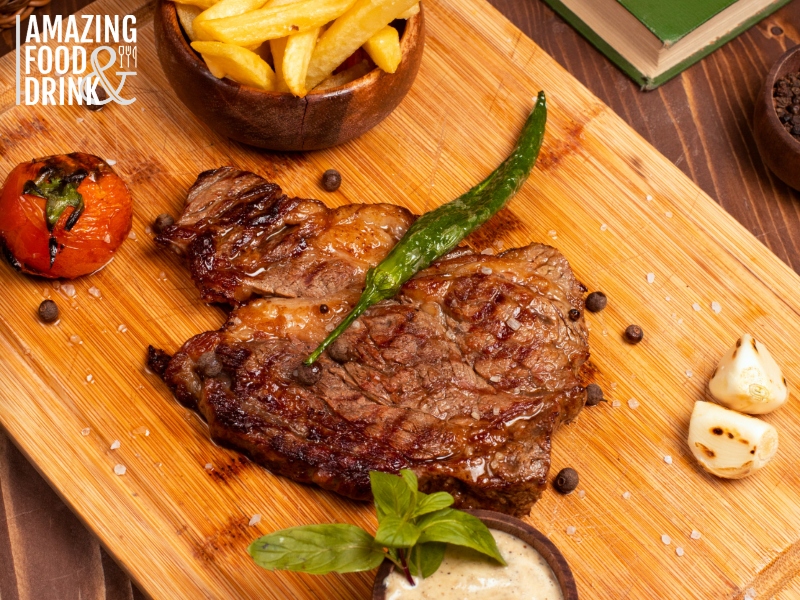
If you’ve ever pulled a grey, leathery slab of beef from the oven and wondered where you went wrong, you’ve likely encountered the top-round steak. Known in the UK as topside and in parts of the Philippines as pierna corta, this cut is the ultimate culinary paradox. It’s one of the most affordable, protein-dense, and flavourful parts of the animal, yet notoriously unforgiving when handled incorrectly.
At Amazing Food & Drink, we believe that learning how to cook top-round steak properly can transform this budget-friendly cut into a succulent masterpiece that rivals far more expensive options. In this guide, we’ll travel from the bistro kitchens of France to the street-food stalls of Manila to show you how to master this challenging hero.
Whether you’re aiming for a classic London Broil, delicate beef carpaccio, or a robust Filipino bistek, the secret lies not in the price of the meat, but in the precision of your process. We’ll dive into the secrets of tenderising this cut, explore different cooking methods from pan-searing to slow-cooking, and unveil tips and tricks to maximise flavour whilst respecting the culinary traditions that have perfected these techniques over centuries.
Table of Contents
Understanding the Cut: Top Round vs. Topside vs. Silverside
Before you fire up the hob, you must know exactly what you’re working with. Understanding the anatomy and regional naming conventions of this cut will help you shop confidently and choose the right cooking method for success. When you know how to cook top-round steak according to its specific characteristics, your results improve dramatically.
The top round is carved from the inner thigh of the beef, around the large muscle group in the cow’s hind leg. In North America, it’s almost universally labelled as top round. However, if you’re shopping in a British supermarket or at a traditional UK butcher, you’ll find this cut sold as topside.
A top-round steak is a lean and flavourful cut of beef from the cow’s hind leg. It comes from the top section of the “round primal,” a large muscle group used for movement. This constant muscular activity during the animal’s life is precisely what makes this cut both flavourful and challenging.
Location: Top section of the cow’s hind leg, above the bottom round and eye of round.
It’s frequently confused with its neighbour, the silverside (bottom round in the US). Whilst they look similar, the topside/top round is slightly more tender and leaner, making it better suited for roasting and quick-searing, whereas silverside generally requires the long, slow bath of a pot roast.
Global Butchery Guide
Region
Name
Local Term
Best Use
United States
Top Round
Top Round Roast/Steak
London Broil, Roast Beef
United Kingdom
Topside
Topside Joint
Sunday Roast, Braising
Australia
Topside
Topside Roast
Roasting, Slow Cooking
Philippines
Pierna Corta
Pata ng Baka
Bistek, Beef Tapa
France
Tranche
Tende de Tranche
Boeuf Bourguignon
Characteristics: Pros and Cons
Understanding the strengths and limitations of top-round steak helps you work with the cut rather than against it. This knowledge is fundamental to learning how to cook top-round steak successfully.
Pros:
Flavourful: The top round offers a strong, beefy taste that many people appreciate, the result of hard-working muscles developing complex flavour compounds.
Lean: Low in fat and calories, making it a great option for health-conscious eaters. With approximately 4g of fat per 100g serving, it’s one of the leanest cuts available.
Versatile: Can be cooked in different ways like pan-searing, braising, grilling, and even slicing thin for jerky or carpaccio.
Affordable: Usually one of the more budget-friendly beef cuts, often costing 40-60% less than ribeye or sirloin.
Cons:
Tough: The top round can be naturally tough if not cooked properly due to its muscular nature and lack of intramuscular fat.
Less marbling: Lower fat content than other cuts, meaning it can dry out easily if overcooked. There’s no “safety net” of melting fat to keep it moist.
Requires precision: This cut demands accurate cooking temperatures and proper resting; there’s little room for error.
The Science of Tenderness: Why Top Round is Tough
To cook a top-round steak successfully, you have to understand and fight physics. This section explains the cellular structure of the meat and why traditional steak-cooking methods often fail with this particular cut. Understanding this science is crucial when learning how to cook top-round steak to perfection.
Unlike a ribeye, which is marbled with intramuscular fat (the white flecks that melt during cooking to lubricate the muscle fibres), the top-round is composed of long, thick muscle bundles and very little collagen. When heat is applied, these protein fibres contract and squeeze out moisture. If you cook a top round to well-done, you aren’t just losing flavour; you’re creating a “protein mesh” that’s nearly impossible to chew.
The muscle fibres, called myofibrils, are bound together by connective tissue made primarily of collagen. In fatty cuts, the collagen melts into gelatine around 60-70°C, creating that succulent texture. But the top round has so little collagen that this transformation barely occurs.
The Golden Rule of Top Round: You must either cook it very quickly to a maximum of medium-rare (54°C/130°F internal temperature) or cook it very slowly in liquid to allow the minimal connective tissues to break down. Anything in the middle results in the dreaded “shoe leather” texture. This principle is at the heart of every successful approach to how to cook top-round steak.
Essential Pre-Cooking Techniques
The secret to transforming tough top-round into tender perfection lies in pre-cooking preparation. These techniques, drawn from culinary traditions around the world, address the fundamental structure of the meat itself. Mastering these methods is an essential first step in learning how to cook top-round steak like a professional.
Mechanical Tenderising
The most direct approach is physical: breaking down those long muscle fibres before cooking. Use a meat mallet to pound the steak to an even thickness of about 1-1.5cm. This not only tenderises but also ensures even cooking. For best results, place the steak between two sheets of cling film to prevent tearing.
Pro tip: When testing this technique in our kitchen, we discovered that pounding in a crosshatch pattern (first vertically, then horizontally) is more effective than random strikes.
Salt Brining
Coat your steak generously with coarse sea salt and refrigerate uncovered for 2-24 hours. The salt draws out moisture initially, which then dissolves the salt and is reabsorbed along with the dissolved salt, seasoning the meat throughout and altering protein structure for better tenderness.
Acidic Marinades
Ingredients like citrus juice, vinegar, wine, or yoghurt contain acids that begin to break down protein structure. However, timing is critical; if it is too long (over 12 hours), the meat becomes mushy. For top round, 4-6 hours is optimal.
Traditional Filipino Method: For bistek Tagalog, thin slices of beef are marinated in calamansi juice (or lime), soy sauce, and black pepper for 30 minutes to 2 hours, just enough to tenderise without compromising texture.
The Chinese Secret: How to ‘Velvet’ Beef
One of the most underserved techniques in Western steak guides is velveting. If you’ve ever wondered why the beef in a high-end Chinese stir-fry is impossibly soft despite being cooked at blistering heat, this is the answer. This technique revolutionises how to cook top-round steak for Asian-inspired dishes.
Velveting involves coating thinly sliced top-round in a mixture of egg white, cornflour (cornstarch), and a touch of bicarbonate of soda (baking soda). The alkaline nature of the bicarbonate raises the pH level on the surface of the meat, preventing the proteins from bonding too tightly when they hit the heat.
Traditional Velveting Method
This centuries-old Chinese technique transforms even the toughest cuts into restaurant-quality beef. The process is simple but requires precise timing and the right ingredients. Follow these steps carefully for the silkiest stir-fry beef you’ve ever tasted at home.
Ingredients:
400g top-round steak, sliced paper-thin against the grain
1 egg white
2 tablespoons cornflour
1/4 teaspoon bicarbonate of soda
1 tablespoon Shaoxing wine (or dry sherry)
Pinch of white pepper
Instructions:
Slice the beef whilst it’s partially frozen, which allows you to achieve the paper-thin ribbons essential for quick-fire cooking.
In a bowl, whisk together egg white, cornflour, bicarbonate of soda, wine, and white pepper until smooth.
Add the beef slices and massage the mixture into every piece. Cover and refrigerate for 30 minutes to 2 hours.
When ready to cook, heat a wok until smoking hot. Add 2 tablespoons of groundnut oil and swirl to coat.
Add the velveted beef in a single layer. Don’t move it for 30 seconds to allow a slight sear, then stir-fry for 1-2 minutes until just cooked.
The French Approach: Larding and Barding
The French identified the problem with lean cuts centuries ago: lack of fat. Their solution? Add it manually through techniques that have been used in traditional bistros for generations. These classic French methods offer another dimension to how to cook top-round steak with exceptional results.
Larding involves threading thin strips of pork fat (lardons) through the meat using a larding needle. This ancient technique distributes fat throughout the interior of the cut.
Barding is simpler: wrapping the entire joint in thin sheets of pork fat or bacon before roasting. The fat bastes the meat as it cooks, preventing dryness.
For home cooks, a simplified barding method works beautifully:
Wrap your top-round joint in streaky bacon, overlapping slightly.
Tie with a kitchen string at 5cm intervals.
Roast at 160°C (fan 140°C) until internal temperature reaches 52°C for medium-rare.
Rest for 15 minutes before removing bacon and slicing.
Master Methods: How to Cook Top-Round Steak
Now that you understand the cut and how to prepare it, let’s explore the most reliable cooking methods. Each technique has been tested thoroughly in our kitchen and comes from different culinary traditions around the world. These proven approaches show you exactly how to cook top-round steak using various equipment and techniques.
Pan-Seared Perfection
This quick and easy method is perfect for a weeknight dinner. The high heat sears the steak, creating a flavourful crust whilst keeping the inside moist and tender. When you’re learning how to cook top-round steak quickly, pan-searing is an excellent starting point.
Ingredients:
1 top-round steak, about 2.5cm thick
1 tablespoon olive oil
Sea salt and freshly ground black pepper to taste
Optional: 1 tablespoon butter, 1 sprig of fresh rosemary
Instructions:
Remove steak from refrigerator 30 minutes before cooking to bring to room temperature. Pat the steak dry with kitchen paper and season generously with salt and pepper on both sides.
Heat olive oil in a large cast-iron skillet over medium-high heat until the oil shimmers and just begins to smoke.
Lay the steak in the pan away from you to avoid splatter. Sear for 2-3 minutes per side without moving it, which develops the Maillard reaction for that beautiful crust.
Reduce the heat to medium-low and add butter and rosemary if using. Tilt the pan and baste the steak with the melted butter for 1-2 minutes per side.
Check internal temperature with a meat thermometer: 52-54°C for medium-rare, 57-60°C for medium.
Remove the steak from the pan and transfer it to a warm plate. Tent loosely with foil and let it rest for 5 minutes before slicing.
Tips:
Use a cast-iron skillet for optimal heat retention and searing.
Don’t overcrowd the pan, as this lowers the cooking temperature.
Always slice against the grain at a 45-degree angle for maximum tenderness.
Braised Bliss
This slow-cooking method is ideal for tougher cuts, such as top rounds. The long cooking time in liquid breaks down connective tissues, resulting in melt-in-your-mouth tenderness. Braising is a cornerstone of European cooking, from French daube to British pot roast, and represents one of the most forgiving ways to learn how to cook top-round steak.
Ingredients:
1 top-round steak, about 2.5cm thick (or 600g topside joint)
1 tablespoon olive oil
1 onion, roughly chopped
2 carrots, cut into chunks
2 celery stalks, cut into chunks
250ml beef stock
125ml red wine
1 tablespoon tomato purée
1 teaspoon dried thyme (or 3 sprigs fresh)
2 bay leaves
Sea salt and black pepper to taste
Instructions:
Preheat oven to 160°C (fan 140°C, gas mark 3).
Heat olive oil in a large casserole dish or Dutch oven over medium heat. Season the steak generously with salt and pepper, then sear on all sides until deeply browned, about 3-4 minutes per side. Remove the steak and set it aside.
Add the onion, carrots, and celery to the same pot and cook for about 5 minutes, until they begin to soften and take on colour.
Stir in beef stock, red wine, tomato purée, thyme, and bay leaves. Bring to a gentle simmer.
Return the steak to the pot, nestling it into the vegetables and liquid. The liquid should come about halfway up the meat.
Cover with a tight-fitting lid and transfer to the oven. Braise for 2-3 hours, turning the meat halfway through, until the steak is fork-tender.
Remove bay leaves before serving. Slice the meat against the grain and serve with the vegetables and sauce spooned over the top.
Tips:
Choose a flavourful beef stock for added depth.
You can substitute other vegetables like potatoes, mushrooms, or parsnips.
This dish improves with time; make it a day ahead and reheat gently.
Grilled Glory
Grilling adds a smoky flavour to top-round steak, making it a perfect choice for summer cookouts. Marinating beforehand helps tenderise the meat and infuse it with additional flavours. Understanding how to cook top-round steak on the grill opens up endless possibilities for outdoor entertaining.
In a shallow dish, whisk together olive oil, soy sauce, Worcestershire sauce, garlic, pepper, and rosemary if using.
Place the steak in the marinade, turning to coat thoroughly. Cover and refrigerate for at least 30 minutes or up to 8 hours.
Remove steak from refrigerator 30 minutes before grilling. Preheat your grill to medium-high heat (about 200-230°C).
Remove the steak from the marinade and pat dry with kitchen paper. Discard remaining marinade.
Grill for 4-5 minutes per side for medium-rare, or until internal temperature reaches 52-54°C.
Transfer to a clean board and tent with foil. Let the steak rest for 5-7 minutes before slicing thinly against the grain.
Tips:
Use a meat thermometer to ensure proper doneness.
For attractive grill marks, place the steak at a 45-degree angle to the grates, then rotate 90 degrees halfway through cooking on each side.
If you don’t have access to an outdoor grill, a cast-iron grill pan works brilliantly.
Slow Cooker Symphony
Slow cooking is a fantastic way to transform the lean and flavourful top-round steak into a melt-in-your-mouth masterpiece. The low and slow heat breaks down tough connective tissues, resulting in succulent meat infused with delicious aromas. For busy home cooks wondering how to cook top-round steak with minimal hands-on time, the slow cooker is your best friend.
Ingredients:
1 top-round steak, about 2.5cm thick (or 700g topside joint)
1 tablespoon olive oil
1 onion, roughly chopped
2 carrots, cut into chunks
2 celery stalks, cut into chunks
250ml beef stock
125ml red wine (optional)
1 tablespoon tomato purée
1 teaspoon dried thyme
1/2 teaspoon dried rosemary
Sea salt and black pepper to taste
Optional additions:
200g mushrooms, halved
3 medium potatoes, quartered
3 garlic cloves, crushed
Instructions:
Pat the steak dry with kitchen paper and season generously with salt and pepper on all sides.
Heat a large skillet over medium-high heat with a drizzle of olive oil. Sear the steak for 2-3 minutes per side to create a flavourful crust. This step adds extra browning and depth of flavour.
In your slow cooker, combine the chopped onion, carrots, celery, and any additional vegetables you’re using.
In a jug, whisk together the beef stock, red wine (if using), tomato purée, thyme, and rosemary. Pour the liquid over the vegetables in the slow cooker.
Nestle the seasoned steak into the braising liquid, ensuring it’s mostly submerged.
Cook on low for 6-8 hours or on high for 4-5 hours, until fork-tender.
For a thicker gravy, mix 2 tablespoons of cornflour with equal parts of cold water and stir it into the braising liquid during the last 30 minutes of cooking on high.
Transfer the steak to a cutting board and let it rest for 5-10 minutes before slicing against the grain.
Tips:
Don’t overcrowd the slow cooker. If your steak is too large, cut it into smaller pieces.
Adjust the seasonings to your taste. Experiment with star anise and ginger for an Asian profile, or smoked paprika for a Spanish touch.
Serve with creamy mashed potatoes, roasted root vegetables, or fluffy rice.
Modern Mastery: Air Fryer & Sous Vide
For the time-conscious cook or those who prefer precision technology, modern appliances offer new ways to conquer the top round. These contemporary methods demonstrate how to cook top-round steak using 21st-century equipment.
Air Fryer Method
Air frying provides a quick, convenient way to cook top-round steak with minimal oil while achieving a nice exterior crust.
Marinate or dry-brine your steak for at least 2 hours.
Preheat the air fryer to 200°C.
Pat the steak completely dry and brush lightly with oil.
Cook for 6 minutes, flip, and cook for 6 more minutes for medium-rare (adjust based on thickness).
Rest for 5 minutes before slicing.
Sous Vide Method
This is perhaps the most foolproof method for top round, as it guarantees edge-to-edge perfect doneness.
Season the steak with salt, pepper, and a sprig of thyme. Seal in a vacuum bag or zip-lock bag.
Set sous vide to 54°C for medium-rare.
Submerge the bag and cook for 2-4 hours (longer is better for this cut up to 8 hours will increase tenderness).
Remove from bag, pat completely dry.
Sear in a smoking-hot skillet for 60 seconds per side to develop crust.
Slice and serve immediately.
Slicing Against the Grain: The 45-Degree Rule
Even a perfectly cooked top round can be ruined by incorrect slicing. This crucial final step can make the difference between a tender and tough eating experience. Proper slicing technique is the final element in mastering how to cook top-round steak to perfection.
The grain refers to the direction the muscle fibres run. Slicing against (perpendicular to) these fibres shortens them, making each bite more tender.
How to identify the grain: Look at the raw steak; you’ll see parallel lines running in one direction. These are the muscle fibres. Your knife should cut across these lines, not along them.
The 45-Degree Rule: Hold your knife at a 45-degree angle to the cutting board whilst slicing against the grain. This creates wider slices with shorter muscle fibres, the ideal combination. Aim for slices no thicker than 0.5cm for maximum tenderness.
Visual tip: After cooking and resting, the grain becomes even more visible. Place your steak on the board and rotate it so the grain runs left to right, then slice from top to bottom.
Global Recipe Inspirations
These recipes showcase how different cultures have mastered the art of cooking top-round steak, each bringing unique flavour profiles and techniques to this versatile cut. Exploring these international approaches expands your understanding of how to cook top-round steak beyond traditional methods.
Filipino Bistek Tagalog
Thistraditional Filipino dish showcases how a brief marinade in acidic citrus can transform thin-sliced top round.
Ingredients:
500g top-round steak, sliced 0.5cm thick
Juice of 6 calamansi limes (or 3 regular limes)
60ml soy sauce
1 teaspoon black pepper
3 large onions, sliced into rings
3 cloves garlic, minced
2 tablespoons vegetable oil
Instructions:
Combine lime juice, soy sauce, and black pepper. Add beef slices and marinate for 30 minutes to 2 hours.
Heat oil in a large pan. Remove beef from marinade (reserve liquid) and fry in batches until browned, about 2 minutes per side. Set aside.
In the same pan, sauté garlic until fragrant, then add onion rings. Cook until softened.
Return beef to the pan, add the reserved marinade, and simmer for 2-3 minutes until the sauce reduces slightly.
Serve over steamed rice.
Italian Beef Carpaccio
This elegant dish relies on paper-thin slicing and is best with partially frozen top round. It’s perfect as an impressive starter for dinner parties.
Ingredients:
300g top-round steak, very fresh and high quality
4 tablespoons extra virgin olive oil
Juice of 1 lemon
50g Parmesan, shaved
Handful of rockets
Sea salt flakes and cracked black pepper
Capers (optional)
Instructions:
Wrap the steak tightly in clingfilm and freeze for 1-2 hours, until firm but not solid.
Using a very sharp knife, slice paper-thin, about 2mm thick.
Arrange slices on chilled plates in a single layer.
Drizzle with olive oil and lemon juice. Season with salt and pepper.
Top with Parmesan shavings and rocket. Serve immediately.
Spanish Tapas-Style Seared Beef
Quick-cooked beef cubes with bold Spanish flavours make an excellent appetiser or part of a tapas spread.
Ingredients:
400g top-round steak
3 tablespoons olive oil
2 cloves garlic, sliced
1 tablespoon sherry vinegar
1 teaspoon smoked paprika
Coarse sea salt
Instructions:
Cut the steak into 3cm cubes. Season with paprika and salt.
Heat oil in a pan until very hot. Add garlic and cook for 30 seconds.
Add beef cubes in a single layer. Sear for 1 minute per side for medium-rare.
Remove from heat, add sherry vinegar, and toss to coat.
Serve on cocktail sticks as tapas.
Dietary Adaptations & Nutritional Benefits
Top-round steak is naturally suited to several popular dietary approaches due to its lean profile and high protein content. Understanding its nutritional benefits helps you make informed choices about how to cook top-round steak to meet your specific dietary needs.
Nutritional Profile (per 100g, cooked)
Calories: 170-180 kcal
Protein: 29-31g
Fat: 4-5g
Saturated Fat: 1.5-2g
Carbohydrates: 0g
Iron: 2.5mg (14% daily value)
Zinc: 4.5mg (30% daily value)
Vitamin B12: 1.8mcg (75% daily value)
Paleo & Keto-Friendly
Top round fits perfectly into paleo and ketogenic diets. The lean nature means you may want to add healthy fats: cook in ghee or grass-fed butter, or serve with an avocado-based sauce.
For athletes and fitness enthusiasts, the top round is ideal for weekly meal preparation:
Cook 1kg of topside joint using the slow cooker method on Sunday.
Cool completely, then slice and portion into 150g servings.
Store in airtight containers, separating portions of vegetables and grains.
Keeps refrigerated for 4 days, or frozen for 3 months.
Reheat gently with a splash of stock to prevent the food from drying out.
Low-Sodium Adaptations
For those watching salt intake, use enzymatic tenderising instead. Purée 2 slices of fresh pineapple or 1 kiwi fruit and spread over the steak. Marinate for 30-60 minutes maximum. The bromelain (pineapple) or actinidin (kiwi) breaks down proteins naturally. Rinse thoroughly before cooking.
Seasonal & Cultural Context
Traditional Preparation Times: Top round (topside) features prominently in British Sunday roasts throughout autumn and winter months, when slow-cooked dishes are most appreciated. In the Philippines, bistek is enjoyed year-round but particularly during family gatherings. Chinese velveting techniques are essential during Lunar New Year festivities when stir-fried beef dishes represent prosperity.
Sourcing Tips: When purchasing at a UK butcher, ask for “topside with the cap on”, the thin layer of fat that covers one side. This adds moisture during cooking and can be removed before serving if preferred. In North America, look for “top round London Broil” cuts, which are typically sliced thinner (2-3cm) for marinating and quick-grilling.
Modern Culinary Trends: Recent movements towards nose-to-tail eating and budget-conscious cooking have elevated the status of cuts like top round. Chefs increasingly feature it on menus, often using sous vide techniques or 24-hour marinades to showcase that proper technique, not just expensive cuts, defines great cooking.
You’ve now unlocked the secrets to transform that affordable top-round steak into a culinary masterpiece. Throughout this comprehensive guide on how to cook top-round steak, we’ve explored techniques from around the world, including Chinese velveting, French larding, quick pan-searing, and patient slow-cooking.
Remember, whilst it might be a bit tougher than its prime counterparts, with the right techniques and a little patience, you can achieve tender, flavourful results that will leave your taste buds singing. From the bustling night markets of Manila, where bistek sizzles alongside sweet-salty onions, to the elegant dining rooms of Paris, where perfectly larded joints emerge glistening from the oven, top round has earned its place in global cuisine through technique rather than luxury.

The key takeaways: understand the science behind this lean cut, choose your tenderising technique wisely, master the slice by always cutting against the grain at a 45-degree angle, and explore global methods from different cultures. At a fraction of the cost of premium cuts, mastering how to cook top-round steak allows you to eat well on any budget.
Ready to put your new knowledge into practice? Start with the slow cooker method for guaranteed success, then graduate to the more technical approaches as your confidence grows.
FAQs
1. Can I cook top-round steak from frozen?
For slow-cooking methods (braising, slow cooker), you can add 2-3 hours to the cooking time. For pan-searing, it’s better to defrost overnight in the refrigerator; cooking from frozen makes it nearly impossible to achieve a proper sear before the interior overcooks. Understanding how to cook top-round steak from its proper starting temperature ensures better results.
2. Why is my steak grey instead of brown?
Grey meat indicates the pan wasn’t hot enough, causing the meat to steam rather than sear. Ensure your pan is smoking hot before adding the steak, and make sure the meat is completely dry (pat it with kitchen paper). Don’t overcrowd the pan, as this releases too much moisture and lowers the temperature. Proper searing technique is essential when learning how to cook top-round steak with restaurant-quality results.
3. How can I tell when it’s done without a thermometer?
The finger test: touch your thumb to different fingers and feel the base of your thumb. Index finger = rare (soft), middle finger = medium-rare (slightly springy), ring finger = medium (firm but yielding), pinkie = well-done (firm). However, we strongly recommend investing in an instant-read thermometer (£10-15) for consistent results, especially when you’re still learning how to cook top-round steak perfectly.
4. What’s the best way to reheat leftover top-round steak?
Slice the steak thinly, place it in a sealed bag, and submerge it in hot (not boiling) water for 3-4 minutes. Alternatively, add sliced steak to hot soup or stir-fry at the last moment. Never microwave, as this will toughen the meat further.
5. Is top round the same as rump steak?
No. In UK butchery, rump comes from the backside (top of the leg), whilst topside comes from the inner thigh. Rump has more flavour and fat, making it more forgiving to cook. The top round/topside is leaner and from a harder-working muscle, which is why understanding how to cook top-round steak specifically is so important.