Elevate your mornings with the goodness of whole grains and a delightful burst of flavour with Kodiak Cakes Muffins. They are packed with nutritious ingredients and offer a versatile base for endless flavour combinations, making them a perfect treat for any occasion.
These culinary delights pack an impressive 6 grams of protein per muffin whilst only clocking up 101 calories! In this blog post, we’ll guide you through simple yet scrumptious recipes like Banana Chocolate Chip Power Muffins. Our star ingredient is none other than Kodiak cake mix. So let’s roll up our sleeves and bake something both nutritious and indulgent together, shall we?
Key Takeaways
Kodiak Cakes muffins are a tasty and healthy snack option that provides 6 grams of protein and only 101 calories per muffin.
The Banana Chocolate Chip Power muffin recipe includes ingredients like Kodiak Cakes mix, ripe bananas, chocolate chips, milk, eggs, and applesauce for added moistness.
Other delicious muffin recipes using Kodiak Cakes mix include Blueberry Protein Kodiak Cakes Muffins and an alternative method for Banana Chocolate Chip Muffins.
To store your Kodiak Cakes muffins, keep them in an airtight container at room temperature for up to three days or freeze them individually wrapped in plastic wrap for up to three months.
The Goodness of Whole Grains
Kodiak Cakes Muffin Mix is crafted with whole grains, providing a rich source of fibre, essential vitamins, and minerals. Fibre plays a crucial role in maintaining digestive health and regulating blood sugar levels. Whole grains also contribute to overall well-being by supporting cardiovascular health and providing sustained energy throughout the day.
A Blank Canvas for Flavourful Creations
Kodiak Cakes Muffin Mix serves as a versatile base for unleashing your culinary creativity. The mix readily blends with a variety of ingredients, allowing you to customise your muffins to suit your taste preferences and dietary needs. From fruity delights to nutty indulgences, the possibilities are endless.
Muffins for Every Occasion
httpss://www.youtube.com/watch?v=idgTOHYVPT4
Whether you’re seeking a quick and wholesome breakfast option, a satisfying afternoon snack, or a delightful treat to share with loved ones, Kodiak Cakes Muffins are the perfect solution. Their wholesome goodness and delectable flavours make them a versatile choice for any occasion.
Embrace the Kodiak Cakes Muffin Experience
With their wholesome ingredients, endless flavour possibilities, and versatility for any occasion, Kodiak Cakes Muffins are a true gem in the world of baking. Embrace the goodness of whole grains and embark on a culinary adventure with these delightful treats.
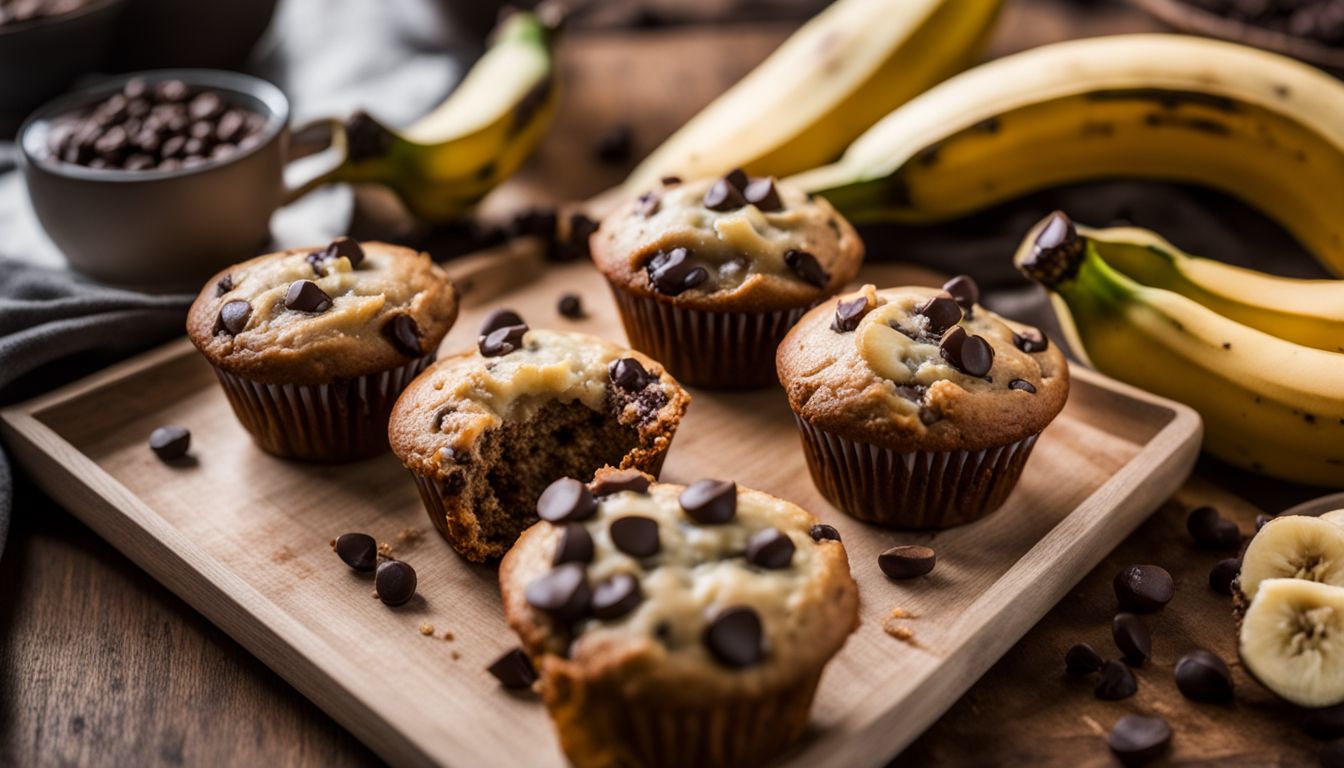
Banana Chocolate Chip Power Muffin Recipe
Escape the ordinary and embark on a wholesome, flavour-filled adventure with Kodiak Cakes Muffins! Made with whole grains and bursting with delicious possibilities, these muffins are a perfect way to start your day or satisfy your sweet cravings.
To make the delicious Banana Chocolate Chip Power Muffins, gather the following ingredients and follow these simple steps.
Ingredients
Let’s share the ingredients you need for this Banana Chocolate Chip Power Muffin Recipe. Here is your shopping list:
One cup of Kodiak Cakes Buttermilk Power Cakes Flapjack and Waffle Mix.
Two big ripe bananas.
One cup of chocolate chips.
Half a cup of milk.
Two eggs.
A quarter cup of applesauce.
Instructions
Preheat oven to 350 degrees F (175 degrees C). Line a muffin tin with 12 paper liners.
In a large bowl, whisk together the mashed banana, applesauce, honey, maple syrup, almond milk, yoghurt, egg, and vanilla extract.
In a separate bowl, whisk together the flour, oats, baking powder, baking soda, and salt.
Gradually add the dry ingredients to the wet ingredients, mixing until just combined. Stir in the chocolate chips and walnuts.
Divide the batter evenly among the prepared muffin cups.
Bake for 20-23 minutes or until a toothpick inserted into the centre comes out clean.
Let the muffins cool in the tin for 10 minutes before transferring them to a wire rack to cool completely.
Tips and Variations
We’re going to help you make the Banana Chocolate Chip Power Muffins even tastier. Here are some handy tips and fun twists for this healthy muffin recipe:
Use ripe bananas for a sweeter taste.
Try dark chocolate chips for extra richness.
Add chopped nuts or seeds for crunch.
For moist muffins, don’t overmix the batter.
Replace some of the chocolate chips with some dried fruit, like raisins or cranberries.
For low-carb muffins, use sugar-free chocolate chips.
To double the protein, add a scoop of vanilla protein powder.
The versatility of Kodiak Cakes Muffins allows you to create countless variations to suit every taste and preference. Combine the wholesome goodness of Kodiak Cakes mix with a plethora of fresh ingredients, from juicy blueberries and tangy cranberries to rich chocolate chunks and crunchy nuts.
The only difference is that you may need to adjust the baking time depending on the flavour of the mix you are using. For example, blueberry muffins may need to bake for an extra minute or two because the blueberries add moisture to the batter. Here are some additional tips for making Kodiak Cakes muffins:
Be sure to use the correct amount of wet and dry ingredients. Too many wet ingredients will make the muffins gummy, while too many dry ingredients will make them dry and crumbly.
Mix the batter until just combined. Overmixing the batter will develop gluten, which can make the muffins tough.
Fill the muffin cups about 3/4 full with batter. Do not overfill the cups, or the muffins will overflow during baking.
Bake the muffins in a preheated oven at 400 degrees Fahrenheit for 18-22 minutes, or until a toothpick inserted into the centre of a muffin comes out clean.
Let the muffins cool in the muffin tin for a few minutes before transferring them to a wire rack to cool completely.
Kodiak Cakes Muffins with Chocolate Chips
Indulge in a healthier alternative to traditional muffins, packed with protein and fibre from whole wheat and oats, while still satisfying your sweet tooth. Whether you crave a burst of fresh fruit, a swirl of decadent chocolate, or a sprinkle of spice, Kodiak Cakes Muffins offer endless possibilities to create your perfect personalised treat.
httpss://www.youtube.com/watch?v=_s5L5h3lKkw
Protein-Packed
We love how Kodiak Cakes muffins are full of protein. Each baked muffin has around 15 grams of the good stuff. It’s a great way to start your day off right! Plus, there are many ways you can add even more protein.
For example, we sometimes mix in Greek yoghurt for an extra punch. Costco also offers these muffins with high-protein content as part of their Power Cakes range. Just a quarter-cup serving gets you about eight grams! You see, eating these muffins isn’t just delicious; it gives your body the fuel it needs, too.
Whole Grain Ingredients
Whole grain goodness is in every Kodiak Cakes Muffin. These grains are good for your body, and they make the muffins taste great, too. They give you energy that lasts a long time because this type of food takes longer to break down in your body than other foods.
Kodiak Cakes Mix has full-power whole grains and buttermilk. These nutrient-dense ingredients help Kodiak Cakes Muffins stand out from others. Not only do they pack a protein-rich punch, but they also form part of a balanced diet! So when you eat these muffins, you are eating not only something tasty but also something healthy.
Nutritional Value
The nutritional value of Kodiak Cakes muffins makes them an excellent choice for a wholesome and satisfying meal or snack. The main component, Kodiak Cakes mix, is crafted from 100% whole grains, offering a substantial source of fibre. When prepared, each muffin provides 15 grams of protein, further contributing to its nutritional value. Here’s a breakdown of the nutritional content:
Muffin Type
Calories
Net Carbs
Protein
Kodiak Cakes Muffin
103
9.7g
4.9g
Muffin Mix Prepared
400
Not specified
15g
Muffin Mix with Banana and Applesauce
Varies
Varies
15g
Power Cup, Chocolate Chip
270
Not specified
Not specified
Muffin Mix, Blueberry
240
Not specified
Not specified
Do keep in mind that if you’re using additional ingredients like banana and applesauce, the nutritional content may vary. These healthy muffins are a good way to stay nourished throughout the day without compromising on taste. The protein content helps keep you satiated, while the whole grains contribute to your daily fibre intake. These Kodiak Cakes muffins are an excellent way to keep your nutrition in check while enjoying a delicious baked treat.
Whole grains also contribute to overall well-being by supporting cardiovascular health and providing sustained energy throughout the day. In addition, Kodiak Cakes muffins are lower in sugar than traditional muffins because they use whole wheat flour and protein powder instead of refined flour and sugar. This makes them a better choice for people attempting to lose weight or manage their blood sugar levels.
Of course, Kodiak Cakes muffins are still a treat, so it is important to enjoy them in moderation.
Other Delicious Muffin Recipes Using Kodiak Cakes Mix
Kodiak Cakes Muffin
Discover even more scrumptious muffin recipes you can make using Kodiak Cakes mix, such as Blueberry Protein Kodiak Cakes Muffins and an alternative method for Banana Chocolate Chip Muffins.
Blueberry Protein Kodiak Cakes Muffins
We’re excited to share our favourite Blueberry Protein Kodiak Cakes Muffin recipe! This is a delicious dish that has lots to love. Firstly, every one of these muffins has just 10 grams of sugar. That’s not a lot, and it’s mostly natural sugar from the bananas and blueberries!
Alternative Method for Banana Chocolate Chip Muffins
We have an alternative method for making delicious banana chocolate chip muffins using Kodiak Cakes mix! Here’s how you can make them:
Start by preheating your oven to 175°C and lining a muffin tin with paper liners.
In a mixing bowl, combine 2 cups of Kodiak Power Cakes Mix, two ripe bananas (mashed), and 1 cup of unsweetened vanilla almond milk.
Stir the mixture until everything is well combined. If you like your muffins sweeter, you can add a little bit of honey or maple syrup to taste.
Gently fold in ½ cup of chocolate chips into the batter.
Scoop the batter into the prepared muffin tin, filling each cup about three-quarters full.
Bake in the preheated oven for about 15 – 20 minutes or until a toothpick inserted into the centre comes out clean.
Once baked, remove them from the oven and let them cool in the muffin tin for a few minutes before transferring them to a wire rack to cool completely.
Storage and Serving Suggestions
To keep your Kodiak Cakes muffins fresh, store them in a container at room temperature for up to three days. For longer storage, freeze the muffins individually covered with a freezer bag or plastic wrap for up to three months.
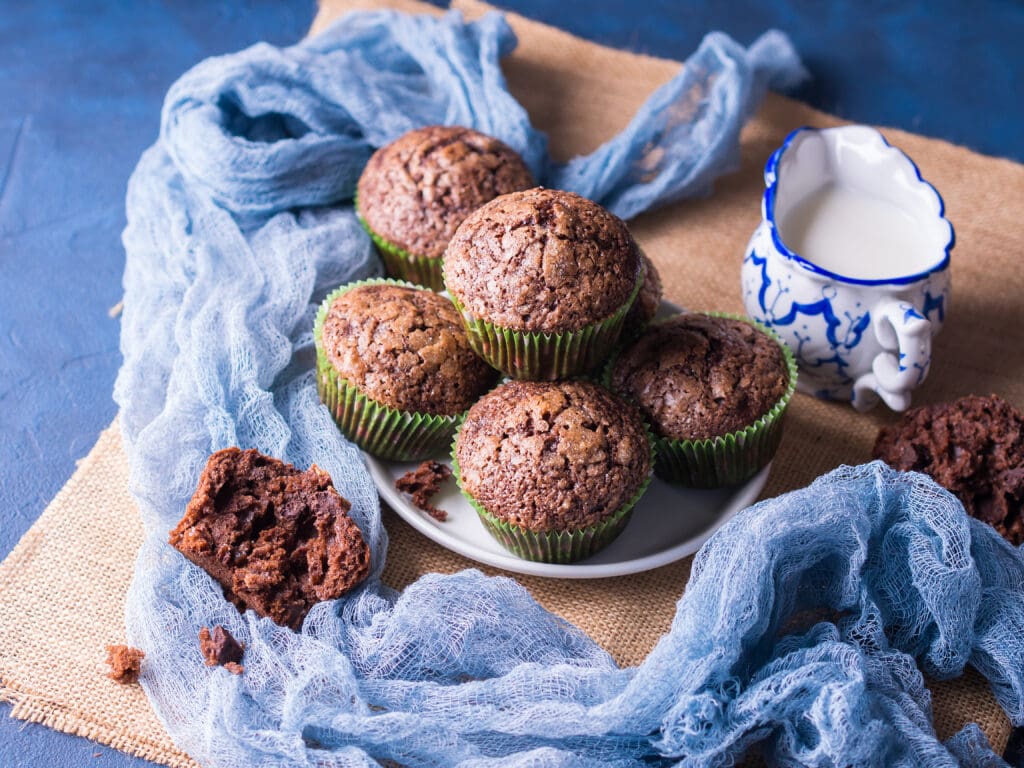
Blackberry and chocolate chip muffins served with butter for breakfast, summer berry recipe
Serve these protein-packed treats on their own as a satisfying snack, or pair them with your favourite morning beverage for a delicious and nutritious breakfast option.
Storage Tips
Usually, muffins should be stored at room temperature for 3-5 days. They stay fresh and delicious during that time. If you want to keep them longer, put them in the refrigerator for five days. You can freeze muffins in the freezer for three months. That way, you always have a tasty treat ready whenever you want one! Here are some storage tips for Kodiak Cakes muffins to ensure they stay fresh and delicious:
Cool Completely: Before storing, let the muffins cool at room temperature on a wire rack. This will prevent moisture from accumulating inside the storage container, making the muffins soggy.
Airtight Container or Bag: Transfer the cooled muffins to a container or freezer bag. This will help to prevent them from absorbing odours from other foods in the refrigerator or freezer.
Room Temperature Storage: For short-term storage (up to two days), store the muffins at room temperature in an airtight container. This is ideal for muffins you plan to consume within a couple of days.
Refrigerator Storage: For longer storage (up to five days), store the muffins in a container in the refrigerator. This will extend their shelf life by keeping them moist and avoiding drying out.
Freezer Storage: For long-term storage (up to 3 months), freeze the muffins individually wrapped in plastic wrap or aluminium foil, then place them in an airtight container or freezer bag. This will preserve their freshness and prevent freezer burn.
Thaw and Reheat: When ready to enjoy frozen muffins, thaw them overnight in the refrigerator or reheat them in the microwave or oven until they are warmed through.
Label and Date: Label the storage containers or bags with the date the muffins were baked to ensure you are consuming them within the recommended storage times.
By following these simple storage tips, you can keep your Kodiak Cakes muffins fresh and delicious for longer periods, ensuring you always have a tasty treat on hand.
Serving Ideas
When it comes to serving Kodiak Cakes muffins, there are plenty of delicious options to try. Here are some serving ideas to make your muffins even more enjoyable:
Enjoy them as a quick and satisfying breakfast with a cup of coffee or a glass of milk.
Pack them in your lunchbox for a tasty midday snack at work or school.
Serve them at brunch gatherings for a crowd-pleasing treat that everyone will love.
Warm them up and top with a pat of butter or drizzle of honey for an extra indulgent treat.
Pair them with fresh fruit or yoghurt for a well-balanced and nutritious meal.
Conclusion
In conclusion, Kodiak Cakes Muffins are a tasty and nutritious option that everyone in the family can enjoy. Whether you prefer banana chocolate chip or other flavours like blueberry, these muffins are easy to make and packed with protein.
With their whole grain ingredients and low-calorie count, they’re a healthy choice for breakfast or a quick snack on the go. So why not give them a try and treat yourself to some delicious homemade muffins?
FAQs
1. How long do I need to bake Kodiak cake muffins?
The baking time for Kodiak Cakes muffins typically ranges from 18 to 22 minutes at 400 degrees Fahrenheit. Remember that the exact baking time may vary depending on the size of your muffin cups and the accuracy of your oven.
2. Can I use any flavour of Kodiak cake mix for muffins?
Yes, you can use any flavour of Kodiak Cakes mix to make muffins. The mix is versatile and can be used to make a variety of flavours, including blueberry, chocolate chip, banana, and pumpkin. To make muffins, simply follow the instructions on the Kodiak Cakes mix package.
3. Can I add extra ingredients like berries or chocolate chips to my Kodiak cake muffin batter?
Yes, you can absolutely add extra ingredients to your Kodiak Cakes muffin batter to enhance the flavour and texture. Here are some suggestions for additional ingredients that pair well with Kodiak Cakes muffin batter: berries, chocolate, nuts and seeds, and other fruit, such as sliced bananas, diced apples, chopped peaches, and grated pineapple.
4. Are Kodiak cakes muffins healthy?
Kodiak Cakes muffins are generally considered to be healthier than traditional muffins due to their higher protein content and lower sugar content. The mix is made with whole grains, which provide a good source of fibre, essential vitamins, and minerals. Fibre is important for maintaining digestive health, promoting satiety, and regulating blood sugar levels.





 Shaimaa Olwan
 Asmaa Alhashimy