Are you caught in the daily humdrum of identical sandwiches and looking for something new, like a pita filling? The quest for exciting lunch alternatives led us to the discovery of pita bread – a versatile and healthier cousin of regular sandwich bread. From Greek gyros to Middle Eastern falafels, pitas have become the ultimate saviour in swift lunches.
Craving a healthy, satisfying, and endlessly customisable meal? Look no further than the humble pita bread! This fluffy pocket of deliciousness is ready to be your culinary canvas, transformed from a simple side to a flavour explosion with the right fillings.
Whether you’re a vegetarian seeking flavorful falafel delights, a meat lover dreaming of juicy shawarma, or simply open to exploring new taste horizons, this article is your ultimate guide. Inside, you’ll discover a smorgasbord of mouthwatering pita-filling recipes that cater to every palate and preference. So, let’s delve deep into delightful pita-filling recipes that are a doddle to whip up at home with ingredients close at hand. Brace yourselves as we reinvigorate your midday meal routine!
Key Takeaways
Pita bread is a versatile and healthier alternative to regular sandwich bread, perfect for creating delicious and flavorful sandwiches.
Some tasty pita filling ideas include Greek-inspired fillings with roasted red pepper hummus, Middle Eastern ground beef fillings with cardamom and allspice, chicken avocado fillings with lemon and rosemary marinade, and vegetarian fillings like cucumber avocado or roasted veggie & hummus.
To make mouthwatering pita fillings, choose fresh ingredients, experiment with different seasonings, ensure proper heating and assembly techniques, and serve with tangy tzatziki sauce, refreshing Greek salad, or creamy hummus alongside fresh vegetable platters and enjoy your most delicious pita fillings.
Prepare to embark on a journey of pita-licious possibilities
Global flavours galore: From the Middle East’s vibrant spices to the Mediterranean’s fresh zest, we’ll explore fillings inspired by cuisines around the world.
Vegetarian and vegan options: Don’t worry, plant-based eaters! We have a plethora of protein-packed and veggie-loaded fillings that will leave you feeling satisfied and energized.
Quick and easy solutions: Time-pressed but hungry? We’ve got your back with recipes that can be whipped up in a flash, perfect for busy weeknights or spontaneous gatherings.
Customisation is key: Each recipe acts as a starting point, encouraging you to personalize with your favourite ingredients and create your own unique pita masterpieces.
How to Make a Delicious Pita Sandwich
When preparing a pita sandwich, it’s essential to start with the right pita bread. Whether you opt for classic pita or whole wheat pita, choosing the type of bread can significantly impact your sandwich’s overall flavour and texture. Whole wheat pita offers a nutty flavour and a denser texture, while traditional pita bread provides a lighter and airier base for your fillings.
Consider using ingredients such as hummus, tzatziki, feta, olives, or falafel to create a flavourful filling. These authentic ingredients can add a Mediterranean flair to your pita sandwich and elevate its taste. Additionally, incorporating fresh cucumbers, red onions, and dill can enhance the overall freshness and crunchiness of your pita filling.
Hearty meat fillings such as ground beef, chicken, or gyro meat can be an excellent option for enthusiasts. Adding a variety of spices and seasonings can infuse your meat filling with rich and savoury flavours, making it a delicious choice for pita sandwiches.
Different Pita Filling Ideas
Here are several varieties and ideas for you to enrich your pita filling:
Meat Fillings:
Hummus and meat: This classic Middle Eastern combination is flavorful and satisfying. You can use any cooked meat, such as chicken, beef, or lamb. Simply spread hummus on your pita bread, top with meat, and enjoy.
Falafel: It is a deep-fried fritter made from chickpeas, herbs, and spices. It is a popular vegetarian filling for pita bread. Falafel can be served with hummus, tahini sauce, and your favourite toppings.
Shawarma: Shawarma is thinly sliced meat cooked on a vertical rotisserie. It is a popular filling for pita bread in the Middle East. Shawarma can be served with hummus, tahini sauce, and your favourite toppings.
Kofte: Kofte is a type of meatball popular in the Middle East. Kofte can be made from beef, lamb, or chicken. They are often seasoned with herbs and spices and can be grilled, baked, or fried.
Vegetarian Fillings:
httpss://www.youtube.com/watch?v=E7eWajwSnzQ
Hummus and roasted vegetables: This is a flavorful and healthy vegetarian option. You can roast any vegetable, such as zucchini, eggplant, or peppers. Simply spread hummus on your pita bread, top with roasted vegetables, and enjoy.
Baba ghanoush: Baba ghanoush is a smoky eggplant dip popular in the Middle East. It is a delicious and satisfying vegetarian filling for pita bread. Baba ghanoush can be served with your favourite toppings.
Tabbouleh: Tabbouleh is a refreshing salad made with parsley, mint, bulgur wheat, tomatoes, and lemon juice. It is a healthy and flavorful vegetarian filling for pita bread.
Halloumi cheese: Halloumi cheese is a semi-hard cheese that is popular in the Middle East. It can be grilled, pan-fried, or baked. Halloumi cheese is a delicious and salty vegetarian filling for pita bread.
Pita sandwiches are a versatile and delicious meal option that can be enjoyed for lunch or dinner. Whether you prefer vegetarian fillings or savoury meat options, there are numerous creative ways to make a satisfying and flavourful pita sandwich. This article will explore various pita filling ideas and how to make a delicious pita sandwich.
For a Greek-inspired twist, try stuffing your pita with roasted red pepper hummus, spinach, olives, cucumbers, tomatoes, and feta for a flavorful combination.
Greek Pita Sandwiches with Roasted Red Pepper Hummus
When exploring Greek pita fillings, it’s essential to use authentic ingredients to capture the essence of Greek cuisine. Incorporating traditional elements such as feta, olives, and fresh Mediterranean veggies like cucumber and red onion can create an authentic Greek pita sandwich experience.
Consider making your own hummus and tzatziki to prepare a tasty Greek pita sandwich. These flavorful spreads can add a creamy and tangy element to your pita filling, enhancing its overall taste. Drizzling a homemade vinaigrette over your Greek-inspired pita can further elevate its flavours and create a delightful culinary experience.
Greek Pita Sandwiches with Roasted Red Pepper Hummus bring the taste of Mediterranean cuisine to your table. We love them because they are filled with crunchy veggies and salty feta cheese, sitting on a bed of creamy hummus spread.
You can make these sandwiches even using shop-bought hummus if you like. And guess what? They take no time to put together! Plus, you can change up the fillings as much as you want. One tip is to use whole-wheat pita bread for a healthier choice – it works really well! Add tomatoes, cucumbers, chickpeas and fresh dill inside to finish. These give a fantastic mix of Greek flavours that will leave your taste buds dancing!
Middle Eastern Ground Beef Pita Sandwich
This dish is a tasty part of Middle Eastern cuisine. It’s easy to make. Just grab some ground beef and season it with cardamom and allspice. These spices give the beef a robust and rich taste that feels good in your mouth.
The next step is to take fresh pita bread and stuff it with this seasoned meat. Also, add in colourful veggies for extra crunch. This makes each bite fun! Some people love Arayes too – another dish from Lebanon which uses the same idea but grills the stuffed pitas after stuffing them. To serve these sandwiches, pair them with garlic or tahini sauce on top. The sauces add an extra zing that adds to your pita sandwich’s flavours.
Chicken Avocado Pita Sandwiches
Let’s talk about Chicken Avocado Pita Sandwiches, which are healthy and easy to make. You’ll need whole wheat pitas for this recipe; they’re the best option if you want to keep your meal light and nutritious.
To give it more flavour, marinate your chicken in lemon and rosemary before you cook it. Bacon is another great filling to add; its salty crunch pairs nicely with the soft avocado slices. Add some ranch dressing for a tangy kick, or try tempeh if you prefer a vegetarian option. A dollop of tzatziki sauce will lend a Greek twist to your sandwich, which can be served hot or cold as per your preference.
So there you have it – an easy, scrumptious way to enjoy pita sandwiches packed with nutritious fillings!
Vegetarian Pita Sandwiches with Veggie Fillings
httpss://www.youtube.com/watch?v=f9yMPzdgWFY
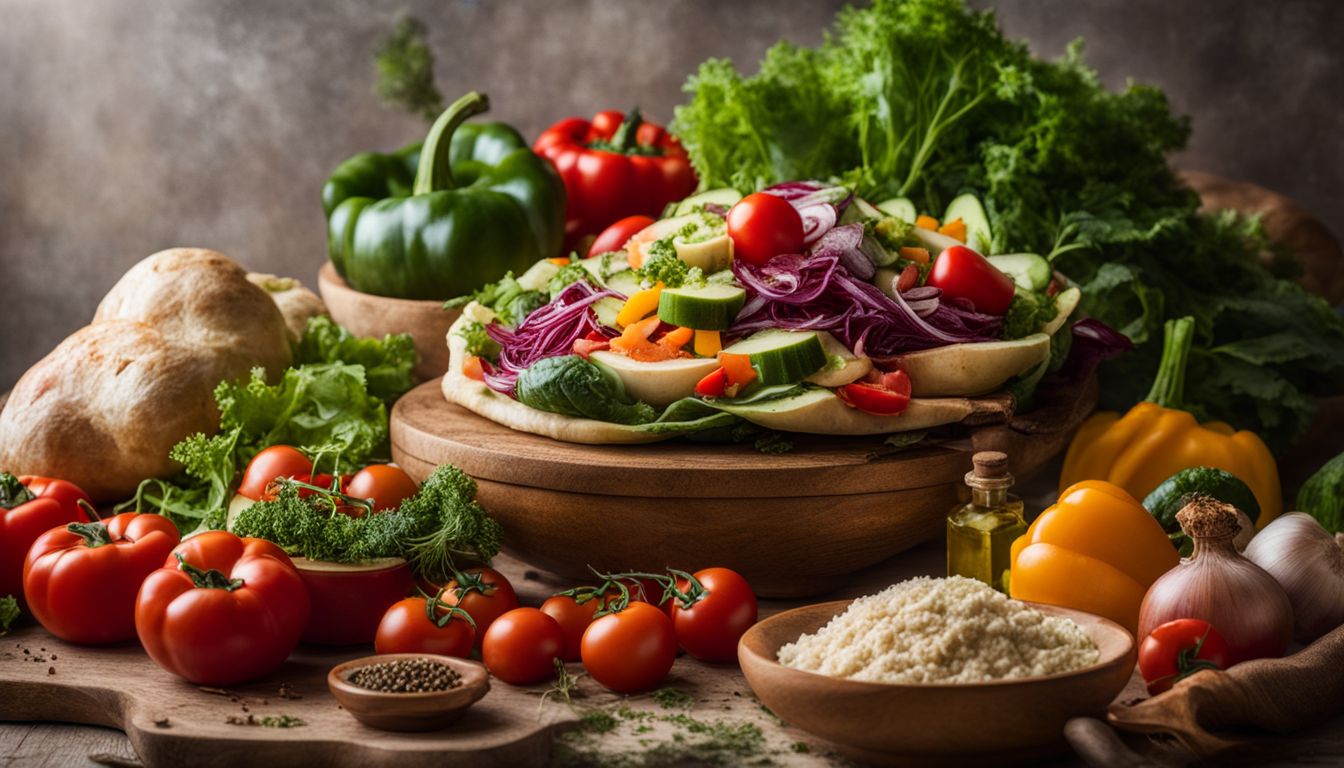
As a food lover, we adore making vegetarian pita sandwiches. They are full of veggie fillings that you can mix and match. One of our top picks is the Cucumber Avocado Vegetarian Pita Sandwich. The creamy avocado and crunchy cucumber inside a soft pita is pure bliss! And let’s not forget about the Roasted Veggie and hummus Pita pocket. It has roasted veggies for depth of flavour, fresh greens for crunch, and hummus spread for creaminess.
Another tasty option is the Ultimate Vegetarian Pita Sandwich filled with hummus, tabbouleh, dill yoghurt sauce, and pickled veggies – so many different tastes in one bite! Lastly, Greek Pita Sandwiches are also excellent. This dish offers spinach, olives, cucumbers, tomatoes and feta cheese in each mouthful! Experimenting with these Mediterranean-inspired filling ideas makes us love meatless meals even more!
Tips for Making Delicious Pita Fillings
Choose the freshest ingredients and experiment with different seasonings to create mouthwatering flavours that make your pita fillings irresistible. Ready to step up your pita game? Keep reading for more tasty tips!
Choosing the Best Ingredients
Fresh, high-quality items make the best pita fillings. We always go for whole wheat pita. It’s tasty and good for you, too. Making homemade pita dough can be fun, but store-bought works excellently as well. We use a mix of traditional and new flavours for sandwich ideas. Ground beef is a classic choice; spices like cardamom add a nice touch. You should also think about adding veggies like avocado or peppers.
These fresh bits give your bite an extra crunch! With so many options, it’s easy to come up with healthy and savoury pita fillings every time.
Seasoning and Marinating Options
Let’s make tasty pita fillings. Here are some of our favourite seasoning and marinating options:
Greek Chicken Pitas: Enhance the taste with a good marinade. A mix of minced garlic, olive oil, oregano, black pepper, and salt works well.
Chicken Souvlaki Pitas: The flavour gets better with a similar seasoning mixture.
Sheet Pan Chicken Pitas: Use marinated chicken for this, too. Alongside this come roasted peppers and fresh cucumber. Kalamata olives add a tangy touch. Feta cheese and homemade tzatziki sauce go great as toppings.
Marinated Chicken Pita Sandwich: This uses a simple mix of chicken, onion, tomato, and yoghurt dressing.
Middle Eastern Ground Beef Pita Sandwich: Ground beef stuffed in a pita and various seasonings is an easy choice here.
Heating and Assembly Techniques
Making pita is fun and easy. Here are some cooking techniques that can help you make tasty fillings for your homemade pita:
Use the right heat: Make sure your stove top or grill is hot enough.
Cook with care: Avoid overcooking your fillings to maintain their fresh and vibrant flavours.
Handle with love: Be gentle when stuffing your fillings into the pita to prevent it from tearing apart.
Keep it moist: Use sauces or dips to ensure your filling isn’t dry.
Serving Suggestions and Side Dishes
To elevate your pita fillings, serve them with tangy tzatziki sauce, a refreshing Greek salad, or creamy hummus and crispy falafel. Don’t forget to include fresh vegetable platters for a complete meal that will satisfy any craving.
httpss://www.youtube.com/watch?v=ISltB9GED9M
Tzatziki Sauce and Greek Salad
We love serving Tzatziki sauce and Greek salad with pita fillings. Tzatziki sauce is a creamy dip made from strained yoghurt, cucumbers, garlic, and other simple ingredients. It adds a delicious tanginess to the pita sandwiches.
You can also use it as a salad dressing or a sauce for meats and other dishes. Greek tzatziki is made with full-fat plain Greek yoghurt, shredded cucumber, olive oil, lemon juice, garlic, and fresh herbs. It’s so refreshing and pairs perfectly with the flavours of the pita fillings. And let’s not forget about the Greek salad! Made with crunchy vegetables, olives, feta cheese, and a zesty dressing, it adds even more freshness to the meal.
Hummus and Falafel
Hummus and falafel are absolutely lovable! These Middle Eastern dishes are not only delicious but also packed with flavour. Hummus is a creamy dip made from chickpeas, tahini, garlic, olive oil, and lemon juice.
It goes perfectly with pita bread or fresh vegetables. Conversely, falafel is a crispy vegan patty made from ground chickpeas or fava beans mixed with herbs and spices. It’s often served in pita bread alongside hummus as part of a tasty sandwich.
The combination of the smooth hummus with the crunchy falafel is simply irresistible. Whether you’re a vegetarian or just looking for Mediterranean-inspired flavours, you can’t go wrong with hummus and falafel!
Fresh Vegetable Platters
We love serving fresh vegetable platters at parties and gatherings. It’s a great way to offer guests healthy snacks and add some colour to the table. A typical vegetable platter includes a variety of raw vegetables like carrots, cucumbers, peppers, and cherry tomatoes.
You can also add some pickled vegetables for added flavour. Pair the veggies with a delicious dipping sauce like hummus or ranch dressing to make it even more enjoyable. We find that arranging the vegetables neatly on a platter makes them look appealing and encourages people to dig in.
So next time you’re hosting an event, consider putting together a fresh vegetable platter – your guests will appreciate the tasty and nutritious option!
Conclusion
In conclusion, pita bread is a versatile and delicious option for creating tasty sandwiches. Whether you prefer Greek-inspired fillings with roasted red pepper hummus or Middle Eastern flavours with ground beef, there are endless possibilities to explore.
Don’t forget to experiment with different ingredients and seasonings to customise your pita fillings according to your taste preferences. Enjoy the flavours of the Mediterranean in every bite!
FAQs
1. What are some popular pita filling options?
Pita bread is a versatile and delicious flatbread that can be enjoyed with a variety of fillings.
2. How do I make a simple and delicious pita filling?
To make a simple yet delicious pita filling, choose your favourite protein, such as grilled chicken or falafel, add fresh veggies like cucumber and tomato slices, top with a dollop of hummus or tzatziki sauce, and season with salt and pepper to taste.
3. Can I customise the ingredients in my pita fillings?
Yes, you can customise the ingredients of your pita fillings to suit your taste and preferences. Pita bread is a versatile canvas that can accommodate a wide variety of flavours and textures. Remember, there are no limits when it comes to customising your pita fillings. So, get adventurous, experiment with different combinations, and discover your own personal favourites.
4. Are there any vegetarian options for pita fillings?
Absolutely! Vegetarian options for pita fillings include falafel (a fried chickpea-based ball), grilled vegetables like eggplant or zucchini, creamy hummus or baba ganoush spreads, and salad greens.
5. How can I prevent my pita from getting soggy when filled?
To prevent your pitas from getting soggy when filled with moist ingredients like salads or sauces, you can lightly toast them before adding the filling. This helps create a barrier between the bread and the moisture of the filling while maintaining its shape and texture.



 Shaimaa Olwan
 Asmaa Alhashimy