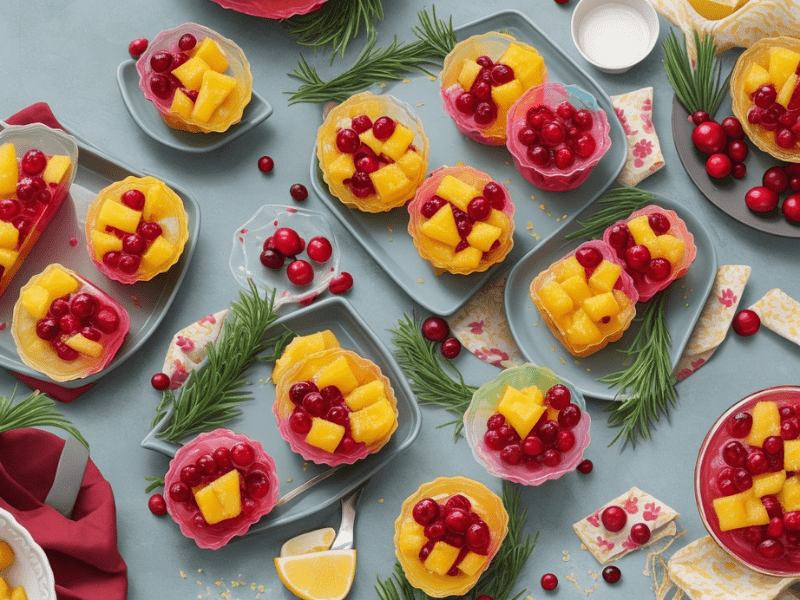
This holiday season, say hello to a dessert that’s as dazzling as your twinkle lights and as delightful as your favourite carols: Cranberry Pineapple Jello Salad.
This festive treat explodes with vibrant colours and tantalising flavours. Imagine tart cranberries and juicy pineapple chunks harmonising in a shimmering jello sea, all topped with a dollop of fluffy whipped cream and a sprinkle of festive cheer. It’s a delightful dance on your taste buds, a visual stunner on your table, and guaranteed to be the star of your holiday gathering.
But this isn’t just any jello salad; it’s five recipes with secrets to share, tips to wow your guests, and variations to make it your own. So come along, grab your mixing bowl, and prepare to transform a simple dessert into a holiday showstopper! Buckle up because we’re about to dive into the sparkling, swirling world of Cranberry Pineapple Jello Salad!
5 Festive Cranberry Pineapple Jello Salad Recipe
Forget fruitcakes and gingerbread houses! This holiday season, ditch the expected and dive headfirst into a shimmering wonderland of flavour with the Cranberry Pineapple Jello Salad. Every bite is a tropical escape, a festive celebration in your mouth, and a guaranteed crowd-pleaser at your next potluck or holiday gathering.
So, let’s look at our five delicious recipes for you today.
Sparkling Cranberry Pineapple Jello Salad Recipe
httpss://www.youtube.com/watch?v=_13nVdNfaJo
Sparkling Cranberry Pineapple Jello Salad is a festive and refreshing dessert perfect for any occasion. It’s packed with the tangy sweetness of cranberries, the juicy goodness of pineapples, and a touch of bubbly ginger ale for a delightful surprise. Here’s the recipe:
Ingredients
1 box (6 oz) strawberry gelatin
1 (12 oz) can pineapple chunks in juice, drained
1 (14 oz) can whole cranberry sauce
1 cup boiling water
1 cup ginger ale
Whipped cream and mint sprigs (optional for garnish)
Instructions
Dissolve the gelatin. Whisk the strawberry gelatin into the boiling water in a large bowl until completely dissolved.
Add the ginger ale and cool slightly. Let the gelatin mixture cool slightly, then stir in the ginger ale.
Fold in the pineapple and cranberry sauce. Gently fold in the drained pineapple chunks and cranberry sauce until evenly combined.
Pour into a mould and refrigerate. Pour the mixture into a mould of your choice. Refrigerate for at least 4 hours or until set.
Serve and enjoy! Once set, unmould the jello salad and cut it into slices. Serve chilled with a dollop of whipped cream and a sprig of mint for an extra festive touch.
Tips
You can puree the cranberry sauce for a smoother texture before adding it to the gelatin mixture.
You can substitute the ginger ale with sparkling water or club soda for a milder flavour.
Get creative with your mould! Use festive holiday shapes, individual serving moulds, or even vintage jello moulds for a fun presentation.
This salad is also delicious, topped with chopped nuts, such as pecans or walnuts, for added texture and crunch.
Dive into the tropics with this vibrant and refreshing Tropical Paradise Jello Salad. It’s a delightful mix of juicy pineapple, tangy mandarin oranges, and sweet, plump cranberries suspended in a shimmering orange jello sea.
Ingredients
1 box (6 oz) orange gelatin
1 (12 oz) can of crushed pineapple in juice
1 (15 oz) can of mandarin oranges, drained
1 cup fresh cranberries
1 cup boiling water
1/2 cup orange juice
Instructions
Dissolve the orange gelatin in boiling water, stirring until fully incorporated. Let it cool slightly.
Stir in the orange juice and let the mixture cool further until it’s no longer hot to the touch.
Gently fold in the drained crushed pineapple, mandarin oranges, and fresh cranberries.
Transfer the mixture to a mould of your choice. A clear glass trifle bowl or individual heart-shaped moulds would perfectly showcase the vibrant layers.
Refrigerate the salad for at least 4 hours or until it’s firmly set.
Once set, unmould the salad or serve directly from the mould. Garnish with pineapple slices and a dollop of whipped cream for an extra touch of tropical flair.
Tips
You can puree the mandarin oranges before adding them to the jello mixture for a smoother texture.
If fresh cranberries are unavailable, you can substitute them with frozen cranberries or dried cranberries soaked in orange juice for a few minutes.
Feel free to experiment with different tropical fruits like mango chunks or kiwi slices for an even more vibrant salad.
This salad is also delicious, topped with toasted coconut flakes for an extra layer of tropical flavour and crunch.
The Cranberry Pineapple Pecan Crunch Jello Salad sounds like a delightful combination of sweet and tart, with a satisfying crunch. Here’s the recipe for you:
Ingredients
2 boxes (3 oz each) of cranberry gelatin
1 (20 oz) can of crushed pineapple in juice
1/2 cup chopped pecans
1 (14 oz) can whole cranberry sauce
2 1/2 cups boiling water
Instructions
Prepare the cranberry jello base: In a large bowl, whisk both boxes of cranberry gelatin into the boiling water until completely dissolved.
Incorporate the sweetness and crunch: Drain the crushed pineapple and gently fold it into the gelatin mixture. Then, add the chopped pecans and stir until evenly distributed.
Blend in the tangy cranberry sauce: Open the can of whole cranberry sauce and pour it into the jello mixture. Use a whisk or spatula to gently fold it in, ensuring the cranberries are evenly distributed without breaking up too much.
Pour and chill: Pour the mixture into a mould of your choice. A 9×13-inch baking dish or individual serving moulds would work well. Refrigerate for at least 4 hours or until the jello is completely set.
Serve and enjoy: Once set, unmould the jello salad or serve directly from the mould. You can cut the salad into squares for individual servings. You can garnish with a dollop of whipped cream and a sprinkle of additional chopped pecans for an extra touch of elegance.
Tips
You can puree the cranberry sauce for a smoother texture before adding it to the jello mixture.
Depending on your preference, you can substitute the pecans with walnuts or almonds.
If you prefer a more intense cranberry flavour, you can use fresh cranberries instead of the whole cranberry sauce. Simply puree them with a little bit of water before adding them to the jello mixture.
This salad can be stored in the refrigerator for up to 3 days. However, the pecans may soften slightly over time.
Layered Cranberry Pineapple Delight Recipe
Layered Cranberry Pineapple Delight is a stunning and refreshing dessert perfect for any occasion. It’s a beautiful combination of tangy cranberry, juicy pineapple, and creamy orange jello, creating a delightful play of colours and textures. Here’s the recipe:
Ingredients
Orange Layer:
1 box (6 oz) orange gelatin
1 cup boiling water
Cranberry Layer
1 box (6 oz) cranberry gelatin
1 cup boiling water
1 (14 oz) can whole cranberry sauce
Pineapple Layer
1 (12 oz) can of crushed pineapple in juice, drained
Instructions
Prepare the Orange Layer: Dissolve the orange gelatin in boiling water, stirring until fully incorporated. Let it cool slightly.
Pour the Orange Layer: Pour the cooled orange gelatin into a 9×13-inch mould or individual serving dish. Refrigerate for at least 1 hour or until set.
Prepare the Cranberry Layer: Dissolve the cranberry gelatin in boiling water, stirring until fully incorporated. Stir in the cranberry sauce until evenly combined.
Gently Pour the Cranberry Layer: Carefully pour the cranberry layer over the set orange layer. Make sure to do it slowly to avoid disturbing the orange layer. Refrigerate for at least 3 hours or until the cranberry layer is set.
Add the Pineapple Topping: Once both layers are set, gently spread the drained crushed pineapple over the top of the cranberry layer. Refrigerate for an additional hour to allow the pineapple to settle.
Serve and Enjoy! Unmould the salad if using a large mould, or serve directly from individual dishes. Cut into squares or slices and enjoy the delightful combination of flavours and textures.
Tips
You can puree the cranberry sauce before adding it to the gelatin mixture for a smoother cranberry layer.
If you prefer a stronger cranberry flavour, use fresh cranberries instead of the whole cranberry sauce. Just chop them finely and add them along with the cranberry gelatin.
Get creative with your mould! Use festive holiday shapes, individual serving moulds, or even vintage jello moulds for a fun presentation.
This salad is also delicious, topped with chopped nuts, such as pecans or walnuts, for added texture and crunch.
Additional Variations
For a creamier delight, fold a cup of the whipped cream into the cranberry layer before pouring it over the orange layer.
To add a touch of spice, sprinkle some ground cinnamon or nutmeg into the orange gelatin while it’s dissolving.
For a tropical twist, substitute the orange gelatin with pineapple gelatin and use mandarin oranges instead of crushed pineapple in the topping.
Creamy Cranberry Pineapple Dream Salad Recipe
httpss://www.youtube.com/watch?v=JMcHuatgnEo
With this Creamy Cranberry Pineapple Dream Salad, you’ll be transported to a sweet and tangy world. It’s a delightful combination of smooth whipped cream, tart cranberries, juicy pineapple, and a hint of cherry jello, creating a masterpiece of flavour and texture. Here’s the recipe:
Ingredients
1 box (6 oz) cherry gelatin
1 cup boiling water
1 (12 oz) can of crushed pineapple in juice, drained
1 (14 oz) can whole cranberry sauce
1/2 cup cream cheese, softened
1/4 cup whipped cream
Instructions
Dissolve the cherry gelatin in boiling water, stirring until fully incorporated. Let it cool slightly.
Gently fold in the drained crushed pineapple until evenly distributed.
Add the whole cranberry sauce and fold it in, ensuring the cranberry bits are evenly distributed.
Beat the softened cream cheese until smooth and creamy. Then, gently fold it into the jello mixture.
Incorporate the whipped cream in light, folding motions to maintain airiness.
Transfer the creamy mixture to a mould of your choice. A trifle bowl for layering or individual serving dishes for elegant presentation works beautifully.
Refrigerate for at least 4 hours or until firmly set.
Once set, unmould the salad or serve directly from the mould. Cut into slices or scoop into bowls, and prepare to be swept away by the creamy delight.
Tips
For a smoother cranberry texture, puree the cranberry sauce before adding it to the gelatin mixture.
If you prefer a stronger cranberry flavour, use fresh cranberries instead of the whole cranberry sauce. Just chop them finely and add them along with the pineapple.
To add a touch of sparkle, use cherry-flavoured sparkling water instead of plain water to dissolve the gelatin.
This salad is also delicious, topped with a drizzle of melted white chocolate or a sprinkle of chopped nuts for added richness and texture.
Tips and Storage for Cranberry Pineapple Jello Salad
By following these tips and storage guidelines, you can ensure your Cranberry Pineapple Jello Salad is a delicious and festive treat that everyone will love.
Making the Perfect Jello Salad
Freshness is key: Use fresh or frozen cranberries for the best flavour and texture. If using frozen, thaw them completely before adding them to the jello.
Pineapple prep: Drain the pineapple chunks well to avoid diluting the jello mixture.
Spice it up: Add a pinch of cinnamon, nutmeg, or ginger to the gelatin for a warm and festive twist.
Get creative: Don’t be afraid to experiment with different fruits, nuts, and toppings! Mandarin oranges, chopped walnuts, and a drizzle of honey are all delicious additions.
Cold water: Always use cold water to set your jello. The cooler the water, the faster it sets.
Storage Savvy
Refrigerate, refrigerate, refrigerate! Store leftover jello salad in an airtight container or tightly covered with plastic wrap in the refrigerator for up to 5 days.
Freezing is not ideal: Jello salad doesn’t freeze well due to the texture changes while freezing and thawing. The cranberries might become mushy, and the jello itself might lose its smooth consistency.
Portion control: Consider making individual servings in small moulds or cups if serving a large crowd. This allows for easier storage and prevents leftovers from sitting out too long.
Think ahead: If you know you’ll have leftovers, prepare the jello mixture and pineapple layer the day before. Then, simply add the cranberry layer and refrigerate overnight.
Who Needs Fruitcake? Cranberry-Pineapple Jello Wins Every Time!
In conclusion, jello cranberry salad recipes with pineapple are a tasty and easy side dish for the holiday season. Their sweet and tart flavours add a pop of colour to any dinner table.
Whether you prefer a cream cheese topping or want to try different variations with raspberries or cherry-flavoured gelatin, there are plenty of options to suit your taste. So go ahead and give these delicious salads a try—you won’t be disappointed!
FAQs
u003cstrongu003eHow long does it take for the jello to set in the refrigerator?u003c/strongu003e
The time it takes for the jello to set in the refrigerator can vary depending on factors like temperature and thickness of the mixture. Generally, standard-sized moulds or containers take about 2-4 hours.
u003cstrongu003eWhy is my jello not set properly?u003c/strongu003e
Our jello may not be set properly due to several reasons: not using enough gelatin powder, adding too much cold liquid too soon, which prevents the proper gelling process, or your refrigerator might not be cold enough. Try placing it on a colder shelf or adjusting temperature settings.
Can I make this salad sugar-free?
Yes, you can! Look for sugar-free jello options and use a natural sweetener like stevia or monk fruit to taste. Just be aware that the sweetness level might differ from regular sugar.
Can I make this salad vegan?
Yes, you can! Use plant-based gelatin and vegan whipped cream to create a completely u003ca href=u0022https://amazingfoodanddrink.com/recipes/vegan-sweet-recipes/u0022 target=u0022_blanku0022 rel=u0022noreferrer noopeneru0022u003evegan versionu003c/au003e of this salad. Just be sure to check the ingredients of all your chosen products to ensure they are vegan-friendly.
What can I serve this salad with?
This salad is perfect as a side dish for a holiday meal, a potluck, or even a summer barbecue. It can be served alongside roasted turkey, ham, chicken, or fish. It’s also delicious on its own as a light and refreshing dessert.




 Shaimaa Olwan
 Nouran Ashraf