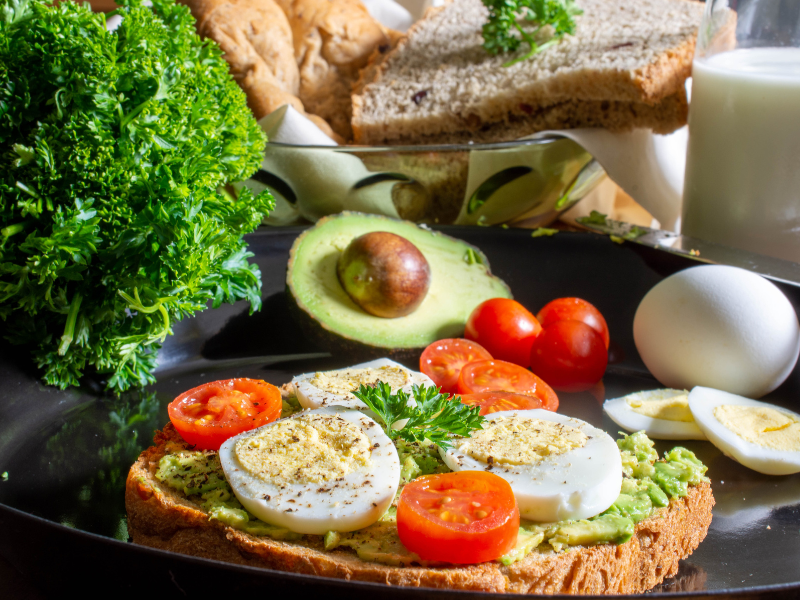
Keto bread machine offers a suitable option for those following a low-carb or ketogenic diet, helping with weight loss and blood sugar control while providing a satisfying alternative to traditional bread. Keto bread is a low-carbohydrate, high-fat alternative to traditional bread.
It is typically made with almond flour, flaxseed meal, or other low-carb flour. Keto bread is a popular choice for people on the ketogenic diet, as it allows them to enjoy bread without kicking them out of ketosis.
httpss://www.youtube.com/watch?v=OHJdHPKAMXg
Keto Bread Benefits
It is crucial to understand that keto bread is not a miracle cure for illnesses or a way to lose weight. It ought to be included in a healthy, balanced diet and consumed in moderation. Furthermore, some people who consume keto bread may have digestive problems, especially if they are not accustomed to eating high-fiber foods.
If you are considering adding keto bread to your diet, it is always best to talk to your doctor or a registered dietitian first. They can help you determine if keto bread is right for you and how to incorporate it into your diet safely.
A Suitable Option for Low-Carb or Ketogenic Dieters
Do you eat Keto bread? It’s great for a low-carb diet. The bread has less carbs and more healthy fats. There are no grains or refined carbohydrates in it, so it is good for health. It also helps lose weight.
Making the bread is easy, too! We use a machine to do the baking work for us. This saves time and effort. Plus, there are many flours that we can use in place of regular flour. Some have extra health benefits, like psyllium husk! So, if you’re on a ketogenic diet like me, try making keto-friendly bread at home.
Good Control of Blood Sugar and Weight Loss
Keto bread is good for human health. It has fewer carbs and more fibre, so it helps keep blood sugar levels steady. If you are too heavy, like some of us, you will find that the ketogenic diet can help you lose weight.
This type of meal plan fights diseases linked with how your body works on the inside. It’s also great for people who face risks like being overweight or having type 2 diabetes, as well as those needing a boost in their HDL cholesterol levels – all from just eating low carb! The keto diet makes our body go into ketosis, which lowers blood sugar and helps shed extra pounds! So tasty low-carb food aids weight management and controls blood sugar!
ASatisfying Alternative to Traditional Bread
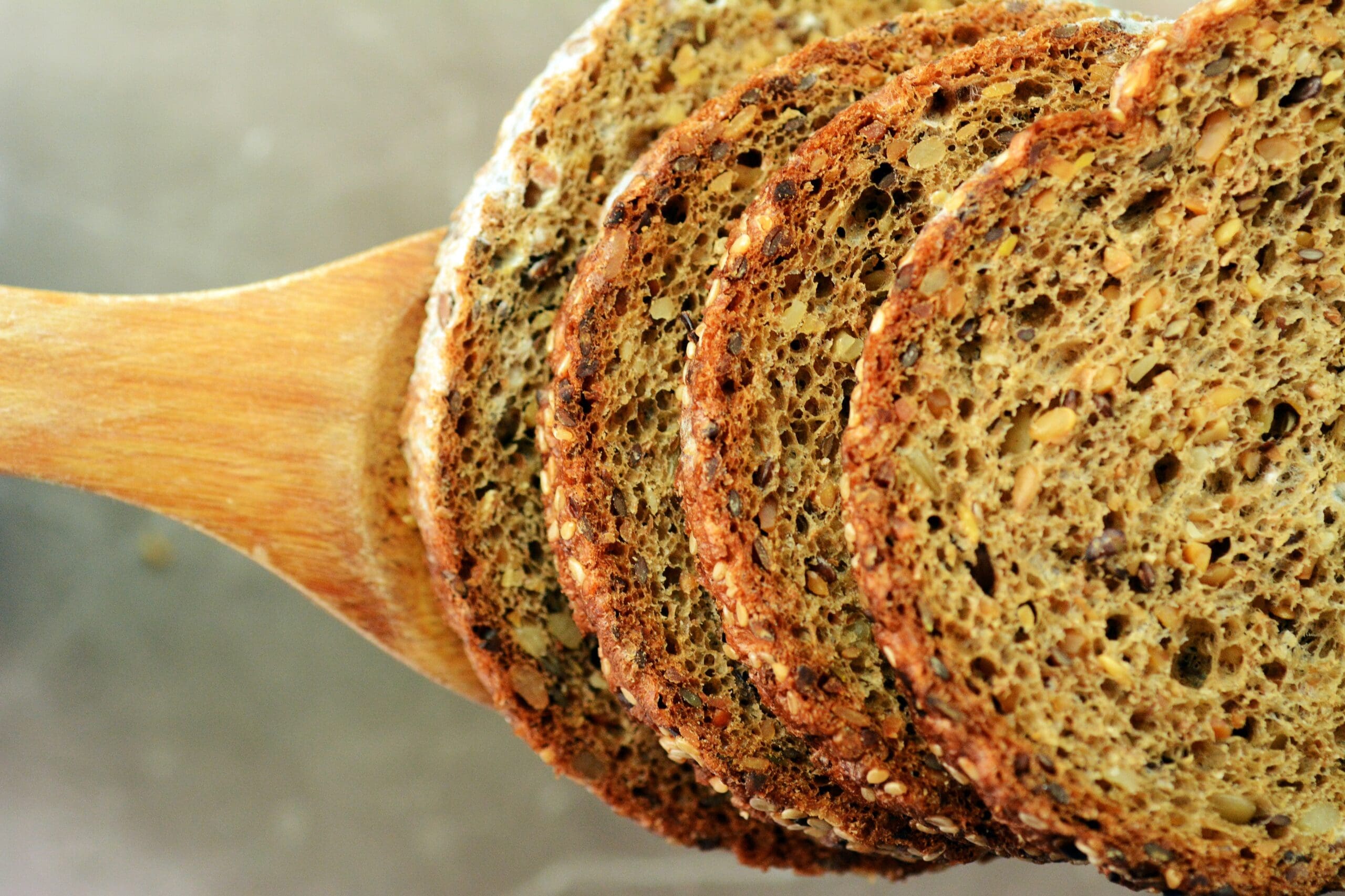
Freshly baked sliced homemade bread.
Keto bread provides a tasty and satisfying alternative to traditional bread. It’s perfect for those who follow a low-carb or ketogenic diet and want to cut down on their carb intake. Unlike regular bread, keto bread is made with ingredients like almond flour or coconut flour, which are lower in carbs and don’t contain gluten. This means that people with gluten intolerances or sensitivities can enjoy it without issues.
Not only does keto bread taste great, but it’s also packed with fibre and essential nutrients, making it a nutritious choice for anyone looking to eat healthier. So, if you’re craving bread but want to stick to your low-carb goals, try keto bread!
How to Make Keto Bread
Before diving into the delicious world of keto pita sandwiches and pizzas, let’s first learn how to make the perfect keto pita bread. The key to achieving the right texture and flavour lies in the ingredients and the preparation process.
Ingredients for Keto Bread
To prepare keto pita bread, you will need almond flour, psyllium husk powder, baking powder, salt, and warm water. The combination of these ingredients not only ensures a soft and tender pita bread but also keeps the carb content low, making it a perfect choice for a keto diet.
Steps to Prepare Keto Dough
Combine the almond flour, baking powder, psyllium husk powder, and salt. Stir in the warm water little by little, and work the mixture into a smooth, elastic dough. Shape the dough into small circles by dividing it into equal sections. Next, to construct the pita bread, spread out each slice into a thin circle.
Best Way to Cook Keto Bread
Once the keto pita bread is prepared, it’s time to cook it perfectly. The best way to cook a keto pita is by using a hot skillet or a cast-iron pan over medium heat. Cook the pita bread for a few minutes on each side until it puffs up and develops a golden brown colour.
Creating Delicious Keto Pita Sandwiches
Now that you have mastered the art of making keto pita bread, it’s time to take it up a notch by creating mouthwatering keto pita sandwiches. Whether you prefer a classic Mediterranean filling or a modern twist, the options are endless.
Recipes for Keto Pita Sandwich Fillings
For a traditional pita sandwich, fill the keto pita pockets with fresh veggies, such as cucumber, red onion, and crunchy lettuce, and add a protein of your choice, such as falafel or grilled chicken. Additionally, you can opt for a modern twist by incorporating ingredients like sweet potato, chickpeas, and a homemade tzatziki sauce for a burst of flavour.
Perfect Pairings for Keto Pita Sandwiches
Pair your keto pita sandwiches with a side of homemade hummus, a refreshing cucumber and feta salad, or a selection of pita chips for a satisfying and wholesome meal. The combination of the creamy hummus and the crisp texture of the pita chips will elevate your dining experience.
Adding Flavour with Homemade Keto Pita Sauces
Enhance the flavour of your keto pita sandwiches by preparing homemade condiments such as a creamy tahini sauce, a zesty vinaigrette, or a refreshing yoghurt sauce. These sauces add a burst of flavour and complement the texture of the pita bread and the fillings.
Other Low-Carb Bread Machine Recipes
In addition to the keto bread recipe, you can make other delicious low-carb options in your bread machine. Keto bread offers a suitable option for those following a low-carb or ketogenic diet, helping with weight loss and blood sugar control while providing a satisfying alternative to traditional bread.
httpss://www.youtube.com/watch?v=OHJdHPKAMXg
Coconut Flour Bread
Coconut flour bread is a popular choice for those following a low-carb or keto diet. It can be made quickly and easily without a bread machine. Coconut flour is used as a nut-free alternative for those with allergies. Xanthan gum is commonly used in coconut flour bread recipes to give it texture and help it stick together. Some recipes include yeast for added flavour and rise. Coconut flour bread is often gluten-free, dairy-free, and paleo-friendly.
Keto Yeast Bread
Keto bread machine
Making keto yeast bread in a bread machine is easy and delicious. Here’s how you can do it:
Combine almond flour, psyllium husk powder, baking powder, salt, and instant yeast in a bowl.
In another bowl, whisk together warm water, melted butter or coconut oil, and apple cider vinegar.
Add the wet ingredients to the dry ingredients and mix until well combined.
Transfer the dough to your bread machine pan and smooth out the top.
Set your bread machine to the “knead” or “dough” cycle for about 30 minutes.
Once the cycle is complete, remove the dough from the bread machine and shape it into a loaf shape. Place it in a greased loaf pan.
Cover the pan with a kitchen towel and let it rise for about 1 hour or until doubled in size.
Preheat your oven to 350°F (175°C) while the dough is rising.
Bake the keto yeast bread in the preheated oven for about 45 minutes or until golden brown on top.
Remove from the oven and let it cool completely before slicing.
Almond Flour Biscuits
Almond flour biscuits are a delicious and easy option for low-carb bread machine recipes. With just six ingredients, they are simple to prepare. These biscuits are buttery and flaky, similar to traditional high-carb biscuits. They are a delicious side dish for any dinner or can be eaten by themselves as a snack. Due to its low carbohydrate content and adaptability, almond flour is a common component in low-carb recipes. So, if you’re looking for a tasty alternative to traditional bread, try making almond flour biscuits in your bread machine!
Here is a recipe for almond flour biscuits:
Ingredients
2 cups (250 g) almond flour
1 teaspoon (5 g) baking powder
½ teaspoon (2.5 g) salt
¼ teaspoon (1.25 g) baking soda
5 tablespoons (70 g) cold, unsalted butter, cut into cubes
½ cup (120 ml) cold buttermilk or sour cream
¼ cup (60 ml) heavy cream
1 large egg
Instructions
Preheat oven to 450 degrees F (230 degrees C). Line a baking sheet with parchment paper.
Whisk together the almond flour, baking powder, salt, and baking soda in a bowl.
Cut in the cold butter using a pastry cutter or two knives until the mixture resembles coarse crumbs.
Whisk together the buttermilk, heavy cream, and egg separately.
Gradually add the wet ingredients to the dry ingredients, stirring until just combined. Do not overmix.
Drop rounded tablespoons of dough onto the prepared baking sheet.
Bake for 15-20 minutes, or until golden brown.
Let it cool on the baking sheet for a few minutes before transferring it to a wire rack to cool completely.
Tips
For a more flavorful biscuit, add a teaspoon of almond extract to the dough.
If you don’t have buttermilk, add one tablespoon of lemon juice or white vinegar to 1 cup of milk and let it sit for 5 minutes.
You can also use all heavy cream instead of half and half buttermilk.
For a more rustic look, don’t drop the dough by tablespoons. Instead, use your hands to form the biscuits into rounds.
If the dough is too dry, add a little more buttermilk. If the dough is too wet, add a little more almond flour.
Nutritional Information
One biscuit contains approximately 200 calories, 15 grams of fat, 5 grams of carbohydrates, and 3 grams of protein.
Comparison of Different Low-Carb Flours for Keto Bread
Blanched almonds are ground into a fine powder and used to make almond flour. It is an excellent choice for anyone on a low-carb or ketogenic diet because it is naturally low in carbohydrates and high in heart-healthy fats.
Almond flour’s high protein content contributes to its main benefit of keeping you feeling content and full. It is also a good source of fibre, which is beneficial for maintaining digestive health and lowering blood sugar levels. Important elements for general health, like manganese, magnesium, and vitamin E, are also found in almond flour.
These nutrients can provide defence against free radicals, support a healthy immune system, and strengthen bones. Almond flour has a moderate, somewhat nutty taste that works well in a range of baking recipes. It gives baked goods a moist and delicate texture and can be used to produce keto bread, muffins, pancakes, and other baked goods.
All things considered, almond flour is a healthy and adaptable choice for anyone trying to cut back on carbohydrates without sacrificing the taste of great baked goods. It is a great option for anyone on a low-carb or ketogenic diet because of its advantages.
Benefits of Almond Flour in Keto Bread
These nutrients can provide a defence against free radicals and strengthen bones. Almond flour has a moderate, somewhat nutty taste that works well in a range of baking recipes. It gives baked goods a moist and delicate texture and can be used to produce keto bread, muffins, pancakes, and other baked goods.
All things considered, almond flour is a healthy and adaptable choice for anyone trying to cut back on carbohydrates without sacrificing the taste of great baked goods. It is a great option for anyone on a low-carb or ketogenic diet because of its advantages.
All things considered, almond flour is a popular option for people trying to stick to a low-carb or gluten-free diet because it’s a flexible and wholesome substitute for regular wheat flour. Almond flour can be a tasty and nutritious substitute for regular flour in your favourite recipes, whether you’re baking keto bread, pancakes, or muffins.
Using Coconut Flour in low-carb Bread
Coconut flour is another alternative that’s low in carbs and high in fibre, offering a unique taste and texture to your keto bread. It’s a suitable choice for those looking for a different twist to their low-carb bread recipe. Made from ground, dried coconut meat, coconut flour has no gluten by nature. For those who have allergies to wheat and other grains or food sensitivities, it’s a great option.
Furthermore, the high fibre content of coconut flour can facilitate better digestion and a feeling of fullness and satisfaction. When using coconut flour in keto bread recipes, it’s important to note that it’s highly absorbent and requires more liquid than traditional flour. It’s best to follow a formula specifically designed for coconut flour or to adjust the liquid content accordingly.
Additionally, coconut flour has a slightly sweet and nutty flavour, which can add a delicious twist to your low-carb bread. Overall, coconut flour is a great option for those following a keto diet and looking for a unique and flavourful alternative to traditional flours. It provides a good source of fibre and can help add variety to your low-carb bread options. Give it a try and see how it can enhance your keto bread recipes!
Other Alternative Flours for Ketogenic Bread
Aside from almond and coconut flour, other alternative flours, such as flaxseed meal and psyllium husk powder, can be used to create delicious and low-carb bread options for those following a ketogenic diet. Made from ground flaxseeds, flaxseed meal is a nutrient-dense option for low-carb baking because it’s high in omega-3 fatty acids and fibre. It can be used in place of almond or coconut flour in keto bread recipes and has a slightly nutty flavour.
Another excellent choice for low-carb baking is psyllium husk powder, which gives the bread elasticity and moisture. Additionally, it contributes to the bread’s improved texture and rising, giving it a consistency more akin to regular bread. Powdered psyllium husk, which has a high soluble fibre content, is beneficial for gut health and digestion.
Other alternative flours that can be used for keto baking include chia seed flour, sunflower seed flour, and pumpkin seed flour. These flours also offer nutritional benefits and can be used alone or combined with other low-carb flour to create a variety of keto-friendly breads, muffins, and other baked goods. Experimenting with different alternative flours can add a mixture to a ketogenic diet.
Conclusion
In conclusion, making low-carb bread in a bread machine is an easy and convenient way to enjoy keto-friendly bread. With just a few simple ingredients and the help of the bread machine, you can create delicious and satisfying low-carb bread that fits perfectly into your ketogenic lifestyle. So why not try it and start enjoying keto bread’s benefits today?
FAQs
1. Can I make keto bread using a bread machine?
Yes, you can make keto bread using a bread machine by selecting the appropriate settings and ingredients.
2. What main ingredients are needed for a keto bread machine recipe?
The main ingredients for a keto bread machine recipe typically include almond flour, eggs, butter or oil, baking powder, and salt.
3. Is it easy to make keto bread using a bread machine?
Yes, making keto bread using a bread machine is generally easy as long as you follow the recipe instructions and have the necessary ingredients.
4. How long does it take to bake keto bread in a bread machine?
The baking time for keto bread in a bread machine varies but usually takes around 2-4 hours, depending on the specific recipe and settings used.
5. Can I customise the flavour of my keto bread made in a Bread Machine?
Yes, you can customise the flavour of your keto bread made in a Bread Machine by adding herbs like rosemary or garlic powder or incorporating different spices based on your preference.






 Asmaa Alhashimy