If you are a gourmet and the go-to person in any friend group for anything related to food, a food blog is your perfect solution. Pay attention because you may take your love for food to the next level.
Consider it this way: By creating your own food blog, you may express your passion for food in a variety of ways, such as cooking, photography, restaurant recommendations, or any other concept you may have. On top of that, it is a terrific opportunity to connect with other gourmets who share your passion. We can’t also forget one of the most significant aspects: you can make money online out of it.
Need help knowing where or how to begin? Well, you’ve come to the right place because we will tell you everything you need to know about how to start a food blog in easy steps and what to avoid when blogging about food. By the end of this informative article, we guarantee you will be ready to be a food blogger.
What Is a Food Blog?
httpss://www.youtube.com/watch?v=uEIZoZc0o4c
A food blog can be a website that discusses everything related to food, from visual content to articles. It can be maintained by an independent blogger if you want to have a one-person show or a team of creators to divide the work upon. If you feel like handling a website isn’t your thing, you can go for another option, which is to become an Instagram food blogger. Still trying to figure out where to begin? This is what we are going to show you in the following lines.
What Are the Different Types of Food Blogs?
Know for a fact that food blogging is one of the finest blogging niches. You’ll be able to discuss anything related to food without boring anyone. You’re addressing all of the gourmets out there, and don’t forget about all the great brand collaboration opportunities.
However, there is a widespread assumption that when you mention food blogging, the first thing that springs to mind is food recipes. Of course, this is not only the case. There are seven other fascinating varieties of food blogging that we will discuss in detail.
1. Recipe Blog
Let us begin with the most obvious and well-known blog, the recipe blog. It is solely dedicated to recipes and everything related to them, from creating new ones to sharing your grandmother’s apple pie recipe that your family adores.
Recipe blogs typically include ingredient lists, step-by-step directions for cooking specific recipes, and high-quality original food pictures that make viewers want to try these recipes. Of course, they are highly successful and loved by everyone nowadays; many people go there when they run out of cooking ideas. However, if your goal is to stand out from the crowd, they are not the option that will fit your desire, as they are currently widespread.
If you want to have a recipe blog, make it theme-based to make it unique. Here are a few examples to get you started and may spark another brilliant idea:
Easy on-the-go recipes,
Cooking for two recipes, or
Food recipes to make your kids enjoy healthy meals.
2. Cooking Blog
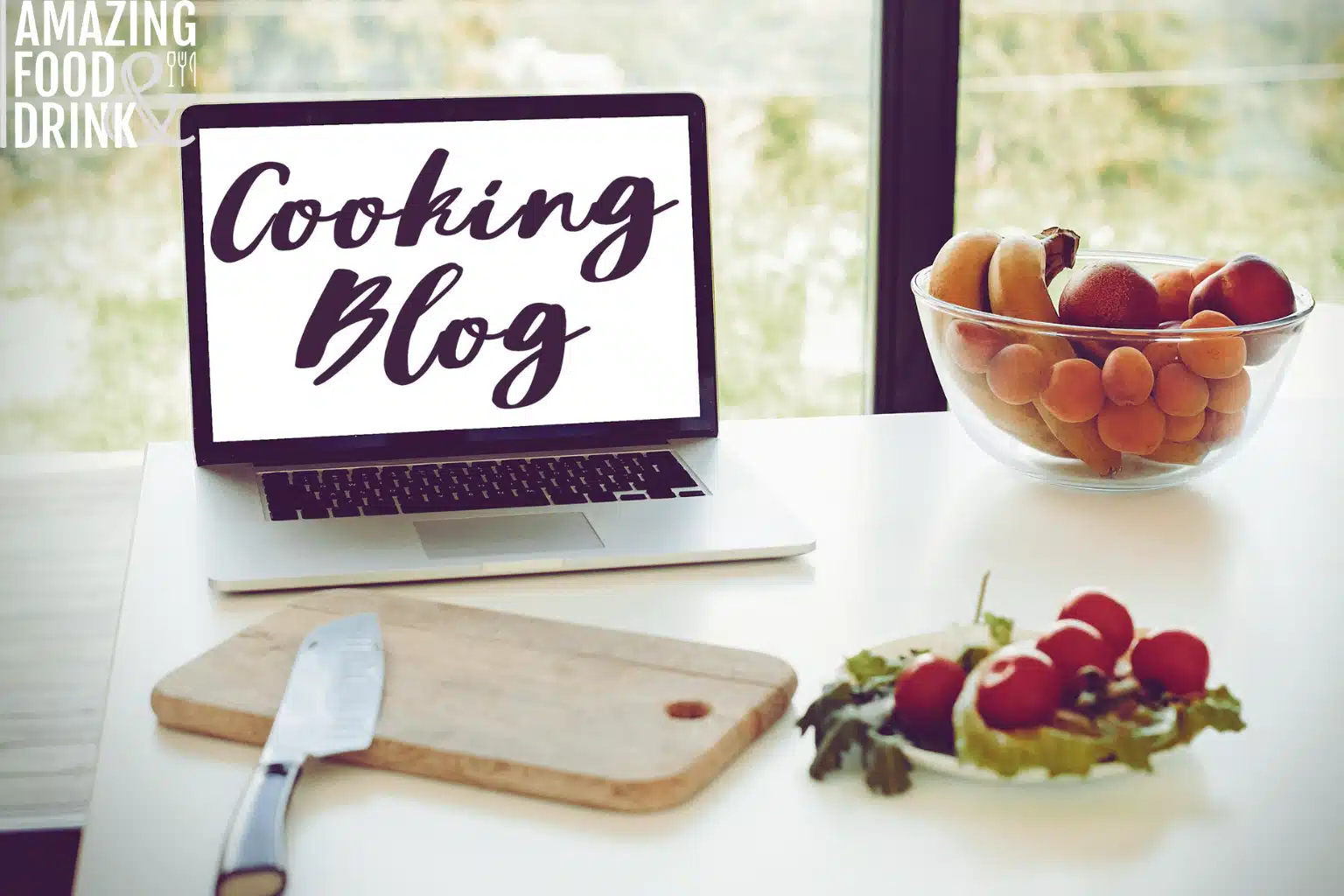
A cooking blog appears similar to a recipe blog, but it differs in several ways. A cooking blog focuses on a specific type of cooking and offers additional cooking tips. Let’s take a couple of examples to not confuse you:
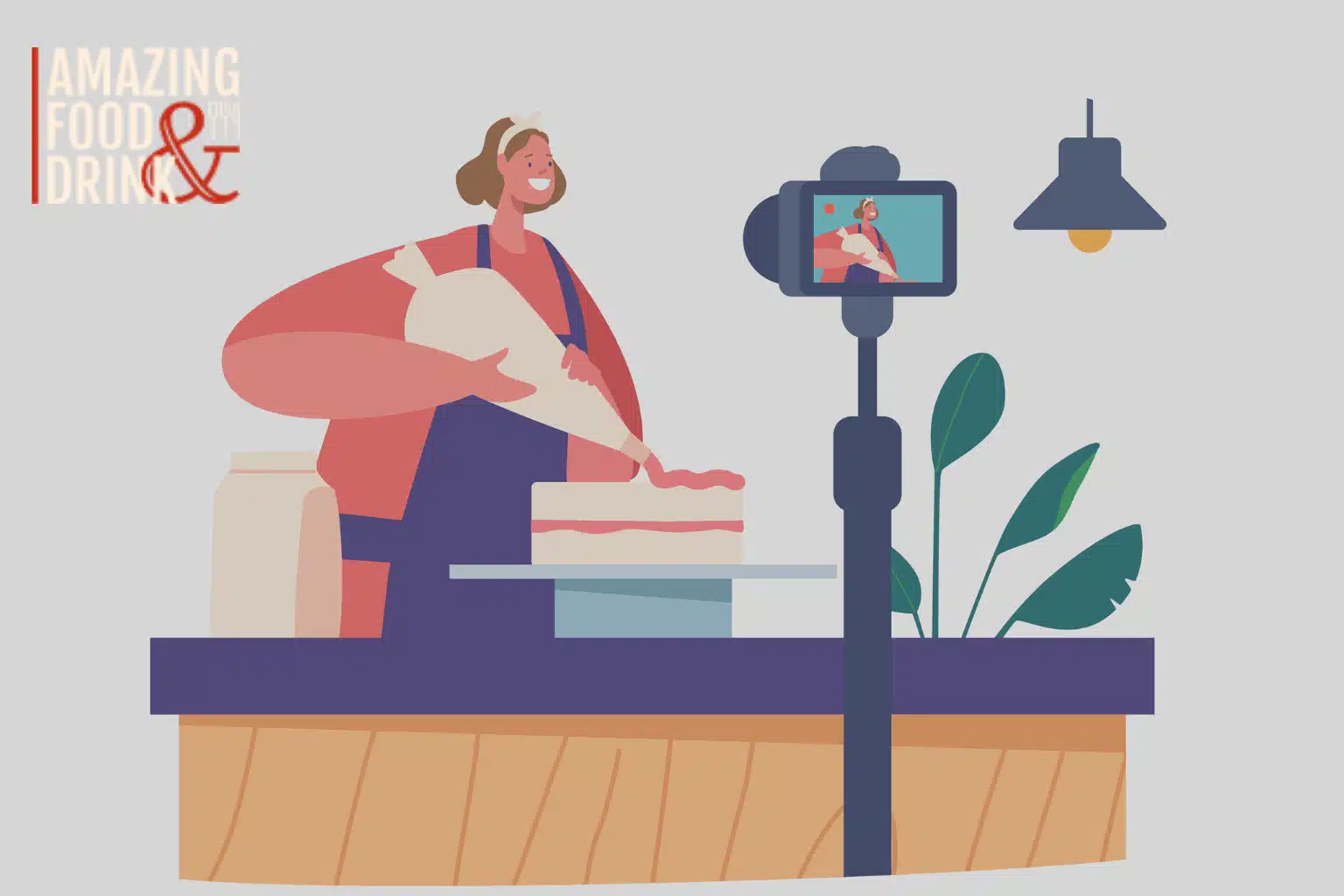
Baking blogs that are loved by many,
Blogs on preparing specific cuisines, or
All the cooking tips you could need, such as using the appropriate knife while chopping meat.
3. Cooking Book Review Blog
When you think about recipe books, the first thing that comes to your mind is the classic film Julie & Julia, starring the magnificent Meryl Streep, which is based on the life of a recipe book author. Our point is that cooking books are quite popular and liked by many people who prefer picking up a book for recipes rather than surfing the internet.
When you buy a book, the first thing you normally do is to read the reviews. Reviews of recipe books, cooking books, and other food-related books are nearly non-existent in the food world. So, if there is a well-known cooking book review blog, everyone will automatically believe everything on it.
If you like books and cooking, you’ve just watered two plants with one hose. You may fill in the gaps by dedicating your blog to reviewing food-related books, which is a terrific way to stand out from the crowd.
4. Location-Specific Food Blog
Some food bloggers‘ major purpose is to shed light on cultures that few people are aware of, and of course, food may help you understand more about the culture. So, a food blog focusing solely on individual cities would be a fantastic idea; it would be similar to a documentary. Perhaps every couple of months, you would choose a country and delve deep into its food culture, from spices to the origins of a particular dish.
A location-specific food blog is ideal if you enjoy both travelling and eating, as you will share your food experience with your followers and allow them to travel with you through your journey. This type of blog is typically captured through videos, so you need to work on your filmmaking skills.
5. Food Review Blog
Another type of food blog is food review. Food review bloggers try new restaurants, cafes, shops, and packaged foods. They offer an honest review to save us time if the restaurant we’ve been dying to try isn’t as excellent as we imagined.
The market is flooded with food review blogs; however, your goal is to be distinct. If you go with the food review blog, you will be invited to try new places and/or receive a goodie bag to review. An essential thing you should consider is to be always honest so that people can trust you and your reviews. Thus, you can get more fans and will constantly be in the spotlight for your next big thing.
6. Healthy Eating Blog
There has been a significant shift in everyone’s health attitude; more and more people are becoming careful of what they consume. Nowadays, people are constantly looking for what is healthy and what should be avoided. A healthy food blog would be ideal for targeting such people.
A healthy eating blog shares all it has to do with choosing a healthier lifestyle. It usually focuses on topics such as “what to eat before and after a workout” and “how to turn your unhealthy cravings into healthy ones”.
A healthy food blog may offer healthy recipes, meal planning support, and nutritional information. It may also focus on specific diets such as paleo, keto, gluten-free, or vegan. Readers of healthy food blogs may also learn about nutrition and healthy ingredients. If you are a health freak, this would be the perfect blog for you to start.
7. Cooking on a Budget Blog
Cooking on a budget is a new trend because everyone is trying to save money nowadays. Some are able to do so, while others are doing their best. This type of food blog aims to help the latter enjoy tasty and healthy meals on a budget. The blog can feature numerous splendid ideas, such as affordable recipes, smart shopping tips, meal planning, and ways to use leftover food to make a tasty dish and avoid food waste.
How to Start a Food Blog
We’ve come to the part we are all waiting for, which is how to start a food blog. We know it might be a little bit challenging; however, it is all for what you love, blogging about food. With these six steps, we can promise you that you’re on the right track and ready to start your food blogging career.
Step 1: Choose a Topic or Theme for Your Food Blog/ Instagram Account
The first step is to choose a theme for your food blog. If you can’t decide, use the following questions to narrow down your options: What are you particularly interested in? Are you developing your own recipes? Do you enjoy trying new restaurants and sharing your reviews with others? When it comes to baking, do your friends come to you since you are the baking guru? When you answer these questions and brainstorm your thoughts, you will be able to determine your blog’s theme.
Step 2: Coming up With a Name for Your Food Blog/ Instagram Account
The second step, which many bloggers hate, is coming up with an attention-grabbing name for your food blog. This name will work if you are making a website and will use the name for the domain or if you are creating an Instagram account. Just be sure you have a couple of alternative names in case the name you chose is taken, which is a bummer but perhaps for the best.
Step 3: Starting Your Food Blog’s Website/ Instagram Account
You have two choices when it comes to being a food blogger: create a website or an Instagram account. If you choose the website option, building a website is pretty simple. If you are not a tech whizz, this video will assist you and make it much easier for you.
httpss://youtu.be/HUCkIlzKA7k?si=5163Sh67pYBj1I9J
If you choose the Instagram route, create an account with a name you came up with and make it a business account. Otherwise, you may convert your personal account to a business account and make it public. Then, you can quickly begin your food blogging journey.
Step 4: Creating Content for Your Food Blog/ Instagram Account
Once you’ve launched your website/ Instagram account, it’s important to start producing high-quality content that will attract users. It would help if you focused on the following:
Organise your posting schedule to whatever your blog topic is, such as new recipes you know your viewers will enjoy. If your blog is about restaurant reviews, ensure you have all the information they need (cuisine, pricing, and location). Always include high-quality photographs and videos in your articles/ posts.
The key to getting more readers is SEO (search engine optimisation). It is always best to look up what is trendy before writing content and then build your headlines and posts accordingly.
It’s never too late to improve your skills; they will always help you with your food blog. So, look for online courses in whatever skills you feel you need to improve a bit, such as photography.
Step 5: Promote Your Food Blog
Your food blog must reach every gourmet out there. So, the question is now: how will you accomplish this? Here are a few suggestions to get you started:
We are all aware that social media is powerful. In order to reach more people, you should make more social media posts about food-related themes and encourage customers to subscribe to your website by sending them emails.
If you’re going to write a food article and want it to reach as many people as possible, always include the share button and the comments section.
Step 6: Make Money From Your Food Blog
The last step is to make money from your food blog at some point. Think about it this way: As your audience increases, you may have opportunities to produce passive revenue from your food blog. “How?” is the question, though. Here are the answers:
Affiliate marketing in which bloggers utilise in-copy linking to promote the products of a third-party merchant and receive a cut of the sales,
Brand sponsorships, or
Website ads.
5 Tips for Creating the Best Food Blog Content
We’ve led you through the steps of starting a food blog. We’ll now give some extremely valuable suggestions on creating unique content.
1. High Image Quality = More Viewers/ Readers
When it comes to food, there is a guideline you should always follow: the eye eats before the mouth. So, you must accompany your posts with perfect food pictures to enhance the user experience and make your website/ Instagram account seem rich. Here are five things you can do to improve food photography/ videography for your food blog:
Having a phone with a poor camera will not help. Thus, it is preferable to invest in a good smartphone with a high-quality camera. Alternatively, purchasing a high-resolution camera is an excellent option. It is always good to learn more about food photography ideas, as this will help you create beautiful food photos.
To make the dish look attractive and tempt the viewer to take a bite and try to cook it themselves, ensure that lighting, food styling, and composition are perfect. If the lighting is too dull, the dish won’t look tempting. However, the dish will look fake if the lighting is too bright. Food styling is also essential, so you must take care of what comes next to what.
Some images will require retouching after shooting. So, it is always a good idea to improve your skills in editing. You can watch more YouTube videos that teach how to work on editing software or read a bit more about it to achieve the high-quality food image that you desire and that your viewers/ readers will love.
2. Stand Out From the Crowd by Displaying Your Actual Individuality in Your Work
We are not all born the same, which is what makes us all unique. This is something you must be mindful of and show in your food blog in order to show your unique personality in your work. Being yourself will allow the audience to connect with you and make them feel as though they are following/ watching a friend rather than a total stranger. So, if you want to make food jokes or talk about your emotions, go ahead! Just remember to be yourself, and we’re confident your fans will enjoy your uniqueness.
3. Add a Touch of Personal Experience to Your Food Blog
Do you know how eating a particular meal makes you instantly travel back in time to the summers you spent with your grandmother? or makes you remember any good memory you may have associated with this dish? This is because food is typically associated with personal experiences and memories. It is exactly what you want to add to your food blog: a personal touch so that your audience can relate to you more.
Simply adding your personal experience to your food blog has a significant influence. Your visitors/ followers will feel like you’re their next-door neighbour instead of feeling like they’re following a robot. This will probably make people wait for your next post, as they will get to know you better with each post.
4. Get To Know Your Audience a Bit More
Make a strong connection with your audience; after all, they are your digital family and one of the reasons for your success. Engage with them through Instagram stories or blog comments. Although the number of messages and comments may be overwhelming, you can schedule a day to reply to all of them: their encouraging words, their questions about the steps of a specific dish, or their inputs that may cause you to change something in the recipe.
5. Collaborate With Other Talented Food Bloggers
Do you know how it feels to get together with your best friend and brainstorm ideas? Consider doing a similar collaboration with another food blogger. Perhaps another food blogger can provide some tips and tricks that will benefit your food blog. You will definitely come up with fresh ideas for your blogs, whether it is a new recipe, a restaurant review, or anything else related to food. Simply establish friends in the food community; after all, gourmets have to stick together.
What Are Some Things to Avoid When Blogging About Food?
Now that you’ve established your food blog, there are four things you should absolutely avoid in order for it to be a success.
1. Not Editing or Proofreading Any of the Posts Before Uploading Them
Consider it in that light: Who is going to read your articles if every word/ sentence has a spelling or grammatical mistake? It is usually a critical idea to double and triple-check anything before publishing it.
2. Copying From Other Food Bloggers
It is always ideal to come up with your own ideas and material. Copying from others will not get you anywhere. Instead, your followers will not trust whatever you say and may react against you, causing you to lose a large fan base.
3. Not Paying Attention to What Your Audience Has to Say
As your audience grows, it is essential that you listen to them. After all, they are one of the reasons for your success. If you begin to disregard their comments, it goes without saying that they will lose interest in whatever you say.
4. Not Being Consistent and Organised
The two most important aspects of any food blog that contribute to its success are consistency in posting dates and organisation. If you are doing the opposite, expect that your fans will lose interest very quickly, and you will find it hard to reach many people.
In Conclusion
Perform your task well if you want your food blog to be unique. Accordingly, you can establish a fan base that longs to hear what you will communicate in your next post. Food blogging can be considered a full-time job because you will find yourself devoting all of your time to it and working hard to come up with new ideas. Just remember to have fun while working and show off your unique personality.



 Yasmin Elwan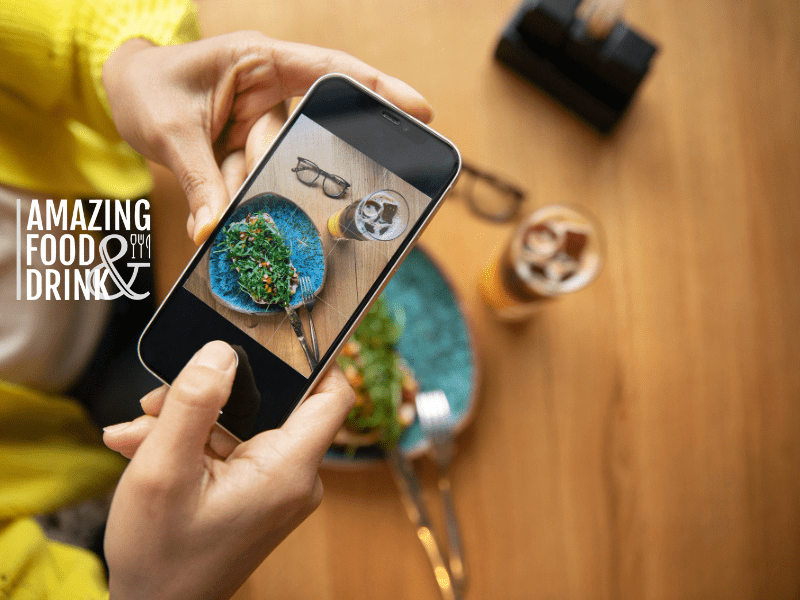
 Asmaa Alhashimy