Finding quality cooking classes in Belfast has become easier in recent years, with dedicated cookery schools offering hands-on training for home cooks of all abilities. At Amazing Food & Drink, we visited Belfast Cookery School to explore their teaching methods, discover practical kitchen techniques, and learn recipes you can recreate at home.
This guide shares insights from our visit, covering everything from pan seasoning to preparing restaurant-quality dishes using Northern Irish ingredients.
Table of Contents
Why Belfast Cookery School Stands Out
Belfast Cookery School operates in the heart of Northern Ireland’s culinary scene, where access to fresh seafood from Strangford Lough, quality dairy from local farms, and seasonal produce from St George’s Market shapes their teaching approach. The school focuses on practical skills that work in home kitchens, not just professional settings.
Their classes suit different cooking goals. Some students attend for social evenings learning new recipes, whilst others want to master specific techniques like filleting fish or making traditional Irish breads. The relaxed atmosphere encourages questions, and instructors adapt their teaching based on each group’s experience level.
Top Cooking Classes at Belfast Cookery School
The most valuable lessons from Belfast Cookery School focus on foundational techniques that transform everyday cooking. These three methods—pan seasoning, steak preparation, and knife skills—form the backbone of confident kitchen work and apply across countless recipes.
How To Season A Pan
Seasoning creates a natural non-stick surface on cast iron and carbon steel pans through a process called polymerisation. This technique reduces the amount of oil needed for cooking and makes cleaning considerably easier.
The Seasoning Process
Heat your pan on high until it’s very hot
Add enough sea salt to cover the base in a thin, even layer
Leave the salt heating for 5 minutes (expect smoke – this is normal)
Pour the hot salt into a heatproof container to cool
Wipe away any remaining salt with a dry cloth once the pan has cooled slightly
Apply 2 teaspoons of neutral oil (grapeseed or sunflower work well)
Rub the oil into the entire cooking surface with a clean cloth
This process bonds oil to the metal at a molecular level, building up protective layers over time. Well-seasoned pans develop better non-stick properties with each use, particularly when you clean them properly (avoid harsh detergents that strip the seasoning).
Chef’s Tip: “The key is maintaining high heat throughout the salting stage. If your hob struggles to stay hot enough, try this process in a 230°C oven instead,” notes Chef Ian from Belfast Cookery School.
How To Cook The Perfect Steak
Achieving restaurant-quality steak at home depends more on temperature control than expensive cuts. Belfast Cookery School’s method focuses on timing and heat management, similar to techniques used in professional kitchens.
Preparation (1 Hour Before Cooking):
Remove your steak from the fridge and leave it at room temperature for exactly one hour. Cold meat cooked to medium-rare often remains unpleasantly cool in the centre, whilst room-temperature steak cooks evenly throughout.
The Cooking Method:
Set your hob to maximum heat
Place a heavy-based pan (cast iron works best) on the heat
Wait until the pan is smoking hot
Season both sides of the steak generously with salt immediately before cooking
Place the steak in the dry pan – it should sizzle aggressively
Sear without moving until the edges show a golden-brown crust
Flip once, cooking the second side to your preferred doneness
Add unsalted butter with fresh herbs (thyme and rosemary) to the pan
Baste the steak repeatedly with the herbed butter
Timing Guide:
Blue: 1 minute each side
Rare: 1.5 minutes each side
Medium-rare: 2 minutes each side
Medium: 2.5 minutes each side
Well-done: 3+ minutes each side (though Chef Ian politely suggests reconsidering this option)
The unsalted butter prevents over-salting whilst adding richness. If you’ve already seasoned with salt, salted butter can make the finished dish unpleasantly salty. For more guidance on cooking perfect meat, explore our comprehensive techniques guide.
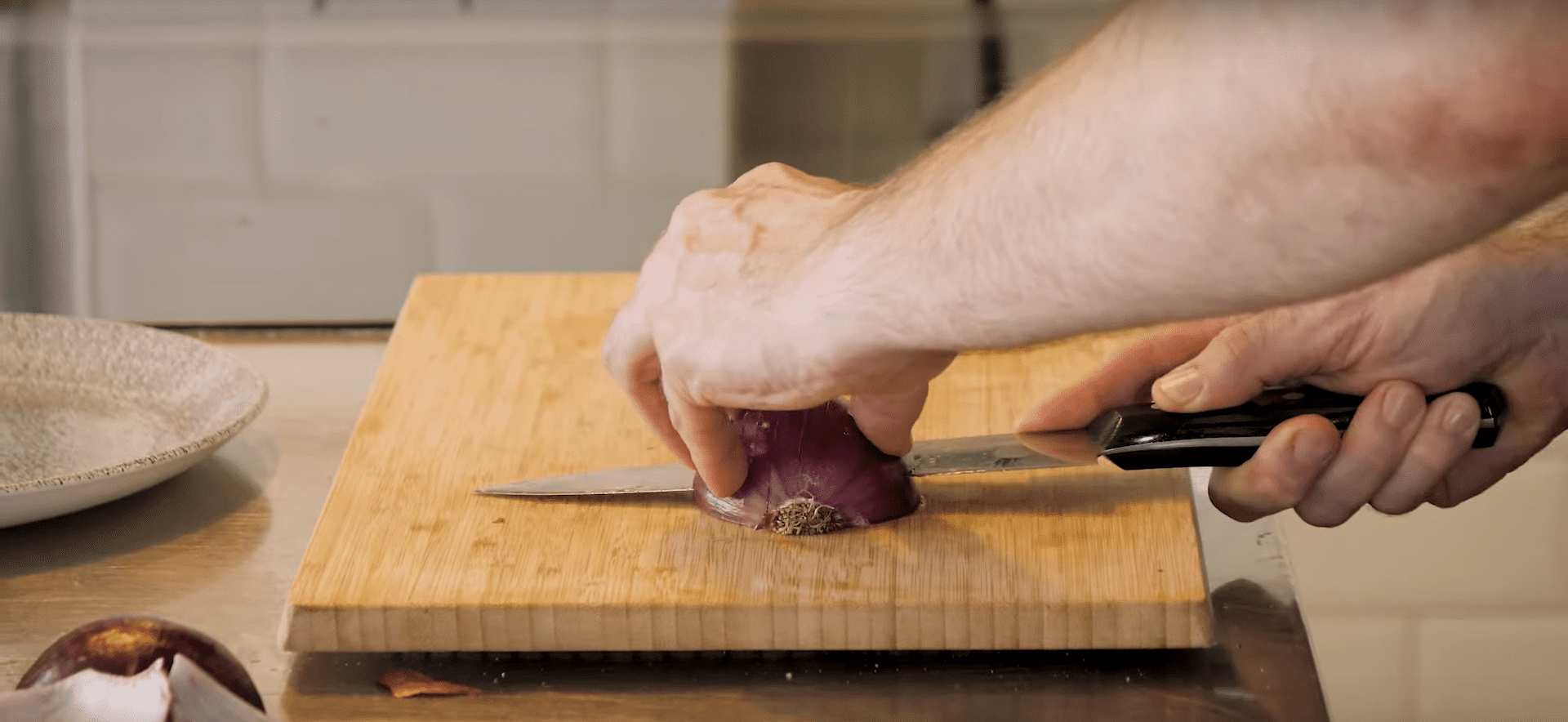
Cut the onion in half through the root end (keeping the root intact)
Remove the papery outer skin
Place the flat side down on your cutting board
Make horizontal cuts parallel to the board, cutting towards but not through the root
Make vertical cuts from top to bottom, again stopping before the root
Finally, slice across these cuts to create uniform dice
Safety Note: Keep your fingertips tucked under your knuckles when making the final slicing cuts. Your knuckles should guide the knife blade, protecting your fingertips from the sharp edge.
The root holds the onion together during cutting, making the process safer and more efficient. Once you’ve diced most of the onion, discard the root end. Master this alongside other essential knife skills to transform your cooking speed.
Essential Kitchen Techniques From Belfast Cookery School
Beyond the core lessons, Belfast Cookery School teaches crucial skills for ingredient selection and preparation. These techniques help you make better purchasing decisions and handle ingredients with confidence, particularly when working with seafood and spices.
Selecting Fresh Fish
When shopping for fish at Belfast’s markets or fishmongers, look for these quality indicators:
Bright, clear eyes (cloudy eyes indicate age)
Firm flesh that springs back when pressed
Fresh ocean smell without any ammonia notes
Shiny, metallic skin with intact scales
Red or pink gills (brown gills mean the fish isn’t fresh)
Chef Ian emphasises buying whole fish when possible, as pre-filleted portions are harder to judge for freshness. If you’re uncertain about preparing whole fish yourself, most Belfast fishmongers will fillet your purchase whilst you wait. Learn more about selecting and preparing seafood in our detailed guide.
Working With Chillies
Controlling spice levels allows you to adapt recipes for different heat tolerances without changing the overall flavour profile.
Reducing Heat:
Remove the seeds and white membrane (where most capsaicin concentrates)
Cut off both ends of the chilli
Roll the chilli firmly on your cutting board to loosen seeds
Slice lengthways and scrape out the interior
The flesh provides flavour whilst contributing minimal heat, making this technique useful when cooking for mixed groups with varying spice preferences. Discover more about working with spices and heat to build confident flavour control.
Signature Recipes From Belfast Cookery School
These two recipes showcase the practical, flavourful dishes taught at Belfast Cookery School. The Asian-inspired menu demonstrates how the school blends global techniques with locally sourced ingredients, creating accessible recipes that work beautifully for home dinner parties.
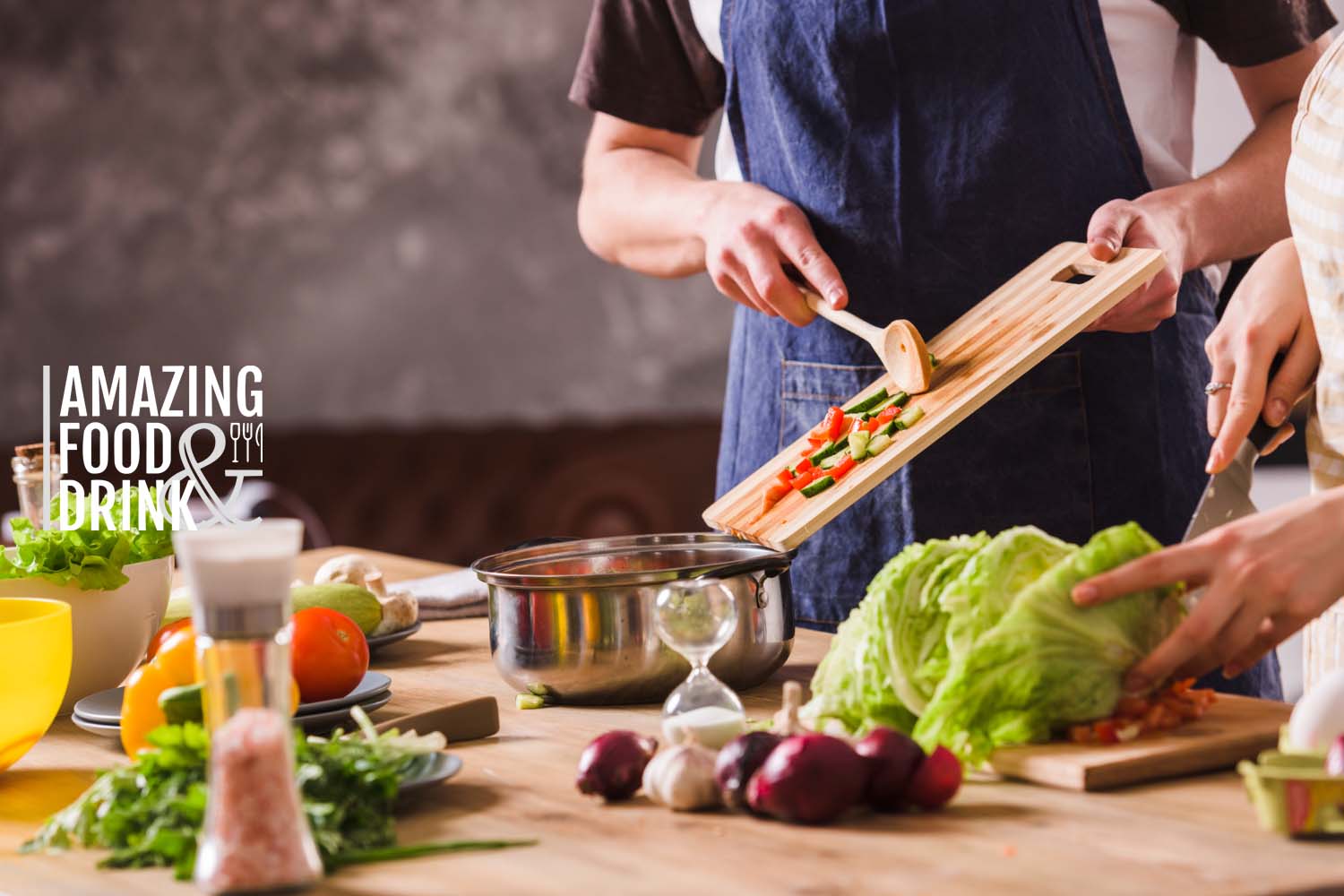
Asian Salad With Miso Dressing
This light, refreshing salad works brilliantly alongside the coconut-poached cod featured later. You can prepare it several hours ahead, making it practical for dinner parties. For those interested in Asian cuisine, this demonstrates classic Southeast Asian flavour balancing.
Salad Ingredients:
6 radishes, thinly sliced
4 spring onions, cut into 2cm pieces
1 large carrot, julienned
Large handful fresh coriander, roughly chopped
50g cashew nuts, toasted
1 red chilli, deseeded and finely sliced (optional)
Miso Dressing Ingredients:
2 tablespoons red miso paste
2 tablespoons soy sauce
1 tablespoon sesame oil
1 teaspoon fish sauce
2 garlic cloves, grated
2cm piece fresh ginger, grated
Juice of 1 lime
Pinch of sugar
Black pepper to taste
Method:
Combine all dressing ingredients in a jar and shake vigorously until emulsified
Taste and adjust seasoning (you might want extra lime juice for brightness)
Toss all salad vegetables in a large bowl
Dress the salad 10-15 minutes before serving (this allows flavours to meld)
Top with toasted cashews just before serving (keeps them crunchy)
Serves: 4 as a side dish Prep Time: 15 minutes
The umami-rich miso dressing balances sweet, salty, and sour elements characteristic of Southeast Asian flavour profiles. If you can’t find red miso, white miso works but produces a milder taste. Explore more salad recipes from around the world for diverse meal options.
Cod Poached In Coconut Milk
This gentle cooking method keeps delicate fish wonderfully moist whilst infusing it with aromatic flavours. The technique works equally well with haddock or hake if cod isn’t available.
Ingredients:
4 cod fillets (about 150g each)
400ml coconut milk
1 lemongrass stalk, bruised
3 kaffir lime leaves
2cm piece fresh ginger, sliced
2 garlic cloves, sliced
1 red chilli, halved lengthways
1 tablespoon fish sauce
Juice of 1 lime
Fresh coriander to garnish
Method:
Pour coconut milk into a wide, shallow pan
Add lemongrass, lime leaves, ginger, garlic, and chilli
Bring to a gentle simmer over medium heat
Reduce heat to low – the liquid should barely bubble
Season cod fillets with salt and carefully lower into the liquid
Poach for 8-10 minutes until the fish turns opaque and flakes easily
Remove fish carefully with a slotted spoon
Stir fish sauce and lime juice into the poaching liquid
Serve fish with the aromatic coconut broth, garnished with fresh coriander
This pairs beautifully with the Asian salad above and jasmine rice. The poaching liquid becomes an aromatic broth that ties the entire dish together. For more fish and seafood recipes, browse our collection of globally inspired dishes.
Dietary Notes: This recipe is naturally gluten-free. Check your fish sauce label to ensure no wheat has been added during fermentation. For a vegetarian version, substitute firm tofu for the fish and vegetarian fish sauce (or extra soy sauce with a pinch of nori flakes) for the regular fish sauce. Find more gluten-free recipes in our dietary guides.
Planning Your Cooking Class Experience
Understanding what to expect helps you choose the right class format and timing for your needs. Belfast Cookery School offers various options designed for different schedules, skill levels, and learning goals—from social evening sessions to intensive weekend workshops.
Choosing The Right Class
Belfast Cookery School offers various class formats:
Evening Classes (2-3 hours): Social cooking sessions where you prepare and eat a complete meal. Ideal for couples or groups wanting a relaxed experience.
Weekend Workshops (4-5 hours): More comprehensive sessions covering multiple techniques. Better suited to serious home cooks wanting to improve specific skills.
Baking Classes: Focus specifically on Irish breads, pastries, and traditional baked goods. Particularly popular with visitors wanting to recreate authentic Ulster recipes at home. Learn about traditional Irish baking before your class.
Private Sessions: Tailored to your cooking goals, whether that’s mastering seafood preparation or understanding Northern Irish cuisine.
What To Expect
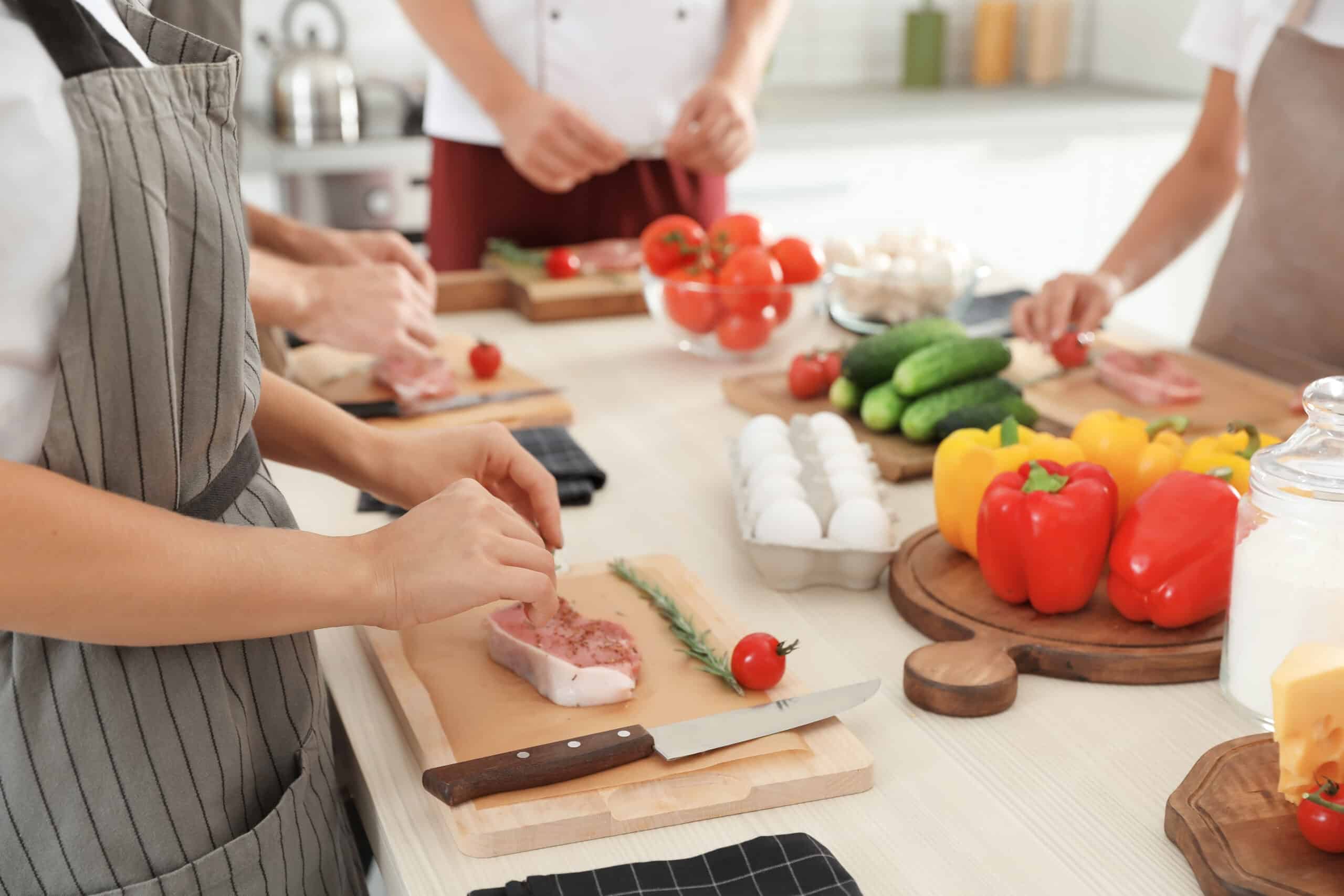
Classes run in a professional kitchen environment with individual workstations. Instructors demonstrate each technique before you practice it yourself. The teaching style encourages questions and adapts to different experience levels within each group.
All ingredients and equipment are provided. You’ll take home the dishes you’ve prepared, along with recipe cards for future reference. Many students find the recipe cards invaluable, as they include the specific tips and adjustments discussed during class.
Booking Considerations
Popular classes (particularly weekend sessions and baking workshops) fill up quickly, especially during holiday periods. Book at least 2-3 weeks ahead to secure your preferred date.
Gift vouchers are available if you’re unsure about someone’s schedule. These make practical presents for food enthusiasts and don’t expire for 12 months.
Making The Most Of Your Skills At Home
The real value of cooking classes emerges when you apply learned techniques in your own kitchen. Start with individual skills rather than attempting complete menus, building confidence through repetition before combining multiple techniques in single dishes.
The techniques taught at Belfast Cookery School translate directly to everyday cooking. Pan seasoning improves your daily breakfast cooking, proper knife skills speed up meal preparation, and understanding heat control transforms simple ingredients into restaurant-quality dishes.
Start by practising individual techniques rather than complex recipes. Once you’ve mastered pan temperature for steak, those skills apply equally to pork chops, chicken breasts, or thick fish fillets. Similarly, the knife techniques for onions work identically for shallots, leeks, and fennel.
Keep your cooking simple initially. The Asian salad and coconut-poached cod demonstrate how a few quality ingredients, prepared with proper technique, create impressive results without complicated processes. Browse our beginner cooking guides for more accessible recipes.
Where This Fits Into Northern Irish Cuisine
Belfast’s culinary education scene reflects the city’s transformation from traditional Ulster cooking to a modern food destination that respects heritage whilst embracing global influences. This evolution appears clearly in cookery school curricula, which balance local ingredients with international techniques.
Belfast’s cooking classes reflect the region’s broader culinary evolution. Traditional Ulster cooking emphasised preservation, root vegetables, and hearty portions suited to the climate. Modern Belfast cooking respects these traditions whilst incorporating global techniques and flavours.
The coconut-poached cod shows this beautifully – it uses Asian aromatics and cooking methods but centres on locally caught Atlantic fish. This approach appears throughout Belfast’s food scene, from market stalls at St George’s to restaurant menus across the city. Explore Irish traditional foods to understand this culinary heritage better.
Belfast Cookery School bridges home cooking and professional technique, making restaurant methods accessible to home cooks. The skills you’ll learn apply far beyond the specific recipes taught, forming a foundation for confident, intuitive cooking.
For more detailed video demonstrations of these techniques, visit Belfast Cookery School’s YouTube channel where Chef Ian walks through each method step-by-step. The written instructions in video descriptions include precise measurements and timing.
Whether you’re a Belfast resident wanting to improve your kitchen skills or a visitor hoping to take home authentic cooking knowledge, these classes offer practical value that extends well beyond the classroom. The combination of technique-focused teaching and approachable recipes makes professional cooking methods genuinely accessible for home kitchens. Continue your culinary education with our comprehensive cooking techniques library and international recipe collections.
FAQs
What skill level do I need for cooking classes in Belfast?
Most classes at Belfast Cookery School are beginner friendly and need no prior experience. Instructors adjust the pace for all levels, with evening classes being the easiest starting point. Weekend workshops move a bit faster for those with some kitchen confidence.
How much do cooking classes in Belfast typically cost?
Evening classes usually cost £50–£75 per person, while longer weekend workshops range from £100–£150. Specialist or private classes are priced higher. Gift vouchers are also available and valid for 12 months.
Can I take home the food I prepare during class?
Yes, you can take home everything you cook, along with printed recipe cards covering all techniques and measurements. This is especially useful in evening classes where multiple dishes are prepared. Containers are provided, though you’re welcome to bring your own.
Are there vegetarian or vegan cooking classes available in Belfast?
The school’s core programme focuses on traditional Northern Irish dishes, but they can accommodate dietary needs with advance notice. Some class recipes, such as certain salads, are already vegetarian or easily adapted. It’s best to contact the school when booking to arrange vegan or vegetarian alternatives.
How far in advance should I book cooking classes in Belfast?
Book 2–3 weeks ahead for popular evening classes, and 4–6 weeks for weekend workshops, especially in peak seasons. Sessions like traditional Irish bread-making fill up quickly. Mid-week last-minute slots do appear occasionally, but advance booking ensures your preferred date.