Have you ever dreamt of a decadent, creamy frosting that doesn’t burden your tummy with dairy? It may seem as daunting as scaling Mount Everest, a quest fraught with mystery and disappointment. But fear not, fellow frosting adventurers! Today, we aim to cast a shadow on how to create your bespoke dairy-free frosting masterpiece in your kitchen.
Forget excessive experimentation and bland disappointments. We’ll whip up a frosting so divine that it’ll make you question why you ever bothered with its dairy-laden brethren. Buckle up, sugar-seekers, because we’re about to tap into a hidden world of creamy, guilt-free indulgence.
So, shed your scepticism and grab your whisks. Together, we’ll prove that dairy-free doesn’t have to mean flavourless. Let’s get started, shall we?
What is Dairy-Free Frosting?
Dairy-Free Frosting: Your Path to Healthiness
The realm of pastry presents a delectable landscape of textures and flavours, with frosting serving as the crowning jewel atop many a culinary creation. However, for those with dietary restrictions, particularly those adhering to a dairy-free lifestyle, the traditional buttercream frosting can become an insurmountable barrier to indulgence.
Thankfully, the dairy-free frosting came into being to save us. It’s time we explore its composition, merits, and potential to redefine the desert landscape. Dairy-free frosting emerges as a compelling alternative, eschewing the traditional ingredients in favour of a plant-based composition.
Ingredients and Composition
Unlike its dairy-laden counterpart, dairy-free frosting embraces a unique cast of characters. Vegan buttery spreads, often crafted from coconut or nut-based alternatives, take centre stage, replicating the smooth richness of butter with a subtle yet delightful twist. Dairy-free milk, a diverse ensemble of options ranging from soy and almond to oat and even aquafaba, the magical bean water capable of whipping into meringue-like clouds, completes the cast.
Beyond Substitution: A Symphony of Flavor and Texture
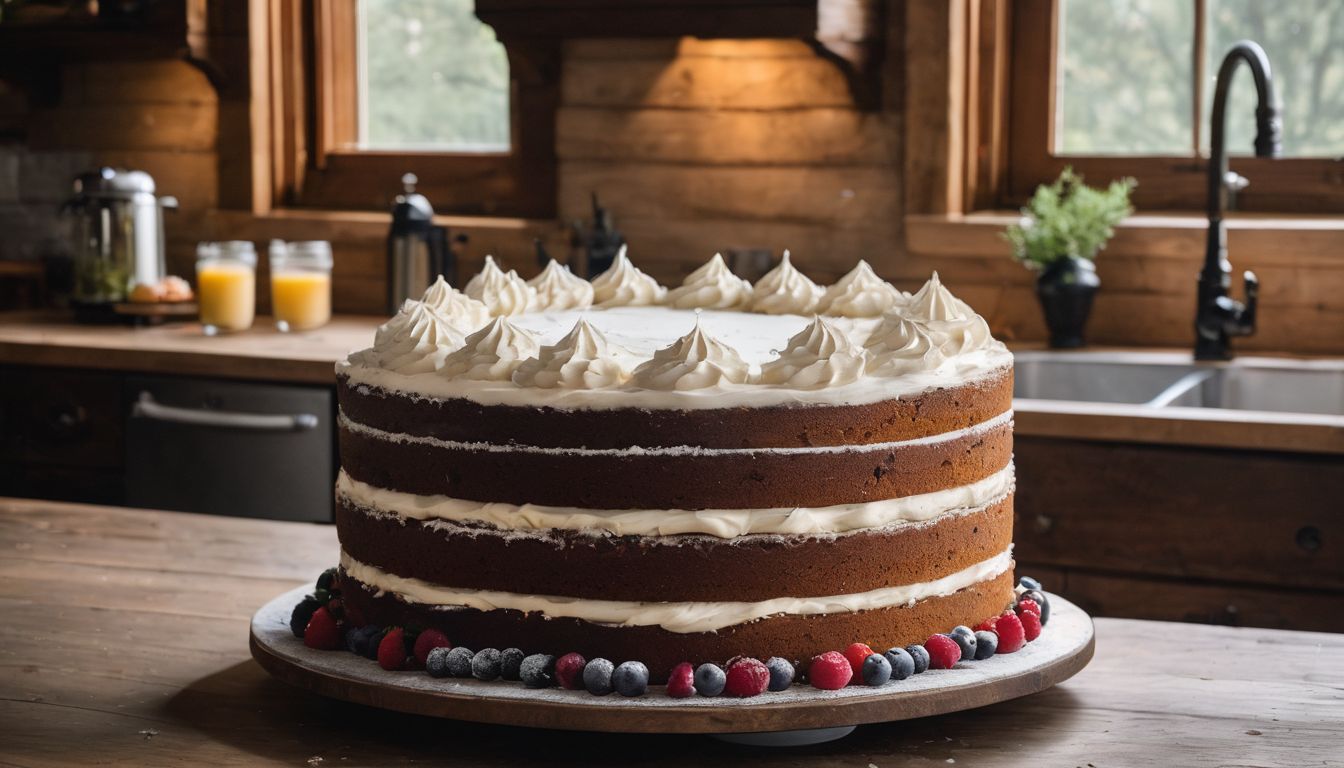
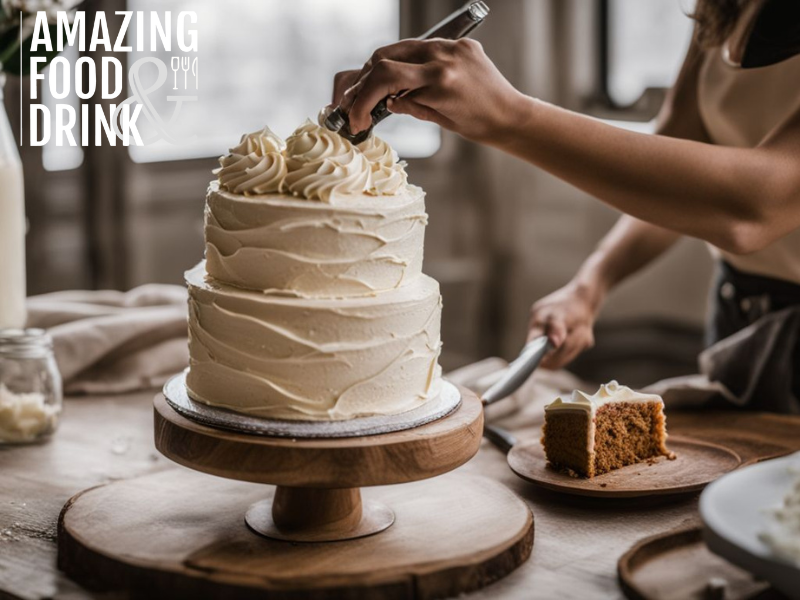
Dairy-free frosting transcends mere substitution. It represents a reinvention, a reimagining of the frosting experience. The result is a lighter, airier creation that trades buttercream’s dense richness for a delightful sweetness dance on the palate. This plant-based composition pipes beautifully, swirling effortlessly atop cakes and cupcakes, adding a touch of playful elegance to any dessert.
Inclusivity and Culinary Creativity
The significance of dairy-free frosting extends far beyond the realm of personal indulgence. It serves as a bridge, connecting those who may otherwise be excluded from the joy of shared treats and celebratory sweets. It fosters inclusivity, allowing everyone to gather around a table laden with delectable desserts, free from dietary anxieties.
Furthermore, dairy-free frosting is a testament to the boundless creativity of the culinary world. It showcases the potential of plant-based ingredients to orchestrate symphonies of flavour that rival and even surpass their dairy-based counterparts.
Popular Varieties of Dairy-Free Frosting
For those who cherish the fluffy embrace of frosting but navigate the world without dairy, fret not! The realm of dessert continues beyond buttercream. A vibrant tapestry of dairy-free frosting options awaits, each a symphony of flavour and texture ready to dance atop your favourite cakes and cupcakes.
Remember, these are just the tip of the dairy-free frosting iceberg! Experiment with different nut kinds of butter, explore the world of vegan milk and don’t be afraid to add a touch of your culinary flair. With some creativity, you can whip up dairy-free frostings that rival traditional buttercream, proving that deliciousness knows no dietary bounds.
So, grab your whisks and embrace the world of dairy-free frosting! It’s a sweet adventure waiting to unfold, one delightful spoonful at a time.
1. The Nutty Maestro: Nut Butter Frosting
httpss://www.youtube.com/watch?v=lLYPKhtoolw
Rich, decadent, and bursting with nutty goodness, nut butter frosting reigns supreme for those seeking a satisfyingly dense alternative. Almond, cashew, and peanut butter each lend their unique personalities, while a touch of maple syrup or honey adds a touch of sweetness. This frosting is perfect for pairing with bold flavours like chocolate or carrot cake, its earthy richness providing a delightful counterpoint.
2. The Light and Airy Charmer: Aquafaba Meringue Frosting
For a cloud-like experience, look no further than aquafaba meringue frosting. This magical concoction, whipped from the leftover liquid of chickpeas, boasts an unparalleled lightness and sweetness. It pipes beautifully, creating delicate swirls and dollops, and pairs perfectly with delicate flavours like vanilla or lemon. Just remember, patience is vital when whipping aquafaba to meringue perfection!
3. The Tropical Twist: Coconut Cream Frosting
httpss://www.youtube.com/watch?v=xWjU7xODo2w
Craving a taste of paradise? Coconut cream frosting transports your taste buds to a beachside haven. Silky, smooth, naturally sweet coconut cream blends seamlessly with tropical flavours like pineapple or mango. It’s also a vegan champion, making it a perfect choice for those with dietary restrictions. Just be mindful of the heat – coconut cream can melt at warmer temperatures.
4. The Silky Smooth Sophisticate: Avocado Frosting
Yes, you read that right! Avocado, the creamy king of the fruit world, can be transformed into a surprisingly delightful frosting. Its neutral flavour readily absorbs other ingredients, allowing you to play with citrus zest, cocoa powder, or spice. The avocado frosting is delicious and packed with healthy fats, making it a guilt-free indulgence.
5. The Unexpected Delight: Vegetable Shortening Frosting
Remember to appreciate the humble vegetable shortening! When whipped with powdered sugar and flavourings, it creates a classic buttercream texture that holds its shape beautifully. This frosting is a versatile canvas for creativity, readily accepting dyes, extracts, and chocolate chips. It’s a reliable option for piping intricate designs and borders, making your cakes bakery-worthy masterpieces.
Why Choose Dairy-Free Frosting? A Sweet Escape from the Ordinary
For those who adore the fluffy embrace of frosting but navigate the world without dairy, choosing a dairy-free alternative isn’t just about dietary restrictions – it’s an invitation to a whole new realm of delicious possibilities.
Introduction 101 to Dairy-Free Frosting: Your Path to Healthiness
Whether lactose intolerant, vegan, or simply looking for a healthier and more flavorful treat, ditching the dairy in your frosting opens a world of delicious possibilities. Start by exploring the varieties mentioned earlier, experiment with different ingredients, and have fun! You might just discover your new favourite way to frost.
But beyond the taste buds, there are several compelling reasons why you might choose to ditch the dairy and opt for dairy-free frosting:
1. Dietary Freedom:
Lactose Intolerance: For millions, dairy spells digestive discomfort. Dairy-free frosting allows everyone to indulge in sweet treats without worrying about bloating, cramps, or other unpleasant side effects.
Vegan Lifestyle: Embracing a plant-based diet doesn’t mean sacrificing dessert! Dairy-free frosting provides a delightful way to enjoy sweet treats while staying true to your values.
Milk allergies: For those with severe milk allergies, dairy-free frosting offers a safe and delicious alternative, ensuring everyone can enjoy a worry-free treat.
2. Healthier Indulgence:
Lower in Saturated Fat: Dairy-free frosting often relies on plant-based ingredients like nut butter or coconut cream, which tend to be lower in saturated fat than butter. This makes it a more heart-healthy choice, especially for those watching their cholesterol levels.
Packed with Nutrients: Certain dairy-free frosting options, like those made with avocado or nut butter, can be a good source of healthy fats, fibre, vitamins and minerals.
Free from Artificial Additives and Preservatives: Many store-bought dairy-based frostings contain additives and preservatives. Opting for a homemade dairy-free version allows you to control the ingredients and prioritise natural goodness.
3. Flavourful Adventures:
Unique Flavor Profiles: Nut butter frostings offer earthy richness, while aquafaba meringue boasts a light and airy sweetness. Coconut cream takes you on a tropical escape, and avocado adds a surprisingly delightful twist. The dairy-free frosting is a canvas for creativity, allowing you to explore endless flavour combinations.
Customisation Control: Making your dairy-free frosting gives you complete control over the ingredients and sweetness level. You can always customise it according to your preferences, dietary needs, and even the dessert you’re pairing it with.
Sustainability Bonus: Choosing plant-based ingredients often has a lower environmental impact than dairy production. So, indulging in dairy-free frosting can be a sweet way to support a more sustainable future.
Simple Tips for Dairy-Free Frosting Success
Whipping up a delectable dairy-free frosting might seem like scaling Mount Everest, but with a few simple tips, you’ll be crafting fluffy masterpieces in no time! Remember, practice makes perfect, so have fun in the kitchen.
httpss://www.youtube.com/watch?v=ZuhMjvKOH4Q
Ditch the fear and embrace the joy of creamy, guilt-free indulgence with these helpful hints:
1. Choose Your Base Wisely:
Nut Butter: Almond, cashew, and peanut butter offer rich, earthy flavours, perfect for chocolate or carrot cake. Remember, natural varieties work best for optimal whipping.
Coconut Cream: Silky, smooth, and naturally sweet, coconut cream is a tropical dream for pineapple or mango desserts. Opt for full-fat canned cream for the best consistency.
Aquafaba: The magical bean water from chickpeas whips into a light, airy meringue base, ideal for delicate flavours like vanilla or lemon. Patience is critical with this one!
2. Temperature Matters:
Room-temperature ingredients: Ensure all ingredients are at room temperature for optimal blending and whipping. Cold coconut cream? Give it a warm water bath!
Chill your tools: Metal mixing bowls and whisks chilled in the freezer will help your frosting whip up faster and fluffier.
3. Sweetness on Point:
Powdered sugar: The classic choice for smooth texture and sweetness. Opt for organic or unrefined varieties for a natural touch.
Maple syrup or honey: These natural sweeteners add a depth of flavour, but remember they can thin your frosting. Use them sparingly, or adjust your other ingredients accordingly.
Fruit purees: A healthy and flavorful alternative, but be mindful of the added moisture they bring. Start with small amounts and adjust as needed.
4. Embrace the Power of Extracts:
Vanilla extract: A timeless classic that enhances any flavour profile.
Citrus extracts: Lemon, lime, or orange zest add a refreshing zing to your frosting.
Coffee extract: A delightful twist for chocolate or mocha frostings.
5. Don’t Overmix:
Overmixing can lead to a dense, rubbery frosting. Mix until just combined, and trust the magic of chilling to set the perfect texture. For extra piping stability, consider adding a touch of cornstarch or arrowroot powder to your frosting.
This dairy-free frosting is a delicious alternative to traditional buttercream. It’s easy to make and perfect for those with dietary restrictions or allergies. Whether decorating cupcakes or spreading them on cakes and cookies, this dairy-free frosting will impress! Try out different variations and flavours to make it your own.

 Salma Ihab
 Noha Basiony