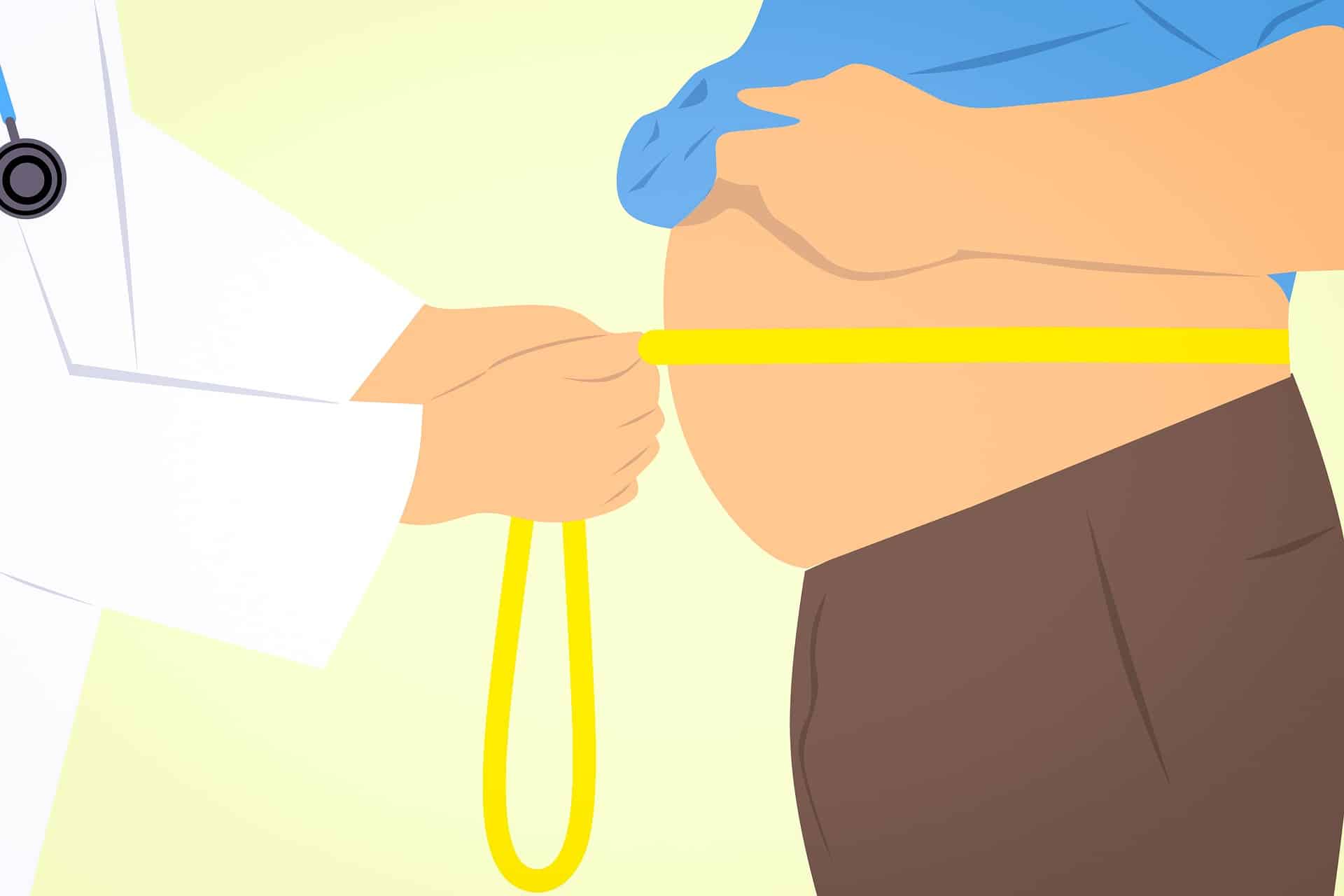
Bloating is one of the most uncomfortable feelings you can have. Many times it is accompanied by gas, which can be embarrassing. This is why it is important to know how to get rid of bloating and gas. Here are a few things you should know.
What Causes Bloating
Before you can understand how to get rid of a bloated stomach, you should first understand what the causes of bloating are. There are several causes that can cause this condition and knowing what is causing yours is the key to solving the issue of bloating. Here are some of the causes of bloating you should know about according to WebMD:
Overeating- this is the most common cause for people to have bloating because the excess food fills the stomach and digestive tract. The only thing you can do when you want to know how to get rid of stomach bloating from overeating is to eat smaller portions in the future.
Eating too Fast- this is often a cause of overeating as it takes several minutes for the signals to go from your stomach to your brain and tell you that you’re full.
Eating Certain Foods- There are several foods that can cause bloating. Foods that are high in fat are harder for the body to process so it keeps the stomach full longer. However, healthier foods such as beans and fruits can cause bloating from the fibre they contain.
Constipation- Another common cause of bloating and gas is constipation. If you are having issues with this, then there are a few things you can do. Often drinking adequate water can alleviate this issue.
Menstrual Cycle- This is something females deal with on a regular basis, though it does not make it any less of a chore to deal with. The problem with trying to figure out how to get rid of period bloating is that it is hard to do and a little different for each woman. You will have to try a few things and figure out what works for you.
Having a Buildup of Gas- Pockets of gas in your stomach is not only something that may make you cringe, but it also makes you feel bloated.
Improper Use of Ab Muscles- Some people are not bloated at all. Rather they think they are because they have relaxed their ab muscles and are contracting their diaphragm which gives the same look and feel as being bloated. Exercising your ab muscles and working on your core muscles overall can help you with this.
Medical Conditions- There are certain medical conditions that can cause you to be bloated and experience gas. Some of these conditions include irritable bowel syndrome, celiac disease, lactose intolerance and more.
How to Get Rid of Bloating Fast
Once you have looked at these different methods you may not know where to start. There are several ways that you can fight bloating, both before it happens and once you already have it. This is why it is helpful to know a few tips that can help you to get the results you want.
Eating the Right Foods
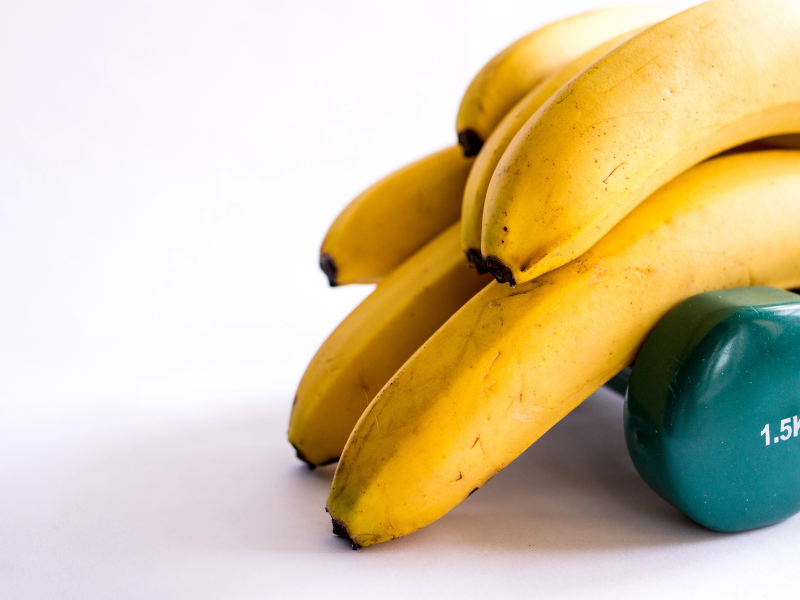
There are a few foods that can help you with your bloating. For one, eating a banana every day can be extremely beneficial as the body holds on to water and sodium when it is low on potassium. Yoghurt can also be helpful as it contains bifidobacteria which can help to reduce gas and bloating. Keep in mind that not all yoghurts will offer bifido in their yoghurts so pay attention.
Go Slow on High Fiber Foods
One of the reasons many people get bloating and gas when it comes to high-fiber foods such as fruits, vegetables and beans is because they overload their system. While it is good to have a healthy mindset with your eating, do it in moderation. Start by introducing about five grams of fibre a day at a time to make sure your body can handle it. You will find that this can have a significant impact on the amount of bloating and gas you experience.
Be Aware of Activities That Cause Excessive Air Consumption
If you want to figure out how to get rid of bloat and gas, one of the things you should steer clear of is activities that cause you to take in extra air. This can be done with gum chewing, drinking through a straw and even smoking.
Stay Away from Carbs at Night
While there is nothing wrong with carbs in moderation, if you want to figure out how to get rid of belly bloat, you need to cut out carbs at night. This is because they cause your body to retain water.
Steer Clear of Soda and Artificial Sweeteners
As wonderfully sweet as soda tastes, the carbonation causes bloating. On top of this, diet sodas contain artificial sweeteners that can be hard for your body to process. As far as artificial sweeteners go, you should stay away from them in your soda as well as any other drinks you consume. Dieticians recommend drinking most water as this will avoid issues and keep you hydrated throughout the day.
Dealing with Period-Related Issues
If you want to know how to get rid of gas and bloating associated with your period, there are a few things you can do. One is to prepare for your period by making sure you get plenty of calcium and magnesium as this can help to relieve PMS symptoms. Also, do not be afraid of PMS medication such as Midol, which you can buy over the counter. As hard as it may be, try to stay away from high-fat foods during this time as it can also contribute to gas and bloating.
Put the Pressure On
When you are feeling bloated, often the last thing you want to do is feel any more pressure. However, according to Redbook, this may be just what you need. Applying pressure in a circular motion can help relieve bloating and even gas. Start at your right hip, move up to the ribs, move across and then down to your hips in a circular pattern. Make sure that you always move clockwise. Doing this abdominal massage in a counterclockwise manner can actually cause you to be backed up which can cause more bloating and discomfort.
Keep it Moving
Moving, even if it is just going for a 15 or 20-minute walk can help with your bloating in a number of ways. For instance, if you are constipated, it can help to move along digestion and help you to go. If your issue with bloating is related to gas, this can help to push the gas through you so that it is gone and you can feel comfortable again.
Have the Tools on Hand
If you want to know how to get rid of bloating, then it is important to have the right medications on hand. While you may not want to reach for the medicine cabinet every time you experience bloating, it is important to know that this is there. There are several options for over-the-counter medications for bloating and gas. These include:
Activated Charcoal- This is taken before or after a meal for gas though there is no scientific evidence proving it works
Beano- This is a product you can take before you eat a meal to help relieve gas and bloating
Simethicone- This is the active ingredient in medications such as Gas-X. It is designed to target your gas and break up the bubbles
Lactose Supplements- This includes products such as Lactaid which can help people who are lactose intolerant to be able to enjoy dairy. However, this only works in moderation. You cannot eat a bowl of ice cream and down it with a big glass of milk and not expect to have issues, even when taking this medication.


 Noha Basiony
 Salma Ihab