Craving creamy ice cream without the dairy woes? Look no further than the magic of coconut milk! Forget store-bought, sugar-laden substitutes – this homemade recipe unlocks a world of delicious, dairy-free indulgence. Made with just a handful of simple ingredients, you’ll quickly churn out cool, creamy scoops. It’s vegan, perfect for lactose-sensitive friends, and boasts a lighter texture that won’t weigh you down. Plus, the best part? Endless customisation possibilities await!
So grab your blender (or ice cream maker, if you’re fancy), and get ready to whip up a truly delightful treat that’s as good for you as it is tasty. Dive in and discover the refreshing world of homemade coconut milk ice cream – your taste buds will thank you!
Why You Should Scoop Up a Serving of Dairy-Free Coconut Ice Cream
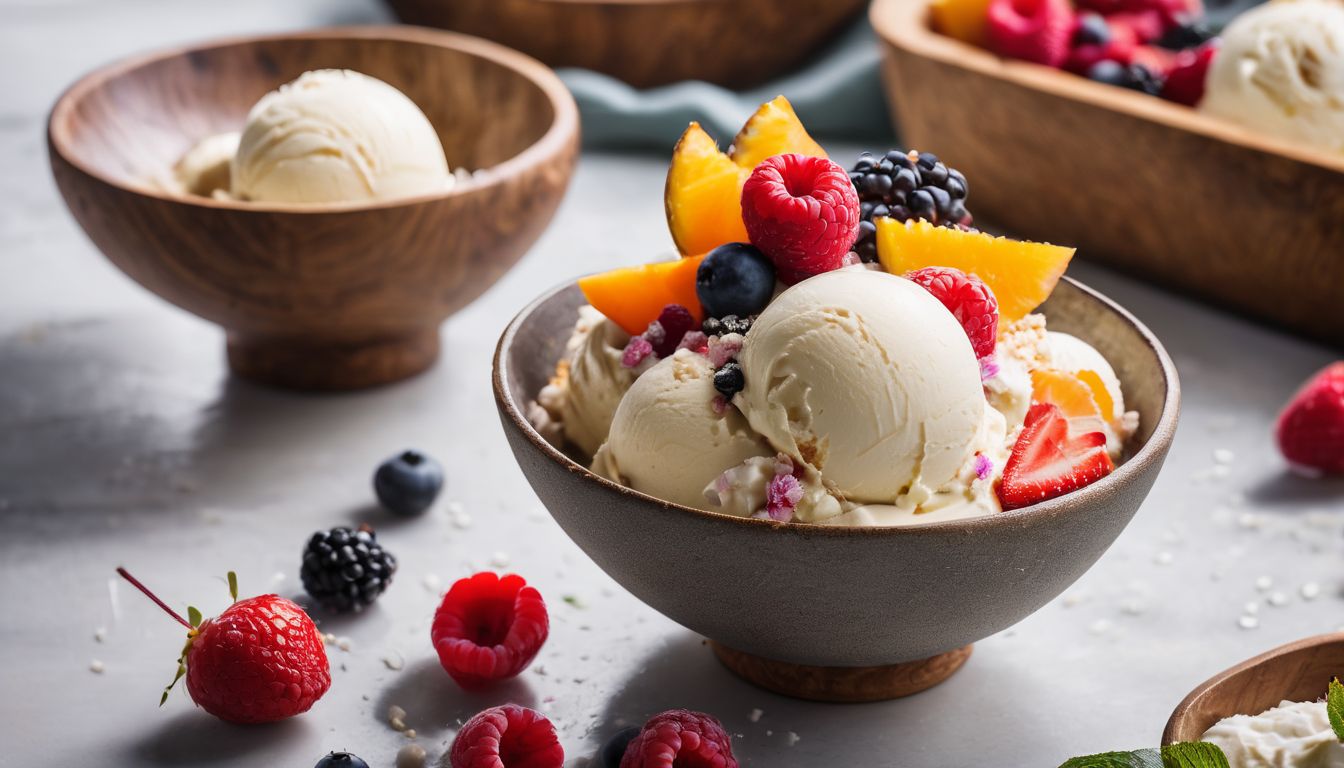
Coconut milk ice cream
Forget the dairy aisle blues! If you’re looking for a cool, creamy indulgence that’s kinder to your body and the planet, look no further than homemade coconut milk ice cream. This delicious treat offers a plethora of reasons to grab your blender and whip up a batch:
Deliciously Dairy-Free
Whether lactose intolerant, vegan, or simply looking for a lighter alternative, coconut milk ice cream shines. It skips the dairy, not the creamy texture and decadent flavour you crave.
A Tropical Twist on Tradition
Escape the ordinary with the refreshing taste of coconut. Its natural sweetness pairs perfectly with various flavours, from classic vanilla to exotic fruits and spices, offering a unique taste adventure in every scoop.
Lighter on the Stomach (and Waistline)
Compared to traditional ice cream, coconut milk has a lighter fat content, making it a guilt-free indulgence. This means you can enjoy more without the worry of heaviness.
A Gut-Friendly Friend
Coconut milk is naturally rich in prebiotics, which supports healthy gut bacteria. This translates to improved digestion and overall well-being, making it a good treat.
Planet-Conscious Choice
Dairy production can have a significant environmental impact. You reduce your carbon footprint and support sustainable farming practices using coconut milk.
DIY Delight
Making coconut milk ice cream is surprisingly easy and rewarding! You control the ingredients, ensuring quality and avoiding unwanted additives. Plus, it’s a fun activity to do with friends and family.
Endless Customisation
Unleash your inner ice cream artist! Experiment with different flavours, spices, fruits, and mix-ins to create unique concoctions that reflect your taste. The possibilities are truly endless.
Perfect for Special Occasions
Impress your guests with a homemade vegan dessert that’s both delicious and visually stunning. Decorate with fresh fruit, edible flowers, or decadent sauces for an exceptional touch.
A Treat for All
Whether you have dietary restrictions or simply want to explore new flavours, coconut milk ice cream welcomes everyone to the table. It’s a delicious way to share a sweet moment with friends and family, regardless of their dietary needs.
So, ditch the dairy and dive into the delightful world of homemade coconut milk ice cream! With its unique flavour, health benefits, and endless customisation options, it’s a treat that truly has something for everyone. Go ahead, grab your ingredients, and create a scoop of pure indulgence!
The Ingredients and Tools for Coconut Milk Ice Cream Magic
Coconut milk ice cream
Now that you’re sold on the wonders of coconut milk ice cream let’s unlock the secrets of its creation! Gather your tools and ingredients, and prepare to become a master of this frozen delight:
Essential Ingredients:
The Star of the Show: Coconut Milk: Choose full-fat canned coconut milk (not in cartons) for optimal creaminess. Look for brands with minimal additives and a high coconut content (at least 80%).
Sweetness Symphony: Here’s where you get creative! Sugar, maple syrup, agave nectar, or dates can add sweetness. Adjust the amount based on your preference and chosen sweetener.
Flavor Flair: Vanilla extract is a classic, but don’t limit yourself! Experiment with spices like cinnamon, nutmeg, or cardamom, or incorporate fresh fruits, cocoa powder, or nut butter for unique flavour bursts.
Optional Additions:
Thickening Powerhouse: Cornstarch or arrowroot powder can be added for a slightly thicker texture, although coconut milk naturally creates a creamy base.
Salt Savior: A pinch of salt enhances the overall flavour and balances the sweetness.
Equipment Essentials:
Blending Bliss: A high-powered blender is key to smooth and creamy ice cream. A food processor can work in a pinch if you don’t have one.
Freezing Frenzy: An ice cream maker is the ultimate tool for achieving that classic scoopable texture. However, you can still create delicious frozen treats without one – details coming soon!
Freezer-Friendly: Airtight containers are crucial for storing coconut milk ice cream and preventing freezer burn. Look for freezer-safe plastic containers or glass jars.
Scooping Satisfaction: An ice cream scoop makes serving a breeze, but any spoon will do in a pinch.
Bonus Tools:
Nut Butter Dream: A nut butter grinder allows you to create decadent homemade nut butter for mix-ins, adding unique flavour and texture.
Fruit Fusion: If using fresh fruits, a food processor helps quickly chop them into bite-sized pieces for even distribution.
Remember, this is just a starting point! The beauty of DIY coconut milk ice cream lies in its flexibility. Don’t be afraid to experiment with different ingredients, tools, and techniques to create your signature scoop of frozen perfection. Get ready to unleash your inner ice cream alchemist and embark on a delicious journey of taste exploration!
Whipping Up Coconut Milk Ice Cream Magic – The Recipe Unveiled!
Coconut milk ice cream
Ready to dive into the delicious world of homemade coconut milk ice cream? Gather your ingredients and tools, and follow these detailed steps to create your frozen masterpiece:
Chill Out
This step is crucial for achieving a smooth and creamy texture. At least 30 minutes beforehand, place your ice cream maker bowl (if using) and your storage container in the freezer. This ensures the mixture chills quickly and prevents ice crystals from forming.
Blend it Beautiful
Combine all your chosen ingredients in your blender. Here’s where you unleash your creativity! Here’s a breakdown of common variations:
Classic Vanilla: Start with 1 can (13.5 oz) of full-fat coconut milk, 1/3 cup of maple syrup, 1 tsp of vanilla extract, and a pinch of salt. Blend until smooth and creamy.
Chocolate Dream: Add 2 tbsp cocoa powder or 1/4 cup melted chocolate (cooled) to the classic base.
Tropical Twist: Swap maple syrup for 1/2 cup chopped mango or pineapple (blended separately before adding).
Spiced Delight: Include a cinnamon, nutmeg, or cardamom pinch to the classic base.
Nutty Goodness: Swirl in 2 tbsp homemade nut butter or 1/4 cup chopped nuts.
Churning Time (Optional)
Ice Cream Maker: If lucky enough to have one, follow the manufacturer’s instructions! Pour the blended mixture into the chilled bowl and churn until thick and frozen, typically around 20-30 minutes.
DIY Churning: No ice cream maker, no problem! Pour the mixture into your chilled storage container and place it in the freezer. Here’s the key:
DIY Churning Magic
Set a timer for 30 minutes. Grab a fork and stir the mixture for about 2 minutes at intervals. This breaks up ice crystals and promotes a smoother texture. Repeat this stirring process every 30 minutes for 2-3 hours, depending on your desired frozen consistency.
Freezing Finale
Once your coconut milk ice cream reaches a scoopable consistency (it should hold its shape but still be slightly soft), it’s storage time! Transfer it to the airtight container and pop it back in the freezer for at least 4 hours, ideally overnight, for the flavours to fully develop and the texture to firm up.
A World of Flavor Variations for Your Coconut Milk Dream
Coconut milk ice cream
With its creamy base and versatility, coconut milk ice cream is a blank canvas for your flavour fantasies! Now that you have the basic recipe down, let’s explore some exciting variations to tantalise your taste buds:
Fruity Fiesta
Tropical Paradise: Blend in 1/2 cup chopped mango, pineapple, or papaya for a sunshine-filled treat. Drizzle with lime juice and top with toasted coconut flakes.
Berry Bliss: Fold in a mixture of fresh or frozen berries like strawberries, blueberries, or raspberries. Swirl in some white chocolate chips for a decadent touch.
Citrus Zing: Infuse the coconut milk with zest and juice of lemons, limes, or grapefruits for a refreshing and tangy delight. Add chopped candied ginger for a spicy kick.
Spiced Symphony
Pumpkin Spice Delight: Add pumpkin puree, cinnamon, nutmeg, and ginger for a cosy fall-inspired ice cream. Top with crumbled gingersnaps and a drizzle of maple syrup.
Chai Dream: Steep black tea bags with cloves, cardamom, and star anise in the coconut milk before blending for a warm and aromatic ice cream. Swirl in some honey for additional sweetness.
Mexican Chocolate Magic: Incorporate melted dark chocolate, cinnamon, cayenne pepper, and a pinch of salt for a rich and spicy treat. Sprinkle with chopped almonds for added texture.
Classic Twists with a Coconut Twist
Mint Chocolate Chip: Infuse the coconut milk with fresh mint leaves for a subtle herbal flavour. Fold in dark chocolate chips and enjoy the refreshing contrast.
Cookies & Cream Dream: Blend crushed Oreos or your favourite chocolate cookies for a classic flavour combination. Drizzle with chocolate sauce for extra decadence.
Banana Nut Bread Bonanza: Blend in a ripe banana and swirl in homemade or store-bought nut butter for a nostalgic and satisfying treat. Sprinkle with chopped nuts for added crunch.
Beyond the Ordinary
Lavender Honey: Steep dried flowers into coconut milk for a calming and floral flavour. Add a touch of honey for sweetness and drizzle with edible lavender flowers for a truly unique experience.
Matcha Magic: Combine green tea powder with coconut milk for an energising, antioxidant-rich ice cream. Top with fresh mint leaves and a drizzle of honey.
Avocado Surprise: Blend in a ripe avocado for a creamy and healthy twist. Add cocoa powder and honey for a chocolate-avocado mousse-inspired treat.
Remember, these are just a starting point! Experiment with different flavour combinations, spices, extracts, and mix-ins to create your signature coconut milk ice cream masterpiece. Don’t be afraid to get creative and explore this versatile recipe’s endless possibilities. Happy scooping!
Pro Tips for Coconut Milk Ice Cream Nirvana: Beyond the Basics
Coconut ice cream
While the fundamental steps to coconut milk ice cream are straightforward, mastering the nuances can elevate your frozen creations to another level. Here are some advanced tips to help you achieve scooping perfection:
Honey Hero: Substitute maple syrup with honey for a richer, caramelised flavour. Remember, honey freezes harder, so adjust the amount slightly or add a touch more liquid.
Frozen Fruit Fusion: Before blending, freeze fruits like bananas, mangoes, or peaches. They add sweetness, creaminess, and natural flavour boosts without added sugar.
Cornstarch Consistency: A tablespoon of cornstarch can slightly thicken your coconut milk ice cream for a more scoopable texture, which is especially helpful for DIY churning. Don’t overdo it, as too much can make it gummy.
Nut Butter Nirvana: For smoother nut butter swirls, blend them separately with a little coconut milk before adding to the main mixture.
Metal Magic: If using a container instead of an ice cream maker, opt for a metal one over plastic for faster and more even freezing.
Thawing Tactics: For easier scooping, let the coconut milk ice cream soften slightly at room temperature for 5-10 minutes before serving. Alternatively, briefly dip the scoop in warm water for smoother gliding.
Spice Infusion: For deeper flavour, infuse spices like cinnamon or cardamom in the coconut milk by simmering them gently before blending. Remove the spices before blending.
Extract Extravaganza: Don’t shy away from exploring different extracts like almond, peppermint, or rose for unique flavour profiles. Start with a few drops and add more to taste.
Mix-in Magic: Fold in chopped nuts, chocolate chips, granola, or crumbled cookies near the end of churning for delightful textural surprises.
Popsicle Paradise: Pour the mixture into popsicle moulds and freeze for a fun and portable treat. Add chopped fruit or chocolate chips for extra excitement.
Remember, these are just guiding principles. Don’t be afraid to experiment, personalise, and let your creativity guide you! Embrace the magic of coconut milk ice cream and enjoy the journey of crafting truly delectable and unique frozen treats. Happy scooping!
Now that you’ve unlocked the secrets of this versatile recipe remember: the only limit is your imagination! Experiment with flavours, textures, toppings, and serving ideas to create your signature scoops of joy.
So, gather your ingredients, unleash your inner ice cream alchemist, and dive into the world of coconut milk ice cream. With its creamy texture, refreshing taste, and endless possibilities, every scoop promises a moment of pure indulgence and a reminder that sometimes, the sweetest treats are also the simplest to create. Happy scooping, and may your taste buds embark on a journey of delicious discovery!



 Shaimaa Olwan
 Asmaa Alhashimy