Best Super-Hot Chilli Sauce Appetisers: 10 Global Recipes

Super-Hot Chilli Sauce Appetisers: Expert Recipes & Techniques

Author Avatar

Updated on February 26, 2026

Reviewed by Asmaa Alhashimy

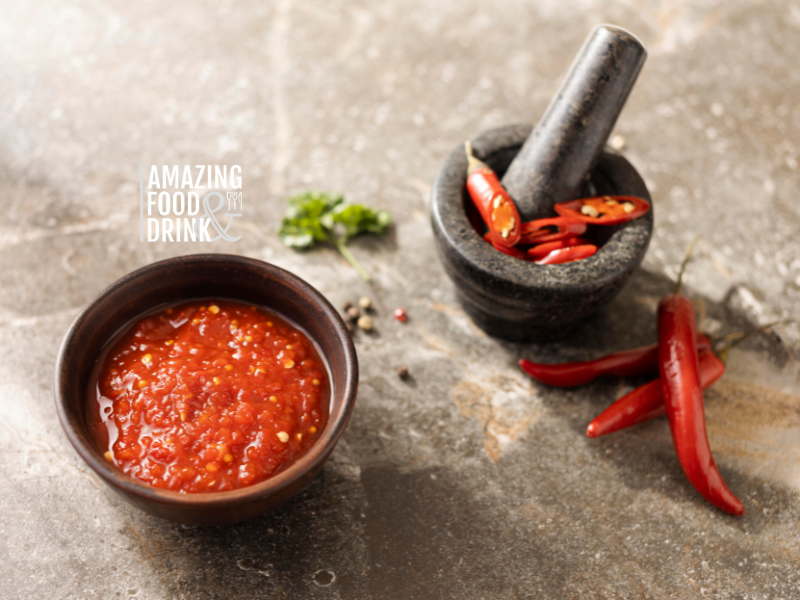
Hot chilli sauce appetisers represent one of the most dynamic categories in global cuisine, serving as the perfect accompaniment to grilled meats, rice dishes like mandi and biryani, seafood preparations, and countless other main courses. These fiery condiments and side dishes have evolved over centuries, transforming from simple preparations into complex flavour profiles that balance heat, acidity, sweetness, and savoury depth.

What distinguishes exceptional hot chilli appetisers is their ability to add layers of flavour beyond mere spiciness. Traditional preparations from Turkish, Moroccan, Indian, and Southeast Asian cuisines demonstrate how capsaicin-rich peppers can be combined with aromatics, spices, and acidic elements to create sauces that stimulate the palate rather than overwhelm it. When testing these recipes in home kitchens, the key is understanding how different chilli varieties contribute unique flavour profiles alongside their heat intensity.

Nutritionally, hot chilli appetisers offer considerable benefits. Because most preparations rely heavily on vegetables, fresh herbs, and minimal processed ingredients, they provide vitamins, antioxidants, and capsaicin – the compound responsible for both heat and potential metabolic benefits – whilst remaining relatively low in calories. This makes them particularly valuable for those seeking to add bold flavours to meals without significantly increasing caloric intake.

Understanding Super-Hot Chillies and Heat Levels

Best Super-Hot Chilli Sauce Appetisers: 10 Global Recipes

Before diving into recipes, understanding how different chillies contribute heat and flavour helps you select appropriate varieties and adjust intensity to your preference.

The Scoville Scale and Chilli Classifications

The Scoville scale measures the concentration of capsaicinoids – the compounds responsible for chilli heat – in Scoville Heat Units (SHU). Understanding this scale helps home cooks select appropriate chillies for their desired heat level:

  • Mild peppers (0-1,000 SHU): Bell peppers, pimento
  • Medium peppers (1,000-10,000 SHU): Jalapeño, poblano
  • Hot peppers (10,000-100,000 SHU): Cayenne, Thai bird’s eye, serrano
  • Super-hot peppers (100,000-350,000 SHU): Habanero, Scotch bonnet
  • Extreme peppers (350,000+ SHU): Ghost pepper, Carolina Reaper

For the recipes in this guide, we primarily work with peppers in the hot to super-hot range, which provide substantial heat whilst maintaining distinctive flavour profiles. Traditional Turkish hot peppers, for instance, typically range from 10,000-50,000 SHU, delivering assertive heat without completely masking other flavours.

Key Chilli Varieties for Hot Sauce Appetisers

Cayenne Pepper (30,000-50,000 SHU): This slim, curved red pepper forms the foundation of many traditional hot sauces. Its clean, straightforward heat and slight sweetness make it ideal for both fresh and dried applications. When dried and ground, cayenne delivers concentrated heat that disperses evenly throughout preparations.

Habanero (100,000-350,000 SHU): Despite their extreme heat, habaneros offer a distinctive fruity, almost citrus-like flavour that complements tropical and Caribbean preparations. Their thin flesh makes them perfect for blending into smooth sauces.

Scotch Bonnet (100,000-350,000 SHU): The Caribbean cousin of the habanero, Scotch bonnets possess a slightly sweeter profile with hints of tropical fruit. They’re essential in authentic jerk preparations and many West African dishes.

Turkish Hot Peppers (10,000-50,000 SHU): These medium-length red peppers are central to Turkish and Middle Eastern cuisine. When dried and flaked, they create the beloved pul biber (Aleppo pepper) and urfa biber, which add both heat and complex, slightly smoky or fruity notes.

Indian Green Chillies (10,000-30,000 SHU): Fresh green chillies used throughout Indian cuisine vary in heat but consistently provide a bright, grassy heat that cuts through rich, creamy dishes. Varieties like the finger-shaped cayenne type are standard in Indian cooking.

Traditional Hot Chilli Sauce Appetiser Recipes

These authentic recipes span Turkish, Moroccan, Indian, Middle Eastern and Southeast Asian culinary traditions, each demonstrating how different cultures balance capsaicin heat with complementary flavours.

1. Chilli Carrot Appetiser

Best Super-Hot Chilli Sauce Appetisers: 10 Global Recipes

This Levantine-inspired preparation showcases how sweet vegetables can balance fiery heat whilst maintaining their own flavour integrity. The technique of cooking carrots with spices until tender, then finishing with vinegar and herbs, appears throughout Middle Eastern mezze traditions.

Prep time: 10 minutes

Cook time: 25 minutes

Serves: 6

Ingredients

  • 500g carrots, peeled and sliced into 5mm rounds
  • 2 cups water
  • 2 garlic cloves, crushed
  • 2 tablespoons extra virgin olive oil
  • ½ teaspoon smoked paprika
  • 1 tablespoon vinegar
  • ½ teaspoon ground cumin
  • 1-2 fresh red chillies, finely chopped (adjust to taste)
  • Salt and freshly ground black pepper
  • ¼ cup fresh coriander, roughly chopped
  • Extra chilli flakes for garnish (optional)

Method

  1. Place carrot rounds in a medium-sized pot with garlic, olive oil, paprika, fresh chillies, salt, and black pepper. Pour in enough water to just cover the carrots.
  2. Bring to a simmer over medium heat. Cover partially and cook for 20-25 minutes until carrots are tender when pierced with a fork, but still hold their shape.
  3. Add vinegar and ground cumin to the pot. Stir gently to combine, allowing the vinegar’s acidity to brighten the flavours.
  4. Remove from heat and let cool to room temperature. The carrots will continue absorbing the spiced cooking liquid as they rest.
  5. Transfer to a shallow serving dish. Garnish with fresh coriander and additional chilli flakes if desired. Serve at room temperature or slightly chilled.

Chef’s Notes

The sweetness of carrots provides an excellent counterpoint to chilli heat. For a more complex flavour profile, add ¼ teaspoon of ground coriander seed alongside the cumin. This appetiser improves after several hours of refrigeration as the flavours meld together.

Dietary Adaptations: Naturally vegan and gluten-free. For a keto-friendly version, reduce carrots to 300g and increase olive oil to 3 tablespoons.

2. Spicy Tomato Appetiser (Turkish-Style Ezme)

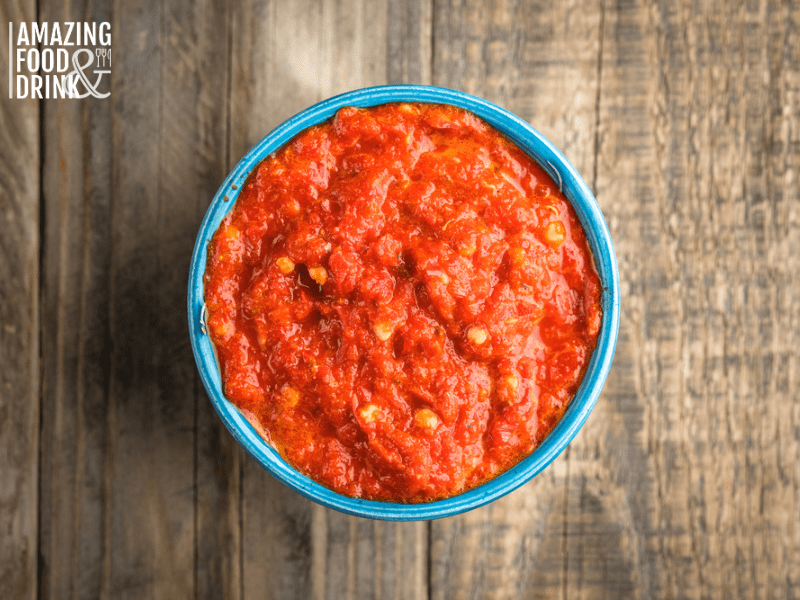
This fresh, chopped tomato preparation resembles Turkish ezme or acuka—intensely flavoured tomato-based appetisers that accompany grilled meats throughout Anatolia. The brief cooking concentrates tomato flavours whilst the chilli provides persistent heat.

Prep time: 15 minutes

Cook time: 20 minutes

Serves: 6

Ingredients

  • 8 ripe tomatoes, roughly chopped
  • 1 medium onion, grated
  • 4 garlic cloves, minced
  • 4 tablespoons ground chilli pepper (Turkish pul biber ideal)
  • ¼ cup fresh lemon juice
  • 2 tablespoons granulated sugar
  • ½ cup water
  • Salt to taste
  • Fresh flat-leaf parsley for garnish

Method

  1. Combine tomatoes, grated onion, minced garlic, ground chilli, sugar, and water in a blender. Pulse until roughly combined but not completely smooth – some texture should remain.
  2. Pour the mixture into a heavy-bottomed saucepan. Place over low heat and bring to a gentle simmer.
  3. Cook uncovered for 20 minutes, stirring occasionally to prevent sticking. The mixture should reduce by about one-third, becoming thicker and more concentrated.
  4. Remove from heat and stir in fresh lemon juice. Taste and adjust seasoning with additional salt or lemon juice as needed.
  5. Allow to cool completely before serving. The flavours will continue developing as it rests.
  6. Serve in small bowls, garnished with fresh parsley leaves. This appetiser pairs exceptionally well with flatbreads or as a condiment for grilled kebabs.

Chef’s Notes

Turkish pul biber (Aleppo pepper) provides moderate heat with subtle fruity undertones—a key characteristic of authentic Turkish hot appetisers. If unavailable, substitute with a combination of sweet paprika and cayenne pepper (3 parts paprika to 1 part cayenne). The sugar doesn’t make the dish sweet; rather, it balances the tomatoes’ natural acidity and rounds out the heat.

Dietary Adaptations: Naturally vegan and gluten-free. The sugar content makes this less suitable for strict keto diets, though reducing to 1 tablespoon still provides adequate balance.

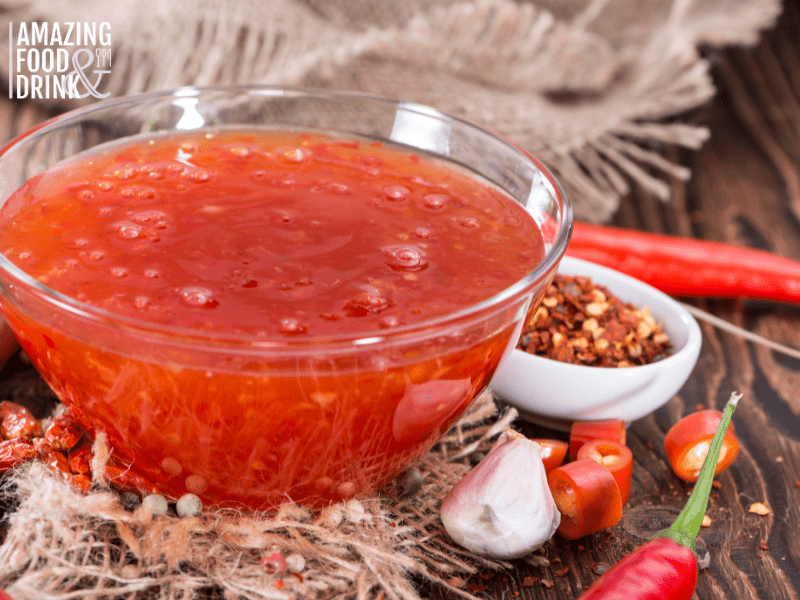
3. Thai Chilli Hot Sauce (Nam Prik Pao Style)

This Southeast Asian preparation captures the complex sweet-sour-spicy-savoury balance fundamental to Thai cuisine. When testing this recipe, the key discovery was allowing the starch to cook just until the sauce achieved a glossy, coating consistency without becoming gummy.

Prep time: 15 minutes

Cook time: 12 minutes

Serves: 5

Ingredients

  • 1 cup rice vinegar
  • 1 cup water
  • 1 cup granulated sugar
  • 20g fresh ginger root, peeled and finely grated
  • 5 garlic cloves, minced
  • 3 fresh red bird’s eye chillies (prik kee noo), finely chopped
  • 1 tablespoon tomato ketchup
  • 2 tablespoons cornflour
  • ½ teaspoon coarsely ground black pepper
  • ¼ teaspoon salt

Method

  1. Combine rice vinegar and water in a medium saucepan. Place over high heat and bring to a rolling boil.
  2. Whilst the liquid heats, prepare the aromatics: grate ginger on a fine microplane, mince garlic, and finely chop chillies, keeping seeds intact for maximum heat.
  3. Once boiling, reduce the heat to medium and add grated ginger, minced garlic, chopped chillies, tomato ketchup, black pepper, and salt. Stir to combine thoroughly.
  4. Simmer for 5 minutes, allowing the aromatics to infuse the liquid and mellow slightly.
  5. Create a slurry by whisking cornflour with 3 tablespoons of cold water until completely smooth. Slowly pour this into the simmering sauce whilst stirring constantly.
  6. Continue cooking for 2-3 minutes, stirring continuously, until the sauce thickens to a syrupy consistency that coats the back of a spoon.
  7. Remove from heat immediately and transfer to a heatproof glass container. Cool to room temperature, then refrigerate. The sauce will thicken further as it cools.

Chef’s Notes

This sauce improves dramatically after 24 hours of refrigeration as the ginger and garlic mellow whilst the chilli heat becomes more evenly distributed. For a more authentic Thai profile, add 1 teaspoon of fish sauce with the ketchup (omit additional salt if using fish sauce). The sauce keeps refrigerated for up to two weeks.

Dietary Adaptations: Naturally gluten-free. For a refined-sugar-free version, substitute coconut sugar, though this will darken the colour and add caramel notes. Not suitable for keto diets due to sugar content.

4. Basic Chilli Appetiser (Falafel-Style Bean Fritters)

This Middle Eastern-inspired preparation transforms soaked beans into crispy, intensely flavoured fritters that serve equally well as appetisers or sandwich fillings. The technique of processing raw, soaked beans rather than cooked ones is crucial for achieving the correct texture.

Prep time: 8 hours (soaking) + 15 minutes (active prep)

Cook time: 15 minutes

Serves: 3-4

Ingredients

  • 500g dried white beans or chickpeas
  • 1 large onion, roughly chopped
  • 5 garlic cloves
  • Large handful of fresh flat-leaf parsley
  • Large handful of fresh coriander
  • 2 teaspoons ground cumin
  • 1½ teaspoons ground chilli pepper (or to taste)
  • 1 teaspoon dried coriander
  • 2 tablespoons toasted sesame seeds
  • Salt to taste
  • ½ teaspoon bicarbonate of soda (added just before frying)
  • Neutral oil for deep-frying

Method

  1. Soak beans in cold water for 8 hours or overnight. They should roughly double in size. Drain thoroughly and pat dry with kitchen towels.
  2. Place drained beans in a food processor. Pulse until coarsely ground – the texture should resemble coarse breadcrumbs, not a smooth paste.
  3. Add chopped onion, garlic cloves, fresh parsley, and fresh coriander to the processor. Pulse until finely chopped and evenly distributed throughout the bean mixture.
  4. Add cumin, chilli pepper, dried coriander, sesame seeds, and salt. Pulse just until combined. The mixture should hold together when pressed but not become pasty.
  5. Transfer to a bowl, cover, and refrigerate for at least 30 minutes. This resting period allows the mixture to hydrate further and makes shaping easier.
  6. Just before frying, add bicarbonate of soda and mix thoroughly. This creates a lighter, airier texture.
  7. Heat oil to 180°C (350°F) in a deep pot or fryer. Form the mixture into small patties or balls about 4cm in diameter.
  8. Fry in batches for 3-4 minutes until deeply golden brown and crispy on the exterior. Drain on kitchen paper.
  9. Serve immediately whilst hot, accompanied by tahini sauce, yoghurt, or fresh vegetables.

Chef’s Notes

The bicarbonate of soda is essential but must be added just before frying—if mixed in too early, it will cause the mixture to become spongy. These fritters can also be baked at 200°C (400°F) for 20-25 minutes, turning once, for a lower-fat preparation. When testing the spice level, remember that frying intensifies heat perception, so season slightly more conservatively than you might with room-temperature preparations.

Dietary Adaptations: Naturally vegan. To make gluten-free, ensure bicarbonate of soda hasn’t been processed with gluten-containing additives (most brands are naturally gluten-free). Not keto-friendly due to bean content.

5. Spicy Vegetable Appetiser (Middle Eastern Mezze Salad)

Best Super-Hot Chilli Sauce Appetisers: 10 Global Recipes

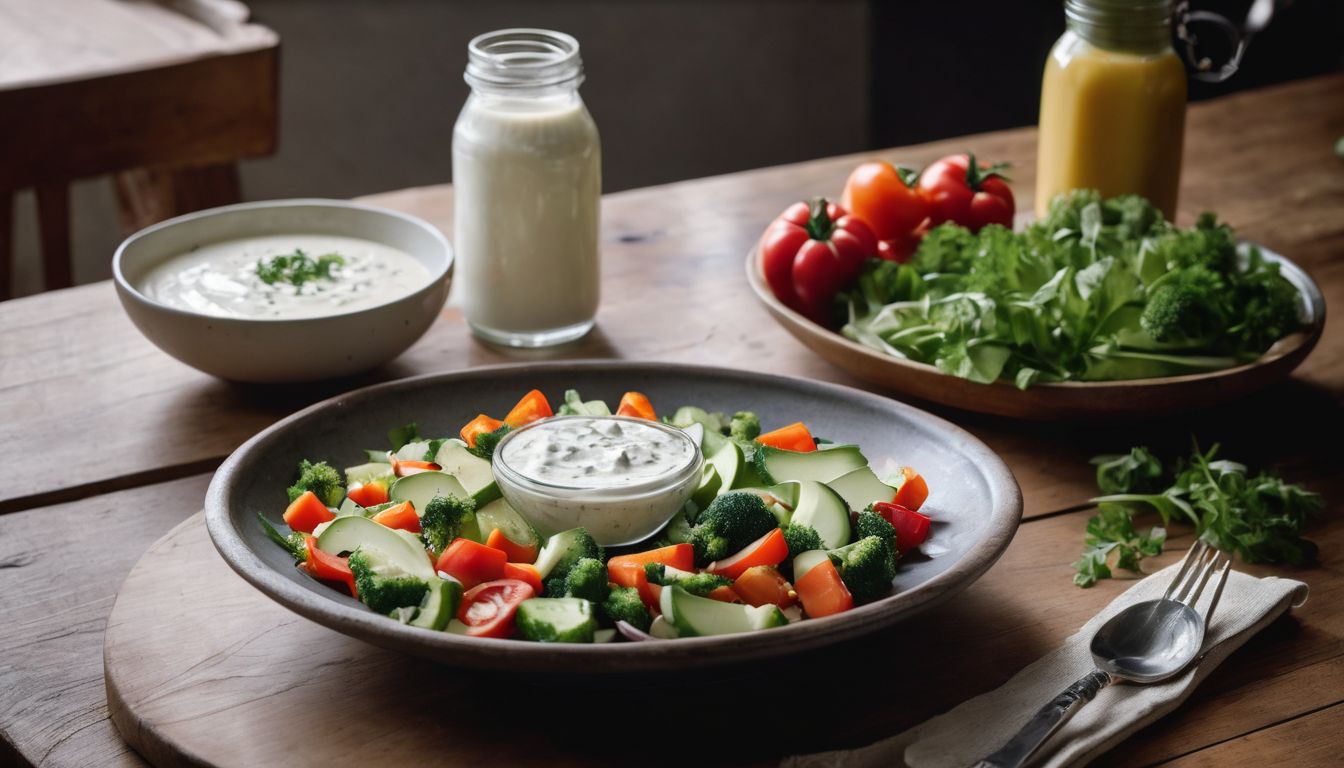
This fresh, raw vegetable preparation exemplifies the mezze tradition of the Levant, where multiple small dishes begin a meal. The combination of crisp vegetables, briny olives, and fresh herbs creates textural variety alongside the chilli heat.

Prep time: 20 minutes

Chilling time: 30 minutes

Serves: 4

Ingredients

  • 3 medium courgettes, cut into 2cm pieces
  • 3 ripe tomatoes, cut into wedges
  • 1 red bell pepper, cut into strips
  • 1 small red onion, thinly sliced
  • ¼ cup black or green olives, pitted and halved
  • 1 small tin sweetcorn (approximately 150g), drained
  • 1 tin mushrooms (approximately 200g), drained and sliced
  • ¼ cup fresh rocket leaves
  • ¼ cup fresh mint leaves, torn
  • 1-2 fresh green chillies, thinly sliced
  • 2 tablespoons extra virgin olive oil
  • 2 tablespoons fresh lemon juice
  • Salt and freshly ground black pepper to taste

Method

  1. Prepare all vegetables and place in a large mixing bowl: courgette pieces, tomato wedges, pepper strips, sliced onion, halved olives, drained sweetcorn, and sliced mushrooms.
  2. Add fresh rocket and torn mint leaves. Scatter sliced green chillies throughout.
  3. Season generously with salt and freshly ground black pepper. Toss gently to combine.
  4. Drizzle olive oil and fresh lemon juice over the salad. Toss again, ensuring all vegetables are lightly coated.
  5. Cover and refrigerate for 30 minutes before serving. This brief chilling period allows flavours to meld whilst keeping vegetables crisp.
  6. Toss once more before transferring to a serving platter. Serve alongside flatbreads or as part of a larger mezze spread.

Chef’s Notes

The raw courgette provides a neutral backdrop that absorbs the lemon and olive oil dressing whilst contributing crunch. For a more substantial appetiser, add 200g of crumbled feta cheese or halved cherry tomatoes. The chilli heat should be present but not overwhelming – adjust according to the specific heat level of your fresh chillies.

Dietary Adaptations: Naturally vegan and gluten-free. Keto-friendly with the removal of sweetcorn (reduces net carbs significantly). For nut-free requirements, ensure olives aren’t processed in facilities handling tree nuts.

6. Turkish Hot Chilli Appetiser (Acılı Ezme)

This traditional Turkish appetiser from southeastern Anatolia demonstrates the region’s preference for intensely spiced, finely chopped preparations. In Turkish homes, acılı ezme accompanies grilled meats, pilaf, and fresh flatbreads.

Prep time: 30 minutes

Serves: 6-8

Ingredients

  • 6 medium ripe tomatoes (approximately 750g total)
  • 2 medium onions (approximately 240g total)
  • 2 fresh green hot peppers (approximately 30g total)
  • 2 green bell peppers (approximately 480g total)
  • Large handful fresh flat-leaf parsley
  • 2 tablespoons tomato paste
  • 4 tablespoons pomegranate molasses
  • 2 tablespoons crushed chilli flakes (pul biber or Aleppo pepper)
  • 2 tablespoons extra virgin olive oil
  • Juice of 1 large lemon
  • 1 teaspoon salt
  • ½ teaspoon freshly ground black pepper
  • ½ teaspoon ground cumin
  • Fresh parsley sprigs for garnish

Method

  1. Roughly chop tomatoes, removing cores, and place in a blender or food processor. Pulse briefly – the texture should remain chunky, not become a smooth purée.
  2. Peel onions and cut into large pieces. Add to the blender along with hot peppers and bell peppers (deseeded if milder heat is preferred). Pulse until vegetables are finely chopped but retain some texture.
  3. Wash parsley thoroughly and roughly chop, including tender stems. Add to the blender and pulse once or twice to incorporate.
  4. Add crushed chilli flakes, salt, black pepper, ground cumin, and pomegranate molasses. Pulse to combine.
  5. Add fresh lemon juice, olive oil, and tomato paste. Pulse one final time, creating a thick, coarsely textured mixture.
  6. Transfer to a serving bowl. The mixture should be spreadable but not watery. If too liquid, drain excess through a fine-mesh sieve.
  7. Cover and refrigerate for at least 1 hour before serving, allowing flavours to meld. This appetiser benefits from preparation several hours in advance.
  8. Before serving, drain any accumulated liquid, taste, and adjust seasoning. Garnish with fresh parsley sprigs.

Chef’s Notes

Pomegranate molasses is essential to authentic Turkish ezme, providing tangy sweetness that balances the chilli heat and tomato acidity. If unavailable, substitute with a combination of lemon juice and a small amount of honey, though the flavour will differ. After testing this recipe extensively, the ideal texture resembles a thick, chunky salsa rather than a smooth paste.

Dietary Adaptations: Naturally vegan and gluten-free. Suitable for keto diets in moderation due to tomato and onion content. The pomegranate molasses contains natural sugars, so strict keto adherents should use it sparingly.

7. Hot Yoghurt and Cucumber Appetiser (Spicy Cacık)

This Turkish-Greek hybrid appetiser takes the cooling tradition of cucumber yoghurt dishes and adds substantial heat. The fresh herbs and ginger create complexity beyond simple spiciness.

Prep time: 15 minutes

Chilling time: 30 minutes

Serves: 2

Ingredients

  • 1 cup thick Greek-style yoghurt (full-fat preferred)
  • 1 medium cucumber, finely diced
  • 2 fresh green hot chillies, deseeded and finely minced
  • 1 tablespoon fresh dill, finely chopped
  • 1 tablespoon fresh flat-leaf parsley, finely chopped
  • 1 tablespoon fresh coriander, finely chopped
  • 1 small piece (approximately 2cm) fresh ginger, finely grated
  • Juice of 1 lemon
  • ¼ teaspoon salt
  • Pinch of white pepper

Method

  1. If using regular yoghurt rather than Greek style, strain through muslin or a fine-mesh sieve for 30 minutes to remove excess liquid. The yoghurt should be thick enough to hold its shape on a spoon.
  2. Dice the cucumber into 5mm pieces. If the cucumber is watery, lightly salt it and drain it in a colander for 10 minutes, then pat it dry with kitchen paper.
  3. Combine yoghurt, diced cucumber, and minced chillies in a mixing bowl.
  4. Add finely chopped dill, parsley, and coriander. The fresh herbs should be completely dry to prevent the yoghurt from becoming watery.
  5. Grate fresh ginger directly into the bowl using a fine microplane. Add fresh lemon juice, salt, and white pepper.
  6. Fold all ingredients together gently but thoroughly. Taste and adjust seasoning – the heat should be noticeable but not overwhelming the cooling effect of the yoghurt.
  7. Cover and refrigerate for at least 30 minutes before serving. This resting period allows the ginger and chilli flavours to permeate the yoghurt.
  8. Serve chilled as a dip for flatbreads, vegetable crudités, or alongside fried potatoes or kebabs.

Chef’s Notes

The ginger provides a different type of heat that complements rather than competes with the chilli peppers. Full-fat yoghurt is preferred as it has a richer mouthfeel and doesn’t separate as readily as low-fat varieties. After multiple tests, the ideal ratio emerged as roughly 2:1 yoghurt to cucumber for a creamy consistency that still provides cucumber crunch.

Dietary Adaptations: Naturally gluten-free and suitable for vegetarians. For vegan preparation, substitute thick coconut yoghurt (full-fat) or cashew cream. Keto-friendly with full-fat dairy yoghurt. Those with lactose intolerance can use lactose-free yoghurt without affecting flavour or texture.

8. Barbeque Chilli Appetiser (Charred Salsa Brava)

This Spanish-influenced preparation uses roasting to concentrate vegetable flavours and add smoky depth. The technique of charring vegetables before blending appears throughout Mediterranean and Latin American cuisines.

Prep time: 15 minutes

Cook time: 35 minutes

Serves: 6-8

Ingredients

  • 2 large ripe tomatoes, halved
  • 1 medium onion, quartered
  • 1 red bell pepper, halved and deseeded
  • 2 fresh hot red chillies, stems removed
  • 3 garlic cloves, unpeeled
  • 3 tablespoons extra virgin olive oil (divided)
  • 1 tablespoon tomato purée
  • 1 tablespoon smoked paprika
  • 1 tablespoon vinegar
  • 1 teaspoon ground cumin
  • ½ teaspoon salt
  • ¼ teaspoon freshly ground black pepper
  • ¼ cup fresh flat-leaf parsley, roughly chopped

Method

  1. Preheat oven to 200°C (400°F). Line a baking tray with parchment paper.
  2. Arrange tomato halves (cut side up), onion quarters, pepper halves, whole chillies, and unpeeled garlic cloves on the prepared tray. Drizzle with 1 tablespoon olive oil.
  3. Roast for 30-35 minutes until vegetables are charred at the edges and softened. The tomato skins should be blistered, and the pepper slightly blackened.
  4. Remove from oven and allow to rest for 5 minutes. Peel the garlic cloves – the skins should slip off easily. If pepper skin is extensively blackened, remove it; otherwise, leave for a smokier flavour.
  5. Transfer all roasted vegetables to a blender or food processor. Add the remaining 2 tablespoons olive oil, tomato purée, smoked paprika, vinegar, cumin, salt, and black pepper.
  6. Pulse until the mixture reaches your desired consistency – it should be thick and slightly chunky, not a smooth purée. Taste and adjust seasoning, adding more vinegar for acidity or salt as needed.
  7. Stir in chopped fresh parsley just before serving. The heat from the mixture will slightly wilt the parsley, releasing its flavour.
  8. Serve at room temperature. This appetiser can be stored refrigerated for up to 5 days; the flavours continue developing over time.

Chef’s Notes

The roasting process caramelises the natural sugars in vegetables, creating depth that raw preparations lack. For a smokier profile, roast vegetables on a barbecue instead of in the oven. When testing this recipe, the sweet-hot-smoky balance proved most successful when the smoked paprika and cumin were both included—one alone doesn’t provide sufficient complexity.

Dietary Adaptations: Naturally vegan and gluten-free. Keto-friendly in moderate portions. For a nut-free version, ensure the paprika hasn’t been processed in facilities handling nuts (most brands are safe).

9. Spicy Indian Harissa (North Indian Style)

This Indian interpretation of harissa incorporates traditional Indian spicing techniques—toasting whole spices before grinding—which releases essential oils and intensifies flavour. The result differs significantly from North African harissa.

Prep time: 30 minutes (includes soaking)

Cook time: 10 minutes

Serves: 8-10

Ingredients

For the chilli paste:

  • 10 large dried Kashmiri chillies (approximately 14g)
  • 7 dried red bird’s eye chillies (approximately 3g)
  • Hot water for soaking

For the spice blend:

  • 3 teaspoons cumin seeds
  • 2 teaspoons coriander seeds
  • 1 teaspoon caraway seeds

For the harissa:

  • 60ml extra virgin olive oil
  • 4 garlic cloves, finely minced
  • 1½ teaspoons smoked paprika
  • 30ml fresh lemon juice
  • 15ml apple cider vinegar
  • 15g tomato paste (approximately 1 tablespoon)
  • 1 teaspoon fine sea salt

Method

  1. Place all dried chillies in a heatproof bowl. Cover completely with hot water and place a small plate on top to keep them submerged. Soak for 15-20 minutes until softened and pliable.
  2. Whilst chillies soak, prepare the spice blend: Add cumin, coriander, and caraway seeds to a dry frying pan. Toast over medium heat for 2-3 minutes, shaking the pan frequently, until fragrant and slightly darkened.
  3. Transfer toasted seeds to a spice grinder or mortar and pestle. Grind to a fine powder. Set aside.
  4. Drain soaked chillies and remove stems. If milder heat is desired, split chillies and remove some seeds. Pat dry with kitchen paper.
  5. Place drained chillies in a food processor or high-powered blender. Add minced garlic, ground spice blend, smoked paprika, and salt. Pulse until roughly combined.
  6. With the motor running, add lemon juice and apple cider vinegar in a steady stream. Process until a thick paste forms.
  7. Add tomato paste and pulse to incorporate. With the motor running, drizzle in olive oil gradually. Continue processing for 1-2 minutes until the mixture becomes smooth and glossy.
  8. Taste and adjust seasoning. The harissa should be intensely flavoured – slightly salty, tangy, spicy, and aromatic.
  9. Transfer to a sterilised glass jar. Pour a thin layer (approximately 1cm) of olive oil over the surface to seal. This prevents oxidation and extends shelf life.
  10. Store refrigerated for up to one month or freeze in ice cube trays for longer storage (up to 3 months).

Chef’s Notes

Kashmiri chillies provide vibrant colour and moderate heat, whilst bird’s eye chillies contribute intensity. If Kashmiri chillies are unavailable, substitute sweet paprika for colour and increase bird’s eye chillies for heat. The toasting step is crucial—it transforms raw spice flavour into something complex and aromatic. When testing various chilli combinations, this ratio produced the most balanced heat and flavour profile.

Dietary Adaptations: Naturally vegan and gluten-free. Keto-friendly in small amounts. For nut-free requirements, ensure spices haven’t been processed in facilities handling tree nuts.

10. Moroccan Chilli Harissa Sauce (North African Style)

This authentic North African harissa differs from the Indian version through its use of North African spice proportions and olive oil-heavy emulsion. Traditional Moroccan preparations often include preserved lemon, though this version uses fresh lemon juice for accessibility.

Prep time: 1 hour (includes soaking)

Cook time: 5 minutes

Serves: 8-10

Ingredients

  • 4 large dried cayenne peppers (approximately 8g)
  • Hot water for soaking
  • 2 garlic cloves, roughly chopped
  • 1 teaspoon fine sea salt
  • 1 teaspoon ground cumin
  • 1 teaspoon ground coriander
  • ½ teaspoon caraway seeds
  • 2 tablespoons fresh lemon juice
  • 4-6 tablespoons extra virgin olive oil (divided)

Method

  1. Split dried cayenne peppers lengthwise and remove stems and seeds. The seeds contribute significant heat, so retain or discard based on preference.
  2. Roughly chop deseeded peppers and place in a small bowl. Cover completely with hot water and weigh down with a small plate. Soak for approximately 1 hour until completely soft and pliable.
  3. Whilst peppers soak, prepare other ingredients: roughly chop garlic, measure spices, and gather olive oil and lemon juice.
  4. Drain soaked peppers thoroughly, squeezing out excess water by hand. Pat dry with kitchen paper – this step is crucial for achieving proper consistency.
  5. Place drained peppers in a food processor or mortar. Add chopped garlic, salt, cumin, ground coriander, and caraway seeds.
  6. Process or pound until the mixture forms a rough paste. Scrape down sides as needed.
  7. Add lemon juice and 2 tablespoons olive oil. Process until smooth, adding additional olive oil gradually until the harissa reaches your desired consistency. Traditional harissa should be thick enough to hold its shape on a spoon but smooth enough to spread easily.
  8. Taste and adjust seasoning. The flavour should be intensely spicy with noticeable garlic and cumin notes.
  9. Transfer to a sterilised glass jar. Pour a thin layer of olive oil over the surface to prevent oxidation.
  10. Store refrigerated for up to one month. The flavour improves after 12-24 hours as the spices fully hydrate and meld.

Chef’s Notes

The caraway seeds provide a distinctive anise-like note that characterises North African harissa. If using a mortar and pestle rather than a food processor—the traditional method—crush caraway seeds first before adding other ingredients. After extensive testing, the ideal pepper-to-oil ratio emerged as approximately 1:1 by weight for a spreadable consistency that holds together well.

Dietary Adaptations: Naturally vegan and gluten-free. Keto-friendly. For nut-free requirements, ensure spices haven’t been processed with tree nuts (most are safe).

Safe Handling and Cooking Techniques for Hot Chillies

Best Super-Hot Chilli Sauce Appetisers: 10 Global Recipes

Working with super-hot chillies requires specific safety measures and preparation techniques to protect yourself whilst maximising flavour in your finished dishes.

Essential Safety Practices

When working with super-hot chillies, capsaicin exposure can cause significant discomfort. After testing these recipes multiple times, several safety protocols proved essential:

  • Always wear disposable nitrile gloves when handling whole chillies. Latex gloves can degrade with prolonged capsaicin exposure. Change gloves between tasks to prevent cross-contamination.
  • Work in well-ventilated areas, particularly when frying or roasting chillies. Opening windows and using exhaust fans prevents capsaicin vapours from irritating the respiratory passages.
  • Never touch your face while working with chillies, even when wearing gloves. Capsaicin can transfer to glove exteriors. Wash hands thoroughly with soap and oil (cooking oil helps dissolve capsaicin) before touching face or eyes.
  • Keep milk or yoghurt nearby as emergency relief. Water spreads capsaicin rather than neutralising it; dairy products contain casein, which binds to capsaicin molecules and provides genuine relief.
  • Clean all equipment immediately after use. Capsaicin adheres to cutting boards, knives, and blenders. Wash with hot soapy water and a small amount of cooking oil to fully remove residue.

Techniques for Modulating Heat Levels

  • Removing seeds and membranes reduces heat by 50-70% without significantly affecting flavour. Use a small teaspoon to scrape out the white placental tissue where capsaicin concentrates.
  • Blanching fresh chillies in boiling water for 30 seconds before using in raw preparations slightly reduces heat whilst maintaining flavour complexity. Drain and pat dry before proceeding with recipes.
  • Balancing with dairy, fat, or acid in finished dishes helps manage perceived heat. Yoghurt, coconut milk, olive oil, and citrus juice all provide relief through different mechanisms—casein binding (dairy), capsaicin dissolution (fat), or distraction through competing flavours (acid).
  • Gradual heat building works better than immediate intensity. Add chillies in stages, tasting between additions, particularly in slow-cooked preparations where heat intensifies over time.

Enhancing Chilli Flavour Beyond Heat

  • Roasting or charring caramelises natural sugars in chilli flesh, adding smoky sweetness that balances heat. Place whole chillies directly over gas flames or under a hot grill until skins blister and char.
  • Toasting dried chillies in a dry pan before grinding releases aromatic compounds and slightly reduces harsh heat notes. Toast only until fragrant (30-60 seconds)—burnt chillies taste bitter.
  • Fermenting fresh chillies with salt creates complex, funky flavours similar to commercial hot sauces. This traditional preservation method appears in cuisines from Korea to Louisiana.
  • Infusing oil with chilli extracts heat and flavours while creating a versatile condiment. Gently heat olive oil with whole dried chillies for 10 minutes, then strain.

Regional Chilli Traditions and Variations Worldwide

Best Super-Hot Chilli Sauce Appetisers: 10 Global Recipes

Hot chilli appetisers reflect distinct regional preferences and ingredient availability, with each culinary tradition developing unique approaches to balancing heat with other flavours.

Turkish Hot Pepper Traditions

Turkish cuisine distinguishes between fresh green chillies (acı biber) and dried red pepper products. The Southeastern provinces of Gaziantep and Urfa produce renowned dried chillies: pul biber (Aleppo pepper flakes) offers moderate heat with fruity undertones, whilst urfa biber provides smoky, almost raisin-like complexity with gentler heat.

Traditional Turkish hot appetisers like acılı ezme feature finely chopped raw vegetables mixed with pepper paste (biber salçası)—a concentrated chilli condiment similar to tomato paste. These mezze dishes accompany kebabs, pilaf, and rakı throughout Anatolia.

North African Harissa Variations

Harissa originated in Tunisia and spread throughout the Maghreb, with each region developing distinct preferences. Tunisian harissa tends towards intense heat with prominent garlic, whilst Moroccan versions include more sweet spices like cumin and coriander. Algerian harissa often incorporates preserved lemons.

In North Africa, harissa serves multiple purposes: stirred into stews, mixed with olive oil as a bread dip, or thinned with stock as a soup base. The sauce is considered so essential that many households maintain a jar in the refrigerator at all times.

Indian Chilli Preparations

Indian cuisine incorporates chillies more extensively than perhaps any other tradition. Fresh green chillies appear in chutneys, pickles, and as garnishes, whilst dried red chillies form the foundation of countless spice blends.

Regional variations abound: Kerala uses fiery bird’s eye chillies in coconut-based curries; Rajasthan features dried red chillies in laal maas; Goan cuisine balances Portuguese and Indian influences with Kashmiri chillies providing colour and moderate heat.

Southeast Asian Heat Profiles

Thai, Vietnamese, and Filipino cuisines use chillies to balance sweet, sour, and savoury elements rather than as standalone heat sources. Thai cuisine distinguishes between large milder chillies (prik chee fah) for colour and small bird’s eye chillies (prik kee noo) for intense heat.

Filipino cuisine employs siling labuyo (similar to Thai bird’s eye) in sawsawan (dipping sauces), combining soy sauce, vinegar, and fresh chillies. These accompaniments appear at nearly every Filipino meal, allowing diners to adjust heat levels individually.

Latin American and Caribbean Traditions

Caribbean cooking features Scotch bonnet peppers prominently, particularly in jerk preparations. Despite extreme heat (100,000-350,000 SHU), Scotch bonnets contribute fruity, almost sweet notes that complement allspice and thyme in traditional jerk marinades.

Mexican cuisine differentiates between fresh chillies (chiles frescos) and dried varieties, which have entirely different names and applications. A fresh poblano becomes an ancho when dried; jalapeños become chipotles. This distinction reflects how drying fundamentally alters flavour profiles, not just preservation method.

Making Hot Chilli Appetisers Work for Every Diet

Best Super-Hot Chilli Sauce Appetisers: 10 Global Recipes

Most hot chilli appetisers adapt easily to various dietary requirements with simple ingredient substitutions that maintain flavour integrity.

Vegan and Plant-Based Modifications

Traditional hot chilli appetisers are largely plant-based, with yoghurt and mayonnaise being the primary animal products requiring substitution.

Yoghurt alternatives: Full-fat coconut yoghurt provides similar cooling properties and creamy texture. Cashew cream (soaked raw cashews blended with water) offers a neutral flavour for applications where coconut taste would clash.

Mayonnaise replacements: Aquafaba (chickpea cooking liquid) whipped with oil creates egg-free mayonnaise, or use commercial vegan varieties, which work well in most recipes.

Gluten-Free Considerations

Most hot chilli appetisers are naturally gluten-free, though cross-contamination during spice processing requires attention. Purchase spices from suppliers who test for gluten contamination, as some ground spices use wheat flour as anti-caking agents. Serve with rice crackers, corn tortilla chips, or fresh vegetables instead of wheat-based breads.

Keto and Low-Carb Adaptations

Chilli-based appetisers generally align well with ketogenic diets with minor modifications. Reduce carrot and onion quantities by half, replacing them with low-carb vegetables like courgettes or bell peppers. Substitute granulated sugar with erythritol or stevia where sweetness is needed. Replace cornflour or wheat flour thickeners with xanthan gum (use approximately 1/8 the amount) or simply cook longer to reduce liquid naturally.

Nut Allergy Accommodations

Tree nut allergies rarely affect traditional hot chilli appetisers. For recipes calling for cashew cream, substitute sunflower seed cream prepared identically. Verify that spice processors don’t share facilities with tree nuts for severe allergies.

Seasonal Availability and Sourcing Authentic Ingredients

Best Super-Hot Chilli Sauce Appetisers: 10 Global Recipes

Understanding when fresh chillies peak and where to source authentic dried varieties and spices ensures the best results in your hot appetiser preparations.

Fresh Chilli Seasons

Fresh chilli production peaks during late summer through early autumn in temperate climates, with August through October offering the greatest variety. Turkish hot peppers appear in UK Middle Eastern markets during late summer, ideal for drying at home. Thai bird’s eye chillies remain available year-round in Asian grocers. For home gardeners, chilli plants thrive in containers and produce prolifically from mid-summer onwards, with varieties like cayenne and jalapeño adapting well to UK conditions.

Dried Chilli and Spice Sources

Turkish pul biber (Aleppo pepper) is available in Turkish and Middle Eastern grocers – essential for authentic Turkish appetisers. Substitute with sweet paprika and cayenne (3:1 ratio) if unavailable. Kashmiri chillies from Indian grocers provide vibrant colour with moderate heat. Spanish smoked paprika (pimentón) adds depth in sweet, bittersweet, and hot varieties.

Quality whole spices should be toasted before grinding to release essential oils. Pomegranate molasses, essential for Turkish ezme, appears in Middle Eastern sections of larger supermarkets. Fresh herbs stay freshest stored with stems in water, covered loosely with plastic, and refrigerated for up to one week.

Conclusion: Your Journey into Hot Chilli Appetisers

Super-hot chilli appetisers extend far beyond simple heat, encompassing centuries of culinary tradition and regional techniques refined through generations. The key to success lies in balancing heat with acidity and sweetness, treating chillies as aromatic ingredients with distinct flavour profiles, and respecting traditional preparation methods.

Start with milder preparations like chilli carrot appetiser or Turkish yoghurt sauce to develop your palate, then progress to intensely spiced options as your tolerance increases. Most recipes benefit from advance preparation, as flavours meld and mellow with time. Whether preparing mezze for gatherings or seeking authentic accompaniments for grilled meats, these recipes demonstrate how different cultures harness capsaicin’s fire to create compelling flavours that complement rather than overwhelm food.

Share with our social media

Leave a Reply

Your email address will not be published. Required fields are marked *