Ah, Paris! The City of Lights, the City of Love, and, of course, the City of Cocktails. From the sophisticated sips of Hemingway’s haunts to the bubbly delights of rooftop bars overlooking the Seine, Parisian cocktails capture the essence of romance, elegance, and a touch of bohemian flair.
Imagine yourself sitting in a dimly lit yet elegant French bar with soft music playing all around you, sipping on a glass of shimmering liquid. Or maybe you are sitting in an open-air restaurant overlooking the Seine with your Parisian cocktails and French conversation floating in the air.
Parisian cocktails are not just your everyday drinks. They’re filled with history, culture, and the heart of Paris in a glass. So, if you want to be transported into the City of Light without leaving your house, we’ve got your back! Let us teach you how to make your Parisian cocktails at home.
Parisian Cocktails: Liquid History and Enchanting Culture
Parisian Cocktails: Liquid History and Enchanting Culture
Paris, the City of Lights, whispers of romance, art, and delectable cocktails. Parisian cocktails boast a rich tapestry, from historical icons like the French 75 to contemporary creations bubbling with innovation. Each sip unveils a chapter in the city’s vibrant past while shaping its ever-evolving cultural landscape.
Time Traveling Through a Glass
A World War I masterpiece born at Harry’s New York Bar, the French 75 is an effervescent blend of gin, champagne, lemon, and sugar that packs a punch, mimicking the kick of the French 75mm artillery gun. Its bubbly elegance embodies Parisian cocktail sophistication and the celebratory spirit of the era.
A tribute to the French Revolution, 1789 is a sweet and refreshing concoction of white wine, whiskey, and Lillet, a French aperitif, that captures the spirit of liberty and change. Its delicate balance reflects the tumultuous yet hopeful atmosphere of the revolutionary period.
Finally, The simple yet iconic pairing of crème de cassis and white wine makes that the Kir Royale originated in Burgundy but quickly charmed Parisian palates. Its deep-red hue and sweet-tart flavour evoke the romance of cosy cafes and strolls along the Seine.
Cultural Concoctions: More than Just Drinks
Parisian cocktails transcend mere beverages. They are an integral part of the city’s cultural fabric, fueling late-night conversations in buzzing bars, serving as the backdrop for romantic rendezvous, and even inspiring fashion and design with their vibrant colours and elegant presentation.
Harry’s New York Bar, Ernest Hemingway’s favourite Parisian watering hole, remains a pilgrimage site for literature lovers and cocktail enthusiasts. Its timeless atmosphere and classic Parisian cocktails like the White Lady and the Bloody Mary evoke the golden age of Parisian nightlife.
Parisian cocktail culture intertwines with the city’s renowned fashion scene. Bars like The Red House often host fashion showcases and designer collaborations, creating a space where innovative drinks and cutting-edge styles mingle.
The influence of Parisian cocktails extends beyond the city’s borders. Cocktail bars worldwide draw inspiration from Parisian classics and contemporary trends, offering a taste of the city’s vibrant spirit wherever you may be.
So, the next time you raise a glass of a Parisian cocktail, remember that you’re not just sipping a drink; you’re tasting history, culture, and a touch of je ne sais quoi. Each sip is a portal to the City of Lights, inviting you to experience its timeless elegance and ever-evolving spirit, one delicious drop at a time.
Bringing Parisian Cocktails’ Magic to Your Home
If you can sip your Parisian cocktail by the Seine, you’re one lucky guy/girl! However, if -for whatever reason- you don’t currently have the means to haul yourself to the City of Love, we still want you to experience the elegance of a Parisian cocktail.
Fortunately, Parisian cocktails are not hard to recreate at home. If you treat the ingredient list as a bible, you’ll have a classic Parisian cocktail in your hand in no time! So wear your most excellent summer dress, play La Vie En Rose, and start making cocktails.
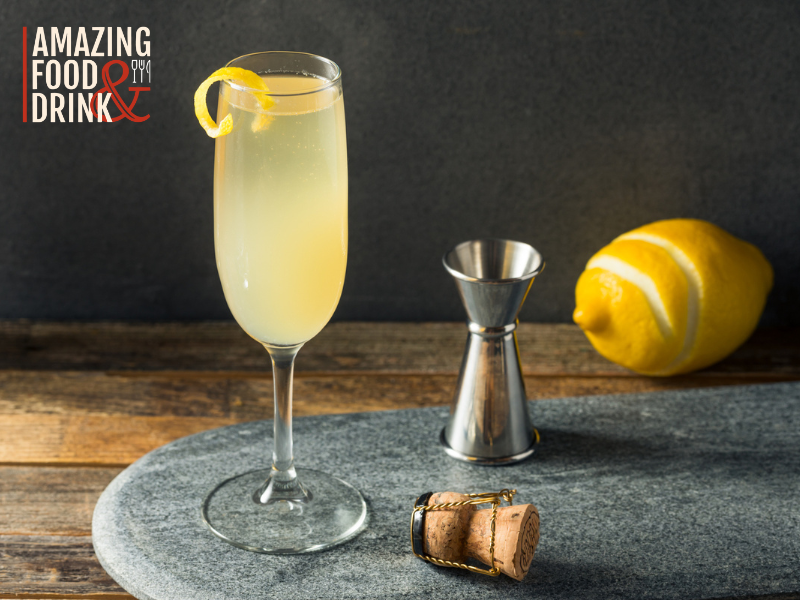
French 75: Elegance in Every Bubble
French 75: Parisian cocktail
Imagine sipping on a sparkling celebration: that’s the French 75. This iconic cocktail transports you to Parisian rooftops, clinking glasses under the Eiffel Tower’s twinkling lights. Gin’s botanicals intertwine with the zesty tang of lemon, a touch of sweetness balances the effervescence, and Champagne crowns it all with a delightful pop. Prepare to raise a toast to la vie Parisienne with every sip!
Ingredients
1 oz dry gin (Tanqueray, Sipsmith, Bombay Sapphire all work well)
½ oz fresh lemon juice
½ oz simple syrup
2-3 oz chilled Champagne
Lemon twist for garnish
Instructions
Fill a cocktail shaker with ice. Add gin, lemon juice, and simple syrup. Shake vigorously for 20 seconds.
Strain the mixture into a chilled champagne glass.
Top with chilled Champagne, and gently pour it down the flute’s side to avoid overflowing.
Express a lemon twist over the drink’s surface and drop it in or balance it on the rim for a classic touch.
Pro Tip: To create a “grand finale” effect, use a bar spoon to hold back the ice as you strain the cocktail into the flute. This ensures a precise and bubbly presentation.
Kir Royale: A Taste of Parisian Romance
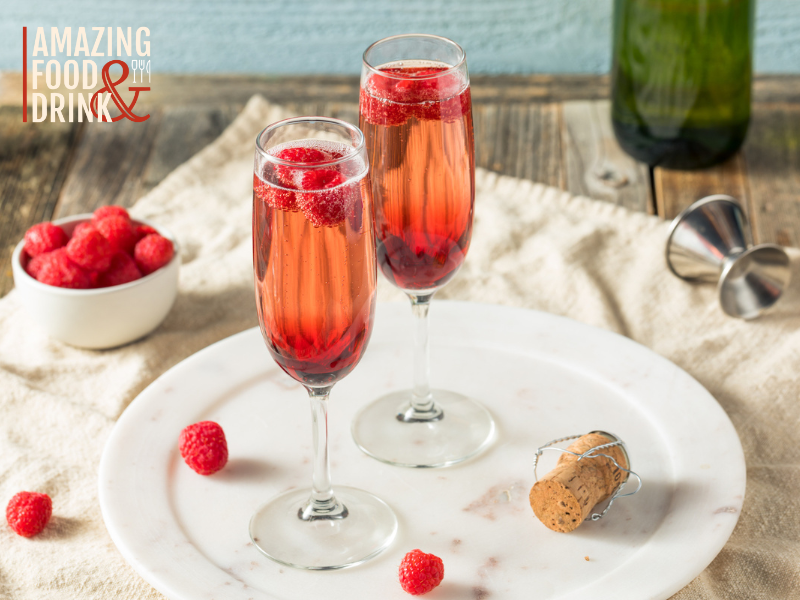
Kir Royale: Parisian cocktail
Picture yourself strolling along the Seine, hand in hand, the sun kissing your face. The Kir Royale captures the essence of Parisian romance. Crème de cassis’s deep red hue whispers of passionate moments while the crisp white wine dances on the palate like laughter exchanged over cafe au lait. This simple yet timeless concoction is an ode to Parisian charm, perfect for sharing with your amour.
Ingredients
½ oz crème de cassis (blackcurrant liqueur)
4-5 oz chilled dry white wine (champagne can also be used for a more bubbly version)
Fresh blackcurrant, for garnish (optional)
Instructions
Pour the crème de cassis into a chilled champagne flute.
Gently top with the chilled white wine, letting the liquid cascade down the side to prevent excessive fizzing.
Garnish with fresh blackcurrant (optional) for a pop of colour and flavour.
Pro Tip: To enhance the visual appeal, swirl the crème de cassis around the bottom of the flute before adding the wine for a beautiful ombré effect.
Le Perroquet: A Tropical Escape in the City of Lights
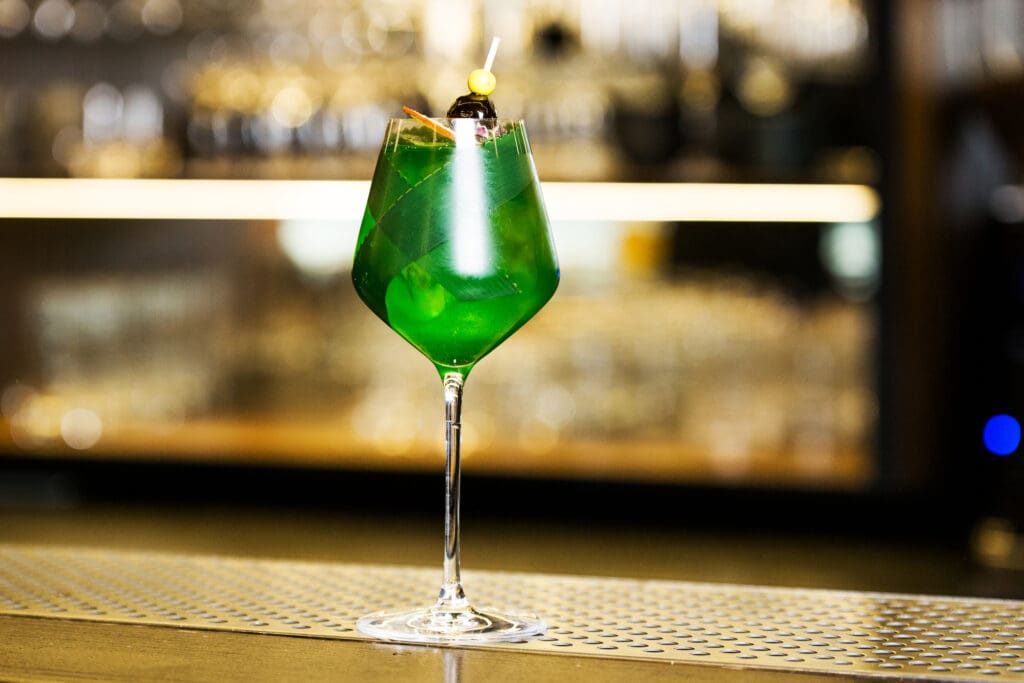
Le Perroquet: Parisian cocktail
Craving a Parisian getaway without leaving your doorstep? Le Perroquet is your ticket to paradise. Gin’s juniper berries mingle with the vibrant tang of pineapple and lime, a hint of maraschino adds a touch of sweetness, and mint leaves whisper of secret gardens. This cocktail is a burst of sunshine, transporting you to a hidden Parisian oasis where tiki torches flicker, and tropical tunes fill the air.
Ingredients
1 oz gin
½ oz fresh pineapple juice
½ oz fresh lime juice
¼ oz maraschino liqueur
4-5 mint leaves
Maraschino cherry and mint sprig for garnish
Instructions
Muddle the mint leaves in a shaker.
Add gin, pineapple juice, lime juice, and maraschino liqueur. Fill with ice and shake for 20 seconds.
Strain into a chilled coupe glass.
Decorate with a maraschino cherry and a sprig of mint for a tropical touch.
Pro Tip: If you don’t have fresh pineapple juice, use unsweetened canned juice diluted with a splash of water to maintain the refreshing balance.
Parisian Passion: A Fiery Kiss of Parisian Flair
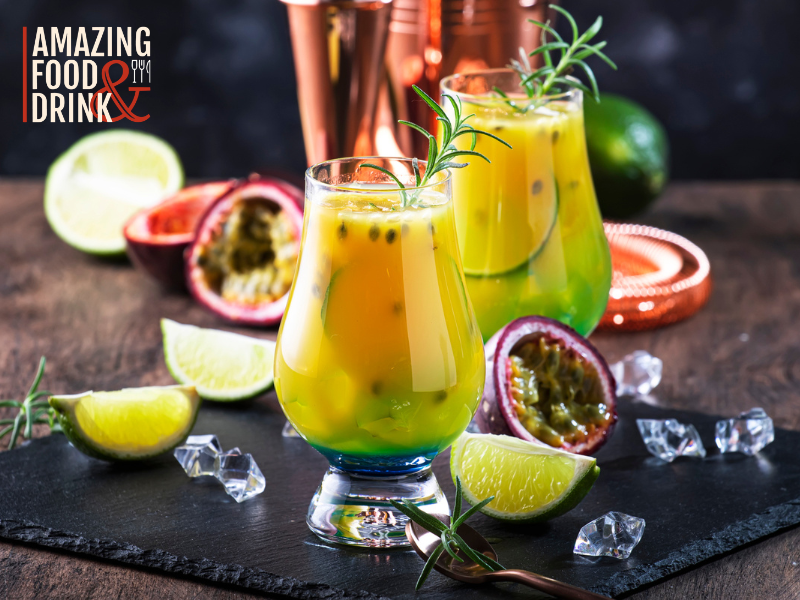
Parisian Passion: Parisian cocktail
Embrace the bold side of Parisian nightlife with the Parisian Passion. This fiery cocktail is a tango on the taste buds, with vodka’s warmth intertwined with the tangy passion fruit, a squeeze of lime for a touch of tartness, and a frothy egg white (optional), adding a luxurious texture. Add a slice of passion fruit for a pop of colour, and savour the taste of Parisian adventure.
Ingredients
1 oz vodka
½ oz fresh passion fruit purée
½ oz fresh lime juice
½ oz simple syrup
1 egg white (optional for a frothier texture)
Passion fruit slice for garnish
Instructions
If using, dry shake all ingredients (except ice) in a shaker for 20 seconds to emulsify the egg white (optional).
Add ice and shake hard for another 20 seconds.
Strain into a chilled coupe glass.
Garnish with a passion fruit slice for a vibrant touch.
Pro Tip: For a dairy-free alternative, substitute the egg white with ¼ cup aquafaba (chickpea canning liquid) and dry shake for a longer time to achieve a similar frothy texture.
Champs-Élysées
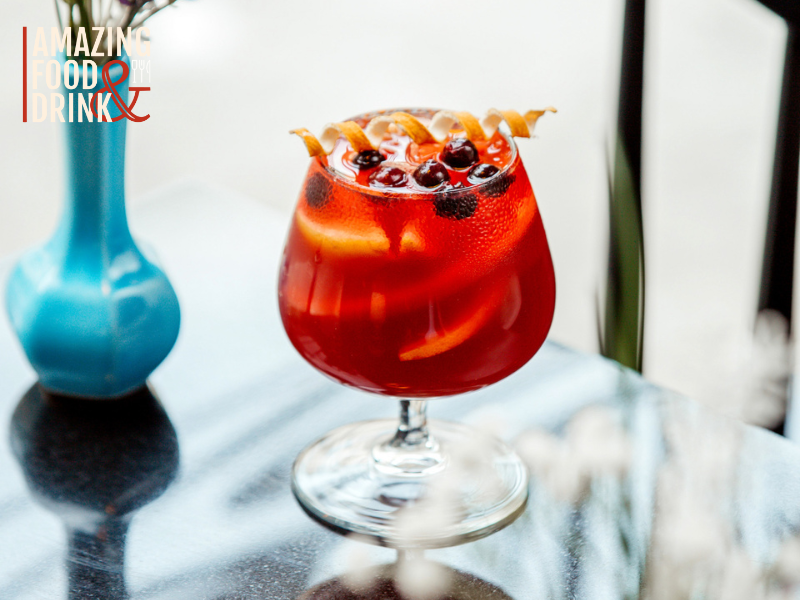
Champs-Élysées: Parisian cocktail
Stroll down the avenue of dreams with this bubbly ode to the Champs-Élysées. Vodka’s clean spirit dances with the vibrant hues of muddled raspberries and blueberries, elderflower liqueur, adding a floral elegance, and sparkling wine, crowning it all with effervescent joy. This cocktail is a kaleidoscope of Parisian colours and flavours, perfect for celebrating a special occasion or simply enjoying a touch of luxury.
Ingredients
1 oz vodka (neutral taste is ideal, like Belvedere or Ketel One)
½ oz muddled raspberries (fresh or frozen)
½ oz muddled blueberries (fresh or frozen)
½ oz elderflower liqueur (St-Germain is a popular choice)
3 oz chilled sparkling wine (champagne, cava, or prosecco all work well)
Lemon twist for garnish
Additional fresh raspberries and blueberries for garnish (optional)
Instructions
Mash the raspberries and blueberries together in a cocktail shaker until slightly crushed and releasing their juices.
Add the vodka, elderflower liqueur, and ice to the shaker. Shake vigorously for 20 seconds.
Strain the mixture into a cold coupe glass.
Gently top with your chosen sparkling wine, letting it cascade down the side of the glass to prevent excessive fizz.
Express a lemon twist over the drink’s surface, drop it in, or balance it on the rim for a classic touch.
(Optional) Garnish with additional fresh raspberries and blueberries for a vibrant touch of Parisian charm.
Beyond the Classics: More French Cocktails to Explore
More French Cocktails to Explore
France is the place to wine and dine. The French appreciate a well-made cocktail, so they have many varieties to try. The ones we mentioned above are the absolute classics of Parisian cocktails; however, there are many other varieties that you can sip on on a sunny day or a wild night.
Here are a few of our favourites beyond the classics:
1789
This fiery concoction is more than just a drink; it’s a revolutionary spirit bottled. Whiskey’s depth intertwines with the sharp tang of Lillet (a French aperitif), and white wine lends a refreshing base. This cocktail evokes the bold spirit of the French Revolution, perfect for sipping with a history book and a sense of rebellion.
Sidecar
Imagine Hemingway hunched over a bar, pen and whiskey glass in hand. The Sidecar captures that literary allure. Cognac’s warm embrace melts with citrusy Cointreau and lemon juice, a touch of sugar creating a smooth harmony. This sophisticated cocktail is a journey through time, transporting you to Parisian cafes where literary giants once brewed ideas.
Mimosa
Don’t underestimate the simple allure of this brunchtime favourite. Orange juice’s sunshine dances with the bubbly elegance of Champagne, creating a light and refreshing symphony. Whether enjoyed under the Parisian sun or in your sun-drenched kitchen, the Mimosa is a timeless classic, celebrating life’s small joys.
Boulevardier
This Negroni’s sophisticated cousin packs a punch. Campari’s bitter charm mingles with the smooth warmth of bourbon or rye, and sweet vermouth adds a touch of complexity. This cocktail whispers of late-night conversations in dimly lit bars, of smoky jazz tunes and passionate debates.
French Martini
Forget the appletinis of the 90s; this Parisian rendition is pure elegance. Vodka’s clean canvas is stained with the dark berries of Chambord, a touch of dry vermouth rounding out the flavours. This cocktail is a modern twist on a classic, perfect for sipping while gazing at the sparkling Eiffel Tower.
French Pearl
Don’t be fooled by its delicate name; this cocktail packs a punch. Gin’s juniper notes dance with the sweet warmth of peach liqueur, and maraschino adds a touch of cherry charm. This vibrant concoction celebrates Parisian femininity, a sparkling jewel in your hand.
French Negroni
A Parisian twist on the Italian classic, this cocktail is for those who appreciate a bold flavour profile. Mezcal’s smoky depth merges with the bitter charm of Campari and the sweet complexity of Lillet Blanc (a French white aperitif). Garnish with a flamed orange peel for an aromatic experience, and savour the layers of flavour that unfold with each sip.
Le Chat Noir
Named after the famous Parisian cabaret known for its bohemian artists, this Parisian cocktail is a mystery waiting to be unveiled. Dark rum’s warmth intertwines with the spicy notes of ginger liqueur, a squeeze of lime juice for a citrusy spark, and a touch of black pepper for an unexpected twist. This drink is an ode to Parisian allure and intrigue, perfect for sipping while listening to live jazz in a smoky bar.
So there you have it! From classic icons like the French 75 to modern delights like Le Perroquet, the world of Parisian cocktails is your oyster. With a bit of practice, fresh ingredients, and a touch of Parisian flair, your home can become a mini-mecca of mixology, filled with clinking glasses and laughter.
FAQs
Are there any non-alcoholic Parisian cocktails?
Absolutely! Mocktails like the “Champs-Élysées Mocktail” with sparkling water, elderflower liqueur, and muddled berries or the “Parisian Sunset” with orange juice, grenadine, and lime juice offer refreshing alternatives.
I’m not a fan of gin or vodka. Are there any Parisian cocktails with other spirits?
Of course! Explore the French Negroni with mezcal, the “Between the Sheets” with cognac and rum, or the “Canard Enchaîné” with vodka and grapefruit.
Can I substitute ingredients in Parisian cocktails?
Absolutely! Experiment with seasonal fruits, different liqueurs, and spices to create your own unique twists on classic recipes.
What are some fun facts about Parisian cocktail culture?
Did you know the French 75 was originally called the “Tom Collins”? Or was Hemingway known for his love of White Ladies and Bloody Marys? These tidbits add another layer of intrigue to your Parisian cocktail experience.
What are some tools I should invest in for making Parisian cocktails?
A good shaker, strainer, jigger, and bar spoon are essential. Consider acquiring elegant glassware and garnishing materials for that extra Parisian touch.

 Salma Ihab