Egg-free cheesecake, a delectable dessert that has captured hearts and taste buds worldwide, is often associated with its creamy texture, rich flavour, and abundance of eggs. However, enjoying this beloved dessert can be challenging for those with egg allergies or following specific dietary restrictions. Fortunately, the culinary world has embraced the concept of egg-free cheesecakes, offering an equally delightful and inclusive alternative.
Egg-Free Cheesecake
The Essence of Egg-Free Cheesecakes
Egg-free cheesecakes embody the essence of creativity and adaptability in baking. By replacing eggs with a combination of alternative ingredients, such as silken tofu, aquafaba, or nut purees, bakers can craft cheesecakes that cater to diverse needs and preferences without compromising on taste or texture.
Egg-Free Cheesecake Benefits
Egg-free cheesecakes offer a variety of benefits, including:
Egg-Free Cheesecake
Suitable for vegans and people with egg allergies: Egg-free cheesecakes can be enjoyed by people who are vegan or have an allergy to eggs.
Lower in cholesterol: Eggs are a good source of cholesterol, so egg-free cheesecakes are lower in cholesterol than traditional cheesecakes. This can be a benefit for people who are watching their cholesterol intake.
Lower in saturated fat: Egg yolks are a good source of saturated fat, so egg-free cheesecakes are lower in saturated fat than traditional cheesecakes. This can be a benefit for people who are trying to reduce their intake of saturated fat.
More versatile: Egg-free cheesecakes can be made with a variety of different ingredients, such as tofu, nuts, and seeds. This makes them a more versatile dessert option than traditional cheesecakes.
Just as delicious: Egg-free cheesecakes can be just as delicious as traditional cheesecakes. They are often creamier and more decadent than traditional cheesecakes, and they can be flavoured with a variety of different ingredients.
Here are some additional benefits of egg-free cheesecakes:
They can be prepared and frozen for later. This makes them a convenient dessert option for busy people.
They can be customized to fit your dietary needs and preferences. For example, you can make a vegan egg-free cheesecake, a dairy-free egg-free cheesecake, or a gluten-free egg-free cheesecake.
They are a healthier alternative to traditional cheesecakes. Egg-free cheesecakes are lower in calories, fat, and cholesterol than traditional cheesecakes.
How to Prepare an Egg-Free Cheesecake?
For the creamiest and most indulgent egg-free cheesecake, gather these simple ingredients and follow our step-by-step instructions.
httpss://www.youtube.com/watch?v=qyyyx73ZQQA
Ingredients
Let’s start with the things you need for this tasty egg-free cheesecake.
A box of golden Oreos to make the crust.
Unsalted butter or lightly salted, if you prefer a bit of saltiness.
Rolled oats give the crust an excellent, firm base.
You can go for gluten-free oats if you want a gluten-free treat.
Coconut sugar or brown sugar adds sweetness to our dessert.
Soaked cashews form the central part of our filling.
A can of coconut milk makes the filling rich and creamy.
Coconut oil helps set our cheesecake perfectly.
Lemon juice adds a hint of tangy flavour to lift up the taste.
Agave nectar sweetens our cheesecake without any eggs.
Step-by-step Instructions
Let’s start baking The Best Eggless Cheesecake. First, gather your ingredients. You will need:
200 grams of biscuit crumbs
100 grams of melted butter
500 grams of cream cheese at room temperature
200 grams of sugar
Two tablespoons of cornflour
One tablespoon of lemon juice
200 ml of heavy cream
How to Prepare
Preheat your oven to 160 degrees Celsius.
Mix biscuit crumbs and melted butter in a bowl.
Press this mix into the bottom of a cake pan to make the crust.
In another bowl, beat the cream cheese until it is soft and creamy.
Add sugar, cornflour, and lemon juice to the cream cheese and beat it again.
Pour in the heavy cream slowly while you are still beating the mix.
Pour your mix on top of the crust in your cake pan.
Bake for one hour until it looks set and light gold on top.
Tips and Tricks for the Best Results
Let’s talk about how to get the best results for your egg-free cheesecake. First, use full-fat Greek yoghurt and cream cheese. These make your cake creamy and silky. You don’t want a dry cake! Give it all ample time to blend well; this is key for taste.
Egg-Free Cheesecake
Make sure you use good-quality condensed milk, too. This gives the rich flavour which makes this recipe so indulgent. Using cornstarch as a thickener is an easy trick since we’re not using eggs here. Mix it in slowly, ensuring no lumps are left behind.
Don’t skip cooling down steps, either! Put your oven on low heat and allow the cheesecake to sit inside after baking. This stops cracks from forming on top of your cake. One last point: be patient with chilling time in the fridge; it helps set everything perfectly, making cutting slices a breeze! You’ll find that these small steps take this egg-free cheesecake from simple to perfect!
Different Variations and Substitutions for the Recipe
This section will explore various ways to customize our eggless cheesecake recipe. We’ll discuss gluten-free options, different crusts such as homemade or store-bought, and a variety of topping choices.
httpss://www.youtube.com/watch?v=bHwLTM90sAU
Gluten-free Option
Making a cheesecake can be fun, even for people who can’t eat gluten. There is a good choice for them. You’ll love this gluten-free cheesecake recipe! It uses just a few things and gives you a decadent, creamy treat.
The best part? You use almond flour to make a crust that has no gluten. But don’t try to switch out the eggs in this cake. They are too crucial for how it turns out in the end. So, if you have celiac disease or gluten sensitivity, you won’t miss out on having your favourite dessert anymore!
Using Different Crusts (Homemade or Store-bought)
We love making our own cheesecake base. We have a unique trick for it. But store-bought ones are just as good. Here are some choices:
A simple biscuit base: This is the classic pick. It’s just biscuits and melted butter mixed together.
An oat-based crust: We use this when we want something gluten-free. It’s homemade and made from oats.
A nutty crust: Some people might like this one! It has nuts in it. But make sure no one eating your cake is allergic to nuts.
A vegan, nut-free crust: This can be hard to find in stores. So, we have our own recipe for it that you can try!
Topping Options
We want to share some great topping ideas for your cheesecake. Here’s a list of our favourites:
Vegan gingersnap cookies crumbled on top; add crunch and flavour.
Strawberries, blueberries or cherries bring a sweet, fresh taste.
Crushed vegan cookies give a nice touch of sweetness.
Slices of lemon or lime offer a tangy kick.
Drizzling caramel or hot fudge sauce makes it even more mouth-watering.
Sprinkling flaked almonds give a nutty twist.
Baking and Storage Tips
For a perfectly baked, creamy cheesecake, try the water bath method to ensure even cooking and a smooth texture. Plus, find out how long your cheesecake will keep and get tips on storing and freezing for future indulgence. Read on for all the expert advice you need!
httpss://www.youtube.com/watch?v=GDS6f7exEfo
Water Bath Method for Baked Cheesecakes
The water bath way is excellent for baking cheesecakes. It gives your cake a smooth, crack-free top. How does it work? You bake the cake in its pan, inside another pan full of hot water.
This cooks the cake evenly and gently. Other ways, like oven bags or silicone wraps, can do this, too. But many love to choose the water bath way for their baked goods, especially cheesecakes! It’s not hard to do, and you get a creamy texture every time!
For How Long Can You Keep the Cheesecake?
Once you’ve made your delicious egg-free cheesecake, you might be wondering how long it will stay fresh and tasty. Well, the shelf life of a baked cheesecake is around 3 to 5 days when stored in the refrigerator. So make sure to enjoy it within that time frame for the best flavour and texture. If you have a no-bake cheesecake, it’s best to consume it within a few days for maximum freshness.
If you happen to buy an unopened store-bought cheesecake, you can expect it to last for about 5 to 7 days in the fridge. However, if you’ve made your own homemade cheesecake from scratch, it will typically keep well for around 3 to 5 days before losing its peak quality.
Remember, proper storage is key! Always keep your cheesecakes refrigerated and covered tightly with plastic wrap or aluminium foil. This will help maintain their freshness and prevent them from absorbing any unwanted flavours from other foods in the fridge.
The eggless lemon cheesecake can be stored in the refrigerator for up to five days.
Leftover cheesecake should be stored in the refrigerator. You can use a sealable container or cover it with plastic wrap.
If you have a vegan cheesecake, you can store it and freeze it too.
To store your cheesecake, tightly wrap it in plastic wrap and keep it in the fridge for up to four days.
If you want to freeze your cheesecake, you can do so for up to four weeks.
It’s important to remember that cheesecake needs to be refrigerated, unlike some other desserts.
For a sturdy no-bake cheesecake with neat slices, make sure to refrigerate it for at least 12 hours.
More Egg-Free Cheesecake Recipes
Discover even more delicious variations of eggless cheesecakes to try, from chocolate to strawberry, lemon to Oreo. Explore the links below for a variety of mouthwatering recipes that will satisfy all your cheesecake cravings.
Recommendations for Other Variations to Try
If you want to try different variations of eggless cheesecake, we’ve some recommendations for you! In addition to the original recipes provided in this article, there are other delicious options to explore.
We highly recommend a 100% vegan cheesecake recipe using plant-based ingredients instead of dairy products for those following a vegan or dairy-free diet. If you’re watching your carb intake, a keto cheesecake made with only five ingredients might be just what you’re looking for – it’s low-carb and sugar-free. And if you love the flavours of fall, why not give an eggless pumpkin spice cheesecake a go? These are just a few ideas to inspire your baking adventures beyond classic eggless cheesecakes.
Flavourful Delights without Compromise
Egg-free cheesecakes are not just a substitute for traditional cheesecakes; they are culinary creations in their own right. With the right combination of ingredients and techniques, egg-free cheesecakes can achieve a smooth, creamy texture, a decadent richness, and a symphony of flavours that will tantalize even the most discerning palates.
A World of Egg-Free Cheesecake Variations
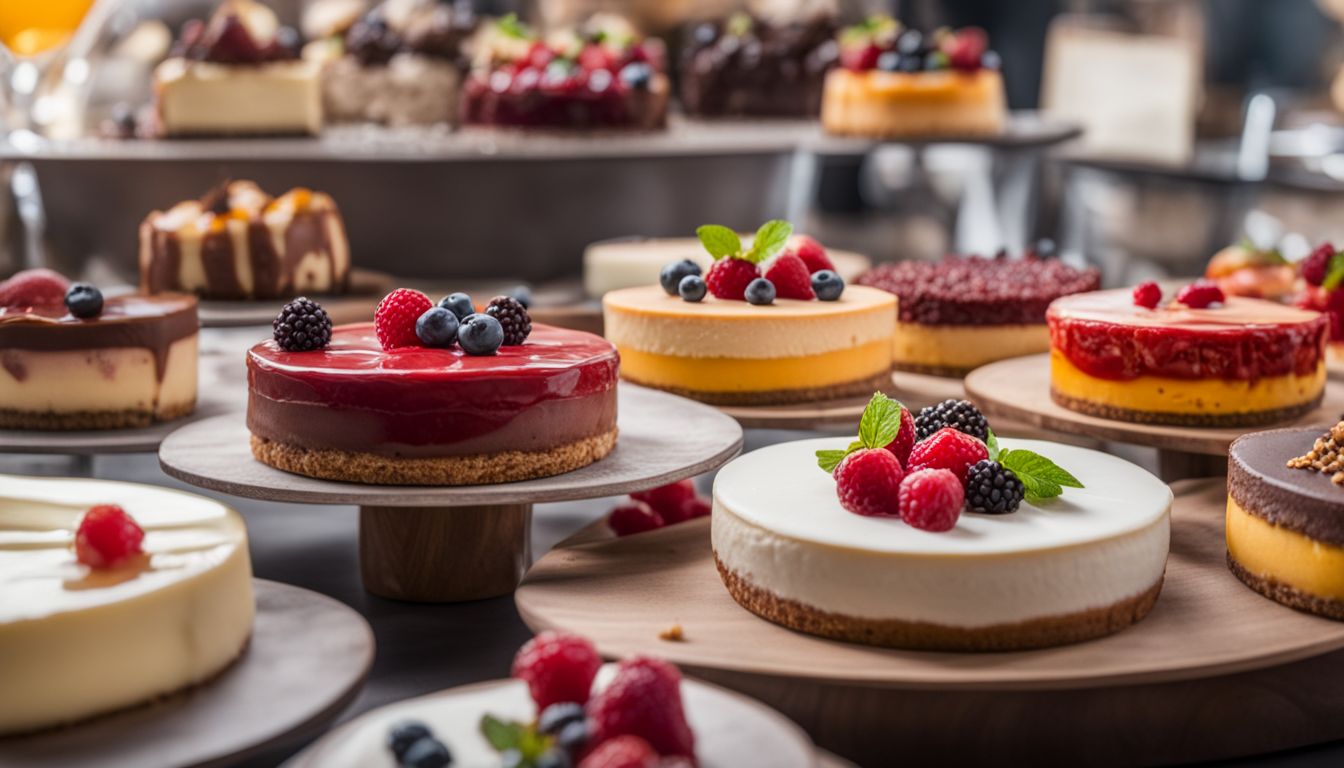
The world of egg-free cheesecakes is as diverse as the individuals who enjoy them. From classic New York-style cheesecakes to fruity creations and even chocolate-infused delights, there is an egg-free cheesecake variation to satisfy every craving.
Whether you are seeking a dessert that accommodates dietary restrictions or simply looking to explore new culinary horizons, egg-free cheesecakes offer a delightful indulgence that is both inclusive and flavourful. Embrace the versatility of egg-free baking and embark on a journey of culinary discovery, one creamy, decadent bite at a time.
Links to Additional Recipes on the Website
we have some exciting news for all you food lovers out there! On the More Eggless Cheesecake Recipes website, we offer links to additional mouthwatering recipes that are perfect for those who are looking for egg-free options. Here’s a list of some of the delicious treats you can find:
Dairy-Free Cheesecake: Indulge in a creamy and smooth cheesecake that does not contain any dairy or eggs. It’s a vegan delight that will leave you wanting more.
Vegan Baked Cheesecake: If you’re craving a rich and decadent dessert, our vegan baked cheesecake is a must-try. It’s made without cashews, nuts, or tofu but still has that heavenly thick and creamy texture.
Gluten-Free Cheesecake: For those with dietary restrictions, we’ve got you covered with our gluten-free option. Enjoy a slice of cheesecake without worrying about any gluten-related issues.
Customizable Delights: Our highly customizable egg-free cheesecakes allow you to create unique flavour combinations. Add your favourite toppings or experiment with different crusts – it’s all up to you!
Conclusion
Delight your taste buds with these mouth-watering egg-free cheesecake recipes! Whether you prefer a creamy baked version or a quick and easy no-bake option, there’s a recipe here for everyone.
With different variations and substitutions available, including gluten-free and vegan options, you can enjoy the silky smooth texture of cheesecake without eggs. So why wait? Start baking and indulge in a slice of heavenly goodness today! Your dessert cravings will thank you.
FAQs
1. Can I make a cheesecake without eggs?
Yes, you can make a delicious cheesecake without using eggs by using alternative ingredients such as cream cheese, sour cream, or yoghurt.
2. How do I replace eggs in a cheesecake recipe?
You can replace each egg with 1/4 cup of yoghurt or 1/4 cup of unsweetened applesauce. These ingredients provide moisture and help bind the other ingredients together.
3. Will an egg-free cheesecake taste different from a traditional one?
An egg-free cheesecake may have a slightly different texture, but it can still be rich and creamy in flavour. It will not have any noticeable difference in taste.
4. Do I need to adjust the baking time when making an egg-free cheesecake?
No, you do not need to adjust the baking time when making an egg-free cheesecake. The baking time remains the same as that of a traditional recipe.
5. Can I use other substitutes for eggs in my cheesecake recipe?
Yes, besides yoghurt and unsweetened applesauce, you can also use mashed bananas or tofu as substitutes for eggs in your cheesecake recipe. These alternatives add moisture and help bind the ingredients together just like eggs would.



 Shaimaa Olwan
 Asmaa Alhashimy