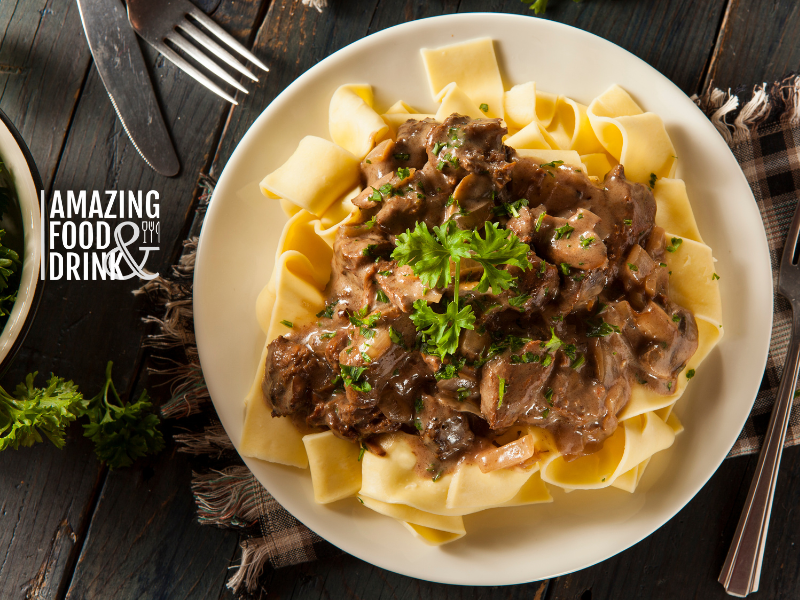
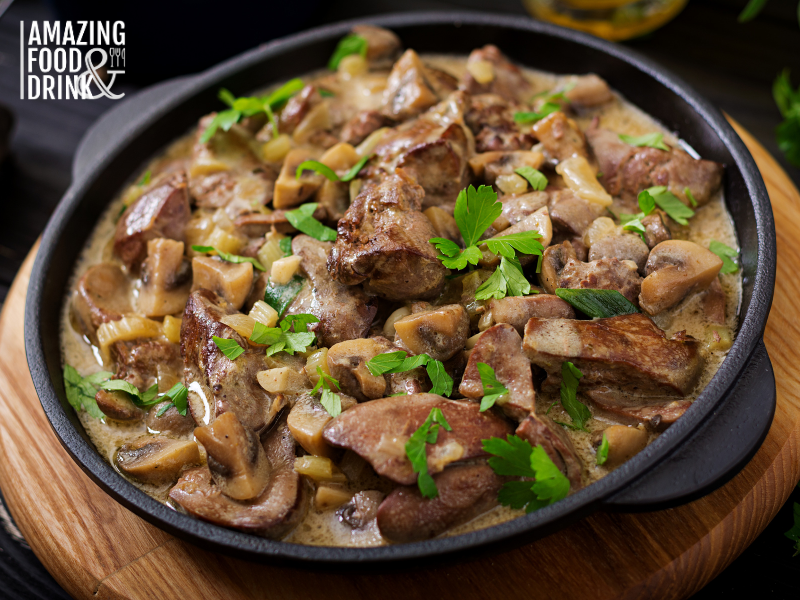
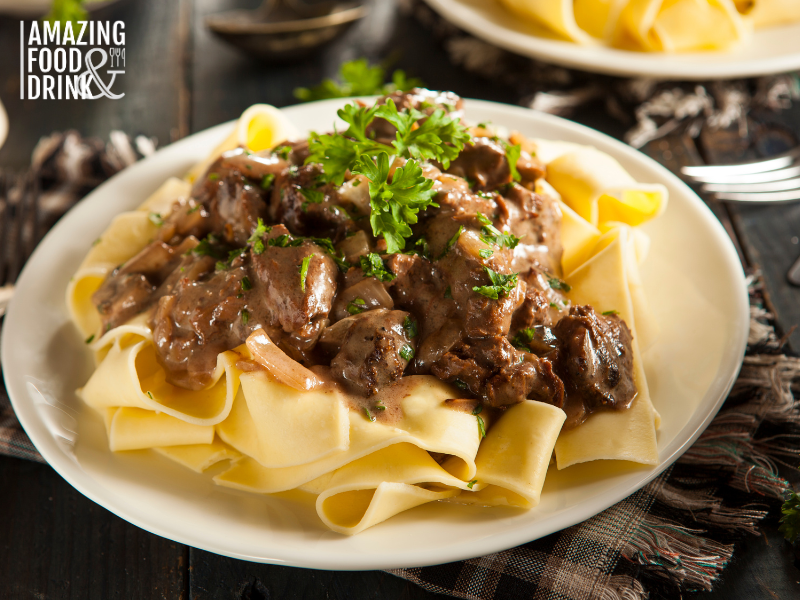
Beef stroganoff is a beloved comfort dish originating in 19th-century Russia, and it has captured the hearts of home cooks around the world. This classic recipe traditionally features tender strips of beef, mushrooms, onions, and a rich, creamy sauce, making it a staple in countless households. Tracing its roots back to 19th-century Russia, beef stroganoff bears the name of the influential Stroganov family, who were Russian aristocrats.
Legend has it that this culinary masterpiece was brought to life by a talented French chef employed by the family. Initially, the dish consisted of succulent sautéed beef cubes bathed in a mustard and sour cream-based sauce. As time passed, the recipe evolved, embracing additional ingredients such as mushrooms, onions, and complementary flavours.
Today, beef stroganoff has transcended borders and cultures, captivating taste buds worldwide through its numerous adaptations tailored to diverse culinary preferences. However, as dietary preferences and restrictions continue to grow, the demand for dairy-free adaptations of beloved classics has become increasingly significant.
In this comprehensive guide, we explore the remarkable health benefits of dairy-free beef stroganoff, share a tested dairy-free beef stroganoff recipe using coconut milk, and provide expert cooking techniques to help you master this lactose-free classic at home. Whether you’re managing lactose intolerance, following a dairy-free diet, or simply exploring new cooking methods, this recipe delivers authentic Russian comfort food without compromising on flavour or texture.
Table of Contents
Health Benefits of Dairy-Free Beef Stroganoff
Dairy-free diets have gained significant popularity in recent years, driven by various factors such as lactose intolerance, dairy allergies, ethical concerns, and personal dietary choices. Lactose intolerance affects approximately 65-70% of the global population, making dairy-free alternatives not just a preference but a necessity for digestive comfort. Similarly, dairy allergies contribute to the growing demand for dairy-free alternatives. When the immune system reacts adversely to the proteins found in dairy, individuals experience allergic reactions that can range from mild discomfort to severe symptoms.
In such cases, adhering to a dairy-free diet becomes imperative to avoid allergic reactions and promote overall wellbeing. Amidst this growing interest in dairy-free lifestyles, it is worth exploring the possibilities of incorporating dairy-free options into beloved recipes such as beef stroganoff.
Embracing dairy-free beef stroganoff can be an exciting culinary experiment, as it opens doors to innovation in the kitchen. With a wide array of dairy-free substitutes available on the market, such as plant-based sour cream, coconut milk, cashew cream, and vegetable broths, home cooks can explore new and delicious avenues while preparing this beloved meal.
Improved Digestion
Dairy-free beef stroganoff isn’t just for those with lactose intolerance. Even people who can digest dairy still find this creamy comfort food easier on their digestive system. It turns out that dairy can be challenging for some to break down, leading to bloating, gas, and other digestive discomfort.
Opting for dairy-free options swaps in smooth substitutes like coconut milk or cashew cream that deliver the crave-worthy richness without the potential discomfort. The medium-chain triglycerides (MCTs) in coconut milk are particularly easy to digest, as they’re metabolised differently from other fats. So you can indulge in that stroganoff goodness whilst supporting comfortable digestion.
Reduced Inflammation
Ditching the dairy doesn’t mean sacrificing flavour. In fact, some studies suggest dairy consumption might play a role in increasing chronic inflammation for certain individuals, which has been linked to various health conditions. Dairy-free options contain anti-inflammatory properties that can support overall health.
Plus, our gut microbiome, a community of trillions of bacteria, can be affected by dairy intake. Dairy-free options like coconut milk or cashew cream in stroganoff can promote a healthier gut environment for some individuals. The fermented components in plant-based alternatives may also support beneficial gut bacteria.
Lower Cholesterol Levels
By swapping out the cream and butter in beef stroganoff for plant-based alternatives, you’re making a heart-smart choice. This simple substitution means you’re reducing the saturated fat and cholesterol often found in dairy products, which are associated with an increased risk of heart disease.
Traditional beef stroganoff made with sour cream and butter can contain 15-20 grams of saturated fat per serving. By using coconut milk or cashew cream instead, you can reduce this by 40-60% whilst maintaining the luxurious texture. Plant-based fats contain no dietary cholesterol, making this adaptation particularly beneficial for those monitoring their cardiovascular health.
Increased Nutrient Intake
Switch the dairy for coconut milk, and you’re not just getting that silky smooth texture. Coconut milk boasts healthy fats, including MCTs, which studies suggest may support metabolism and provide quick energy. The lauric acid in coconut milk also has antimicrobial properties that can support immune function.
This dish welcomes a colourful variety of vegetables and proteins, each bringing vitamins and minerals to the table. From vitamin B12-rich beef to selenium-packed mushrooms and iron-dense onions, you’re turning comfort food into a nutritional powerhouse. The beef provides complete protein with all essential amino acids, whilst mushrooms contribute vitamin D and umami depth.
Understanding the Ingredients: How Each Component Works
Creating authentic dairy-free beef stroganoff requires understanding how each ingredient contributes to the final dish. Every component plays a specific role in building the characteristic flavours and textures that make this Russian classic so satisfying.
Beef: The Foundation of Flavour
The beef is the star of dairy-free beef stroganoff, providing rich, savoury depth and substantial protein. Sirloin steak offers the best balance of tenderness, flavour, and value, whilst ribeye delivers even more marbling for luxurious taste. For special occasions, beef tenderloin provides the most tender texture possible. The key to tender beef lies in slicing technique; always cut against the grain into strips about a quarter-inch thick. Partially freezing the beef for 20-30 minutes makes this easier.
When searing beef, high heat creates the Maillard reaction, developing hundreds of new flavour compounds through browning. These caramelised bits stick to the pan and later dissolve into the sauce, adding tremendous depth. Never crowd the pan when searing, as too much beef lowers the temperature and causes steaming rather than proper browning.
Coconut Milk: The Creamy Heart
Full-fat canned coconut milk serves as the dairy-free replacement for traditional sour cream, providing the signature silky texture. Shake the can vigorously before opening to recombine the separated cream and liquid. The coconut flavour should be extremely subtle; the robust savoury elements effectively mask any tropical notes.
Timing matters tremendously when adding coconut milk. Always add it at the end of cooking over low heat, as high temperatures can cause separation. If this happens, remove from heat and whisk vigorously to re-emulsify. The MCTs in coconut milk are easier to digest than other fats, whilst lauric acid provides antimicrobial benefits.
Mushrooms: Umami Depth and Texture
Mushrooms provide essential earthiness and umami; the savoury “fifth taste” that makes food deeply satisfying. Button or cremini mushrooms work beautifully, whilst mixing in shiitake or oyster mushrooms creates even more complexity. The cooking technique significantly impacts the final dish. Let mushrooms cook undisturbed for several minutes so their released water evaporates and surfaces can caramelise, developing glutamates that multiply savoury depth.
Never wash mushrooms under running water, as they absorb moisture like a sponge. Instead, wipe them clean with a damp cloth.
Onions and Garlic: Aromatic Foundation
Onions provide the aromatic base that supports all other flavours. When heated, sharp sulphur compounds transform into sweet, mellow notes. Yellow onions offer balanced sweetness and pungency. The onions also pick up the flavourful fond left from searing beef, incorporating that concentrated flavour into the sauce.
Fresh garlic adds pungent depth and aromatic complexity. Add it after onions have softened, as garlic burns easily and becomes bitter when overcooked. Mince garlic finely so it distributes evenly throughout the sauce.
Beef Broth: Savoury Liquid Foundation
High-quality beef broth forms the liquid base, providing savoury depth whilst thinning the coconut milk to a proper sauce consistency. Choose low-sodium broth for better control over seasoning, and always check labels to ensure no hidden dairy products. Homemade stock offers the richest flavour, but shop-bought versions work perfectly well.
Dijon Mustard and Worcestershire Sauce: Tangy Complexity
Dijon mustard is essential for authentic stroganoff, providing characteristic tangy sharpness that cuts through rich coconut milk and fatty beef. Its emulsifying properties help bind fat with water-based broth, creating a stable, smooth sauce. Use smooth Dijon rather than whole-grain varieties.
Worcestershire sauce contributes complex umami depth with its fermented blend of vinegar, molasses, and spices. Check labels for dairy-free and vegan versions if needed. Just a tablespoon dramatically deepens both flavour and visual appeal.
Flour and Herbs: Thickening and Seasoning
Plain flour creates the roux that thickens the sauce. Cook it for at least one minute before adding liquid to eliminate the raw flour taste. For gluten-free versions, cornflour or arrowroot powder works perfectly; mix with cold water before adding to prevent lumps.
Dried thyme provides earthy notes that complement beef beautifully. Add early in cooking so herbs have time to release their flavours. Smoked paprika is optional but adds subtle smokiness and deeper colour. Fresh parsley garnish adds bright colour and fresh herbal notes that lift the rich sauce.
Step-by-Step Cooking Instructions
This section provides detailed guidance for preparing dairy-free beef stroganoff with the technique needed for restaurant-quality results at home.
Preparing Your Ingredients
Before you begin cooking, prepare all ingredients and have them ready near the hob. Professional cooks call this “mise en place,” and it’s the secret to smooth, stress-free cooking. Slice the beef into thin strips across the grain, ensuring all pieces are roughly the same size. Season with salt and pepper on both sides. Clean mushrooms with a damp cloth and slice them about a quarter-inch thick. Dice the onion finely, mince the garlic, and measure out all liquids and seasonings. Shake the coconut milk can vigorously to recombine the separated cream and liquid.
Searing the Beef
Heat your largest, heaviest skillet over medium-high heat. Add olive oil and dairy-free butter, swirling to coat the pan. When the oil shimmers, add the seasoned beef strips in a single layer, working in batches to avoid overcrowding. Let the beef cook undisturbed for 60-90 seconds until deeply browned. Flip and cook the second side for another 60-90 seconds until browned but still pink in the centre. Transfer seared beef to a clean plate along with any juices.
Sautéing the Aromatics
Without wiping the pan, reduce the heat to medium. The browned bits stuck to the pan contain tremendous flavour. Add the diced onion and cook for 3-4 minutes, stirring occasionally, until softened and translucent. Add the sliced mushrooms and let them cook for 2-3 minutes without stirring to begin browning. Stir once, then leave undisturbed for another 2-3 minutes. Continue this pattern until mushrooms have released their liquid and developed golden-brown spots, about 6-8 minutes total. Add the minced garlic and stir constantly for 30 seconds until fragrant.
Building the Sauce
Sprinkle flour evenly over the mushroom mixture and stir well, coating all vegetables. Cook for one minute, stirring constantly. Pour in about one-third of the beef broth whilst whisking vigorously. Continue whisking whilst gradually adding the remaining broth. Bring to a gentle simmer. Add the Dijon mustard, Worcestershire sauce, thyme, and smoked paprika if using. Whisk until smooth and simmer for 2-3 minutes until the sauce resembles single cream.
Adding the Dairy-Free Cream
Reduce heat to low; this is essential to prevent separation. Pour the coconut milk into the simmering sauce whilst stirring gently. The sauce will lighten in colour as the coconut milk blends with the brown base. Continue stirring until thoroughly combined and the sauce returns to a gentle simmer. If separation begins, immediately remove from heat and whisk vigorously.
Finishing and Serving
Return the seared beef strips to the pan along with any accumulated juices. Stir gently to coat all pieces with sauce. Let the beef warm through for 3-5 minutes over low heat. Taste and adjust seasoning with salt and pepper. Remember, the sauce will coat bland noodles, so it should taste slightly more seasoned than you think necessary. Cook egg noodles according to package directions in well-salted water. Drain thoroughly, toss with dairy-free butter, and serve the stroganoff over the noodles. Garnish with fresh parsley and black pepper.
Dairy-Free Beef Stroganoff Recipe Variations
Whilst the classic dairy-free beef stroganoff recipe delivers authentic Russian flavour, several variations accommodate different preferences, cooking methods, and ingredients.
Slow Cooker Dairy-Free Beef Stroganoff
The slow cooker method transforms this dish into an effortless weeknight meal that fills your home with intoxicating aromas whilst requiring minimal hands-on time. Use beef chuck roast, stewing beef, or round roast cut into bite-sized chunks rather than thin strips, as these tougher cuts contain more connective tissue that breaks down beautifully during extended cooking. You can brown the beef chunks first for a deeper flavour, though this step is optional.
Place the beef, onions, mushrooms, garlic, flour, beef broth, tomato paste, Worcestershire sauce, and dried herbs into the slow cooker. Cook on LOW for 7-8 hours or HIGH for 3-4 hours until the beef shreds easily. About 20-30 minutes before serving, stir in the coconut milk and Dijon mustard. This method works beautifully for feeding larger groups, as it holds well on the WARM setting for several hours.
Ground Beef Stroganoff
For a more budget-friendly dairy-free beef stroganoff that comes together quickly, ground beef (minced beef) offers an economical alternative. Use lean minced beef and brown it in batches over medium-high heat, breaking it into small pieces. The key is achieving proper browning rather than steaming the meat—spread the mince in an even layer and let it cook undisturbed for 2-3 minutes before stirring. Once browned, drain excess fat if necessary, leaving about one tablespoon in the pan.
Proceed with cooking the onions, mushrooms, and garlic, then build the sauce exactly as described in the main recipe. Allow 10-12 minutes of gentle simmering after adding the coconut milk for everything to meld together. This variation has a slightly thicker, more rustic texture and works beautifully for meal prep.
Mushroom and Lentil Stroganoff
For a completely plant-based dairy-free stroganoff, replace the beef with a combination of brown or green lentils and an increased quantity of mixed mushrooms. Using three or four mushroom varieties creates complex umami depth that compensates for the absence of beef. Begin by sautéing the onions and mushrooms until deeply golden, then stir in rinsed lentils, vegetable broth, tomato paste, vegan Worcestershire sauce, smoked paprika, and thyme. Simmer for 25-30 minutes until the lentils are tender. Stir in coconut milk during the final 5 minutes of cooking. Some cooks add nutritional yeast at this point for a subtle cheesy, nutty flavour. The finished dish should be thick and stew-like, with distinct lentils suspended in creamy sauce.
Instant Pot Pressure Cooker Method
For electric pressure cookers, the Instant Pot method delivers tender dairy-free beef stroganoff in under 30 minutes. Use the SAUTÉ function to brown the beef and cook the vegetables, following the same techniques. After the mushrooms have softened, add the flour and stir well, then pour in the beef broth and Worcestershire sauce, scraping the bottom thoroughly to release any stuck-on bits. Add the beef back to the pot along with dried herbs, but do not add coconut milk yet. Seal the lid and cook on HIGH pressure for 10 minutes.
Allow pressure to release naturally for 5 minutes, then manually release any remaining pressure. Switch back to SAUTÉ mode, stir in the coconut milk and Dijon mustard, and simmer for 3-5 minutes until thickened. This method works particularly well with tougher beef cuts like chuck roast.
Dietary Adaptations
Dairy-free beef stroganoff already accommodates lactose intolerance and dairy allergies, but additional modifications can make this dish suitable for various other dietary requirements.
Gluten-Free Dairy-Free Beef Stroganoff
Replace the plain flour with an equal amount of cornflour (cornstarch), arrowroot powder, or a commercial gluten-free flour blend. Mix gluten-free thickeners with a small amount of cold water before adding to hot liquids to prevent lumping. Serve over gluten-free pasta, rice noodles, rice, mashed potatoes, or cauliflower rice. Always verify that your beef broth and Worcestershire sauce are certified gluten-free, as some brands contain malt vinegar derived from barley or wheat-based additives.
Nut-Free Options
Coconut milk, our primary recommendation, is already nut-free despite its name. For those who prefer completely coconut-free alternatives, oat cream provides excellent creaminess with neutral flavour. Soy cream represents another nut-free option, though always verify that your dining companions can safely consume soy. Sunflower seed cream, made by blending soaked sunflower seeds with water until smooth, creates a completely allergen-friendly alternative with a mild taste.
Low-FODMAP Modifications
Replace fresh garlic with garlic-infused olive oil, which provides garlic flavour without high-FODMAP fructans. Replace standard onions with the green parts of spring onions only. Choose oyster mushrooms instead of button or cremini mushrooms. Use gluten-free pasta made from rice or corn. Verify that your beef broth contains no onion or garlic. Coconut milk is naturally low-FODMAP in servings up to one-third cup.
Paleo-Friendly Version
Replace the flour thickener with arrowroot powder or tapioca starch. Instead of egg noodles, serve the stroganoff over spiralised vegetables, mashed cauliflower, or roasted vegetables. Verify that your Worcestershire sauce is Paleo-compliant or make your own from apple cider vinegar, coconut aminos, and spices. Use coconut milk as your dairy-free cream, which fits perfectly within Paleo guidelines.
Keto and Low-Carb Adaptations
Omit the flour entirely and thicken the sauce through reduction alone, or use a tiny pinch of xanthan gum. Replace the egg noodles with courgette noodles, shirataki noodles, or cauliflower rice. Choose fattier cuts of beef like ribeye to increase the fat content. A typical serving of keto-adapted stroganoff contains approximately 8-12 grams of net carbs.
Soy-Free Modifications
Replace Worcestershire sauce with coconut aminos mixed with a splash of balsamic vinegar. Use coconut milk or oat cream as your dairy alternative rather than soy-based cream products. Verify that your beef broth contains no soy-based additives.
Cultural Heritage & Modern Evolution
Understanding the origins of beef stroganoff enriches your appreciation for this classic dish and reveals how traditional recipes can adapt to modern dietary needs whilst maintaining their essential character.
Russian Culinary Traditions
Beef stroganoff (бефстроганов, befstroganov) represents a fascinating intersection of French culinary technique and Russian ingredients, embodying the cultural exchange that characterised 19th-century Russian aristocratic life. The dish emerged during the mid-1800s, a period when French chefs were highly sought after by Russian nobility. The Stroganov family, wealthy merchants and landowners in the Russian Empire, employed French cooks who created this preparation method that would eventually bear their name.
The original recipe, documented in Elena Molokhovets’ 1861 cookbook “A Gift to Young Housewives,” featured sautéed beef in a mustard and sour cream sauce but notably lacked mushrooms. Mushrooms appeared in later iterations as the dish evolved through the late 19th and early 20th centuries. In Russian culture, beef stroganoff appears at both everyday family meals and special celebrations, particularly popular during cold winter months when hearty, warming dishes are preferred. Traditionally, stroganoff would be served alongside Russian staples like pickled cucumbers, sauerkraut, or pickled mushrooms, whose sharp acidity cuts through the rich sauce.
Global Interpretations and the Dairy-Free Movement
As beef stroganoff spread beyond Russia, different cultures adapted it to local tastes. American versions often include cream of mushroom soup for convenience, whilst Brazilian strogonoff incorporates tomato sauce and is served with rice and crispy potato sticks. Australian versions frequently incorporate tomato paste, whilst Iranian stroganoff features turmeric and Persian rice.
The modern adaptation to dairy-free versions reflects contemporary culinary trends and necessities. Growing awareness of lactose intolerance—affecting approximately 65-70% of the global population—has driven innovation in plant-based alternatives. Environmental considerations have also influenced the shift towards plant-based ingredients, as they typically require less water, land, and energy to produce. Culinary innovation has revealed that coconut milk and cashew cream can replicate traditional textures whilst introducing subtle new flavour dimensions. This adaptability ensures that future generations will continue enjoying this Russian classic, regardless of their dietary requirements.
Serving Suggestions & Accompaniments
Whilst egg noodles are the traditional accompaniment to beef stroganoff, numerous other options complement this dairy-free version beautifully, each bringing its own texture and flavour to the meal.
Traditional Pairings
Egg noodles remain the classic choice for good reason. Their wide, flat shape holds the creamy sauce perfectly, whilst their tender texture contrasts beautifully with the beef. Cook them al dente in salted water (the water should taste like seawater) and toss with a little dairy-free butter before serving to prevent sticking. For a more refined presentation, twirl the noodles into neat portions on individual plates before ladling the stroganoff over the top.
Mashed potatoes made with dairy-free butter and plant-based milk create a comforting base for the rich sauce, particularly appealing during cold weather. The fluffy potatoes absorb the sauce whilst providing starchy satisfaction. White rice or pilaf provides a neutral canvas that highlights the stroganoff’s complex flavours without competing for attention. Creamy, dairy-free polenta offers an Italian-inspired twist with its smooth texture and subtle corn sweetness.
Modern Alternatives
For a low-carb option, riced cauliflower adds vegetable nutrition whilst keeping the meal lighter. The mild, slightly nutty flavour of cauliflower rice doesn’t interfere with the stroganoff sauce. Spiralised courgette (courgetti) offers a fresh, veggie-forward alternative that’s particularly appealing during warmer months when heavy starches feel less appropriate. Gluten-free pasta made from brown rice, quinoa, or chickpeas works wonderfully for those avoiding wheat whilst still providing the classic noodle experience.
Vegetable Sides
Simple steamed green beans with lemon juice and dairy-free butter balance the richness of stroganoff with fresh, clean flavours. Roasted Brussels sprouts with garlic add a pleasant bitter contrast, their caramelised edges providing textural interest. A fresh cucumber salad with dill and vinegar cuts through the creamy sauce beautifully, its crisp coolness refreshing the palate between bites.
Traditional Russian accompaniments include pickled cucumbers or sauerkraut, which add bright acidity that prevents the rich stroganoff from becoming monotonous. These fermented vegetables also support digestive health, their probiotics complementing the meal’s nutrition. A simple salad of sliced tomatoes with fresh herbs and olive oil offers another light, refreshing counterpoint to the substantial main dish.
Storage, Reheating & Meal Prep
Proper storage ensures your dairy-free beef stroganoff maintains its quality and flavour for future meals, making it an excellent candidate for batch cooking and meal preparation.
Storage Guidelines
Store cooled stroganoff in an airtight container in the refrigerator for up to 3 days. The sauce may thicken when cold as the fats solidify and the starch continues absorbing liquid. This is completely normal and easily remedied when reheating. For best results, store the stroganoff and pasta separately to prevent the noodles from absorbing too much sauce and becoming mushy.
Freeze the beef and sauce (without noodles) in freezer-safe containers for up to 3 months. The coconut milk may separate slightly when frozen, but it will recombine when gently reheated. Label containers clearly with the contents and date, and freeze in portion sizes appropriate for your household—individual servings for convenient lunches or family-sized portions for quick dinners.
Reheating Methods
Gentle stovetop reheating provides the best texture. Transfer the stroganoff to a pan over medium-low heat, stirring occasionally. Add a splash of beef broth if needed to loosen the sauce to the proper consistency. Heat until warmed through, about 5-7 minutes, but avoid boiling, which can cause the coconut milk to separate. For microwave reheating, use 70% power and heat in 1-minute intervals, stirring between each interval. Add a tablespoon of broth or water to prevent drying out.
For keeping warm during gatherings, transfer reheated stroganoff to a slow cooker set on WARM or LOW. The gentle, consistent heat prevents overcooking whilst keeping the dish at serving temperature for several hours.
Meal Prep Strategy
Prepare components ahead to streamline weeknight cooking. Slice beef and store refrigerated in an airtight container for up to 24 hours. Chop vegetables up to 2 days in advance and store in separate containers. Make the sauce base (without dairy-free cream) and refrigerate for up to 2 days, adding coconut milk when reheating to serve.
For batch cooking, double the recipe and freeze half for quick weeknight dinners. Portion into individual servings for convenient lunches that can go from freezer to microwave to desk. Many meal-preppers find this dish ideal because the flavours actually improve after a day in the refrigerator, making it perfect for Sunday preparation and midweek enjoyment.
Classic Dairy-Free Beef Stroganoff Recipe
This tested dairy-free beef stroganoff recipe uses full-fat coconut milk to replicate the creamy richness of traditional sour cream, creating an authentic Russian comfort dish that’s completely lactose-free. The combination of tender beef, earthy mushrooms, and tangy Dijon mustard delivers complex flavour whilst accommodating dairy-free dietary needs. Perfect for weeknight dinners or special occasions, this recipe produces restaurant-quality results in your own kitchen.
1 lb (450g) sirloin steak, thinly sliced against the grain
1 tablespoon olive oil
1 tablespoon dairy-free butter
Salt and freshly ground black pepper
For the Sauce:
1 medium onion, finely diced
8 oz (225g) mushrooms, sliced
3 cloves garlic, minced
1 tablespoon plain flour (or cornflour for gluten-free)
1½ cups (360ml) beef broth
½ cup (120ml) full-fat canned coconut milk
¼ cup (60ml) Dijon mustard
1 tablespoon Worcestershire sauce
½ teaspoon dried thyme
½ teaspoon smoked paprika (optional)
Salt and pepper to taste
For Serving:
12 oz (340g) egg noodles, cooked
Fresh parsley, chopped
Instructions
Prepare the beef: Season the beef strips with salt and pepper. Heat oil and dairy-free butter in a large pan over medium-high heat. Sear beef in batches until browned but still pink inside, 1-2 minutes per side. Transfer to a plate.
Cook the vegetables: In the same pan over medium heat, sauté onions for 3-4 minutes until translucent. Add mushrooms and cook for 6-8 minutes until golden and the moisture has evaporated. Add garlic and cook for 30 seconds.
Build the sauce: Sprinkle flour over the vegetables and stir for 1 minute. Gradually whisk in beef broth until smooth. Add Dijon mustard, Worcestershire sauce, thyme, and paprika. Simmer for 2-3 minutes until thickened.
Add dairy-free cream: Reduce the heat to low. Stir in coconut milk until well combined. Return beef and any juices to the pan. Simmer gently for 3-5 minutes until heated through.
Serve: Taste and adjust seasoning. Serve over cooked egg noodles and garnish with fresh parsley.
Notes
Always slice beef against the grain for maximum tenderness
Don’t skip browning the mushrooms properly—this develops essential umami flavour
Add coconut milk over low heat only to prevent separation
Store leftovers in the refrigerator for up to 3 days
For gluten-free, use cornflour and gluten-free pasta
Nutritional Information (per serving with noodles): Approximately 420 calories, 28g protein, 38g carbohydrates, 18g fat
Conclusion
Dairy-free beef stroganoff proves that accommodating dietary needs doesn’t mean sacrificing the comfort and flavour of this Russian classic. By using coconut milk and proper technique, you create the signature silky texture whilst gaining the benefits of plant-based ingredients. Whether you’re managing lactose intolerance or exploring new culinary approaches, this dish delivers satisfaction for everyone at the table.