Craving the iconic White Castle sliders but don’t have a location nearby? Why not make your own copycat version at home? With the right ingredients and a few tips, you can replicate the delicious flavours of the original White Castle sliders in your kitchen. Here’s everything you need to know to create the perfect homemade White Castle sliders.
If you want to recreate the iconic White Castle sliders at home, you’re in luck because the recipe is simple and delicious. The key to these mini burgers is the thin patties. The result is a savoury and satisfying snack that tastes just like the real deal. Whether you’re craving some late-night munchies or simply want to impress your friends at a party, these homemade White Castle sliders are sure to be a hit.
How to Make Copycat White Castle Sliders at Home
It takes careful planning and the ideal proportions of ingredients to recreate the well-known White Castle sliders. Here are the essential ingredients and processes for creating these delicious little burgers.
httpss://www.youtube.com/watch?v=51nrOuhnnJk
Ingredients Needed for White Castle Slider Recipe
To make authentic White Castle sliders, you will need
Ingredients
1 pound ground beef
1 onion, finely chopped
American cheese slices
Slider buns
Dill pickle slices
Salt and pepper
Mustard and ketchup (optional)
Steps for Making White Castle Burger
The process of making White Castle sliders begins with creating the slider patties.
Instructions
Start by preheating a large skillet or griddle over medium-high heat.
While the skillet is heating up, press the ground beef into a thin, even layer on a rimmed baking sheet. Use a small knife or pizza cutter to score the beef into small squares about the size of your slider buns. This will make the burgers easy to portion out.
Once the skillet is hot, add the chopped onions and a pinch of salt. Cook the onions until they are soft and translucent, about 5-7 minutes.
While the onions are cooking, use a sharp knife to cut the beef into squares along the scored lines. Season the squares with salt and pepper.
Place the beef squares onto the hot skillet, letting them cook for a few minutes on each side until they are browned and cooked through.
When the beef squares are almost done cooking, place a small handful of onions on top of each square. Then, top each square with a slice of American cheese.
Add a small splash of water to the skillet and cover it with a lid to help the cheese melt and create steam to soften the onions.
While the cheese is melting, split the slider buns and place them face down on the skillet to toast for a minute or two.
Remove the buns from the skillet and assemble your sliders once the buns are toasted. Place a beef square with melted cheese and onions onto each bun, and top them with a dill pickle slice. You can also add mustard and ketchup if you like.
Serve your homemade White Castle sliders with your favourite sides, and enjoy!
With these steps, you can recreate the iconic flavours of White Castle sliders in your own kitchen. Whether you’re craving a nostalgic fast food treat or just looking for a fun and delicious meal at home, these copycat sliders will surely hit the spot. Try making them for your next gathering or family dinner—they’re a guaranteed hit!
Tips for Cooking Perfect Homemade White Castle Sliders
When cooking your homemade White Castle sliders, consider using a griddle to achieve the perfect texture and flavour. Steaming the patties is another essential step contributing to White Castle sliders’ authentic taste and texture. Additionally, using Hawaiian rolls as the slider buns can further elevate the taste of your homemade White Castle sliders.
To start, preheat your griddle to medium-high heat and lightly grease the surface. Then, place the small, square patties on the griddle and cook for 2-3 minutes on each side or until they are browned and cooked through.
Next, you’ll want to steam the patties to achieve that signature soft texture. To do this, place a small amount of water on the griddle around the edges of the patties and cover them with a large metal bowl. Allow the steam to cook the patties for an additional 2-3 minutes. While the patties are steaming, split the Hawaiian rolls and lightly toast them on the griddle until they are golden brown.
Once everything is cooked and ready, assemble your sliders by placing the steamed patties on the bottom half of the Hawaiian rolls, adding a slice of onion, and topping them off with the top half of the rolls. Serve your homemade White Castle sliders with a side of pickles and enjoy the delicious taste of these iconic burgers right in your own kitchen.
Popular Recipes Similar to White Castle Sliders
If you’re looking to expand your slider repertoire, several alternative recipes offer flavours and appeal similar to White Castle sliders. Consider these popular recipes and variations to switch up your slider game.
Turkey Sliders: Substitute ground turkey for the traditional beef patty and add some extra seasonings such as sage, thyme, and rosemary to complement the turkey’s flavour. Top with cranberry sauce and a slice of sharp cheddar for a delicious twist on the classic slider.
Veggie Sliders: For a meatless option, try making sliders with a mix of finely chopped vegetables such as mushrooms, carrots, and bell peppers. Season the veggie mixture with garlic, cumin, and paprika, and top with a slice of grilled halloumi cheese for a satisfying vegetarian option.
BBQ Chicken Sliders: Use shredded rotisserie chicken or grilled chicken breast and toss it in your favourite barbecue sauce. Top with coleslaw or pickles for a tangy and crunchy addition to your slider lineup.
Breakfast Sliders: Who says sliders are just for lunch or dinner? Toast small buns and fill them with a sausage patty, an egg, and a slice of American cheese for a delicious morning treat.
Buffalo Chicken Sliders: Toss shredded chicken in buffalo sauce and place it on a slider bun with a drizzle of ranch dressing and some crisp lettuce for a spicy and tangy twist on the traditional slider.
Hawaiian Sliders: Use Hawaiian sweet rolls for the buns and layer them with ham, pineapple slices, and Swiss cheese. Brush the tops of the rolls with a sweet and tangy glaze before baking to create a delightful and unique slider option.
By trying out these alternative slider recipes, you can expand your culinary skills and offer your guests a variety of delicious slider options to enjoy.
Recipe for Chicken Sliders as an Alternative
Consider trying a chicken slider recipe if you’re in the mood for a different protein option. Utilise similar seasoning and assembly methods to create a tasty chicken slider alternative to White Castle sliders.
To make chicken sliders, start by seasoning ground chicken with salt, pepper, garlic powder, and any other herbs and spices you enjoy. Form the seasoned ground chicken into small patties about the size of a slider bun.
Heat a skillet over medium heat and cook the chicken patties for a few minutes on each side until they are fully cooked through.
Meanwhile, prepare your slider buns by toasting them lightly in the oven or on a grill.
Then, assemble your sliders by placing a cooked chicken patty on each bun. Add lettuce, tomato, pickles, and any other toppings you prefer.
If you want to replicate the White Castle slider experience, you can also add a slice of cheese and a dollop of ketchup or mustard to each slider.
Serve your chicken sliders with a side of fries or a fresh salad for a complete meal. Enjoy your delicious and unique take on the classic slider!
Burger Recipe Featuring Cheddar and Pickles
An alternative burger recipe featuring cheddar cheese and pickles can offer a different twist while maintaining the savoury and satisfying essence of White Castle sliders.
Ingredients
1 lb ground beef
1 tsp salt
1 tsp black pepper
1 tsp garlic powder
8 slices cheddar cheese
16 small dill pickle slices
8 slider buns
2 tbsp butter, melted
1/4 cup sliced onions (optional)
1/4 cup mayonnaise
1/4 cup ketchup
2 tbsp mustard
Instructions
Preheat your grill or skillet over medium heat.
In a large bowl, mix the ground beef with salt, black pepper, and garlic powder. Divide the seasoned ground beef into eight equal portions and shape them into small patties.
Place the patties on the grill or skillet and cook for 2-3 minutes on each side or until they reach your desired level of doneness. Place a slice of cheddar cheese on each patty during the last minute of cooking, allowing it to melt.
While the patties are cooking, brush the slider buns with melted butter and toast them on the grill or in a separate skillet until lightly browned.
Assemble the sliders by placing a cooked patty with melted cheese on the bottom half of each bun. If desired, top each patty with two pickle slices and a few onion slices.
Mix the mayonnaise, ketchup, and mustard in a small bowl to create a special sauce. Spread the sauce on the top half of each slider bun.
Place the top half of the bun on each slider and serve hot.
This alternative burger recipe featuring cheddar cheese and pickles adds a twist to the classic White Castle slider while still delivering the savoury and satisfying flavours that are loved by many. Enjoy these sliders for a tasty and nostalgic treat at your next cookout or casual gathering.
Comfort Food Options Comparable to White Castle Burgers
Exploring comfort food options akin to White Castle sliders can provide a fresh take on familiar flavours. Consider recipes that focus on delivering comforting and delicious slider variations.
BBQ Pulled Pork Sliders: Slow cook a pork shoulder with your favourite BBQ sauce until tender, then shred the meat and serve it on slider buns with coleslaw.
Buffalo Chicken Sliders: Toss shredded chicken with buffalo sauce and serve it on slider buns with blue cheese dressing and celery slaw.
Hawaiian Ham and Cheese Sliders: Layer deli ham and Swiss cheese on slider buns, then brush the tops with a mixture of melted butter, Dijon mustard, and brown sugar before baking until golden brown.
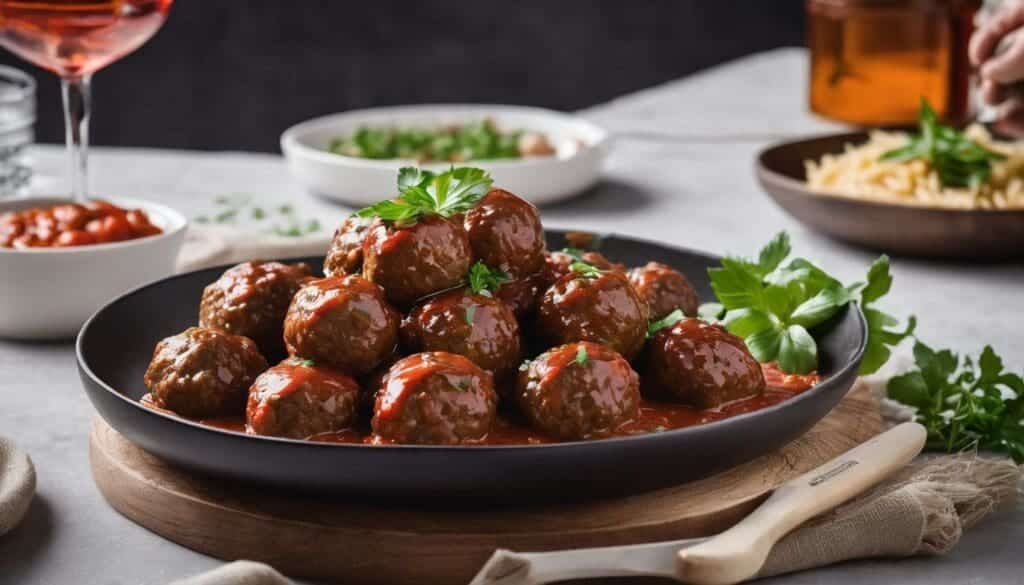
Meatball Sliders: Make mini meatballs and simmer them in marinara sauce, then serve them on slider buns with melted mozzarella cheese.
Breakfast Sliders: Cook scrambled eggs, bacon, and cheddar cheese, then sandwich the mixture between slider buns for a delicious breakfast twist.
Veggie Sliders: Grill or roast your favourite vegetables, such as portobello mushrooms, bell peppers, and zucchini, then stack them on slider buns with a flavourful aioli or pesto.
Sloppy Joe Sliders: Make a classic sloppy joe mixture and spoon it onto slider buns, then sprinkle with shredded cheddar cheese before baking until bubbly and golden.
By exploring these comfort food options akin to White Castle sliders, you can add variety and excitement to your meal while still enjoying the familiar flavours you love.
Creating a Copycat Recipe for White Castle Sliders
Developing a copycat recipe for White Castle sliders requires attention to detail and a commitment to capturing the distinct flavours and essence of the original sliders. Here’s how you can craft a copycat recipe that stays true to the essence of White Castle sliders.
The Meat: Start with high-quality, lean ground beef and form the patties into small, square shapes using a White Castle slider press or by hand.
Season the patties with salt and pepper, and then cook them on a griddle or skillet until they are well done and crispy around the edges.
The Onions: White Castle sliders are famous for their steamed onions, which provide a sweet and savoury flavour to the burger.
To recreate this, finely chop a large onion and cook it in a small amount of butter until it is soft and translucent.
Add a pinch of sugar to help caramelise the onions and enhance their sweetness.
The Buns: White Castle sliders are served on soft, square buns with five holes in the middle.
While it may be challenging to find exact replicas of these buns, you can use small dinner rolls or Hawaiian sweet rolls to capture the original buns’ soft and slightly sweet texture.
The Assembly: To assemble the sliders, place a patty on the bottom half of the bun and top it with a spoonful of the cooked onions.
Add a pickle slice on top of the onions, then place the bun’s top half on top.
The Steam: White Castle sliders are known for their unique steamed texture, which sets them apart from other fast-food burgers.
To achieve this, wrap the assembled sliders in foil and steam them in a covered skillet or on a griddle for a few minutes. This will help soften the buns and meld the flavours together, just like the original sliders.
By paying close attention to these key elements and taking the time to recreate the flavours and textures that make White Castle sliders iconic, you can craft a copycat recipe that honours the essence of the original sliders. Enjoy the taste of White Castle in the comfort of your own home!
How to Steam the Patties for White Castle Sliders
Steaming the slider patties is a crucial step in replicating the texture and taste of White Castle sliders. This process helps maintain the juiciness and tenderness of the patties, resulting in an authentic dining experience at home.
To steam the slider patties:
Start by heating a few tablespoons of water in a non-stick skillet over medium heat.
Once the water is hot and beginning to bubble, place the slider patties in the skillet and cover with a lid.
Allow the patties to steam for 2-3 minutes or until they are heated and the steam has helped soften and tenderise the meat.
Steaming the patties not only ensures they remain juicy and flavourful but also helps replicate the soft, almost sponge-like texture of the original sliders. This step is crucial in achieving White Castle sliders’ signature taste and mouthfeel. After steaming, the slider patties can be assembled with the traditional toppings – pickles, onions, and a squiggle of mustard – between soft, steamed buns to complete the iconic White Castle experience.
By taking the time to steam the patties, you can bring the flavours and textures of this beloved fast-food favourite to your own kitchen, allowing you to enjoy an authentic White Castle meal without ever leaving home.
Adding Onion Soup Mix to the Slider Patty
The inclusion of the onion soup mix in the slider patty mixture is a key component in capturing the unique flavour profile of White Castle sliders. The distinct onion flavour and seasoning are critical to replicating the taste of the original sliders.
Using Hawaiian Rolls for Homemade White Castle Slider Buns
To fully embrace the White Castle slider experience, using Hawaiian rolls as the slider buns can elevate the overall taste and texture of your homemade version. The soft and slightly sweet nature of Hawaiian rolls complements the savoury flavours of the slider patties and fillings.
To make your own Hawaiian roll sliders, start by purchasing a pack of Hawaiian rolls from your local grocery store. Then, prepare your slider patties using ground beef, turkey, or even a vegetarian option like black bean burgers. Season the patties with salt, pepper, and any other desired spices.
Next, slice the Hawaiian rolls in half, creating a top and bottom bun. Place a slider patty on the bottom half of each roll and add your favourite fillings, such as cheese, pickles, onions, or lettuce. Finally, place the top half of the roll on top of the fillings to complete your sliders. Once your sliders are ready, serve them hot and enjoy the delicious combination of the soft and sweet Hawaiian rolls with the savoury and flavourful fillings. They will be a hit at any gathering or simply as a tasty treat for yourself and your family.
Key Ingredients for White Castle Slider Recipe
When recreating the White Castle sliders at home, certain key ingredients are instrumental in capturing the essence of the classic fast-food favourite. These ingredients can help ensure the authenticity of your homemade White Castle sliders.
Onions: White Castle is known for its steamed onions, which add a unique flavour and texture to the sliders. To replicate this, finely dice onions and cook them in a small amount of water or beef broth until they are soft and translucent.
Beef: Use 100% beef for the slider patties and shape them into thin, square-shaped patties to mimic the classic White Castle style. Cook the patties on a griddle or in a skillet, and season them with salt and pepper to taste.
Cheese: White Castle sliders typically come with a slice of American cheese. Choose a good quality, preferably square slice of American cheese to melt over the patties for that signature cheesy finish.
Slider buns: Look for small, square slider buns to complete the authentic White Castle experience. If you can’t find them, you can also use regular dinner rolls and cut them into square shapes to fit the patties.
Pickles (optional): Many White Castle sliders come with a slice of pickle on top. If you enjoy this addition, don’t forget to add a pickle slice to each slider before serving.
Steam: White Castle is famous for steaming its sliders, so to truly capture the essence of the original, consider steaming your assembled sliders in a covered pan for a few minutes before serving.
By paying attention to these key ingredients and cooking methods, you can recreate the taste and texture of White Castle sliders at home. Enjoy your homemade version of this iconic fast-food favourite!
The Importance of Dill Pickles in White Castle Sliders
Dill pickles are a crucial component in White Castle sliders, providing a burst of tanginess and crunch that complements the savoury flavours of the sliders. Their distinct flavour contributes to the overall appeal and signature taste of White Castle sliders.
The combination of the juicy, seasoned beef patty, onions, cheese, and soft, steamed bun is enhanced by the addition of dill pickles. The pickles add a refreshing contrast to the rich, savoury components of the slider, giving each bite a satisfying balance of flavours and textures. Without the dill pickles, White Castle sliders would lack that zesty kick and satisfying crunch that fans have come to love.
They have become synonymous with the White Castle experience, and their presence in the sliders is essential to maintaining the authentic taste that customers crave. Whether you’re enjoying a single slider or a crave-worthy sack of them, the presence of dill pickles is a must for any true White Castle fan. Their unique contribution to the overall flavour profile of the sliders makes them an indispensable ingredient, adding depth and vibrancy to every bite.
Using Dill for Flavouring Your Slider Patties
Incorporating dill to flavour your slider patties can enhance the overall taste and aromatic profile of the sliders, staying true to the original White Castle flavour. The addition of dill infuses the patties with a unique and appealing herbaceous note.
To incorporate dill into your slider patties, start by finely chopping fresh dill and mixing it into the ground meat mixture before forming the patties. You can also mix in some dried dill if fresh is not available. Make sure to distribute the dill evenly throughout the meat mixture for consistent flavour in every bite.
Additionally, you can create a dill-infused oil or butter to brush on the slider buns before toasting them. Simply heat some oil or butter in a pan and infuse it with dill by steeping the herb in the hot liquid for a few minutes. Then, brush the dill-infused oil or butter onto the slider buns before toasting them for an added layer of dill flavour.
Finally, consider topping your slider patties with a dill-infused mayo or aioli. Simply mix some chopped dill into your favourite mayo or aioli recipe for a creamy and flavourful topping that complements the dill-infused patties.
By incorporating dill into various elements of your slider recipe, you can enhance the overall flavour profile and aroma of the sliders while staying true to the original White Castle flavour. The dill will add a unique and appealing herbaceous note that will elevate the taste of your slider patties.
How American Cheese Elevates, the White Castle Slider Experience
American cheese slices play a pivotal role in defining the flavour and texture of White Castle sliders. Their smooth and creamy consistency enhances the overall indulgence and satisfaction that White Castle sliders are known for.
The American cheese slices melt and blend perfectly with the juicy beef patty and soft, steamed bun, creating a mouthwatering combination of flavours. The mild and slightly tangy taste of American cheese also balances out the savoury and salty elements of the slider, making it a crowd-pleaser for cheese lovers.
Additionally, the cheese slices add a slight chewiness to the sliders, adding a satisfying texture to each bite. This combination of flavours and textures contributes to the iconic taste and experience of enjoying a White Castle slider. American cheese slices are a crucial component of White Castle sliders, elevating their deliciousness and making them a beloved fast food favourite.
Tips for Making Perfect White Castle Sliders at Home
Creating the perfect White Castle sliders at home involves a level of finesse and attention to detail. These essential tips can assist you in achieving the desired outcome and enjoyment from your homemade White Castle sliders.
Use 100% ground beef: White Castle sliders are made with 100% beef, so make sure to use high-quality ground beef for the perfect flavour and texture.
Thin patties: White Castle sliders are known for their thin, square-shaped patties. To achieve this, use a burger press or flatten the patties with a spatula to create thin and uniform shapes.
Onions are key: White Castle sliders are topped with a generous amount of diced onions. To replicate this, finely chop onions and cook them on the stove until they are soft and translucent.
Steam the buns: White Castle sliders are steamed for a soft and fluffy texture. To achieve this, lightly steam the buns before assembling the sliders.
Pickles and cheese: White Castle sliders also feature a pickle and a slice of American cheese. Make sure to use these toppings to mimic the authentic flavour of White Castle sliders.
Assembly is key: Assemble the sliders by placing the cooked patties on the steamed buns, followed by a generous scoop of onions, a pickle, and a slice of cheese.
Serve hot: White Castle sliders are best enjoyed when served hot and fresh. Make sure to serve them immediately after assembly for the best flavour and texture. By following these essential tips, you can create perfect White Castle sliders at home and enjoy the iconic taste of this beloved fast food favourite.
Baking Sheet vs. Griddle: The Best Cooking Method for White Castle Sliders
When it comes to cooking your homemade White Castle sliders, consider using a griddle for optimal results. The even heat distribution and surface area of a griddle can help achieve the perfect sear and texture, ensuring a delicious outcome. Additionally, using parchment paper can prevent sticking and facilitate easy cleanup.
To start, preheat your griddle over medium-high heat and place the sliders on the hot surface. Let them cook for a few minutes on each side, flipping them once they develop a nice crust. The high heat will help caramelise the onions and create that classic White Castle flavour.
If you prefer a steamed bun, you can lightly toast the buns on the griddle while the sliders cook. Remember to use a spatula to press down on the sliders while they cook gently. This will help ensure they cook evenly and develop that signature thin patty texture.
Once your sliders are cooked to perfection, remove them from the griddle and assemble them with your favourite toppings. Enjoy your homemade White Castle sliders with confidence, knowing you’ve achieved the perfect balance of flavour, texture, and ease of preparation.
Enhancing flavour with the Onion Soup Mix and Ground Beef
The combination of onion soup mix and ground beef is key to achieving the signature flavour of White Castle sliders. The distinct seasoning and aroma from the onion soup mix infuse the ground beef, resulting in a flavourful and aromatic patty that mirrors the original sliders.
To make White Castle sliders at home, you can mix a packet of onion soup mix into your ground beef before forming it into small, thin patties. This allows the flavours to meld and ensures that every bite is packed with that classic White Castle taste. Once the patties are cooked and assembled with pickles and a steamed bun, you’ll have a delicious and satisfying snack that’s reminiscent of the real thing.
The onion soup mix adds depth and complexity to the beef, giving it a savoury and slightly sweet flavour that sets it apart from a regular hamburger. It’s a simple yet effective way to recreate the iconic taste of White Castle sliders in your own kitchen.
So, the next time you’re craving those famous steam-grilled sliders, try incorporating onion soup mix into your ground beef for a homemade version that’s sure to satisfy your cravings. With this key ingredient, you can capture the essence of White Castle’s unique flavour and enjoy a taste of nostalgia anytime you want.
Choosing the Right Slider Buns for Your Homemade White Castle Burgers
Selecting the appropriate slider buns is essential in creating the perfect homemade White Castle sliders. Opt for dinner rolls or Hawaiian rolls to ensure the ideal size, texture, and flavour profile that complements the slider patties and fillings.
Dinner rolls are a classic choice for slider buns, as they are small and soft. On the other hand, Hawaiian rolls add a sweetness and a slightly denser texture that can also work well with the sliders.
Ultimately, the choice between dinner rolls and Hawaiian rolls comes down to personal preference and the flavour profile you want to achieve. Both options should be readily available at your local grocery store, and either will help you create the perfect homemade White Castle sliders.


 Shaimaa Olwan